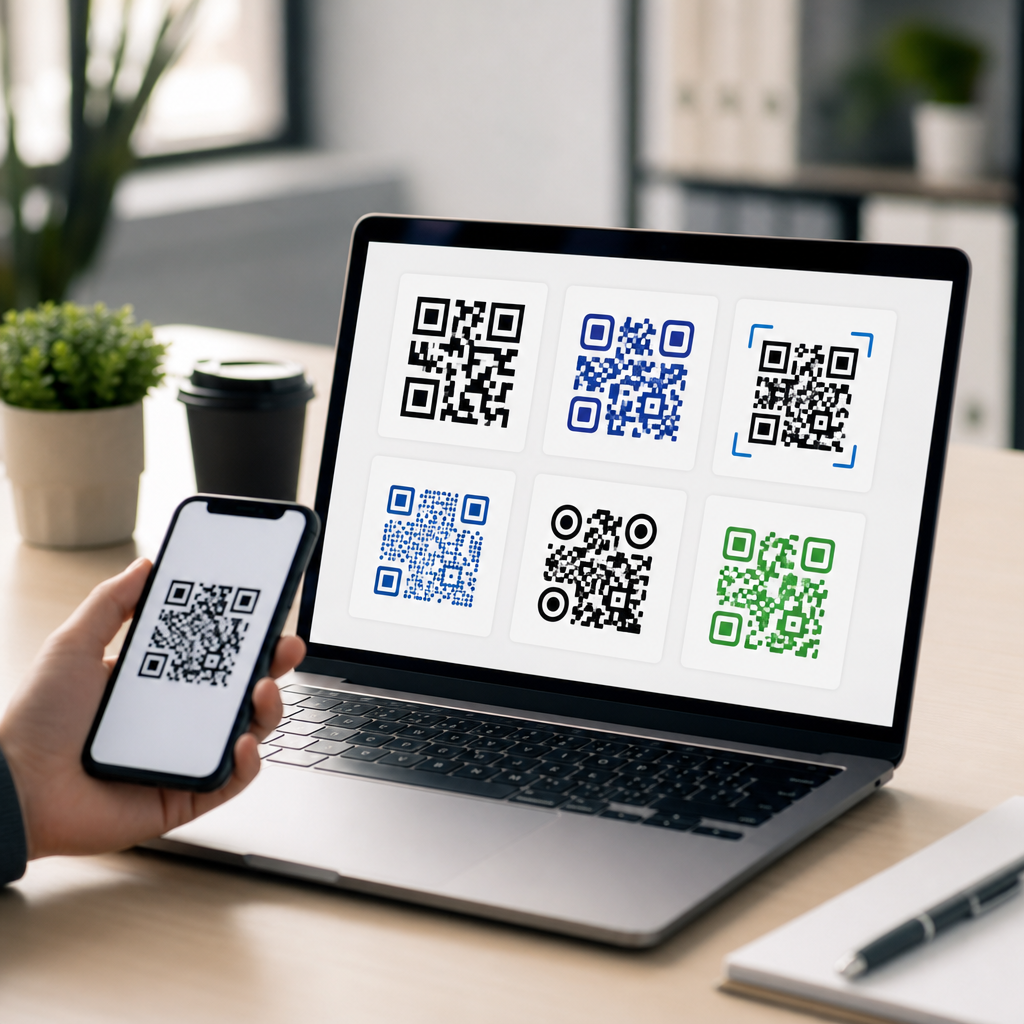

Choosing between static and dynamic QR codes affects far more than the design of a square graphic; it determines how flexible, measurable, and durable your mobile marketing, operations, and customer experience efforts will be. In simple terms, a static QR code stores fixed data directly in the code pattern, while a dynamic QR code points to a short redirect URL that can be changed and tracked after printing. That difference matters because QR codes are now used for product packaging, restaurant menus, event check-ins, app downloads, payment flows, service manuals, and omnichannel campaigns where teams need both reliability and measurable results. I have implemented both types across retail packaging, field service labels, direct mail, and in-store displays, and the wrong choice usually creates avoidable cost: either a campaign cannot be updated once printed, or a business pays for dynamic features it never uses. This article serves as the hub for understanding static vs dynamic QR codes, including cost, editing, analytics, security, governance, and practical selection criteria, so you can choose the right format before launch rather than after a problem appears.
What Static and Dynamic QR Codes Actually Mean
A static QR code contains the destination information in the symbol itself. That data may be a website URL, plain text, Wi-Fi credentials, a vCard, an email template, or a phone number. Once generated, the encoded data cannot be edited without creating a new code. If you print a static QR code on 50,000 brochures and later change the landing page URL, every printed item becomes outdated. Static codes are therefore best when the information is permanent or very unlikely to change, such as a company’s main homepage, a public Wi-Fi setup string, or fixed product documentation hosted on a stable URL structure.
A dynamic QR code works differently. The symbol usually encodes a short managed URL that redirects users to the final destination. Because the redirect is controlled in a platform, you can change the destination after printing without changing the QR image. Dynamic platforms also commonly provide scan analytics, campaign tagging, device breakdowns, time-of-scan reporting, geolocation at a regional level, expiration rules, password protection, A/B routing, and bulk management. In practice, dynamic codes are the operational choice for campaigns, seasonal offers, editable menus, real estate flyers, ticketing, and product labels that may need future updates.
Core Differences That Influence the Decision
The most important difference is editability. Static QR codes are permanent; dynamic QR codes are editable. The second major difference is measurement. Static codes generally do not provide native scan analytics unless the destination URL itself contains tracking parameters and the website analytics stack captures them correctly. Dynamic codes can report scans before the visitor even reaches the destination, which is useful when the landing page is on a third-party platform or app store. The third difference is dependency. Static codes keep working as long as the encoded destination works. Dynamic codes depend on the QR service, its redirect infrastructure, subscription status, and domain reputation. If the provider fails or a plan expires, scans may stop resolving.
Data density and scan reliability also differ. Because static codes can contain the full destination data, long URLs generate denser patterns. Dense codes are harder to scan at small print sizes or on low-contrast materials. Dynamic codes usually encode a shorter URL, which creates a simpler symbol with fewer modules and often better real-world scan performance. This matters on curved packaging, small labels, engraved metal plates, and outdoor signage viewed from a distance. Error correction helps, but it cannot compensate for poor size, contrast, quiet zone, or distorted printing.
| Factor | Static QR Code | Dynamic QR Code |
|---|---|---|
| Edit after printing | No | Yes |
| Native scan analytics | Usually no | Yes |
| Works without provider dependency | Yes | No |
| Best for long-term fixed use | Strong fit | Good if platform is stable |
| Best for campaigns and testing | Limited | Strong fit |
| Code density with long URLs | Higher | Lower |
| Typical ongoing cost | One-time or free | Subscription or platform fee |
When a Static QR Code Is the Better Choice
Static QR codes are the right choice when permanence outweighs flexibility. If the destination will not change for years, static avoids vendor lock-in and recurring cost. I recommend static codes for utility uses such as connecting users to a stable help center URL, embedding Wi-Fi credentials in a hotel room, adding a phone number on service vehicles, or linking to a canonical company homepage that is unlikely to be restructured. Museums also use static codes effectively for permanent exhibit identifiers when the linked web pages are managed under durable slugs and redirects are handled internally.
Static codes also suit high-volume printing where every cent matters and analytics are not essential. Think instruction inserts, manufacturing labels, classroom materials, and public notices. In these situations, reliability comes from simplicity. There is no external dashboard to manage, no account to renew, and no redirect chain adding latency. However, static does require disciplined URL governance. If your web team later changes page paths without proper 301 redirects, the printed code breaks. The code itself is permanent, but the destination infrastructure must be maintained with equal permanence.
When a Dynamic QR Code Is the Better Choice
Dynamic QR codes are the better choice when content may change, when performance must be measured, or when multiple stakeholders need control after printing. Restaurants are a classic example. Menus change with pricing, availability, and seasonal items. Reprinting every table card for each update is wasteful, so a dynamic code lets the operator keep the same printed asset while the destination changes. Event marketers use dynamic codes on posters and badges because event details, schedules, and registration states often shift. Consumer packaged goods teams use them to route by region, launch date, or language without changing packaging artwork.
Dynamic codes are also essential when you want to test and optimize. A retail brand can place the same QR code on in-store shelf talkers nationally, then compare scans by location, day, and device type. A direct mail campaign can send traffic first to one landing page, then update the destination to a better-converting version once results are known. Some platforms support retargeting pixels, expiration dates, scan limits, and conditional redirects based on operating system or language. Those capabilities turn a printed code into an adjustable distribution point rather than a fixed link.
How to Decide Based on Business Needs
The easiest way to choose between static and dynamic QR codes is to ask five questions. First, can the destination change after printing? If yes, choose dynamic. Second, do you need scan analytics beyond website pageviews? If yes, choose dynamic. Third, is this code expected to remain usable for many years without platform dependency? If yes, static often wins. Fourth, is the printed area small or the URL long? Dynamic may scan more reliably because the symbol is less dense. Fifth, can your team manage redirects, renew subscriptions, and document ownership? If not, static reduces operational risk.
For most marketing use cases, dynamic is the default because campaigns evolve. For most pure utility use cases, static is enough. The nuance is in mixed cases. A product manual link printed on hardware may seem permanent, but support content often moves, so dynamic can protect against future restructuring. On the other hand, a QR code on an employee badge linking to a basic digital contact card may not justify a subscription if the organization can maintain a stable landing page. The best decision comes from balancing change frequency, measurement needs, and long-term governance.
Technical, Security, and Compliance Considerations
QR code choice is not only a marketing decision; it is also a technical and risk decision. Static codes reduce third-party dependency, but they expose the final URL directly, which can be long, ugly, or easier to mistype when recreated manually. Dynamic codes centralize control, yet that same control introduces a dependency on a vendor’s redirect domain, uptime, access controls, and abuse prevention. If a malicious actor gains access to the QR management account, they can silently repoint destinations. That risk is manageable with single sign-on, role-based permissions, audit logs, and domain ownership, but it must be planned.
Compliance matters as well. If scan analytics collect location, device, or campaign data, confirm how the provider handles consent, retention, and regional privacy requirements. For healthcare, finance, and education, never assume a QR platform is suitable for regulated workflows without reviewing contracts and data handling. Use HTTPS destinations, test redirects, and avoid stacking multiple redirects because each hop increases latency and the chance of failure. I also advise teams to archive ownership details for every production QR code: creator, purpose, destination, print locations, and renewal date. That documentation prevents orphaned codes that nobody can update or retire.
Best Practices for Creating Mobile QR Codes That Keep Working
Whether you choose static or dynamic, execution determines success. Use high contrast, preserve the quiet zone, and size the code for the scanning distance; a common field rule is roughly one inch of code width for every ten inches of scan distance, then validate in context. Test on both iPhone and Android, in bright and low light, with older camera hardware, and on the actual material finish. Matte stock usually scans better than reflective laminate. If the code links to mobile content, ensure the landing page loads quickly, avoids intrusive pop-ups, and matches the call to action printed beside the code.
For this subtopic hub under Creating Mobile QR Codes, the main takeaway is straightforward: choose static QR codes for fixed, low-maintenance destinations and choose dynamic QR codes for editable, measurable, campaign-driven use. The better option is not the more advanced one; it is the one that matches the lifespan, governance model, and performance needs of the asset you are printing. Before publishing your next code, document the destination owner, test the scan path end to end, and decide whether future updates are likely. That one decision will save reprint costs, protect user experience, and make your QR strategy far more resilient.
Frequently Asked Questions
What is the main difference between a static QR code and a dynamic QR code?
The core difference is where the information lives. A static QR code contains the final destination or data directly inside the code itself. That means once it is created and printed, the content is locked in. If the code points to a URL, phone number, Wi-Fi credential, PDF, or text string, that exact information is permanently embedded in the pattern. A dynamic QR code works differently. Instead of storing the final destination directly, it stores a short redirect link that sends the scanner to the actual content. Because that redirect can be updated later, the destination can change without changing the printed code.
That distinction affects much more than convenience. Static QR codes are simple, low-maintenance, and often ideal for information that will never change, such as a permanent contact card or a stable webpage. Dynamic QR codes are better suited for real-world business use cases where flexibility matters, such as product packaging, restaurant menus, event signage, inventory labels, and marketing campaigns. They also make analytics possible, because scans can be measured through the redirect layer. In practical terms, if you need editability, tracking, campaign control, or room to adapt after printing, dynamic is usually the stronger choice. If your content is fixed forever and you want the most straightforward setup, static may be enough.
When should I choose a static QR code instead of a dynamic one?
A static QR code is the right choice when the information is truly permanent and there is little risk that you will need to update it later. For example, if you are linking to a long-term homepage, sharing plain text, storing a simple email address, or publishing information that will remain unchanged for the life of the printed material, static can be a practical and cost-effective option. It is especially useful in situations where you want a one-time code with no ongoing platform dependency, no dashboard management, and no subscription or service layer tied to the code’s future behavior.
Static QR codes can also be appealing for internal or personal uses where scan tracking is not important. If you are printing a code for a bulletin board, adding Wi-Fi credentials in an office, or creating a simple contact-sharing tool, the permanence of a static code may actually be a benefit. There are fewer moving parts, and once the code works, it keeps working as long as the destination itself remains valid.
That said, businesses should be careful not to choose static just because it seems easier upfront. If there is any realistic chance that the linked content, landing page, file, phone number, or campaign message might change, the inability to edit the code later can become expensive. Reprinting packaging, menus, posters, inserts, or signs often costs far more than the small effort of using dynamic QR codes from the start. Static is best when permanence is a feature, not a limitation.
Why are dynamic QR codes usually better for marketing, operations, and customer experience?
Dynamic QR codes are often the better choice because they give you control after distribution. Once printed materials are out in the world, businesses frequently discover they need to update a destination, correct an error, swap a file, launch a new promotion, or redirect users to a more relevant page. With a dynamic QR code, all of that can happen without replacing the printed code. This flexibility is extremely valuable across marketing, operations, and customer-facing environments where information changes regularly or where agility matters.
From a marketing perspective, dynamic codes support campaign optimization. You can place the same printed QR code on flyers, packaging, displays, or direct mail and later change where it leads based on season, location, inventory, or audience behavior. You can also measure scans, compare performance, and learn which materials are actually driving engagement. That turns the QR code from a static access point into a measurable channel.
Operationally, dynamic codes reduce waste and improve continuity. Restaurants can update menus, manufacturers can revise product instructions, retailers can change promotional destinations, and event organizers can update schedules or registration links without recalling printed assets. For customer experience, this means fewer dead ends, fewer outdated pages, and a smoother journey overall. If your QR code plays any role in communication that may evolve over time, dynamic offers a level of resilience and responsiveness that static simply cannot match.
Do dynamic QR codes offer analytics, and how useful is that data when deciding between the two?
Yes, one of the biggest advantages of dynamic QR codes is access to scan analytics. Because a dynamic code routes users through a redirect, it can record useful data points such as the number of scans, time of scan, approximate location, device type, and sometimes operating system or campaign-level performance metrics, depending on the platform being used. This data helps businesses understand whether people are actually engaging with the code and what happens across different channels or placements.
That information can be extremely valuable when deciding between static and dynamic QR codes. If the QR code is being used in any business context where performance matters, analytics can justify the choice almost immediately. For example, on product packaging, scan data can show which markets are engaging most. In print advertising, it can reveal whether a poster, brochure, or in-store display is producing traffic. In hospitality or events, it can show peak interaction times and help refine customer touchpoints.
Static QR codes generally do not offer built-in analytics because there is no redirect layer to measure the scan. While you may still gather some data through website analytics after the user reaches the destination, you usually lose the cleaner attribution and dedicated QR-level visibility that dynamic codes provide. If you need to evaluate ROI, improve campaign performance, test landing pages, or report results to stakeholders, dynamic QR codes are usually the more strategic choice.
What factors should I evaluate before deciding whether a QR code should be static or dynamic?
The best decision comes down to a few practical questions. First, ask whether the destination might ever change. If the answer is yes, even possibly, dynamic is typically the safer option. Second, consider whether you need analytics. If measuring engagement, attribution, or scan behavior matters, dynamic is the better fit. Third, think about the lifespan of the printed material. The longer a code will remain in circulation, the more valuable editability becomes. A code on temporary handouts may tolerate permanence better than one printed on packaging, signage, labels, or menus used for months or years.
You should also assess the cost of mistakes and reprints. If a broken URL, outdated file, expired promotion, or business change would force you to replace physical materials, dynamic QR codes can reduce that risk significantly. Brand experience is another factor. Businesses that want to keep content fresh, localized, seasonal, or audience-specific often benefit from the control dynamic codes provide. On the other hand, if the information is simple, fixed, and not business-critical, a static code may be perfectly adequate.
Finally, think in terms of long-term use rather than initial setup. Many people choose static QR codes because they seem faster at the start, but later realize they need flexibility, tracking, or updates after the materials are already printed. A good rule of thumb is this: choose static for permanent, low-risk, no-analytics use cases; choose dynamic for anything customer-facing, campaign-driven, operationally important, or likely to evolve. That approach helps ensure the QR code continues to serve the business rather than becoming a limitation once it is deployed.