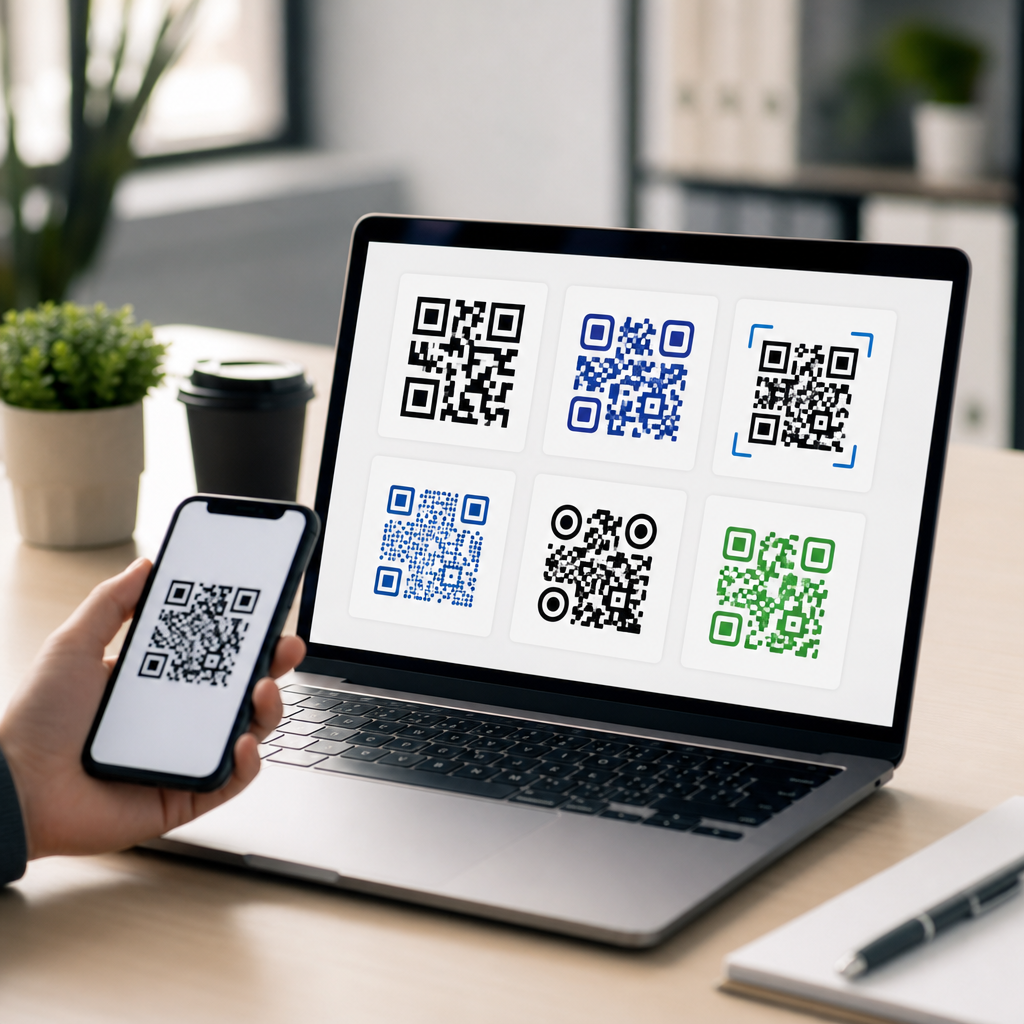
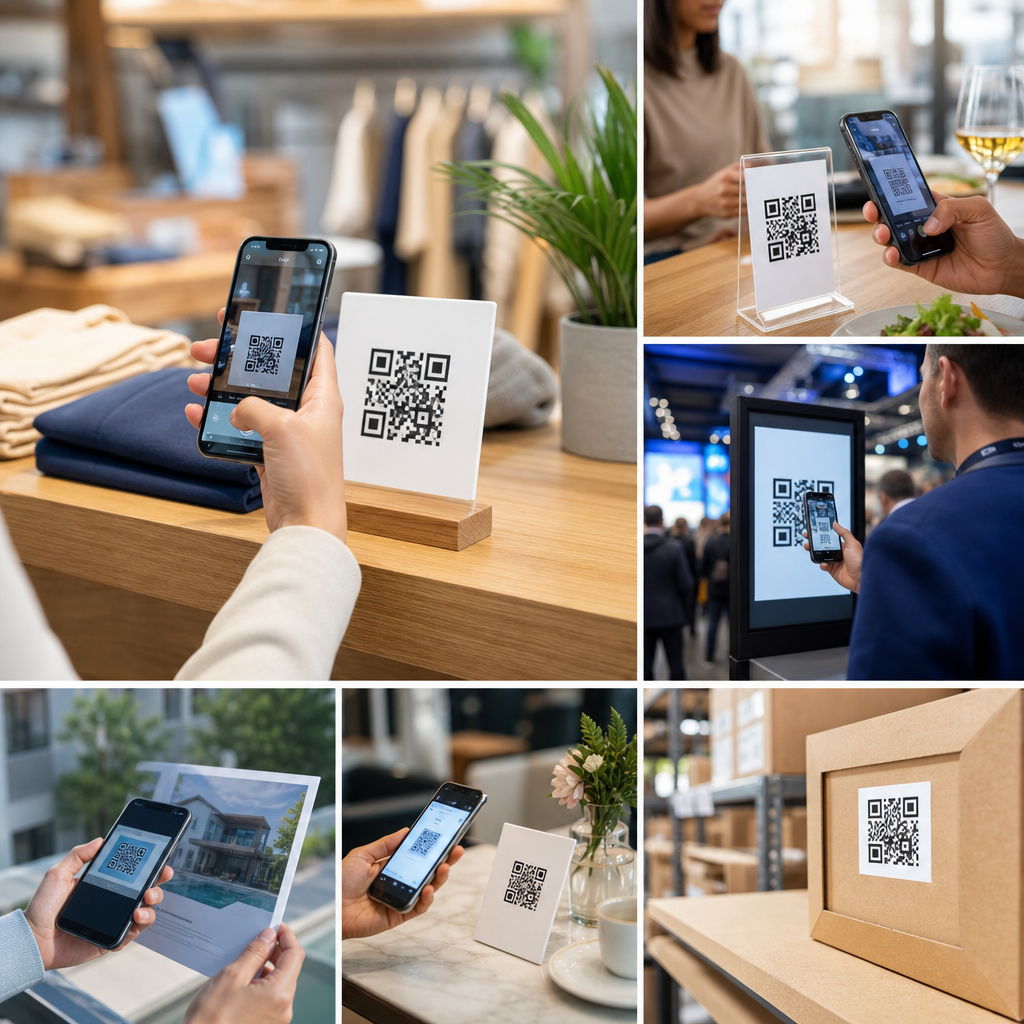
Dynamic QR codes have become the practical standard for businesses that need flexibility, measurement, and control after printing. In the broader topic of creating mobile QR codes, the key distinction is simple: a static QR code stores the final destination directly in the code, while a dynamic QR code stores a short redirect URL that can be updated later. That difference changes everything from campaign management to analytics. I have used both across retail packaging, event signage, field service labels, and restaurant menus, and the pattern is consistent: static codes work for fixed information, but dynamic codes are better whenever content, tracking, or audience targeting may change. Understanding the best use cases for dynamic QR codes starts with understanding static vs dynamic QR codes in operational terms, not just technical ones. The choice affects print costs, customer experience, error recovery, compliance, and long-term maintainability. For teams building mobile-first experiences, this page serves as the hub for evaluating where dynamic QR codes deliver measurable value and where static codes still make sense.
Static vs Dynamic QR Codes: The Core Difference
Static vs dynamic QR codes is ultimately a question of permanence versus adaptability. A static QR code encodes the final content, such as a URL, vCard, plain text, Wi-Fi credential, or SMS command, directly into the symbol. Once created and printed, that destination cannot be changed without generating and distributing a new code. A dynamic QR code points first to a managed short link on a QR platform, and that platform forwards the visitor to the current destination. Because the redirect lives outside the printed symbol, you can update the landing page, swap an app deep link, pause a campaign, or route traffic by device, language, or time of day without reprinting anything.
That architecture creates two practical advantages. First, dynamic QR codes support analytics. Most platforms can report scans, timestamps, rough geolocation based on IP, operating system, and referral context. Second, dynamic codes improve resilience. If a destination URL changes because of a site migration, a typo, or a product page sunset, the printed code remains usable. In contrast, a static QR code on packaging can become dead inventory overnight if the encoded link breaks. Static codes are still useful for immutable information and offline use cases, but dynamic codes are preferred when a business expects change, wants performance data, or needs centralized governance.
Marketing Campaigns and Print Advertising
The strongest use case for dynamic QR codes is marketing where creative assets outlive landing pages. Billboards, flyers, direct mail, magazine ads, store window graphics, and product inserts often stay in circulation for weeks or months. During that time, offers change, inventory shifts, and campaign goals evolve. A dynamic QR code lets marketers redirect the same printed asset to a new page without wasting media spend. I have seen direct mail drops rescue underperforming response rates simply by changing the destination from a generic homepage to a mobile landing page with one clear call to action and campaign-specific tracking parameters.
Dynamic QR codes also make attribution more reliable. A separate code can be assigned to each channel, creative version, store location, or audience segment, then tracked in the QR platform and web analytics tools such as Google Analytics 4, Adobe Analytics, or Matomo. With UTM parameters and event tracking, teams can compare scans to sessions, conversions, and revenue. This is particularly useful for offline-to-online campaigns, where proving return on investment is usually difficult. If a printed poster in one transit station generates more qualified traffic than another, the data supports smarter media placement and creative testing instead of guesswork.
Restaurant Menus, Hospitality, and Guest Communication
Restaurants and hotels benefit from dynamic QR codes because their information changes constantly. Menus rotate, prices update, specials expire, and service hours vary by season. A static QR code linked to a PDF menu may seem acceptable at launch, but it becomes a maintenance problem as soon as the file name changes or the content needs to be localized. A dynamic QR code solves that by keeping one printed code on the table, room card, or lobby sign while staff update the destination behind the scenes. The same code can also route to breakfast, lunch, or dinner menus based on time, reducing friction for guests.
Hospitality teams use dynamic QR codes for more than menus. They can link to digital concierge pages, spa booking flows, multilingual property guides, guest feedback forms, and WhatsApp contact options. Because scan analytics show which touchpoints are used most, managers can decide whether in-room print collateral is worth the space and cost. This matters in operations: if guests repeatedly scan the late-checkout code but rarely use the printed local attractions guide, the property can streamline materials. Dynamic codes support service recovery too, because a broken booking link or outdated event calendar can be corrected immediately without replacing every sign across the property.
Product Packaging, Retail, and Post-Purchase Support
Packaging is one of the best long-term use cases for dynamic QR codes because printed units remain in warehouses, on shelves, and in customers’ homes long after launch. Brands use one code on the box to provide setup instructions, warranty registration, compliance documents, ingredient details, loyalty enrollment, or product authentication. If the support site changes, the product line expands, or a recall notice must be added, the destination can be updated centrally. In regulated categories such as electronics, cosmetics, and medical-adjacent products, that flexibility reduces risk and protects the usefulness of already printed inventory.
Retailers also use dynamic QR codes to bridge in-store browsing with mobile commerce. A code on shelf talkers or hang tags can lead to real-time inventory, color availability, reviews, size guides, or how-to videos. After purchase, the same code family can route customers to onboarding sequences, replacement part ordering, or troubleshooting content. In my experience, scan data often reveals where customers struggle: a spike in scans on a certain model’s setup page usually signals packaging confusion or weak printed instructions. That insight turns QR codes from a convenience feature into a feedback loop for merchandising, packaging design, and support content.
Events, Venues, and Temporary Information
Dynamic QR codes are ideal when information is temporary and timing matters. Conferences, concerts, trade shows, museums, and sports venues regularly change schedules, speakers, room assignments, and safety instructions. A static QR code on a badge or sign cannot adapt if a session moves rooms or a sponsor link changes. A dynamic code can. Organizers can send every scan to the current agenda page, a mobile wallet ticket, an exhibitor map, or a last-minute update page. This is especially valuable for large venues where reprinting directional signage is slow and expensive.
Operationally, event teams use dynamic QR codes for lead capture, check-in, attendee guides, and sponsor reporting. An exhibitor can place a QR code at the booth and later compare scans by day and hour to staffing levels or demo schedules. Venues can segment codes by entrance, floor, or activation area to identify crowd flow patterns. Museums and cultural sites often use them for multilingual interpretation, audio tours, and accessibility content. Because dynamic redirects can be changed at any time, the same plaque or display can support rotating exhibits without new fabrication, preserving budget while keeping interpretation current and accurate.
When Static QR Codes Still Make Sense
Dynamic is not automatically better in every situation. Static QR codes remain appropriate when the encoded information is permanent, sensitive to third-party dependency, or intended to work without a redirect service. Common examples include plain text emergency instructions, a fixed phone number, Wi-Fi credentials for a small office, or a canonical company homepage that is unlikely to change. Static codes can also be preferable for organizations with strict privacy policies that do not want scan logging, or for low-scale internal uses where analytics and editability add no business value.
The tradeoff is operational rigidity. If you choose static, you are accepting that any future change requires a new code and likely a reprint. That may be acceptable for a laminated guest Wi-Fi card, but it is costly for labels, packaging, or outdoor signage. There is also less room for optimization because static codes do not provide the campaign-level reporting most organizations need. In practice, I advise teams to use static only when the destination is genuinely durable and the consequences of breakage are minor. For nearly every customer-facing printed asset with a meaningful lifespan, dynamic QR codes are the safer default choice.
How to Choose the Right QR Code Type
Choosing between static and dynamic QR codes becomes easier when you evaluate the use case against operational requirements. The table below summarizes the decision factors teams most often overlook during planning.
| Decision factor | Static QR code | Dynamic QR code |
|---|---|---|
| Destination changes over time | Poor fit | Best fit |
| Needs scan analytics | Not available in the code itself | Supported by most platforms |
| High print replacement cost | Risky if URL changes | Safer because redirects can be updated |
| Low dependency on external service | Strong advantage | Requires a reliable QR provider |
| Simple one-time internal use | Usually sufficient | Often unnecessary |
Implementation details matter. Use HTTPS destinations, test across iPhone and Android camera apps, and keep the landing page mobile optimized. If using redirects for app links, configure fallbacks so users without the app still reach useful content. Choose a provider with exportable analytics, custom domains, and clear service continuity policies. Error correction level, quiet zone, contrast, and print size still affect scan reliability for both static and dynamic codes. The code type does not compensate for poor physical design. As a working rule, if the QR code will be printed at scale, exposed to changing content, or measured as part of performance marketing, dynamic should be your default.
The best use cases for dynamic QR codes all share one trait: the destination or the business objective is likely to change after the code is printed. That is why dynamic QR codes outperform static QR codes in marketing, hospitality, retail, packaging, events, and customer support. They reduce reprint waste, preserve working links through site changes, and provide scan analytics that make offline media measurable. Static codes still have a place for fixed information and simple low-risk uses, but they are not the best hub choice for modern mobile journeys. If you are building a scalable approach to creating mobile QR codes, start by classifying each use case by lifespan, need for analytics, and risk of destination changes. Then standardize on dynamic QR codes for anything customer-facing and long-lived. That decision will save money, improve user experience, and give your team control after launch. Review your current printed assets, identify any code tied to changeable content, and replace the highest-risk ones first.
Frequently Asked Questions
What are the best use cases for dynamic QR codes compared with static QR codes?
Dynamic QR codes are best when the destination, message, or campaign details may need to change after the code has already been printed, installed, or distributed. That is the biggest practical advantage over static QR codes. A static code points directly to one fixed destination, so once it is printed on packaging, posters, manuals, mailers, signs, or labels, the link is essentially permanent. A dynamic QR code, by contrast, points to a short redirect URL that can be updated behind the scenes. That makes it far more useful for real-world business operations where landing pages change, promotions expire, products get replaced, and regional campaigns need to be adjusted quickly.
Some of the strongest use cases include retail packaging, event signage, restaurant table tents, direct mail, product instructions, real estate flyers, and field service assets. On packaging, a brand can print one QR code and later change the destination from a product launch page to a support page, a seasonal promotion, or a review request without reprinting inventory. For events, a code on banners or badges can redirect attendees to a current agenda, speaker lineup, registration update, or post-event survey. In field service, the same code on equipment can point technicians to the latest maintenance documents, safety instructions, or troubleshooting videos as those resources evolve over time.
Dynamic QR codes also stand out whenever measurement matters. Businesses often want to know how many scans occurred, when they happened, where they came from, and which assets drove engagement. That is difficult or impossible with a standard static QR code alone. If the organization cares about analytics, campaign control, A/B testing, traffic routing, or the ability to pause or replace a destination later, a dynamic QR code is usually the better choice. In practice, the best use cases are any situations where flexibility, reporting, and post-print control are more important than having a one-time fixed link embedded forever.
Why are dynamic QR codes especially useful for marketing campaigns and printed materials?
Dynamic QR codes are especially valuable in marketing because printed materials usually outlive the original campaign assumptions. A flyer may stay on a counter for months. A package may remain in warehouses, stores, or customer homes long after a launch period. A sign may continue attracting scans after an offer has expired. If a static QR code is used in those situations, marketers are locked into one destination. If that page changes, gets removed, or no longer matches the campaign, the printed piece becomes less effective or even unusable. Dynamic QR codes solve that problem by allowing the destination to be updated at any time while keeping the printed code exactly the same.
This gives marketing teams much more control over execution. They can send traffic to a launch page first, then switch to a promotional page, then move to a permanent product page after the campaign ends. They can redirect by region, by season, or by business priority without replacing brochures, posters, packaging, or in-store displays. That level of agility is extremely useful for campaigns with multiple phases or uncertain timing. It also reduces waste because teams do not need to discard printed inventory just because a URL has changed.
Another major advantage is analytics. Dynamic QR codes typically allow marketers to track scan volume, date and time trends, device patterns, and sometimes geographic patterns. That helps answer practical questions such as which store signage performs best, whether direct mail scans peak in the first week, or whether event attendees engage more before or after a keynote. Those insights help improve future campaigns, justify spend, and optimize landing pages. For marketing teams working across print and mobile, dynamic QR codes bridge the gap between offline placement and measurable digital engagement in a way static codes rarely can.
How do dynamic QR codes help with analytics, testing, and ongoing optimization?
Dynamic QR codes help with analytics because they route the user through a managed link before sending them to the final destination. That intermediate layer makes measurement and control possible. Instead of simply embedding a fixed webpage into the code, the business can use the redirect to collect scan data and evaluate how people are interacting with different materials. This is a major reason dynamic QR codes have become the practical standard for organizations that care about performance, attribution, and optimization rather than just basic access.
From an analytics standpoint, businesses can often see how many scans a code receives, when those scans occur, and in some cases where or on what device they happen. That creates visibility into real-world behavior. For example, a retailer can compare scans from shelf wobblers versus product packaging. An event organizer can see whether lobby signage drives more engagement than printed agendas. A field operations team can learn which equipment labels are frequently scanned, which may indicate recurring service issues or high reliance on support documentation. These insights are valuable because they turn physical touchpoints into measurable digital channels.
Dynamic QR codes also support testing and optimization over time. A team can keep the same printed code in place but change the landing page headline, form, offer, or call to action. They can direct one audience to a product video, then later switch to a lead capture page if the first version underperforms. They can add tracking parameters, align campaigns with analytics platforms, and compare results across placements. This is particularly useful when print runs are expensive or impossible to replace quickly. Instead of treating a QR code as a fixed object, teams can manage it as a living campaign asset. That flexibility enables continuous improvement without changing the visible code that customers scan.
Are dynamic QR codes a good fit for retail packaging, events, and field service operations?
Yes, those are three of the strongest and most practical environments for dynamic QR codes because all three involve physical assets that remain in use while digital information changes. In retail packaging, businesses often need to update destinations after products have already been manufactured and distributed. A QR code printed on a box, label, or insert might initially send customers to a product launch page, but later it may need to point to setup instructions, warranty registration, customer support, replenishment ordering, or a review request. Dynamic QR codes make that transition simple without requiring any packaging redesign or reprint. They also allow brands to manage promotions more intelligently across product lifecycles and seasonal campaigns.
At events, schedules, session rooms, registration flows, and featured content can change quickly. A dynamic QR code on signage, badges, booth displays, seat cards, or handouts gives organizers the ability to keep the attendee experience current. If a session is moved, a speaker changes, or a post-event survey becomes the new priority, the destination can be updated immediately. That is much more reliable than printing a static link that may become outdated before the event even ends. Event teams also benefit from scan reporting, which can reveal which signs, booths, or locations generated the most interaction.
In field service and operations, dynamic QR codes are especially useful because service documentation changes over time. Equipment labels, maintenance stickers, asset tags, and installation guides may need to point to revised manuals, updated compliance documents, troubleshooting videos, or current service forms. A static code would lock the organization into whatever link existed at the moment of printing. A dynamic code allows the support content behind that label to evolve along with the equipment, process, or regulatory requirement. That reduces confusion, improves accuracy, and helps ensure technicians and users are accessing the latest information available.
What should businesses consider before choosing dynamic QR codes for a project?
Businesses should start by asking whether they need flexibility after printing. If the destination may ever change, if campaign performance needs to be measured, or if multiple teams will manage the asset over time, dynamic QR codes are usually the safer choice. They are particularly well suited for long-lived materials such as packaging, signage, manuals, product labels, direct mail, and equipment tags. In those cases, the ability to update the destination later can prevent reprint costs, preserve campaign continuity, and avoid sending users to outdated pages.
They should also consider the operational side. Because dynamic QR codes depend on a redirect, businesses need a reliable QR platform or management system. That means choosing a provider carefully, maintaining the account, and ensuring the redirect remains active. It is important to think about governance too: who can edit the destination, how naming conventions are handled, how scan data is reviewed, and what happens if a campaign ends. Strong internal management prevents broken experiences and makes the most of the reporting capabilities. For larger organizations, it is wise to treat dynamic QR codes as managed digital assets rather than one-off graphics.
Finally, businesses should align the QR code strategy with user experience. The landing page must be mobile-friendly, fast, and clearly connected to the context in which the code appears. A code on packaging should not send users to a confusing homepage if they expect setup help or product details. A sign at an event should lead directly to the most relevant schedule or resource. A service label should open current documentation with minimal friction. Dynamic QR codes provide the flexibility and control, but the value comes from using that flexibility intentionally. When paired with a strong destination, good analytics discipline, and clear lifecycle management, they become one of the most effective tools for connecting print and physical environments to responsive digital experiences.