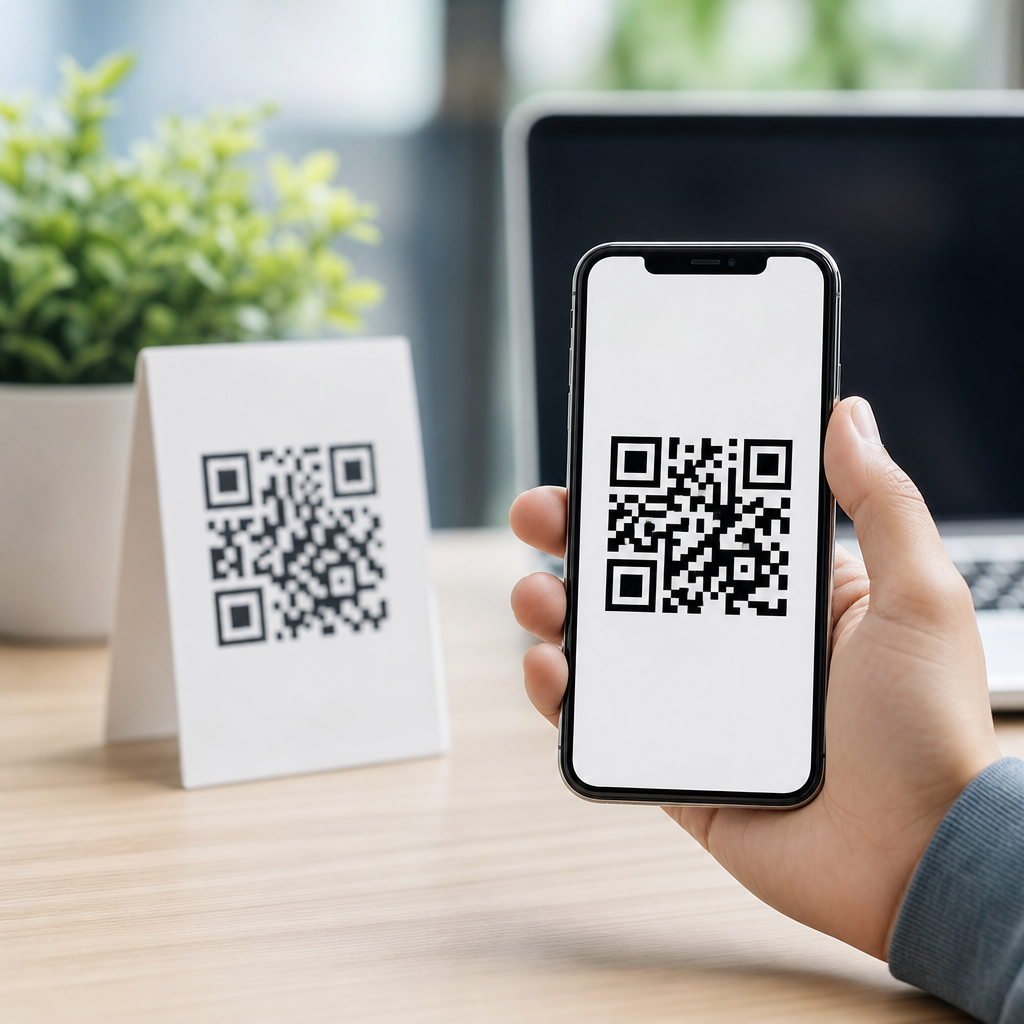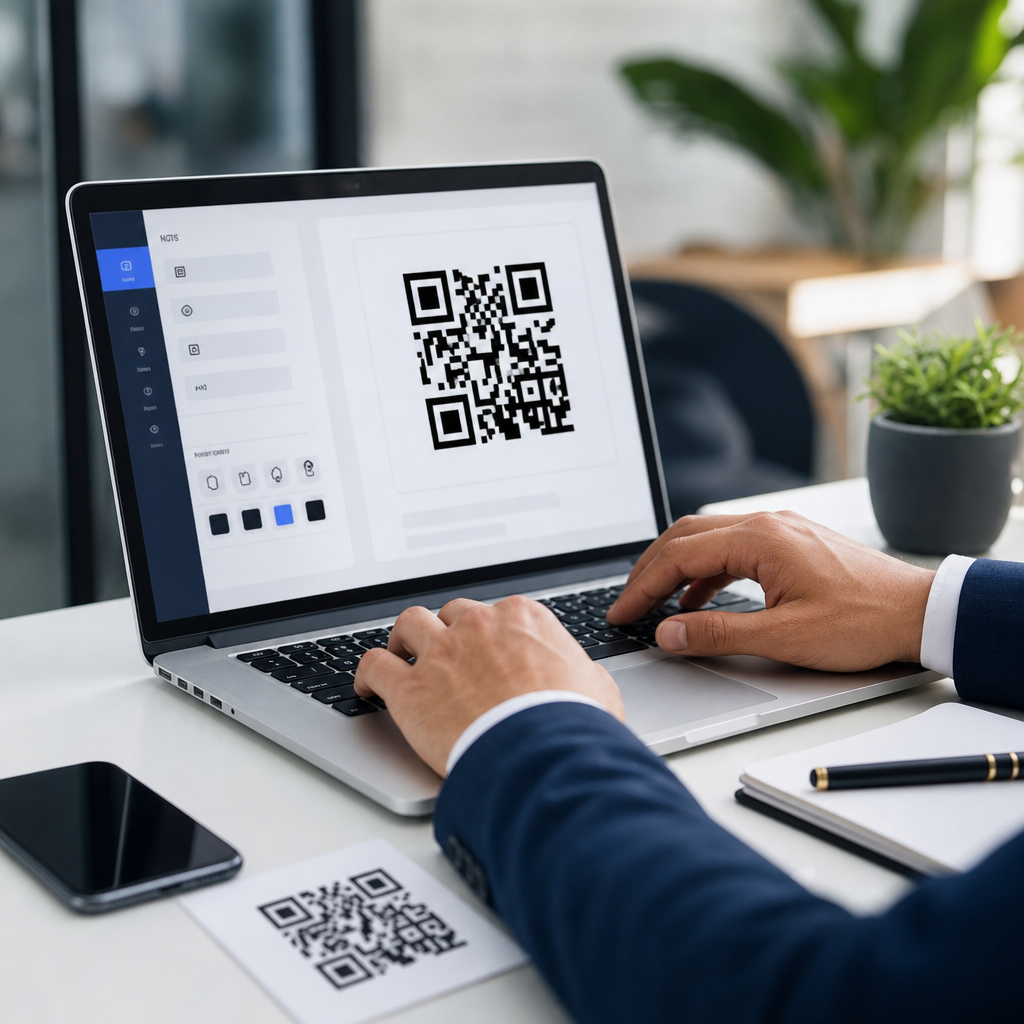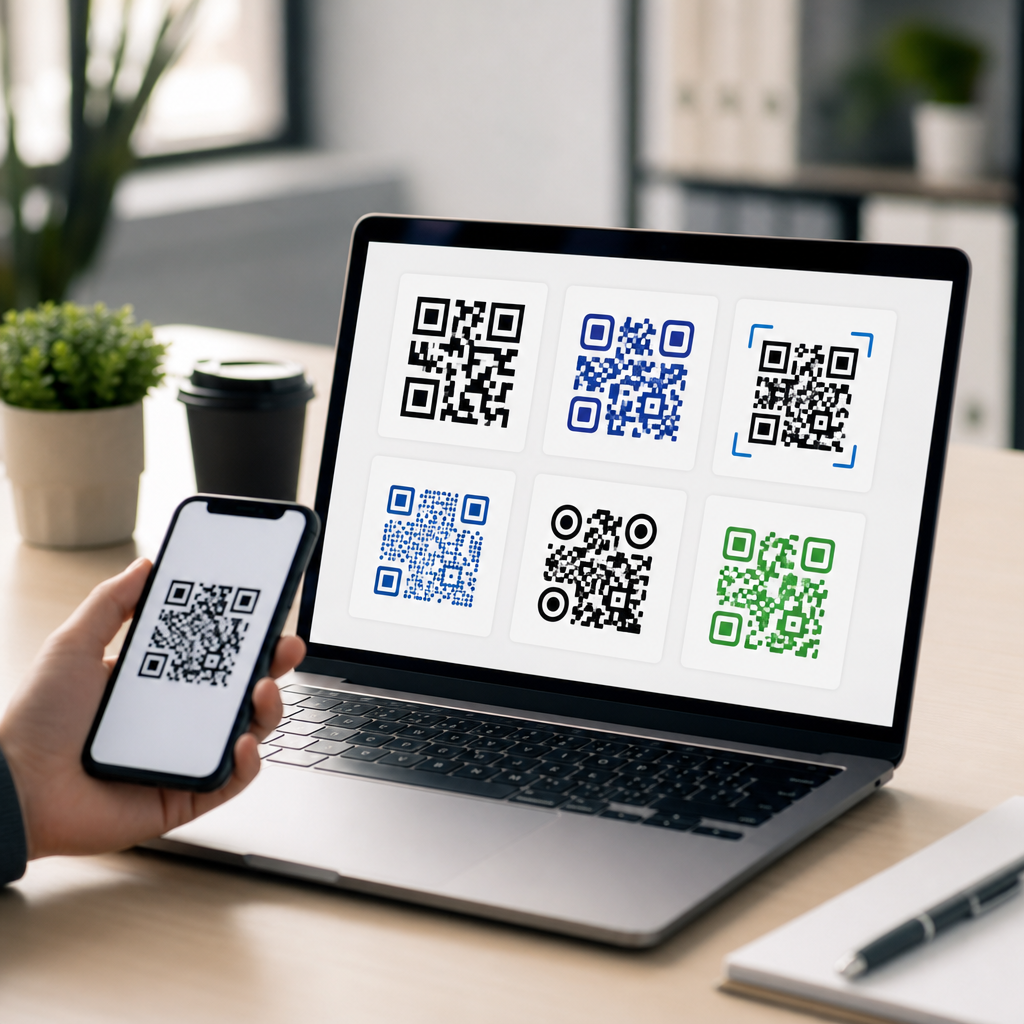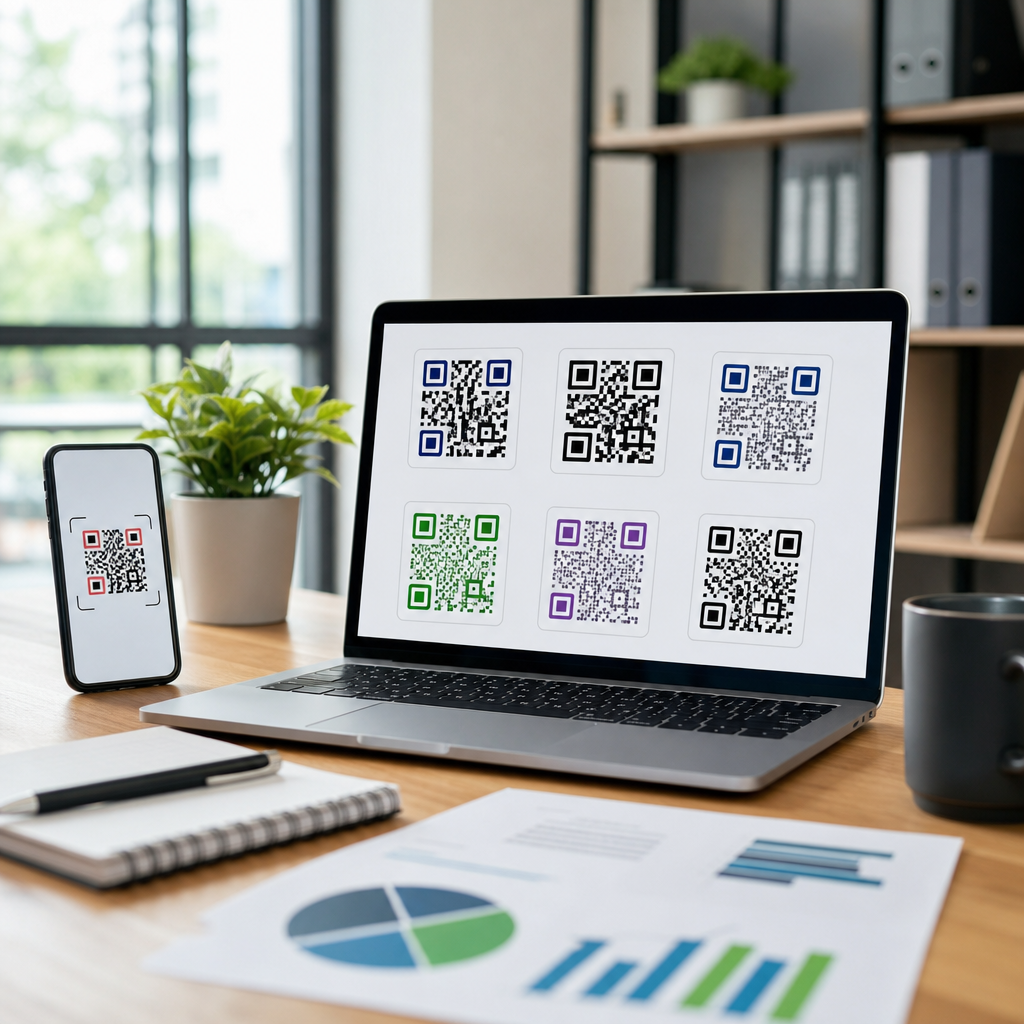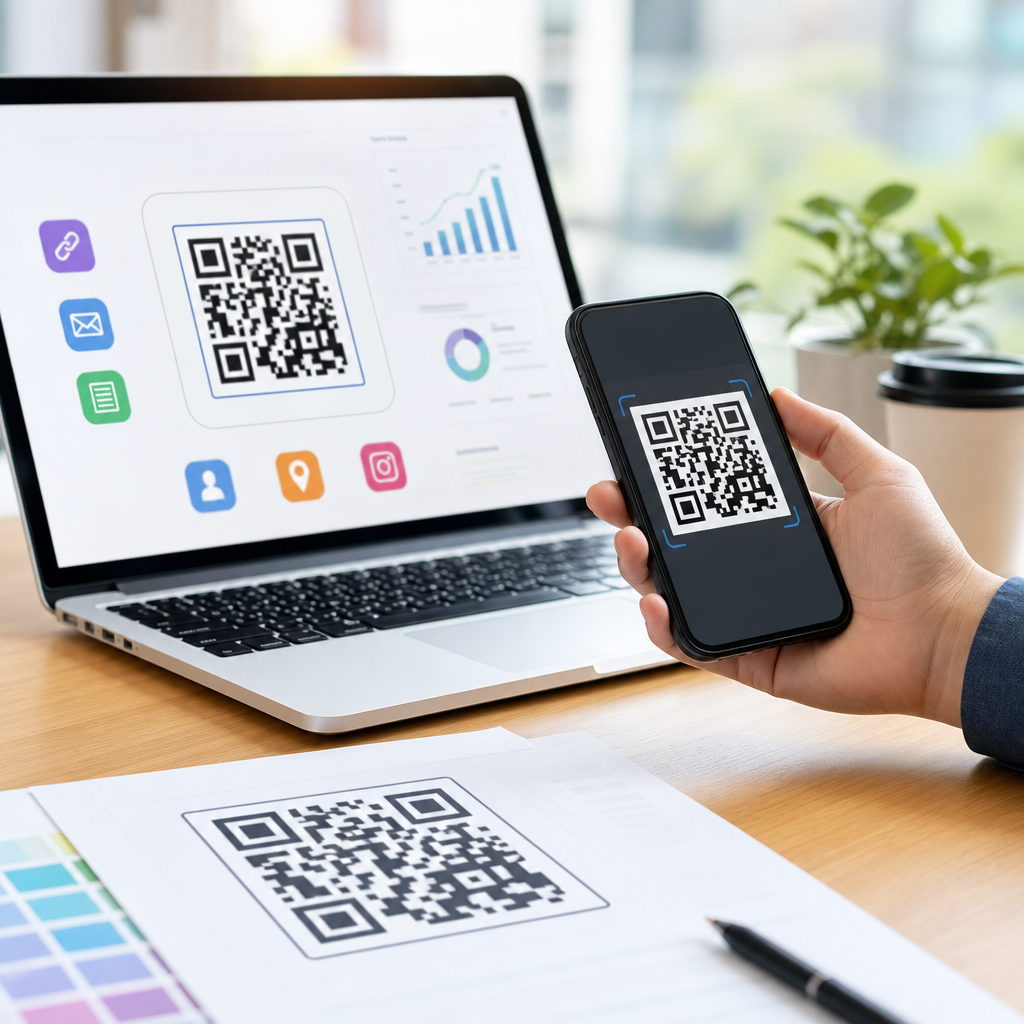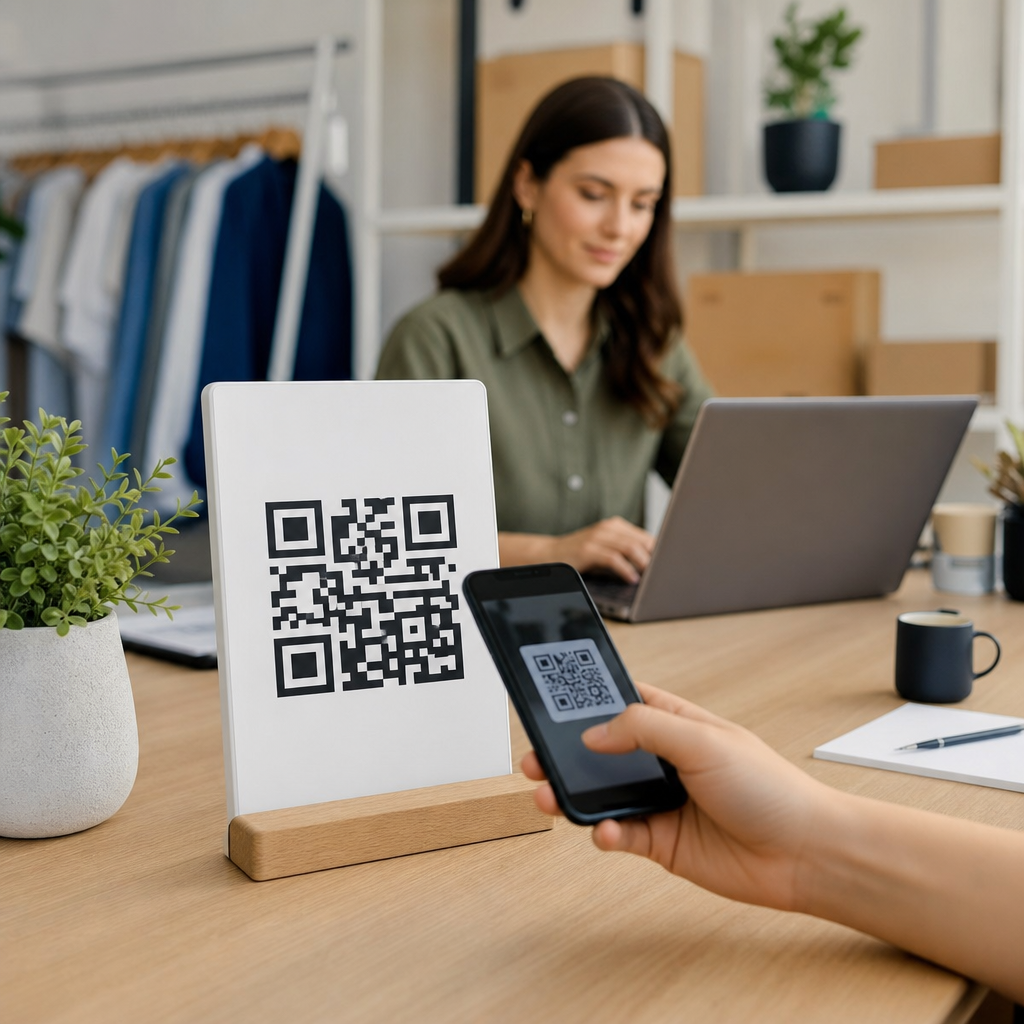

Branded QR codes turn a plain scannable square into a recognizable marketing asset that can lift scan rates, strengthen recall, and connect print, packaging, signage, and mobile experiences. In practical terms, branding a QR code means customizing its appearance without sacrificing readability: adding a logo, applying brand colors, choosing a frame and call to action, and placing it where people can scan it easily. For teams working on creating mobile QR codes, this matters because the code itself is often the bridge between offline attention and online conversion. A well-designed code can move a shopper from a shelf tag to a product demo, a diner from a table tent to a menu, or an event attendee from a badge to a lead capture form in seconds.
I have seen the difference firsthand in campaign reviews. Generic black-and-white codes often get treated like technical clutter, while branded codes with a clear prompt such as “Scan for demo” or “Get 10% off” earn noticeably more engagement. The reason is simple: people scan when value is obvious and trust is high. Design influences both. When a code matches the surrounding creative, carries a familiar logo, and links to a mobile-friendly destination, it feels intentional rather than suspicious. That improves performance across core marketing goals, from traffic and downloads to coupon redemption and first-party data collection.
Designing effective QR codes requires balancing aesthetics with function. The technical side includes contrast ratio, quiet zone, error correction level, module size, and destination management. The marketing side includes message clarity, placement context, and measurement. If you are building a hub for designing effective QR codes, start with one rule: every customization decision must preserve fast, reliable scanning on common smartphone cameras. From there, brand the code to support recognition and action, not decoration for its own sake.
What a branded QR code should include
A branded QR code should include five elements: a dynamic destination, a visible call to action, brand-consistent color, a logo or icon used carefully, and sufficient technical resilience. Dynamic QR codes are usually the right choice for marketing because they let you change the destination URL after printing, add UTM parameters, and track scans by time, device, and location. That flexibility matters in retail, direct mail, out-of-home, and packaging, where printed assets remain in market long after a landing page changes.
The call to action is not optional. “Scan me” is weaker than “Scan to book,” “Scan for sizing,” or “Scan to watch the demo.” In campaign audits, I consistently find that the strongest performing QR codes state the benefit in plain language directly next to the code or in a frame around it. Brand colors should support recognition, but contrast must remain high. Dark modules on a light background remain the safest configuration. A logo in the center can work because error correction allows some data recovery, but oversized logos, low contrast palettes, and decorative patterns can easily break scanning.
Use recognized generators and testing workflows. Tools such as QR Code Generator Pro, Bitly, Beaconstac, Flowcode, and Canva can produce customizable codes, but the output still needs validation on iPhone and Android devices under different lighting conditions. For paid media, direct mail, and packaging, export in vector formats such as SVG, EPS, or PDF to preserve sharp edges at any size. PNG can work for digital placements, but raster files degrade more easily when resized by designers or printers.
Core design rules that protect scan performance
The first rule is contrast. A QR code is easiest to scan when the foreground is dark and the background is light. Black on white remains the benchmark because smartphone camera software identifies module boundaries quickly. Brand colors can work if they preserve luminance contrast. Navy on white usually performs well; pale yellow on white often fails. Gradient fills are risky because they create inconsistent contrast across the code. If a brand system relies on gradients, use them in the surrounding frame, not inside the data modules.
The second rule is preserving the quiet zone, the empty margin around the code. Industry guidance commonly recommends a quiet zone at least four modules wide. Remove that buffer and nearby graphics, photos, or text can interfere with detection. The third rule is sizing. A practical print rule is that the scanning distance should be about ten times the code width. A 2 centimeter code is suitable for a close-hand interaction; a poster viewed from several feet away needs a much larger mark. On screens, leave enough pixel density that the module edges remain crisp.
The fourth rule is error correction. QR codes support levels L, M, Q, and H, with H allowing the most damage or obstruction. For branded codes with logos, I usually recommend Q or H, because the center area may be partially covered. The tradeoff is density: more error correction means more modules, which can make a small code harder to scan. The right balance depends on data length, final size, and viewing conditions. Keep URLs short by using dynamic redirects rather than embedding long tracking strings directly into the code.
Branding choices that improve recognition without hurting usability
Branding works best when it reinforces meaning. A restaurant can place a menu icon in the code center and use its primary color in the frame. A software company can pair a code with product UI imagery and the prompt “Scan to start free trial.” A museum can print codes beside exhibits with “Scan for audio guide” and route visitors to a lightweight mobile page. In each case, the brand treatment supports an obvious next step. It does not ask users to guess what will happen after scanning.
Shape customization deserves restraint. Rounded modules and stylized corner markers are common, but extreme alterations reduce machine readability. If you customize eyes, dots, or frames, test at realistic sizes and on lower-end devices, not just flagship phones. Keep the finder patterns visually distinct, because those corner elements help the camera orient the code. Similarly, if you place a logo in the center, leave enough unaffected data around it. As a working guideline, keep the logo modest, high contrast, and surrounded by clear space.
Landing page continuity is part of QR code branding. The promise on the printed asset should match the destination immediately. If the code says “Scan for summer lookbook,” do not send visitors to the home page. Send them to a mobile landing page with the lookbook visible above the fold, fast load times, and analytics attached. Consistency between code design, CTA, and landing page content is what turns a scan into a measurable marketing outcome.
Testing, placement, and measurement for real campaigns
Most QR code failures happen outside the generator. They happen in production, placement, and analytics. Test every code in conditions that match reality: glossy packaging under store lights, outdoor posters in bright sun, table tents viewed at an angle, and email graphics on dark mode screens. Scan on iOS and Android with native cameras and at least one third-party app. If the destination is a form, test autofill behavior, cookie consent banners, and page speed on cellular data. A scannable code that leads to a slow page still loses the conversion.
| Campaign setting | Recommended size and design approach | Common mistake |
|---|---|---|
| Product packaging | Use dynamic code, high contrast, Q or H error correction, clear CTA near nutrition or feature panel | Printing too small on curved surfaces |
| Direct mail | Place above the fold with offer-focused CTA and vanity URL backup | Burying the code among dense copy |
| Posters and signage | Increase size for expected distance, avoid reflective finishes, keep quiet zone clear | Using small codes at eye-catching but unreachable heights |
| Restaurant tables | Short destination path, wipe-clean print, menu or order CTA, test under warm lighting | Low contrast brand colors on dark tabletops |
Placement should follow user intent. Put the code where the question naturally occurs: on packaging when a shopper wants ingredients or setup help, at a storefront when hours or booking matter, and in a brochure when someone is ready for details. Add a fallback short URL for accessibility and for users on devices that cannot scan easily. Then measure outcomes with redirect analytics, UTM tagging, platform events, and downstream conversions in tools such as Google Analytics 4, Adobe Analytics, HubSpot, or Salesforce. Track scan rate, landing page engagement, conversion rate, and assisted revenue, not just raw scans.
Building a scalable design system for QR code marketing
If your organization uses QR codes across channels, create a design system instead of redesigning each code from scratch. Standardize approved color combinations, logo lockups, CTA patterns, minimum sizes, print specs, and destination rules. Define when to use static versus dynamic codes, how to name campaigns, and how to append analytics parameters. This reduces production errors and keeps the experience consistent whether the code appears on packaging, retail displays, direct mail, event signage, or social graphics.
A strong system also clarifies governance. Marketing may own creative, but web, analytics, legal, and operations all affect performance. Someone should approve destination pages, monitor redirects, and retire expired campaigns so old codes do not send users to dead ends. In regulated industries such as healthcare and finance, review destination content, consent requirements, and data collection before launch. Trust can be damaged quickly if a branded QR code sends users to an insecure page, triggers an unexpected download, or requests too much information too soon.
As the hub for designing effective QR codes within creating mobile QR codes, this topic connects naturally to related work: choosing QR code generators, creating mobile landing pages, adding UTM tracking, testing print readability, and analyzing scan behavior by channel. The central idea is straightforward. Good QR code branding is not surface decoration. It is a disciplined combination of visual identity, mobile usability, production accuracy, and measurement.
To brand your QR codes for marketing effectively, keep the promise clear, the design simple, and the scan path frictionless. Use dynamic codes so destinations can evolve, preserve contrast and quiet zones so cameras can read instantly, and add logos and colors only within proven technical limits. Match every code to a mobile-first landing page, place it where user intent is strongest, and validate performance with real-device testing and analytics. When teams follow these principles, QR codes become dependable conversion points instead of overlooked graphic elements.
The biggest benefit is consistency. A branded, well-tested QR code system helps customers recognize your campaigns faster and act with more confidence across print and physical touchpoints. Start by auditing one live code this week: check its CTA, contrast, size, destination relevance, and tracking. Then apply the same standard everywhere your audience might scan.
Frequently Asked Questions
What does it mean to brand a QR code for marketing?
Branding a QR code means turning a standard black-and-white code into a visual asset that reflects your company’s identity while still remaining easy to scan. Instead of using a generic code, marketers customize elements such as color, logo placement, frame style, surrounding design, and the call to action. The goal is to make the code feel like a natural part of the campaign rather than an afterthought. When a QR code matches your brand, it can build trust, improve recognition, and encourage more people to interact with it because it looks intentional and professional.
In practical marketing use, a branded QR code connects offline touchpoints like flyers, packaging, posters, menus, direct mail, and in-store signage to digital experiences on mobile devices. That might include a product page, coupon, video, event registration form, app download, or contactless menu. For teams creating mobile QR codes, branding matters because the code itself becomes part of the user experience. It is not just a functional square; it is often the first visual cue that tells someone what to expect after scanning. A well-branded QR code can support campaign consistency and help bridge print and digital in a way that feels seamless.
How can you customize a QR code without making it hard to scan?
The key is to balance visual customization with technical readability. You can safely brand a QR code by using high contrast between the foreground and background, keeping the quiet zone clear around the edges, and avoiding overly complex design choices that interfere with scanning. Adding a logo in the center is common, but it should be sized carefully so it does not cover too much of the code’s data area. Many QR code generators account for this by applying error correction, which helps the code remain readable even when part of it is obscured by a logo or design element.
Color is another area where restraint matters. Brand colors can work well, but the code still needs enough contrast for smartphone cameras to detect it quickly. Dark foreground elements on a light background usually perform best. It is also important to test the final design across multiple devices, lighting conditions, and print sizes. A QR code that scans easily on a bright monitor may behave differently on matte packaging or a poster behind reflective glass. In short, branding should enhance the code, not compete with its function. The best branded QR codes look polished while still scanning instantly.
Which design elements make a branded QR code more effective in marketing campaigns?
The most effective branded QR codes combine recognizable visual identity with clear direction for the user. A logo is often the strongest branding element because it immediately signals ownership and can increase confidence in scanning. Brand colors also help tie the code to the wider campaign, especially when the same palette appears across packaging, signage, ads, and landing pages. Frames are useful because they visually separate the code from the surrounding layout and can include a short instruction such as “Scan to Shop,” “Scan for Offer,” or “Scan to Learn More.” That call to action is extremely important because many people still need a reason to engage.
Placement and context also play a major role in performance. A beautifully designed QR code will underperform if it is too small, poorly positioned, or presented without explanation. Effective campaigns put the code where people can scan it comfortably, with enough physical space, proper lighting, and a clear value proposition. For example, on product packaging, the code might link to tutorials or product details; on event signage, it might lead to check-in or schedules; in direct mail, it could unlock a limited-time offer. The strongest results come when the design, message, and destination all work together to support one clear marketing objective.
Where should branded QR codes be placed to get more scans?
Branded QR codes should be placed where the audience can notice them, understand their purpose, and scan them without friction. High-performing placements include product packaging, retail displays, restaurant tables, brochures, business cards, window signage, event booths, print ads, and direct mail pieces. The best location depends on the user’s context. If someone is standing in a store aisle, they may want quick access to reviews, promotions, or product comparisons. If they are viewing a mailer at home, they may be more willing to scan for a discount or to browse a collection on their phone.
Visibility and usability are just as important as the channel itself. The code should be large enough to scan from the expected distance, placed on a flat or easily viewable surface when possible, and not buried among distracting design elements. It should also be accompanied by a concise call to action that explains the benefit of scanning. A branded QR code placed at eye level on a store display with a clear message like “Scan for 15% Off Today” will usually outperform a code tucked into the bottom corner of a poster without context. Marketers should think through real-world conditions such as glare, motion, crowding, and how much time a person has to engage in that environment.
How do you measure whether branded QR codes are improving marketing performance?
To measure performance, marketers should track both scan activity and downstream outcomes. The first layer of data includes total scans, unique scans, scan location, device type, and time of engagement. This shows whether the QR code is attracting attention and how people are interacting with it across channels. Dynamic QR codes are especially useful because they let teams update the destination URL without reprinting the code and often include built-in analytics. That flexibility is valuable for campaigns running across packaging, posters, point-of-sale materials, and other physical assets.
The more meaningful measurement comes after the scan. Marketers should connect QR code traffic to conversion metrics such as purchases, sign-ups, coupon redemptions, app installs, video views, or lead form submissions. Comparing branded QR codes against plain ones can also reveal whether visual customization improves scan rate or engagement quality. In addition, teams should review campaign variables such as placement, call to action, landing page relevance, and load speed on mobile. A branded QR code may generate more scans, but the full marketing value appears when those scans lead to measurable business results. Strong tracking helps determine not just whether people scanned, but whether the branded experience actually moved them closer to action.