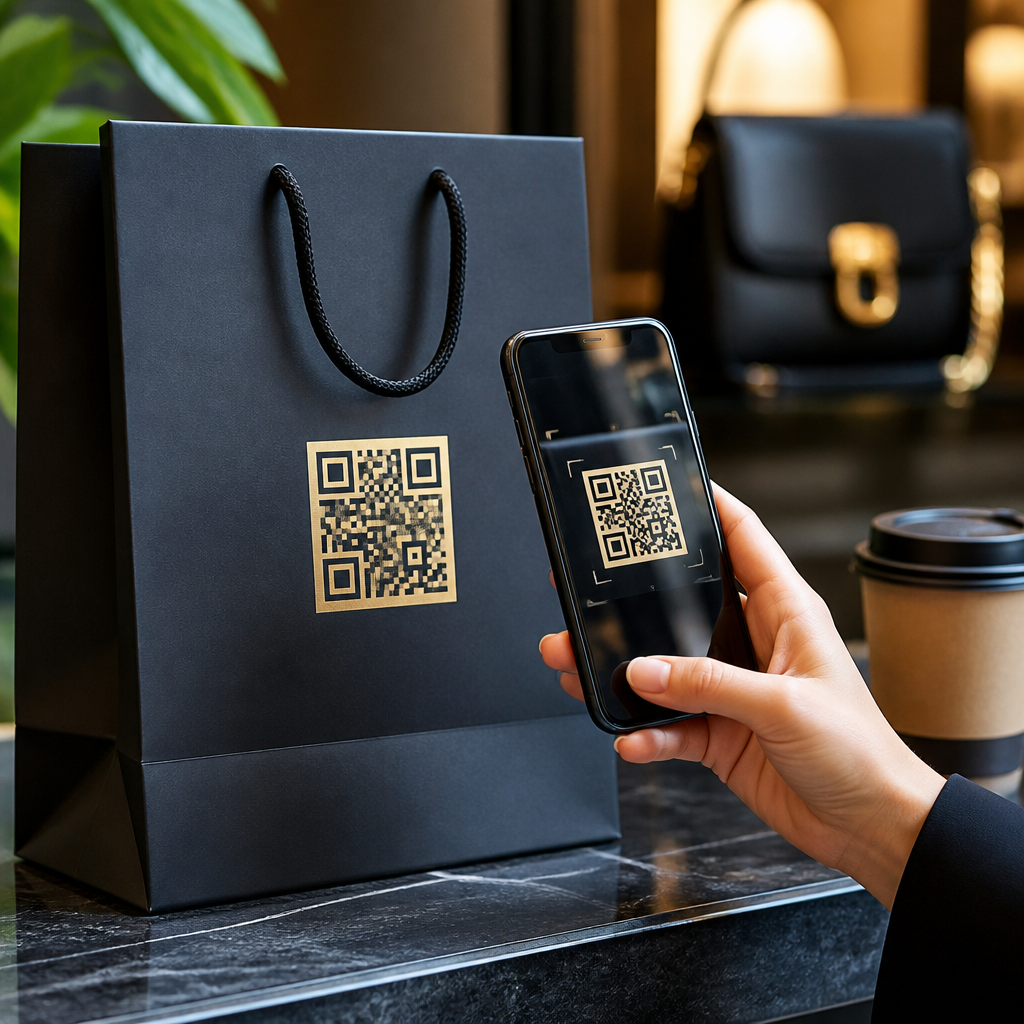
QR codes have moved from a utility feature on packaging and posters to a serious branding asset, and the biggest companies now treat them as part of their visual identity, customer journey, and campaign measurement stack. In simple terms, branding with QR codes means designing, placing, and managing scannable codes so they do more than open a link: they carry brand cues, reinforce trust, and create a seamless bridge between physical media and mobile experiences. I have worked on QR-driven campaigns for retail, hospitality, and live events, and the pattern is consistent. A plain black-and-white code may function, but a branded QR code often scans better in context because people immediately recognize who is asking for their attention and why.
For big brands, that matters because every scan competes with limited attention and a rising standard for mobile experience. A code on a storefront window, product box, stadium seat, direct-mail piece, or checkout screen has only seconds to earn action. When the design reflects the brand, the destination matches the promise, and the landing page loads fast, scan rates and completion rates improve. This hub page explains how major companies use QR codes for branding across packaging, advertising, retail, events, and loyalty programs. It also covers the practical rules behind successful campaigns: error correction, contrast, quiet zone, placement, analytics, compliance, and user trust. If you are building a mobile-first brand experience, QR codes are not a side tactic. They are an interface, and like any interface, they need strategy, design discipline, and measurement.
Why QR codes work as a branding tool
Big brands use QR codes because they compress discovery, action, and attribution into one mobile gesture. A customer sees a code, scans it with a phone camera, lands on a brand-controlled destination, and can immediately watch a product demo, claim an offer, verify authenticity, join a loyalty program, or complete a purchase. That direct path is powerful because it removes the friction of typing URLs, searching app stores, or navigating menus. In campaigns I have audited, the best-performing branded QR codes are not treated as stickers added at the end. They are planned early, with a clear value exchange and a mobile landing page built for intent.
Branding strengthens this process in two ways. First, visual customization increases recognition. Companies such as Coca-Cola, Nike, and Sephora often align color, shape, and surrounding creative with existing campaign assets, so the code feels native rather than bolted on. Second, branding increases trust. Users are more willing to scan a code on a package or sign when it is clearly tied to a known company and supported by concise copy such as “Scan to check ingredients” or “Scan to unlock styling tips.” The code becomes a branded gateway, not an anonymous square.
How big brands design QR codes without hurting scan performance
The most common mistake in branding with QR codes is overdesign. Large companies avoid this by treating scan reliability as non-negotiable. A QR code still needs adequate contrast, a clean quiet zone around the symbol, and a size appropriate to viewing distance. As a field rule, I use a minimum of about 2 by 2 centimeters for close-range packaging and larger formats for signage, then test on both iPhone and Android devices under indoor and outdoor lighting. Major brands also prefer dynamic QR codes because the destination can be updated without reprinting the asset, which is essential for seasonal campaigns, regional routing, and A/B testing.
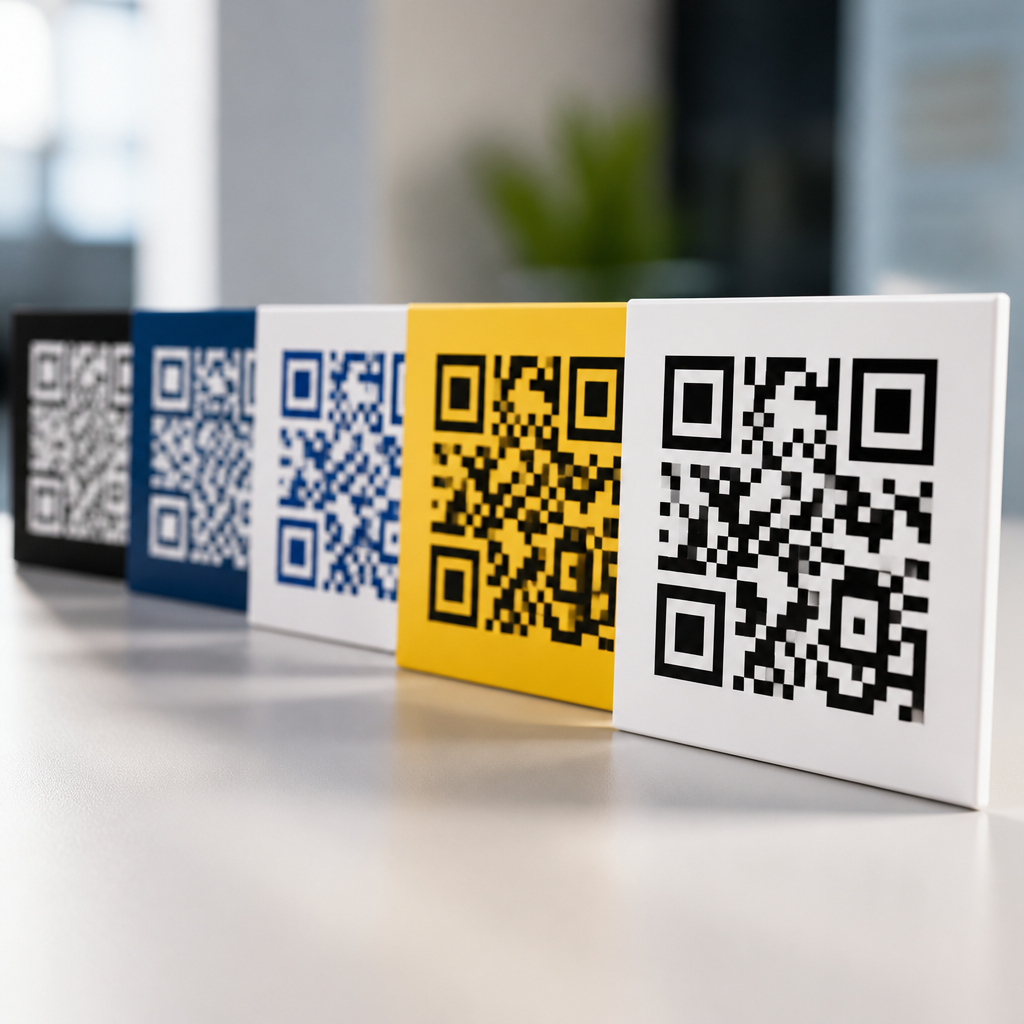
Another principle is controlled customization. Logos can be placed in the center if error correction is high enough, but the code should not be distorted beyond recognition. Rounded modules, brand color palettes, and custom frames can work well, yet the dark-to-light contrast ratio must remain strong. Teams often validate output with generators and testing platforms from vendors such as Bitly, QR Code Generator Pro, Scanova, or Adobe-integrated design workflows, then run print proofs before launch. The result is a code that feels on-brand while maintaining the machine readability that makes the entire experience possible.
| Branding choice | Why big brands use it | Risk if mishandled |
|---|---|---|
| Brand colors | Improves recognition and campaign consistency | Low contrast can reduce scan success |
| Logo in the center | Signals ownership and trust | Oversized logos can block data modules |
| Custom frame and CTA | Explains the benefit of scanning | Busy layouts can distract from the code |
| Dynamic destination | Enables updates, localization, and testing | Poor redirect setup can slow load times |
Where major brands place QR codes for maximum brand impact
Placement determines whether a QR code feels useful or intrusive. On packaging, global consumer brands use codes to tell deeper product stories that do not fit on the label. Food and beverage companies link to sourcing details, recipes, sustainability claims, and promotions. Beauty brands connect shoppers to shade finders, ingredient explainers, and tutorials. Luxury brands use QR codes inside packaging or on tags for authentication and aftercare content, which protects both brand equity and customer confidence.
Out-of-home advertising is another strong use case. Billboard and transit campaigns work when the code is large, the message is singular, and the mobile destination matches immediate intent, such as ticket purchase, store locator, or limited-time drop. During live events, brands place QR codes on signage, wristbands, and screens to drive real-time interaction. In retail, codes near shelves or fitting rooms can launch comparison tools, reviews, or size guidance. Restaurants, hotels, and airlines frequently use them to streamline menus, check-in flows, and support content. The strongest implementations always answer a practical question in the moment the customer has it.
How campaigns turn scans into measurable brand experiences
What separates enterprise QR strategy from one-off usage is measurement. Big brands rarely stop at total scans. They track unique scans, repeat scans, time of day, device type, geography, completion rate, and downstream actions such as sign-ups, purchases, coupon redemptions, or video views. Dynamic QR platforms and analytics tools can pass campaign parameters into systems like Google Analytics 4, Adobe Analytics, Salesforce Marketing Cloud, HubSpot, or Braze. That makes QR codes useful not just for engagement, but for media attribution and lifecycle marketing.
Measurement also improves creative. If one package design gets stronger scan-through but weaker conversion, the problem may be the landing page rather than the code itself. If scans spike in stores but trail in direct mail, the offer or call to action may need revision. I have seen brands increase performance simply by replacing generic prompts like “Scan me” with benefit-led language such as “Scan for fit advice” or “Scan to verify this product.” Those small changes matter because the user decision happens before the camera opens. Smart brands test that decision point as carefully as they test the destination.
Trust, privacy, and accessibility in branded QR experiences
Trust is the hidden variable in QR code performance. Consumers know that codes can lead anywhere, so recognizable branding, clear instructions, and safe destinations are essential. Big brands reduce hesitation by using branded short domains, HTTPS-secured landing pages, and copy that previews the outcome of the scan. They also avoid forcing an app install when a mobile web experience can deliver the core value faster. Where app deep linking makes sense, the fallback route is handled cleanly so the customer is never stranded.
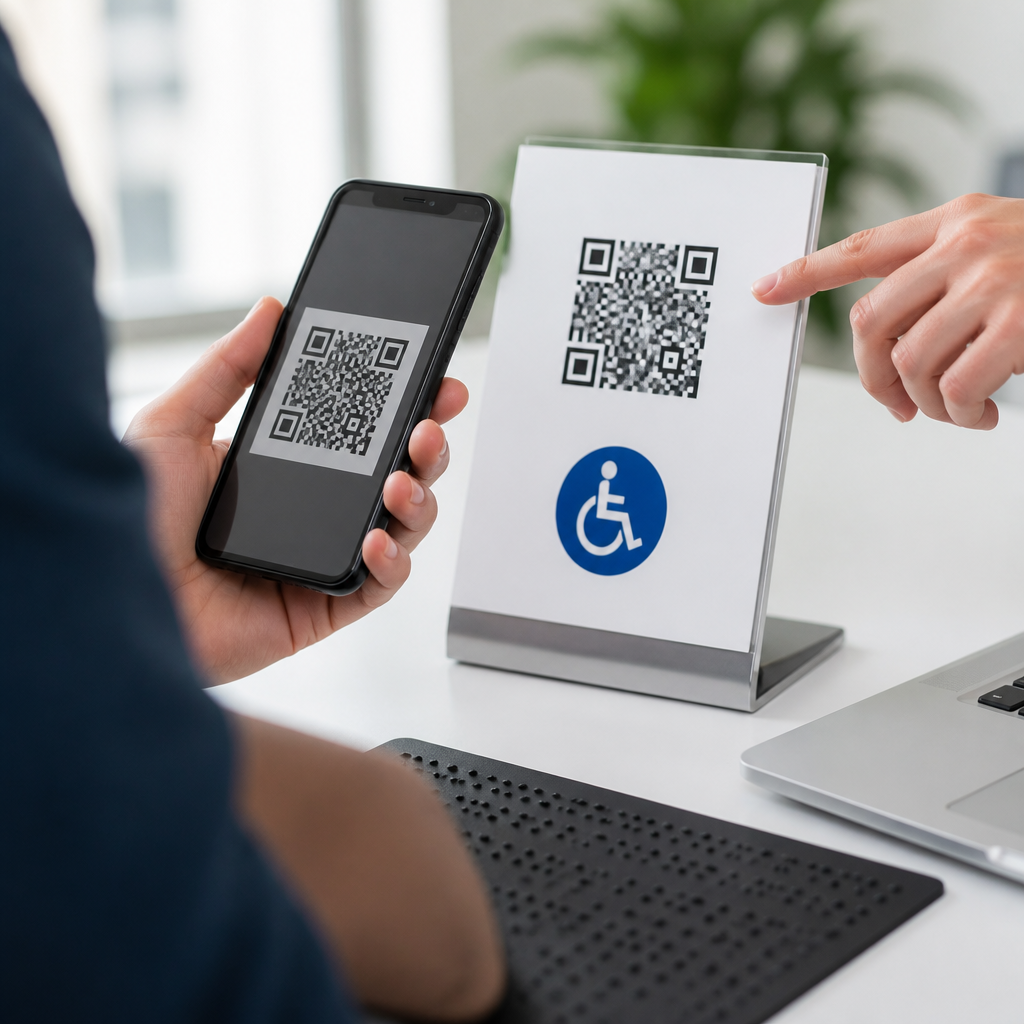
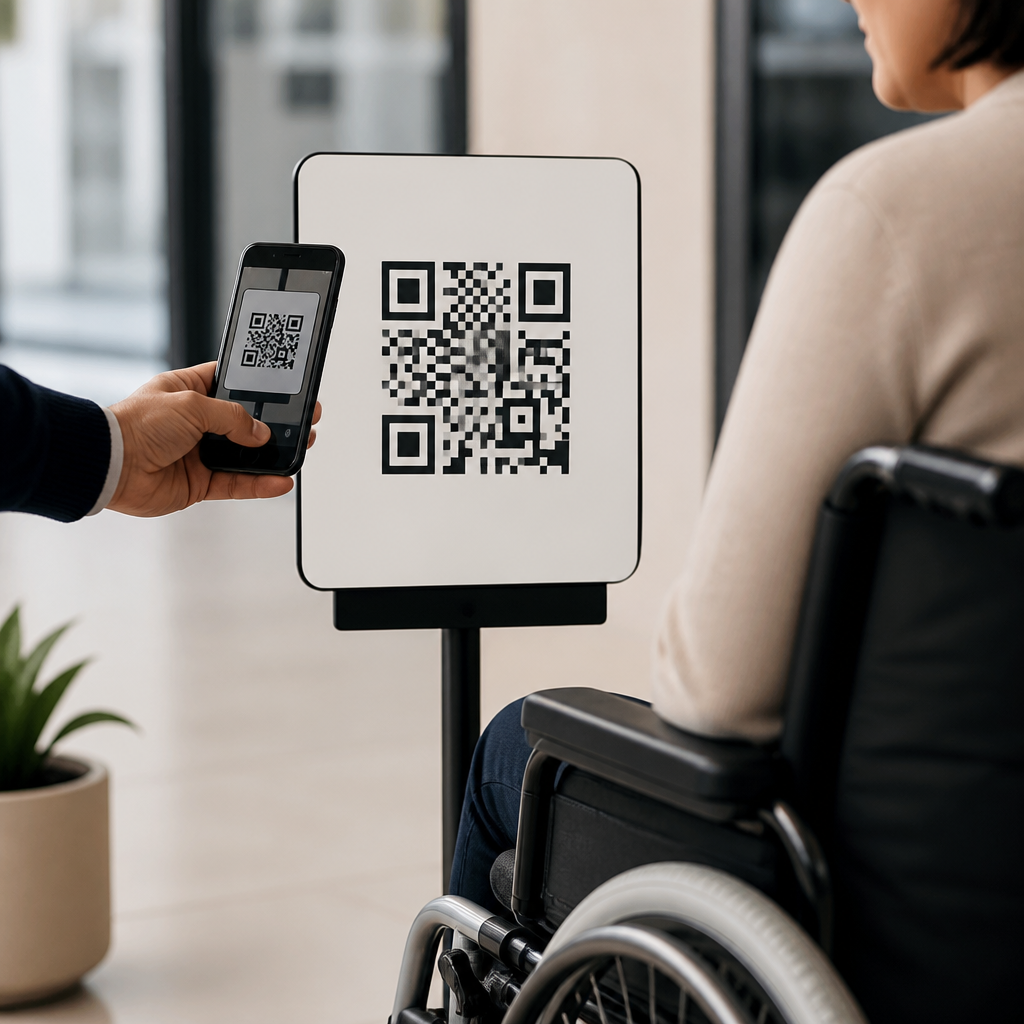
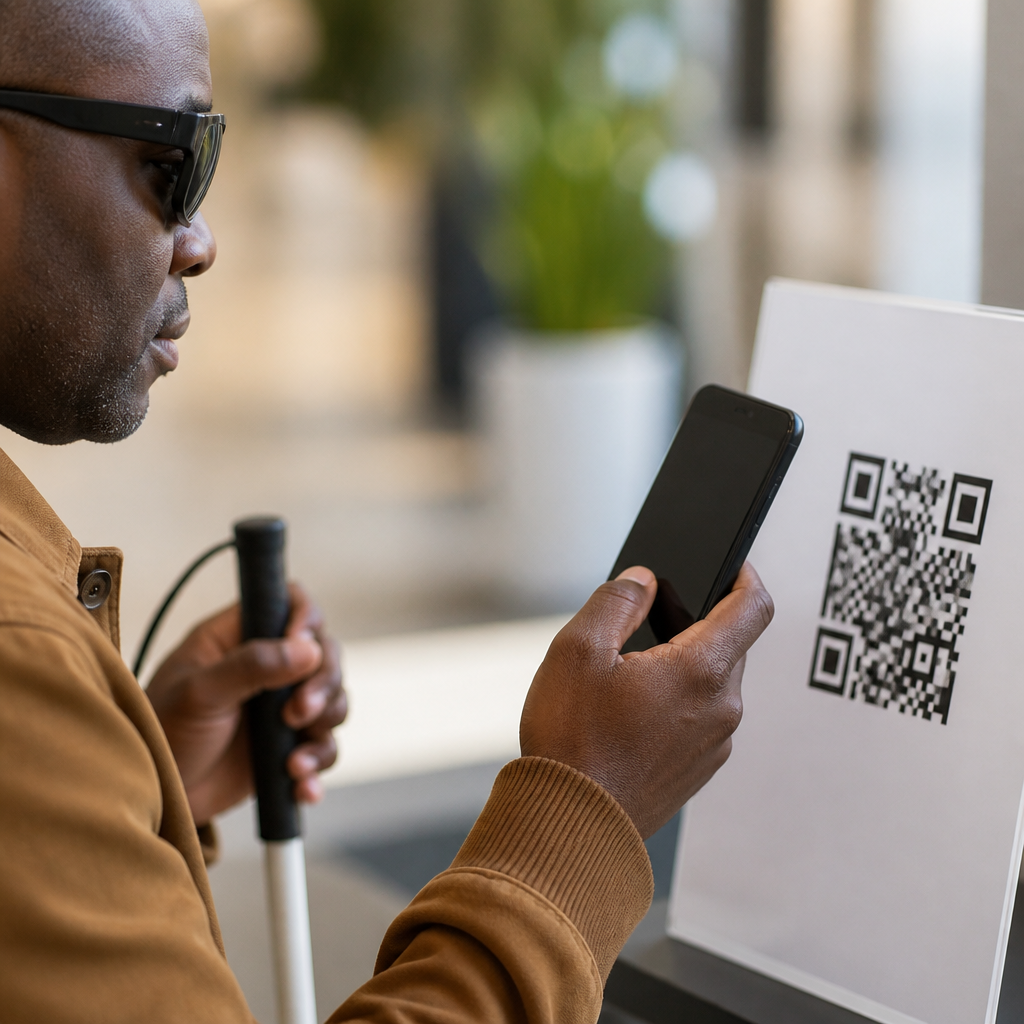
Accessibility is equally important. A QR code should never be the only path to critical information. Responsible brands provide a short URL or alternate instructions nearby, use sufficient color contrast, and place codes where they can be scanned without awkward movement. For regulated industries, the landing content must align with disclosure requirements and regional privacy rules, including consent handling where personal data is collected. These details may seem operational, but they shape brand perception. When a QR experience is easy, secure, and respectful of user choice, it reinforces confidence in the brand behind it.
Common mistakes brands make and how leaders avoid them
Even large companies make preventable QR mistakes. The first is sending users to a generic homepage. That wastes intent and forces extra navigation. The best brands create dedicated mobile landing pages aligned to the context of the scan, whether that context is a product package, a magazine ad, or an event booth. The second mistake is printing static QR codes for campaigns that may change. Once distributed, static codes cannot be edited, which creates expensive rework. Dynamic codes solve this and support localization, scheduling, and experimentation.
Another frequent issue is weak operational ownership. QR programs cross design, brand, packaging, IT, analytics, legal, and media teams, so governance matters. Leading organizations define standards for naming conventions, redirect rules, expiration policies, quality assurance, and analytics tagging before campaigns ship. They keep a testing matrix for devices, operating systems, camera apps, and network conditions. They also archive every destination and creative variation, which helps future teams learn what drove results. In practice, the strongest QR branding programs look less like one campaign tactic and more like a managed mobile channel.
Big brands use QR codes for branding because they connect identity, utility, and measurement in a format customers already understand. A well-designed code does not just earn a scan. It signals trust, extends the story of a product or campaign, and guides the user into a fast mobile experience built for action. The brands that win with QR are disciplined about fundamentals: high-contrast design, clear calls to action, context-specific landing pages, dynamic management, and analytics that tie scans to business outcomes.
As the hub for branding with QR codes, this page should anchor your broader work on mobile QR code design and UX. Use it to shape packaging strategy, retail signage, event activations, loyalty flows, and post-purchase engagement. Start by auditing every existing QR touchpoint your brand controls. Check whether each code is recognizable, useful, measurable, and easy to trust. Then standardize the design and governance rules that make every future scan stronger. When QR codes are treated as a branded interface instead of a technical afterthought, they become one of the simplest ways to improve mobile customer experience at scale.
Frequently Asked Questions
How do big brands use QR codes as part of their branding instead of just as a utility?
Big brands use QR codes as branding tools by treating them as part of the overall customer experience rather than as a generic shortcut to a webpage. Instead of placing a plain black-and-white code in the corner of packaging or an ad, they integrate the code into the visual system of the campaign using brand colors, custom frames, logo placement, clear calls to action, and landing pages that match the look and tone of the brand. The goal is to make the QR code feel intentional and trustworthy, not random or purely functional.
At a strategic level, the strongest brands connect QR codes to specific moments in the customer journey. On packaging, a code might unlock product education, sourcing details, loyalty rewards, or post-purchase support. In retail, it can connect shelf signage to reviews, tutorials, or limited-time promotions. In out-of-home advertising, it can move someone from awareness to action in seconds by opening a product drop page, app download flow, or campaign microsite. When done well, the code becomes a bridge between physical media and mobile engagement, carrying the brand from one touchpoint to the next without friction.
What separates enterprise-level execution from basic use is consistency and intent. Major companies standardize where QR codes appear, how they are designed, what kind of CTA accompanies them, and what mobile experience follows the scan. That consistency builds recognition over time. Consumers begin to associate the presence of a well-designed QR code with a predictable, useful, and brand-safe interaction, which is exactly why leading companies now view QR codes as part of their visual identity and digital conversion strategy.
Why does custom QR code design matter for trust, recognition, and scan performance?
Custom design matters because QR codes sit at the intersection of branding and usability. A code that looks visually aligned with the brand can improve recognition and make the interaction feel more legitimate, especially in environments where consumers are cautious about scams, spoofed links, or low-quality experiences. If the code appears thoughtfully branded and is paired with a clear explanation of what happens after scanning, people are far more likely to trust it.
That said, good design is not just about aesthetics. Big brands understand that scanability comes first. The code must maintain enough contrast, quiet space, and structural integrity to scan quickly across devices and lighting conditions. This is why experienced teams use dynamic QR generators, testing protocols, and brand-safe templates rather than over-stylizing the code. Logos, color treatments, rounded modules, and custom frames can all work well, but only if they are implemented within technical limits. The best branded QR codes look polished without sacrificing function.
Recognition also improves when brands create repeatable design patterns. For example, using the same frame language, CTA wording, destination style, and visual placement across packaging, print, retail displays, and events trains customers to understand what to expect. Over time, the QR code becomes more than a scannable square. It becomes a familiar gateway into the brand ecosystem. That combination of trust, recognition, and reliable performance is why large companies invest in QR design standards instead of treating each code as a one-off asset.
Where do major brands place QR codes to get the best branding and marketing results?
Placement is one of the biggest drivers of QR code performance, and major brands are highly intentional about it. They place QR codes where customer curiosity is naturally highest and where mobile scanning feels easy in the moment. Packaging is one of the most effective placements because it reaches people at the point of purchase, during product use, and after the sale. A code on the package can support onboarding, upselling, support content, ingredient transparency, loyalty enrollment, or social engagement, all while extending the life of the physical product as a digital touchpoint.
Retail environments are another strong channel. Brands use QR codes on shelf talkers, endcaps, window displays, and in-store signage to help shoppers compare products, watch demos, check availability, or claim offers. In these settings, QR codes reduce friction because the consumer already has intent. Out-of-home advertising is also valuable when the creative is simple, the CTA is compelling, and the destination is mobile-optimized. Billboards, transit ads, and street posters can generate strong results when the scan action is easy to understand and the reward is immediate.
Events, direct mail, product inserts, and even apparel or experiential installations can also work exceptionally well when the code supports a clear next step. The common thread is context. Big brands do not just ask, “Where can we fit a QR code?” They ask, “Where is the audience most likely to scan, and what experience will feel useful right there?” That mindset is what turns placement into performance. A well-placed code feels like service, not clutter, and that is key to both branding and conversion.
How do big brands measure the success of QR code campaigns?
Large brands measure QR code performance as part of a broader attribution and customer journey framework. At the simplest level, they track scans, unique users, time, location, device type, and conversion actions. But the more advanced approach goes further by tying each QR code to a specific campaign, creative variation, channel, audience segment, or physical location. That allows teams to compare which package design, store display, poster, or media placement generated the most engagement and which one produced the highest downstream value.
Dynamic QR codes are central to this process because they allow brands to update destinations without changing the printed code and to collect detailed analytics over time. A single QR asset can support A/B testing, regional targeting, seasonal promotions, or different landing pages for different audiences. Once the scan opens a mobile experience, brands can measure bounce rate, session depth, sign-ups, purchases, coupon redemptions, app installs, and repeat visits. In other words, the scan is not the finish line. It is the entry point into measurable digital behavior.
The best brands also evaluate qualitative success. They look at whether the QR interaction improved the customer experience, reduced support friction, increased confidence, or strengthened the perception of the brand as modern and convenient. A code that gets fewer scans but leads to better-qualified traffic or stronger retention can be more valuable than one that drives curiosity without results. That is why serious QR campaigns are not judged by scan count alone. They are assessed by how well they support business goals, customer experience, and brand consistency across channels.
What are the biggest mistakes brands should avoid when using QR codes for branding?
One of the biggest mistakes is treating the QR code as an afterthought. When a code is dropped into a design without a clear purpose, explanation, or optimized destination, people either ignore it or scan once and never return. Big brands avoid this by defining the role of each code in the customer journey. Every scan should answer a simple question for the user: what do I get, why should I care, and why should I trust this interaction? If those answers are not obvious, performance suffers.
Another common mistake is overdesigning the code or using it in poor physical conditions. Low contrast, tiny sizing, cluttered backgrounds, curved surfaces, bad lighting, or awkward placement can all damage scan rates. Brands also run into trouble when the post-scan experience is weak, such as sending users to a generic homepage, a non-mobile-friendly page, or a destination that loads slowly. The scan may work technically, but the experience fails strategically. The strongest companies map the entire flow from visual prompt to mobile landing page to conversion action and test each step before launch.
A final mistake is failing to manage QR codes over time. Static codes with outdated destinations, expired promotions, broken links, or inconsistent analytics create poor experiences and missed opportunities. This is why mature brands use governance, documentation, and dynamic code infrastructure to keep campaigns flexible and measurable. They also maintain design standards so the QR code remains visually aligned with the brand across teams and vendors. In practice, successful branding with QR codes is not about using more codes. It is about using them with clarity, consistency, and long-term operational discipline.