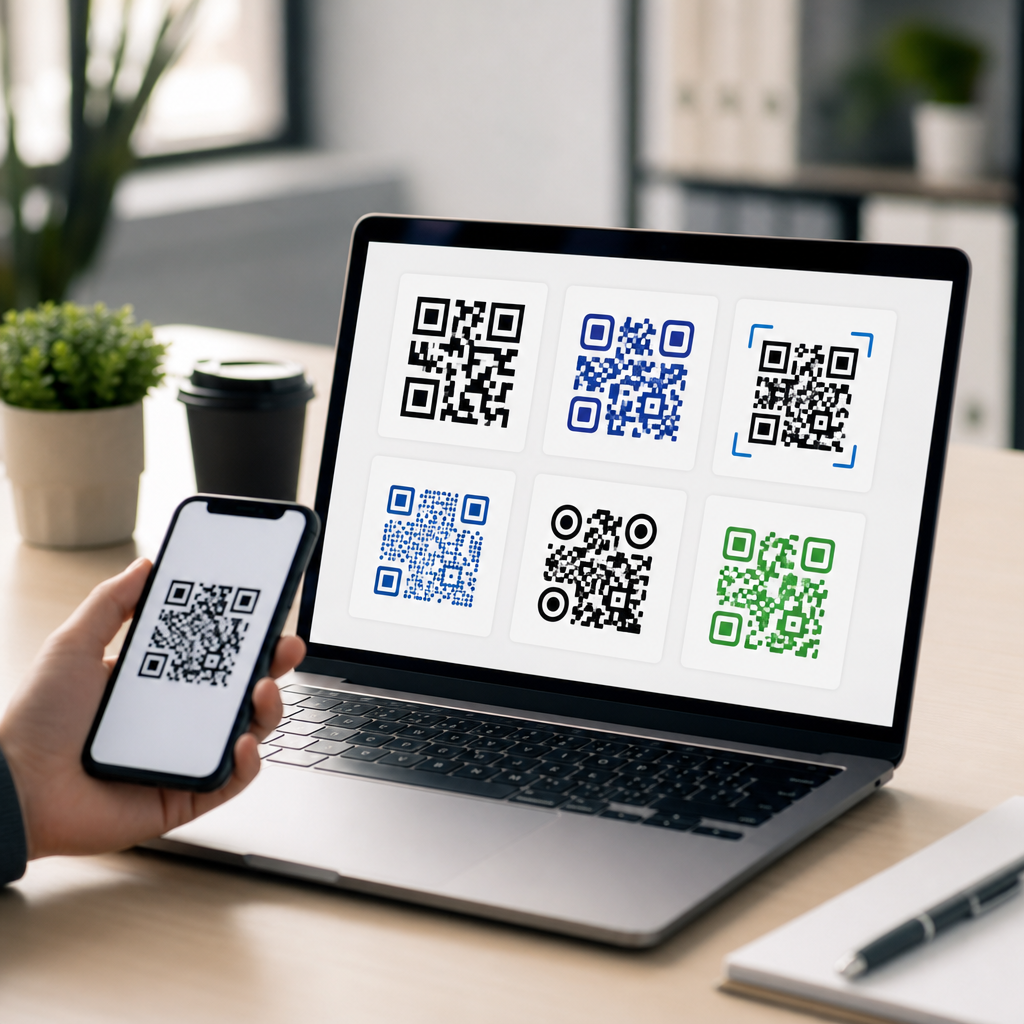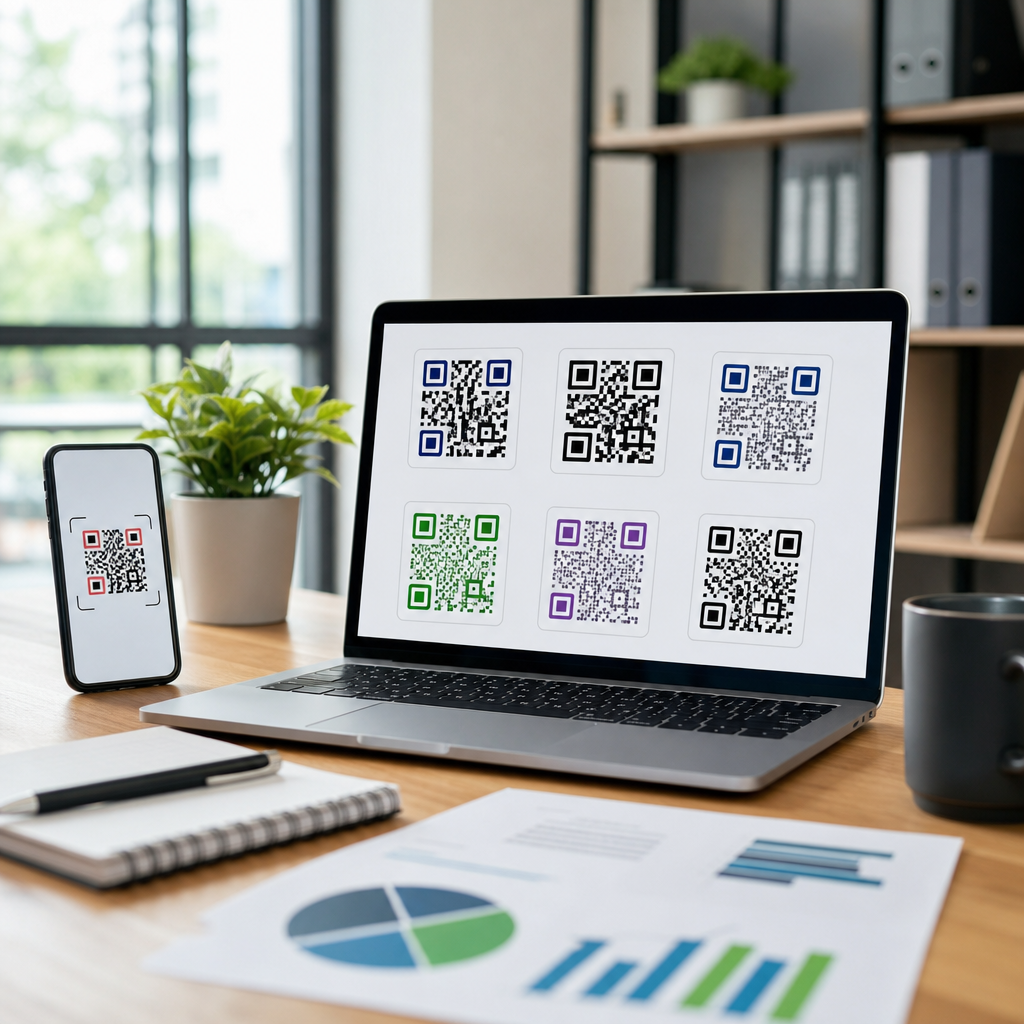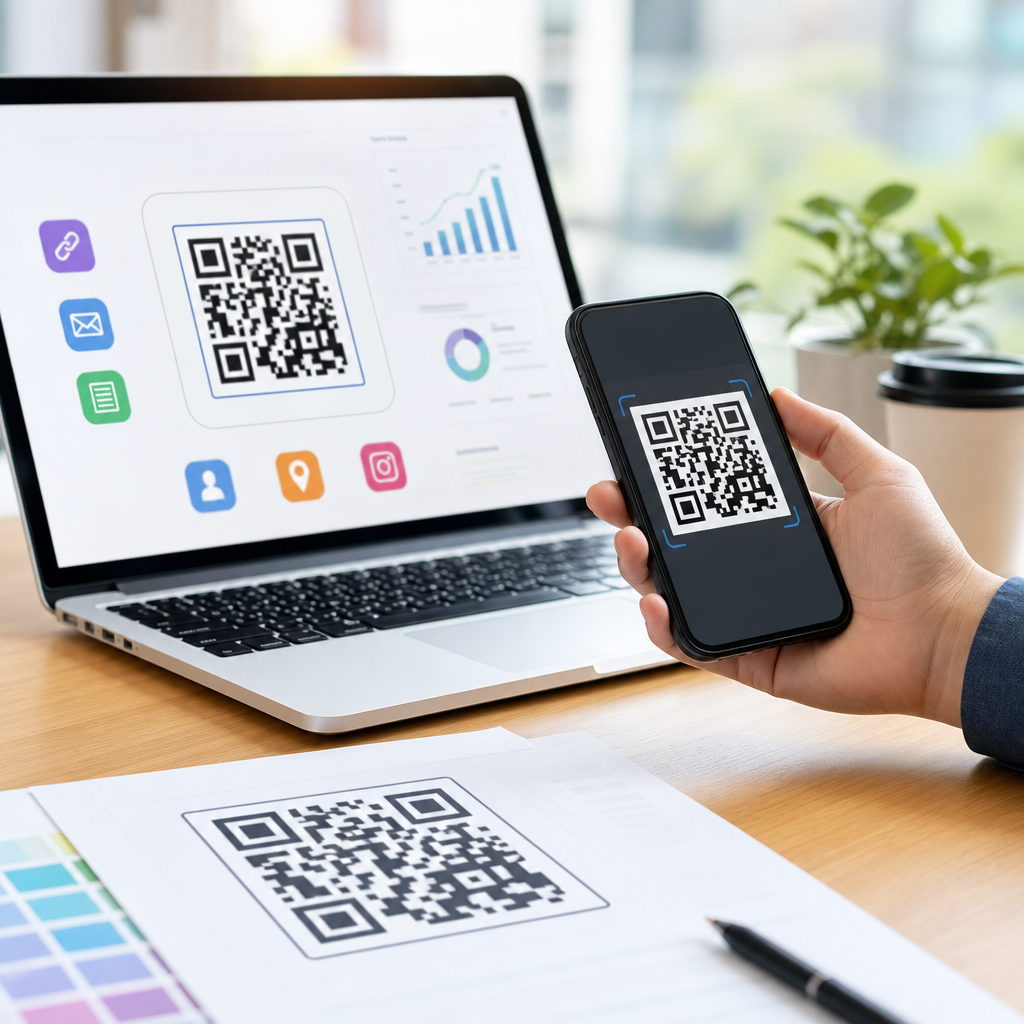

Choosing between free and paid QR code generators matters more than most teams expect, because the tool you pick affects scan reliability, branding, analytics, editability, and long-term campaign control. In mobile marketing, a QR code is a scannable matrix barcode that sends a smartphone user to a destination such as a landing page, app store listing, payment screen, menu, PDF, vCard, Wi-Fi login, or map pin. A mobile QR code is simply a QR code created for smartphone use, which means the destination, landing experience, and tracking setup must all work flawlessly on smaller screens and variable mobile connections.
I have built QR campaigns for retail posters, trade show signage, restaurant menus, field sales sheets, and SMS opt-in flows, and the pattern is consistent: the code itself is easy to generate, but creating a mobile QR code that performs well requires better decisions than “pick any free maker and download.” This hub article explains how to create a mobile QR code, when a free QR code generator is enough, when a paid QR code generator is the safer choice, and what technical details determine success. If you are comparing tools for a business campaign, this page gives you the framework to choose correctly and avoid expensive reprints, broken redirects, weak scan rates, and missing attribution data.
The key distinction is static versus dynamic QR codes. A static QR code stores the final destination directly in the pattern, so once printed, it usually cannot be changed. A dynamic QR code points to a short redirect URL managed by the provider, which allows you to edit the destination later, track scans, add UTM parameters, pause campaigns, or rotate links by location or date. That difference alone often decides whether free or paid software makes sense. Cost matters, but ownership, flexibility, and reporting usually matter more.
How to Create a Mobile QR Code Correctly
To create a mobile QR code, start with the mobile destination before you generate anything. The landing page must be responsive, fast, and easy to complete with one thumb. If your page fails Core Web Vitals, loads heavy scripts, or asks users to pinch and zoom, no QR generator can rescue the campaign. I recommend testing the destination on both iPhone and Android over cellular, not just office Wi-Fi, and confirming that forms, payment buttons, app links, and cookie banners do not block the intended action.
Next, choose the QR code type. Use a URL QR code for most campaigns, because it is universally supported by phone cameras and simple to track. Use app deep links if you need to open a specific screen inside an installed app, but configure fallback behavior for users who do not have the app. For Wi-Fi, vCard, SMS, and PDF QR codes, verify that the target action behaves consistently across operating systems. Android and iOS handle certain payloads differently, especially contact cards and SMS prefill actions.
Then set practical production standards. Use error correction carefully; medium to quartile levels often balance resilience and density well, while overly dense codes can hurt scans on low-quality prints. Maintain a clear quiet zone around the code, usually four modules minimum. For print, I rarely go below about 2 x 2 centimeters for close-range scanning and increase size significantly for posters or storefront glass based on viewing distance. Test under glare, low light, and awkward angles, because real-world conditions matter more than studio-perfect previews.
Free QR Code Generators: Where They Work Well
A free QR code generator is usually enough for personal use, one-off flyers, classroom handouts, internal documents, and short-lived campaigns where the destination will never change. If you are linking to a stable URL, do not need branded design elements, and can live without analytics, a static code from a reputable free tool can work perfectly well. Many users overpay for features they never use. For a wedding RSVP page, a church bulletin, a neighborhood event poster, or a basic product insert, free often wins on speed and simplicity.
The best free tools typically let you create a static URL code, download it as PNG or SVG, and sometimes add a simple frame or color change. For a small business testing QR adoption, that may be enough to validate demand before committing to a subscription. I often advise clients to begin with a low-risk pilot: one code, one mobile landing page, one traffic source, one success metric. If the pilot proves that scans convert, then upgrade tooling for broader deployment.
Free tools also make sense when compliance or procurement friction would slow down a campaign. A local café launching a temporary seasonal menu can print a static code linked to a mobile-optimized page and be live the same day. If the menu URL is permanent and the team already tracks traffic in Google Analytics through tagged links, the absence of platform-level reporting may not be a major problem. The free option is not inherently unprofessional; it is simply narrower in capability.
Paid QR Code Generators: When They Are Worth It
A paid QR code generator becomes worthwhile when the QR code is part of an ongoing business process, printed at scale, tied to advertising spend, or expected to stay in market for months or years. Dynamic editing is the feature that most often justifies the cost. If a retailer prints 50,000 package inserts and later changes the promotion URL, a dynamic code prevents a costly reprint. If a restaurant updates ordering platforms, the code can be redirected without touching table tents or window decals.
Paid platforms also provide analytics that static codes cannot deliver on their own. Depending on the vendor, you can track total scans, unique scans, device types, time-of-day trends, approximate locations, campaign tags, and conversion pathways. That data helps answer practical questions: Did scans spike after a direct mail drop? Did one store poster outperform another? Did lunchtime traffic convert better than evening traffic? For performance-driven teams, those answers are operationally valuable, not just interesting.
Branding and governance matter too. Paid services often support custom domains, bulk generation, folder structures, API access, multi-user permissions, password protection, expiration rules, and design templates. These are important in franchises, healthcare systems, universities, and field sales organizations where many people create codes but central teams need consistency and control. The downside is vendor dependence. If you stop paying and the provider disables dynamic redirects, your printed codes may fail. Before buying, review export options, domain settings, uptime commitments, and account terms carefully.
Free vs Paid QR Code Generators: A Practical Comparison
The right choice depends on campaign lifespan, editing needs, reporting expectations, and risk tolerance. This table summarizes the differences I use when advising teams on how to create a mobile QR code program that scales cleanly.
| Factor | Free Generator | Paid Generator |
|---|---|---|
| Code type | Usually static | Usually dynamic plus static |
| Edit destination after printing | Rarely possible | Standard feature |
| Scan analytics | Limited or none | Detailed dashboards and exports |
| Branding options | Basic colors or frames | Logos, custom domains, templates |
| Team management | Minimal | Roles, folders, bulk creation, API |
| Best use case | Short-term, low-risk, fixed links | Business campaigns, print at scale, ongoing optimization |
In practice, free tools are strongest when permanence is acceptable and the opportunity cost of missing data is low. Paid tools are strongest when you need flexibility after launch. A real example is event signage. For a one-day community run, a free static code to a mobile registration page may be fine. For a national trade show booth where staff must update meeting links, capture attribution, and coordinate scans with CRM workflows, paid software is the better operational choice.
What to Check Before You Publish Any Mobile QR Code
No matter which generator you choose, a few checks prevent most failures. First, test the final QR image from multiple phones and camera apps. Native camera behavior is generally reliable, but older devices, social media in-app browsers, and enterprise security layers can change the path after the scan. Second, confirm the destination uses HTTPS and does not trigger confusing interstitials. Third, tag URLs consistently with UTM parameters if you want attribution in analytics platforms.
Fourth, export the code in the right file format. SVG or EPS is usually best for print because vector files scale cleanly, while PNG is acceptable for digital use when resolution is high enough. Fifth, avoid excessive styling. Brand colors are useful, but low contrast, overdesigned logos, and decorative shapes often reduce scan reliability. Sixth, place a clear call to action beside the code, such as “Scan to order,” “Scan for specs,” or “Scan to download the app.” People scan more when the value is explicit.
Finally, think about governance. Keep a spreadsheet or asset library that records the code owner, destination URL, campaign purpose, print locations, launch date, and retirement date. I have seen large organizations lose track of dozens of active QR codes, creating broken experiences when web pages are removed or staff changes occur. Whether you use a free or paid generator, disciplined documentation turns QR codes from ad hoc graphics into manageable mobile infrastructure.
Choosing the Best Option for Your Business
If you are deciding today, use a simple rule. Choose a free QR code generator when the link is permanent, the campaign is short-lived, the stakes are low, and basic scan functionality is all you need. Choose a paid QR code generator when the code will be printed broadly, edited later, measured seriously, or managed by more than one person. For most businesses creating mobile QR codes for packaging, menus, direct mail, in-store signage, and lead generation, paid tools become cost-effective quickly because they reduce reprint risk and improve reporting.
The core benefit is control. A well-made mobile QR code connects offline attention to online action with almost no friction, but only if the destination is mobile-ready and the code is managed properly. Start with the user experience, decide whether static or dynamic fits the job, test thoroughly, and choose tooling based on business risk rather than headline price. If you are building out your Creating Mobile QR Codes strategy, map your use cases now, audit where links may change later, and select the generator that supports those realities before you print.
Frequently Asked Questions
1. What is the main difference between a free QR code generator and a paid QR code generator?
The biggest difference is not just price, but control. A free QR code generator usually covers basic needs, such as creating a static QR code that sends users to a website, PDF, contact card, Wi-Fi login, or map location. For simple one-time uses, that may be enough. However, many free tools offer limited customization, little to no analytics, fewer download formats, and no ability to edit the destination after the code has been printed or published.
A paid QR code generator typically adds features that matter once QR codes become part of a real marketing, operations, or customer experience workflow. These platforms often support dynamic QR codes, which let you change the destination URL or content without replacing the printed code itself. They also tend to include scan tracking, campaign dashboards, branded design options, team access, higher-resolution export files, stronger reliability, and better long-term code management. In practice, free tools are often fine for low-risk, short-term, or personal use, while paid tools are better suited for businesses that need branding, measurement, editability, and dependable campaign performance.
2. When is a free QR code generator good enough to use?
A free QR code generator is usually a practical choice when your needs are straightforward and the stakes are relatively low. For example, if you are creating a single QR code for a flyer, classroom handout, event sign, business card, restaurant menu, or personal portfolio page, a free static code can work perfectly well. It is also useful when the destination is unlikely to change, such as a permanent homepage, a fixed social profile, or a downloadable document that will stay online at the same URL.
Free tools can also make sense during testing. If a team wants to validate whether QR codes fit a campaign before investing in a larger platform, starting with a free option is reasonable. The same is true for internal uses like linking employees to a Wi-Fi password, office map, equipment guide, or internal document.
That said, “good enough” depends on what you need after the code goes live. If you do not need scan analytics, destination editing, advanced branding, or multi-user management, free may be sufficient. The key is being honest about future requirements. A code that seems simple today can become a problem later if it appears on packaging, posters, menus, or product inserts and the linked content needs to change. Free generators are best for stable, low-complexity scenarios where long-term flexibility is not critical.
3. Why do businesses often choose paid QR code generators for marketing campaigns?
Businesses often choose paid QR code generators because campaigns rarely end at “make a code and print it.” Once a QR code is tied to revenue, lead generation, customer support, product packaging, retail signage, menus, or app downloads, teams need visibility and control. Paid platforms are built for that. One major reason is dynamic editing. If a landing page URL changes, a promotion ends, or a campaign needs to redirect users to a new destination, a paid dynamic QR code lets the business update the target without redesigning or reprinting the code.
Analytics is another major advantage. Paid tools often show how many scans occurred, when they happened, where they came from, what devices were used, and how specific campaigns performed over time. That information helps marketers measure ROI, compare placements, optimize messaging, and understand customer behavior. Without analytics, it is much harder to know whether a QR code on packaging, a poster, a table tent, or a direct mail piece is actually performing.
Branding also matters. Paid generators generally provide more design flexibility, such as brand colors, custom frames, logo placement, and stronger file export options for print and digital channels. That helps the QR code feel like part of the campaign rather than a generic black-and-white square. Just as important, paid providers often deliver more dependable account management, support, and code governance. For organizations running multiple campaigns across teams, these features are not extras; they are part of making QR codes usable at scale.
4. Are free QR codes always safe and reliable for long-term use?
Not always. Some free QR code generators are perfectly legitimate and produce standard static QR codes that continue working as long as the linked destination remains live. But others come with tradeoffs that are easy to miss. In some cases, a “free” tool may actually create a code that depends on the provider’s redirect service, impose limits later, add branding, show ads, or require an upgrade to keep full functionality. If the platform changes its terms, shuts down, or restricts access, your QR code campaign can be affected.
Reliability also depends on code quality and testing. A QR code may technically work, but still scan poorly if the generator produces weak output files, the design has poor contrast, the quiet zone is too small, or a logo is placed badly. That is especially risky in mobile marketing, where users scan from different distances, in different lighting conditions, and with a wide range of smartphone cameras. A dependable QR code is not just “scannable in theory”; it should scan quickly and consistently in real-world conditions.
For long-term use, it is smart to review how the generator handles static versus dynamic codes, whether there are expiration risks, what file types are available, and whether the provider is transparent about ownership and code behavior. If the QR code will appear on packaging, storefront signage, manuals, menus, or any asset that is expensive to replace, reliability matters a great deal. In those cases, paying for a reputable platform is often the safer decision because the cost of a failed or uneditable QR code can be far higher than the subscription fee.
5. How should you decide whether to use a free or paid QR code generator for your specific needs?
The best way to decide is to match the tool to the business impact of the QR code. Start by asking a few practical questions: Will the destination ever need to change? Do you need scan analytics? Is the QR code part of a branded campaign? Will multiple team members manage it? Will it appear on materials that are expensive or difficult to reprint? If the answer to any of those is yes, a paid generator is often the better investment.
You should also think about the type of destination. A mobile QR code can send users to a landing page, app store listing, payment flow, digital menu, PDF, vCard, Wi-Fi login, map pin, or other smartphone-friendly experience. If that destination is central to customer acquisition, sales, support, or operations, then editability and tracking become much more valuable. A paid platform gives you room to improve campaigns over time instead of locking you into a fixed destination.
On the other hand, if your QR code points to a permanent page, serves a one-off need, and does not require reporting or future updates, a free generator may be all you need. The right choice is less about “free versus paid” in the abstract and more about risk, flexibility, and lifecycle. If the QR code is temporary, simple, and low-stakes, free can be efficient. If it is customer-facing, brand-sensitive, performance-driven, or long-lived, paid is usually the smarter option because it protects the campaign after launch, not just during creation.