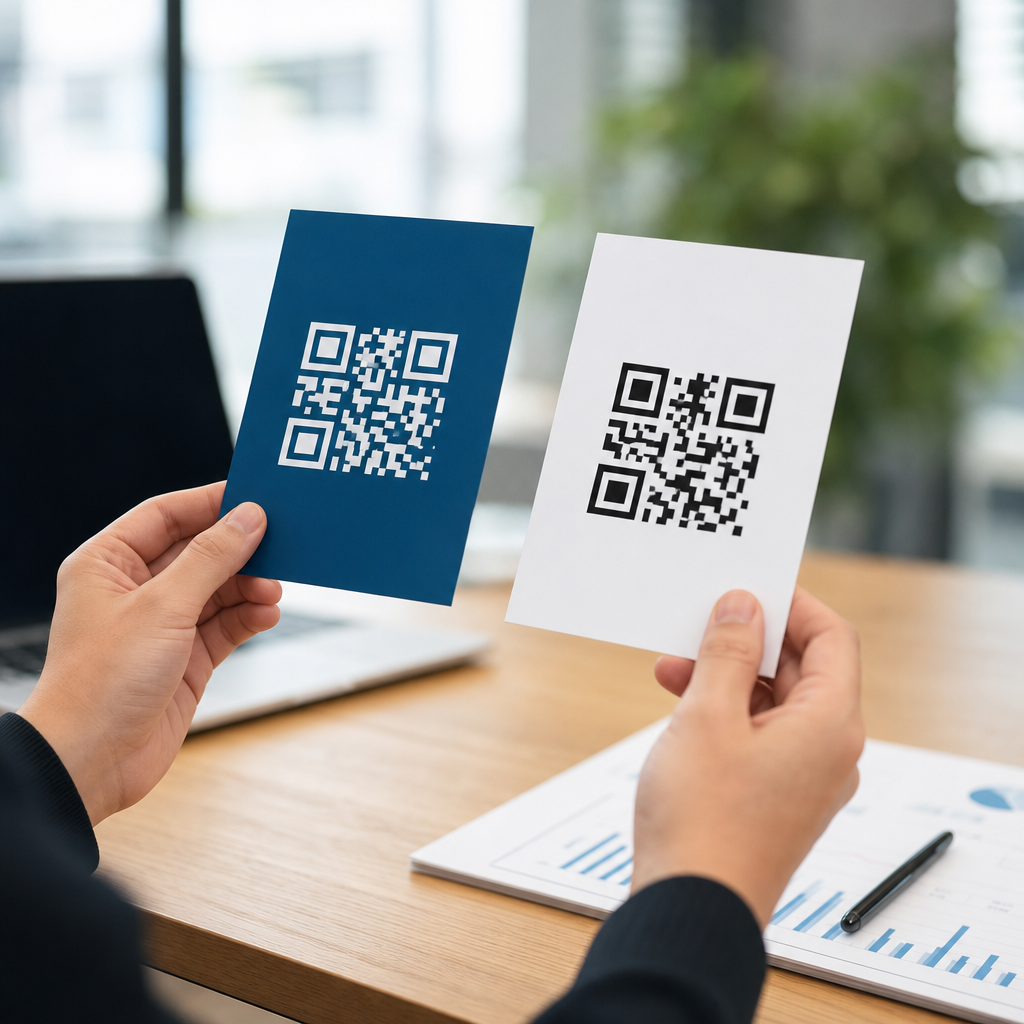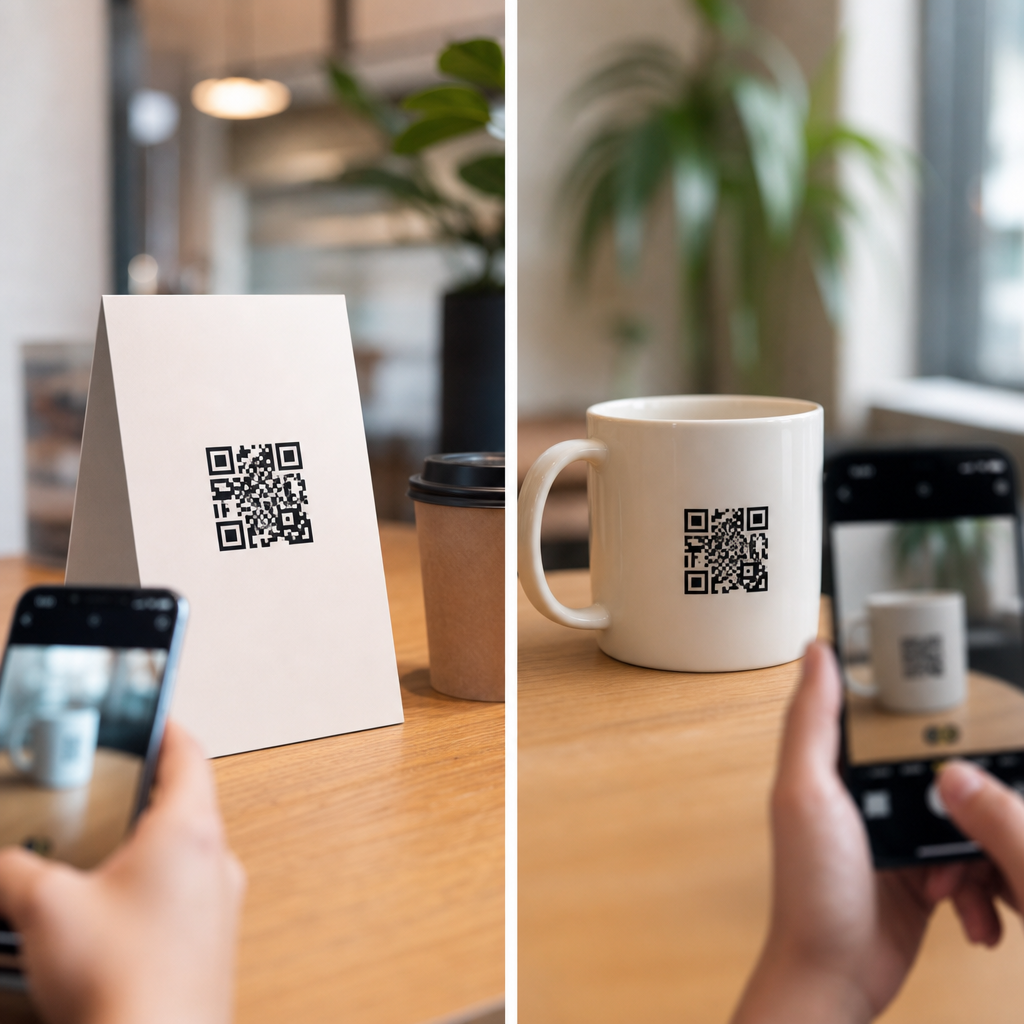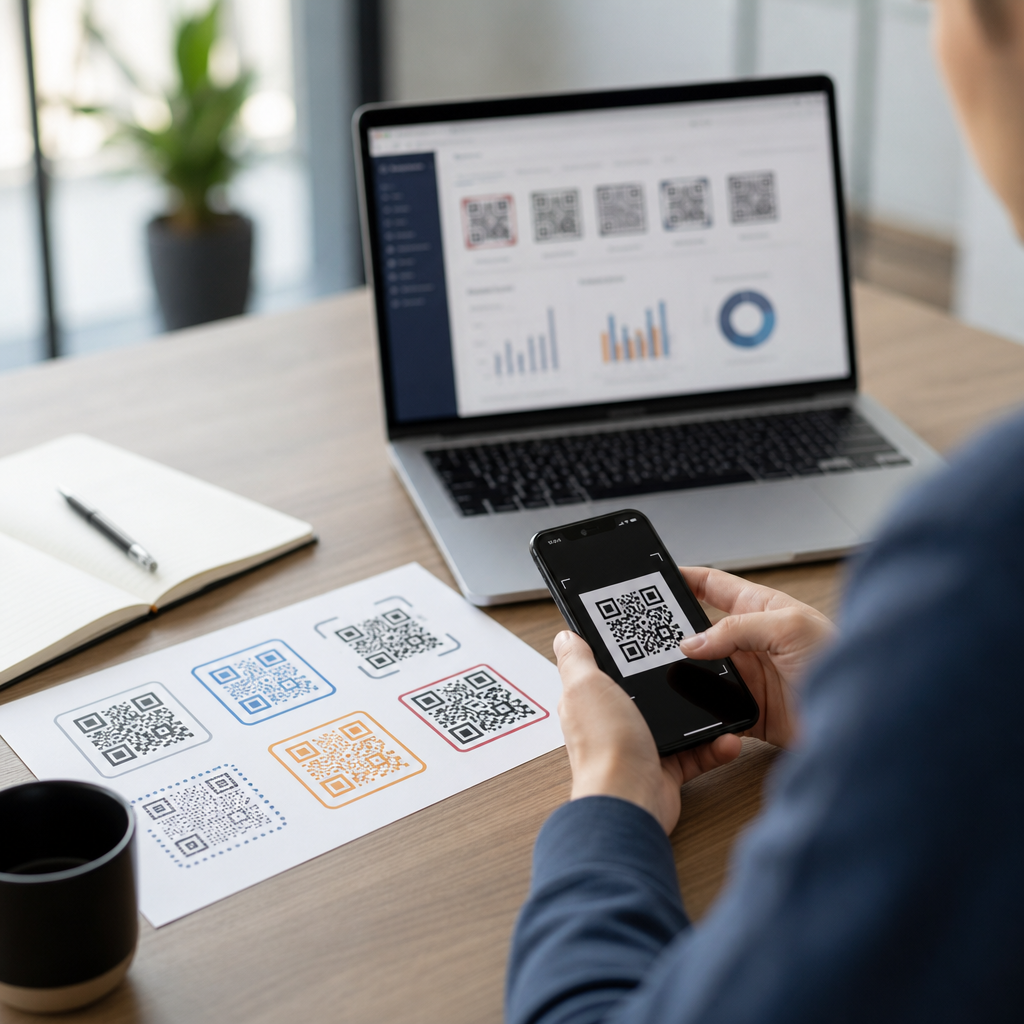
Dynamic QR codes turn a static square into a controllable gateway for personalized marketing funnels, letting brands change destinations, track behavior, and tailor follow-up based on who scanned, where, and when. In practical terms, a dynamic QR code stores a short redirect URL rather than the final destination itself, which means the campaign owner can update the landing page, append analytics parameters, segment audiences, and measure conversion without reprinting packaging, mailers, signage, or product labels. That flexibility makes QR code personalization far more than a convenience feature. It is the bridge between offline attention and digital intent, and it gives marketers a reliable way to connect print, packaging, events, direct mail, retail displays, and field sales with individualized online experiences.
When I build personalized QR campaigns, I define the funnel first. A marketing funnel is the sequence from scan to action: awareness, consideration, conversion, and retention. Personalization means adjusting that sequence using known or inferred signals such as campaign source, geography, device type, product owned, loyalty status, language, and previous engagement. A restaurant chain might route first-time scanners to a menu and returning scanners to a rewards offer. A B2B manufacturer might send distributors to technical documentation while routing end users to a product configurator. A healthcare provider may use separate dynamic QR codes for appointment reminders, intake forms, and post-visit education, each measured independently for completion rate.
This matters because generic post-scan experiences waste intent. People scan with a purpose, and the landing experience should answer that purpose immediately. According to mobile usability guidance from Google, users abandon slow or irrelevant pages quickly, and every extra step reduces completion. Personalized QR funnels improve relevance, shorten paths to action, and produce cleaner attribution data than sending all traffic to a homepage. They also support operational realities: campaigns change, inventory changes, offers expire, and compliance language evolves. Dynamic QR codes let marketers respond without replacing printed assets. As the central guide to QR code personalization, this article explains the strategy, data model, implementation choices, measurement approach, and governance standards needed to make dynamic QR codes perform across the full funnel.
How Dynamic QR Codes Enable Personalization
A dynamic QR code works through redirection. The code image remains the same, but the destination behind it can change in the platform dashboard or through rules. That architecture enables several personalization methods. The simplest is source-based routing: one code on shelf talkers, another on direct mail, another on product inserts. More advanced setups use rule engines to detect location, time, operating system, browser language, or scan frequency and then serve the most relevant page. Because the redirect layer can append UTM parameters automatically, scans become easier to classify inside Google Analytics 4, Adobe Analytics, HubSpot, or Salesforce Campaigns.
Personalization can be explicit or implicit. Explicit personalization uses a known identifier such as a coupon code, member ID, or CRM-linked token embedded in the URL. Implicit personalization relies on context, including zip code, device language, campaign placement, or inferred product interest. In retail, I often recommend campaign-specific dynamic QR codes instead of one universal code, because clean segmentation beats overengineered rule logic. A cosmetics brand, for example, can place separate codes on foundation shades, skincare samples, and checkout displays, each directing shoppers to a tailored routine builder. The user experiences relevance immediately, while the brand gains product-level intent data.
The real advantage is continuity. A personalized funnel should preserve message match from physical touchpoint to landing page to follow-up automation. If a trade show badge card promises a demo, the scan should open a short booking page, not a general website. If a wine bottle neck tag promotes pairing advice, the scan should open that product’s tasting notes and a reorder option. Dynamic QR codes make this continuity manageable at scale because marketers can update destinations, test variants, and pause outdated pages centrally. That is why they are now standard in mature omnichannel programs, especially where printed media, packaging, and field experiences drive discovery.
Building the Personalized Marketing Funnel
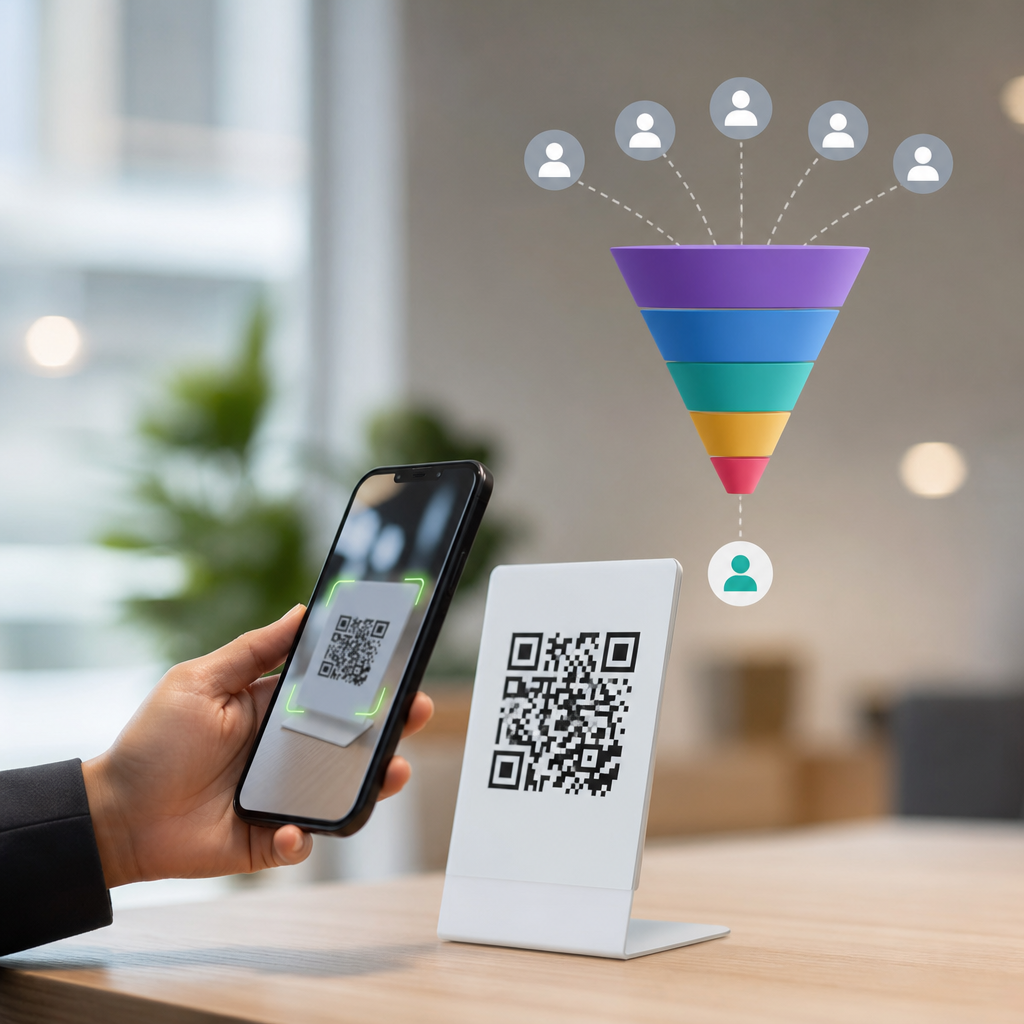
The best personalized QR funnels are intentionally simple. Start with the scan intent, then remove every obstacle between the user and the desired action. I usually map five stages: trigger, landing experience, data capture, conversion event, and follow-up sequence. Trigger is the physical context that motivates the scan, such as a mail piece, in-store sign, manual, receipt, kiosk, or event banner. The landing experience should match that trigger exactly. Data capture can be immediate, like a lead form, or progressive, like email capture after content value is delivered. The conversion event might be a purchase, appointment booking, demo request, app install, registration, or loyalty signup. Follow-up continues the personalization through email, SMS, retargeting, or customer success outreach.
Each stage needs a clear job. On a product package, a QR code might begin with setup instructions, then offer extended warranty registration, then recommend accessories based on the model selected. On a restaurant table tent, the first page might present the menu in the diner’s language, then invite SMS signup for a dessert offer, then send a review request after the visit. For high-consideration purchases, such as home fitness equipment or software subscriptions, the post-scan path should educate before it sells. Comparison charts, calculators, short explainer videos, and social proof can reduce friction better than a hard sell.
| Funnel Stage | Personalization Signal | Recommended Experience | Primary Metric |
|---|---|---|---|
| Scan | Placement source | Campaign-matched landing page | Scan-through rate |
| Landing | Language or geography | Localized copy and offer | Engagement rate |
| Capture | Known customer status | Short form or one-click login | Form completion rate |
| Conversion | Product interest | Relevant SKU, booking, or plan page | Conversion rate |
| Retention | Previous interaction | Triggered email, SMS, or support content | Repeat purchase or renewal |
One common mistake is trying to collect too much information too early. Scan traffic is often top or mid funnel, and mobile users have low patience for long forms. If the initial value exchange is weak, the funnel collapses. A better approach is progressive profiling: ask for the minimum data needed at the first conversion, then enrich the profile over time through subsequent interactions. This protects conversion rates while still supporting personalization at scale.
Data, Segmentation, and Measurement
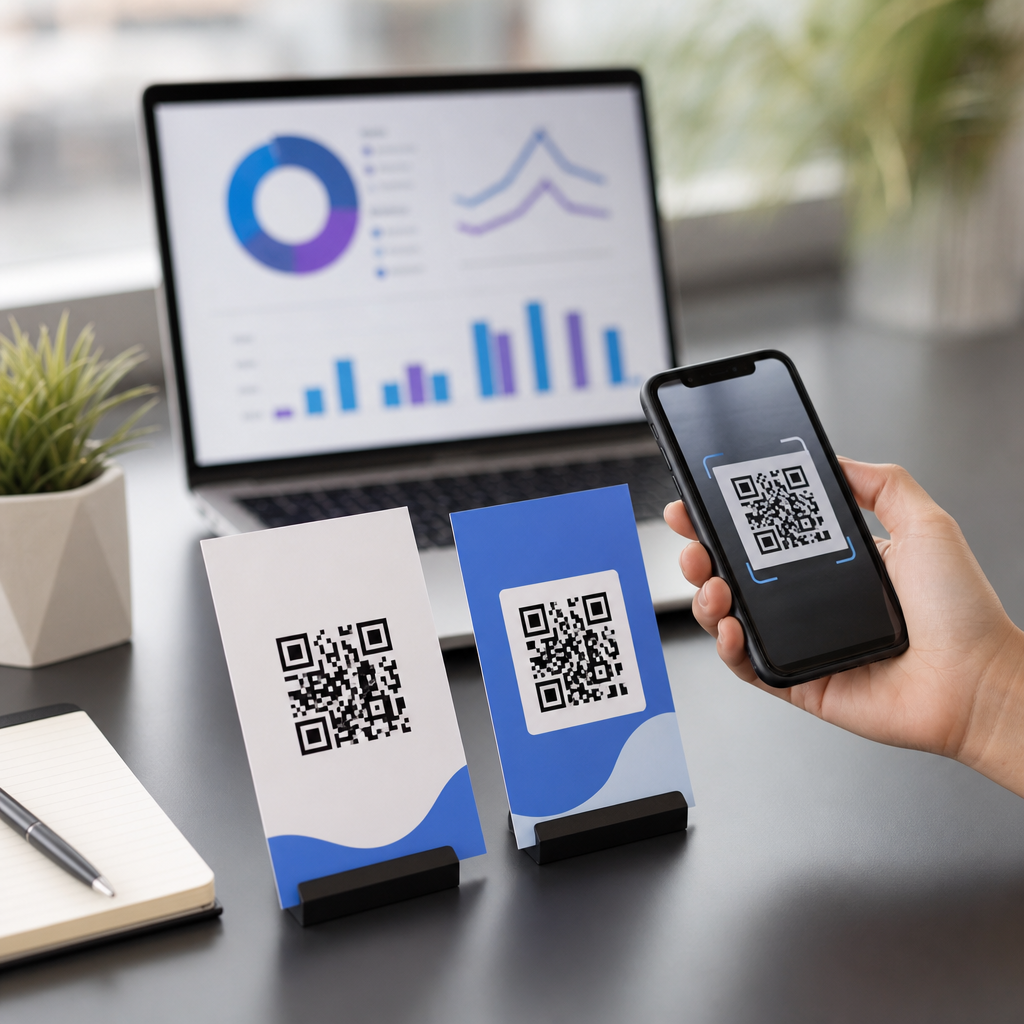
Personalized QR code performance depends on disciplined data design. At minimum, every dynamic QR campaign should have a naming convention, source label, medium, campaign identifier, creative identifier, destination rule, and owner. Without that structure, dashboards become noisy and comparisons become unreliable. In GA4, I typically standardize UTM parameters around placement, audience, offer, and creative version. In a CRM, I mirror those fields so scans can be tied to contacts, opportunities, and revenue. This is especially important for direct mail, events, retail packaging, and out-of-home media, where offline touchpoints often disappear from attribution.
Segmentation should reflect business decisions, not just available data. Useful segments include first-time versus returning scanners, anonymous versus known customers, by product family, by region, by store, by sales rep, and by lifecycle stage. A university, for instance, might deploy dynamic QR codes across admissions brochures, campus signage, and department flyers. Undergraduate prospects could be routed to virtual tours, while graduate prospects go to program-specific deadlines and faculty pages. If scans from airport ads convert poorly but scans from admitted-student packets convert strongly, the institution can reallocate spend and content effort accordingly.
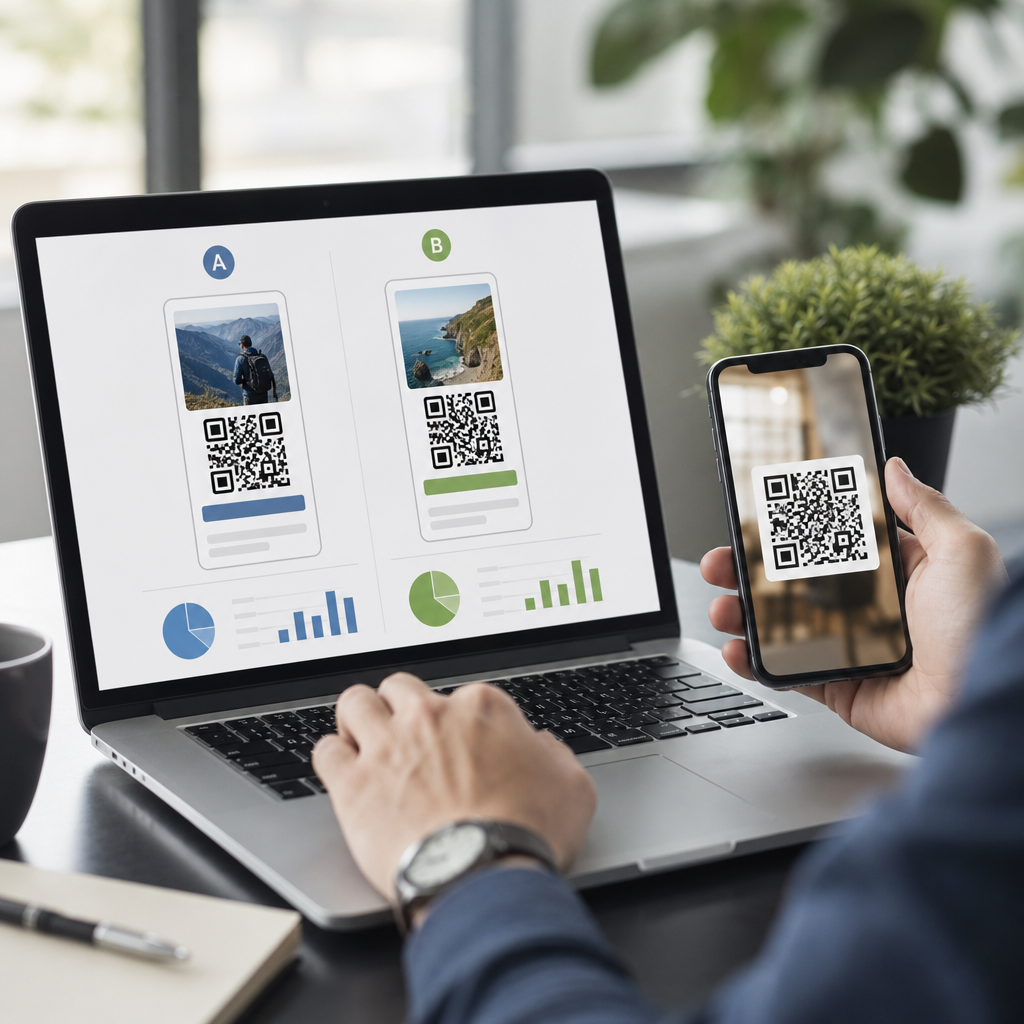
Measurement must go beyond scan counts. Scans are top-of-funnel signals, not business outcomes. The metrics that matter are landing-page engagement, click depth, form completion, add-to-cart rate, booked meetings, purchases, subscription starts, retention, and assisted revenue. Where possible, connect scan identifiers to server-side events or CRM records. That reduces dependence on browser cookies and improves accuracy in privacy-restricted environments. I also recommend routine A/B testing of destination pages, headline match, incentive strength, and form length. Small changes in message match often outperform dramatic visual redesigns because users respond to clarity first.
There are limits. Geo-routing can misclassify users on VPNs, device detection is imperfect, and overpersonalization can feel invasive. Marketers should avoid collecting unnecessary personal data and should follow applicable requirements such as GDPR, CCPA, HIPAA where relevant, and consent rules for SMS and email. Personalized QR funnels work best when they are helpful, transparent, and proportionate to the user’s expectations.
Implementation Best Practices and Common Use Cases
Successful implementation starts with the QR code itself. Use a high-contrast design, sufficient quiet zone, appropriate size for scanning distance, and error correction that balances resilience with visual customization. Test on multiple devices and camera apps before printing. The destination page must be mobile first, fast, accessible, and specific to the promise near the code. If the printed call to action says “See installation video,” the landing page should open that video above the fold. I have seen conversion rates improve simply by removing a generic homepage step and replacing it with a page built around the scan context.
Common use cases span industries. In retail and consumer packaged goods, dynamic QR codes support product education, ingredient transparency, replenishment, warranty registration, loyalty enrollment, and cross-sell recommendations. In B2B, they connect brochures, booth graphics, equipment labels, and sales leave-behinds to calculators, CAD files, case studies, and meeting booking pages. In hospitality, they can personalize menus, offers, itinerary details, and post-stay feedback flows by property or guest type. In healthcare and life sciences, they are useful for medication instructions, enrollment support, follow-up education, and provider-specific resources, provided privacy and regulatory review are built into the process.
Platform choice matters. Look for editable destinations, rule-based redirects, analytics exports, API access, role permissions, expiration controls, and custom domains. A custom branded domain improves trust and can support better deliverability in some environments than generic short links. Governance matters just as much as software. Someone must own naming standards, QA, redirect hygiene, archive policies, and sunset procedures for outdated campaigns. Broken redirects, expired offers, and mismatched pages undermine trust quickly. For teams building a broader Advanced QR Code Strategies program, the hub-and-spoke model is effective: keep this personalization page as the central reference, then link outward to deeper guides on QR code analytics, QR code design, QR code security, and QR codes for direct mail, packaging, events, and loyalty programs.
Dynamic QR codes give marketers a practical way to personalize funnels without increasing operational drag. Because the destination can change after print, brands can keep physical assets in market while refining offers, localizing content, and improving attribution. The strongest programs start with user intent, map a clear post-scan journey, capture only necessary data, and measure business outcomes instead of vanity metrics. They use segmentation to make experiences more relevant, not more complicated.
The main benefit is continuity between offline discovery and digital conversion. When a QR code’s promise, landing page, and follow-up sequence align, users move forward with less friction and brands learn which messages and placements actually drive revenue. That is why dynamic QR codes belong in modern omnichannel strategy, especially for teams managing packaging, print, retail, field marketing, events, and customer lifecycle communications.
If you are building out QR code personalization, audit your current scan paths, replace generic destinations with campaign-matched pages, standardize your tracking taxonomy, and test one high-intent funnel first. Then expand with confidence across the rest of your Advanced QR Code Strategies roadmap.
Frequently Asked Questions
What makes a dynamic QR code different from a static QR code in a personalized marketing funnel?
A static QR code points directly to one fixed destination, such as a single landing page or file. Once it is printed, that destination is essentially locked in. If the URL changes, the offer expires, or the campaign needs to send people somewhere new, the code must usually be replaced and reprinted. A dynamic QR code works differently. Instead of storing the final destination, it stores a short redirect link controlled by the campaign owner. That redirect can be updated at any time without changing the printed code itself.
In a personalized marketing funnel, that flexibility is what makes dynamic QR codes so valuable. A brand can send different audiences to different experiences based on campaign timing, geography, device type, or audience segment. For example, the same code on a product insert can route first-time scanners to an introductory offer, returning visitors to a loyalty page, and retail partners to a wholesale portal. Because the destination is managed behind the scenes, marketers can adapt the funnel as performance data comes in rather than being stuck with the original setup.
Dynamic QR codes also add a measurement layer that static codes typically do not support nearly as well. They can capture scan data such as time, location, device, and referral context, then connect that behavior to downstream actions like form fills, purchases, or bookings. That turns the QR code from a simple access point into a trackable entry point for campaign optimization. In practice, it means a printed code on packaging, direct mail, event signage, or in-store displays becomes a controllable touchpoint that can evolve with the campaign and support more precise targeting over time.
How do dynamic QR codes support personalization without requiring new packaging or printed materials?
The core advantage is that the printed code stays the same while the experience behind it can change. Because the QR code resolves through a redirect, marketers can swap landing pages, update product recommendations, change calls to action, or introduce seasonal messaging without touching the physical asset. That is especially important for channels with long production cycles, such as product packaging, brochures, catalogs, point-of-sale materials, and direct mail. A single printed code can continue working across multiple campaign phases.
This opens the door to practical personalization at scale. A brand might use one QR code on a national mailer but route people to region-specific landing pages based on scan location. It might detect whether someone scanned during business hours and send them to a live booking experience, while after-hours visitors are sent to a lead capture page or chatbot. It can also segment based on the source asset itself by assigning different dynamic codes to packaging, shelf talkers, inserts, and outdoor ads, then tailoring follow-up content according to where the customer entered the funnel.
Personalization can extend beyond the first click. The redirect can append analytics parameters that identify campaign source, product line, creative variant, or audience cohort. Once the visitor lands on the site, that information can trigger customized messaging, pre-filled forms, relevant product bundles, or automated email and SMS workflows. In other words, dynamic QR codes let marketers keep physical materials stable while continuously refining the digital journey. That combination lowers waste, preserves campaign agility, and makes personalization feasible even in offline-first environments.
What kinds of data and insights can marketers track with dynamic QR codes?
Dynamic QR codes can provide a far richer picture than a simple page visit count. At a basic level, marketers can track total scans, unique scans, scan timestamps, approximate location, device type, operating system, and browser data. These metrics help answer practical questions such as when people are engaging, where campaigns are gaining traction, and whether users are scanning from mobile environments that need a lighter, faster landing page. For location-based campaigns, scan geography can reveal which stores, neighborhoods, or event venues are driving the strongest response.
More importantly, dynamic QR codes can be connected to broader analytics and attribution systems. By appending UTM parameters or other campaign identifiers during the redirect, marketers can follow the user into web analytics platforms, customer data platforms, CRM systems, and marketing automation tools. That makes it possible to tie scans to sessions, conversions, purchases, lead quality, repeat visits, and customer lifetime indicators. Instead of knowing only that a code was scanned, the brand can understand which printed asset drove action and what happened afterward.
These insights are useful for optimization as well as reporting. If one placement generates lots of scans but few conversions, the issue may be weak landing page alignment or an offer mismatch. If another placement produces fewer scans but higher-quality leads, that channel may deserve more budget. Marketers can also test different destinations, offers, page layouts, or follow-up sequences while keeping the physical code unchanged. In that sense, dynamic QR code tracking is not just about counting engagement. It is about learning how offline touchpoints influence digital behavior and using that information to improve the entire funnel.
Where do dynamic QR codes fit best in a marketing funnel?
Dynamic QR codes can play a role at nearly every stage of the funnel because they bridge physical and digital interactions so efficiently. At the awareness stage, they work well on posters, packaging, out-of-home ads, trade show displays, print ads, and direct mail to move people from curiosity to action in a single scan. Instead of asking users to remember a URL or search for a brand later, the code creates an immediate path to a campaign page, product demo, giveaway, video, or local store information.
In the consideration stage, dynamic QR codes help brands deliver more context-specific experiences. A scanner on product packaging might open comparison guides, reviews, ingredient details, setup instructions, or personalized recommendations. A code on a brochure can lead to a calculator, configurator, or case study matched to the prospect’s interest. Because the destination can be changed over time, the same code can continue to serve relevant mid-funnel content as the campaign evolves or as inventory and priorities shift.
They are equally useful in the conversion and retention stages. A QR code can lead directly to a booking form, checkout page, limited-time offer, or retailer locator to shorten the path to purchase. After the sale, that same concept can support onboarding, warranty registration, loyalty enrollment, reorder flows, referrals, and review requests. For retention marketing, the real power comes from using scan context to trigger the right next step. Someone scanning from the box they just opened needs a different experience than someone scanning a countertop display in a store. Dynamic QR codes make those distinctions actionable, which is why they are so effective throughout the full customer journey.
What are the best practices for using dynamic QR codes effectively in personalized campaigns?
Start with a clear objective for each code. The most effective campaigns do not use QR codes simply because they are available; they use them to drive a defined action such as claiming an offer, registering a product, booking a consultation, joining a loyalty program, or accessing personalized content. Once the goal is clear, match the landing experience tightly to the context of the scan. A person scanning a package insert after purchase should not land on a generic homepage. They should arrive at a page that acknowledges the product, the moment, and the likely intent behind the scan.
It is also important to structure campaigns for measurement from the beginning. Use naming conventions, campaign parameters, and audience tags consistently so each code can be traced back to its channel, placement, creative, and objective. Connect the QR platform to web analytics, CRM, and automation tools whenever possible. That way, scans become part of a broader customer data picture rather than isolated events. Marketers should also monitor landing page speed, mobile usability, and conversion flow closely because most QR interactions happen on mobile devices and often in real-world environments where attention is limited.
Finally, treat dynamic QR codes as living campaign assets. Review performance regularly, test alternate destinations, refine offers, and update routing logic based on what the data shows. Include a visible reason to scan, such as a concise value proposition or call to action, so users understand what they will get. Make sure the code is sized appropriately, placed where it is easy to access, and printed with enough contrast to scan reliably. When executed well, dynamic QR codes combine flexibility, attribution, and personalization in a way few other offline-to-online tools can match. The brands that get the best results are the ones that pair strong technical setup with a genuinely useful customer experience.