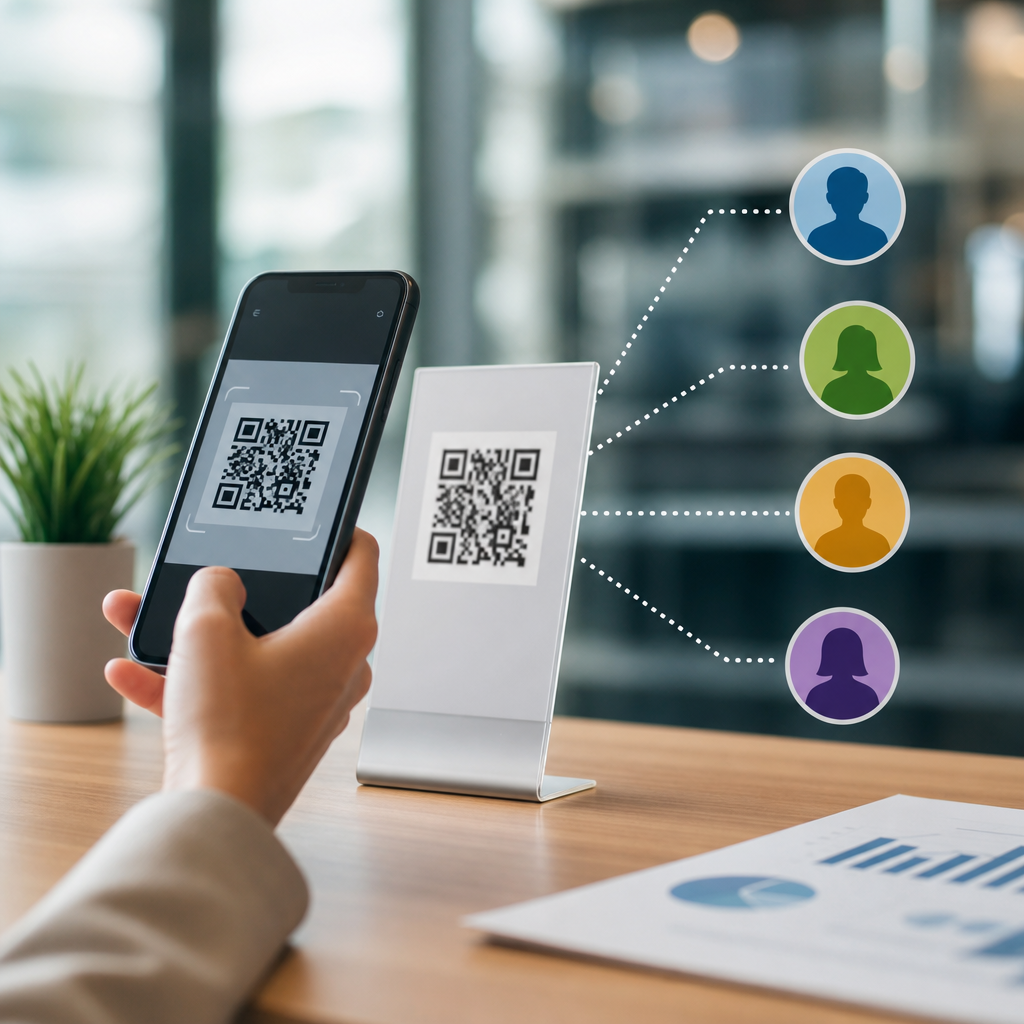
QR codes have evolved from simple scan-to-visit tools into precise instruments for audience segmentation, giving marketers a fast way to connect offline behavior with personalized digital journeys. Audience segmentation means dividing people into meaningful groups based on characteristics such as location, purchase intent, product interest, lifecycle stage, or engagement history. QR code personalization is the practice of tailoring the destination, message, or experience behind a code so different segments receive different content while the brand still controls one measurable entry point. I have used this approach across retail displays, event booths, direct mail, and packaging, and the pattern is consistent: when the scan experience matches the user’s context, conversion rates improve and attribution gets clearer.
This matters because generic landing pages waste intent. A customer scanning a code on premium packaging expects different information than a prospect scanning a tradeshow banner or a loyalty member scanning a receipt. Personalized QR strategies help brands answer immediate questions, reduce friction, and collect cleaner first-party data. They also support stronger reporting by tying each scan source to a segment hypothesis. For teams building an advanced QR code strategy, audience segmentation is not a side tactic. It is the operating model that turns every scan into a measurable, relevant interaction.
What QR Code Personalization Means in Practice
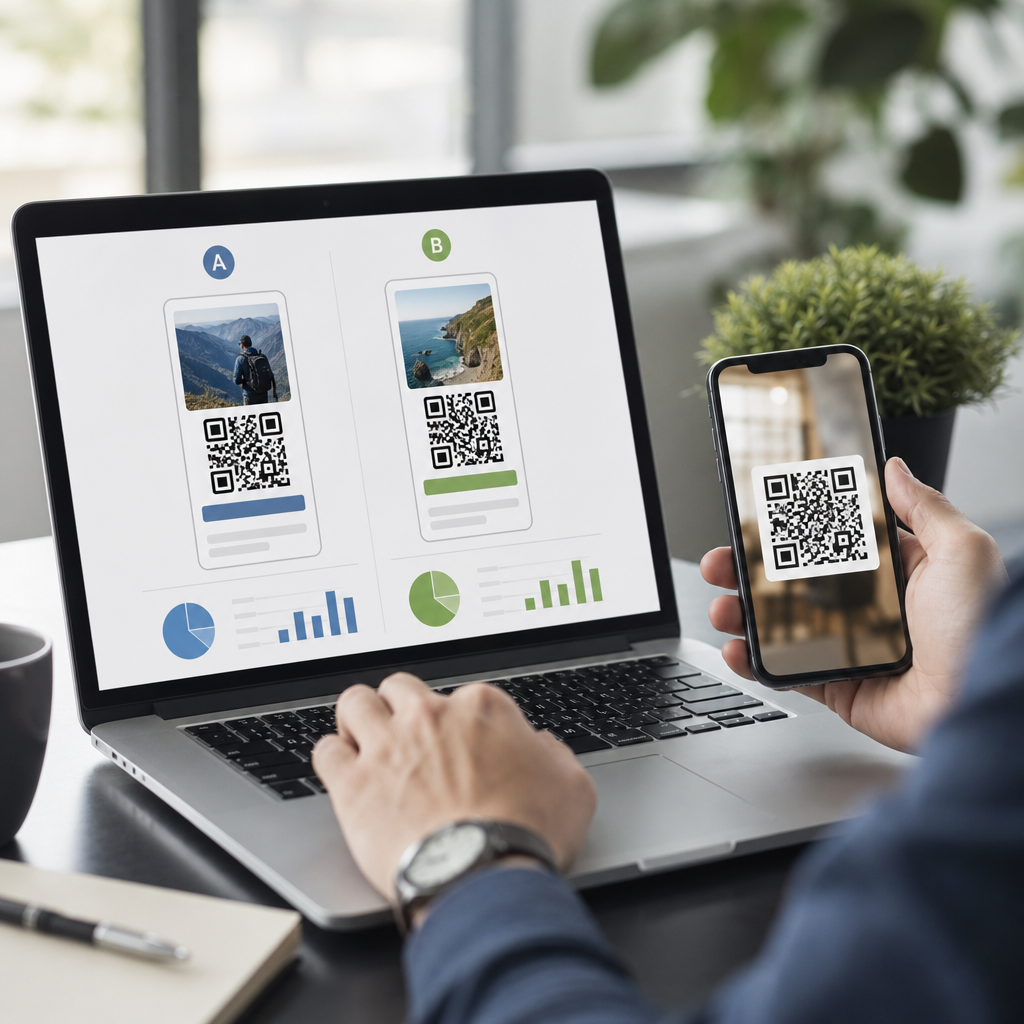
QR code personalization starts with the relationship between the physical trigger and the digital destination. The code itself can be static or dynamic, but most advanced segmentation programs rely on dynamic QR codes because they allow destination changes, scan analytics, UTM governance, and A/B testing without reprinting materials. In practical terms, personalization can happen at several levels: unique codes per channel, unique codes per audience, rule-based redirects by device or geography, or page-level personalization after the scan using parameters, cookies, and CRM data.
For example, a fitness brand can print one code on in-store shelf talkers aimed at comparison shoppers and another on subscription boxes aimed at existing customers. The first code might open a product quiz and buyer’s guide; the second could open refill options, loyalty rewards, and training content. At a more advanced level, both codes can route through the same QR platform, but pass different campaign parameters into a personalization engine such as HubSpot, Klaviyo, Salesforce Marketing Cloud, or Adobe Experience Cloud. That setup preserves brand consistency while serving different needs.
The key principle is relevance. A personalized QR experience should answer the likely intent created by the object being scanned. Packaging often signals usage support, warranties, recipes, or replenishment. Out-of-home posters signal discovery and urgency. Event badges signal identity, session interests, and follow-up qualification. When marketers align the post-scan experience with those cues, the code becomes a segmentation gateway rather than just a shortcut URL.
How to Segment Audiences with QR Codes
The most reliable segmentation models use variables that are both observable and actionable. In QR programs, I usually start with five dimensions: source, context, behavior, profile, and time. Source identifies where the scan happened, such as direct mail, retail signage, packaging, or a booth. Context captures finer details, such as product category, store region, campaign creative, or event session. Behavior tracks what users do after the scan, including clicks, dwell time, form completion, or add-to-cart actions. Profile data links known users to CRM attributes like industry, customer tier, or previous purchases. Time distinguishes launch-day curiosity from replenishment behavior weeks later.
These dimensions help teams avoid shallow segmentation. A code on a cosmetics display does not just indicate “store traffic.” It may indicate interest in a shade family, a price point, a retailer, and a promotional moment. Combined with scan timestamp and landing-page actions, that data can separate impulse buyers from high-consideration researchers. If a known loyalty member scans from packaging thirty days after purchase, that often signals onboarding or reorder intent, not awareness.
| Segmentation dimension | What the QR code captures | Personalized response | Example |
|---|---|---|---|
| Source | Channel or placement | Channel-specific landing page | Billboard scan opens store locator |
| Context | Product, creative, venue, or region | Relevant content block or offer | Coffee bag scan opens brew guide for that roast |
| Behavior | Clicks, forms, video views, cart actions | Retargeting or nurture path | Video viewer receives comparison email |
| Profile | Known customer attributes from CRM | Tiered message or account-specific CTA | Wholesale buyer sees case pricing |
| Time | Scan date, frequency, recency | Lifecycle-based sequence | Thirty-day post-purchase scan triggers refill reminder |
Good segmentation also depends on governance. Establish naming conventions for campaigns, define required parameters, and decide which attributes belong in the QR platform versus the analytics stack. Without that discipline, teams end up with fragmented reports and duplicate audiences.
Building the Measurement Stack Behind Personalized QR Campaigns
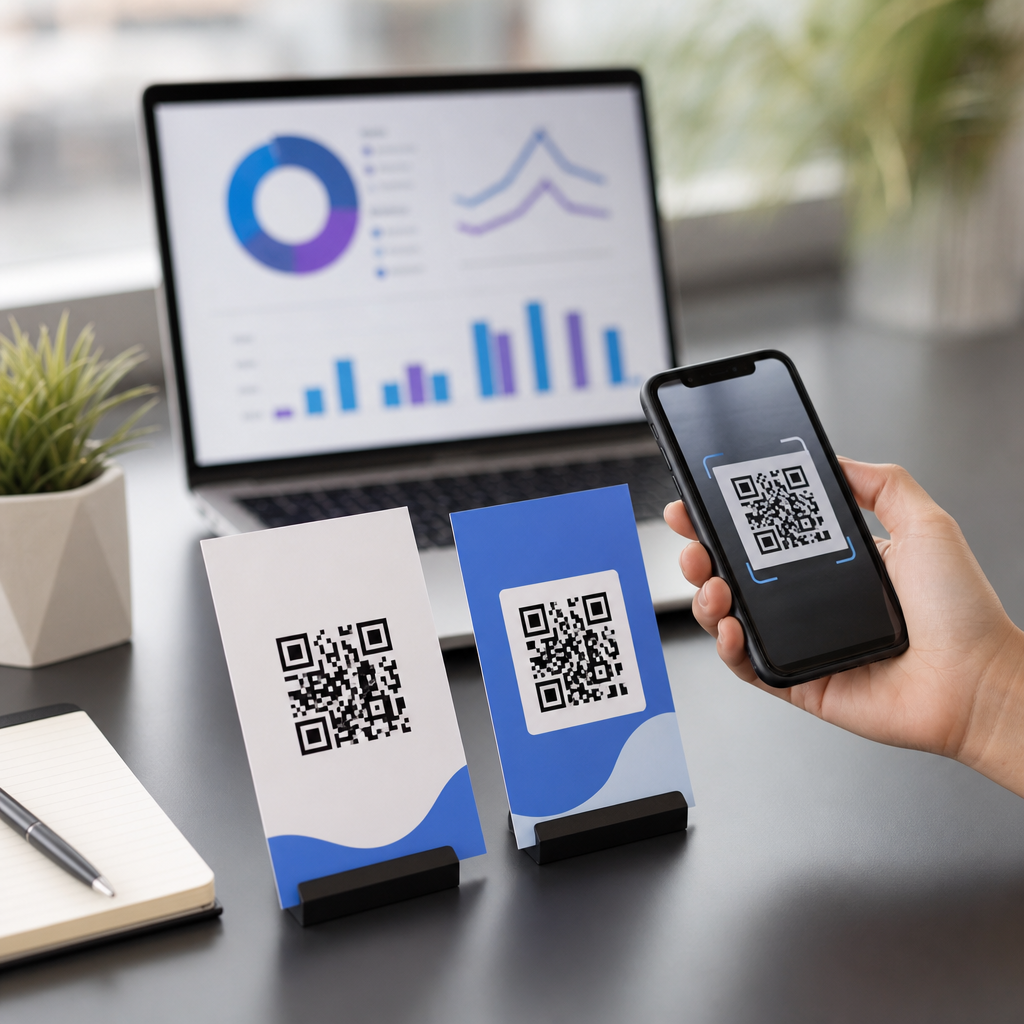
Audience segmentation only works if every scan is measurable. The minimum stack includes a dynamic QR code generator, web analytics, campaign parameters, and a destination that can adapt content. Common tools include Bitly, QR Code Generator PRO, Flowcode, Beaconstac, Google Analytics 4, Adobe Analytics, and tag management through Google Tag Manager. For known-user personalization, connect form fills, login states, or customer IDs to a CRM such as Salesforce or HubSpot.
In implementation, each QR code should carry structured UTM parameters for source, medium, campaign, content, and often term. I also recommend a placement ID that maps to a physical asset registry. That registry records the exact store, fixture, mail drop, package SKU, event booth, or sales rep handout tied to the code. When scan data flows into analytics, the team can compare not just campaign totals but asset-level performance.
Measurement should go beyond scans. Track landing-page engagement, micro-conversions, assisted conversions, and downstream revenue. If a restaurant group places QR codes on table tents segmented by daypart, lunch and dinner scans may look similar at the top of the funnel, yet lunch scanners may redeem offers faster while dinner scanners join the loyalty program at a higher rate. The value of segmentation appears in these outcome differences.
Privacy matters here. Collect only the data you need, disclose tracking where required, and align with GDPR, CCPA, and your consent management framework. QR code personalization is strongest when it respects user expectations. If someone scans packaging for assembly instructions, forcing an unnecessary data capture step can hurt trust and completion rates.
Real-World Use Cases Across Channels
Retail is one of the clearest use cases. A consumer electronics brand can place different QR codes on endcaps, shelf labels, and warranty inserts. Endcap codes serve top-of-funnel education, shelf labels answer feature comparisons, and inserts support setup and upsell accessories. Each placement creates a distinct segment, and each segment gets a tailored page. In my experience, shelf-level codes often produce higher engagement depth because the customer is closer to purchase and wants decision support immediately.
Packaging is another high-value environment because it reaches verified buyers. A food brand can segment by product line and package size, then route scanners to recipes, nutrition details, subscription options, or retailer-specific rebate forms. A premium tea company, for example, might use codes on seasonal tins to trigger harvest stories and brewing instructions, while refill pouches direct users to loyalty rewards and replenishment bundles. The scan behavior reveals whether the buyer is still onboarding or already in repeat-purchase mode.
Events create rich segmentation because context is explicit. Different booth zones, session slides, badges, and leave-behind cards can each carry unique QR codes. A software company might send product managers to technical demo pages, procurement visitors to security documentation, and executives to ROI calculators. Sales teams then score those scans based on intent signals instead of treating every lead equally.
Direct mail, print ads, and out-of-home media also benefit from QR code personalization. A regional healthcare provider can personalize by neighborhood, service line, or language preference. One mailer drop can route urban residents to urgent care wait times, suburban families to pediatric scheduling, and Spanish-speaking households to localized content. That is audience segmentation driven by distribution design, not just post-click assumptions.
Best Practices, Common Mistakes, and Hub-Level Strategy
The best personalized QR programs start with a segmentation hypothesis before design begins. Define who will scan, what they likely need, and what business outcome matters. Then choose the right level of personalization. Not every campaign needs one-to-one experiences; often one-to-many segmentation is enough. Use dynamic codes, mobile-first landing pages, fast load times, and clear calls to action. Test scan distance, contrast, quiet zone, and placement height so technical issues do not contaminate audience insights.
Common mistakes are predictable. Teams reuse one QR code everywhere and then try to infer segment differences later. They send all traffic to the homepage. They fail to capture asset-level metadata. Or they personalize too aggressively, creating dozens of tiny segments with no statistical power. Another frequent issue is ignoring the offline moment. If the code appears on luxury packaging but the landing page feels generic, the brand experience breaks.
As the hub for QR code personalization within advanced QR code strategies, this topic connects naturally to deeper articles on dynamic versus static QR codes, QR landing page optimization, QR code analytics, CRM integration, QR codes for packaging, event QR lead capture, and QR code A/B testing. The central lesson is simple: personalized QR codes work when segmentation is intentional, measurable, and useful to the scanner. Start by auditing your current codes, map each one to an audience segment, and build tailored experiences that answer real intent. That is how a QR code stops being a link and starts functioning as a conversion system.
Frequently Asked Questions
What does audience segmentation mean in the context of QR codes?
In the context of QR codes, audience segmentation means using different QR code experiences to sort people into meaningful groups based on who they are, what they are interested in, where they are located, or how they interact with your brand. Instead of sending every scanner to the same generic landing page, marketers can use QR codes to create more relevant journeys for different audience segments. For example, a retail brand might place one QR code in a storefront window for first-time visitors, another on in-store signage for active shoppers, and another on product packaging for existing customers. Each code can lead to a tailored experience that reflects the likely intent of that specific group.
This approach is valuable because QR codes bridge offline touchpoints and digital behavior. A person scanning a code from direct mail may have different needs than someone scanning a code at an event booth or on a product label after purchase. By assigning codes to different channels, locations, campaigns, or product categories, marketers can identify patterns and route users into experiences that feel more personalized. That might include different offers, content recommendations, lead forms, loyalty messages, or follow-up workflows.
Audience segmentation with QR codes also improves measurement. It helps marketers understand which groups are engaging, what motivates them to scan, and which experiences are driving action. Rather than looking at scan volume alone, you can evaluate performance by segment, such as new versus returning customers, high-intent versus low-intent traffic, or interest in one product line versus another. This makes QR codes much more than a simple link delivery tool. They become a practical method for collecting insight, improving relevance, and guiding people into better targeted digital experiences.
How can marketers use QR codes to segment audiences by location, interest, or customer journey stage?
Marketers can segment audiences with QR codes by assigning different codes to different physical contexts and then mapping each code to a specific audience assumption. Location is one of the simplest and most effective segmentation variables. A restaurant chain, for instance, can use separate QR codes by city, neighborhood, or even table placement. Each scan then tells the business something about where the user engaged and allows the brand to show location-specific promotions, store hours, inventory, event information, or localized content.
Interest-based segmentation works by connecting the QR code to a product category, theme, or campaign. A brand selling skincare products might place one QR code next to acne solutions, another next to anti-aging products, and another inside packaging for sensitive skin items. Even if the user has never filled out a form before, the scan itself signals probable product interest. That allows the marketer to deliver more relevant landing pages, educational content, recommendations, and future retargeting messages. It is a simple but powerful way to infer intent from real-world behavior.
Customer journey stage segmentation is especially useful because the same person needs different messaging depending on where they are in the buying lifecycle. A QR code on a print ad might be designed for awareness, leading to a quick explainer or introductory offer. A QR code on a product shelf might support consideration by linking to reviews, demos, or comparison guides. A QR code inside packaging may serve post-purchase goals such as onboarding, setup instructions, loyalty registration, refill reminders, or upsell opportunities. By designing QR codes around lifecycle stage, marketers can match the experience to the user’s likely mindset rather than relying on one-size-fits-all messaging.
The strongest strategies often combine these signals. A code can reflect location, product interest, and lifecycle stage all at once. For example, a shopper scanning a code in the running shoe section of a downtown flagship store is not just “a scanner.” That person may be a high-intent customer interested in a specific category, at a specific store, in the consideration phase. When marketers structure QR deployments thoughtfully, they can turn a simple scan into a rich segmentation signal that makes downstream communication much more precise.
What is QR code personalization, and how does it improve marketing performance?
QR code personalization is the practice of customizing what happens after a scan so the experience matches the audience segment behind that interaction. Personalization can involve the destination URL, the landing page message, the offer, the imagery, the call to action, the product recommendations, or the data capture form. The goal is not just to make the interaction feel more relevant, but to increase the likelihood that the person scanning will take the next desired step.
This improves marketing performance because relevance drives engagement. If someone scans a QR code from a product display for premium coffee beans, they are more likely to respond to brewing tips, subscription options, or flavor-specific promotions than to a generic homepage. Likewise, a code scanned by an existing customer can direct them to account-based resources, reorder tools, or loyalty rewards, while a code scanned by a new prospect can focus on education, trust-building, and first-purchase incentives. When the post-scan journey aligns with user context, brands typically see better conversion rates, longer engagement, and stronger customer satisfaction.
Personalization also helps marketers reduce friction. Instead of forcing users to search for the right page after scanning, the brand can take them directly to the most useful content for their segment. This matters in QR campaigns because scans often happen in fast, real-world moments: in a store aisle, on transit, at a trade show, or while opening a package. If the experience is immediate and clearly relevant, users are more likely to continue.
From a strategic standpoint, QR code personalization supports better testing and optimization. Marketers can compare how different segments respond to different messages, offers, and page layouts. They can learn whether event attendees prefer a demo request over a downloadable guide, or whether first-time buyers respond more strongly to a discount than to social proof. Over time, these insights make segmentation sharper and campaigns more efficient. Personalization turns QR codes from static assets into adaptive marketing tools that can meaningfully improve both user experience and campaign ROI.
What are the best practices for setting up a QR code audience segmentation strategy?
The first best practice is to begin with a clear segmentation framework rather than generating QR codes at random. Decide which audience differences matter most to your business. These may include geography, channel source, product interest, buying stage, customer status, or event type. Once those dimensions are defined, create a structured plan for where codes will appear, what each code is meant to identify, and what experience should follow each scan. Without this foundation, QR code data becomes difficult to interpret and even harder to activate.
The second best practice is to use dynamic QR codes whenever possible. Dynamic codes allow you to change the destination without replacing the printed asset, and they usually provide stronger tracking and campaign management capabilities. This flexibility is important for segmentation because it lets you update landing pages, refine messaging, correct mistakes, or adjust the experience as audience insights develop. Static QR codes may work for simple use cases, but dynamic codes are generally better suited to ongoing segmentation and optimization efforts.
Another key practice is to align every QR code with a dedicated landing page or tailored routing logic. Avoid sending all scans to the homepage. Build pages that reflect the scanner’s likely intent and include a clear next step. If the segment is early-stage, offer educational content. If the segment is high-intent, emphasize demos, purchases, or consultations. If the segment is post-purchase, focus on support, loyalty, and repeat engagement. The more closely the destination matches the context of the scan, the more useful the segmentation becomes.
Measurement is equally important. Tag your URLs properly, connect scan data to analytics platforms, and define success metrics beyond raw scan count. Track conversions, bounce rate, time on page, form completion, purchase behavior, and downstream engagement by segment. If possible, feed scan data into your CRM or marketing automation system so segments can be used in broader campaigns. This creates continuity between offline interaction and digital follow-up.
Finally, prioritize usability and trust. Place QR codes where they are easy to notice and scan, explain what users will get by scanning, and make sure the mobile experience is fast and intuitive. Respect privacy by collecting only the data you need and being transparent about how information is used. A segmentation strategy works best when it is technically sound, measurable, and built around a genuinely helpful user experience rather than just data collection for its own sake.
How can businesses measure whether QR code segmentation is actually working?
Businesses can measure the success of QR code segmentation by looking at both engagement quality and business outcomes at the segment level. The most basic metric is scan volume, but that alone does not reveal whether segmentation is effective. What matters more is what happens after the scan. Strong indicators include click-through behavior, landing page engagement, conversion rate, lead quality, purchase rate, repeat visits, and progression through the customer journey. If one QR-driven segment consistently produces better outcomes than another, that is useful evidence that your targeting and messaging are working.
It is also important to compare segment performance against the intended goal of each code. A QR code on packaging may not be expected to generate immediate sales; its job may be to improve onboarding, increase product registration, or drive loyalty enrollment. A code at a trade show may be judged by qualified lead capture rather than raw scans. A code on a shelf display might be measured by add-to-cart actions or coupon redemptions. Success should be tied to context, not evaluated with one universal metric