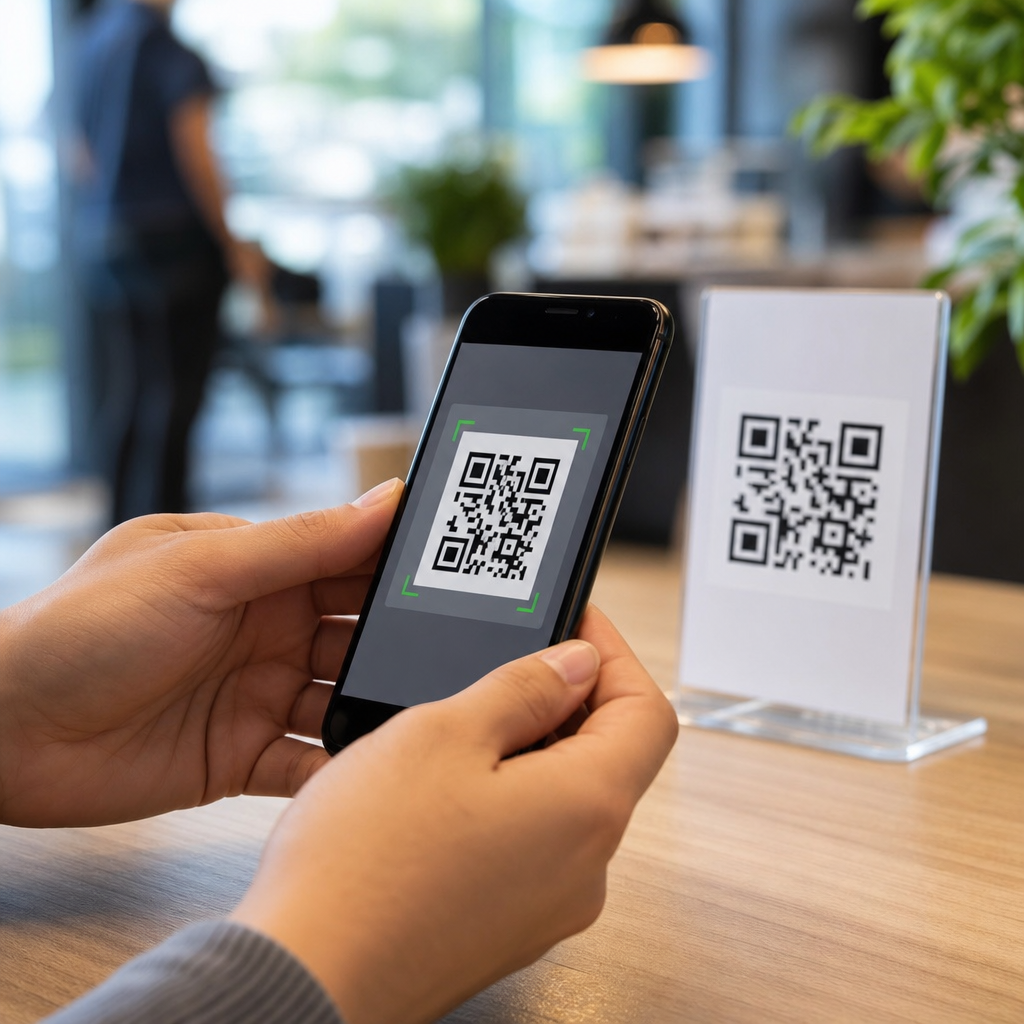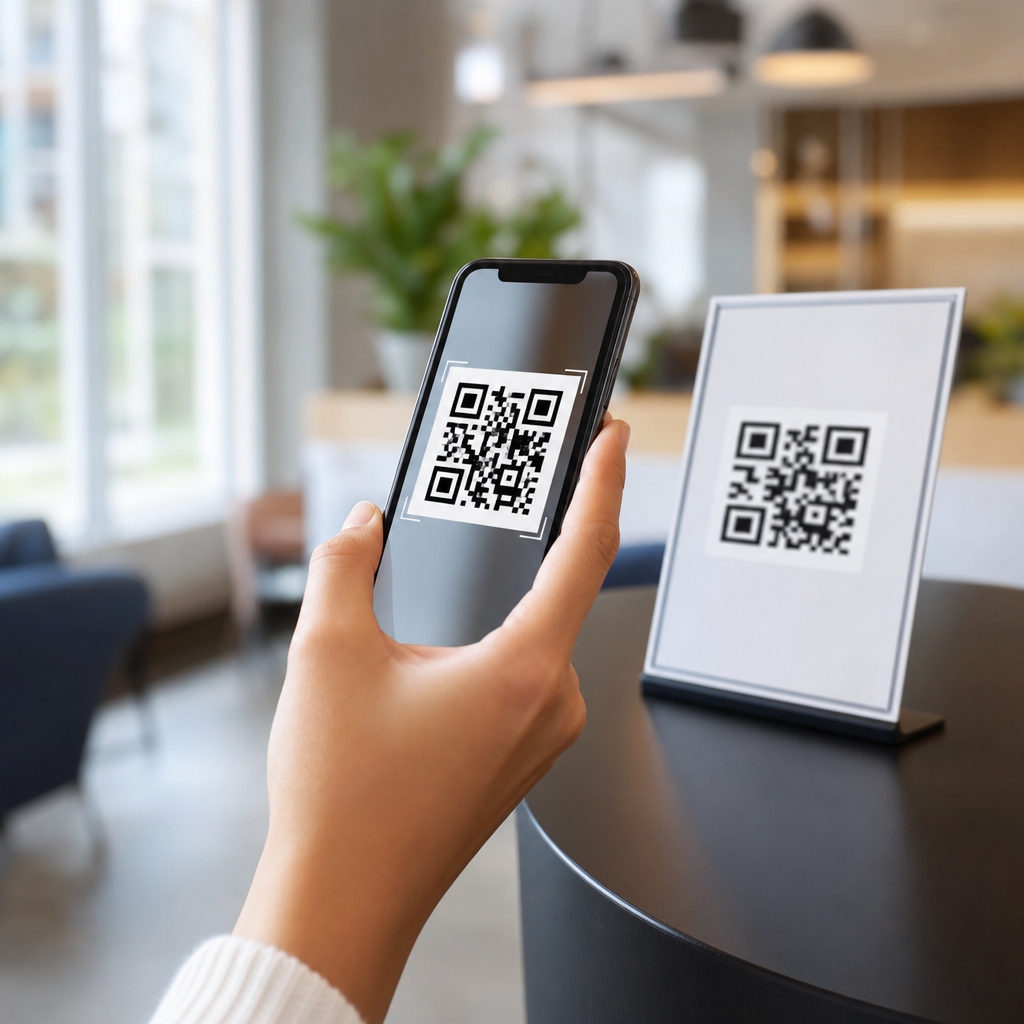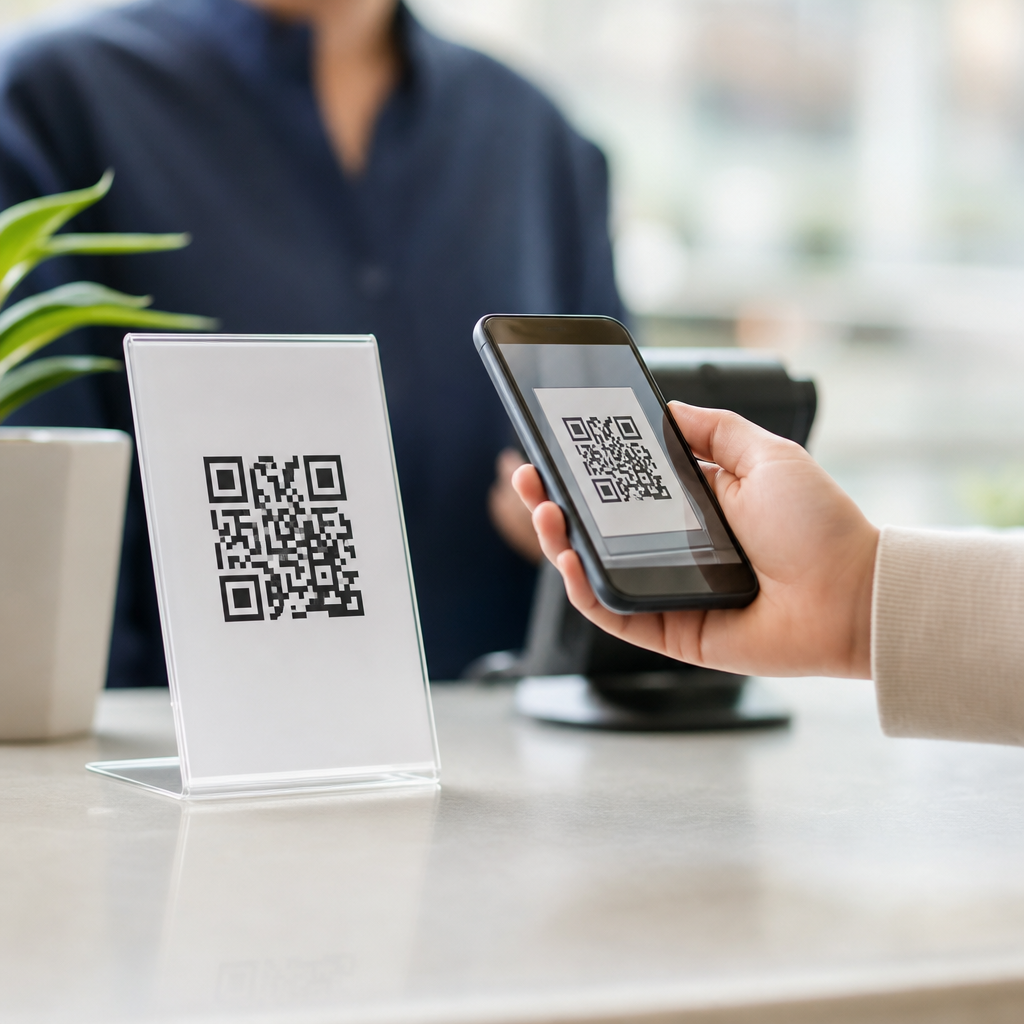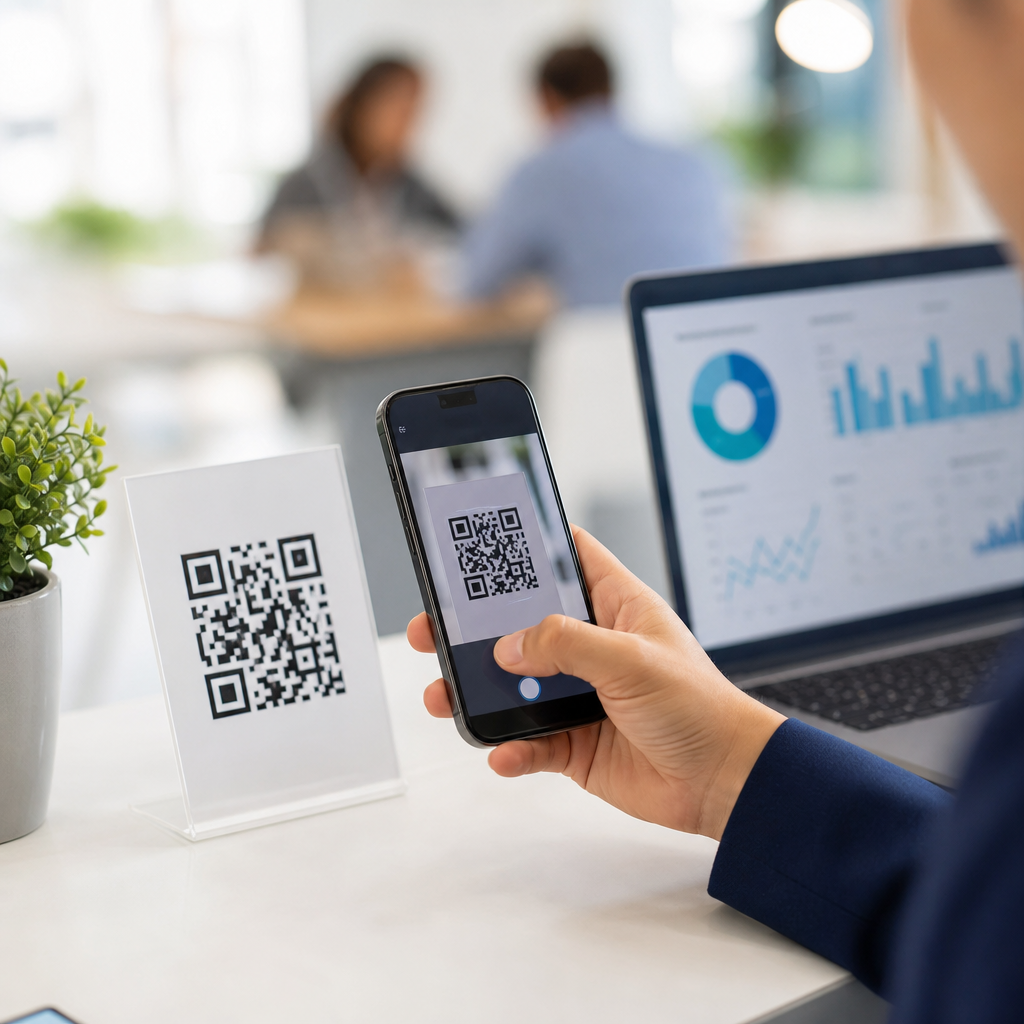
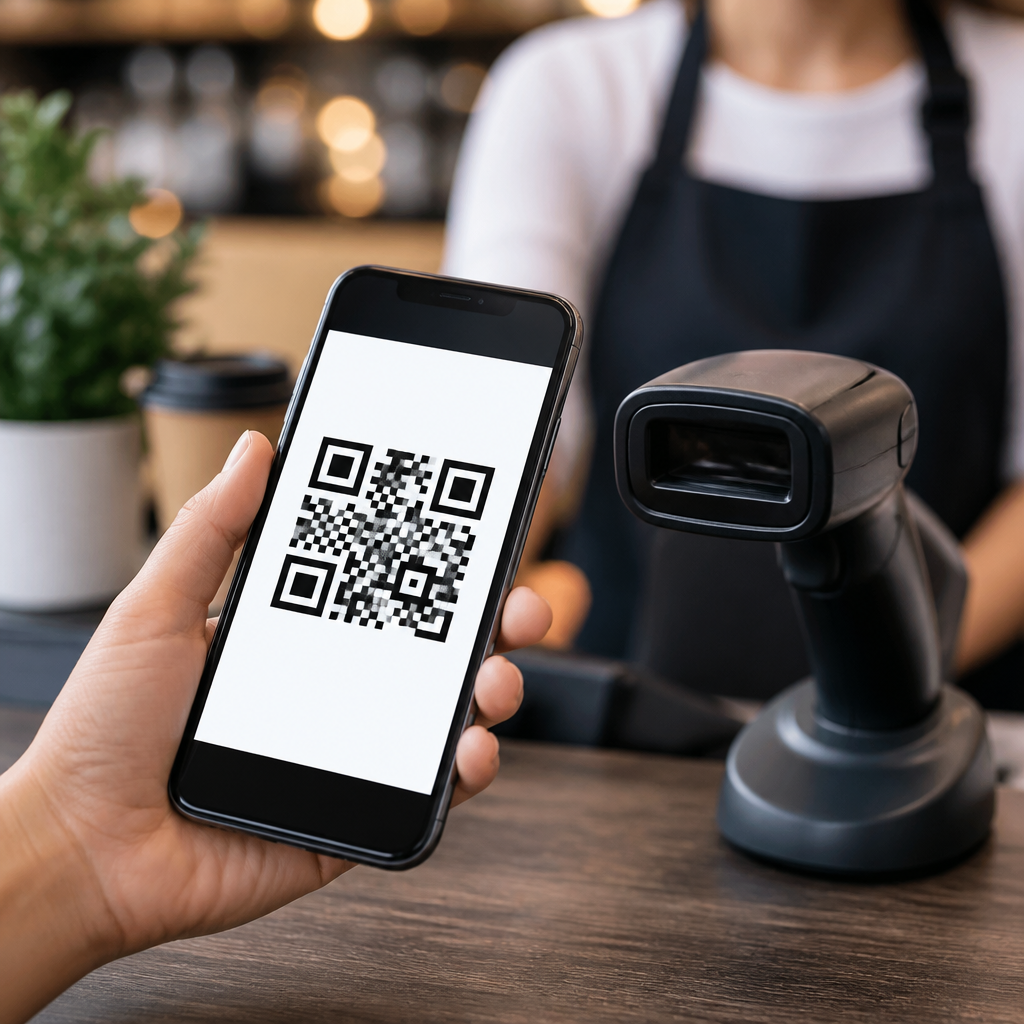
Coupon QR codes for mobile promotions give marketers a fast, trackable way to connect a scan on a phone to a discount, reward, or limited-time offer. In practical terms, a coupon QR code is a two-dimensional barcode that opens a coupon landing page, displays a promo code, adds an offer to a wallet app, or triggers redemption inside a mobile experience. I have used them in retail launches, restaurant campaigns, and event activations, and the pattern is consistent: when the code is easy to scan, the offer is clear, and the redemption path is short, conversion rates rise. This topic matters because mobile traffic dominates many campaigns, while shoppers expect instant value at the point of decision. A well-built QR coupon closes the gap between seeing an offer and claiming it.
As a hub within mobile QR code basics, this guide also needs to answer a broader question: what types of mobile QR codes support promotions, and when should each type be used? The answer is not one-size-fits-all. Static QR codes work for fixed destinations that will not change. Dynamic QR codes let teams update the destination, track scans, and run tests without reprinting assets. URL QR codes send users to landing pages. App deep link QR codes open a specific screen inside an installed app. PDF, image, SMS, vCard, and wallet-pass QR codes serve narrower jobs depending on the promotion. Choosing correctly affects measurement, user experience, compliance, and cost.
The most effective coupon QR code campaigns align three elements: code type, offer structure, and scan context. A grocery shelf tag might need a dynamic URL code that switches offers by region. A café window sign may work better with a simple static code tied to a seasonal discount. An in-app loyalty push can use a deep link QR code on printed packaging to unlock member pricing. In every case, the code is only the delivery mechanism. The real success factor is the system behind it: mobile page speed, unique redemption logic, fraud controls, analytics, and clear instructions for customers and staff.
Core Types of Mobile QR Codes Used in Promotions
Mobile promotions usually rely on a handful of QR code types, each with distinct strengths. Static QR codes store the destination directly in the pattern. They are inexpensive and durable, but they cannot be edited after printing. If the landing page changes, the code must be replaced. Dynamic QR codes point first to a short redirect URL managed in a platform such as QR Code Generator Pro, Bitly, Beaconstac, or Flowcode. That redirect can then send the user to a new destination at any time. For promotions, dynamic codes are generally the better choice because offers expire, inventory changes, and teams need scan reporting by date, device, and location.
URL QR codes are the default for coupon delivery because they open a mobile web page that can explain the offer and capture analytics. Deep link QR codes are more specialized. They can send users into a retailer app, directly to a rewards tab or product page, using technologies such as Firebase Dynamic Links alternatives, Branch, or AppsFlyer routing. Wallet-pass QR codes add a coupon to Apple Wallet or Google Wallet, which is useful for repeat use offers and expiry reminders. SMS QR codes prefill a message for text-to-join campaigns, while PDF or image QR codes can present a menu, flyer, or voucher. Each type solves a different user journey problem.
| QR code type | Best use in mobile promotions | Main advantage | Main limitation |
|---|---|---|---|
| Static | Long-term fixed offer | Simple and low cost | Cannot edit destination |
| Dynamic | Trackable campaigns and changing offers | Editable and measurable | Usually requires a platform subscription |
| URL | Coupon landing pages | Works on nearly all smartphones | Needs a fast mobile page |
| Deep link | App-based redemption | High conversion for app users | Setup is more technical |
| Wallet pass | Saved offers and reminders | Persistent on device | Pass management adds complexity |
| SMS | Text club signup offers | Low friction for list growth | Less rich than web experiences |
If you are deciding which type to use, start with the redemption environment. If staff scan a barcode at point of sale, a wallet pass or coupon page with a unique code may be ideal. If the goal is foot traffic from posters, a dynamic URL QR code is usually the most flexible. If your audience already uses your app, deep linking often outperforms mobile web because the user arrives in a signed-in state with loyalty data attached. The code type should match the transaction path, not just the creative concept.
How Coupon QR Codes Work From Scan to Redemption
A coupon QR code campaign has four technical stages: encoding, scan, destination handling, and redemption. Encoding is the creation of the code with the chosen payload, usually a URL or redirect. On scan, the phone camera or an app reads the pattern and resolves it. iOS and Android both support native QR scanning in their camera apps, which removed a major adoption barrier years ago. The destination then loads a mobile experience: a landing page, app screen, wallet pass, or message composer. Finally, redemption is validated through a barcode, alphanumeric code, account flag, or server-side rule.
In practice, the strongest campaigns separate the scan event from the coupon logic. I prefer using a dynamic QR code that lands on a server-controlled page. That page can detect device type, campaign source, geolocation at a broad level, and whether the user is new or returning through first-party analytics. It can then display the correct offer version, add UTM parameters for analytics, and issue a unique coupon code from a promotions engine. This architecture is more resilient than printing a QR code that directly exposes a single universal promo code, which is easy to share and difficult to attribute.
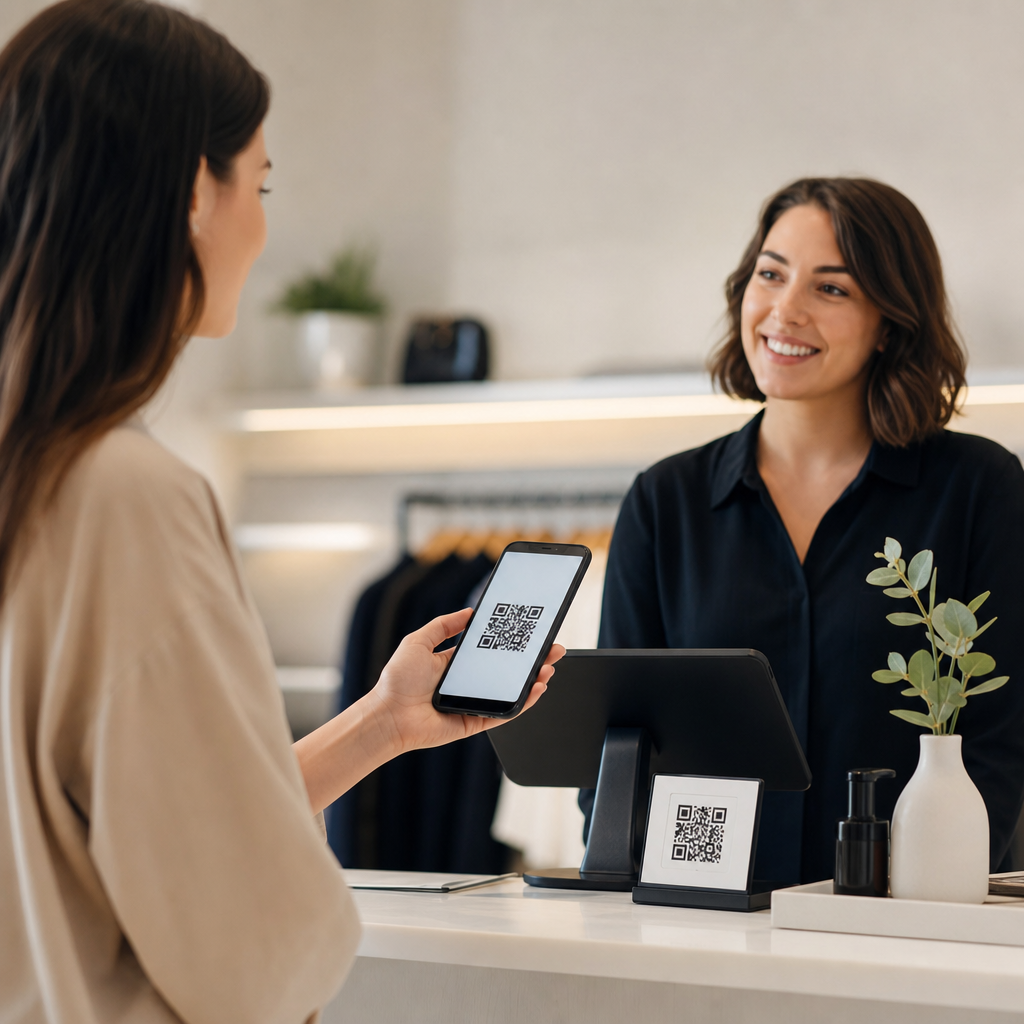
Redemption methods vary by business model. Retail chains often use single-use codes generated by platforms integrated with POS systems such as Shopify POS, Square, Lightspeed, or enterprise stacks built around Oracle Retail. Restaurants may use a landing page that shows a cashier-friendly code plus terms and expiry. DTC brands frequently connect scans to Klaviyo, Attentive, or HubSpot flows, letting customers claim a code after email or SMS signup. The central rule is simple: the fewer steps between scan and savings, the better. Every extra field, slow page, or unclear instruction reduces redemption.
Design, Placement, and Mobile UX Best Practices
Good coupon QR codes are designed for real scanning conditions, not just visual appeal on a mockup. Use high contrast, preserve the quiet zone around the code, and avoid shrinking below practical size. A common production guideline is at least 2 x 2 centimeters for close-range packaging, with larger sizes for posters, windows, or out-of-home placements where viewing distance increases. Error correction helps if a code may be partially obscured, but excessive styling can reduce reliability. Branded frames, logos, and custom colors are useful only if they do not compromise scan speed.
Placement determines performance. Shelf talkers, product packaging, receipts, direct mail, table tents, event badges, and storefront decals each create different scan contexts. A code on a subway ad competes with motion, glare, and weak connectivity, so the destination page must be lightweight and the headline must explain the benefit immediately. A code at checkout can assume stronger purchase intent, so the offer can be narrower, such as “scan for $5 off your next visit.” Always pair the code with a plain-language call to action that states the reward, any time limit, and whether app download or signup is required.
Mobile user experience is where many campaigns fail. The landing page should load quickly, stay focused on one action, and show the coupon without forcing unnecessary navigation. Compress images, minimize scripts, and test on both iPhone and Android devices. If the offer is redeemed in store, make the code or barcode large enough for staff scanners and bright enough for dim environments. If legal terms apply, place them below the primary action rather than above it. Accessibility also matters: readable font sizes, descriptive button labels, and sufficient color contrast improve completion rates for all users.
Measurement, Fraud Prevention, and Operational Realities
Tracking coupon QR codes properly requires more than scan counts. Useful metrics include unique scans, repeat scans, device split, landing page conversion rate, coupon saves, redemption rate, average order value, and incremental revenue. Scan volume by placement can show which physical assets work best. Time-of-day and day-of-week patterns often reveal when promotions should rotate. In one retail program I managed, a dynamic QR code on endcap signage generated fewer total scans than a receipt printout, yet its redemption rate was nearly double because the intent was stronger. Raw scans alone would have hidden that insight.
Fraud prevention is equally important. Public promo codes leak fast on deal forums and social platforms. To limit abuse, issue unique single-use codes, bind offers to authenticated accounts where possible, and enforce expiry server-side rather than relying on page text. Rate limiting, bot filtering, and redirect monitoring help defend campaign links from automated scraping. For higher-value offers, geofencing can support eligibility checks, though it should never be the only control. Staff training matters too. Cashiers need a clear process for accepting or rejecting a coupon, especially when screenshots, saved wallet passes, and live web pages can look similar under pressure.
Operationally, coupon QR codes sit at the intersection of marketing, ecommerce, retail operations, legal, and analytics. That is why the best teams create a launch checklist covering creative approval, redirect testing, analytics tagging, POS compatibility, expiration rules, and customer support scripts. Compliance issues also matter. SMS-linked offers must respect consent requirements under rules such as TCPA in the United States, while personal data collection must align with privacy obligations like GDPR or CCPA where applicable. A successful promotion is not just scannable; it is measurable, redeemable, supportable, and compliant from day one.
Choosing the Right Coupon QR Strategy for Your Campaign
The right coupon QR code strategy starts with one decision: what should happen immediately after the scan? If the answer is “show a simple discount page,” a dynamic URL code is usually best. If the answer is “open the app and apply a member offer,” use deep linking. If the goal is retention over time, wallet passes can keep the coupon visible and trigger reminders before expiry. Static codes still have a place for evergreen promotions, but most active campaigns benefit from dynamic control, especially when media runs across multiple stores, channels, or regions.
As a hub for types of mobile QR codes, this article points to the core framework that should guide every subtopic: match the code type to the user journey, design for fast mobile scanning, and build redemption and measurement before launch. Coupon QR codes work because they reduce friction between interest and action, but only when the surrounding system is disciplined. Review your current offers, map each scan path, and choose the QR format that fits the experience you want customers to have. Then test it in the field, measure redemption, and improve the next promotion with real scan data.
Frequently Asked Questions
What is a coupon QR code, and how does it work in a mobile promotion?
A coupon QR code is a scannable two-dimensional barcode that connects a customer’s phone to a promotional offer. Instead of asking someone to type a long URL or search for a discount manually, the code creates a fast path from physical or digital marketing to a coupon experience. After a user scans the code with a smartphone camera, they may be taken to a mobile landing page, shown a promo code, prompted to save an offer to a wallet app, or guided into a redemption flow inside an app or mobile website.
In practical campaigns, this speed matters. A customer might see a QR code on packaging, in a storefront window, on a table tent, on event signage, or inside a social ad. With one scan, they can immediately access a limited-time discount, loyalty reward, free trial, or special bundle. That removes friction, which is often the difference between interest and action. The best-performing coupon QR codes usually lead to a simple, mobile-optimized experience with clear instructions, a visible offer, and a direct next step such as “redeem now,” “show at checkout,” or “shop this deal.”
From a marketer’s perspective, coupon QR codes are useful because they are measurable. You can track scans, timing, location trends, device behavior, and redemptions depending on the tools you use. That makes it easier to understand which placements and offers are driving real engagement. In short, a coupon QR code acts as a bridge between attention and conversion, making mobile promotions faster, easier to track, and more convenient for customers.
Why are coupon QR codes effective for retail, restaurant, and event marketing?
Coupon QR codes work well in these environments because they match customer behavior in the moment. In retail, shoppers are already comparing products, prices, and promotions while holding their phones. A QR code placed on signage, packaging, shelf talkers, or checkout displays can instantly unlock a discount or product-specific offer while purchase intent is high. This makes the promotion timely and actionable, rather than something customers have to remember later.
In restaurants, speed and simplicity are especially important. A diner scanning a code on a menu, receipt, counter card, or window display can get immediate access to a bounce-back offer, loyalty perk, seasonal special, or limited-time coupon for their next visit. Because the scan happens in a highly relevant context, the promotion feels connected to the experience instead of interrupting it. Restaurants also benefit from the ability to rotate offers quickly without reprinting large amounts of material, especially when using dynamic QR codes tied to editable destinations.
For events, coupon QR codes are effective because they convert attention during a short window of engagement. Attendees may scan codes on booth graphics, badges, flyers, product demos, or presentation slides to claim a discount, free sample, VIP incentive, or follow-up offer. Since events are time-sensitive and high-energy, a low-friction mobile interaction can capture leads and encourage immediate action. Across all three settings, the common advantage is convenience: customers can move from seeing a promotion to claiming it in seconds, and marketers can track performance in a more precise way than with many traditional offline tactics.
What makes a coupon QR code campaign successful?
The strongest coupon QR code campaigns are built around clarity, speed, and relevance. First, the offer itself needs to be compelling and easy to understand. People should know within seconds what they get, whether it is 20% off, a free item with purchase, early access, or a loyalty reward. Vague promotions underperform because users are less willing to scan when the value is not obvious. A short call to action next to the code, such as “Scan for today’s offer” or “Unlock your in-store discount,” helps set expectations and increase scan rates.
Second, the technical experience has to be smooth. The QR code should be large enough to scan easily, printed with strong contrast, and placed where lighting and distance support mobile scanning. Once scanned, the destination should load quickly and be fully optimized for mobile devices. If the landing page is cluttered, slow, or hard to navigate, people drop off quickly. A successful flow usually includes a clear headline, visible coupon details, expiration information, redemption instructions, and one primary action.
Third, the campaign should align with customer context. A code on product packaging may work best with a reorder incentive or cross-sell offer. A code at an event might perform better with a short expiration to create urgency. A restaurant receipt may be ideal for driving a repeat visit within seven days. Relevance improves conversion because the offer feels timely and connected to the customer’s current interaction.
Finally, measurement is essential. Track scans, unique visitors, redemptions, conversion rates, and performance by channel or location. That data helps you refine placement, messaging, timing, and incentives over time. The most effective campaigns are rarely “set it and forget it.” They improve because marketers test, learn, and optimize based on real customer behavior.
How can businesses track and measure the performance of coupon QR codes?
Tracking starts with using a QR code system that supports analytics, ideally through dynamic QR codes. Unlike static codes, dynamic codes let you change the destination without changing the printed code, and they often provide scan data such as total scans, time of day, general location, and device type. This gives marketers a baseline view of engagement and helps identify where interest is coming from.
To measure actual business results, it is important to connect scans to downstream actions. That may include coupon views, code copies, wallet saves, online purchases, in-store redemptions, app opens, or form submissions. Many businesses do this by sending QR traffic to a dedicated landing page with campaign parameters, unique coupon codes, redemption tokens, or integrated analytics tools. For ecommerce, you can track conversion through web analytics and attribution settings. For physical locations, point-of-sale integration or staff-entered redemption codes can help tie usage back to the scan source.
It is also helpful to separate performance by placement. For example, a retailer might use one QR code version for window signage, another for shelf displays, and another for packaging inserts. A restaurant might compare table tents versus receipts. An event team might segment by booth signage, presentation slides, and printed handouts. This level of detail shows which touchpoints are creating engagement and which ones need improvement.
Beyond raw numbers, businesses should evaluate quality metrics. A high scan count does not automatically mean a successful campaign if redemptions are low. Strong measurement focuses on the full funnel: scan rate, landing page engagement, coupon claim rate, redemption rate, average order value, repeat visit behavior, and return on promotion. When these metrics are reviewed together, coupon QR codes become not just a distribution tactic, but a measurable performance channel.
What are the best practices for designing and using coupon QR codes without hurting the customer experience?
The first best practice is making the code easy to scan. Use adequate size, strong contrast, and enough quiet space around the code so smartphone cameras can read it quickly. Avoid placing codes on curved, reflective, or poorly lit surfaces when possible. If the code appears in print, test it at real viewing distances. If it appears on screens, check that it works across different brightness levels and device types. A code that fails on the first attempt creates frustration and lowers trust in the offer.
Second, always tell people what will happen when they scan. A QR code by itself is not persuasive. Pair it with a short explanation such as “Scan to get 15% off,” “Scan for your mobile-only coupon,” or “Scan to save this offer to your wallet.” This sets expectations and gives the user a reason to act. It is also wise to include any important qualifiers nearby, such as expiration dates, minimum purchase requirements, or location limitations, so the experience feels transparent from the start.
Third, keep the mobile destination focused. Do not send users to a generic homepage and expect them to find the offer. Link directly to the coupon, promotion page, or redemption flow. The page should load fast, look clean on a phone, and make the next step obvious. If an in-store cashier needs to verify the coupon, include a simple visual confirmation or redemption code. If the offer is meant for online use, make the promo code easy to copy and apply.
Fourth, be strategic about frequency and urgency. Mobile promotions often perform better when they feel timely, but urgency should be real, not artificial. Limited-time offers, event-only rewards, and short redemption windows can motivate action when they are clearly communicated. At the same time, overusing QR-based offers in every touchpoint can reduce impact. The best experiences feel useful, not overwhelming.
Finally, test from the customer’s point of view. Scan the code yourself, on different phones, in different lighting conditions, and in the exact environment where customers will encounter it. Check whether the process is intuitive, whether the value is instantly clear, and whether redemption is easy for both the customer and staff. When coupon QR codes are designed with usability first, they enhance the promotion instead of adding friction.