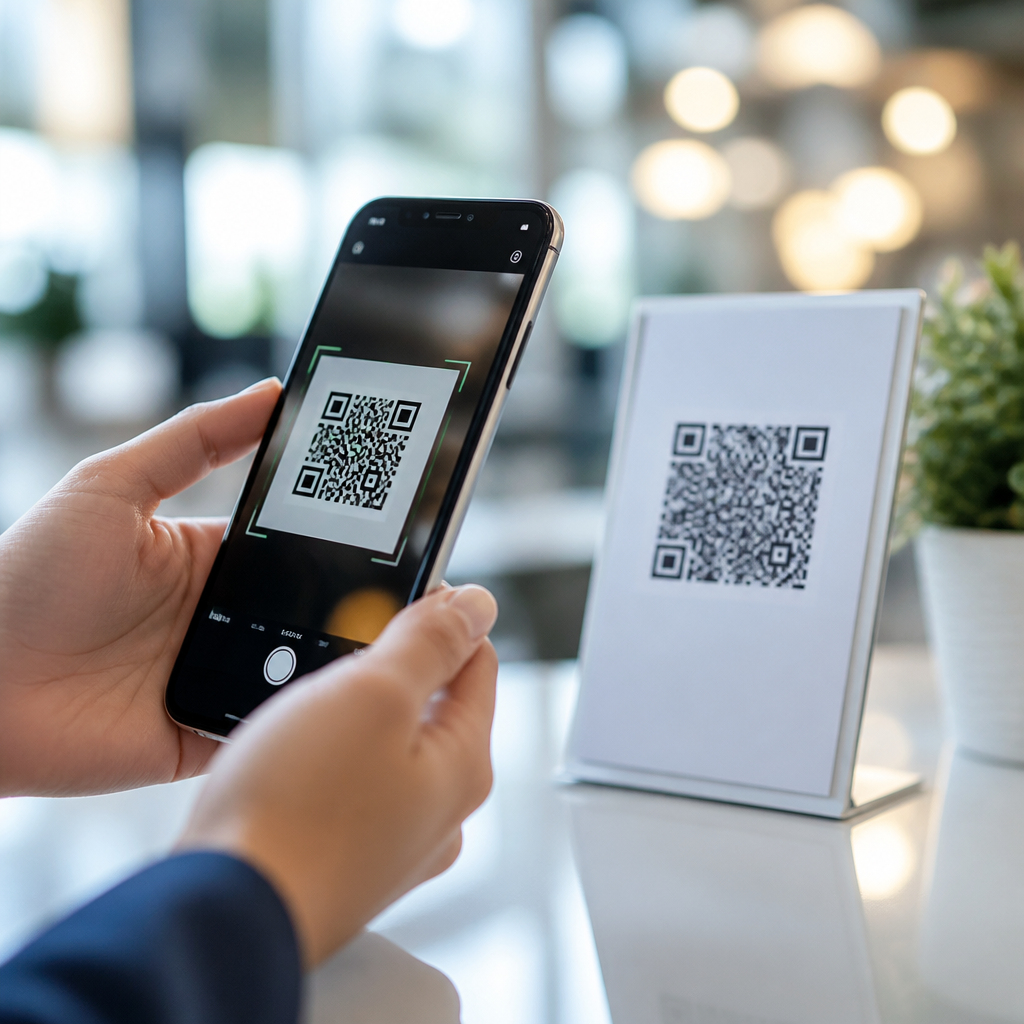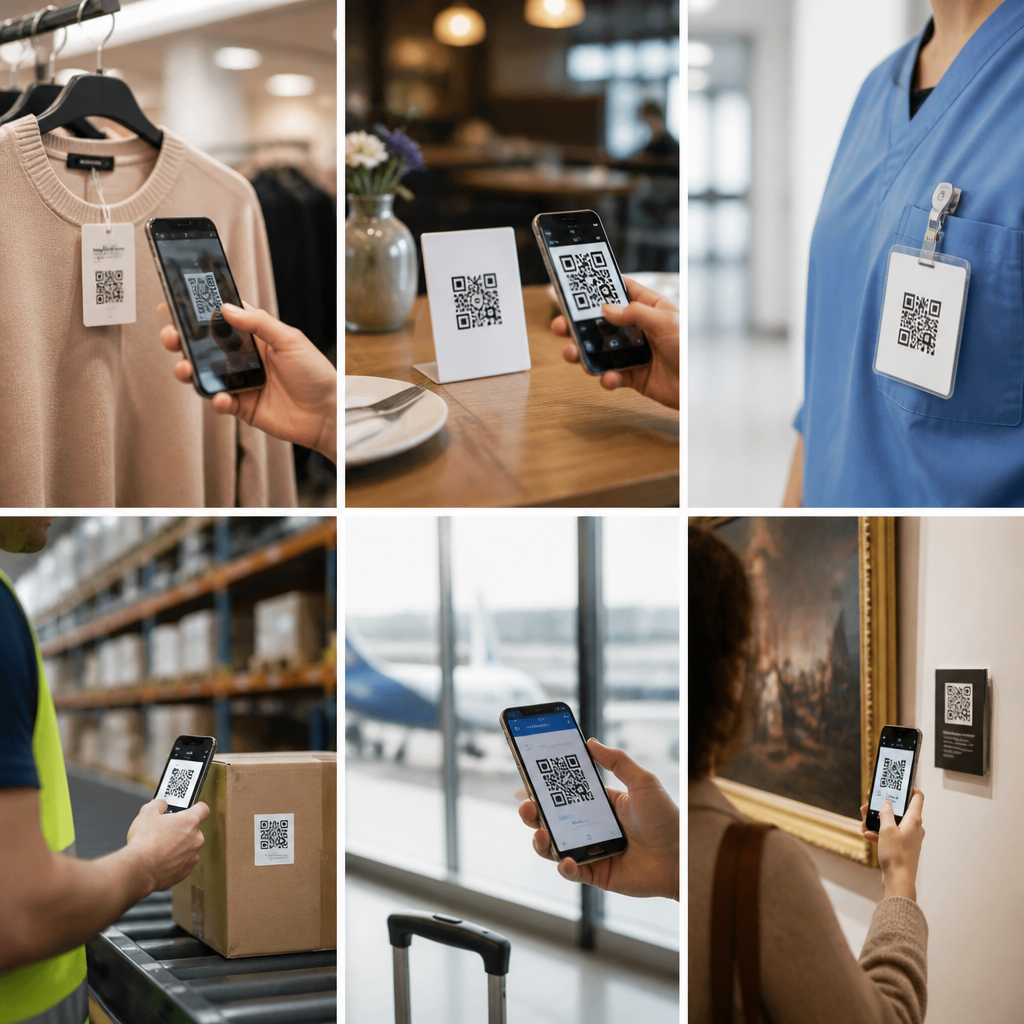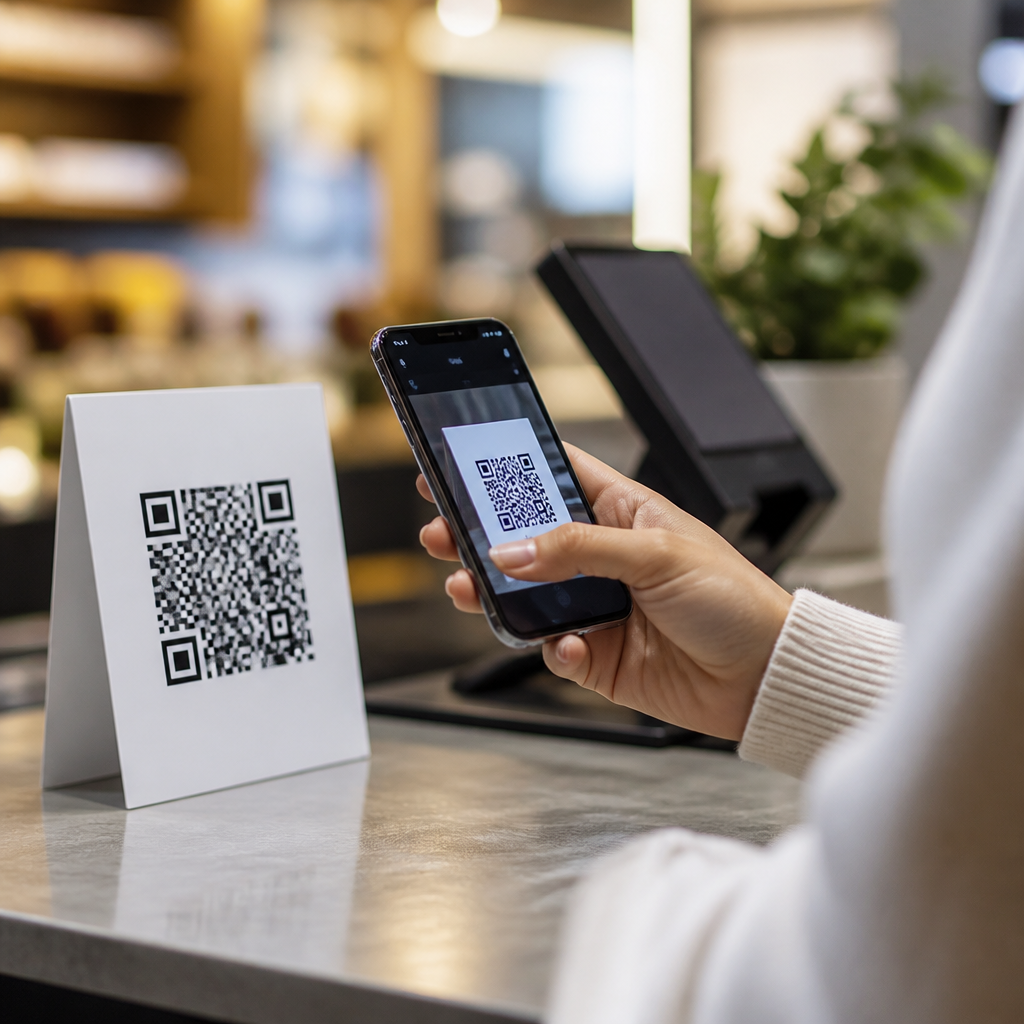

QR codes have moved far beyond contactless menus and event check-ins. In lead generation campaigns, they now act as measurable bridges between offline attention and online conversion, giving marketers a fast way to capture intent at the exact moment a prospect is interested. This case study hub examines how brands use QR codes for lead generation, what makes campaigns succeed, and where teams commonly lose performance. In practical terms, a lead generation QR code is a scannable code that sends a prospect to a landing page, form, booking calendar, app download, gated asset, or messaging workflow designed to collect contact details and permission for follow-up. For growth teams, that matters because print, packaging, signage, direct mail, events, and field sales still generate demand, yet those channels are hard to attribute without a scannable mechanism. I have used dynamic QR codes across trade shows, retail displays, and mailers, and the pattern is consistent: when the offer is relevant and the mobile journey is frictionless, QR codes turn passive impressions into trackable pipeline.
As a sub-pillar hub within QR Code Trends, Statistics & Future, this article covers the most useful case study themes under Case Studies & Success Stories. It explains the campaign mechanics, benchmarks, measurement approach, and lessons that individual spin-off articles can explore in greater depth. The central idea is simple. A QR code does not generate leads by itself; it compresses the path between curiosity and action. Success depends on placement, incentive, destination experience, and follow-up architecture in systems such as HubSpot, Salesforce, Marketo, or Mailchimp. The best campaigns align the code, the call to action, and the landing page so tightly that scanning feels like the obvious next step. When that alignment is missing, scan rates may look decent while conversion rates collapse. Understanding that distinction is the difference between vanity metrics and revenue contribution.
How QR code lead generation campaigns work in practice
A lead generation campaign using QR codes usually follows a five-part chain: exposure, scan, landing experience, form completion, and nurture. Exposure happens on a poster, booth panel, product insert, receipt, shelf talker, business card, vehicle wrap, or postcard. The scan opens a mobile destination, ideally a fast-loading page with one purpose. The page presents an offer, such as a demo, quote, discount, white paper, contest entry, warranty registration, or consultation. Form completion captures first-party data and consent. Nurture then routes the lead into email, sales outreach, SMS, retargeting, or a customer data platform.
Dynamic QR codes are usually the right choice because they let marketers change the destination URL without reprinting assets and attach analytics such as scans by time, device, and location. In my campaigns, static codes work only when the destination will never change and attribution is not a priority. Dynamic platforms also support UTM parameters, which are essential for source and medium reporting in Google Analytics 4. Without UTMs, QR traffic often arrives as direct or unassigned, making offline channels look weaker than they are. Good implementation also uses shortened but branded links, error correction appropriate for the print environment, and code sizes large enough for typical scanning distance.
Case study patterns from events, retail, direct mail, and packaging
The most reliable success stories fall into four campaign types. First, trade show booths use QR codes to replace badge bowl giveaways with useful exchanges, such as “Scan for the benchmark report” or “Book a 15-minute product walkthrough.” This improves lead quality because prospects self-select based on interest. Second, retail displays capture leads for rebates, loyalty enrollment, samples, or store-specific promotions. Third, direct mail combines tactile reach with digital conversion, often lifting response because the recipient can act instantly instead of typing a URL. Fourth, product packaging turns purchasers into known contacts through onboarding guides, warranty activation, refill reminders, and cross-sell offers.
A manufacturing client I advised placed a dynamic QR code on booth signage at an industry expo with a clear CTA: “Scan to get the compliance checklist and pricing worksheet.” The landing page had two form variants. Existing customers saw an upsell version tied to account-based segmentation, while new visitors saw a net-new lead form. Sales reps also carried the same code on one-page leave-behinds, which kept messaging consistent. Over three days, the booth generated fewer total scans than a prior giveaway campaign, but marketing-qualified leads increased because the offer filtered for real buying intent. That outcome is common: a stronger QR offer can reduce low-intent traffic while increasing sales acceptance rates.
| Campaign type | Typical CTA | Primary lead goal | Key metric |
|---|---|---|---|
| Trade show booth | Book a demo or download a report | Capture high-intent prospects | Form completion rate |
| Retail signage | Join loyalty or claim an offer | Grow first-party customer list | Cost per lead |
| Direct mail | Get a quote or consultation | Drive measurable response | Scan-to-lead conversion |
| Product packaging | Register product or unlock tutorial | Convert buyers into known users | Registration rate |
What separates high-performing QR campaigns from mediocre ones
The best QR code lead generation campaigns share several traits. They promise a concrete benefit in plain language. “Scan to save 15% today” will outperform “Learn more” in most transactional environments because the value is specific. They are context-matched. A code on industrial equipment should not send visitors to a generic homepage; it should open a model-specific service form, installation guide, or parts catalog. They are mobile-first. Every extra field reduces completion on phones, so forms should ask only for data needed for the next sales step. They also load quickly. According to Google’s long-standing mobile research, conversion probability drops as page load time increases, and QR traffic is almost entirely mobile.
Design and physical placement matter more than many teams expect. The quiet zone around the code must remain clear, contrast should be strong, and the CTA should sit immediately next to the code, not buried in body copy. At a distance, code size becomes decisive. A poster in a shop window needs a larger code than a brochure on a table. I have seen campaigns fail simply because glare from a laminated sign made scanning frustrating. Testing under real conditions fixes that. Another common issue is over-branding the code with logos, colors, and styling that reduce readability. Creative customization is useful only if the code still scans instantly across older phone cameras and lower-light environments.
Measurement, attribution, and CRM integration
To evaluate a QR lead generation case study properly, start with the full funnel, not just scans. A healthy reporting model tracks impressions where possible, scans, unique visitors, engaged sessions, form starts, form completions, marketing-qualified leads, sales-qualified leads, opportunities, and revenue influenced. Scan count is an interest signal, but business value appears later in the chain. In one retail campaign, scan volume looked excellent, yet lead quality was poor because the incentive attracted bargain hunters outside the target customer profile. Only after integrating scans with CRM outcomes did the team see that a smaller, more targeted in-store offer produced better downstream conversion.
UTM governance is critical. Every asset should carry a naming convention that identifies source, medium, campaign, placement, and creative variation. In GA4, combine event tracking with form analytics and server-side validation where possible. In the CRM, stamp each record with the QR source detail so sales can prioritize by campaign type. If multiple channels touch the buyer, use attribution thoughtfully. Last-click can understate the role of QR codes in initiating demand, while first-click can overstate it if later channels closed the deal. Multi-touch models, even simple position-based models, usually tell a more accurate story for integrated campaigns.
Common mistakes and how future campaigns improve
Most underperforming QR campaigns fail for operational reasons, not because the channel is weak. The first mistake is sending scanners to the homepage, which forces users to navigate instead of converting. The second is using generic CTAs that do not answer the immediate question: why should I scan now? The third is asking for too much information too early. A top-of-funnel poster does not need a ten-field form. The fourth is poor compliance handling. If the campaign collects personal data, privacy disclosures, consent language, and storage practices must align with regulations such as GDPR or CCPA where applicable. The fifth is weak follow-up. Fast response improves lead-to-meeting rates, especially for demo requests and quote forms.
Looking ahead, the strongest success stories will come from deeper personalization and better cross-channel orchestration. Dynamic destination rules can change the landing page by location, time, device, or inventory status. Retail media networks and connected packaging will make QR codes more useful as identity touchpoints for first-party data strategies. AI-assisted segmentation will improve nurture timing, but fundamentals will still decide outcomes: clear value, frictionless mobile UX, solid analytics, and disciplined CRM workflows. For marketers building a hub around case studies and success stories, the lesson is consistent across industries. QR codes work best when they connect a relevant physical moment to a focused digital action. Use that principle to audit your current assets, launch one tightly scoped test, and measure the result all the way to pipeline.
Frequently Asked Questions
1. How do QR codes actually improve lead generation campaigns?
QR codes improve lead generation by removing friction between initial interest and action. Instead of asking a prospect to remember a URL, search for a brand later, or manually enter contact details on a small screen, a QR code creates an instant path from offline attention to online conversion. A person sees an ad, product display, direct mail piece, trade show banner, vehicle wrap, storefront sign, or print insert, scans the code, and lands immediately on a campaign-specific destination designed to capture their information.
That speed matters because lead generation often depends on timing. Interest is highest at the moment someone notices the offer. QR codes let marketers meet that moment with a landing page, form, scheduler, gated resource, demo request, discount, consultation offer, or product quiz. In other words, the code becomes the bridge between curiosity and measurable intent.
They also improve measurement. When QR codes are set up correctly, marketers can track scans, landing page visits, form completions, device type, time of engagement, location trends, and conversion rates by channel or creative variation. This makes QR campaigns especially valuable in environments where attribution has traditionally been weak, such as out-of-home advertising, print media, packaging, and in-person events. Rather than guessing whether a poster or flyer drove results, teams can connect that asset to real lead activity.
Another advantage is campaign flexibility. Dynamic QR codes allow brands to update the destination URL without reprinting the code, which means teams can test offers, improve landing pages, rotate CTAs, or redirect traffic based on performance. That gives QR code lead generation campaigns both speed and optimization potential, which is why they have become more than a convenience tool. Used strategically, they are a direct response channel.
2. What makes a QR code lead generation campaign successful?
The strongest QR code lead generation campaigns succeed because the entire experience is aligned, not just the code itself. A QR code alone does not generate leads. It needs a compelling reason to scan, a visible and trustworthy placement, a fast mobile experience, and a clear conversion goal. Successful campaigns start with a specific audience and a specific offer. For example, a B2B trade show audience may respond to a demo booking or industry report, while a retail audience may be more motivated by a limited-time discount, loyalty signup, or giveaway entry.
The call to action is one of the biggest performance drivers. People need to know exactly what they will get when they scan. Generic instructions like “Scan me” usually underperform compared with direct, benefit-driven language such as “Scan to get a free quote,” “Scan for the case study,” “Scan to book a demo,” or “Scan for 15% off your first order.” Clarity increases trust and improves scan intent.
Placement is equally important. A campaign can fail even with a great offer if the code is too small, poorly lit, positioned at the wrong height, or placed where scanning is inconvenient. The physical environment matters. Someone walking past a window display behaves differently from someone seated at a conference booth or holding a product package in hand. Top-performing campaigns account for scanning distance, dwell time, mobile signal quality, and the likelihood that a user can comfortably take out a phone and act.
On the digital side, the landing page must match the promise of the QR code and load quickly on mobile devices. Forms should collect only what is necessary for the next step. If a prospect is top-of-funnel, asking for too much information can reduce conversions. Many high-performing campaigns use progressive profiling, where the first interaction asks for minimal details and later interactions gather more context.
Finally, strong campaigns are measured and optimized continuously. Marketers who compare scan rates, conversion rates, creative variations, and traffic sources learn quickly where performance is being won or lost. In most case studies, success comes from treating the QR code not as a novelty, but as one part of a disciplined conversion funnel.
3. What are the most common mistakes that reduce QR code lead generation performance?
One of the most common mistakes is assuming that generating a code is the strategy. In reality, poor campaign planning is often the real reason results disappoint. Brands frequently use QR codes without a meaningful incentive, without a dedicated landing page, or without a clear next step. If a code leads to a generic homepage, users often abandon the experience because it does not match the context that motivated the scan.
Another major issue is weak messaging around the code. If people do not understand why they should scan, many simply will not. A QR code should always be paired with a concise, persuasive value proposition. The audience should know what they are getting, how long it will take, and why it is worth their attention. Trust signals also matter. In some settings, prospects hesitate to scan unlabeled codes because they are unsure where the link will take them. Branding, recognizable design, and clear explanation can reduce that hesitation.
Technical and design errors are also common. Codes may be too small, low contrast, distorted, placed on curved surfaces, or printed in ways that make scanning unreliable. Sometimes teams place codes where there is poor connectivity or where users are moving too quickly to engage. These practical issues can undermine otherwise strong campaigns. Testing in the real environment before launch is essential.
Teams also lose performance when the mobile experience is neglected. Slow-loading pages, cluttered layouts, long forms, pop-ups that block content, and non-responsive design can dramatically reduce conversions. Since most scans happen on smartphones, the post-scan journey should be designed mobile-first from the beginning.
From a measurement standpoint, another mistake is failing to use dynamic QR codes, campaign parameters, or source-level tracking. Without proper attribution, marketers cannot tell which placements, creative assets, or offers are producing qualified leads. That makes optimization much harder. A final and often overlooked mistake is focusing only on scan volume. High scans may look good, but if those scans do not convert into qualified leads, booked meetings, or revenue opportunities, the campaign is not truly succeeding. Quality matters as much as quantity.
4. How should marketers track and measure QR code lead generation results?
Marketers should measure QR code campaigns across the full funnel, not just at the scan stage. Scans are useful because they indicate initial interest, but they are only the first signal. The deeper value comes from understanding what happens after the scan: landing page engagement, form completion, lead quality, sales follow-up, pipeline contribution, and eventual revenue impact. The most effective reporting ties offline exposure to online behavior and then to business outcomes.
A good measurement framework usually starts with unique QR codes for each placement, audience segment, or creative version. For example, if a brand runs the same lead generation offer across direct mail, packaging inserts, in-store signage, and event booths, each channel should have its own code or tracking setup. That allows the team to identify which source is producing the best scan-to-lead and lead-to-opportunity rates.
Dynamic QR codes are especially useful because they provide more control and often include scan analytics. Combined with UTM parameters, CRM integrations, marketing automation platforms, and analytics tools, they help marketers build a clearer attribution model. Key metrics typically include total scans, unique scans, scan rate by placement, landing page conversion rate, cost per lead, lead qualification rate, meeting booking rate, and downstream revenue metrics such as opportunity creation or customer acquisition.
Contextual insights can also be valuable. Time-of-day trends, geography, device type, and repeat engagement patterns may reveal where campaigns are strongest or where adjustments are needed. If one event booth drove many scans but low form completions, the issue may be the landing page or offer. If one print placement had low scans despite strong conversions, the issue may be visibility or call-to-action clarity. The data should be used diagnostically, not just for reporting.
Most importantly, marketers should define success before launch. A campaign designed to capture top-of-funnel interest should not be judged by the same standards as a high-intent demo request campaign. Clear objectives make it easier to choose the right metrics, optimize the right steps, and evaluate QR codes as part of a broader lead generation system rather than as an isolated tactic.
5. Where do QR codes work best in lead generation campaigns, and what offers convert well?
QR codes work best where offline attention is high and the path to digital action needs to be immediate. That includes trade shows, conferences, retail locations, product packaging, point-of-sale displays, direct mail, brochures, print ads, outdoor signage, showroom environments, restaurant tables, service vehicles, and even sales collateral used during in-person conversations. In each of these settings, the code captures intent while the prospect is already engaged with the brand or message.
Events are a particularly strong use case because they create concentrated interest and real-time action. A booth sign with a QR code can drive demo bookings, downloadable resources, contest entries, newsletter subscriptions, and post-event follow-up. Packaging is another powerful channel because it reaches people who already have the product in hand, making them more likely to scan for education, upgrades, loyalty enrollment, referral programs, or replenishment offers.
As for offers, the best-converting ones are highly relevant to the audience and stage of awareness. For colder audiences,