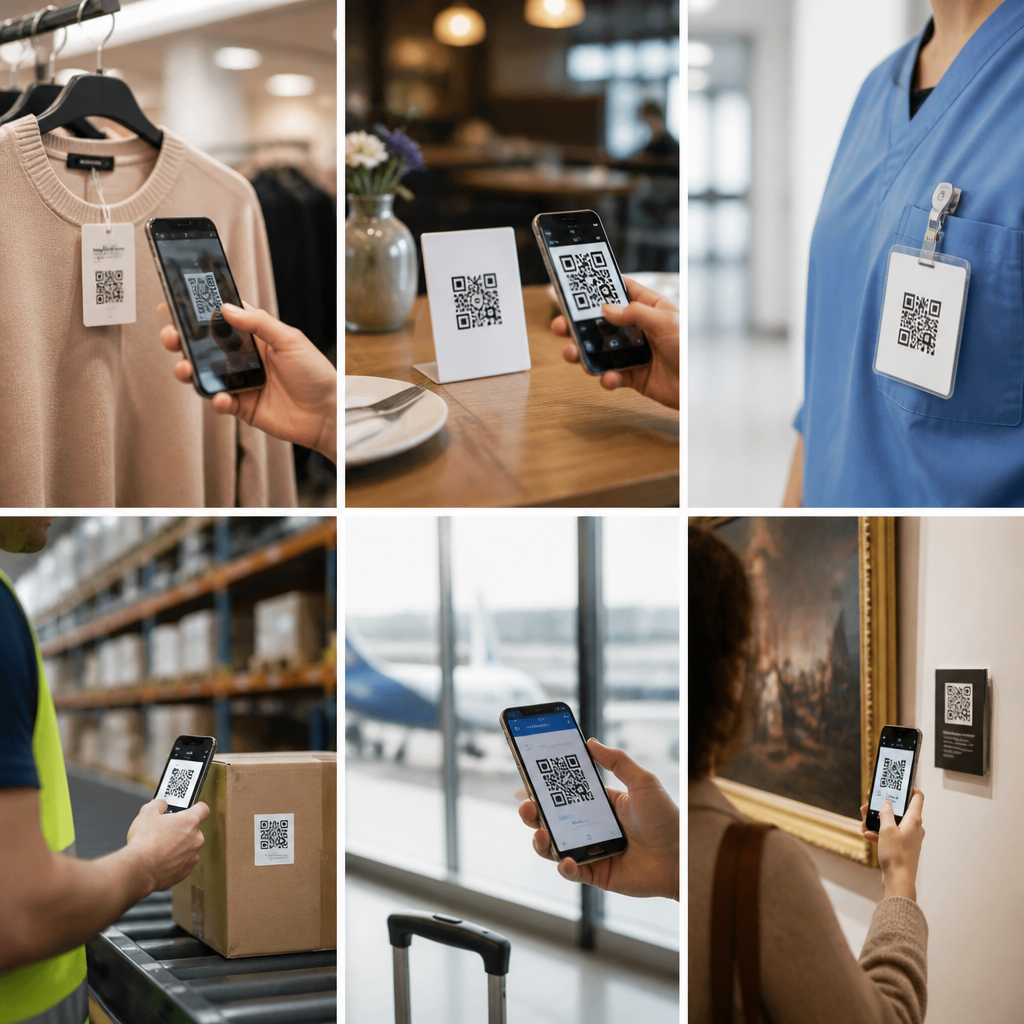
QR codes have become one of the most practical bridges between offline attention and online social media growth, especially for brands that need measurable results from posters, packaging, events, retail displays, and print campaigns. In this case study hub, “QR Codes for Social Media Growth” refers to the use of scannable two-dimensional codes that send people directly to social profiles, creator pages, campaign landing pages, or follow prompts designed to increase audience size and engagement. Social media growth means more than follower counts; it includes profile visits, saves, shares, direct messages, user-generated content, repeat visits, and attributable conversions tied to social touchpoints.
I have worked on QR campaigns for retailers, restaurants, event teams, and SaaS brands, and the pattern is consistent: when the code, destination, offer, and placement are aligned, social growth accelerates because friction disappears. Instead of asking someone to search for an account later, the scan creates an immediate next step. This matters because mobile attention is short, attribution across channels is messy, and many organizations still underuse physical spaces they already own. A well-run QR strategy turns menus, receipts, booth signage, shipping inserts, product labels, and storefront windows into trackable social acquisition assets. As a sub-pillar hub, this article explains what high-performing campaigns look like, what metrics matter, where results come from, and which success stories should guide deeper study across case studies and industry-specific examples.
The strongest QR code social media campaigns are not successful because the technology is novel. They win because they answer three user questions instantly: what happens if I scan, why should I care, and what do I do next? Clear incentives such as exclusive content, giveaways, how-to videos, community access, or customer support improve scan-through rates. Dynamic QR codes add another layer by allowing destination changes without reprinting materials and by capturing analytics such as scans by device, time, and location. That flexibility makes QR codes particularly useful for social media growth programs that need testing, segmentation, and campaign optimization over time.
What a QR Code Social Growth Case Study Must Measure
A credible case study should show more than scans. The essential metrics are scan rate, unique scans, landing-page conversion rate, profile visits, follower growth, engagement lift, cost per acquired follower, and downstream actions such as email signups, purchases, or event attendance. In practice, I also look at assisted conversions, because many users scan, browse a profile, and convert later through another channel. UTM parameters, native social analytics, GA4, and platform dashboards from providers such as Bitly, Flowcode, Uniqode, or QR Code Generator Pro make this measurement possible.
Context matters just as much as the numbers. A restaurant table tent campaign should not be judged by the same benchmark as a trade show badge insert or a consumer packaged goods label. Dwell time, purchase intent, and audience familiarity all influence results. For example, codes placed where customers are waiting, sitting, or unboxing usually outperform codes encountered while walking. The best case studies explain the audience, creative message, offer, placement, destination type, and testing method so readers can tell whether the lessons are transferable.
Retail and Packaging Case Studies: Turning Shelf Presence Into Followers
Retail is one of the clearest use cases because packaging and in-store signage already capture attention at the point of consideration. A beauty brand I advised printed a dynamic QR code on product cartons with the call to action, “Scan for tutorials and daily looks on Instagram.” The scan opened a mobile landing page with embedded short-form videos, social proof, and one-tap profile links. Over eight weeks, product pages with the code generated a higher social profile visit rate than packaging without the code, and the brand’s tutorial saves increased because the destination matched buyer intent after purchase.
Consumer packaged goods brands often see better social growth when the code offers utility rather than a generic “follow us.” Recipes, care instructions, style inspiration, and loyalty perks outperform vague prompts because they create immediate value. One food brand used a code on limited-edition packaging to direct buyers to TikTok recipe challenges. The measurable lift was not only in scans and followers but also in user-generated videos, which expanded organic reach far beyond the original packaging audience. This is the core lesson repeated across retail success stories: QR codes work best when they connect the product experience to an ongoing content habit.
Restaurants, Hospitality, and Local Business Success Stories
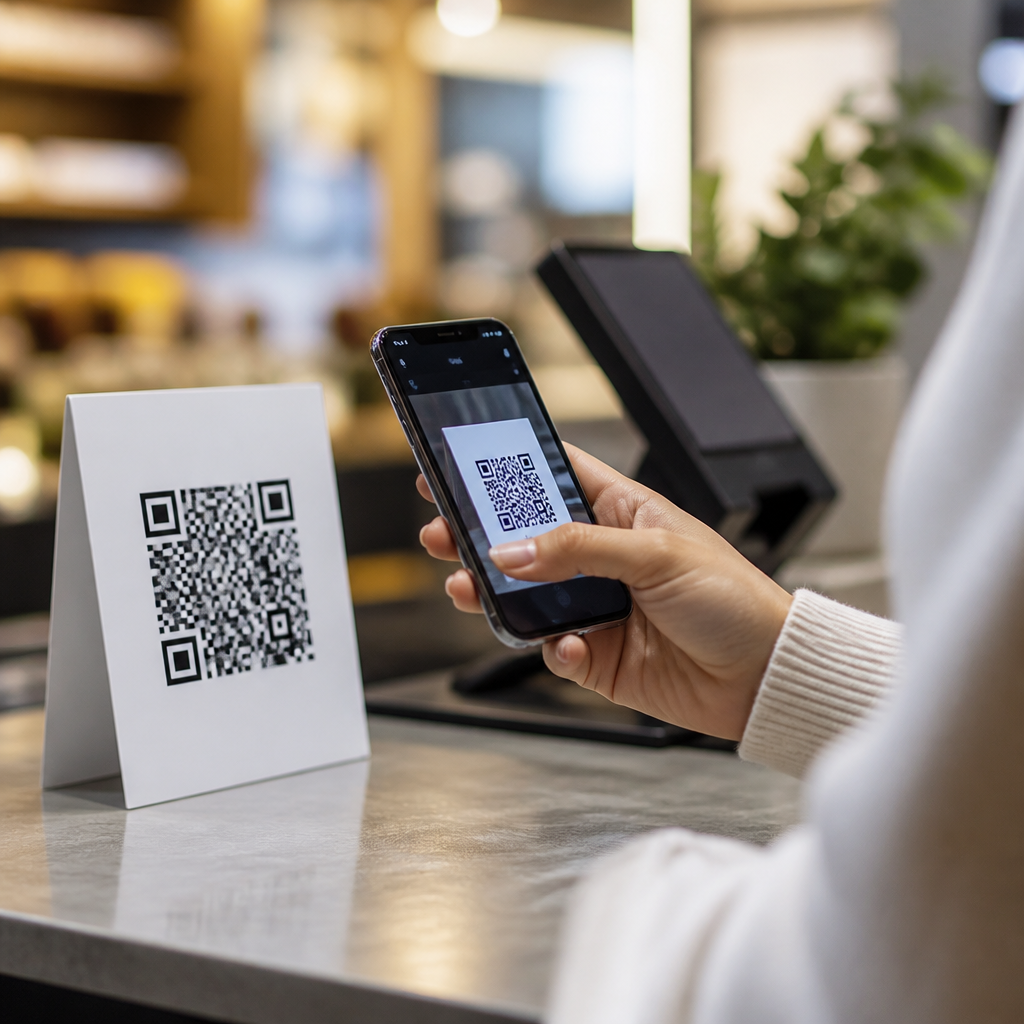
Restaurants adopted QR codes at scale during contactless menu rollouts, but many stopped at utility and missed the social opportunity. The strongest hospitality examples use menus, table cards, receipts, and takeaway packaging to invite guests into a content loop. A café campaign I reviewed linked a code on cup sleeves to an Instagram page featuring seasonal drinks, behind-the-counter clips, and a monthly giveaway. Because customers interacted with the sleeve while drinking, scan timing aligned with idle moments, increasing response rates compared with wall posters.
Hotels and venues can go further by segmenting destinations. A lobby sign can lead to a broad social hub, while a room card code can send guests to destination guides on Pinterest, concierge updates on Instagram, or event schedules through stories highlights. Local businesses benefit especially from this approach because nearby customers are more likely to revisit, tag friends, and post their own photos. In multiple small-business campaigns, customer-generated posts rose after codes were paired with simple prompts like “Share your setup” or “Tag us to be featured.” The growth driver was not the code alone; it was the direct connection between the physical visit and a shareable digital action.
Events, Trade Shows, and Creator Activations
Events are ideal environments for QR-based social growth because attention is concentrated and follow-up value is obvious. Booth signage, badges, stage screens, handouts, and swag can all direct attendees to live social channels. I have seen exhibitor teams replace long profile handles with dynamic codes leading to campaign-specific landing pages that include LinkedIn, Instagram, and YouTube options plus lead forms. This approach reduces missed searches, captures attribution, and lets teams compare which platform attracts the highest-value audience after the event.
Creators and speakers use the same principle at a smaller scale. A speaker’s final slide with a code linking to a content hub can outperform verbal calls to action because the audience acts in the moment, not from memory later. Musicians, podcasters, and fitness coaches often add codes to merch tables or printed programs so fans can join the right channel immediately. In successful creator case studies, the code rarely points to a raw social profile. It points to a lightweight mobile page that frames the offer, such as bonus content, backstage clips, or a community challenge, then gives platform choices.
| Setting | Best QR Placement | Primary Social Goal | High-Performing Offer |
|---|---|---|---|
| Retail packaging | Product box or shelf talker | Profile visits and tutorial engagement | How-to videos, styling ideas, recipes |
| Restaurant | Menu, table tent, receipt | Follows and user-generated content | Giveaways, featured posts, seasonal updates |
| Trade show | Booth banner, badge, handout | Multi-platform audience capture | Slides, demos, post-event resources |
| Creator event | Stage slide, merch table, poster | Community growth and repeat engagement | Exclusive clips, challenge participation |
What Separates High-Performing Campaigns From Weak Ones
The difference is usually strategy, not software. Weak campaigns send every scanner to a homepage or a generic profile with no context. Strong campaigns match message to moment. If someone scans from packaging, they want product help or inspiration. If they scan at an event, they want recap material, connection, or an easy way to continue the conversation. The landing experience should load fast, display social proof, and make the next click obvious. Mobile-first design is nonnegotiable because almost every scan happens on a phone.
Testing also separates average results from standout case studies. The most useful campaigns test call-to-action language, placement height, destination type, and incentive. Even small wording changes matter. “Scan to follow us” is weaker than “Scan for tonight’s special and weekly offers on Instagram.” Error correction level, contrast, quiet zone, and print size also affect performance. I recommend validating scannability across lighting conditions, camera qualities, and distances before launch, because technical friction kills response faster than weak creative.
Building a Hub of Case Studies That Actually Informs Strategy
As a hub page for case studies and success stories, this topic should organize examples by industry, objective, and funnel stage. Readers need to move easily from a broad overview into focused articles on restaurant campaigns, retail packaging wins, event activations, nonprofit outreach, education use cases, and creator-led growth. They also need supporting content on QR code design standards, analytics setup, privacy considerations, dynamic versus static code choices, and campaign optimization methods. That internal structure helps teams compare similar scenarios and apply lessons accurately instead of copying tactics blindly.
The most valuable success stories include screenshots, scan volumes, conversion rates, creative examples, and implementation details such as whether the campaign used GA4 events, UTM tagging, Meta profile links, Linktree-style hubs, or first-party landing pages. They should also disclose limitations. A campaign may gain followers quickly but attract low-intent users if the incentive is too broad. Another may drive fewer scans but stronger retention because the audience fit is tighter. Honest case studies build better strategy because they show not just what worked, but why it worked in that environment.
QR codes for social media growth are no longer experimental; they are a practical acquisition and engagement channel when paired with clear value, strong placement, and disciplined measurement. The case studies that matter most show the full chain from physical touchpoint to scan, from scan to social action, and from social action to business outcome. Retail packaging can turn buyers into repeat viewers, restaurants can convert wait time into shares and follows, and events can transform fleeting attention into ongoing audience relationships.
For teams building this sub-pillar, the central lesson is simple: publish case studies that are specific enough to be replicated and honest enough to be trusted. Organize them by industry and objective, document metrics beyond scans, and show the landing experience as carefully as the code itself. When readers can see the audience, offer, placement, analytics, and result in one place, they can make faster decisions and avoid common mistakes. Use this hub as the starting point, then expand into deeper success stories that help brands, local businesses, and creators turn every offline interaction into measurable social growth.
Frequently Asked Questions
How do QR codes actually help grow social media audiences in real-world campaigns?
QR codes help grow social media audiences by removing friction between offline interest and online action. In many campaigns, the biggest challenge is not awareness but conversion. A person may see a poster, product package, event booth, table tent, retail display, or flyer and feel curious about a brand, but very few people will stop to manually search for a profile, type in a username, and then decide to follow. A QR code simplifies that path into a single scan, sending the user directly to the desired destination, whether that is an Instagram profile, TikTok page, YouTube channel, LinkedIn company page, or a campaign-specific landing page with social follow options.
What makes QR codes especially valuable in social growth case studies is measurability. Brands can track how many people scanned, when they scanned, where they scanned, and which placements generated the strongest engagement. That means the offline environment becomes a testable acquisition channel rather than a branding expense with unclear results. For example, a retailer can compare scans from window signage versus product packaging, or an event organizer can compare attendee scans from stage screens versus printed badges. The result is a clearer understanding of what physical touchpoints drive online audience growth.
QR codes also support intent-based engagement. Someone who scans a code has already shown active interest, which often leads to stronger follower quality than passive impressions alone. In practice, that can mean better engagement rates, more story views, more repeat visits to content, and a higher likelihood of participating in future campaigns. When used strategically, QR codes do more than collect traffic; they connect motivated offline audiences to social ecosystems in a way that is fast, trackable, and scalable.
What types of QR code destinations work best for social media growth?
The best destination depends on the campaign goal, the platform priority, and the audience’s stage of intent. A direct link to a single social profile works well when the objective is simple follower growth on one platform. For example, a beauty brand focused on Instagram may place a QR code on packaging that opens its profile immediately, giving customers a chance to follow while product interest is at its highest. This approach is fast and effective because it minimizes decisions and takes the user exactly where the brand wants them to go.
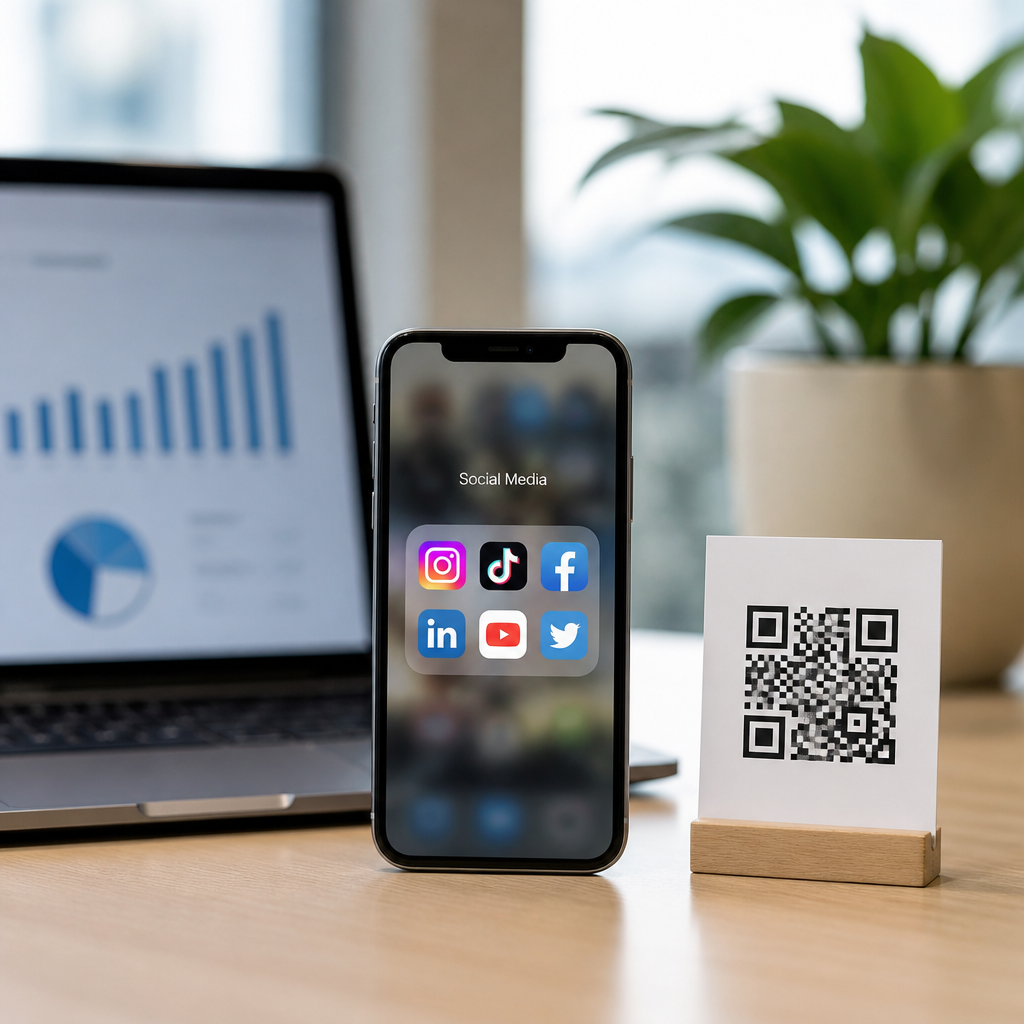
In other cases, a landing page performs better than a direct profile link. A landing page can present multiple social channels, campaign messaging, creator collaborations, limited-time offers, embedded content, and clear follow buttons. This is especially useful when brands want to grow more than one channel or segment audiences by interest. For example, a fitness company might send scanners to a page where users can choose between following workout content on TikTok, long-form training videos on YouTube, or community updates on Instagram. This creates a more intentional user journey and can improve downstream engagement.
Follow prompts tied to incentives can also work well when used responsibly. A QR code might lead to a giveaway entry page, exclusive content drop, early-access announcement, event recap, or downloadable resource that encourages users to follow before or after claiming the benefit. The key is relevance. The destination should align with the context of the scan. If someone scans a code at a live event, the landing experience should feel connected to that event. If they scan from packaging, the page should reflect product ownership or post-purchase engagement. In successful case studies, the highest-performing destinations are usually the ones that match user intent, reduce confusion, and provide a compelling reason to stay connected after the first click.
Which offline placements usually generate the best results for QR-based social media campaigns?
High-performing placements are usually the ones that capture attention at moments of strong relevance and low distraction. Product packaging is one of the strongest examples because it reaches people who have already bought or are actively considering a product. That means the user has existing brand interest, making a social follow a natural next step. Packaging inserts, labels, boxes, and thank-you cards can all carry QR codes that encourage customers to join a community, tag the brand, watch tutorials, or follow for exclusive updates.
Events are another major opportunity. QR codes on booth displays, presentation slides, attendee badges, brochures, and event signage can generate immediate social action while the audience is engaged in a live experience. People are often more willing to scan at events because they expect digital interaction, updates, and content sharing. In case study settings, event-driven QR campaigns often perform especially well when paired with a clear call to action such as “Follow for session highlights,” “Scan to see speaker content,” or “Join the live recap on Instagram.”
Retail environments also produce strong results when QR codes are positioned thoughtfully. Window displays, shelf talkers, countertop displays, fitting rooms, and point-of-sale materials can all serve as effective scan points. However, visibility and context matter. A QR code should not feel decorative or random. It should tell people exactly what they will get by scanning, such as style inspiration, customer stories, tutorials, product demonstrations, or access to a creator collaboration. Print ads, direct mail, menus, vehicle wraps, and in-store posters can work well too, but they tend to perform best when the audience has enough time and motivation to act. In most successful campaigns, the best placements are not simply the most visible ones; they are the ones that meet users at a moment when the value of connecting on social is immediately obvious.
How can brands measure whether a QR code campaign is truly increasing social media growth?
Measurement starts with defining what “growth” means in the context of the campaign. For some brands, the primary goal is follower acquisition. For others, it may be profile visits, engagement rate, video views, user-generated content, creator page visits, email sign-ups tied to social nurture, or conversions that begin from social traffic. Once the goal is clear, brands can assign unique QR codes to different placements, channels, stores, events, or creative variations so they can isolate which offline assets are driving results.
Dynamic QR codes are especially useful because they allow brands to update destinations without reprinting materials and to collect scan-level analytics. These metrics often include total scans, unique scans, scan time, device type, and location trends. When paired with platform analytics, UTM tracking, campaign landing pages, and conversion events, brands can build a much more complete picture of performance. For example, if a poster QR code leads to a landing page with an Instagram follow button, the brand can compare scan volume to page visits, button clicks, follows, and later engagement behavior. This makes it possible to calculate not only reach, but actual social lift.
Brands should also evaluate quality, not just quantity. A campaign that produces 500 new followers who actively watch stories, comment, save posts, and return to future content may be more valuable than one that produces 2,000 low-intent followers with no ongoing engagement. Time-based analysis is helpful here. Did the campaign generate a spike that faded instantly, or did it create sustained audience growth? Did certain placements produce stronger retention or higher content interaction? In strong case studies, measurement goes beyond vanity metrics and looks at the full path from scan to meaningful audience behavior.
What are the most common mistakes to avoid when using QR codes for social media growth?
One of the most common mistakes is sending users to a weak or generic destination. If the QR code opens a homepage with no obvious next step, users often drop off. The destination should be specific, mobile-friendly, and aligned with the promise made in the call to action. If the sign says “Scan to follow our TikTok for behind-the-scenes content,” the landing experience should make that action immediate and intuitive. Every extra step reduces conversion.
Another frequent issue is poor placement or unclear instruction. A QR code without context can be ignored, even if it is visually prominent. Users need a reason to scan. Strong campaigns explain the benefit directly: follow for exclusive offers, watch the tutorial, unlock event content, enter the giveaway, see customer transformations, or join the community. The call to action should be short, specific, and relevant to the environment. It also helps to ensure the code is large enough, easy to scan, well lit, and not placed where movement, glare, or distance make scanning inconvenient.
Brands also make mistakes when they fail to test and track. Using one identical QR code everywhere limits insight into which placements and messages are working. Without analytics, it becomes difficult to optimize future campaigns. Other avoidable problems include linking to platforms that require too much login friction, ignoring page load speed, designing codes with poor contrast, and failing to consider what happens after the follow. Social growth should not end at acquisition. The profile, content strategy, and welcome experience need to be ready to engage the new audience. The most successful QR campaigns treat the scan as the beginning of a relationship, not the end of the transaction.