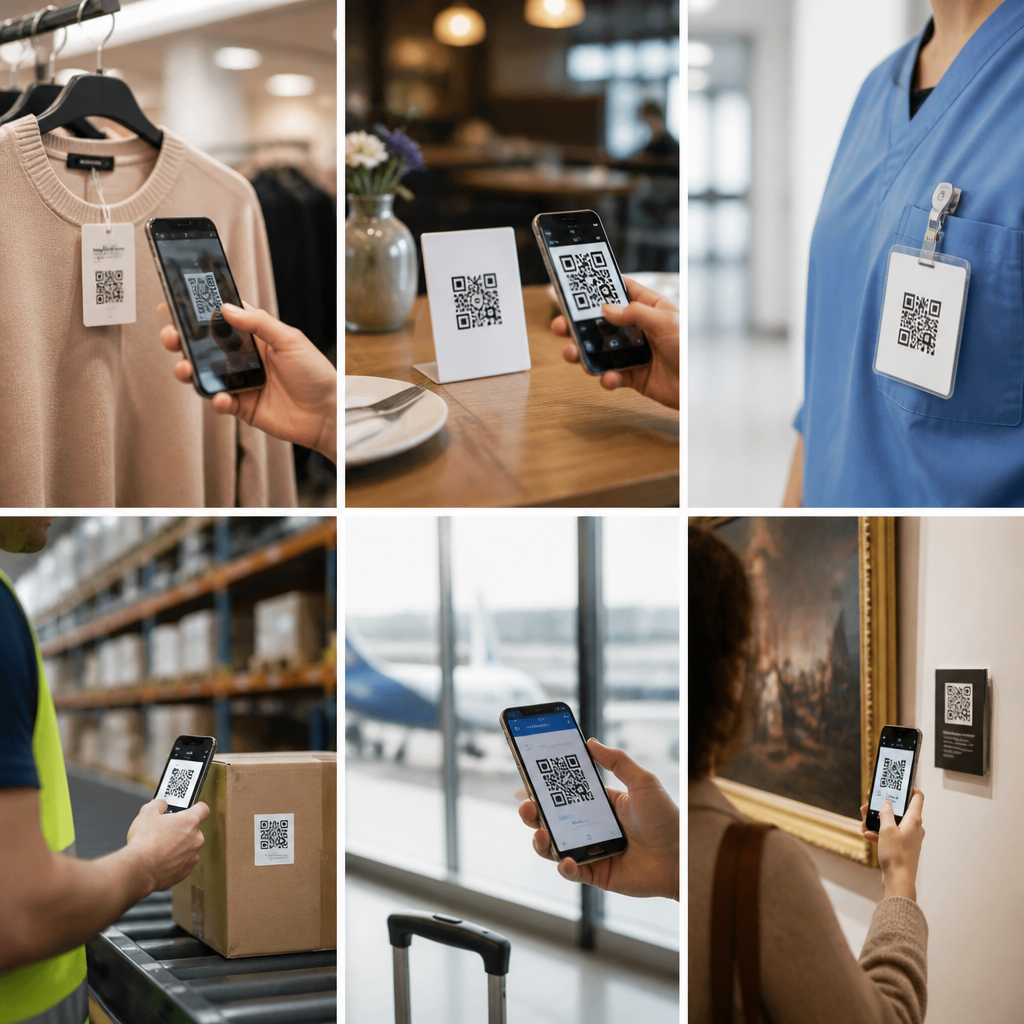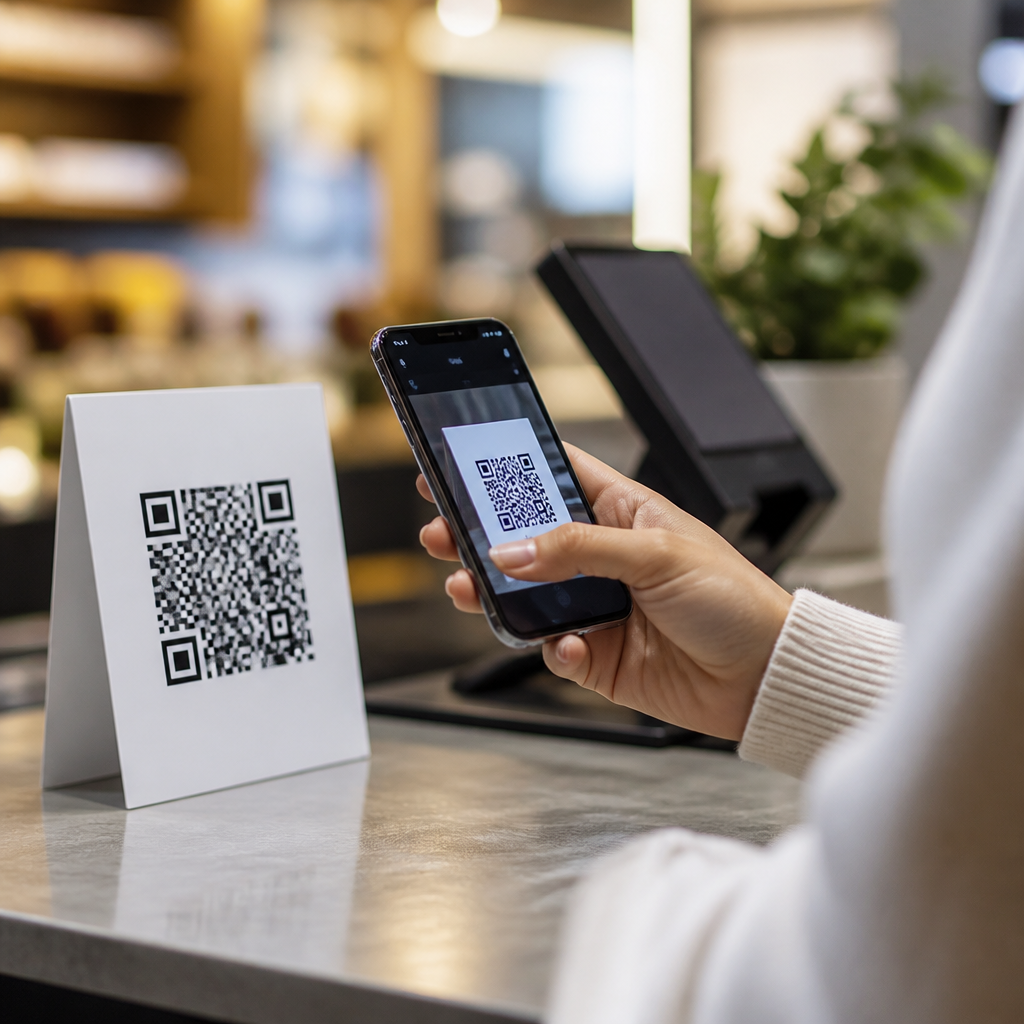
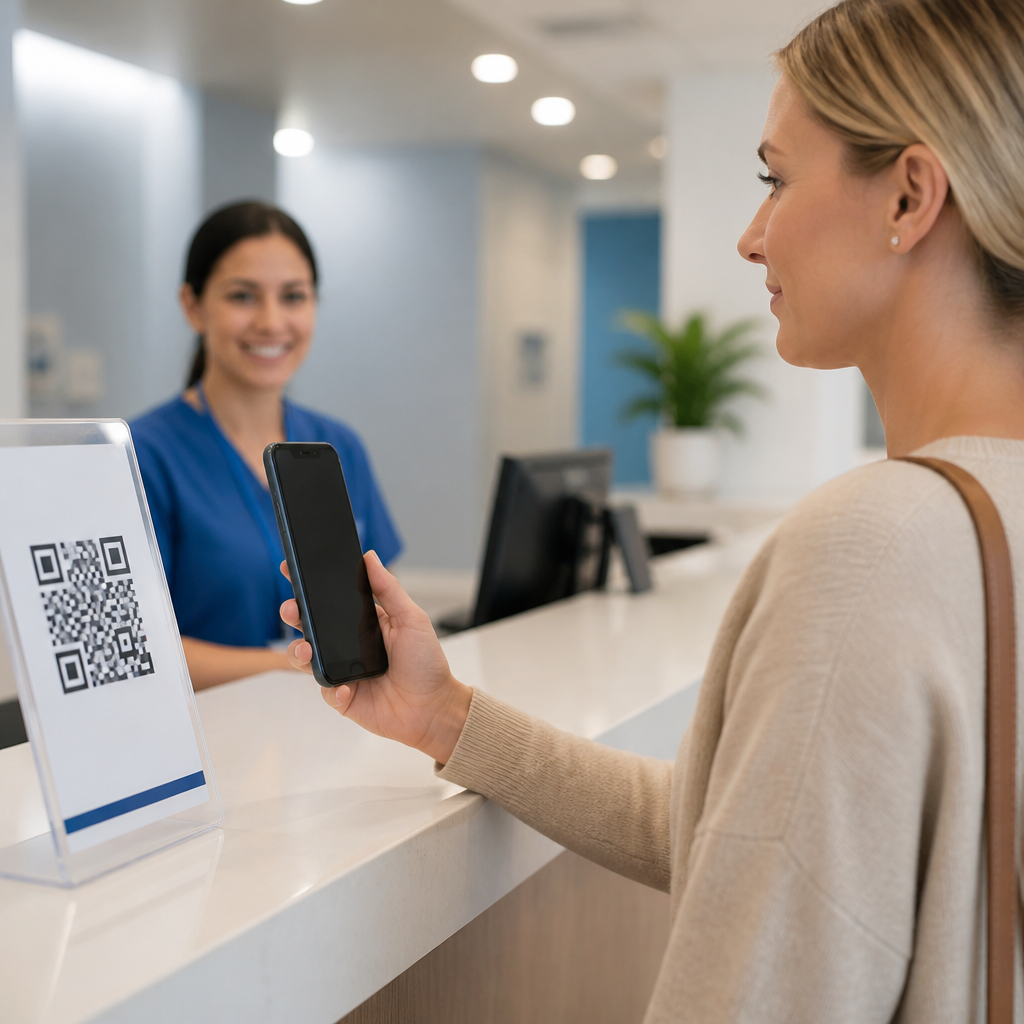
QR codes have moved from restaurant menus and event tickets into one of healthcare’s most practical workflow upgrades: patient check-in. In clinics, imaging centers, urgent care sites, and hospital outpatient departments, a quick response code can replace clipboards, reduce front-desk bottlenecks, and improve data accuracy before a patient ever reaches an exam room. This case study on QR codes in healthcare patient check-in examines how the technology works, why adoption is accelerating, and what successful implementations teach organizations planning their own rollout.
In healthcare, patient check-in is the administrative process that confirms identity, updates demographics, verifies insurance, captures consent, and signals arrival to staff. Traditionally, that sequence depends on paper forms, waiting-room kiosks, or manual data entry by reception teams. A QR code compresses a digital touchpoint into a scannable square. Patients can scan a code from an appointment reminder, signage, or kiosk screen and land on a secure form, pre-registration portal, wayfinding page, or queue status update. The result is not merely convenience. It affects throughput, labor utilization, claim accuracy, infection control, and patient satisfaction.
I have worked with organizations that introduced QR-based pre-registration after years of relying on paper packets. The pattern was consistent: leaders initially framed the project as a front-desk efficiency fix, but the most important gains appeared downstream. Cleaner demographic data reduced billing edits. Faster intake improved schedule adherence. Fewer shared touchpoints supported infection prevention goals. For a sector under pressure from staffing shortages and rising patient expectations, those benefits matter. This article serves as a hub for healthcare QR code case studies and success stories, outlining practical lessons, measurable outcomes, technical requirements, and the limits teams should understand before implementation.
Why Healthcare Organizations Are Using QR Codes for Patient Check-In
Healthcare organizations adopt QR codes because they solve a narrow but costly problem: too much friction at the beginning of the visit. A standard outpatient check-in often requires a patient to repeat information already stored in the electronic health record, hand over an insurance card, sign notices, and wait for staff review. Each manual step introduces delay and error. QR codes shorten the path by opening a mobile workflow tied to the appointment. Patients can complete forms before arrival, upload insurance images, verify contact details, sign HIPAA acknowledgments, and confirm consent from their own device.
The strongest use cases appear in high-volume ambulatory settings. Primary care groups use appointment-reminder QR codes for pre-visit intake. Radiology centers post lobby codes that route patients to modality-specific screening questions. Urgent care chains use curbside check-in codes to let patients wait in their car and receive a text when a room opens. Large health systems extend the same model to parking, campus navigation, co-pay collection, and post-visit instructions. In each scenario, the code is simply the entry point. The value comes from connecting it to scheduling, registration, identity verification, and the EHR.
Adoption also reflects consumer behavior. Smartphone penetration is high across age groups, and patients are now accustomed to scanning codes in retail, travel, and food service. That familiarity lowers training demands. At the same time, healthcare leaders are cautious because check-in touches protected health information, accessibility obligations, and patient equity. A successful QR deployment therefore balances speed with secure design, multilingual support, fallback options, and staff oversight.
Case Study Pattern: What Successful Implementations Actually Changed
Across healthcare QR code case studies, successful organizations did not merely print a code and hope for adoption. They redesigned the intake workflow. The most effective programs start with segmented patient journeys: new patient, returning patient, imaging patient, specialist follow-up, walk-in urgent care, and caregiver proxy. Each journey gets a purpose-built form sequence and completion logic. Returning patients may only need demographic confirmation and payment. New patients may need history intake, consent, and photo ID capture. This targeted design increases completion rates because patients are not forced through irrelevant questions.
Operational governance matters just as much as interface design. In one outpatient network I observed, front-desk teams originally saw QR check-in as extra work because they had to monitor both digital and paper arrivals. Leadership corrected that by creating a registration dashboard inside the practice management workflow. Once staff could see pre-completed records, missing signatures, and queue status in one place, the process became faster than manual intake. That is a common lesson from QR code success stories: adoption improves when the staff experience is optimized alongside the patient experience.
| Implementation area | Common QR-enabled change | Operational result |
|---|---|---|
| Appointment reminders | Pre-registration link tied to visit ID | Less lobby time and fewer incomplete forms |
| Arrival confirmation | Lobby or curbside scan to mark patient present | Shorter front-desk lines and better room turnover |
| Insurance capture | Mobile upload of front and back card images | Fewer eligibility errors and claim delays |
| Consent management | Digital signatures with timestamp and audit trail | Stronger documentation and faster chart prep |
| Navigation | Campus-specific landing pages and directions | Fewer late arrivals due to wayfinding issues |
Measured outcomes usually fall into four categories. First is time: reduced average check-in minutes and shorter line length at peak periods. Second is labor: fewer repetitive data-entry tasks for receptionists. Third is data quality: lower duplicate-record creation and fewer missing fields. Fourth is patient experience: higher satisfaction scores related to ease of arrival and overall visit flow. The exact numbers vary by specialty, but these are the metrics executives should expect in a healthcare patient check-in case study.
Real-World Success Factors: Integration, Security, and Accessibility
Integration is the difference between a pilot and a durable operating model. QR check-in should connect to the scheduling system, registration module, document management layer, and patient record. Health systems commonly work through EHR tools from Epic, Oracle Health, athenahealth, or eClinicalWorks, often with digital front door vendors layered on top. If the QR workflow sits outside those systems and requires manual re-entry, staff savings evaporate. The best programs use APIs, HL7 interfaces, or vendor-native modules so that a completed mobile form updates the source of truth without duplicate work.
Security requirements are non-negotiable. A QR code itself is not secure or insecure; risk depends on the destination, data handling, and authentication method. Healthcare deployments should use encrypted transport, short-lived session tokens, role-based access, audit logs, and business associate agreements where applicable. Shared static URLs that expose patient details are unacceptable. The safer pattern is a tokenized link embedded in a reminder message or generated at arrival, with identity confirmation before sensitive data appears. Organizations should also train patients to trust only codes displayed in official messages and on-site signage to reduce phishing risk.
Accessibility is another decisive factor. Not every patient owns a smartphone, feels comfortable scanning a code, reads English, or can navigate a form without assistive support. Strong implementations offer alternatives: staffed check-in, kiosks, large-print signage, screen-reader compatible forms, and interpreter access. They also use plain language, progressive disclosure, and minimal required typing. This is especially important in healthcare because usability barriers can become care barriers. A QR code should expand access, not narrow it.
Common Challenges and How Leading Teams Solved Them
The most common challenge is uneven adoption. Younger and commercially insured patients may embrace mobile intake quickly, while older adults or complex specialty patients may prefer in-person support. Organizations that treat QR check-in as mandatory often create frustration. The better approach is guided choice: encourage digital completion through reminders and signage, but maintain a clear assisted path. Over time, adoption rises naturally when patients see shorter waits and simpler forms.
Another challenge is over-collection of information. Teams sometimes load every possible intake question into one mobile experience, producing abandonment. Successful programs define a minimum viable check-in dataset and push nonessential questionnaires to clinical follow-up when appropriate. A patient arriving for a simple imaging exam does not need the same intake burden as a first-time multispecialty consult. Matching the form to the visit type is one of the clearest lessons from QR code implementation case studies.
There is also a governance challenge around printed codes. If a clinic changes vendors, URLs, or campaign logic, outdated codes can remain on posters, appointment cards, and countertop displays. High-performing organizations solve this with dynamic QR code management, inventory controls, and ownership by a digital operations lead. They maintain redirect rules, test destination pages regularly, and retire obsolete assets systematically. That discipline prevents broken experiences and protects trust.
What This Means for the Future of Healthcare QR Code Trends
QR codes in healthcare patient check-in are no longer a novelty; they are becoming part of the broader digital front door strategy. The next phase is deeper orchestration. Instead of a single scan for arrival, organizations are linking one code-driven journey from scheduling through intake, navigation, payment, education, and follow-up. Combined with real-time eligibility checks, contactless payment, and automated wayfinding, check-in becomes a continuous experience rather than an isolated desk transaction.
Artificial intelligence will likely strengthen this model by tailoring intake questions, flagging incomplete responses, and routing exceptions to staff before the patient arrives. Remote identity verification, multilingual conversational interfaces, and accessibility-aware form rendering will further improve completion rates. Yet the fundamentals will stay the same. The best healthcare QR code success stories will continue to depend on workflow redesign, EHR integration, secure architecture, and empathy for patients who need alternatives.
For teams building a hub around QR code case studies and success stories, the central takeaway is clear: the code is not the transformation. The transformation is the redesign of patient access around lower friction, better data, and clearer operational visibility. Start with one service line, define baseline metrics, test the journey with real patients and frontline staff, and scale only after integration and accessibility are proven. Done well, QR-based patient check-in reduces waste for staff and stress for patients. That is the practical promise worth pursuing, and it is where healthcare QR code trends are headed next.
Frequently Asked Questions
How do QR codes improve the patient check-in process in healthcare settings?
QR codes streamline patient check-in by moving much of the paperwork and verification process from the front desk to the patient’s own smartphone or a self-service kiosk. Instead of arriving early to complete forms on a clipboard, patients can scan a code sent by text, email, appointment reminder, or displayed on-site and immediately access a secure digital check-in flow. That flow can include demographic verification, insurance updates, consent forms, symptom screening, copay collection, and appointment confirmation. As a result, staff spend less time re-entering handwritten information, correcting mistakes, and managing long lines during peak hours.
From an operational perspective, the biggest advantage is that QR codes reduce friction at the point of arrival. Front-desk bottlenecks are common in clinics, imaging centers, urgent care locations, and outpatient departments because many patients tend to arrive within the same narrow time window. A QR-based process distributes that workload earlier and more efficiently. Patients can complete forms before they walk in or while waiting briefly in the lobby, and staff can focus on exceptions rather than every routine check-in. This often leads to shorter wait times, faster rooming, and a smoother overall patient experience.
There is also a meaningful data-quality benefit. Manual forms frequently produce incomplete fields, illegible handwriting, and inconsistent information. Digital check-in tied to a QR code can require mandatory fields, validate formatting, and connect directly to the electronic health record or practice management system. That reduces avoidable errors, supports cleaner documentation, and helps organizations maintain more accurate patient records from the start of the visit.
Are QR code check-in systems secure and compliant for handling patient information?
They can be, provided the organization implements them correctly. A QR code itself is simply a bridge that directs the patient to a digital destination, such as a secure check-in page. The security and compliance of the process depend on what happens after the scan. In a healthcare setting, that means using encrypted connections, secure patient authentication, access controls, audit trails, and HIPAA-aligned workflows where protected health information is involved. If the check-in experience is built on a secure platform and integrated with compliant systems, QR codes can absolutely support a safe and privacy-conscious process.
Best practice is to avoid placing sensitive data directly inside the QR code. Instead, the code should point to a secure portal or generate a time-limited session that allows the patient to complete the required steps safely. Organizations should also think carefully about authentication methods, especially for remote pre-registration. Depending on the use case, that might include date-of-birth verification, one-time passcodes, patient portal login, or matching multiple identifiers before forms are displayed. These extra layers help ensure that the right patient is accessing the right information.
Healthcare leaders should also evaluate vendor security standards, data retention practices, device policies, and staff training procedures. For example, if tablets are used on-site for patients who do not have smartphones, those devices should be locked down, automatically reset between users, and connected only to secure networks. In short, QR code check-in is not inherently risky or inherently compliant; it becomes secure when implemented as part of a thoughtfully designed digital intake strategy.
What types of healthcare facilities benefit most from QR code patient check-in?
Nearly any organization that handles recurring patient intake can benefit, but the strongest use cases are typically found in high-volume, fast-moving environments. Primary care clinics, urgent care centers, imaging facilities, specialty practices, ambulatory surgery centers, laboratory locations, and hospital outpatient departments often see immediate value because they process a large number of appointments and rely heavily on accurate intake information. In these settings, even small improvements in check-in efficiency can create meaningful gains across the entire day.
Imaging centers and outpatient departments are particularly strong examples because patients often arrive with referrals, insurance details, and pre-visit instructions that must be confirmed before service begins. A QR code can connect them to a tailored intake workflow that gathers exactly what is needed for that visit type, reducing manual review and minimizing registration delays. Urgent care settings benefit in a different way: when patient volume spikes unexpectedly, a QR-based process can help manage throughput by accelerating routine registration tasks without adding pressure to front-desk staff.
That said, smaller practices can also see substantial benefits. A two-provider clinic may not think of itself as needing digital workflow modernization, but reducing repetitive paperwork, minimizing phone-based corrections, and improving the patient’s first interaction can still have a major impact. Ultimately, the best fit is less about organization size and more about whether the facility wants to reduce administrative friction, improve data accuracy, and create a more efficient arrival experience.
What are the main challenges or barriers to adopting QR codes for patient check-in?
The most common barrier is not the QR code itself but the change management around it. Healthcare workflows are complex, and front-desk processes are deeply tied to scheduling systems, registration rules, insurance verification, and clinical operations. If a QR-based check-in process is introduced without aligning those moving parts, organizations may create confusion instead of efficiency. Successful adoption usually requires clear workflow design, staff training, patient communication, and integration with existing systems so that information entered through the digital check-in process flows where it needs to go.
Another challenge is digital accessibility. Not every patient is comfortable scanning codes or completing forms on a smartphone. Some may have limited digital literacy, older devices, language barriers, visual impairments, or no mobile access at all. For that reason, healthcare providers should treat QR check-in as an option that enhances the patient experience, not as the only path. Strong implementations include alternatives such as staffed assistance, kiosk devices, tablets, multilingual forms, and accessible interface design. The goal is to improve convenience without excluding anyone.
There can also be concerns about trust and patient perception. Some patients may be cautious about scanning an unfamiliar code in a medical setting, especially if they have heard about QR code scams in other contexts. Facilities can address this by using branded materials, clear signage, concise instructions, and staff reinforcement. Technical reliability matters as well. Slow page loads, broken links, weak Wi-Fi, or cumbersome form design will undermine adoption quickly. In practice, the organizations that succeed are the ones that treat QR check-in as a broader patient access initiative rather than a simple plug-in feature.
What outcomes should healthcare organizations measure in a QR code check-in case study?
A strong case study should look beyond whether patients scanned the code and focus on measurable operational, financial, and experience-based outcomes. Operationally, organizations should track metrics such as average check-in time, lobby wait time, front-desk workload, form completion rates, registration error rates, and the percentage of patients who complete intake before arrival. These indicators show whether the technology is actually reducing bottlenecks and improving throughput rather than simply shifting tasks from paper to digital.
Financial and administrative outcomes are also important. A QR-based check-in process can help reduce labor spent on manual data entry, decrease claim issues tied to inaccurate demographic or insurance information, and improve point-of-service collections when copays or balances are built into the workflow. In some environments, faster registration can also support higher daily patient volume without increasing staffing at the front desk. Those gains should be quantified wherever possible to demonstrate return on investment and justify broader deployment.
Finally, patient and staff experience should be part of the evaluation. Patient satisfaction scores, comments about ease of arrival, and abandonment rates during digital intake can reveal whether the process is genuinely user-friendly. Staff feedback is equally valuable because front-desk teams often understand where friction still exists, such as duplicate workflows or exceptions that require manual handling. The most useful case studies combine these insights into a balanced picture: how QR check-in affects efficiency, accuracy, revenue cycle performance, and the overall experience for both patients and staff.