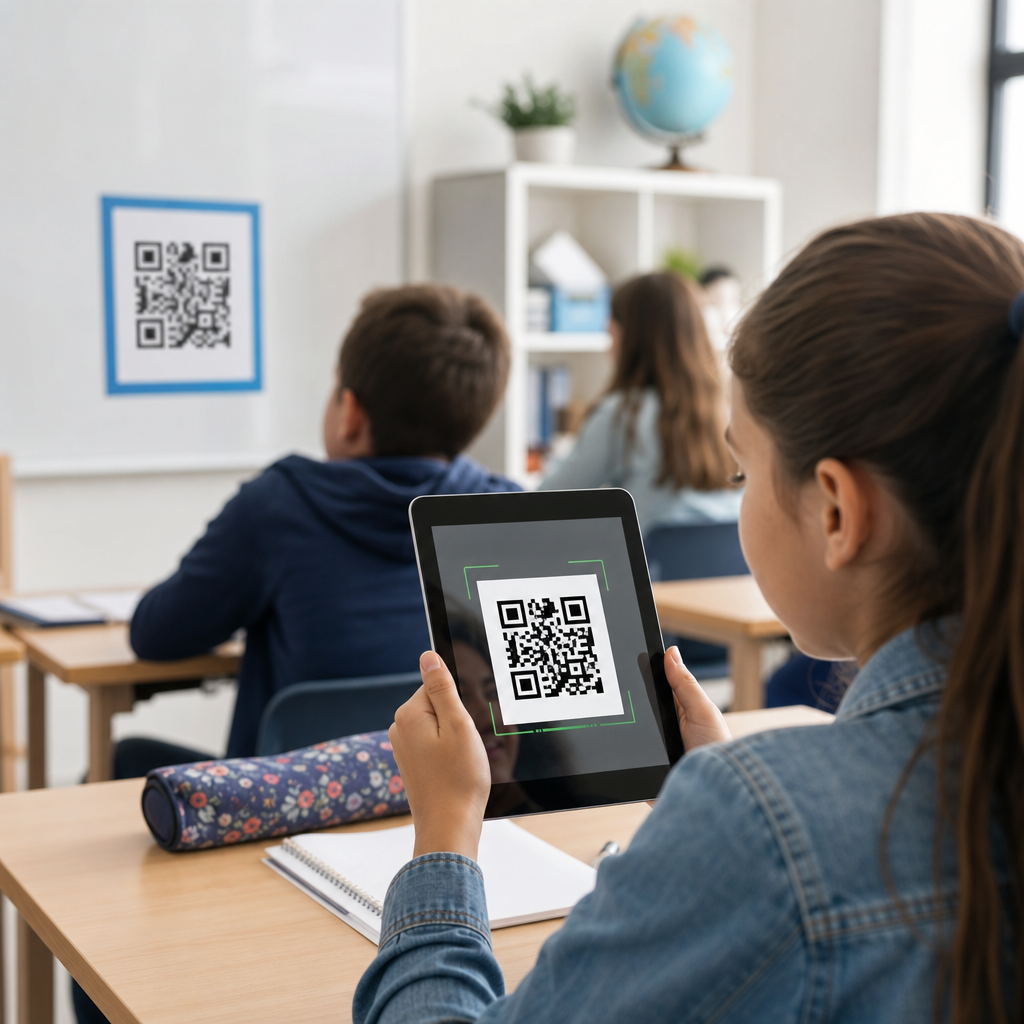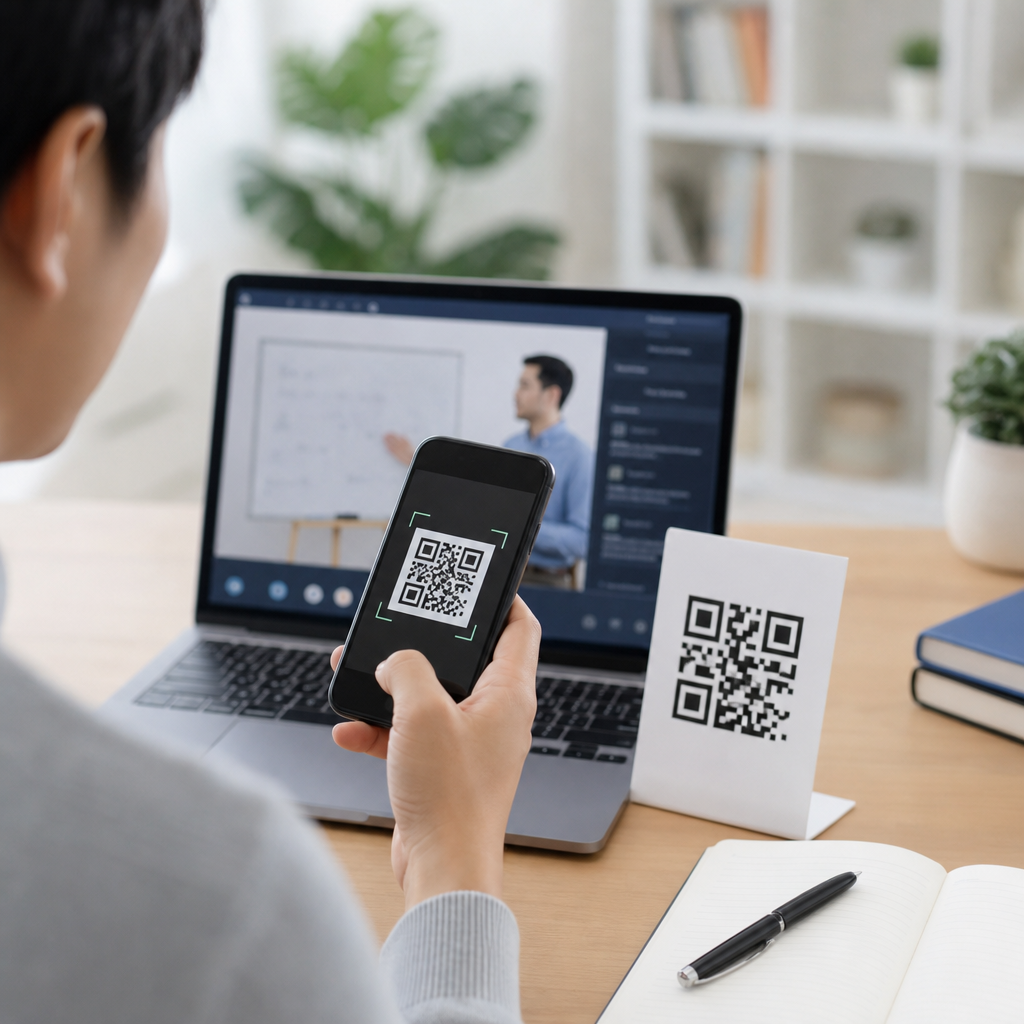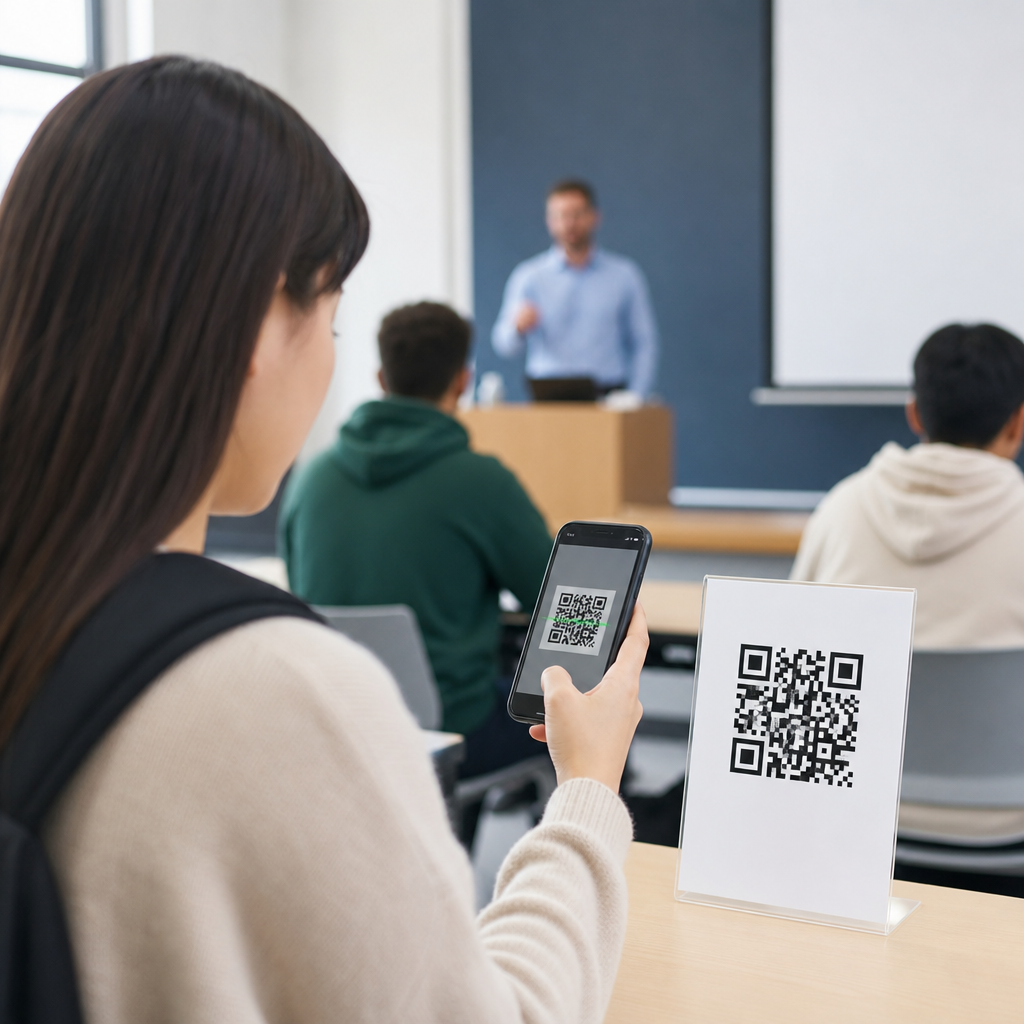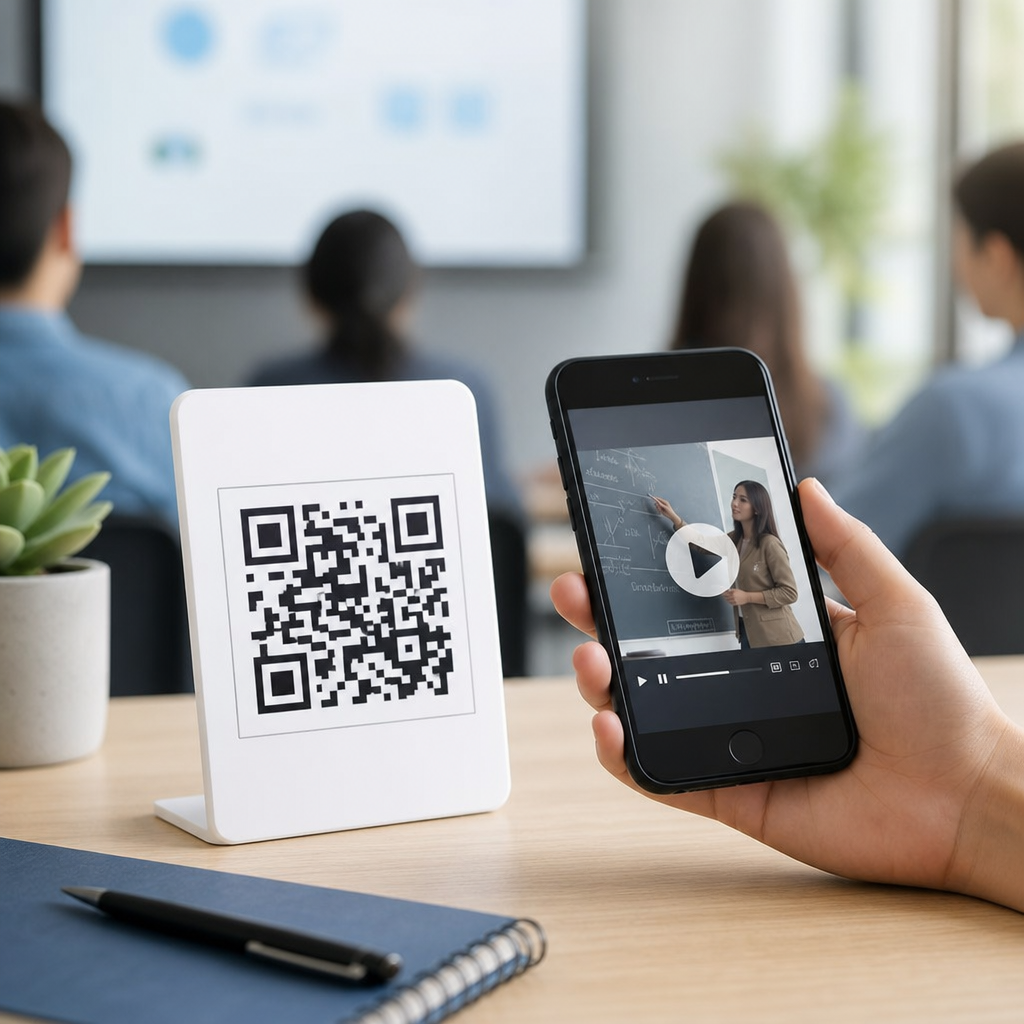
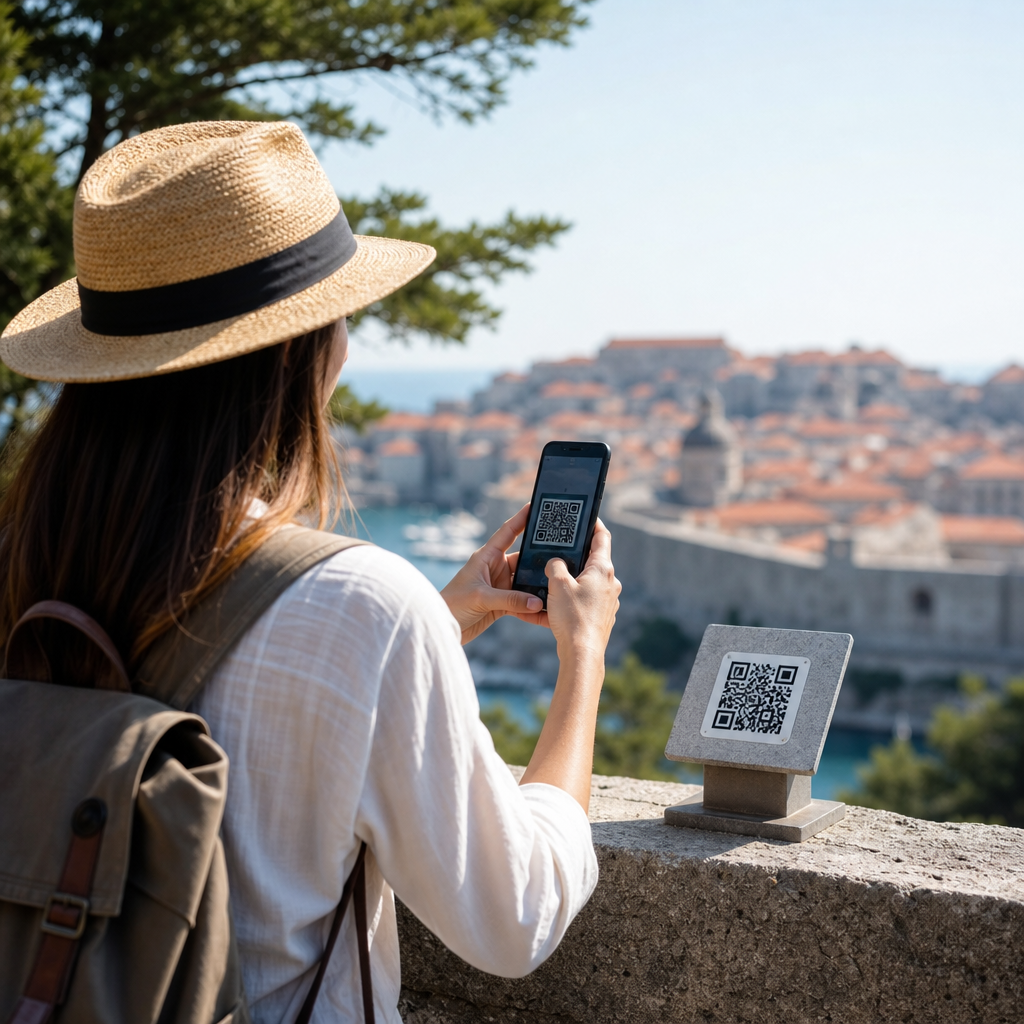
QR codes have become a practical bridge between physical travel experiences and digital information, and in tourism that bridge affects everything from wayfinding and ticketing to interpretation, safety, and post-visit engagement. In simple terms, a QR code is a scannable matrix barcode that opens a URL, downloads a file, displays text, launches a map, or triggers another mobile action. For tourism operators, destinations, museums, hotels, transport providers, and attractions, the best practices for QR codes in tourism are the standards that make those scans reliable, useful, secure, and accessible for real travelers in real places.
I have worked on QR deployments for visitor centers, heritage sites, guided trails, and hotel groups, and one lesson repeats every time: the code itself is not the strategy. The strategy is the visitor journey. A well-placed code can reduce ticket queues, answer common questions, support multilingual guests, and move people smoothly through airports, resorts, city centers, and parks. A poor implementation does the opposite. It sends users to slow pages, fails in low-signal locations, creates design clutter, or asks for too much effort at the moment when travelers need clarity.
This matters because tourism is highly contextual. Visitors are often outdoors, in motion, unfamiliar with the local language, and making decisions under time pressure. They may have weak connectivity, limited battery life, or accessibility needs that are easy to overlook. The sector also has unusually broad use cases: contactless check-in, digital menus, museum interpretation, transit timetables, emergency information, trail guidance, loyalty enrollment, review generation, and destination storytelling. That breadth means a QR code policy cannot be generic. It must account for environment, intent, measurement, governance, and visitor trust.
Done correctly, QR codes improve operational efficiency and guest satisfaction at the same time. They also create a strong hub for related travel and tourism content, because every use case connects to broader topics such as hospitality marketing, venue operations, destination management, multilingual content, and accessibility compliance. The following best practices explain what to implement, what to avoid, and how tourism brands can make QR codes genuinely useful instead of merely fashionable.
Match the QR code to the traveler’s intent
The first rule is to define one clear task per scan. In tourism, users scan with a purpose: buy a ticket, find a restroom, read exhibit context, join Wi-Fi, check departure times, translate a sign, or leave a review. When a code opens a generic homepage, the scan has failed even if the technology worked. Deep link users directly to the specific content they need at that moment. A trail marker should open the exact trail page, not the destination’s main site. A hotel lobby code should lead straight to mobile concierge options, not a brand campaign page.
Context also determines format. Dynamic QR codes are usually the right choice for tourism because destinations change opening hours, temporary exhibits rotate, and event schedules shift. Dynamic management platforms such as Bitly, QR Code Generator Pro, Beaconstac, and Uniqode let teams update the destination URL without reprinting signage. That matters for seasonal businesses and distributed estates where replacing signs across rooms, terminals, or heritage grounds is expensive and slow.
Aligning the scan with traveler intent also improves conversions. If a museum places one code beside an artifact and links to a 90-second audio explanation in multiple languages, completion rates are typically stronger than for a long curatorial article. If a transport hub uses one code for “Live departures” and another for “Station map,” wayfinding is faster because users choose the exact answer they need. Precision beats breadth in nearly every tourism scan journey.
Design for real environments, not ideal ones
Tourism environments are unforgiving. Sun glare, rain, reflective surfaces, low evening light, moving crowds, and awkward mounting heights all reduce scan success. Best practice starts with physical production. Use high contrast, preserve the quiet zone around the code, and avoid over-stylizing modules to the point that camera recognition suffers. Error correction can protect readability, but it is not an excuse for poor design. In field testing, simple black-on-white or dark-on-light codes consistently outperform decorative versions on stone plaques, vehicle wraps, and menu cards.
Size and distance matter. A common rule of thumb is a scanning distance ratio near 10:1, meaning a code meant to be scanned from 1 meter away should be about 10 centimeters wide. In tourism, I recommend testing beyond that rule because users may be holding luggage, standing in a queue, or scanning from a wheelchair position. Mount codes where a person can pause safely without blocking circulation. Never place essential QR codes behind glass with reflections, on curved surfaces, or in areas with poor mobile coverage unless the landing page is extremely lightweight.
The mobile destination page needs the same rigor. Keep page weight low, compress images, cache aggressively, and avoid auto-playing media. Google’s Core Web Vitals are relevant here because a traveler on roaming data will abandon a slow page quickly. If a code is mission-critical, such as for emergency instructions or shuttle schedules, provide a short fallback URL and plain text summary beside it. Redundancy is not clutter in tourism; it is resilience.
Build multilingual, accessible, and inclusive experiences
Tourism is inherently multilingual, so QR code content should accommodate international audiences from the first draft. The strongest approach is language detection paired with a visible manual language switcher. Do not rely only on browser translation, especially for safety instructions, transport details, cultural interpretation, or legal policies. Use plain language, short paragraphs, and region-neutral terminology where possible. For attractions with large inbound markets, prioritize professionally translated versions in the top visitor languages rather than machine output alone.
Accessibility is equally important. WCAG principles apply to landing pages, including color contrast, semantic headings, alt text, and keyboard compatibility. But accessibility starts before the scan. Add a clear call to action in readable text so users know what the code does. A sign that says “Scan for audio guide in 6 languages” is more inclusive than one that shows a code with no explanation. In heritage sites and national parks, consider tactile signage, audio prompts, and printed alternatives for visitors who cannot or prefer not to scan.
Inclusive implementation also means respecting device realities. Some travelers do not have local data, some disable camera permissions, and some use older phones. Where possible, provide guest Wi-Fi near scan points or offline options through progressive web apps. A tourism QR code system should reduce friction for the broadest range of visitors, not just digitally confident users with premium devices.
Use QR codes across the tourism journey
The most effective tourism programs map QR codes to the full visitor lifecycle, from planning to post-visit advocacy. This is where many teams unlock the highest return because each scan supports a measurable operational or commercial objective.
| Stage | Common QR use case | Best practice |
|---|---|---|
| Pre-arrival | Brochures, posters, ads linking to booking pages | Send users to campaign-specific landing pages with dates, pricing, and FAQs |
| Arrival | Check-in, parking, maps, Wi-Fi access | Place codes at eye level with concise instructions and fallback text |
| On-site experience | Audio guides, menus, exhibit labels, trail info | Use lightweight, multilingual pages tailored to exact locations |
| Support and safety | Emergency contacts, live service alerts, transport updates | Keep content dynamic, timestamped, and available in plain language |
| Post-visit | Reviews, loyalty, newsletters, rebooking offers | Ask at the right moment and direct to one action only |
Hotels commonly use QR codes for digital compendiums, spa bookings, room service menus, and local recommendations. Museums use them for layered interpretation and accessible audio. City destinations use them for self-guided walking routes, event calendars, and transit integration. Cruise ports use them for shore excursion information and terminal navigation. The pattern is consistent: the QR code should solve a task that otherwise creates confusion, queueing, printing cost, or staff load.
Measure performance, security, and governance
If you cannot measure scans and downstream outcomes, you cannot improve the program. Track scan volume by location, device type, time of day, language selection, bounce rate, conversion rate, and assisted revenue where relevant. UTM parameters, analytics events, and tag management help attribute value. In tourism, location-level measurement is especially useful. A destination may discover that codes at the train station outperform codes at the visitor center, or that exhibit scans spike when dwell time rises during bad weather. Those insights shape staffing, signage, and content priorities.
Security and trust deserve equal attention. Because travelers are increasingly aware of phishing, branded reassurance matters. Use recognizable domains, HTTPS everywhere, and clear labeling that states the destination before the scan. Inspect public codes regularly for tampering, especially in high-traffic urban areas where sticker replacement can occur. For enterprise deployments, assign ownership, version control, and review cycles. Someone must be responsible for expired links, outdated pricing, and seasonal content changes.
Governance is what turns isolated QR experiments into a sustainable tourism hub. Create templates for signage, naming conventions for analytics, approval workflows for multilingual updates, and maintenance schedules for physical assets. Review scan data quarterly and retire codes that do not serve a clear visitor need. The best programs are disciplined: fewer codes, better placed, tied to specific moments in the travel journey.
Best practices for QR codes in tourism come down to usefulness, reliability, and trust. A successful code does not merely open a page; it helps a traveler complete a task with less friction. That means matching each code to a specific intent, designing for harsh real-world conditions, supporting multilingual and accessible experiences, mapping scans across the full visitor journey, and governing the system with analytics and security in mind.
For travel and tourism organizations, the main benefit is not novelty. It is better service at scale. When QR codes answer common questions, shorten queues, update information dynamically, and connect guests to the right content at the right moment, they improve both operations and visitor satisfaction. They also create a strong foundation for related initiatives in hospitality, attractions, destination marketing, transport, and cultural interpretation.
If you manage a tourism brand, audit every existing QR code this month. Check what it does, where it sits, how fast it loads, and whether it truly helps the visitor standing in front of it. Then replace weak scans with focused, tested, measurable experiences that deserve to be used.
Frequently Asked Questions
What are the most important best practices when using QR codes in tourism?
The most important best practices start with clarity of purpose. A QR code in a tourism setting should always solve a real visitor need, such as opening a digital map, providing exhibit interpretation, delivering multilingual information, enabling mobile ticketing, or offering emergency guidance. If the code does not save time, reduce confusion, or improve the visitor experience, it is unlikely to be used consistently. Tourism operators should define exactly what action the visitor should take after scanning and make sure the destination page matches that expectation immediately.
Placement and visibility also matter. QR codes should be easy to find, large enough to scan comfortably, and positioned at practical heights and angles. Outdoor installations need to consider glare, weather, lighting, and crowd flow, while indoor placements should avoid reflections and visual clutter. Each code should be accompanied by a short instruction such as “Scan for trail map,” “Scan for audio guide,” or “Scan for live departure updates,” because visitors are far more likely to engage when the value is obvious at a glance.
Another essential practice is mobile optimization. Since most visitors scan QR codes with smartphones, the linked experience must load quickly, display properly on small screens, and avoid forcing unnecessary app downloads or long forms. In tourism, visitors may be on the move, using limited mobile data, or relying on weak signals, so lightweight pages, compressed media, clear navigation, and fast hosting are critical. Dynamic QR codes are often the better choice because they allow content updates without replacing printed materials, which is especially useful for changing schedules, seasonal offers, safety notices, and temporary closures.
Finally, accessibility, maintenance, and analytics should be treated as core strategy rather than afterthoughts. Content should be available in multiple languages where appropriate, readable by screen readers, and understandable for visitors with varying levels of digital confidence. QR codes should be tested regularly across devices and operating systems, and tourism businesses should monitor scan data to learn what content performs best. Well-managed QR codes do more than connect print to digital; they create a reliable, measurable, and visitor-friendly information layer across the travel experience.
Where should QR codes be placed to be most effective for tourists?
Effective placement depends on the visitor journey. In tourism, QR codes work best when they appear exactly where a traveler naturally needs more information or a next step. At transport hubs, they can link to live schedules, local maps, or transfer instructions. At hotel reception desks, they can provide check-in details, property guides, room service menus, and local recommendations. At museums and heritage sites, they can expand on signage with audio tours, archival images, translations, and accessibility support. In outdoor destinations, they are especially useful at trailheads, viewpoints, parking areas, information boards, and entry gates where visitors often pause and make decisions.
Physical usability should guide every placement decision. A code should be mounted where it can be scanned without bending awkwardly, stepping into traffic, blocking other guests, or standing in direct sunlight for too long. It should not be placed too high, too low, behind glass when avoidable, or on curved or reflective surfaces that interfere with scanning. In high-traffic settings, duplicate placements can reduce congestion by allowing multiple people to scan at once. Tourism environments are often busy and fast-moving, so even a well-designed code can underperform if the placement creates friction.
Context is equally important. Visitors need to know why they should scan and what they will receive, so each code should be paired with concise, action-oriented text. A code by a monument might say “Scan for 2-minute history and audio guide,” while a code at a bus stop might say “Scan for live arrivals and route map.” This small amount of directional language increases trust and reduces hesitation. It also helps visitors who may be unfamiliar with local systems, language, or the destination itself.
Tourism operators should also think in terms of environmental durability and maintenance. Outdoor QR code signs need weather-resistant materials, sufficient contrast, and regular inspection to prevent fading, peeling, or vandalism. Temporary signage used for events, festivals, or seasonal attractions should still be designed professionally and tested in the exact conditions where visitors will encounter it. The most effective placements are not simply visible; they are timely, intuitive, durable, and integrated into moments when travelers genuinely want information.
How can tourism businesses make QR code experiences more accessible and visitor-friendly?
Accessibility begins with recognizing that tourism audiences are diverse. Visitors may speak different languages, have limited mobility, use assistive technology, or vary widely in digital confidence. A visitor-friendly QR code experience should therefore offer simple instructions, clear labels, and content that works across a wide range of devices. The landing page should be readable without zooming, buttons should be large enough to tap easily, and text should use strong contrast and plain language. If the experience includes maps, menus, or tickets, the most important functions should appear first rather than being buried in navigation.
Language support is especially important in tourism. Whenever possible, QR-linked content should offer multiple language options or detect language preferences automatically. This is valuable not only for interpretation and wayfinding but also for practical visitor needs such as safety instructions, opening hours, booking confirmations, and transport guidance. Audio versions can also improve accessibility for users who prefer listening over reading, and subtitles or transcripts help make video content usable for more people. Inclusive QR experiences create less stress and more confidence, particularly for international travelers navigating unfamiliar places.
It is also wise to provide alternatives. Not every visitor will want to scan a code, and not every location will have reliable connectivity. Printed essentials such as opening times, safety notices, emergency contacts, and basic directional information should still be visible without requiring a scan. Where possible, QR-linked pages should be lightweight and functional even on slower connections. Avoid designing the experience around mandatory app installations unless the app offers clear, high-value functionality that justifies the extra step. In tourism, convenience almost always wins over complexity.
Trust and privacy are part of accessibility too. Visitors are more likely to scan when they feel confident the code is legitimate and safe. Branded signage, recognizable URLs, and a brief description of what will happen after scanning all help reassure users. If data is collected for bookings, marketing, or analytics, that should be communicated transparently. A visitor-friendly QR strategy respects time, attention, device limitations, and privacy concerns, making the technology feel helpful rather than intrusive.
What types of content work best behind QR codes for destinations, attractions, and tourism operators?
The best QR code content is useful, immediate, and tailored to the visitor’s location or stage in the journey. In many tourism settings, practical information performs exceptionally well: interactive maps, opening hours, live transport updates, digital tickets, venue guides, emergency contacts, event schedules, and self-service check-in information. These are high-intent needs that travelers actively look for, so QR codes can remove friction and improve satisfaction right away. If the destination page answers a question the visitor already has, the scan is far more likely to feel worthwhile.
Interpretive and storytelling content also performs well when it enhances the experience without overwhelming it. Museums, heritage sites, public art trails, cultural districts, and nature reserves can use QR codes to provide short audio guides, historical context, before-and-after imagery, multilingual descriptions, conservation information, and curator or local expert commentary. This approach allows tourism operators to keep physical signage concise while still offering richer digital depth for visitors who want more. It is especially useful in places where space is limited or where multiple languages would make printed signage too crowded.
Commercial and engagement-oriented content can be effective too, but it should be balanced carefully. QR codes can support restaurant menus, room service ordering, attraction upgrades, loyalty programs, donation pages, and follow-up review requests. However, visitors generally respond best when the first interaction is genuinely helpful rather than sales-heavy. For example, a hotel QR code that offers a property guide and local area tips will typically feel more valuable than one that immediately pushes promotions. In tourism, trust is strengthened when utility comes before upselling.
Content should also be maintained with discipline. Outdated links, expired offers, old maps, and incorrect operating information damage credibility quickly. For that reason, dynamic QR codes linked to content management systems are often ideal for tourism brands managing seasonal changes, rotating exhibitions, temporary disruptions, or special events. The strongest QR content strategy combines practical service information, engaging interpretation, and timely updates in a format that is fast, mobile-friendly, and easy for visitors to act on immediately.
How should tourism organizations measure the success of QR codes and improve performance over time?
Success should be measured against specific visitor and business goals rather than scan counts alone. While the number of scans is a useful starting point, it does not reveal whether the QR code actually improved wayfinding, reduced staff workload, increased ticket conversions, boosted engagement with exhibits, or helped visitors access critical information. Tourism organizations should define success based on the intended use case. For example, a transport provider may track scans that lead to timetable views, a museum may monitor audio guide completions, and a hotel may evaluate how many guests access digital concierge information or self-service options.
Using dynamic QR codes with analytics is one of the most practical ways to gather performance data. These tools can often show scan volume, time of day, location, device type, and