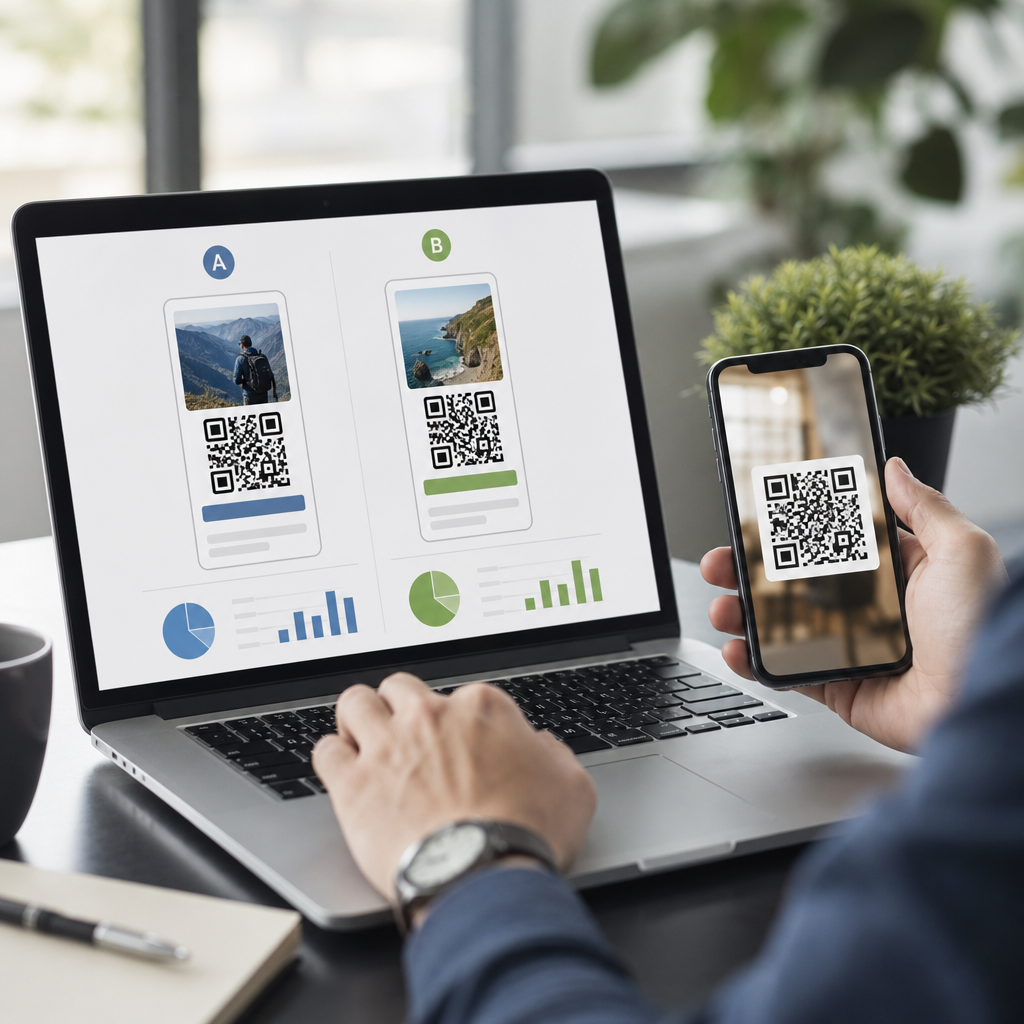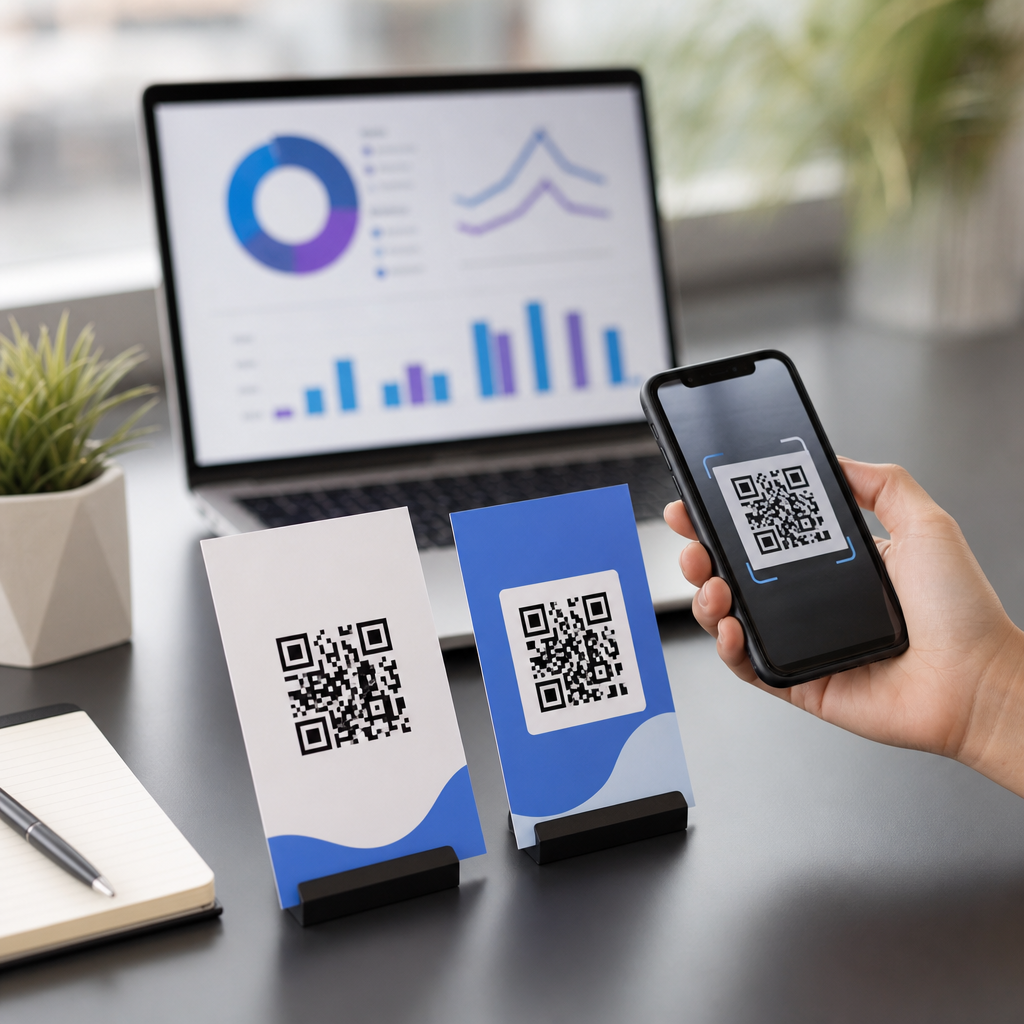
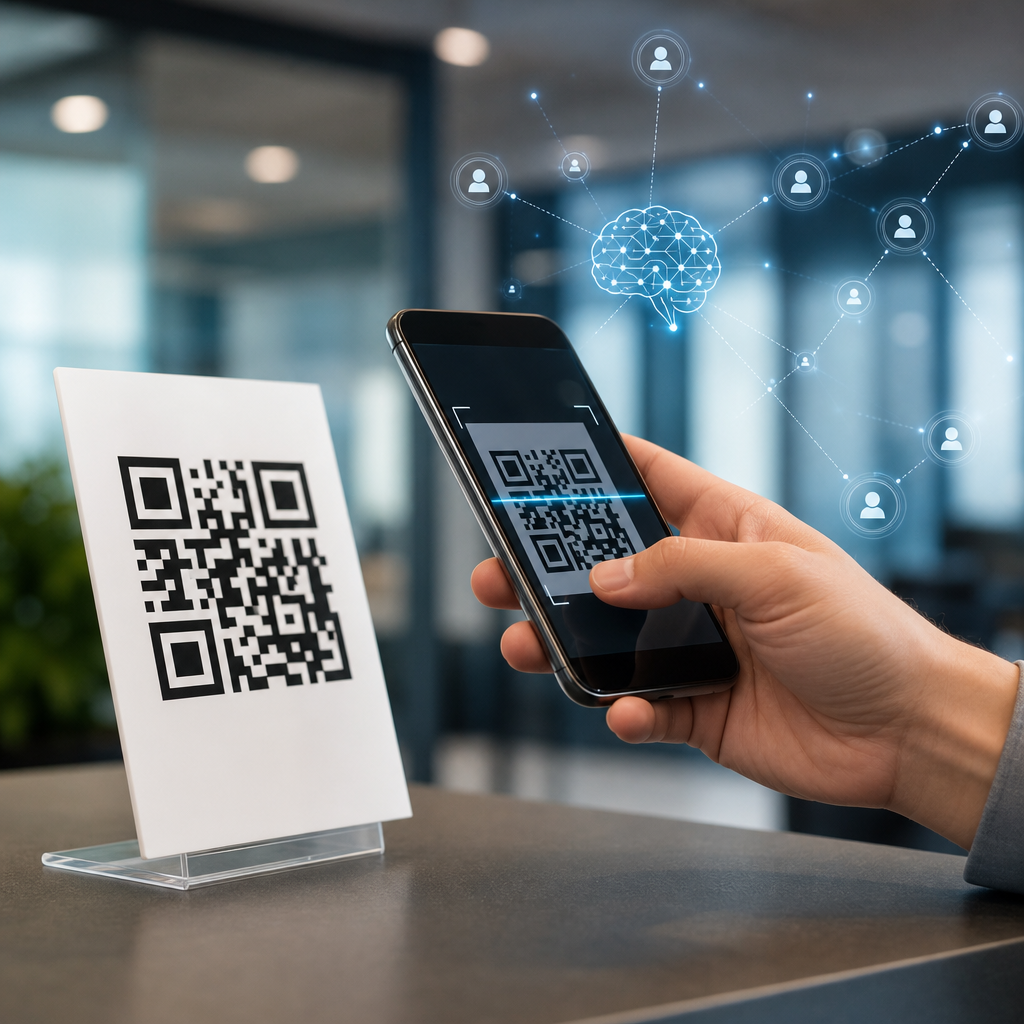
AI-powered QR code routing and personalization turns a static square into a decision engine that can send different people to different experiences based on context, intent, and real-time data. In practical terms, routing means the destination behind a QR code is not fixed; it can change by device type, location, time of day, language, campaign source, inventory status, or user history. Personalization means the landing experience adapts to the person scanning, whether that means showing a nearby store, a localized offer, a support article for a registered product, or a lead form prefilled from a CRM. This matters because QR codes now sit at the intersection of offline attention and digital conversion. Marketers use them on packaging, menus, direct mail, retail displays, events, manuals, and product labels, yet too many campaigns still send every scanner to the same generic page. After implementing dynamic QR programs for retail, field service, and B2B events, I have seen the difference clearly: the highest-performing codes are not the prettiest ones, but the ones backed by routing logic, analytics, and disciplined automation. As smartphone cameras improved and consumer comfort increased, QR scans became a measurable bridge between physical environments and digital systems. The strategic opportunity is simple: if each scan reveals intent, context, and constraints, then each destination should reflect that reality rather than ignore it.
What AI-powered QR code routing actually does
At its core, AI-powered QR code routing uses rules, prediction, and connected systems to decide where a scan should go next. A dynamic QR code points to a short redirect URL controlled by a platform. That platform evaluates inputs such as geolocation, operating system, browser language, timestamp, referral metadata, previous behavior, and campaign identifiers. AI adds value in three places. First, it improves segmentation by clustering scanners into useful groups such as first-time visitors, repeat buyers, event attendees, or support seekers. Second, it predicts likely intent, for example distinguishing between a package scan that suggests post-purchase support and a billboard scan that suggests early-stage discovery. Third, it optimizes outcomes by testing destinations and promoting the version with the best conversion rate, revenue per scan, or completion rate.
A straightforward example is a restaurant chain using one QR code template across stores. A lunch-hour scan can route iPhone users to Apple Pay ordering, Android users to Google Pay checkout, and tourists to an English menu, while late-evening scans after the kitchen closes can switch to delivery partners. In manufacturing, the same printed code on a machine can route installers to setup instructions, operators to quick-start videos, and maintenance staff to service documentation after validating a logged-in account. The printed asset stays constant, but the experience changes intelligently. That is the central advantage of dynamic QR code routing: it separates the physical code from the digital decision layer.
Core use cases across marketing, commerce, and operations
The most effective hub for QR codes plus AI and automation covers more than campaign landing pages. In retail and consumer packaged goods, brands use packaging QR codes to deliver recipes, loyalty enrollment, warranty registration, authenticity checks, and replenishment offers. AI personalization helps choose which message appears first based on scan history, region, and product SKU. A customer scanning coffee packaging in winter might see a subscription discount, while a summer scanner sees cold-brew recipes and a store locator. The code is identical, but the commercial objective changes with context.
In events, dynamic QR codes handle registration, agenda updates, booth journeys, and post-session follow-up. I have used event QR workflows where a badge scan triggered different content depending on job role and sessions attended. Prospects interested in security saw case studies and analyst reports, while current customers received product roadmap briefings and a support check-in form. For sales teams, this reduces lead noise and speeds qualification because downstream systems already know what the attendee engaged with.
Operational uses are just as important. Facilities teams place QR codes on assets to launch work orders, manuals, and parts lookup. Healthcare providers use them for multilingual patient instructions and appointment confirmations, though regulated environments must control data exposure carefully. Logistics teams place codes on pallets and labels to link scans with shipment status and exception handling. In each case, automation matters because the scan should not merely open information; it should trigger a workflow in systems such as Salesforce, HubSpot, Zendesk, ServiceNow, Shopify, or an ERP.
How the data and automation stack works
Behind a mature program is a simple but disciplined architecture. The QR code itself points to a dynamic redirect managed by a platform such as Bitly, QR Code Generator Pro, Flowcode, or a custom short-link service. That redirect passes parameters into a rules engine or customer data platform. Depending on scale, teams may use Segment, RudderStack, mParticle, or native warehouse pipelines into BigQuery or Snowflake. AI models then score the scan for propensity, intent, or next-best action. The chosen destination loads a landing page, app deep link, support article, or transactional flow. Finally, analytics records the outcome so the model can improve.
| Layer | Purpose | Common tools | Key metric |
|---|---|---|---|
| Dynamic redirect | Controls destination after scan | Bitly, Flowcode, custom short links | Scan-to-load rate |
| Data collection | Captures device, location, language, campaign data | GA4, Segment, server logs | Attributable scans |
| Decisioning | Selects best path or offer | CDP rules, ML models, experimentation tools | Conversion uplift |
| Activation | Pushes actions to CRM, support, commerce systems | Salesforce, HubSpot, Shopify, Zapier | Workflow completion |
The best implementations also enforce UTM governance, event naming standards, consent controls, and fallback destinations. If location cannot be resolved or a script fails, the visitor still needs a fast page. Routing speed matters because every extra redirect or client-side decision point can increase abandonment. Keep the logic server-side when possible, cache destination rules, and monitor redirect latency. In one packaging deployment, reducing average redirect time by less than a second materially improved completed sessions because many scans occurred in stores with weak connectivity.
Personalization methods that improve conversion
Personalization should be useful, not creepy. The strongest methods rely on contextual signals first and identity second. Contextual personalization includes language detection, nearest location, local inventory, weather, operating hours, and device-aware app deep linking. Identity-based personalization can follow when the user is authenticated or has clearly consented, such as loyalty members scanning a code inside an app, on a receipt, or from an email-driven direct mail campaign. This distinction is important for privacy, compliance, and user trust.
Several techniques consistently improve results. Progressive profiling asks for small pieces of information over time rather than forcing a long form after a scan. Offer sequencing changes the call to action based on prior engagement; a first scan may show education, a second may present social proof, and a third may ask for purchase. Multilingual routing prevents bounce when packaging travels across markets. Deep linking sends existing app users directly to a relevant screen instead of a mobile web page. Recommendation models can rank content modules, but they need clean training data and clear business goals. If the objective is margin, the model may choose different offers than if the objective is trial or retention.
A useful benchmark is not raw scan count but conversion per qualified scan. I have seen generic landing pages win more scans but lose revenue because they forced every user through the same path. Personalized flows often reduce superficial engagement while increasing the percentage of scanners who complete the intended action, whether that is purchase, registration, support resolution, or store visit.
Measurement, governance, and common mistakes
Success with AI-driven QR codes depends on measurement discipline. Track scans, unique scanners, landing-page load rate, bounce rate, downstream conversion, revenue per scan, assisted conversions, and time to completion. For operational use cases, measure deflection, ticket resolution time, repeat service visits, and documentation completion. Use holdout groups when possible. If every code becomes dynamic and personalized at once, you lose the ability to quantify incremental lift. Controlled experiments, geo-splits, and rule-based baselines provide more credible evidence than platform dashboards alone.
Governance is equally important. Printed codes create long-lived assets, so broken redirects and uncontrolled edits become expensive fast. Establish naming conventions, owner fields, change logs, expiration rules, and QA checklists for every code. Security deserves special attention because QR codes can mask malicious destinations. Use branded short domains, HTTPS everywhere, malware scanning, and destination allowlists. For regulated sectors, minimize personal data in query strings and document retention policies. GDPR, CCPA, and industry-specific rules do not disappear because the interaction began offline.
The most common mistakes are predictable. Teams overpersonalize before they have enough data, leading to brittle experiences. They ignore creative placement and print quality, which reduces scan volume before optimization can even begin. They fail to test under real conditions such as poor lighting, cracked screens, or low bandwidth. They optimize for scans instead of business outcomes. And they treat AI as magic rather than a layer on top of sound routing logic, clean instrumentation, and clear customer value. Start with deterministic rules, add experimentation, then introduce predictive models where the payoff justifies the complexity.
Building a scalable hub strategy for QR codes, AI, and automation
As a sub-pillar within advanced QR code strategies, this topic works best as a hub that connects specialized guides. Readers usually want answers to adjacent questions: how dynamic QR codes work, how to integrate with CRM and marketing automation, how to personalize landing pages, how to manage QR code analytics, how to secure branded short links, how to use app deep links, and how to design packaging, retail, event, or direct-mail workflows. A strong hub page introduces the decision framework, defines the architecture, and then points to those deeper resources with clear contextual links.
The business benefit is straightforward. AI-powered QR code routing and personalization increases relevance at the exact moment of intent, improves attribution from offline touchpoints, and automates follow-up across systems teams already use. The technical requirement is also straightforward: dynamic redirects, clean data, reliable integrations, and measured experimentation. If you are expanding your advanced QR code program, audit every major code you already print, identify where one destination is serving multiple intents, and replace static experiences with governed dynamic routing. That single step usually reveals the fastest path to better conversions, better customer experience, and better operational efficiency.
Frequently Asked Questions
What does AI-powered QR code routing and personalization actually mean?
AI-powered QR code routing and personalization means a single QR code can intelligently send different people to different destinations or experiences instead of always opening the same fixed page. In a traditional setup, a QR code is static: every scan leads to one URL. In an AI-powered setup, the code acts more like a smart gateway. It evaluates context signals such as device type, location, time of day, language preference, referral source, inventory availability, previous behavior, and sometimes real-time business data before deciding what should happen next.
Routing is the decision-making layer. It determines where the user should be sent based on rules, models, or live conditions. For example, someone scanning from a mobile phone might go to a mobile-optimized product page, while a desktop user could be directed to a longer-form comparison page. A customer scanning during store hours might see a local pickup option, while someone scanning after hours could be directed to an online ordering flow. If a product is out of stock in one region, the same QR code can redirect users in that area to an alternative item, a waitlist, or the nearest available location.
Personalization goes one step further by adapting the experience after the routing decision is made. That could mean changing the language, featured offer, product recommendations, call to action, or content layout based on who is scanning and what the system knows in that moment. Instead of treating every scan as identical, the experience becomes more relevant, more timely, and often more effective. In short, AI turns a QR code from a simple link into a responsive decision engine that supports better user journeys and better business outcomes.
How is AI-powered QR routing different from a standard dynamic QR code?
A standard dynamic QR code already offers more flexibility than a static one because the destination URL can be updated after the code has been printed or distributed. That is useful for changing campaigns, correcting links, or tracking basic analytics. However, a standard dynamic QR code usually still works as a one-to-one redirect at any given time. Even if the destination can be changed later, all users scanning at that moment typically go to the same place.
AI-powered QR routing adds intelligence and conditional decision-making. Instead of simply pointing everyone to one destination, it can evaluate multiple inputs in real time and choose among several destinations or experiences. For example, the system can recognize whether the scan came from iOS or Android, whether the person is near a retail store, whether the scan happened during a promotion window, whether inventory is available locally, or whether the user has engaged with the brand before. Based on those signals, it can route one user to an app deep link, another to a local offer page, and another to a general landing page.
The AI layer also improves performance over time. Rather than relying only on manually written rules, it can identify patterns in scan behavior and conversion data to recommend or automate better routing decisions. It may learn which destination performs best for certain audience segments, times, or contexts, then optimize accordingly. That makes AI-powered QR experiences more adaptive, more scalable, and better suited for personalization than basic dynamic QR systems. Put simply, dynamic QR codes are flexible links; AI-powered QR codes are flexible decision systems.
What kinds of data and signals can be used to route and personalize QR code experiences?
The strongest AI-powered QR implementations combine several categories of signals to make routing and personalization decisions. Common contextual signals include device type, operating system, browser, language setting, approximate location, local time, and network conditions. These help the system determine whether to show an app prompt, a mobile-first page, a language-specific experience, or regionally relevant content. A scan from a traveler in one country may trigger a very different experience than a scan from a local customer in another.
Campaign and channel signals are also important. A brand may use the same QR code design across packaging, in-store displays, direct mail, events, and out-of-home advertising, but append source identifiers or use placement-aware routing logic to understand where the scan originated. That allows the destination to reflect likely intent. Someone scanning from product packaging might need replenishment options, instructions, or support content, while someone scanning from a poster may be more responsive to an introductory offer or brand story.
Operational and business signals often make the biggest difference in real-world performance. Inventory status, store hours, product availability, shipping cutoffs, loyalty status, weather conditions, pricing, and promotional windows can all influence what should be shown. If an item is unavailable nearby, the system can route to substitutes or online purchase options. If severe weather affects local operations, the experience can shift automatically to digital support. If a known customer scans, the landing page might prioritize loyalty rewards, saved preferences, or personalized recommendations.
When implemented responsibly, these signals create more useful experiences without adding friction. The most effective strategy is to use only the data needed to improve relevance, be transparent about collection practices, and ensure privacy, consent, and data governance are built into the system from the start. That balance is what turns personalization from a novelty into a practical advantage.
What are the main business benefits of using AI-powered QR code routing and personalization?
The biggest benefit is relevance. When people land on content that matches their context and intent, they are more likely to engage, convert, and have a positive impression of the brand. AI-powered routing helps reduce dead ends and generic experiences by matching users to the most appropriate destination in real time. That can increase click-through rates, app opens, purchases, sign-ups, store visits, and support resolution rates depending on the use case.
Another major benefit is agility. Businesses can change destinations and logic without reprinting packaging, signage, menus, labels, or promotional materials. That alone makes QR systems more durable and cost-effective. Adding AI means those changes can become dynamic and continuous rather than occasional manual updates. A team can respond to stock levels, campaign performance, time-sensitive offers, regional conditions, or audience behavior as they happen. This is especially valuable in retail, hospitality, healthcare, events, logistics, and consumer packaged goods, where conditions shift constantly.
AI-powered QR systems also improve measurement. Because the routing layer captures contextual scan data and downstream outcomes, marketers and operators gain a clearer view of what influences performance. They can compare landing pages by audience segment, see how time or location affects conversions, and identify where users drop off. Those insights support smarter creative, stronger campaigns, and better operational decisions across channels.
Finally, there is a customer experience advantage. People increasingly expect digital interactions to be fast, useful, and tailored to the moment. A QR code that opens the right page, in the right language, with the right offer or next step, feels more seamless and more helpful. That can strengthen trust, reduce friction, and make the brand feel more responsive. In competitive markets, that level of relevance can be a meaningful differentiator.
What should companies consider before implementing AI-powered QR code routing and personalization?
Companies should start with strategy, not technology. The first question is what business problem the QR experience needs to solve. That could be improving conversions, driving app adoption, connecting offline media to online journeys, adapting to inventory changes, or making support and service easier. Clear goals make it much easier to define the routing logic, choose the right data inputs, and measure success. Without that foundation, it is easy to build complexity that does not produce meaningful results.
Data quality and privacy are equally important. AI-driven decisions are only as good as the signals feeding them. If inventory data is delayed, store information is inaccurate, or user segmentation is weak, the experience can quickly become confusing instead of helpful. At the same time, organizations need strong privacy practices, consent management where applicable, secure integrations, and transparent data usage policies. Personalization should feel relevant, not invasive. A thoughtful governance model helps ensure the system remains compliant, trustworthy, and sustainable.
Technical integration is another key consideration. AI-powered QR routing often sits at the intersection of content management systems, analytics platforms, CRM tools, inventory databases, app deep linking, localization systems, and experimentation frameworks. The best implementations are modular and resilient, with fallback paths in case a data source is unavailable. For example, if precise personalization cannot be determined, the QR code should still lead to a high-quality default experience rather than a broken or irrelevant page.
Finally, companies should treat deployment as an optimization program rather than a one-time launch. Start with a focused use case, establish baseline metrics, test routing rules, monitor outcomes, and refine over time. Human oversight still matters. AI can recommend or automate decisions, but teams should review performance, brand alignment, and customer impact regularly. When the system is built around real user needs, reliable data, and continuous improvement, AI-powered QR code routing and personalization can become a high-value capability rather than just a technical feature.