Advanced branding strategies using QR codes turn a simple scanning tool into a measurable brand touchpoint that connects packaging, signage, print, retail, and mobile experience. In practice, branding with QR codes means shaping every part of the interaction, from code design and placement to landing page behavior and post-scan messaging, so the scan feels unmistakably tied to your company. This matters because smartphone scanning is now routine, customer journeys are fragmented across channels, and brands need low-friction ways to move people from physical attention to digital action. I have used QR programs in retail launches, event campaigns, restaurant menus, and product packaging, and the difference between a generic code and a branded system is dramatic. Generic codes may earn curiosity scans; branded QR codes build recognition, trust, and conversion. A strong program can increase recall, support attribution, and create continuity across mobile QR code design and UX. The core principle is simple: a QR code should not be treated as a black-and-white utility alone. It should behave like a miniature gateway to your brand, carrying visual identity, message clarity, and a useful next step every time someone points a phone camera at it.
Why QR codes belong in modern brand systems
QR codes work for branding because they bridge offline media and digital experience without forcing users to type a URL, search for an app, or remember an offer. The best branded implementations reduce friction while reinforcing memory structures already built by logos, colors, typography, packaging architecture, and campaign language. When I audit high-performing programs, I usually find three consistent traits: the code is clearly associated with the brand, the value of scanning is obvious, and the destination matches the promise made before the scan. That alignment matters. If a luxury beauty label uses refined packaging but sends scanners to a cluttered mobile page with aggressive pop-ups, the brand loses credibility immediately.
Branded QR codes also improve trust, which is a practical issue, not just a visual one. Many users hesitate to scan unfamiliar codes because phishing and fraudulent redirects are real concerns. Brands can reduce that hesitation by placing codes next to recognizable identifiers such as the company name, product name, campaign headline, customer support URL, or a short explanatory phrase like “Scan to verify authenticity” or “Scan for care instructions.” Dynamic QR platforms including Bitly, Flowcode, QR Code Generator Pro, and Beaconstac also let teams use branded short domains, which significantly increases confidence compared with random redirect strings. Trust raises scan rates, and scan rates determine whether QR branding efforts produce useful outcomes.
Designing QR codes that express brand identity without breaking function
The first rule of branded QR design is that scan reliability outranks decoration. A QR code is a machine-readable symbol governed by error correction, quiet zone spacing, contrast ratio, module integrity, and output size. ISO/IEC 18004 defines the underlying specification, and in real production work that standard matters because overstyled codes often fail under poor lighting, curved packaging, glossy labels, or older device cameras. I recommend treating logo insertion, color adaptation, frame design, and pattern stylization as enhancements layered onto a scannable foundation, not as artistic experiments that ignore technical limits.
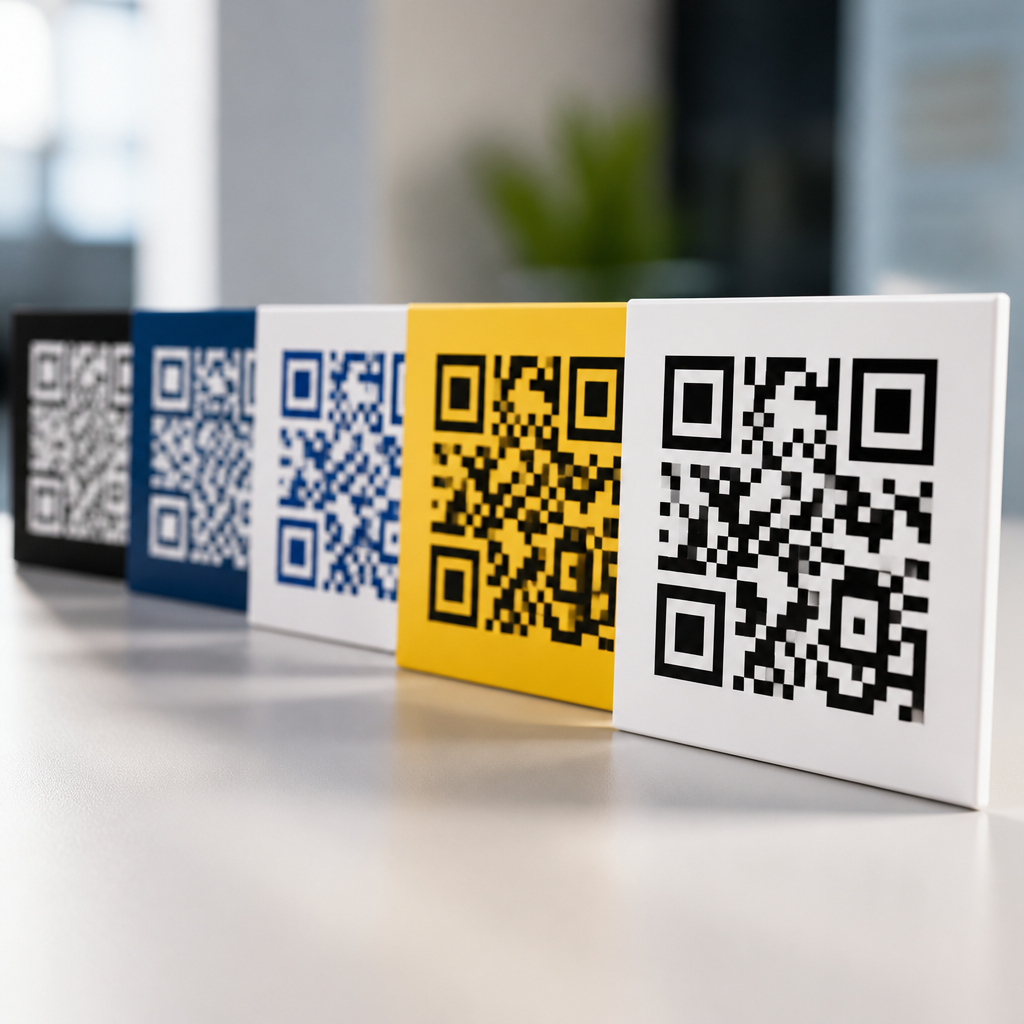
Effective branding starts with contrast and shape discipline. Dark modules on a light background remain the safest option. If using brand colors, test combinations under indoor retail lighting and direct sunlight. Avoid low-contrast pairings such as pastel-on-white or metallic inks on reflective stock. Maintain a sufficient quiet zone around the code, and size it according to viewing distance; a common field rule is roughly one inch for close scanning, increasing with distance and context. Rounded modules, gradient fills, and center logos can work, but they must be validated across iPhone and Android native camera apps, not just a desktop generator preview.
Frame text is one of the most underused brand tools in QR code design. A simple border with a direct call to action such as “Scan to customize,” “Scan for recipes,” or “Scan to register warranty” increases comprehension immediately. The frame can also carry campaign language, seasonal art direction, or loyalty messaging without compromising the code itself. In packaging programs I have managed, adding concise frame copy consistently outperformed bare codes because customers understood the reward before scanning. Good QR branding therefore balances identity cues with usability fundamentals.
Matching scan context to brand message and customer intent
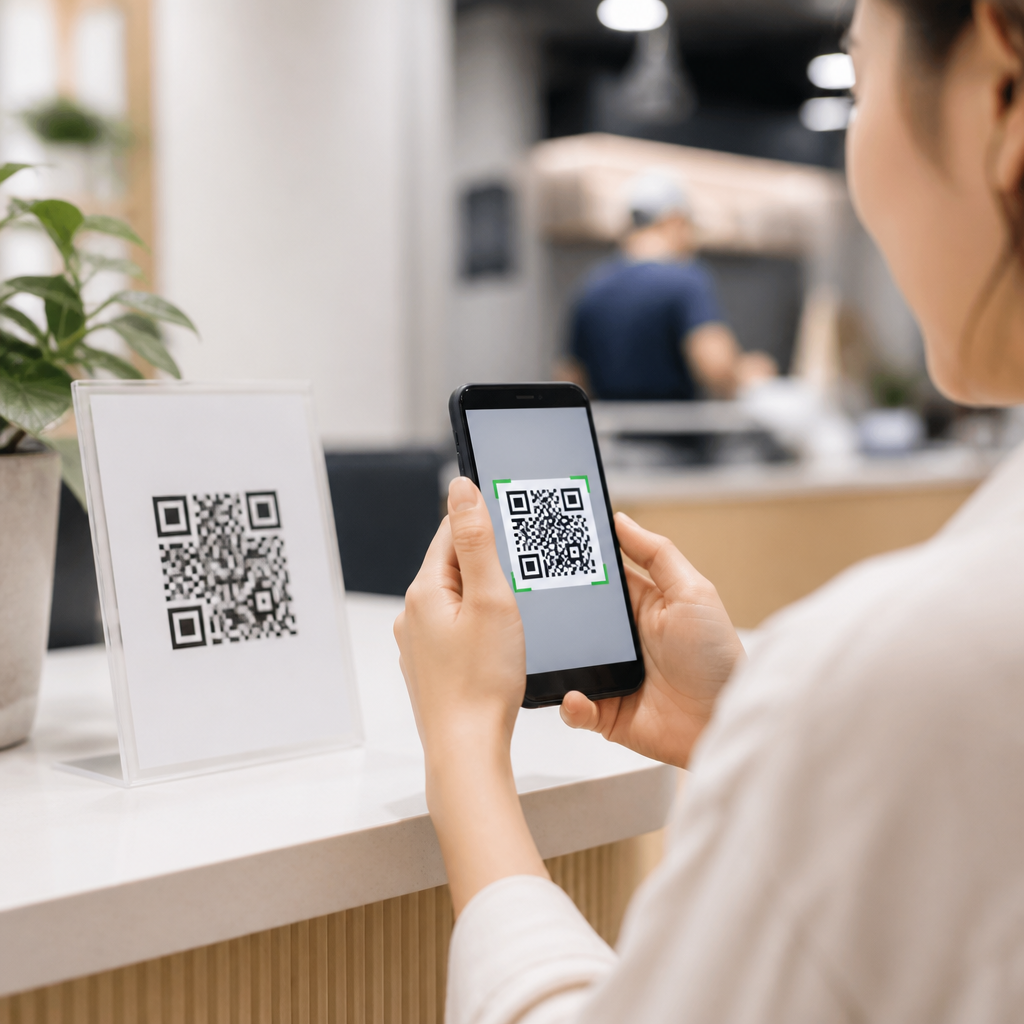
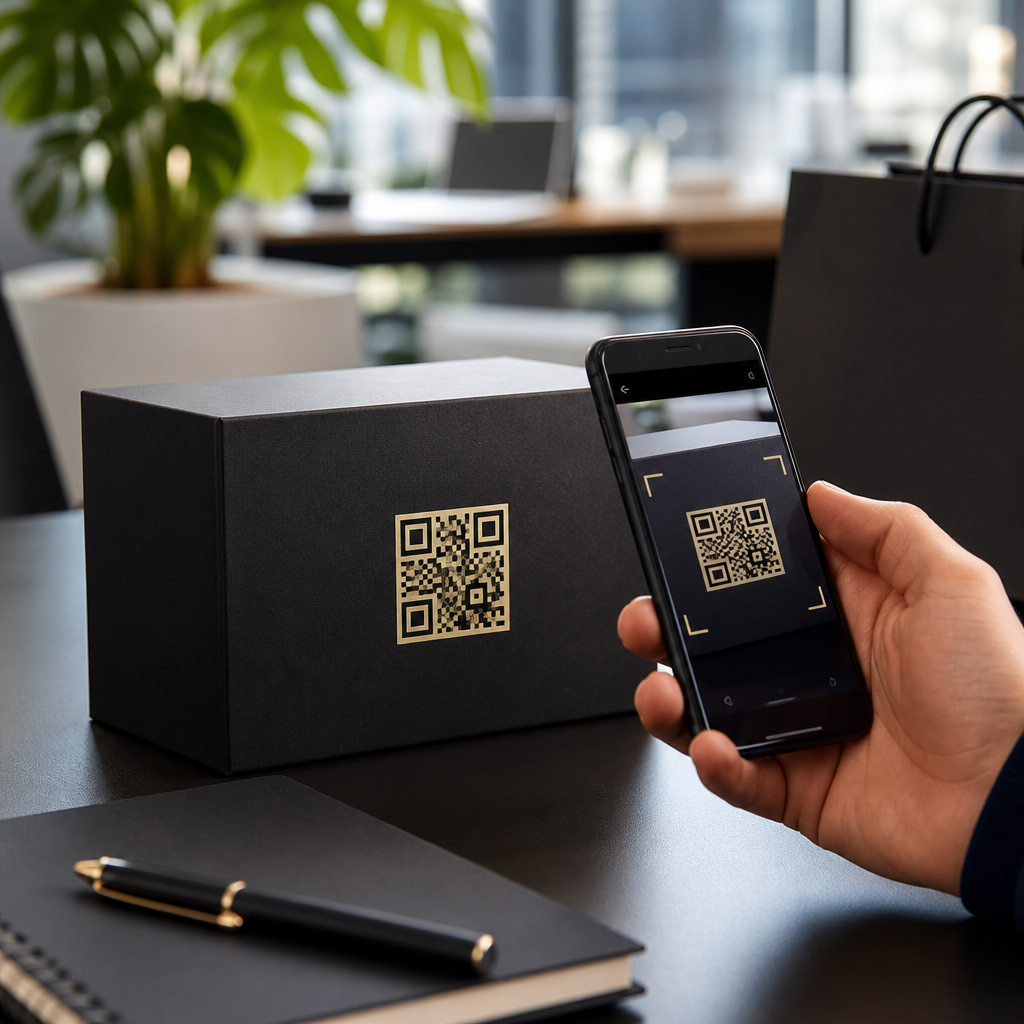
QR codes perform differently depending on where they appear, so advanced branding strategy starts with context. A code on product packaging serves a different role than a code on an in-store endcap, direct mail postcard, trade show badge, restaurant table tent, or out-of-home billboard. Each context brings its own customer intent, time pressure, and device conditions. Branding with QR codes succeeds when the message reflects that moment. On-pack codes often support education, authentication, ingredients, setup, sustainability claims, or loyalty enrollment. Retail display codes are better for promotions, reviews, product comparison, or store locator flows. Event codes can deliver agendas, speaker bios, lead capture, or post-session resources.
Intent mapping helps brands avoid the common mistake of sending every scanner to a homepage. Homepages are broad; scans are specific. If a shopper scans a coffee bag for origin information, the destination should open directly to sourcing details, brew guides, and flavor notes for that SKU. If a furniture buyer scans a showroom placard, the mobile page should present dimensions, materials, finish options, stock status, and financing, not a generic catalog. Relevance is branding because relevance signals that the company understands the customer. It also improves measurable outcomes including time on page, completion rates, and assisted conversion.
Building a branded post-scan experience that converts
The landing experience is where QR branding either compounds value or collapses. Every post-scan page should load quickly, match the visual language of the source material, and prioritize a single next action. That action might be buying, booking, registering, downloading, verifying, learning, or sharing. Mobile-first design is nonnegotiable. Compress images, minimize scripts, use readable type, and surface the primary button above the fold. If the code appears on a package in a store aisle, the destination must work on mobile data with one hand and limited attention.
Brand continuity should be unmistakable. Use the same logo variant, color palette, tone of voice, and campaign naming convention users saw before the scan. Include reassurance cues such as the brand URL, customer support links, privacy notes for forms, and recognizable product imagery. For loyalty and CRM programs, progressive profiling works well: ask for minimal information on first scan, then enrich profiles over time. For storytelling campaigns, use modular content blocks so one scan can unlock a short video, social proof, FAQs, and a product CTA without overwhelming the user.
| Use case | Best QR destination | Branding objective | Key metric |
|---|---|---|---|
| Product packaging | SKU-specific product page | Trust and education | Scan-to-engagement rate |
| Retail signage | Offer or comparison page | Conversion lift | Offer redemption |
| Direct mail | Personalized landing page | Response attribution | Visit-to-form completion |
| Events | Lead capture or session hub | Relationship building | Qualified leads |
| After-sales support | Setup, warranty, or help center | Retention and service | Support deflection |
Using data, governance, and testing to strengthen brand performance
Advanced branding with QR codes depends on measurement discipline. Dynamic QR codes are essential because they allow destination changes without reprinting assets and enable campaign-level analytics such as scans by time, device, geography, and source placement. UTM parameters should be standardized so web analytics platforms like Google Analytics 4 can tie scans to sessions, conversions, and assisted revenue. In omnichannel programs, I also recommend linking QR data to CRM, POS, or marketing automation systems when privacy policies and consent frameworks allow it. That connection reveals whether scans produce first purchases, repeat purchases, support savings, or loyalty growth.
Governance matters just as much as analytics. Brand teams should maintain a QR style guide covering approved colors, minimum size, quiet zone, logo treatment, CTA copy, destination requirements, and accessibility expectations. Legal and compliance teams may need review workflows for regulated sectors such as healthcare, alcohol, financial services, and supplements. Operationally, every code should have an owner, expiration policy, and redirect audit schedule. Broken links, outdated offers, and retired microsites damage trust faster than most teams realize.
Testing should include both technical and messaging variables. Validate scan speed on different devices, print stocks, and lighting conditions. A/B test CTA language, frame shapes, placement height, and landing page structure. In one retail pilot, moving a code from the bottom shelf strip to eye-level signage increased scans because customers could access it without crouching. In another packaging test, replacing “Learn more” with “See how to use it” improved engagement because the value proposition became concrete. QR branding becomes advanced when decisions are evidence-based rather than purely aesthetic.
Common mistakes, limitations, and how to avoid them
The most common mistake is treating the QR code itself as the campaign. The code is only the bridge. The real branded experience includes the context, incentive, destination, and follow-up. Other frequent errors include overdesigned symbols that fail to scan, codes placed where connectivity is weak, campaigns without a clear benefit, and landing pages that are not mobile optimized. Another problem is inconsistency: one department uses a branded short link and polished page, while another prints unframed generic codes leading to a homepage. Customers notice that mismatch.
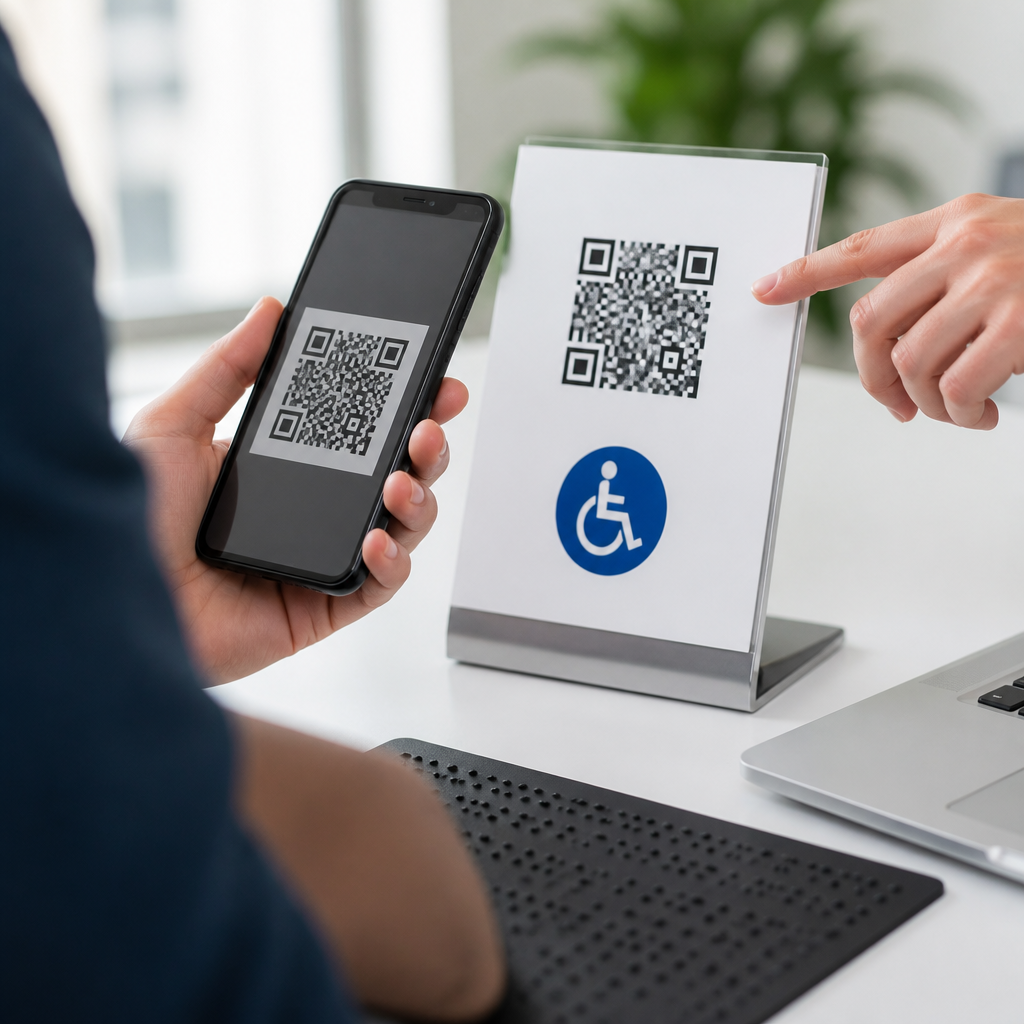
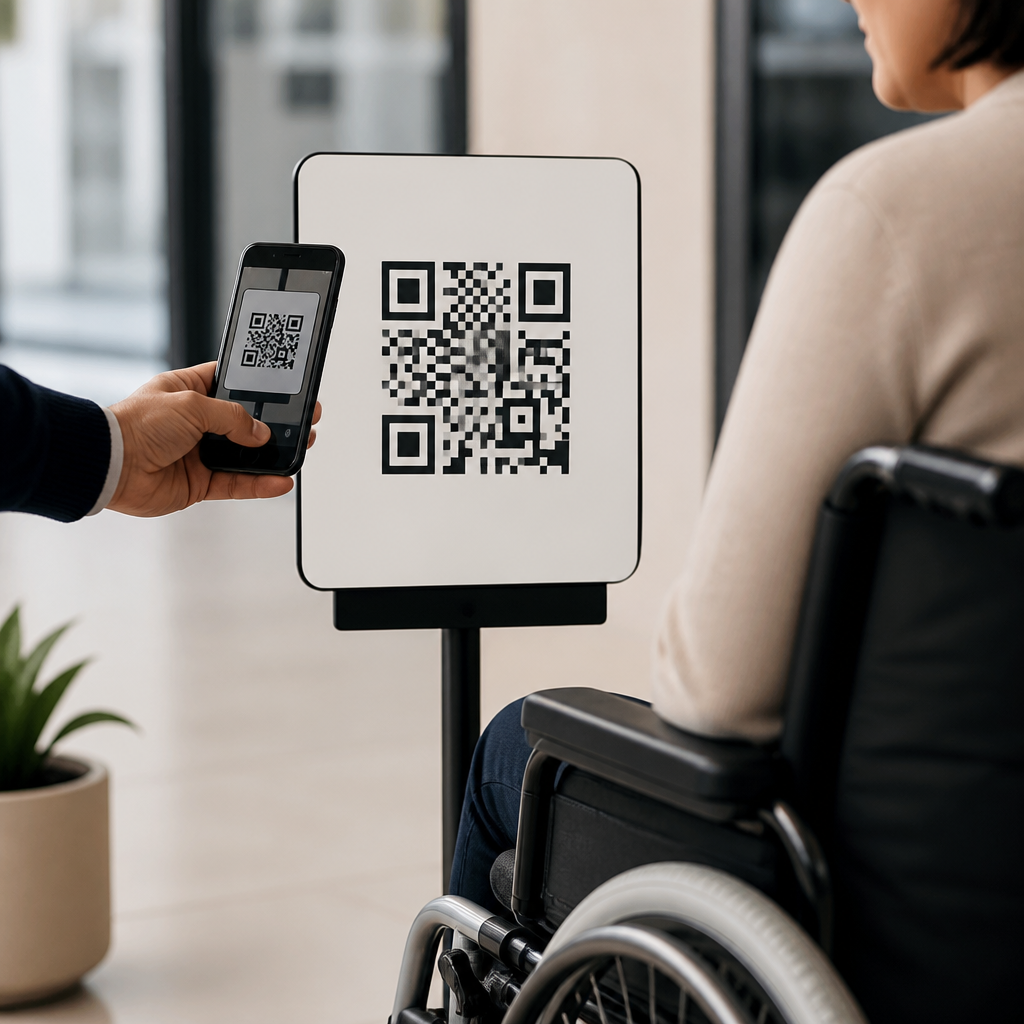
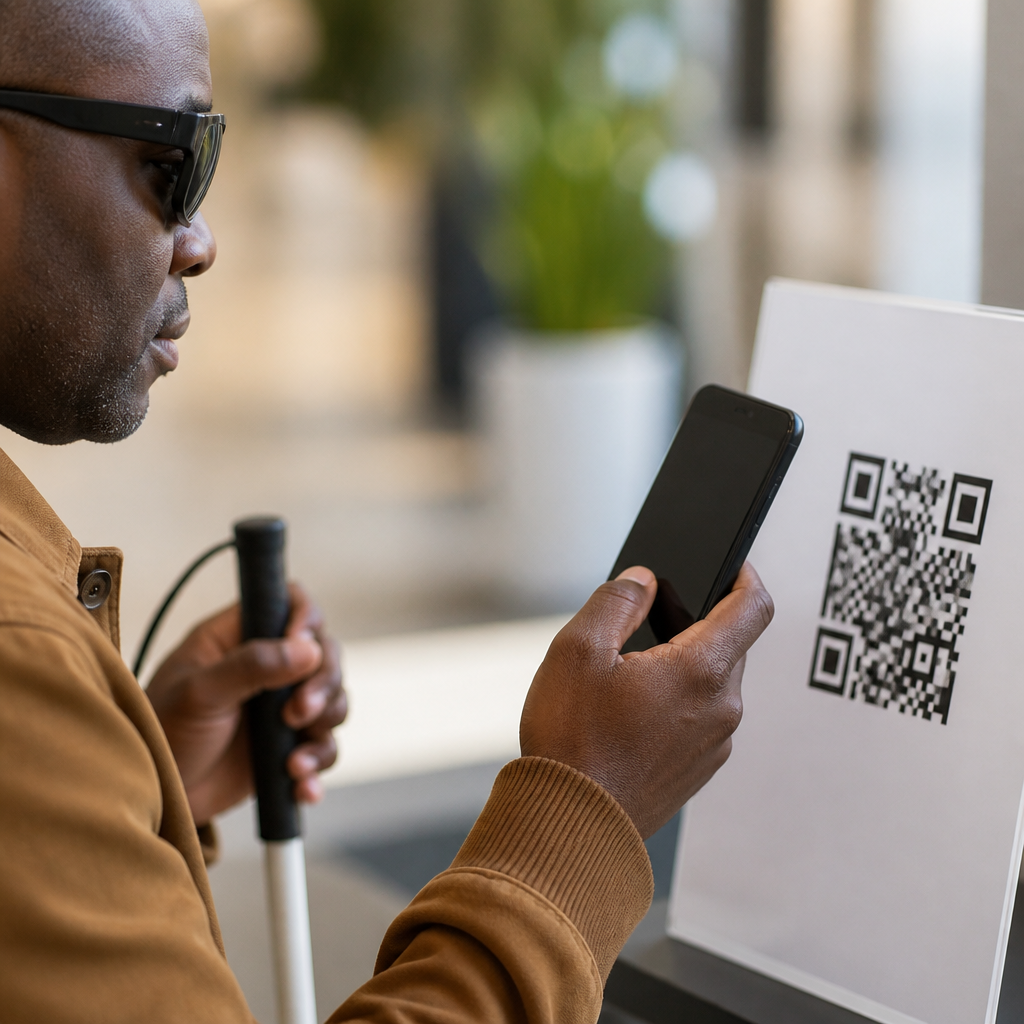
There are limitations to acknowledge. Not every audience wants to scan, especially in environments where typing a short URL may feel easier. Some surfaces, like moving vehicles or distant billboards, are poor fits unless dwell time is long. Privacy expectations also matter; if a scan leads to immediate data collection, the request must be transparent and proportionate. Accessibility should be considered too. Provide a visible fallback URL, readable instructions, and enough contrast for low-vision users. The strongest branding strategy is inclusive, technically sound, and realistic about where QR codes help most.
Advanced branding strategies using QR codes succeed when brands treat every scan as a designed interaction rather than a technical afterthought. The essentials are clear: preserve scan reliability, align the code with recognizable identity cues, match the destination to customer intent, and measure outcomes with disciplined analytics. When those pieces work together, QR codes do more than move people online. They strengthen trust, improve recall, support attribution, and create a seamless bridge between physical touchpoints and mobile experience. As the hub for branding with QR codes, this topic connects naturally to deeper work on packaging UX, dynamic code management, scan analytics, CTA writing, and mobile landing page optimization. If you want better results from print, retail, events, or product packaging, audit your current codes, map each one to a specific customer job, and redesign the post-scan journey with your brand standards in mind.
Frequently Asked Questions
1. What makes a QR code part of a brand strategy instead of just a link?
A QR code becomes part of a brand strategy when it is treated as a designed customer touchpoint rather than a purely functional shortcut. In advanced branding, the code itself, its call to action, where it appears, what happens after the scan, and how the brand follows up all work together to reinforce recognition and trust. That means the visual treatment should align with the company’s identity, the placement should match customer intent, and the destination should feel like a seamless continuation of the experience the customer expected when scanning.
For example, a code on premium packaging should not send users to a generic homepage. It should lead to a mobile-optimized experience that reflects the same tone, visuals, offer, and product context the customer just encountered. A code on in-store signage might open a store-specific promotion, a product education page, or a loyalty action. A code in print may need to bridge offline awareness to online engagement quickly, with concise messaging and fast-loading content. In each case, the scan should feel deliberate and unmistakably connected to the brand.
What separates advanced branding from basic usage is measurement and consistency. Branded QR campaigns are usually built with trackable destinations, campaign parameters, testing across environments, and clear success metrics such as scan rate, time on page, conversion rate, repeat engagement, or assisted sales. Instead of asking only whether people scanned, strong brands ask what the scan contributed to the wider journey. That is how a QR code shifts from being a technical tool to being a strategic asset across packaging, signage, retail, print, and mobile channels.
2. How should businesses design QR codes so they look branded without hurting scan performance?
The best branded QR codes balance identity and usability. It is absolutely possible to incorporate brand colors, logo elements, custom frames, and visual styling, but the code must still scan instantly under real-world conditions. That means preserving strong contrast, maintaining a clean quiet zone around the code, avoiding excessive distortion, and testing the design on multiple phone models, camera qualities, lighting conditions, and print sizes. A QR code that looks beautiful but scans poorly damages both performance and brand perception.
From a branding perspective, the most effective approach is usually subtle customization rather than overdesign. Brands can use a frame with a clear call to action, apply approved brand colors while keeping enough contrast between foreground and background, and place a small logo in the center if the error correction level supports it. The surrounding context matters just as much as the code itself. Typography, packaging layout, signage hierarchy, and nearby copy all help communicate that the code belongs to the brand and serves a specific purpose.
It is also important to match design choices to the environment. A QR code on a billboard needs to be larger and simpler than one on product packaging. A code used in a retail aisle must scan quickly from a standing position and under inconsistent lighting. A code printed on textured material or curved packaging may require extra size and testing. Advanced teams often create brand-compliant QR design standards that define minimum size, color rules, logo usage, contrast thresholds, and approved call-to-action language. That keeps campaigns visually consistent while protecting scan reliability at scale.
3. Where should branded QR codes be placed for the strongest customer engagement?
Placement should follow customer intent, not just available space. The strongest branded QR code placements appear at moments when people naturally want more information, want to take the next step, or need a convenient bridge from physical to digital. On packaging, that could mean product tutorials, authenticity verification, ingredient sourcing, refill options, warranty registration, or membership enrollment. In stores, placement may support comparison shopping, reviews, guided selling, limited-time offers, or location-specific campaigns. In print, signage, or events, the code can move attention into a richer digital experience without forcing the customer to search later.
Effective placement also depends on visibility and context. The code should be easy to notice, easy to reach, and paired with a clear reason to scan. Generic instructions like “scan here” underperform compared with direct value propositions such as “See how it works,” “Unlock member pricing,” or “Watch a 30-second demo.” The brand should also consider the physical reality of the placement: viewing distance, movement, glare, packaging folds, shelf edges, and whether customers have one hand free. These practical details have a major effect on scan rates.
From a strategic branding standpoint, different placements can support different stages of the customer journey. A code on external packaging may attract prospects in retail. A second code inside the box can support onboarding and product adoption. A code on a receipt or thank-you insert can drive reviews, referrals, or loyalty enrollment. A code at an event booth can capture leads and continue the conversation after the event. Advanced brands map QR placements across touchpoints so each one serves a distinct role while still feeling part of one connected brand experience.
4. What should happen after someone scans a branded QR code?
The post-scan experience is where branding either becomes credible or falls apart. After a scan, the user should land on a fast, mobile-first destination that clearly matches the promise made before the scan. The page should load quickly, use brand-consistent design, and present the next action immediately. If the code offered a tutorial, show the tutorial first. If it promised an exclusive offer, surface the offer right away. If it was connected to a product, the landing page should reflect that exact product and not force the customer to navigate from a generic homepage.
Advanced branding strategies treat the landing page as part of the same experience as the code’s physical environment. Packaging, signage, and print create expectations, and the landing experience should confirm them through design, message continuity, and relevance. This includes using consistent imagery, tone of voice, product naming, and campaign language. It may also include personalized or contextual content based on location, time, product SKU, store, or campaign source. The stronger the continuity, the more natural and trustworthy the interaction feels.
After the immediate action, brands should think about what comes next. A strong post-scan journey may include email or SMS opt-in, loyalty connection, related product recommendations, support content, social sharing, store locator tools, or retargeting-ready analytics. The key is to avoid friction and keep the experience useful. Customers should never feel that scanning created extra work. When brands design the full after-scan journey carefully, QR codes become not just acquisition tools but also retention, education, and conversion drivers that extend brand value beyond the first interaction.
5. How can brands measure the success of advanced QR code branding campaigns?
Success should be measured across both engagement and business outcomes. At a basic level, brands should track scans, unique users, scan location, device type, time of day, and conversion behavior on the destination page. But advanced campaigns go further by connecting QR performance to channel strategy, customer journey stage, and downstream results such as purchases, lead generation, sign-ups, app installs, product registration, or repeat visits. This helps brands understand not only whether the code was used, but how it influenced real customer behavior.
Good measurement starts with structure. Each QR code should map to a specific campaign, placement, audience, and objective. Dynamic QR codes are especially useful because they allow brands to update destinations without reprinting assets and often provide richer analytics. UTM parameters, first-party analytics, CRM integration, coupon redemption tracking, and store-level reporting can all help connect scans to outcomes. If a brand uses QR codes across packaging, shelf talkers, direct mail, window displays, and event materials, each one should be distinguishable in reporting so performance can be compared accurately.
Brands should also evaluate qualitative signals alongside the numbers. A high scan rate with low conversion may indicate a mismatch between the call to action and the landing page. A low scan rate on a high-traffic placement may point to poor visibility, weak incentive, or confusing instructions. Strong results often come from ongoing testing of message, design, placement, destination, and offer. Over time, the most valuable insight is not just which code performed best, but which branded experience moved customers most effectively from physical attention to digital action and then to measurable business impact.