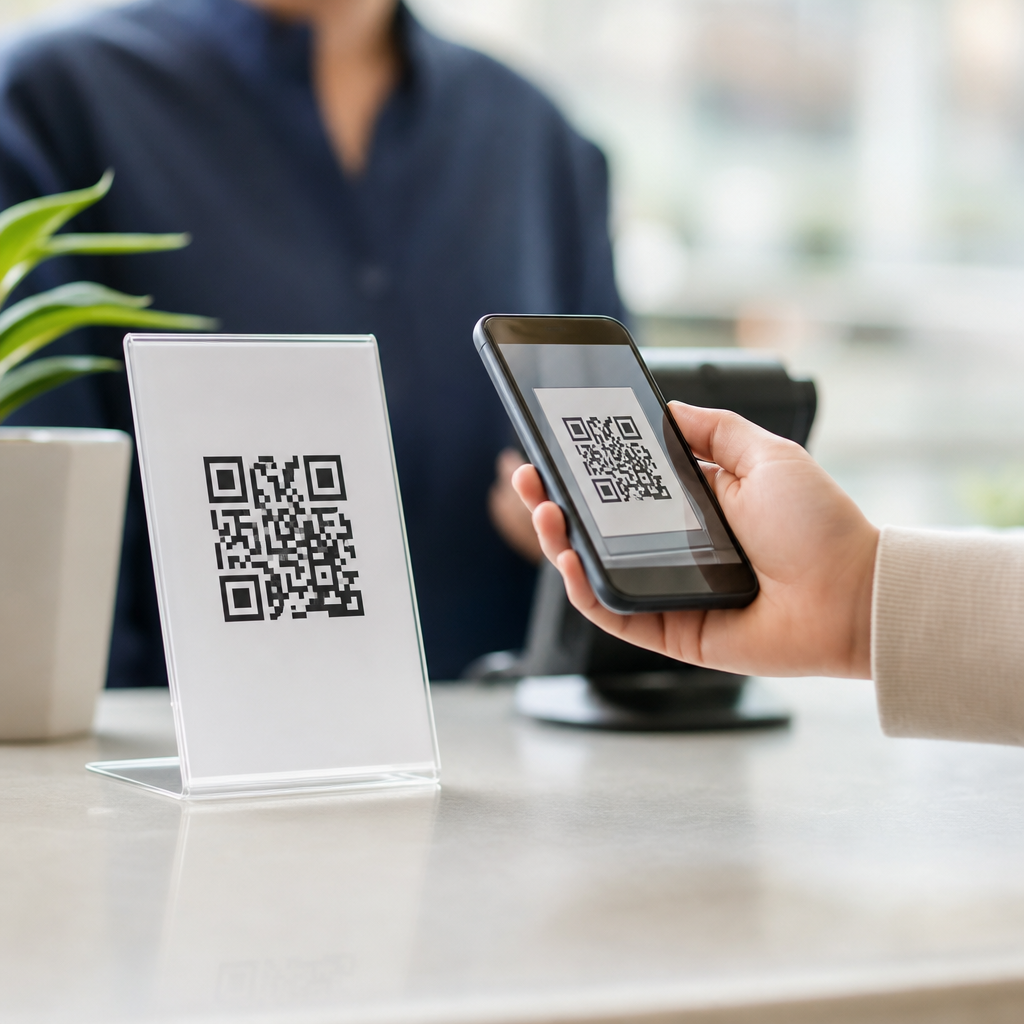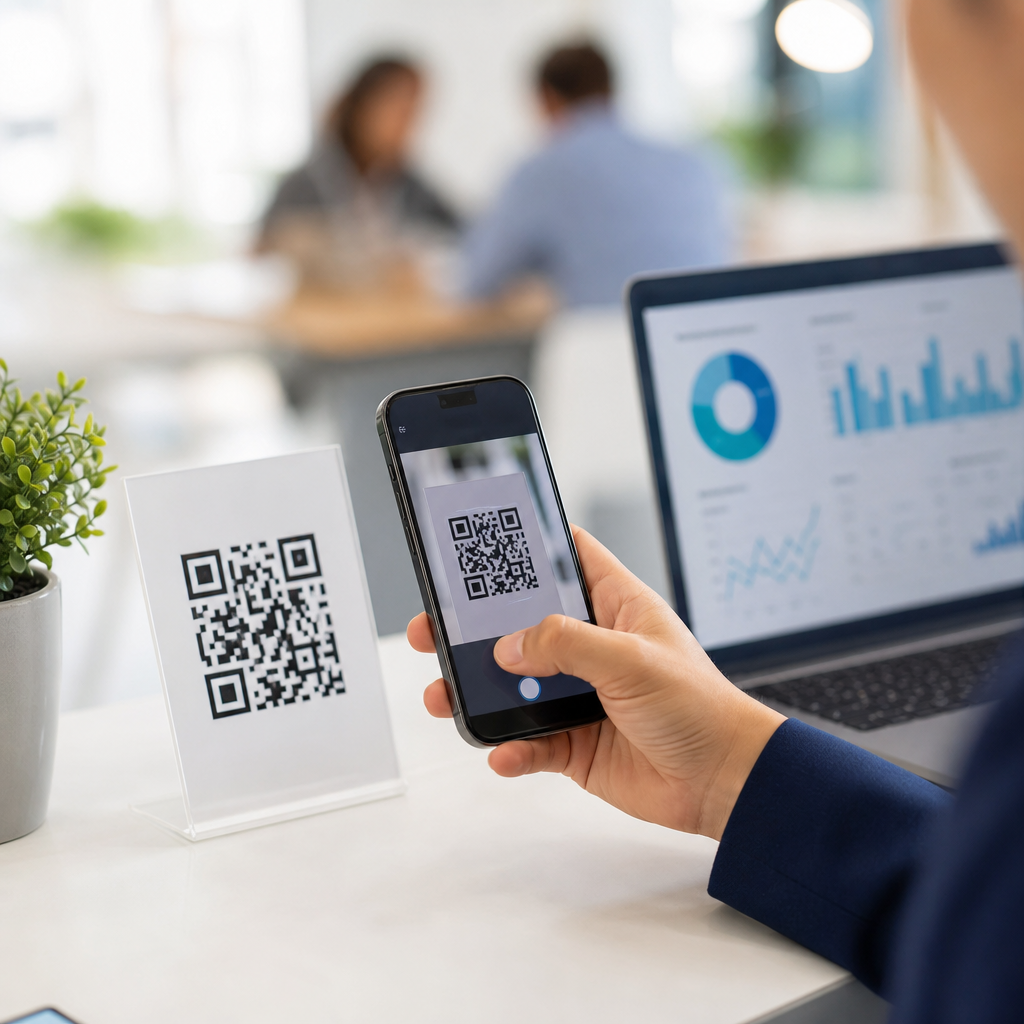
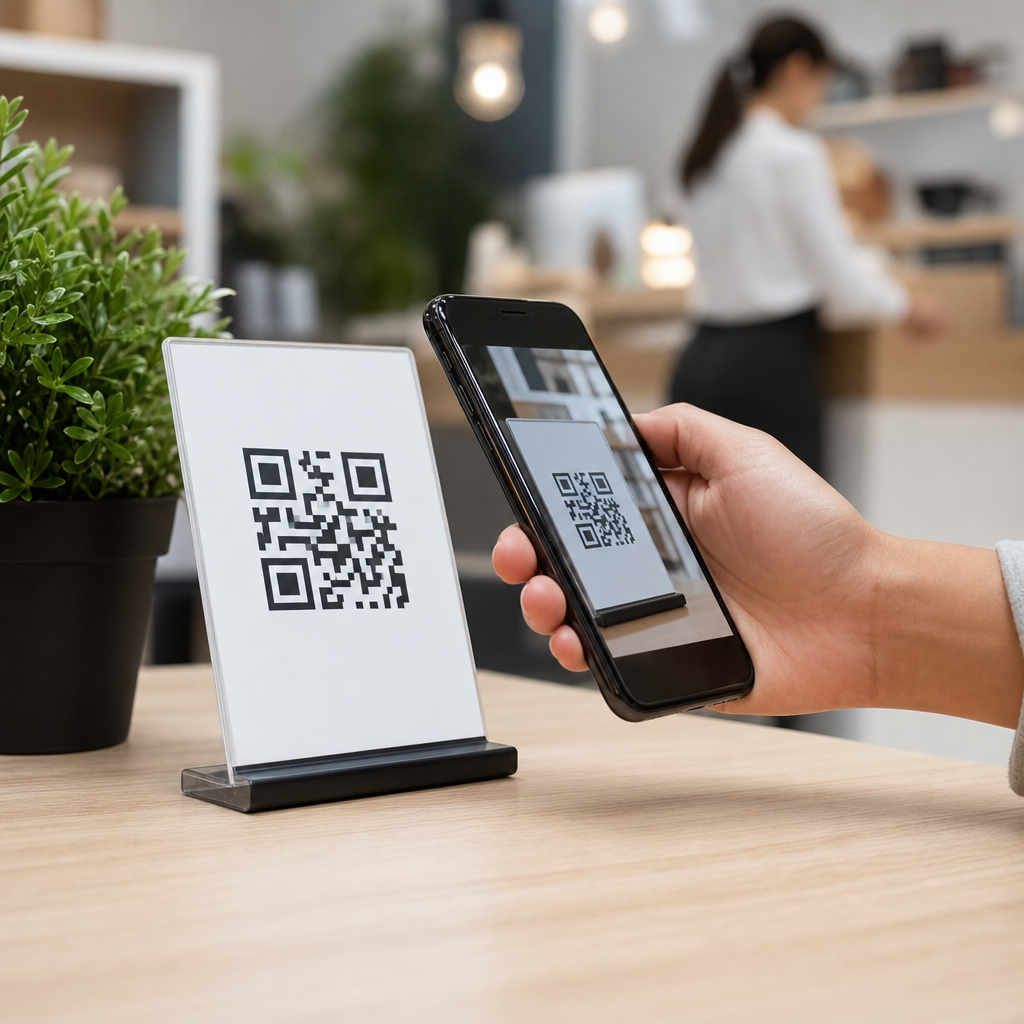
QR codes have become one of the most practical tools in small business marketing because they connect offline attention to online action in seconds. A QR code, or quick response code, is a scannable matrix barcode that opens a web page, payment screen, menu, contact card, app, review form, coupon, or other digital asset when a customer points a smartphone camera at it. For small businesses with limited budgets, that simple scan removes friction. It shortens the path between seeing a sign and taking action, which is why QR codes now appear on storefront windows, product packaging, restaurant tables, flyers, receipts, event booths, and direct mail pieces.
In my work with local retailers, service firms, and hospitality brands, the biggest value of mobile QR codes is not novelty. It is measurable convenience. A customer does not need to type a long URL, search for a business later, or remember an offer code from a poster. They scan once and land exactly where the business wants them to go. That direct route improves response rates, helps owners attribute offline campaigns, and supports a mobile-first customer journey. Since most consumers carry smartphones everywhere, QR codes let even very small companies act like sophisticated marketers without enterprise software or large media budgets.
This matters because small business marketing often fails at the handoff. People notice a display, menu insert, postcard, or package, but interest fades before they reach the website or checkout page. Mobile QR codes fix that gap. They support lead generation, digital payments, loyalty programs, appointment booking, social follows, product education, and customer feedback. They also fit neatly into a broader local marketing system, linking print assets to landing pages, maps, and campaign tracking. As a hub topic, the benefits of mobile QR codes are best understood as a mix of convenience, conversion efficiency, low cost, flexibility, and measurable performance across many touchpoints.
QR codes reduce friction and increase conversion opportunities
The primary reason QR codes are useful for small business marketing is friction reduction. Every extra step between interest and action lowers conversion rates. Typing a URL from a poster is slower than scanning. Searching for a menu, form, or offer on a phone introduces distractions. A mobile QR code eliminates those steps by opening the intended destination instantly. For a café, that might mean a digital menu. For a contractor, it could be a quote request form. For a salon, it may be an appointment page connected to Square Appointments or Calendly. In each case, the code turns casual attention into a specific, trackable interaction.
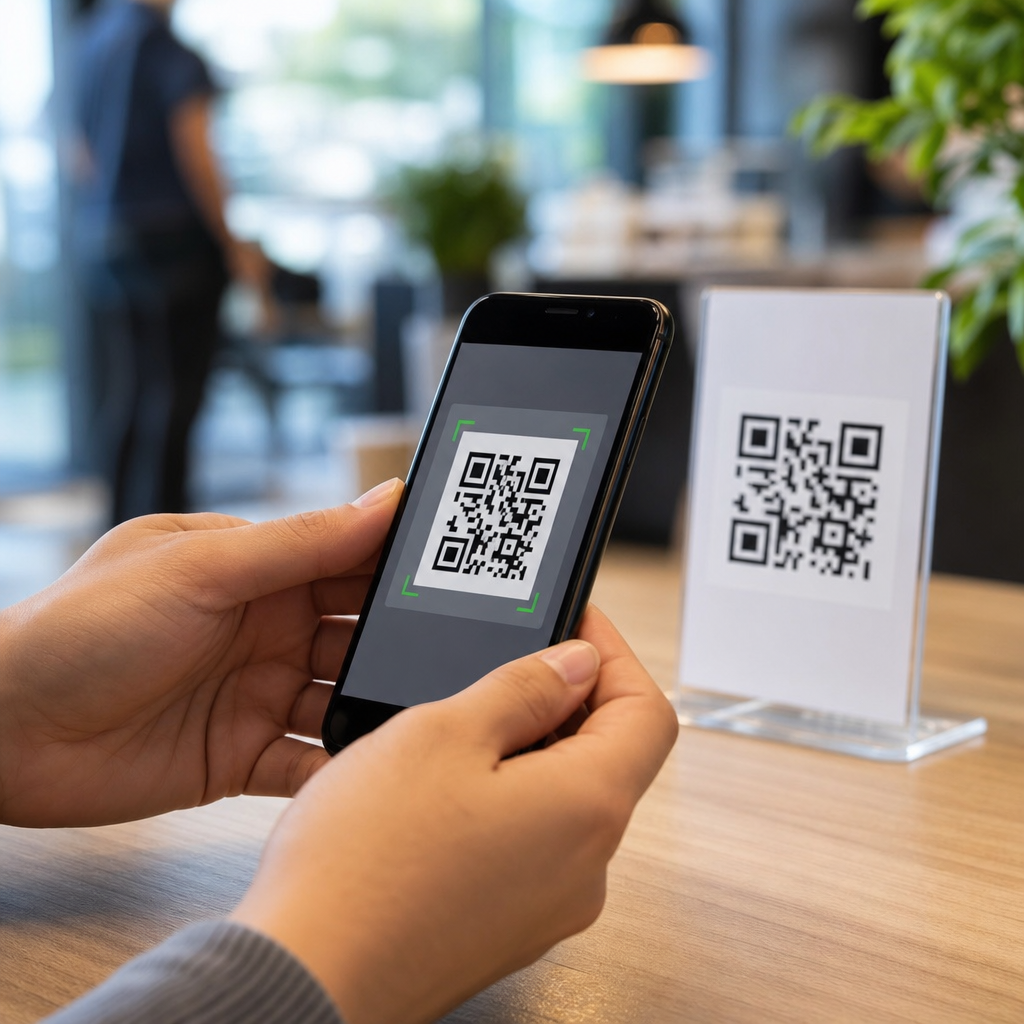
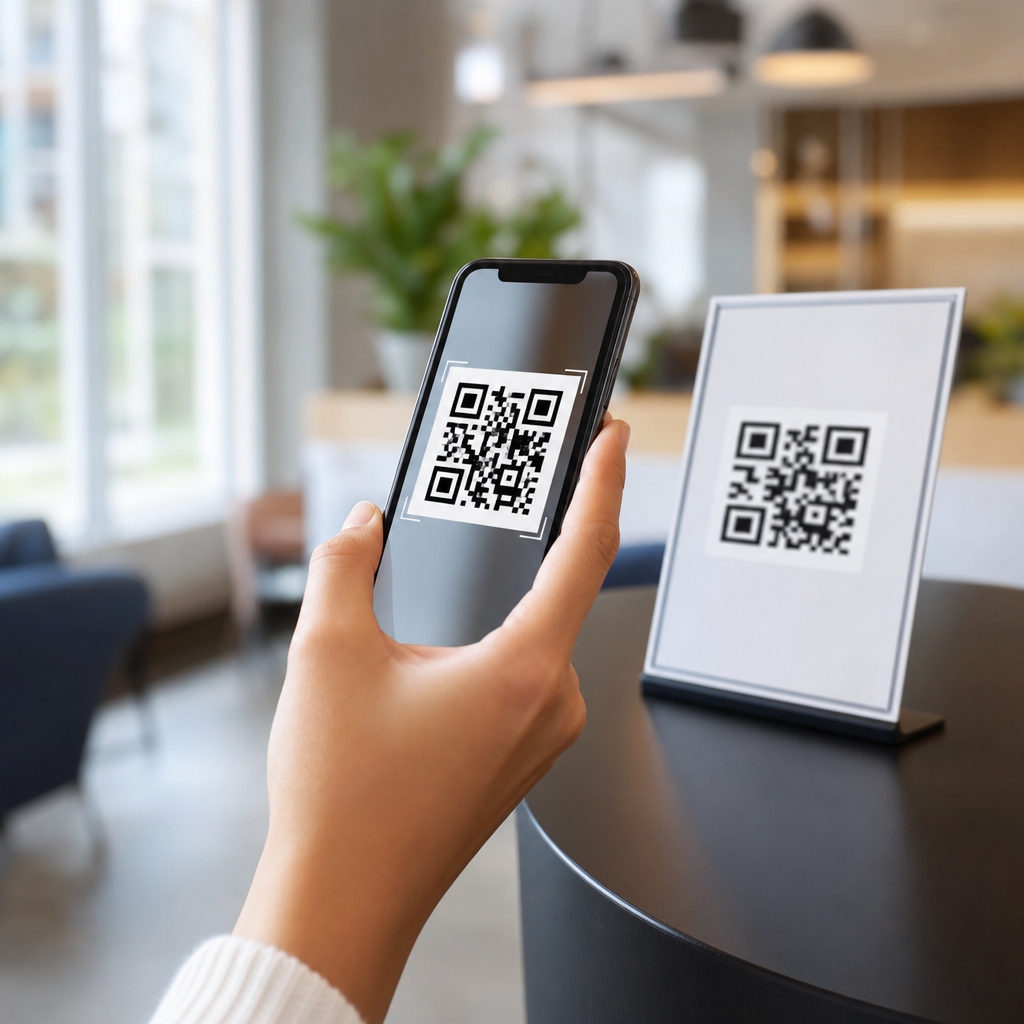
That speed matters in real customer contexts. Someone walking past a storefront has only a few seconds of attention. A table tent in a restaurant must compete with conversation and time pressure. A package insert has to work when the buyer is already handling the product. QR codes perform well in these moments because they meet people on the device already in their hands. Good implementations use a clear call to action such as “Scan to book,” “Scan for today’s lunch menu,” or “Scan for 10% off your next visit.” When businesses pair the code with a benefit and a mobile-optimized landing page, scans are more likely to convert into clicks, sign-ups, or sales.
Dynamic QR codes strengthen this benefit because the destination can be updated without reprinting the code. I often recommend dynamic codes for seasonal promotions, event campaigns, and printed materials with long shelf lives. A boutique can use the same code on shopping bags but change the destination from a holiday gift guide to a spring loyalty offer. That preserves print spend while keeping campaigns current.
They make offline marketing measurable and easier to optimize
Small businesses rarely have the luxury of wasted marketing spend, so measurement matters. QR codes create a practical bridge between offline media and digital analytics. By attaching UTM parameters to the destination URL and using tools such as Google Analytics 4, Search Console, HubSpot, Bitly, or a QR platform dashboard, owners can see how many people scanned, what device they used, which campaign drove traffic, and whether visitors completed a desired action. That is far more actionable than distributing flyers and guessing what happened.
Measurement changes decision-making. A real estate agent can place separate QR codes on yard signs, mailers, and open-house sheets to identify which channel drives the most listing inquiries. A fitness studio can compare scans from window posters versus Instagram story screenshots used in print at a local event. A food truck can test two different offer messages on table signage and observe which one leads to more online orders. Once the business knows what placement and message work, it can shift budget to the highest-performing assets.
Tracking also supports better local marketing coordination. A printed postcard can send users to a neighborhood-specific landing page. A receipt code can drive review requests to Google Business Profile. An in-store display can link to an FAQ page that reduces staff time spent answering repetitive questions. When these actions are measured consistently, the business sees not just scans, but business outcomes like bookings, calls, orders, and reviews.
| Use case | Typical QR destination | Primary marketing benefit |
|---|---|---|
| Storefront sign | Map, hours, or offer page | Captures foot traffic after hours |
| Table tent | Menu or order page | Speeds ordering and upsells |
| Direct mail | Campaign landing page | Measures offline response accurately |
| Packaging insert | Review form or how-to guide | Improves retention and feedback rates |
| Event booth | Lead form or catalog | Collects leads without paper forms |
QR codes are affordable, flexible, and easy to deploy
Another major benefit of mobile QR codes is cost efficiency. Most small businesses can create basic codes for little or no cost, and even paid dynamic platforms are inexpensive compared with many advertising channels. Because the code itself is only a gateway, it can be placed almost anywhere: business cards, menus, labels, invoices, posters, vehicle wraps, trade show displays, window decals, brochures, receipts, and product packaging. That flexibility gives small companies more value from physical materials they already produce.
Ease of deployment is equally important. Modern smartphones scan QR codes directly from the camera app on iPhone and Android devices, so no special app is usually required. Staff training is minimal. A bakery can add a code to a counter card that links to a custom cake inquiry form. A plumber can print one on door hangers that opens emergency service contact options. A yoga studio can place one at the front desk for class schedules and membership signup. These are simple changes, but they extend the reach of existing marketing touchpoints.
Flexibility includes content variety. Not every code should lead to the home page. The best-performing campaigns send users to a tightly matched destination: a PDF menu, Apple Maps listing, Yelp review page, WhatsApp chat, Wi-Fi login, coupon, digital loyalty card, or instructional video. In practice, relevance drives results. The closer the destination matches the customer’s immediate context, the more useful the scan feels.
They improve customer experience across the full buying journey
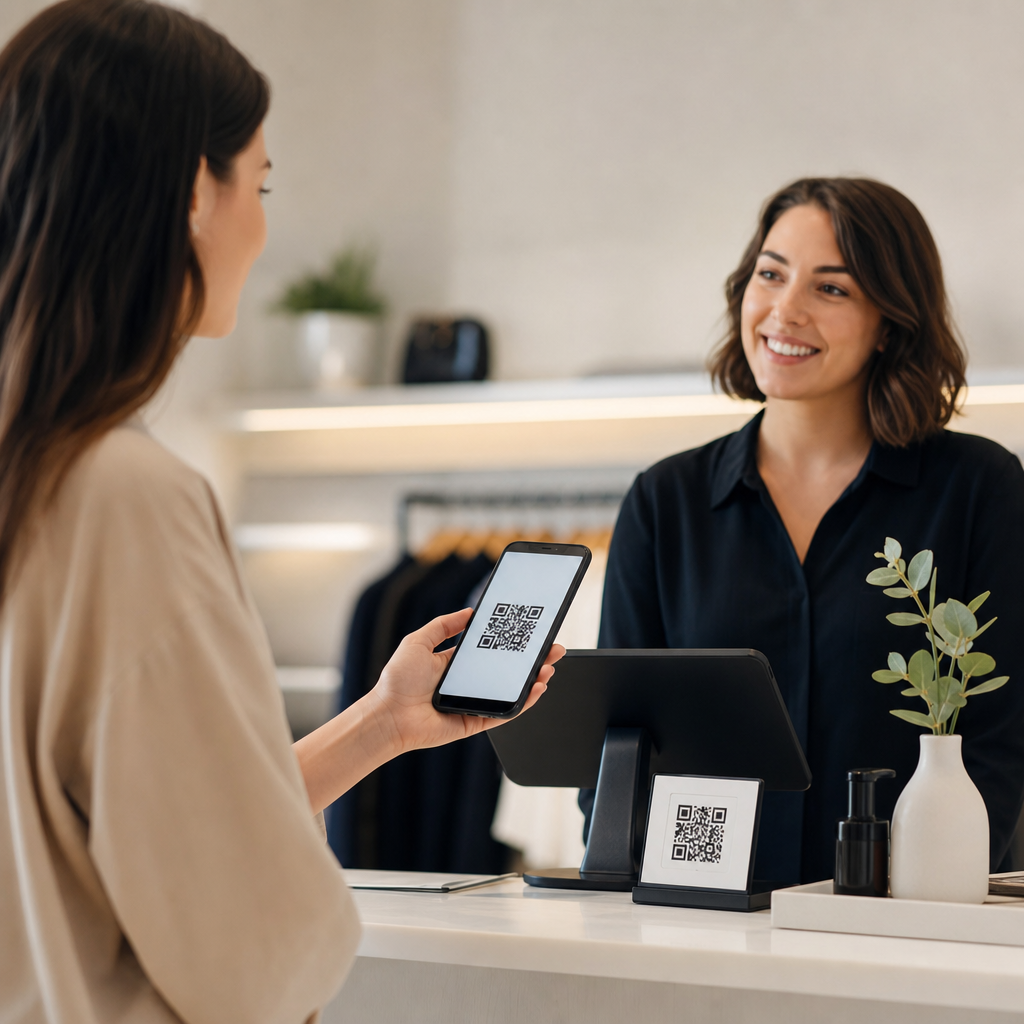
QR codes help at every stage of the customer journey: discovery, evaluation, purchase, service, and retention. During discovery, they turn signs, print ads, and packaging into clickable media. During evaluation, they can open product specs, ingredient lists, testimonials, case studies, or pricing information. At purchase, they support digital wallets, self-checkout, order-ahead systems, and contactless payments through providers such as Square, PayPal, and Stripe. After the sale, they can trigger setup guides, warranty registration, referral programs, and satisfaction surveys.
Small businesses benefit because better customer experience usually means lower abandonment and stronger repeat behavior. A restaurant that uses QR codes for menu browsing can update prices or specials instantly. A home services company can put a code on leave-behind materials that opens maintenance tips and a seasonal service reminder signup. A retail shop can add codes near shelves linking to size guides, care instructions, or back-in-stock notifications. Each use reduces uncertainty and helps customers move forward without waiting for staff assistance.
Accessibility and trust still matter. Codes should be large enough to scan, placed where lighting allows camera focus, and paired with plain-language instructions. Branded landing pages, HTTPS security, and clear destination labeling reassure users that the scan is legitimate. When customers trust what happens after the scan, they are far more likely to use QR codes repeatedly.
Best practices and limitations small businesses should understand
QR codes are useful, but they are not automatic wins. Poor execution causes weak results. The most common mistakes I see are sending users to a generic home page, using codes without a clear value proposition, printing them too small, or failing to test on multiple phones. A code should always answer a specific customer question or offer a direct benefit. If a printed sign says only “Scan me,” response will usually lag behind a sign that says “Scan to get directions,” “Scan for today’s specials,” or “Scan to claim your first-visit discount.”
Destination quality is another limitation. If the landing page loads slowly, is not mobile optimized, or asks for too much information, the scan is wasted. Businesses should also consider context. In locations with poor connectivity, a code leading to a heavy page may frustrate users. In some cases, a short memorable URL should appear alongside the code as a backup. Static codes are fine for permanent pages, but dynamic codes are better when campaigns, products, or tracking needs may change over time.
Privacy and analytics should be handled responsibly. If a scan leads to forms, email capture, or payment, businesses need clear consent language and secure processing. Practical tools include Canva for design, QR Code Generator or Beaconstac for dynamic management, and GA4 for conversion tracking. Used with discipline, these tools turn QR codes from simple graphics into reliable marketing infrastructure.
QR codes are useful for small business marketing because they make mobile action immediate, measurable, and affordable. They reduce friction, connect print to digital, support local discovery, improve customer experience, and help owners learn which campaigns actually drive revenue. Few tools work equally well on a storefront, a mailer, a menu, a package insert, and a receipt, yet QR codes do exactly that when the destination is relevant and the call to action is clear.
For businesses building a stronger mobile marketing foundation, the biggest lesson is simple: treat every QR code as a purposeful customer pathway, not a decoration. Match the code to the moment, send users to a focused mobile page, track outcomes, and update campaigns based on real scan behavior. That approach turns everyday materials into active marketing assets.
If you run a small business, start with one high-intent use case this week: bookings, menu access, reviews, coupons, or payments. Create a well-labeled code, test it on multiple phones, add tracking, and measure what happens. A single smart QR implementation can reveal just how powerful mobile QR code benefits are for growth.
Frequently Asked Questions
What makes QR codes so effective for small business marketing?
QR codes are effective because they turn interest into action almost instantly. Instead of asking someone to remember a website address, type in a long URL, search for a business later, or fill out a form manually, a QR code lets them access the next step with a single scan. That speed matters in small business marketing, where every bit of customer attention is valuable and often brief. A person may notice a flyer, table tent, storefront sign, product label, or event banner for only a few seconds. A QR code helps capture that moment before interest disappears.
They are also highly versatile. A small business can use one QR code to direct people to an online menu, booking page, payment link, coupon, review request, email signup form, digital business card, or social media profile. That flexibility makes QR codes useful across many industries, including retail, restaurants, salons, service businesses, real estate, fitness studios, and local professional services. They work especially well for businesses that need to bridge offline marketing and online conversion without investing in expensive tools or complicated campaigns.
Another major advantage is reduced friction. In marketing, friction is anything that slows a customer down or makes action less likely. QR codes remove several common obstacles at once. Customers do not need to spell a business name correctly, search through results, or manually enter information. The easier the process, the more likely people are to complete the action. For a small business operating on a limited budget, that improvement in conversion can make printed materials, packaging, signage, and in-person promotions perform much better.
How can small businesses use QR codes in practical, everyday marketing?
Small businesses can use QR codes in many low-cost, high-impact ways as part of their everyday marketing. One of the most common uses is placing a QR code on printed materials such as flyers, brochures, postcards, posters, menus, packaging, receipts, or business cards. When scanned, the code can lead customers directly to a promotion, product page, appointment scheduler, or contact form. This makes traditional print marketing more interactive and measurable instead of being a one-way message.
In physical locations, QR codes can improve both customer experience and sales opportunities. A restaurant can link to its menu, online ordering system, loyalty program, or feedback form. A retail shop can place QR codes near featured products so shoppers can see product details, reviews, size options, or related items. A service-based business can add a code at the front desk or waiting area that sends customers to book another appointment, refer a friend, or leave a review. At events, markets, or trade shows, QR codes can quickly connect visitors to a lead capture form or special offer without the need for paper handouts.
They are also useful after the sale. A QR code on packaging or receipts can encourage customers to join an email list, access setup instructions, register a product, claim a discount on their next visit, or follow the business on social media. This helps extend the customer relationship beyond the initial transaction. For small businesses trying to get more value from each customer interaction, QR codes can support awareness, engagement, conversion, retention, and referrals all with a simple, scannable touchpoint.
Do QR codes really help increase conversions and customer engagement?
Yes, QR codes can increase conversions and engagement because they make it easier for customers to respond immediately. In most cases, the biggest barrier in marketing is not lack of interest but delay. When people have to wait until later to visit a website, redeem an offer, or contact a business, many never follow through. QR codes reduce that delay to almost zero. Someone who sees a compelling offer on a sign, package, receipt, or display can act on it in the moment, while motivation is still high.
That immediate action can improve many types of conversion goals. A small business may want more online orders, appointment bookings, email subscribers, loyalty signups, reviews, app downloads, or coupon redemptions. QR codes support all of these by shortening the path between message and response. They are especially helpful on mobile, where customers already have the device in hand and expect convenience. Rather than switching apps, searching manually, or typing a link, they simply scan and continue.
QR codes can also increase engagement by giving customers a more interactive experience. Instead of static marketing materials that only provide information, businesses can use QR codes to unlock videos, how-to guides, testimonials, limited-time offers, FAQs, or personalized landing pages. This adds depth to offline marketing and gives people more reasons to interact with the brand. When paired with a clear call to action such as “Scan for 10% off,” “Scan to book now,” or “Scan to leave a review,” QR codes often perform best because customers understand exactly what benefit they will receive.
Are QR codes affordable and easy for small businesses to implement?
QR codes are one of the most affordable marketing tools available to small businesses. In many cases, creating a basic QR code is free or very inexpensive, and placing it on existing materials often requires only a small design update. Compared with the cost of digital advertising, direct mail campaigns, custom app development, or more complex in-store technology, QR codes offer a very low barrier to entry. That makes them especially attractive for businesses that need practical results without a large marketing budget.
Implementation is also relatively simple. A business first decides what destination the code should open, such as a website, menu, payment page, review platform, lead form, or coupon. Then it generates the code, tests it on different smartphones, and places it in visible, accessible locations. Best practice is to use strong contrast, adequate sizing, and a clear instruction or call to action so customers know why they should scan. A QR code without context may be ignored, but a QR code paired with a useful offer or obvious benefit tends to perform much better.
Many businesses also choose dynamic QR codes, which allow the destination link to be changed later without reprinting the code itself. That can be valuable for seasonal promotions, rotating menus, changing service pages, or updated campaigns. Some platforms also include scan tracking, which gives small businesses useful insights into performance. Overall, QR codes are easy to test, easy to scale, and easy to integrate into both online and offline marketing efforts, making them a practical tool for businesses that want efficient, measurable engagement.
What are the best practices for using QR codes successfully in small business marketing?
The most important best practice is to give customers a clear reason to scan. A QR code should never feel random or unexplained. It should be paired with a direct call to action that tells people what they will get, such as “Scan to see today’s menu,” “Scan for a first-time customer discount,” “Scan to book an appointment,” or “Scan to leave a quick review.” When the value is obvious, scan rates are typically much higher. People want convenience, but they also want to know what happens next.
Placement matters just as much as messaging. QR codes should be easy to spot, easy to reach, and displayed where customers have enough time and light to scan them. For example, they can work well on front windows, checkout counters, packaging, table displays, event booths, waiting areas, and printed handouts. They should be large enough to scan comfortably and printed with good contrast. Businesses should also test them on multiple devices before launch to make sure the destination page loads quickly and works well on mobile, since most scans happen on smartphones.
It is also smart to connect the QR code to a specific business goal. Rather than sending everyone to a generic homepage, use targeted landing pages that match the context of the scan. A code on a product display should lead to that product or category. A code on a receipt might lead to a loyalty offer or review page. A code on an event sign might lead to a lead form or time-sensitive promotion. This improves relevance and conversion potential. Finally, businesses should monitor performance when possible, refine the destination based on results, and keep the customer experience simple. The most successful QR code campaigns are clear, useful, fast, and directly connected to what the customer wants in that moment.