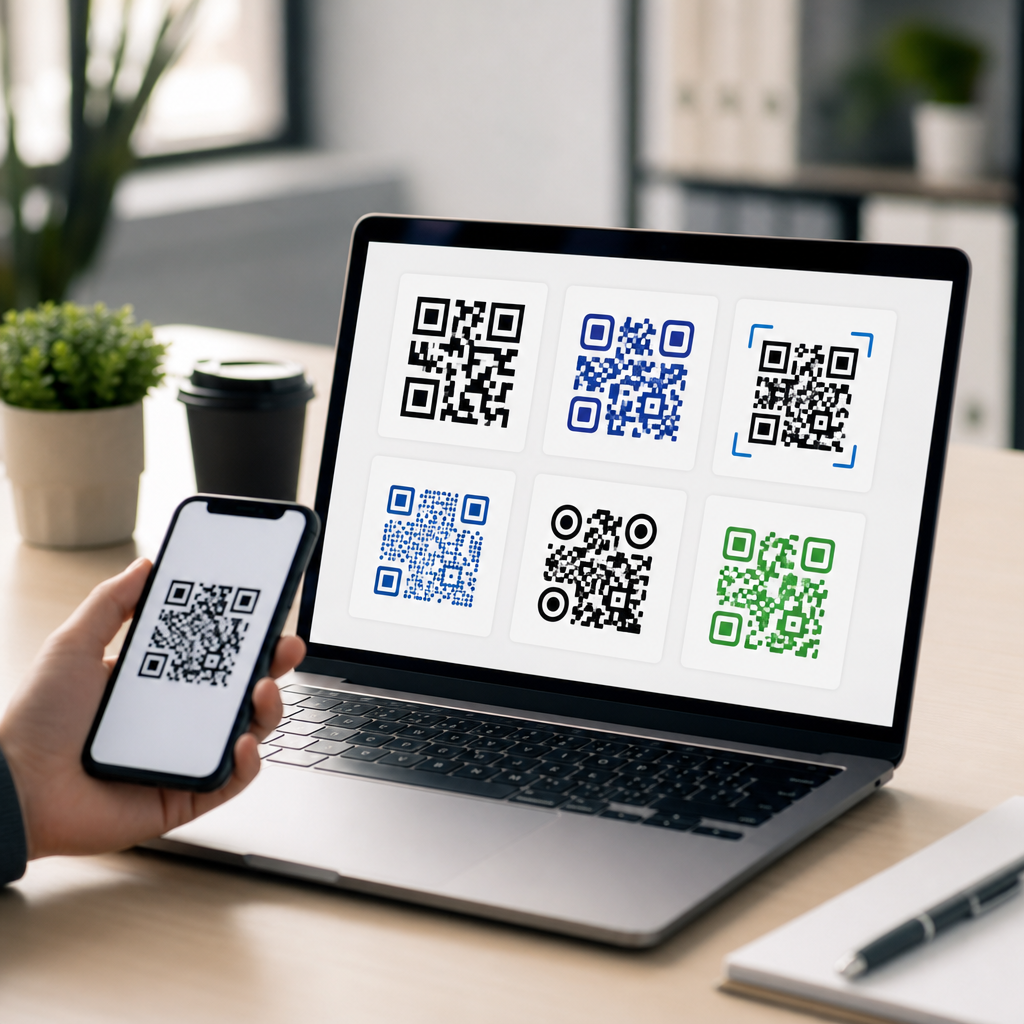

Choosing the best QR code type for marketing starts with one decision: static or dynamic. That choice affects tracking, editing, campaign lifespan, print costs, customer experience, and how much value your team gets from every scan. In marketing, a QR code is simply a scannable bridge between a physical or digital touchpoint and an online action, such as opening a landing page, downloading an app, joining Wi-Fi, claiming an offer, or starting a message. A static QR code stores the final destination directly in the code pattern, while a dynamic QR code points to a short redirect URL that can be changed later. That difference sounds technical, but it has practical consequences. I have used both across retail signage, event booths, packaging, direct mail, menus, and field sales collateral, and the wrong choice usually creates avoidable waste. If a printed brochure needs a new destination after launch, a static code is locked. If a campaign needs attribution by channel, creative, location, or date, dynamic tracking is usually essential. For marketers building mobile-first campaigns, understanding static vs dynamic QR codes matters because the code is not just a link; it is a distribution asset, a measurement point, and often the first mobile interaction a prospect has with your brand.
What static and dynamic QR codes actually do
A static QR code permanently encodes the destination or payload in the symbol itself. If you create a static code for https://example.com/summer-sale, every scan goes there forever unless that page redirects elsewhere. Because the encoded data is fixed, static codes are simple, often free, and useful when the information will never change. Common examples include a permanent contact card, a brochure link to a stable homepage, or an equipment label leading to a fixed manual URL. The advantage is durability with no platform dependency after generation. The limitation is equally clear: no editing and usually no first-party scan analytics beyond what your website analytics captures.
A dynamic QR code works differently. The code contains a short management URL, and that URL redirects scanners to the current destination you set in a dashboard. If the campaign page changes, the printed code stays the same while the redirect updates. This is why dynamic codes dominate serious marketing use. They support destination edits, scan counts, timestamps, device data, geolocation approximations, and campaign-level governance. Many platforms also allow expiration rules, password protection, A/B testing, UTM parameters, retargeting pixels on intermediate pages, and separate redirects for iOS and Android. The tradeoff is dependence on a QR code service, along with subscription cost and the need to manage link health over time.
When static QR codes make sense in marketing
Static QR codes are best when the content is truly permanent, the budget is minimal, and detailed analytics are not required. In practice, that means low-risk assets with stable destinations. A restaurant might place a static code on a wall mural pointing to its homepage if the brand domain is unlikely to change. A trade show giveaway card could use a static code for a company LinkedIn page when the goal is simple followership rather than campaign attribution. On product packaging with very long shelf life, a static code can work if it resolves to a durable evergreen URL controlled by the brand, not to a temporary promotion.
The key word is permanent. Marketers often overestimate permanence. Landing pages change, offers expire, regional compliance language gets updated, and analytics needs evolve after launch. I have seen teams print 50,000 flyers with static codes to a single promotional URL, only to discover two weeks later that sales wanted a different lead form and legal required revised terms. The QR code itself could not be fixed. The workaround was to place a website-level redirect on the original page, which can help only if the original URL remains under your control and if every future change can be handled centrally. Static codes are acceptable for simple awareness efforts, but they leave little room for normal campaign change management.
Why dynamic QR codes are usually better for campaigns
Dynamic QR codes are generally the best QR code type for marketing because marketing changes constantly. Creative variants rotate, destinations improve, inventory fluctuates, and attribution requirements become more demanding once a campaign is live. A dynamic code absorbs those changes without requiring reprints. If a direct mail piece originally points to a general landing page and later testing shows a shorter form converts better, the redirect can be changed in minutes. If an event poster should send users to registration before the event and to recap content afterward, the same code can serve both phases.
Measurement is the second major reason dynamic wins. A good dynamic QR platform records total scans, unique scans, time by date, rough location, device type, and operating system. Paired with UTM parameters in Google Analytics 4, Adobe Analytics, or HubSpot, that data helps marketers answer practical questions: Which store poster drove the most traffic? Which packaging insert produced the highest conversion rate? Did the call to action on version A outperform version B? Static codes can pass UTM parameters too, but they cannot be edited later and do not provide a dedicated redirect-level data layer. Dynamic codes also support governance. Teams can pause malicious destinations, rotate broken links, and maintain consistency across franchises or regional campaigns. For any campaign with spend behind it, that flexibility usually justifies the cost.
Static vs dynamic QR codes: the practical comparison
The simplest way to choose is to compare the operational realities, not just the technical definitions. The table below reflects how marketers actually use these codes in live campaigns.
| Factor | Static QR Code | Dynamic QR Code |
|---|---|---|
| Edit destination after printing | No | Yes |
| Scan analytics | Limited to destination analytics | Platform analytics plus destination analytics |
| Best for | Evergreen, low-risk links | Campaigns, testing, attribution, long print runs |
| Dependency | None after creation | Requires active service and redirect uptime |
| Cost | Usually free or one-time | Usually subscription-based |
| Data density | Can become dense with long URLs | Usually cleaner because redirect URL is short |
| Error correction tolerance | Varies with payload size | Often better because payload is shorter |
| Use on packaging and signage | Only if destination is stable | Strong choice for changing offers and regions |
Notice two underappreciated points. First, static codes can become visually denser when they encode long URLs, which can reduce scanning reliability on small labels or low-quality print. Dynamic codes usually encode a shorter redirect URL, producing a cleaner pattern. Second, dynamic codes reduce operational risk on expensive media. If you are printing shelf talkers, billboards, catalogs, or packaging, the ability to repair a broken destination later is not a luxury; it is insurance against waste.
How to choose the right QR code for your marketing goal
Start with the campaign objective. If the primary goal is attribution, testing, or lifecycle flexibility, choose a dynamic QR code. If the goal is a permanent utility with no expected changes, a static code may be enough. Then look at media lifespan. Short-lived assets such as event handouts can still benefit from dynamic codes because event details often change. Long-lived assets such as product packaging, storefront decals, and printed inserts almost always justify dynamic codes because they stay in the market long after the original campaign plan changes.
Next, consider scan environment and user intent. On outdoor signage, users scan quickly, often with glare, motion, and weak connectivity. A shorter encoded payload and fast redirect handling improve outcomes. On packaging, users may scan weeks after purchase, so content should shift from promotion to onboarding, support, or cross-sell over time. Dynamic routing makes that possible. Also assess compliance and governance. In regulated sectors like healthcare, finance, and alcohol, content updates may require legal review. Dynamic codes let you update approved destinations centrally rather than replacing printed materials. Finally, think about ownership. Use branded short domains when possible, maintain DNS control, and document platform credentials. A dynamic code is only as dependable as the redirect infrastructure behind it.
Best practices for creating mobile QR codes that convert
Whether you use static or dynamic, execution determines results. Keep the destination mobile-optimized, fast, and tightly matched to the call to action on the code. If the QR code says “Get 20% off,” the landing page should open directly to that offer, not to a generic homepage. Use high contrast, sufficient quiet zone, and test across current iPhone and Android devices before printing. Follow ISO/IEC 18004 principles for symbol quality, avoid excessive logo intrusion, and export print assets in vector format for large applications. A minimum physical size of roughly 2 x 2 centimeters can work at close range, but distance-to-code ratios matter; larger placements need larger symbols.
For analytics, append UTM parameters consistently and align naming with your campaign taxonomy. In Google Analytics 4, separate source, medium, campaign, content, and term values so scans can be compared cleanly with email, paid social, and search. Use QR-specific landing pages when you need precise attribution, and configure redirects to preserve parameters. Add a visible fallback URL near the code for accessibility and edge cases. Most important, review performance after launch. Scan volume without downstream conversions usually points to weak message match, a slow page, or an offer that does not justify the interaction. Choose dynamic QR codes for most marketing campaigns, reserve static codes for truly permanent destinations, and audit every live code quarterly so your mobile experiences keep working as campaigns evolve.
Frequently Asked Questions
Which QR code type is best for marketing: static or dynamic?
For most marketing campaigns, dynamic QR codes are the better choice. The reason is simple: marketing almost always benefits from flexibility, measurement, and the ability to improve results over time. A dynamic QR code lets you change the destination URL or action after the code has already been printed or published, which is extremely useful if you need to update a landing page, swap out an expired promotion, fix a broken link, or redirect traffic to a new campaign without reprinting materials. That alone can save significant time and budget.
Dynamic QR codes are also far more useful when tracking performance matters. In marketing, knowing how many people scanned, when they scanned, where they scanned, and which assets produced the best response helps teams make better decisions. That data can support A/B testing, campaign attribution, audience insights, and budget optimization. By contrast, static QR codes are fixed once created. They send users to a permanent destination and generally do not offer built-in editing or advanced scan analytics. Static codes can still work for simple, permanent use cases, but for active campaigns, promotions, events, and multichannel marketing, dynamic QR codes typically deliver more value.
When should a marketer use a static QR code instead of a dynamic one?
A static QR code is best when the destination will never need to change and when tracking is not a priority. Good examples include linking to a permanent company homepage, sharing basic contact information, displaying a fixed piece of text, or connecting users to information that is intended to stay the same for a long time. Because the final destination is embedded directly into the code, a static QR code can be a practical option for very simple, low-maintenance uses where permanence matters more than campaign optimization.
That said, marketers should be careful before choosing static by default. Many campaigns start simple but evolve quickly. A seasonal offer may get extended, a product page may move, a landing page may be redesigned, or a team may later decide they want scan data. Once a static QR code is printed on packaging, signage, direct mail, menus, posters, or display materials, changing it usually means recreating and reprinting the asset. That can create unnecessary costs and delays. In other words, static QR codes are not “bad” for marketing, but they are best reserved for stable, long-term destinations where the lack of editability and analytics will not become a limitation.
Why are dynamic QR codes better for campaign tracking and optimization?
Dynamic QR codes are better for campaign tracking because they add a measurement layer between the scan and the final action. Instead of hard-coding one permanent destination into the symbol, a dynamic code routes the scan through a manageable link, which makes it possible to collect useful performance data and update the user journey without replacing the printed code. For marketers, that means one QR code can become an active campaign tool rather than just a passive shortcut.
In practice, this matters because marketing performance rarely depends on scans alone. Teams often want to understand which print placements, product inserts, retail displays, posters, flyers, business cards, or digital touchpoints are actually driving engagement. With dynamic QR codes, you can often track total scans, unique scans, time-based trends, approximate location data, and device patterns, depending on the platform being used. You can also connect QR activity with tagged URLs, analytics tools, CRM systems, and conversion reporting. That makes it much easier to compare channels, refine creative, test offers, and improve landing pages. If a campaign is underperforming, you can adjust the destination, messaging, or call to action while keeping the same QR code live in the market. That kind of agility is one of the biggest reasons dynamic codes are generally the strongest choice for serious marketing efforts.
Do dynamic QR codes improve customer experience as well as marketer convenience?
Yes, dynamic QR codes can improve customer experience in several important ways. From the customer’s perspective, the best QR interaction is fast, relevant, and friction-free. If a user scans a code on a poster, package, menu, or product display, they expect to land on something useful immediately. Dynamic QR codes help marketers maintain that experience because the destination can be updated whenever necessary. If a page is outdated, a campaign ends, inventory changes, or a location-specific offer needs to be shown, the marketer can adjust the destination without forcing users into a dead end.
This flexibility also supports better personalization and continuity. A brand may want to direct users to different pages based on campaign timing, audience segment, product availability, geography, or device type. While the exact capabilities depend on the QR platform, dynamic setups make these kinds of refinements possible in ways static codes cannot. The result is a smoother journey for the customer and fewer wasted scans. Instead of sending everyone to one fixed destination forever, marketers can keep the experience current and aligned with what the user expects. That reduces frustration, protects brand trust, and increases the likelihood that a scan turns into a conversion.
What should marketers consider before choosing a QR code type for a campaign?
Before choosing a QR code type, marketers should think beyond the code itself and focus on the full campaign lifecycle. Start with the most important question: will the destination ever need to change? If the answer might be yes, a dynamic QR code is usually the safer and smarter option. Next, consider whether scan analytics will matter. If the campaign budget, channel mix, reporting expectations, or optimization strategy depends on knowing what happens after people scan, dynamic is typically the right fit.
Marketers should also consider print costs, campaign duration, operational flexibility, and risk. If a QR code will appear on high-volume printed materials, packaging, large-format signage, or assets that are expensive to replace, using a dynamic code can prevent costly reprints later. Think about the customer journey as well: what action should happen after the scan, and how easy is that action on mobile? A QR code is only effective if it leads to a page or experience that is clear, quick, and relevant. Finally, match the QR code type to the business goal. If the goal is a permanent, unchanging destination, static may be enough. If the goal is measurable performance, campaign agility, testing, and long-term marketing value, dynamic QR codes are generally the best choice.