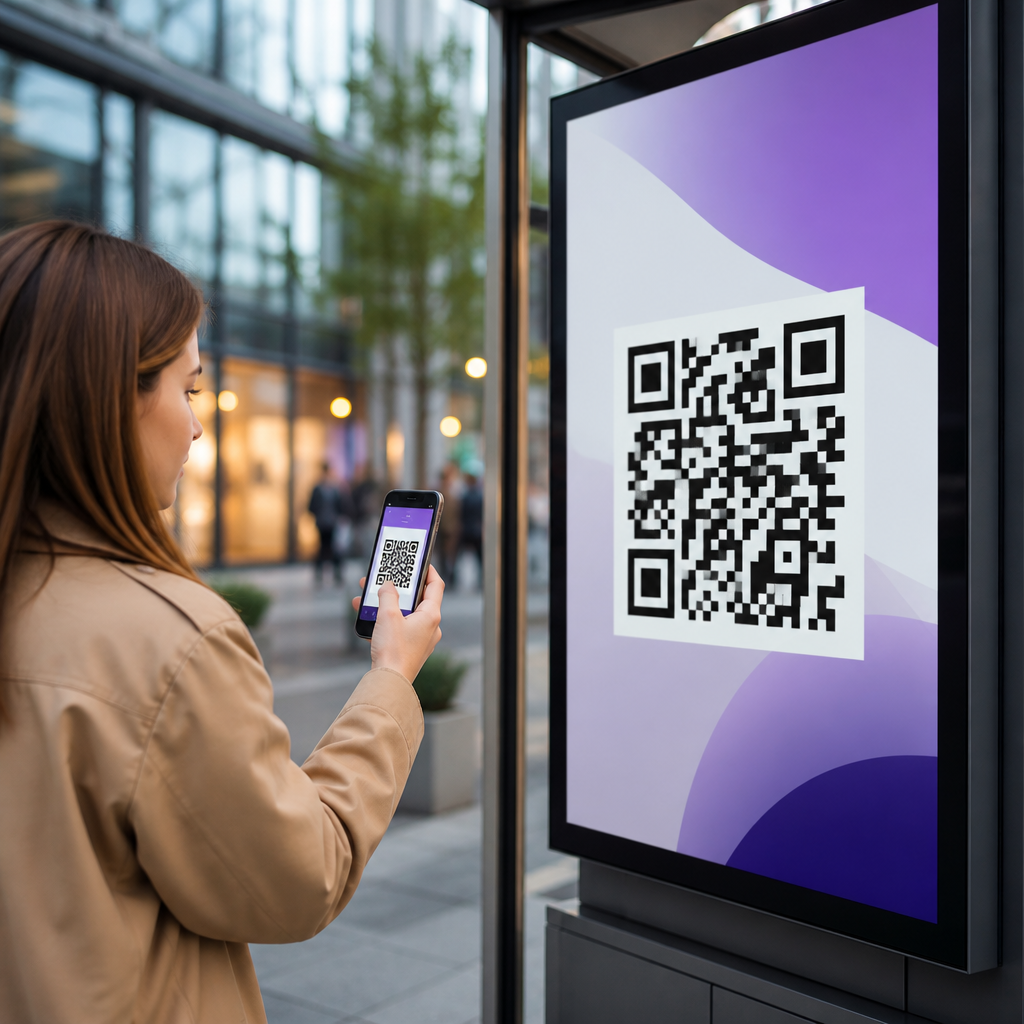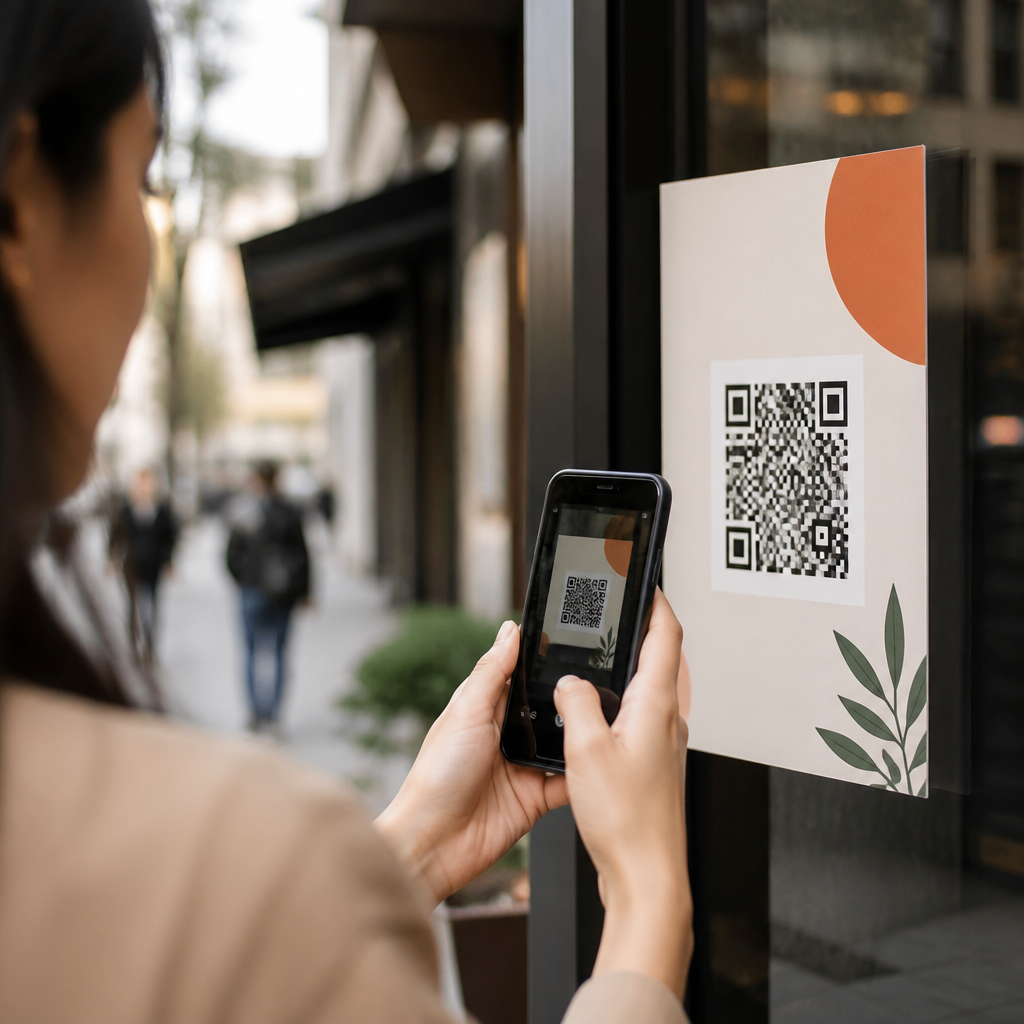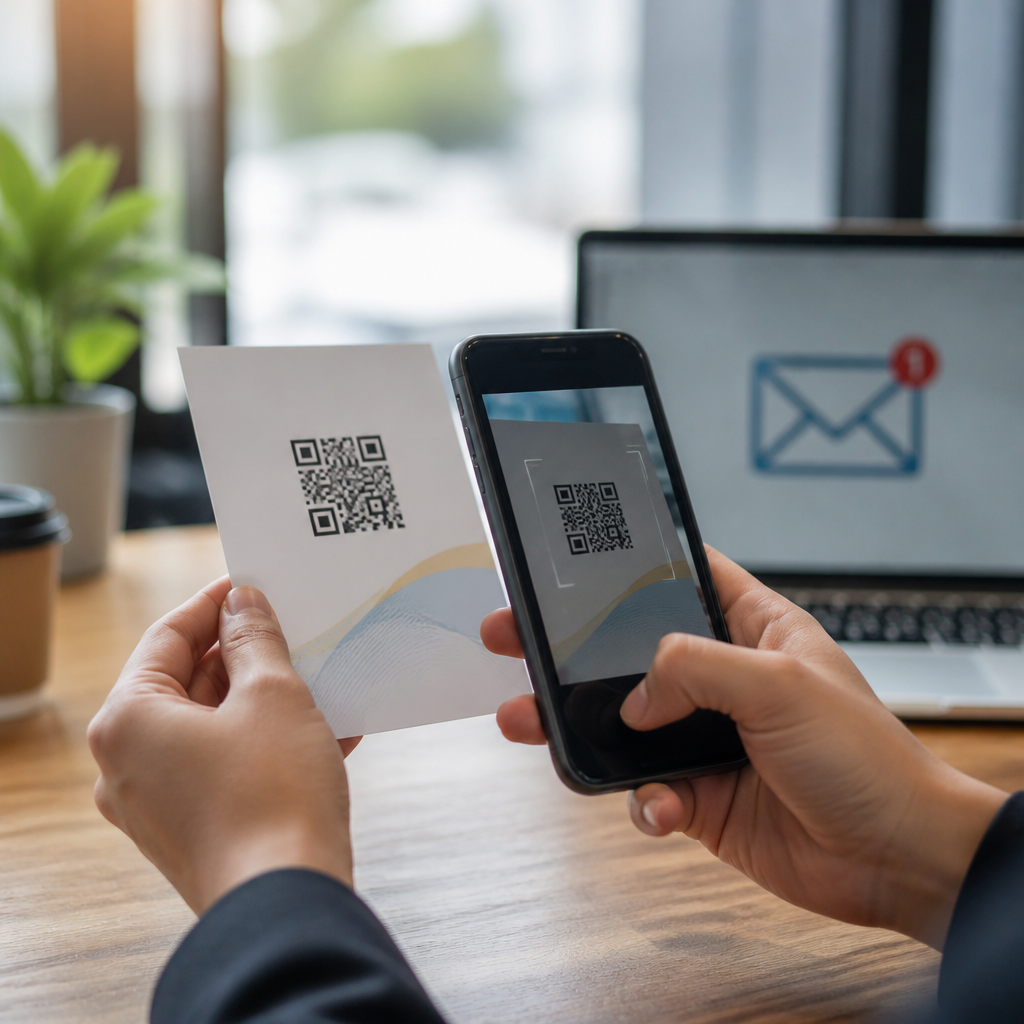
QR codes have become one of the simplest ways to connect offline attention with email marketing action, turning a package, poster, receipt, menu, direct mail piece, or event sign into a measurable subscription touchpoint. In this context, a QR code is a scannable matrix barcode that opens a landing page, prefilled signup form, email capture offer, or app experience on a mobile device. Email marketing remains one of the highest-return digital channels because brands own the audience relationship, can segment subscribers, and can automate follow-up over time. When these two tools work together, marketers create a direct path from physical exposure to permission-based digital communication. I have used QR-led email capture in retail stores, trade show booths, and print campaigns, and the pattern is consistent: response rises when scanning is fast, the offer is clear, and the signup experience asks only for essential data. That matters because offline media often creates interest but not enough frictionless continuity. A customer may notice a shelf talker or postcard yet forget the website later. A QR code removes the memory gap, compresses the action into seconds, and gives marketers attribution data that traditional offline channels usually lack.
Using QR codes in email marketing also matters because customer journeys are now mixed-channel by default. Someone sees a restaurant table tent, scans for a discount, joins the list, receives a welcome email, and later redeems an offer from that message. A real estate prospect scans a yard sign for a neighborhood guide, enters an email address, and receives a listing sequence. A conference attendee scans a booth placard to get a product comparison sheet, then enters a nurture funnel. In each case, the QR code acts as the bridge, while email does the long-term relationship work. The strongest programs respect consent, disclose what subscribers will receive, and connect the promise on the printed asset to the first email delivered. This hub article explains how QR codes support email list growth, what campaign structures work best, which technical and compliance details matter, how to measure offline-to-email performance, and where brands commonly fail.
How QR Codes Turn Offline Traffic into Email Subscribers
The core job of a QR code in email marketing is simple: capture intent at the moment it exists. Offline marketing usually suffers from delayed action. People intend to visit a site later, search a brand name later, or remember an offer later, but many never do. A QR code changes that by collapsing discovery and response into one mobile action. The code should open a mobile-optimized landing page with one focused conversion goal, usually email signup. In practice, conversion improves when the page repeats the exact value proposition shown offline: “Scan for 10% off your first order,” “Get the spec sheet by email,” or “Join for weekly menu specials.” Message continuity matters because any mismatch creates doubt.
The best placements are objects people already pause to inspect: packaging inserts, countertop displays, event badges, direct mail postcards, catalogs, window decals, receipts, and in-store signage near checkout. I have seen especially strong performance from product packaging because the audience is already engaged and often willing to opt in for setup guides, warranties, recipes, or replenishment reminders. Retailers can use QR codes near dressing rooms to offer size alerts and style emails. Service businesses can place them on invoices to deliver maintenance reminders or loyalty perks. The email ask should fit the physical context. A code on a B2B brochure can offer a technical guide, while a code on a coffee cup should offer a fast consumer reward.
Campaign Structures That Work Best
Not every QR-to-email flow performs equally. The highest-converting structure is usually a single-purpose landing page tied to a specific incentive or content asset. For consumer campaigns, common incentives include percentage discounts, free shipping, loyalty enrollment bonuses, gated how-to content, giveaways, or early access. For B2B campaigns, better incentives include calculators, benchmark reports, demo follow-up, sample requests, and event recaps. The landing page should ask for as little information as possible at first touch. Email address is enough in many cases; first name can be useful for personalization; phone number should be optional unless the offer clearly requires text messaging.
After signup, the thank-you page should complete the loop immediately. If the promise was a coupon, display it on screen and also send it by email. If the promise was a guide, provide instant download access and email the asset as backup. This dual delivery reduces abandonment and builds trust because subscribers receive what was promised without delay. The welcome email should arrive within minutes, use the same language as the printed piece, and set expectations for future messages. A good sequence often includes a welcome message, a value email, a proof email with testimonials or use cases, and then a regular newsletter or promotional cadence. Platforms such as Klaviyo, Mailchimp, HubSpot, and ActiveCampaign make this straightforward through forms, tagging, and automations.
| Offline placement | Best email offer | Why it works |
|---|---|---|
| Product packaging | Warranty registration plus tips | High relevance after purchase and useful lifecycle follow-up |
| Trade show booth | Slides, comparison sheet, demo follow-up | Captures hot intent while conversations are fresh |
| Direct mail postcard | Discount or local service estimate | Shortens response path from print to mobile signup |
| Restaurant table tent | Birthday club or weekly specials | Targets repeat visits and frequent local engagement |
| Receipt or invoice | Loyalty enrollment or care reminders | Reaches existing customers at a natural retention moment |
Technical Setup, Tracking, and List Quality
A QR code campaign is only as strong as its underlying setup. Use dynamic QR codes whenever possible, because they allow destination changes without reprinting the code and support scan analytics such as time, device type, and approximate location. Generate destination URLs with UTM parameters so traffic appears clearly in Google Analytics 4, Adobe Analytics, or your CRM attribution reports. A typical tagged URL might distinguish medium as print, source as store-signage, and campaign as spring-membership-drive. Without this structure, offline scans blend into other direct or referral traffic and reporting becomes unreliable.
List quality deserves as much attention as scan volume. A large number of low-intent signups can hurt deliverability, depress open rates, and reduce downstream revenue per subscriber. That is why the offer must attract the right audience, not just any audience. Consider double opt-in when compliance or data quality is a priority, especially in regions governed by GDPR or for B2B lists where role relevance matters. Also keep form fields minimal, add bot protection, and make privacy language explicit. Explain what the subscriber will receive, how often, and how to unsubscribe. CAN-SPAM in the United States requires clear identification and unsubscribe functionality in the emails themselves, while GDPR and similar laws require a lawful basis for processing personal data and stronger consent standards.
Good tracking goes beyond scans and signups. Measure scan-to-landing-page rate, form completion rate, confirmed subscriber rate, welcome email open rate, first-purchase rate, and long-term customer value by source. In several campaigns I have audited, a poster generated fewer signups than packaging inserts but higher average order value because scanners were further along in intent. That kind of insight changes budget allocation. It also helps identify friction points. If scans are high but form completion is low, the landing page may be slow, the form may be too long, or the offer may lack urgency. If signups are solid but email engagement is weak, the promise made offline may not match the content delivered.
Creative, Placement, and Compliance Best Practices
QR code design affects response more than many teams expect. The code must be large enough to scan comfortably, surrounded by sufficient quiet space, and printed with strong contrast. Black on white remains the safest standard, though branded colors can work if contrast stays high. Place the code where people can scan without awkward angles or crowding. On a storefront window, position it at chest height rather than near the floor. On a trade show wall, avoid glare from lamination or lighting. Always include a call to action above or beside the code. “Scan to join our VIP email list” outperforms a bare code because people need a reason to act.
Copy should answer three questions immediately: what do I get, how fast do I get it, and what happens after I sign up? Strong examples include “Scan for a 15% welcome coupon sent instantly,” “Scan to get the installation guide by email,” and “Scan to receive weekly local market updates.” Vague language such as “Learn more” usually underperforms because it does not define value. Testing is essential. Compare incentive types, placements, landing page layouts, and signup friction. For example, a retailer may learn that a QR code on fitting-room signage produces more subscribers than one at the entrance because shoppers there have stronger product intent.
Compliance and trust signals should never be an afterthought. Printed assets should not imply consent beyond the specific action taken. If someone scans to download a checklist, the signup form must clearly state whether they are joining a recurring email program. Consent records should be stored in the email platform or CRM, including timestamp, source, and form version where possible. This protects the brand and improves operational discipline. Brands should also provide accessible alternatives, such as a short URL, because not every user wants to scan. Accessibility, transparency, and relevance are practical conversion tools, not just legal precautions.
Common Mistakes and How to Avoid Them
The most common mistake is sending scans to a homepage instead of a dedicated landing page. Homepages ask visitors to navigate, which adds friction and weakens attribution. Another error is overloading the form with unnecessary fields, especially on mobile. Asking for company size, postal code, product interest, and phone number before proving value often cuts conversions sharply. Poor physical placement is another frequent issue. I have seen excellent offers fail because the code was too small, placed behind reflective glass, or located where mobile reception was weak. Marketers should test the scan experience in the real environment, on multiple phone models, before printing at scale.
A second category of mistakes appears after the signup. Some brands promise an immediate reward but delay the email, breaking trust within minutes. Others collect addresses successfully but drop subscribers into a generic newsletter with no welcome sequence, no segmentation, and no reference to the original context. That wastes hard-won intent. The solution is disciplined flow design: align the offline message, landing page, confirmation screen, welcome email, and follow-up series. If you are building a subtopic cluster around QR codes in email marketing, map each use case to a dedicated resource, then interlink related guides on tracking, design, compliance, and campaign examples. Start with one high-intent placement, measure the full funnel, and expand only after the numbers confirm quality.
QR codes bridge offline to email marketing because they capture intent in the moment, reduce response friction, and make physical media measurable. The strongest programs pair a clear call to action with a mobile landing page, a relevant incentive, immediate fulfillment, and thoughtful email automation. They also respect consent, use dynamic links and UTM tracking, and judge success by subscriber quality rather than raw scan count. For brands investing in stores, packaging, events, print, or local promotions, this approach turns attention that would otherwise fade into an owned audience you can nurture over time. Audit your current offline touchpoints, choose the one with the clearest value exchange, and launch a QR-to-email test that you can track from scan to revenue.
Frequently Asked Questions
How do QR codes help connect offline marketing to email list growth?
QR codes create a direct path between a physical marketing moment and a digital email action. When someone sees a product package, in-store sign, event banner, direct mail postcard, menu, receipt, or print ad, a QR code gives them an immediate way to respond using the phone already in their hand. Instead of asking people to remember a web address, manually type a URL, or search for a brand later, the code removes friction and sends them straight to a landing page or signup form designed for email capture.
This matters because offline attention is often brief. A customer may only have a few seconds to act before moving on. A QR code helps turn that attention into a measurable conversion opportunity by linking the offline asset to a mobile-friendly destination where the user can subscribe, claim an offer, join a loyalty program, download a guide, or access exclusive content. In practical terms, that means a poster is no longer just an awareness tool and a package insert is no longer just informational. Each can become a subscription touchpoint that feeds your email marketing program.
From a strategy perspective, QR codes are valuable because they make offline campaigns trackable. Brands can assign unique codes to different placements, locations, campaigns, or audiences, then compare scan volume, signup rates, and downstream email engagement. That visibility helps marketers understand which physical channels actually contribute to list growth and revenue, not just impressions. In short, QR codes bridge the gap by transforming offline interest into immediate, attributable, permission-based email acquisition.
What should happen after someone scans a QR code if the goal is email signups?
After the scan, the user should land on a page that is fast, mobile-optimized, and focused on a single action. In most cases, that action is subscribing to your email list. The destination should clearly explain what the visitor will receive, why it is worth sharing an email address, and what happens next. If the value proposition is vague or the page is cluttered with too many choices, conversion rates typically suffer. The best post-scan experience feels seamless, relevant to the offline context, and easy to complete in seconds.
A strong landing page usually includes a concise headline, a short explanation of the benefit, a simple signup form, and a clear call to action. Depending on the campaign, the offer might be a discount, early access, a giveaway entry, exclusive educational content, a loyalty reward, a product tutorial, or event follow-up resources. Keeping the form short is important, especially on mobile devices. Often, asking only for an email address is the best starting point, although some brands may also collect first name or preferences if there is a compelling reason.
It is also smart to align the destination with where the QR code appeared. For example, a code on a restaurant receipt might lead to a VIP offers signup page, while a code on product packaging could lead to onboarding tips and warranty registration combined with email subscription. A code used at a trade show might open a prefilled form with a lead magnet tailored to that event. The key is continuity: the user should feel that the landing page is the natural next step from what they just scanned. Once the person subscribes, an immediate confirmation message and a well-timed welcome email sequence help reinforce trust and start the relationship strong.
What makes a QR code campaign effective for email marketing conversions?
An effective QR code campaign combines visibility, relevance, and incentive. First, people need to notice the code. That means placing it where attention naturally goes and designing the surrounding creative so the code feels intentional rather than decorative. Second, users need a reason to scan. Simply showing a QR code without context rarely performs well. The call to action should explain exactly what the user gets, such as “Scan to get 15% off,” “Scan for exclusive updates,” or “Scan to join our insider list.” Clear expectation-setting increases trust and improves response rates.
Relevance is equally important. The offer and landing page should match the environment. Someone scanning a code on a shipping box may be interested in setup help, reorder reminders, care instructions, or membership perks. Someone scanning at an event may want slides, recordings, bonus resources, or a consultation follow-up. The more the email signup offer fits the moment, the more likely people are to act. Generic subscription asks can work, but contextual offers usually work better because they connect directly to user intent.
Measurement and testing also separate average campaigns from high-performing ones. Marketers should track scans, landing page visits, form completions, confirmation rates, and email engagement after signup. That data helps identify whether the problem is placement, messaging, offer strength, or landing page friction. Testing can include changing the call to action, adjusting incentive language, moving the code to a more prominent position, or simplifying the form. The best campaigns treat the QR code not as a static graphic, but as a conversion asset that can be optimized over time to improve both list growth and subscriber quality.
Are QR code email signups easy to track and measure?
Yes, one of the biggest advantages of using QR codes in offline-to-email marketing is that they can be measured much more precisely than traditional print response tactics. By creating unique QR codes for different channels, locations, products, store displays, event booths, or direct mail segments, marketers can see exactly which physical touchpoints generated scans and which scans turned into subscribers. This makes it possible to connect offline activity to digital performance in a way that is practical and actionable.
At a basic level, brands can track total scans and landing page visits. At a deeper level, they can measure form submissions, confirmed opt-ins, welcome email opens, clicks, conversions, and even downstream revenue from those subscribers. For example, if one QR code on product packaging generates fewer scans than a code on receipts but produces higher-value subscribers over time, that is useful strategic insight. It helps marketers evaluate not just quantity of signups, but quality of acquisition by source.
To get the clearest picture, tracking should be planned before launching the campaign. That often means using distinct campaign URLs, analytics parameters, dedicated landing pages, and integration between the signup form, CRM, and email platform. Dynamic QR codes can be especially helpful because they allow destination updates without reprinting the code and often support richer scan reporting. When set up properly, QR-driven email campaigns provide a measurable bridge from offline exposure to digital relationship building, making it much easier to justify spend and improve future campaigns.
What are the most common mistakes brands make when using QR codes for email marketing?
One common mistake is treating the QR code itself as the strategy. A code is only the access point; what matters is the experience around it. If there is no compelling reason to scan, no clear instruction, or no meaningful value after the scan, performance will be weak. Another frequent issue is sending users to a generic homepage instead of a dedicated mobile landing page. That adds friction, creates confusion, and wastes the intent generated by the offline moment. For email acquisition, the destination should be direct, focused, and built specifically for conversion.
Poor mobile experience is another major problem. Because QR scans usually happen on smartphones, slow load times, hard-to-read text, long forms, broken layouts, or unnecessary navigation can quickly reduce signups. Brands also sometimes ask for too much information too early. If the goal is list growth, keeping the signup simple usually leads to better completion rates. You can always gather more data later through preference centers, onboarding emails, or progressive profiling.
Other mistakes include placing codes where they are difficult to scan, using them without adequate contrast or surrounding white space, failing to include a call to action, and not testing the scan flow across devices. Some brands also overlook trust signals and consent language, which are essential for email marketing. Users should understand what they are signing up for, how often they will hear from you, and what value they can expect. Finally, many marketers fail to track outcomes beyond the initial scan. A successful campaign is not just about getting scans; it is about generating permission-based subscribers who engage, convert, and contribute long-term value. Avoiding these mistakes helps ensure the QR code functions as a true bridge from offline attention to a strong email relationship.