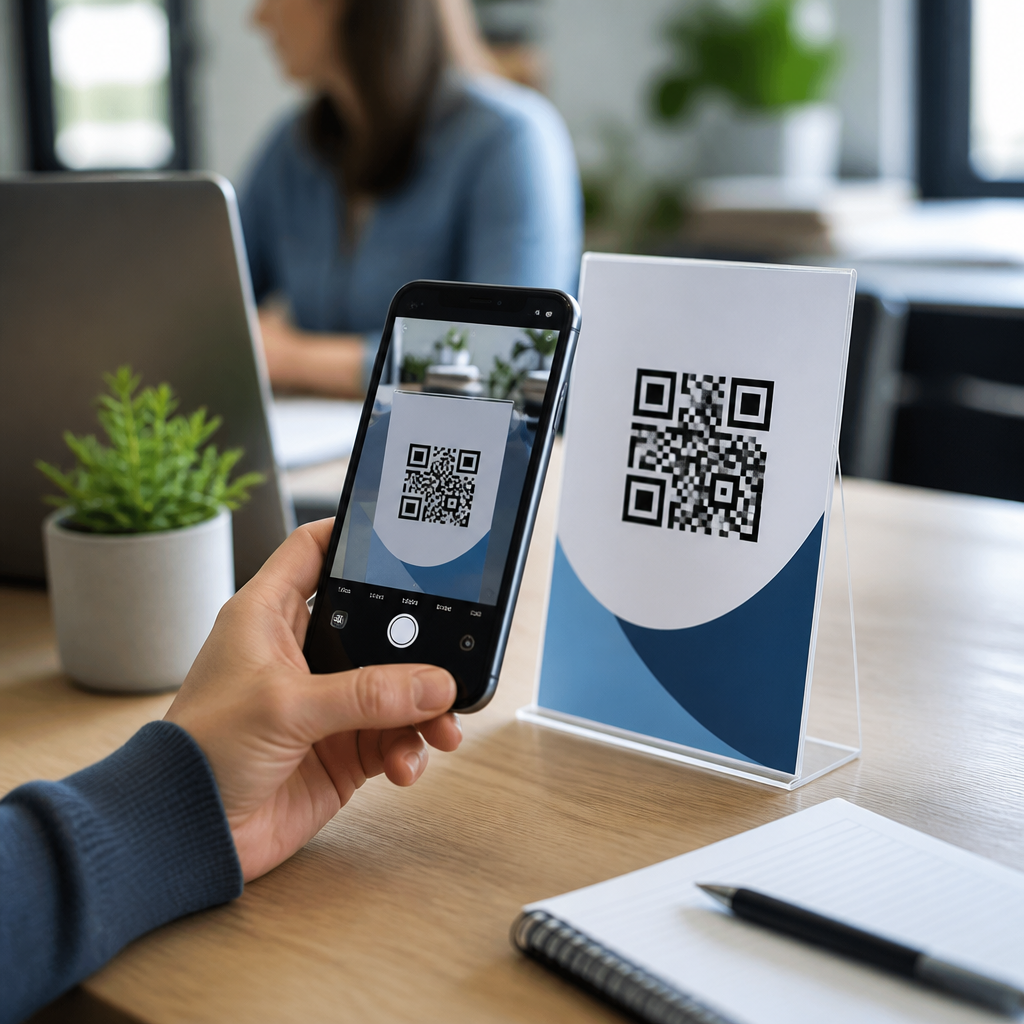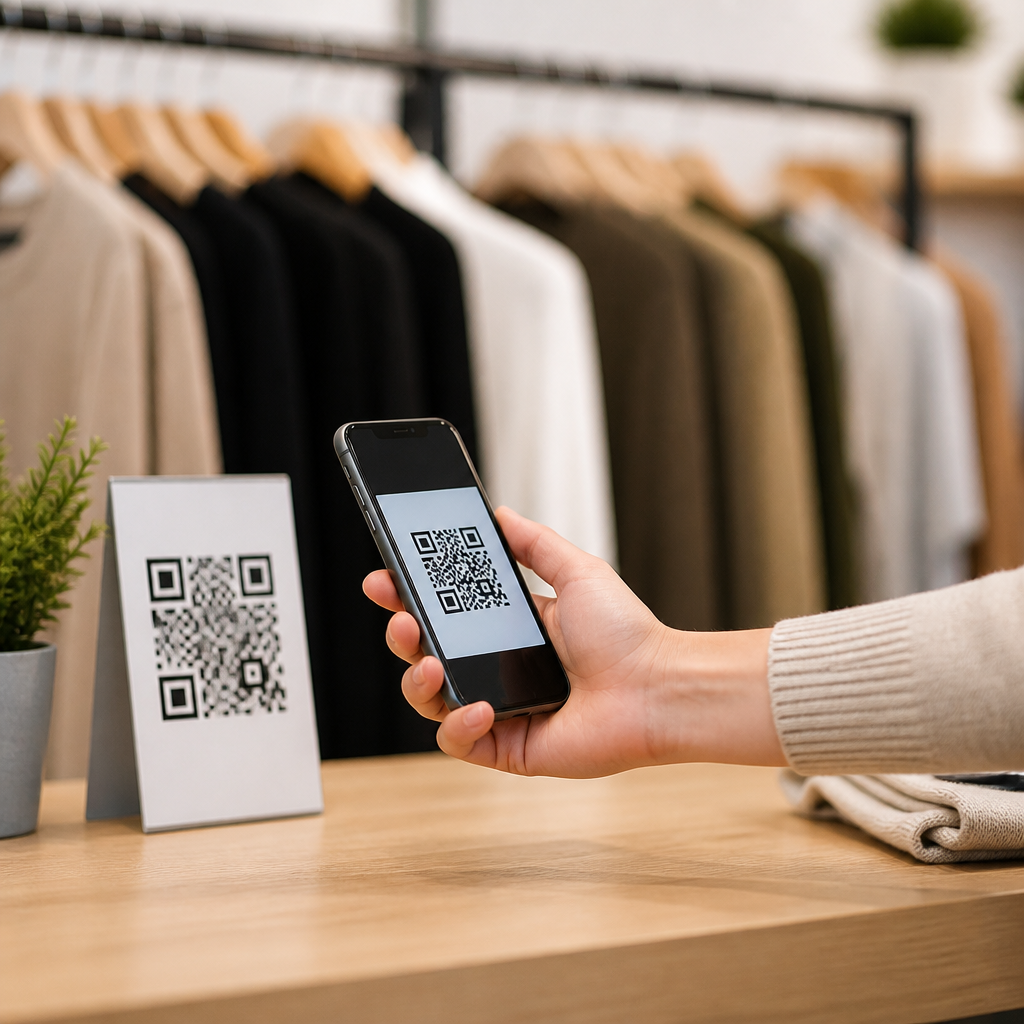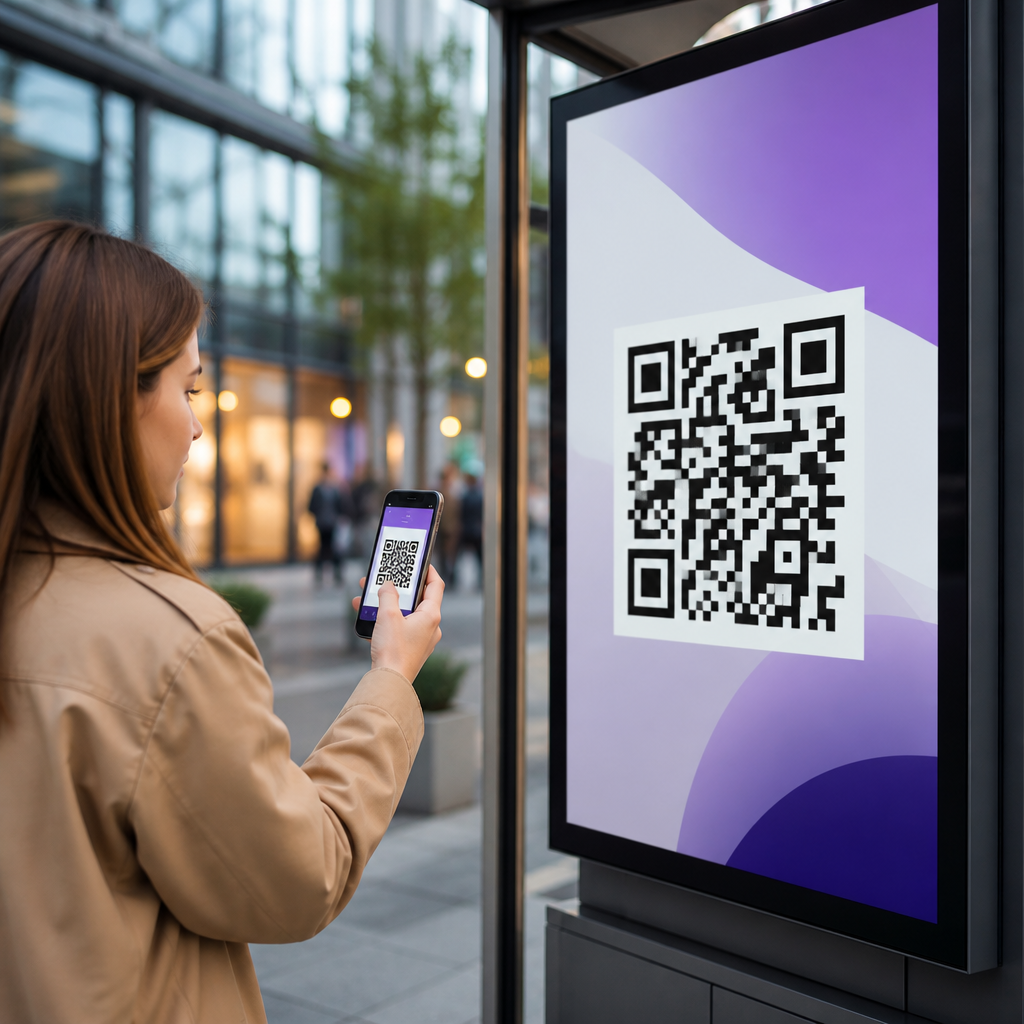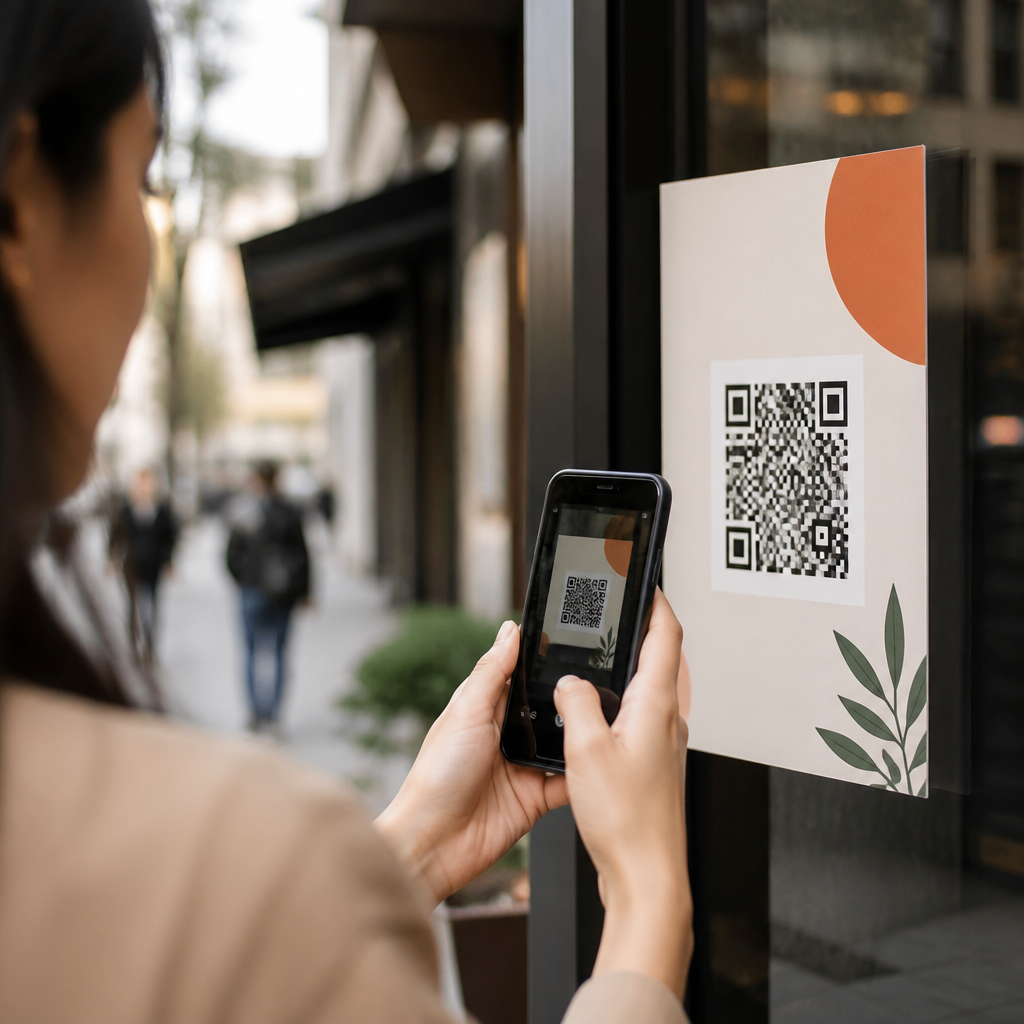
QR codes for email list growth give marketers a fast bridge between offline attention and owned digital reach. A QR code is a scannable matrix barcode that opens a destination on a phone, usually a landing page, form, app screen, or prefilled action. In email marketing, the destination should almost always be a mobile-optimized signup experience connected to an email service provider such as Mailchimp, Klaviyo, HubSpot, ActiveCampaign, or Salesforce Marketing Cloud. I have implemented QR-driven signup flows at events, retail counters, packaging inserts, direct mail campaigns, and in-store displays, and the results are consistently strongest when the code, incentive, and form are tightly aligned with the context.
Email list growth matters because email remains one of the few channels a brand truly controls. Social platforms change reach overnight, paid acquisition costs fluctuate, and third-party cookies continue to decline in usefulness. A permission-based list gives a company repeat access to subscribers for product launches, education, replenishment reminders, loyalty campaigns, and lifecycle automation. QR codes expand list growth by capturing people at moments when typing a URL is inconvenient: walking past signage, opening a shipped box, waiting at a checkout line, attending a conference session, or reading printed collateral.
The central question is not whether QR codes can collect emails, but how to use them without sacrificing consent quality, deliverability, or user experience. The best campaigns make one promise, ask for only necessary data, and route submissions into a segmented welcome series immediately. This hub article explains how QR codes in email marketing work, where they perform best, what technical setup is required, how to measure success, and which mistakes suppress opt-in rates. If you are building a broader mobile QR code strategy, this is the page that connects acquisition mechanics, compliance, creative execution, and performance optimization.
How QR Codes Support Email List Growth
QR codes help grow an email list by reducing friction between interest and subscription. Instead of asking someone to remember a brand name or type a long URL, the scan moves them directly to a signup page. That matters on mobile because every additional field, redirect, or page delay lowers completion rates. In campaigns I have audited, the lift usually comes less from the QR code itself and more from removing avoidable steps. A printed sign saying “Scan to get 15% off and receive weekly tips” outperforms a generic “Join our newsletter” because it answers the user’s immediate question: what do I get and why now?
The code can also pass source data into the form automatically. Dynamic QR platforms such as Bitly, QR Code Generator Pro, Beaconstac, Flowcode, and Uniqode let marketers append UTM parameters or custom identifiers. That means a brand can distinguish signups from store windows, event booths, product packaging, business cards, receipts, catalogs, and tabletop displays without creating a new form every time. Once synced to the email platform, those source tags can trigger tailored welcome content. Someone who scans from product packaging may need onboarding tips, while someone who scans from an event banner may need a recap and demo invitation.
Best Use Cases Across Channels
Retail is one of the clearest fits for QR-driven email acquisition. At checkout, shelf talkers, fitting rooms, and shopping bags can all carry a code tied to a specific incentive. Restaurants often use table tents or takeout packaging to promote a VIP list for specials and loyalty updates. Trade shows are another high-performing environment because foot traffic is high and attention is short. A booth sign with a QR code can offer a giveaway entry, a technical guide, or session slides in exchange for email consent. Direct mail also benefits because a postcard can do more than create awareness; it can drive immediate subscription and start a measurable nurture path.
Product packaging is particularly effective for post-purchase list growth. Customers already have the item in hand, so trust is higher than with cold traffic. Brands can ask buyers to scan for setup instructions, warranty registration, care tips, recipes, refill reminders, or community access. B2B companies use QR codes on brochures, sales one-pagers, conference badges, and showroom materials to feed newsletter lists segmented by industry or interest. Healthcare, education, and nonprofits also use them, though these sectors must be especially careful with privacy disclosures and consent language. The underlying principle is consistent: match the scan context to a useful next step, not a generic subscription ask.
Building a High-Converting QR Signup Flow
A high-converting flow starts with the landing page, not the code design. The page should load quickly, explain the value proposition in the first screen, and display a short form with a clear call to action. For most campaigns, email address is enough to start. Asking for first name can support personalization, but every extra field should have a clear purpose. If you need profile data for segmentation, progressive profiling after signup is usually better than collecting everything upfront. The destination must also be mobile responsive, with large tap targets, readable type, and no intrusive pop-ups competing with the form.
In practice, the best signup pages contain four elements: a concise benefit statement, proof or specificity, a minimal form, and a confirmation of what happens next. For example, “Join 42,000 subscribers and get weekly skincare routines, ingredient explainers, and early access to launches” is stronger than “Subscribe for updates.” If there is an incentive, state the delivery method clearly: “Enter your email to receive your coupon immediately.” After submission, route users to a thank-you page that confirms success and sets expectations for frequency. If double opt-in is enabled, tell them to check their inbox and add the sender to contacts.
| Placement | Primary offer | Best destination | Key metric |
|---|---|---|---|
| Retail signage | Discount or loyalty join | Short mobile form | Scan-to-signup rate |
| Event booth | Guide, giveaway, demo follow-up | Segmented landing page | Qualified subscriber rate |
| Packaging insert | Setup tips or rewards | Post-purchase welcome flow | Activation and repeat purchase |
| Direct mail | Exclusive content or offer | Campaign-specific page | Cost per subscriber |
Technical Setup, Tracking, and Compliance
Static and dynamic QR codes serve different purposes. A static code permanently encodes a destination, which is acceptable for simple uses but limiting for ongoing marketing. A dynamic QR code points to a short URL that can be edited later, allowing marketers to update destinations, pause campaigns, and track scans by date, device, and location. For email list growth, dynamic codes are the standard because they support attribution and testing. Use UTM parameters such as source, medium, campaign, and content so analytics platforms and email systems can map subscriber origin accurately.
Integrate the form with your ESP or CRM through native connectors, webhooks, or tools like Zapier and Make. Assign a source tag at capture, trigger the correct welcome automation, and suppress duplicate entries intelligently. Deliverability begins at acquisition, so consent language must be explicit. If regulations apply, include required disclosures for GDPR, CAN-SPAM, CASL, or sector-specific rules. Double opt-in can reduce raw list growth but often improves long-term engagement and complaint rates. Also review accessibility: adequate contrast around the code, a nearby short URL as a fallback, and form labels that work with screen readers are basic quality standards, not extras.
Optimization Tactics and Common Mistakes
Optimization starts with the offer. Strong incentives are useful, but relevance beats raw discounting. A cookware brand may grow a healthier list with a recipe series than with a one-time coupon, because content attracts subscribers who want ongoing value. Test headline phrasing, incentive type, form length, and destination page layout. Also test the physical presentation of the code: size, placement, surrounding copy, and whether the frame includes an instruction such as “Scan to join.” In stores, I have seen a simple addition like “Takes 10 seconds” improve scans because it reduces perceived effort.
Common mistakes are predictable. The first is sending scanners to a homepage and hoping they find the signup form. The second is using one QR code everywhere, which destroys source visibility. The third is asking for too much information too soon. The fourth is failing to connect the captured lead to a relevant welcome sequence. The fifth is neglecting follow-up timing; if the promised discount or resource does not arrive immediately, trust drops. Finally, brands sometimes chase volume over quality by forcing signups for basic service interactions. That can inflate the list while depressing open rates, clicks, and sender reputation over time.
QR codes for email list growth work best when they remove friction, respect consent, and connect each scan to a relevant subscriber journey. The mechanics are straightforward: place a scannable code where mobile users already have intent, send them to a focused signup page, capture only the data you need, and trigger a welcome sequence that fulfills the exact promise made at the point of scan. When those pieces align, QR codes turn packaging, print, events, and physical spaces into measurable list-building assets instead of disconnected brand impressions.
For teams building a hub around QR codes in email marketing, the key takeaway is that acquisition quality matters more than novelty. Dynamic tracking, source-based segmentation, and a strong mobile landing page consistently outperform flashy design choices. Real gains come from context: event attendees need different messaging than retail shoppers, and existing customers scanning packaging need different onboarding than prospects scanning direct mail. Treat every QR placement as its own conversion path, with its own incentive, attribution model, and lifecycle follow-up. That discipline makes the channel scalable and keeps reporting credible across campaigns.
If you are expanding a mobile QR strategy, start with one high-intent use case and instrument it completely. Build the form, define naming conventions, tag the source, connect the automation, and monitor scan-to-signup rate, confirmation rate, welcome engagement, and downstream revenue. Then replicate what works across stores, mailers, packaging, and events. Used this way, QR codes do more than collect email addresses; they create a durable bridge between offline attention and owned audience growth. Audit your current touchpoints, launch a tightly scoped test, and turn every qualified scan into a subscriber relationship.
Frequently Asked Questions
How do QR codes help grow an email list?
QR codes help grow an email list by removing friction between offline attention and online action. Instead of asking someone to remember a URL, search for a brand later, or manually type a long signup page address into a phone, a QR code lets them scan and land directly on a mobile-friendly opt-in experience in seconds. That convenience matters because most list-building opportunities happen in short, distracted moments: at events, on packaging, in retail locations, on direct mail, at trade show booths, in restaurants, or on printed signage. If the path to subscribing is not immediate, many potential subscribers are lost.
When used well, a QR code acts as a bridge from a physical touchpoint to an owned marketing channel. The code can send people to a dedicated landing page, embedded signup form, lead magnet offer, event registration page, SMS-to-email capture flow, or a preference-driven subscription experience connected to platforms like Mailchimp, Klaviyo, HubSpot, ActiveCampaign, or Salesforce Marketing Cloud. That means every scan can be measured, attributed, and optimized. Marketers can test placement, messaging, design, incentives, and audiences to understand which real-world assets drive the highest-quality subscribers. In practical terms, QR codes turn otherwise difficult-to-track offline impressions into measurable email list growth.
What should a QR code for email signup link to?
A QR code for email signup should almost always link to a mobile-optimized destination built specifically for conversion. In most cases, that means a landing page or form with a clear headline, a simple value proposition, minimal required fields, and a strong call to action. Because scans usually happen on phones, the destination needs to load quickly, display properly on small screens, and make completion effortless. If the experience is clunky, slow, or asks for too much information, conversion rates will drop quickly.
The best destination depends on the context and audience. A retail packaging QR code might lead to a discount-driven signup page. A trade show QR code might point to a lead magnet, consultation request, or product updates form. A restaurant table tent might promote exclusive offers or loyalty emails. In every case, the signup experience should connect directly to your email service provider so subscriber data flows immediately into the correct list, segment, workflow, or automation. It is also smart to use dedicated campaign tracking parameters so you can identify exactly which QR code placement generated each subscriber. The core principle is simple: send scanners to the shortest, clearest path to becoming an email subscriber, not to a generic homepage where they have to hunt for the next step.
What makes a QR code email capture campaign convert better?
High-converting QR code email campaigns usually combine strong intent, clear messaging, and low-friction execution. First, people need a compelling reason to scan. That could be a discount, exclusive content, early product access, a giveaway entry, a loyalty reward, event resources, or insider updates. The call to action printed near the QR code should tell users exactly what they will get and why it is worth their time. Vague prompts like “Scan here” tend to underperform compared with specific language such as “Scan for 15% off and join our email list” or “Scan to get the free guide.”
Second, the post-scan experience must be tightly aligned with the promise made before the scan. If the printed sign offers a coupon, the landing page should immediately confirm that benefit and explain how signup unlocks it. Keep the form short, often just email address and perhaps first name if personalization is important. Third, placement matters. QR codes work best where the audience has both time and motivation to act, such as checkout counters, product inserts, booth graphics, receipts, menus, posters, event badges, or direct mail. Finally, ongoing optimization is what separates average campaigns from great ones. Track scan rates, signup completion rates, source locations, device behavior, and subscriber quality over time. Then test different copy, incentives, layouts, and audiences. The most successful campaigns treat QR-based list growth as a measurable funnel, not just a printed graphic.
How can marketers track and measure email subscribers generated from QR codes?
Tracking QR code performance starts with using unique destinations or campaign parameters for each code placement. Instead of sending every code to the same generic signup page, create dedicated URLs for different channels, assets, or locations such as packaging, in-store signage, trade show displays, direct mail, print ads, or point-of-sale materials. This lets you see which physical touchpoints produce scans, form completions, confirmed opt-ins, and downstream email engagement. Dynamic QR codes are especially helpful because they allow you to update the destination later and often include built-in scan analytics such as total scans, time, device type, and approximate location.
To measure real business impact, connect the signup form directly to your email platform and CRM so every subscriber can be tagged by source. For example, a subscriber who joins through a packaging QR code can enter a packaging-specific list or segment inside Mailchimp, Klaviyo, HubSpot, ActiveCampaign, or Salesforce Marketing Cloud. From there, you can evaluate more than just top-of-funnel activity. You can compare open rates, click rates, conversion rates, purchase behavior, churn, and lifetime value by QR source. That is important because not all subscribers are equal. A campaign that generates fewer signups but attracts more engaged, higher-value subscribers may outperform a campaign with a larger but less responsive audience. Good measurement turns QR codes from a novelty into a channel you can optimize with confidence.
Are there any best practices or compliance issues to consider when using QR codes for email list growth?
Yes. The most important best practice is to make consent explicit and transparent. If a QR code leads to an email signup form, users should clearly understand that they are subscribing to marketing communications, what type of content they will receive, and how often they can expect to hear from you. Depending on your market and audience, you may also need to follow privacy and email regulations such as GDPR, CAN-SPAM, CASL, or other regional rules. Using proper disclosure language, linking to a privacy policy, and implementing confirmed or double opt-in where appropriate are all smart steps for protecting both compliance and list quality.
On the practical side, the QR code itself should be easy to scan and placed in a context that supports action. Use sufficient size, strong contrast, and enough quiet space around the code. Avoid placing it where lighting, distance, or curved surfaces make scanning difficult. Always test the code on multiple devices before printing at scale. It is also wise to include a short fallback URL for people who cannot or do not want to scan. From a brand perspective, keep the surrounding message clear and credible so users trust the destination. Finally, focus on list quality over raw volume. Do not use misleading incentives or hidden subscription terms just to inflate signups. A permission-based list built through clear expectations and a strong mobile experience will perform better over time than a larger list built on confusion or weak consent.