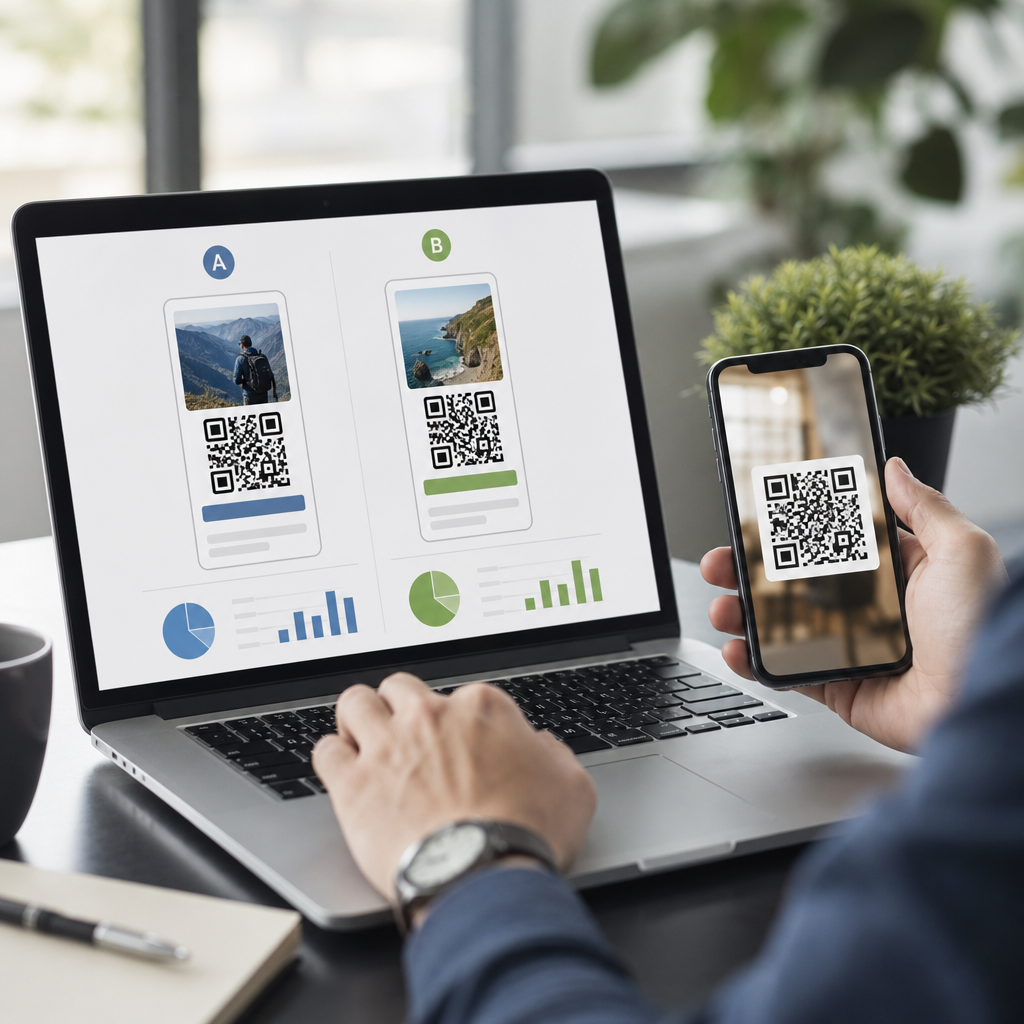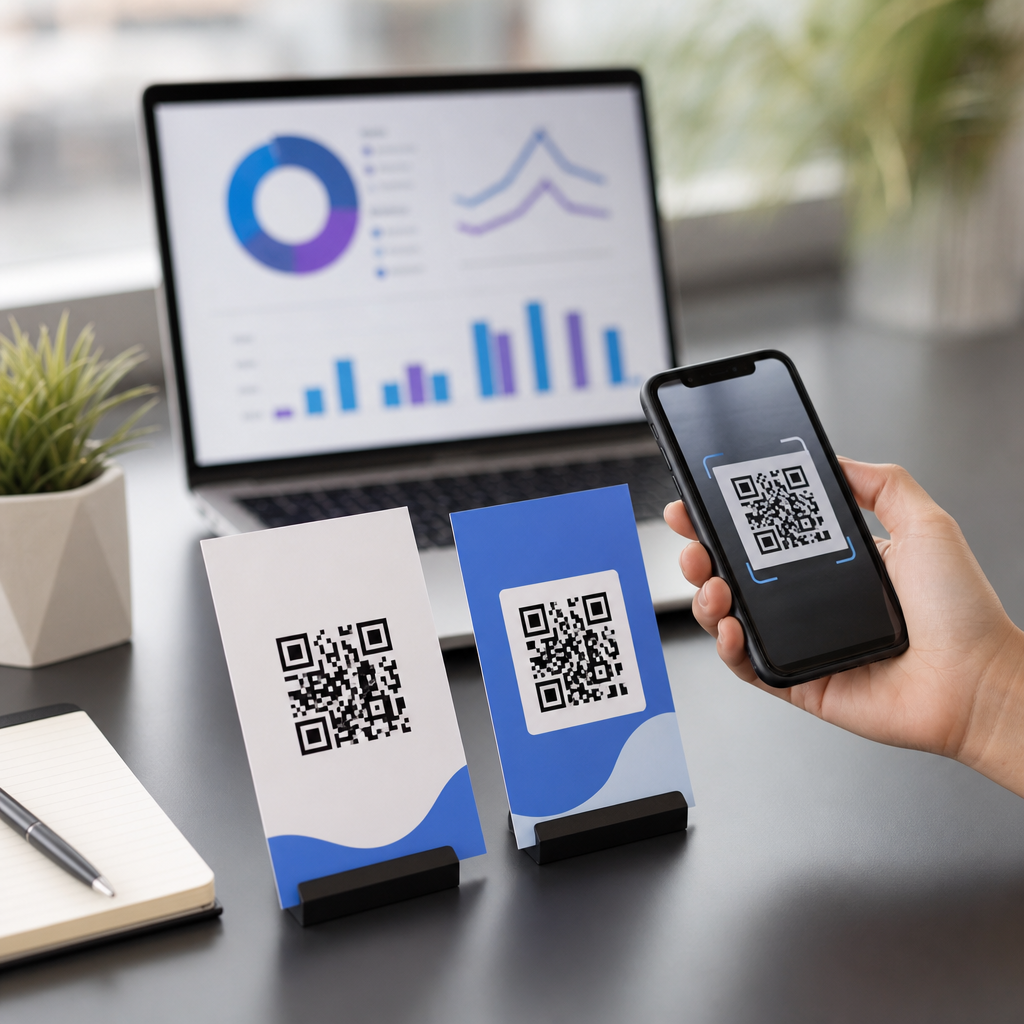
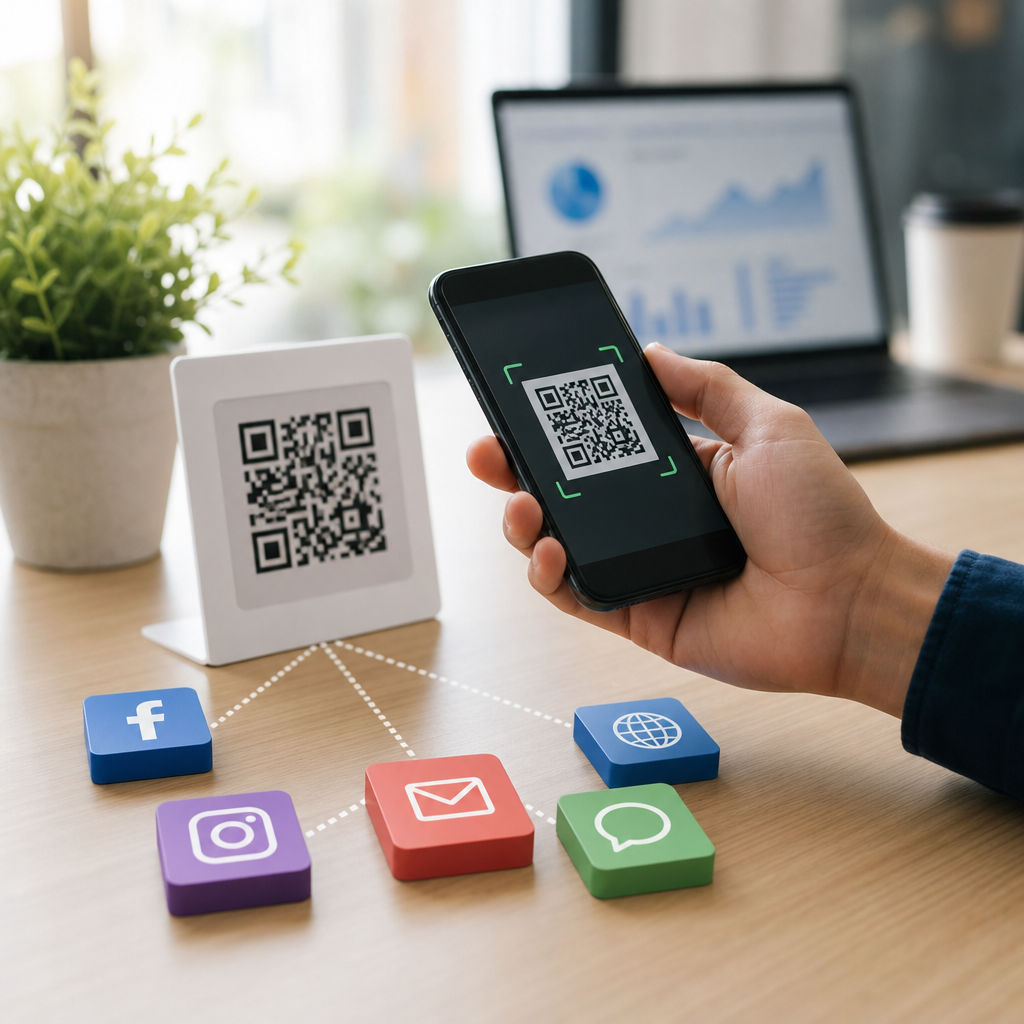
Dynamic QR codes turn a static printed square into a flexible campaign asset that can be updated, measured, segmented, and optimized long after it has been placed on packaging, signage, direct mail, retail displays, or event materials. In practical terms, a dynamic QR code points to a short redirect URL managed by a platform, rather than embedding the final destination directly, which means marketers can change the landing page, add tracking parameters, pause campaigns, or route users by device, time, or geography without reprinting the code. This matters because modern campaigns rarely live in one channel: a buyer may scan from a product box, continue on mobile, convert on desktop, and return through email or paid social. I have used dynamic QR codes across retail, field events, restaurant promotions, and B2B direct mail, and the difference versus static codes is immediate: better attribution, less waste, faster iteration, and cleaner user journeys. As a hub within advanced QR code strategies, this guide explains how dynamic QR code strategies support multi-channel marketing, what components matter most, how to structure tracking, where teams make mistakes, and how to build a governance model that scales.
What Dynamic QR Codes Do Better Than Static Codes
A static QR code contains the final URL or payload inside the code itself. Once printed, it cannot be edited. A dynamic QR code instead resolves through a managed redirect, allowing the destination to change while the printed symbol remains the same. That single difference creates four strategic advantages. First, agility: if a landing page breaks, inventory sells out, or a seasonal promotion ends, you can update the destination immediately. Second, measurement: platforms such as Bitly, QR Code Generator PRO, Beaconstac, Uniqode, and Flowcode log scans, timestamps, rough location, device type, and sometimes operating system. Third, segmentation: one code can route users to different pages based on language, region, store hours, or campaign rules. Fourth, lifecycle value: a package insert can send users to setup instructions at launch, warranty registration later, and replenishment offers months after purchase.
For multi-channel campaigns, these benefits solve a common attribution problem. Offline media often drives digital actions, but marketers struggle to tie those scans back to source, creative, audience, and outcome. A dynamic QR code makes that bridge measurable. If a cosmetics brand runs the same offer on shelf talkers, influencer mailers, and in-store displays, unique dynamic codes can be assigned to each placement while all routes feed the same conversion destination. The marketing team then sees not just total scans, but which channel initiated the visit, what device users had, and whether one audience needed a shorter path to conversion. In my experience, scan data becomes most valuable when it is paired with web analytics events, CRM source fields, and campaign naming conventions from day one.
Building a Multi-Channel Campaign Structure That Actually Measures Performance
Effective dynamic QR code strategies begin before design. Start with the campaign architecture: objective, audience, offer, placement, destination, and measurement plan. Every code should answer a simple operational question: what exactly are we trying to learn or influence from this scan point? If the answer is vague, reporting will be vague too. I recommend creating a hierarchy with campaign, channel, asset, placement, and variant. For example, campaign: spring launch; channel: direct mail; asset: postcard; placement: front panel; variant: offer A. This naming structure should match UTM parameters, CRM fields, and analytics dashboards.
Landing page alignment is equally important. A code on packaging should not drop a scanner onto a generic homepage. Context must carry through. A retail endcap promoting a recipe should open a mobile page with the recipe, shoppable ingredients, store locator, and optional email capture, not a broad product catalog. Google Analytics 4, Adobe Analytics, and server-side tagging tools can then distinguish scans from sessions and tie them to downstream events such as add-to-cart, form completion, coupon save, or store visit intent. If your sales cycle spans channels, pass scan-source data into HubSpot, Salesforce, or your CDP so later conversions are not misattributed to the last email click.
| Campaign element | Best practice | Why it matters |
|---|---|---|
| QR code naming | Use campaign-channel-placement-variant conventions | Prevents reporting confusion across teams |
| Destination URL | Match the exact context of the scan | Improves conversion and reduces bounce |
| Tracking parameters | Standardize UTM fields and CRM source mapping | Connects offline scans to revenue data |
| Redirect rules | Route by device, region, or time when relevant | Creates more useful user journeys |
| Governance | Assign ownership, expiration checks, and QA reviews | Avoids broken links and stale promotions |
Core Dynamic QR Code Strategies for Packaging, Print, Retail, and Events
On packaging, dynamic QR codes extend the product experience far beyond the shelf. Consumer goods brands use them for onboarding videos, ingredients, sustainability disclosures, warranty activation, loyalty enrollment, and reorder prompts. The strategic advantage is that one printed code can support changing needs over time. A coffee brand may first send buyers to brewing guides, then update the same code to feature subscription offers, and later route holiday traffic to gift bundles. Because package print runs are long, the ability to refresh destinations without reprinting is financially significant.
In direct mail, dynamic QR codes reduce friction between physical outreach and digital conversion. I have seen response rates improve when the mail piece offers a fast mobile path with a short headline, a visible value exchange, and a landing page built for scanning rather than desktop browsing. For B2B campaigns, the code might open a calendar booking page prefilled with campaign context. For local services, it may open a quote form with location-aware routing. Variable data printing can pair individualized QR codes with household-level personalization, but even non-personalized dynamic codes benefit from source-level tracking and rapid destination updates.
Retail and out-of-home placements require even stricter context design. A shopper scanning from a shelf edge or window display usually has limited time and attention. The best dynamic QR code strategies here focus on one action: redeem offer, see size availability, join loyalty, view product demo, or find nearest store. Event use cases are similarly focused. Booth signage can route attendees to lead capture forms, agenda pages, product comparison sheets, or post-demo follow-ups. Because event conditions change quickly, dynamic codes are especially useful for switching from pre-event registration to live-session access to post-event nurturing with no creative replacement.
Segmentation, Personalization, and Redirect Logic
Advanced dynamic QR code strategies go beyond simple redirects. Many platforms support rule-based routing by operating system, language, scan time, day of week, and geography. This is useful when the same creative appears across markets or when the ideal next step differs by context. A restaurant group can route daytime scans to lunch ordering, evening scans to reservations, and after-hours scans to location information. A software company can send iPhone users to the App Store, Android users to Google Play, and desktop users to a web signup flow. These are not gimmicks; they remove friction and increase completion rates.
Personalization should still be disciplined. Over-segmentation creates reporting noise and maintenance risk. I advise teams to personalize only when the destination experience materially changes. A region-specific store locator, a language-specific landing page, or inventory-aware product page is useful. A barely different hero image is usually not worth another branch in redirect logic. Privacy also matters. Dynamic QR codes can support personalized experiences without encoding personal data in the symbol itself, which is a safer pattern. If individual-level tracking is used, ensure consent, data minimization, and retention rules align with GDPR, CCPA, and platform policies. Good strategy balances relevance with restraint.
Measurement, Testing, and Operational Governance
Scan count alone is an incomplete metric. A strong measurement model tracks scans, unique scanners when available, landing page engagement, conversion rate, assisted conversions, and time-to-action. In omnichannel programs, compare scan behavior with channel exposure and placement quality. A low-performing code may indicate poor visibility, weak incentive, or a slow page rather than low audience interest. I regularly audit campaigns by checking print contrast, quiet zone, code size, camera distance, page speed, and whether the call to action clearly states the benefit of scanning. ISO/IEC 18004 standards and common mobile usability guidelines remain relevant because technical readability still determines campaign success.
Testing should happen at three levels. First, scan reliability: verify readability across iOS and Android devices, lighting conditions, and print substrates. Second, redirect logic: confirm each rule routes correctly by region, device, and time condition. Third, analytics integrity: validate that UTMs persist, events fire, forms capture source, and CRM records store attribution properly. Governance keeps this sustainable. Maintain a QR inventory with owner, destination, status, expiration date, and linked assets. Review evergreen codes quarterly and campaign codes at closeout. Broken redirects, recycled destinations, and undocumented changes are the most common causes of attribution loss.
Dynamic QR codes are one of the most practical tools for connecting physical media with measurable digital outcomes across channels. They let marketers update destinations without reprinting, tailor journeys by context, and capture scan-level insight that static codes cannot provide. Used well, they improve attribution, reduce operational waste, and create faster user paths from package, poster, mailer, or display to action. The strongest programs are built on disciplined naming, mobile-first landing pages, standardized tracking, sensible redirect rules, and ongoing QA. They also recognize tradeoffs: more flexibility requires stronger governance, privacy controls, and analytics validation. As the hub for dynamic QR code strategies, this guide points to the core principles every advanced team should master before expanding into packaging systems, retail activations, personalized print, and lifecycle campaigns. Audit your current QR inventory, identify where static codes limit measurement or agility, and replace those high-impact touchpoints with a governed dynamic framework that can scale.
Frequently Asked Questions
What is a dynamic QR code, and how is it different from a static QR code in multi-channel campaigns?
A dynamic QR code is a QR code that points to a managed short URL or redirect link instead of permanently encoding the final destination page. That difference is what makes it so useful in multi-channel campaigns. With a static QR code, the destination is fixed the moment the code is created. If the landing page changes, the promotion expires, or the campaign needs to be adjusted for a different audience, the original code usually has to be replaced and reprinted. In contrast, a dynamic QR code allows marketers to update the destination behind the code without changing the printed image itself.
That flexibility matters across packaging, direct mail, store signage, event materials, and other offline placements where reprinting can be expensive or impractical. A single code can start by sending users to a product page, then later be redirected to a seasonal promotion, a store locator, a lead form, or a campaign-specific microsite. It also creates a much stronger measurement framework. Because scans pass through a managed redirect, marketers can record scan activity, append tracking parameters, and compare performance by channel, location, or time period. In a true multi-channel strategy, dynamic QR codes bridge offline and online touchpoints, turning printed materials into adaptable, trackable campaign assets instead of one-time static links.
Why are dynamic QR codes especially valuable for multi-channel marketing campaigns?
Dynamic QR codes are especially valuable because multi-channel campaigns are rarely static after launch. Messaging evolves, offers change, inventory shifts, events end, and creative performance varies by audience segment. A dynamic QR code gives marketers the ability to respond to those realities without losing momentum or wasting printed assets. Instead of creating separate permanent QR codes for every possible use case, teams can use one code per placement or audience and then refine the experience as results come in.
They also improve campaign coordination across channels. For example, the same campaign may appear on product packaging, in direct mail, at point-of-sale displays, on flyers, and at live events. Each touchpoint may need a slightly different post-scan experience even when the brand message is consistent. Dynamic QR platforms make it possible to manage those variations centrally, route users to different landing pages, and maintain cleaner reporting. This lets marketers identify which physical placements drive the most engagement, which creative versions convert best, and where users drop off after scanning.
Another major advantage is optimization over time. Because the destination can be updated after materials are already in market, marketers can test new landing pages, switch to local offers, correct broken links, pause underperforming campaigns, or send traffic to mobile-optimized content as needed. That means a printed code on a box, poster, or retail display does not become outdated the moment campaign conditions change. In practical terms, dynamic QR codes make offline media more agile, accountable, and compatible with the same optimization mindset used in digital marketing.
How can marketers use dynamic QR codes to segment audiences and personalize the post-scan experience?
Dynamic QR codes support segmentation by allowing marketers to control where users go after the scan based on campaign rules, placement context, or tracking logic. Personalization does not always mean identifying an individual person; in many campaigns, it means tailoring the experience based on the source of the scan. A QR code printed on packaging might lead existing customers to support content, recipes, or loyalty offers, while a QR code on event signage could direct attendees to a registration page, speaker schedule, or limited-time promotion. The code itself becomes the entry point to a more relevant experience.
Marketers can segment by channel, geography, device type, store location, product line, or campaign wave. For instance, a brand may place different dynamic QR codes on in-store displays in separate regions and send each audience to a localized landing page with nearby retail information. Device-based routing can improve usability by sending smartphone users to mobile-friendly pages or app download experiences, while desktop-oriented follow-up actions can be reserved for later remarketing. In direct mail, unique dynamic codes can be assigned by audience list or household segment, helping teams compare response rates across customer tiers or offer variants.
This approach also strengthens analytics. When each QR code placement is associated with a defined segment, scan data becomes more meaningful. Marketers can evaluate which audience groups engage most often, which contexts produce the highest conversion rates, and whether different post-scan experiences influence downstream outcomes. Over time, that insight helps refine creative, offers, and placement strategy. The result is a more personalized campaign journey that feels intentional to the user and more measurable to the marketing team.
What metrics should be tracked when using dynamic QR codes in offline and cross-channel campaigns?
The most important metric is scan volume, but it should never be the only one. Scan counts show whether people are engaging with the code, yet they do not reveal whether the campaign is actually working. To measure performance properly, marketers should track total scans, unique scans, scan timing, scan location when available, device type, and the source placement of each code. These metrics help answer foundational questions such as which printed assets are generating attention, when engagement peaks, and whether the user experience aligns with mobile behavior.
Equally important are downstream conversion metrics tied to the landing page or destination experience. These may include form completions, purchases, app downloads, coupon redemptions, email sign-ups, video views, or store locator interactions. Dynamic QR codes become much more valuable when scan activity is connected to analytics platforms and campaign attribution frameworks. Adding UTM parameters or equivalent campaign tags makes it easier to distinguish traffic from packaging versus retail signage versus direct mail, and to compare offline scan-driven traffic against email, paid social, or search campaigns.
Marketers should also watch quality indicators such as bounce rate, time on page, conversion rate by landing page, and completion rate for key actions. If scan volume is high but conversions are low, the issue may not be the QR code itself; it may be the offer, the landing page, or the mismatch between placement context and user intent. In multi-channel campaigns, the strongest reporting setup combines QR scan analytics with web analytics, CRM data, and sales outcomes. That broader view helps teams understand not just whether people scanned, but whether the QR code contributed meaningful business results.
What are the best practices for creating and managing dynamic QR codes so they stay effective after launch?
The first best practice is to treat the QR code as part of the full user journey, not as a standalone design element. Before launch, marketers should define the campaign objective, expected audience, destination experience, and measurement plan. The landing page should be mobile-friendly, fast-loading, and directly aligned with whatever promise appears near the code. If a printed sign invites users to “Get 20% off,” the destination should deliver that offer immediately without confusion or unnecessary friction. Clear calls to action near the code also improve scan rates because users need a reason to engage.
From an operational standpoint, it is smart to create dynamic QR codes with clear naming conventions, campaign labels, and channel identifiers from the beginning. This makes reporting much easier, especially when codes are used across packaging, retail displays, events, and direct mail at the same time. Testing is essential before anything goes live. Teams should verify that the QR code scans quickly, the redirect works correctly, tracking parameters are captured, and the experience functions well across major devices and browsers. It is also wise to confirm that destination changes can be made smoothly in the management platform.
After launch, ongoing maintenance is what unlocks the real value of dynamic QR codes. Marketers should monitor scan trends, update destinations when offers change, pause links when campaigns end, and replace underperforming landing pages with better alternatives. If a code remains on long-life assets such as packaging or permanent signage, the destination should be reviewed regularly so users are never sent to outdated or broken content. Strong governance matters too: access controls, documentation, and redirect ownership help prevent errors when multiple teams are involved. When managed well, dynamic QR codes continue delivering value long after they are printed, making them one of the most practical tools for adapting and optimizing multi-channel campaigns over time.