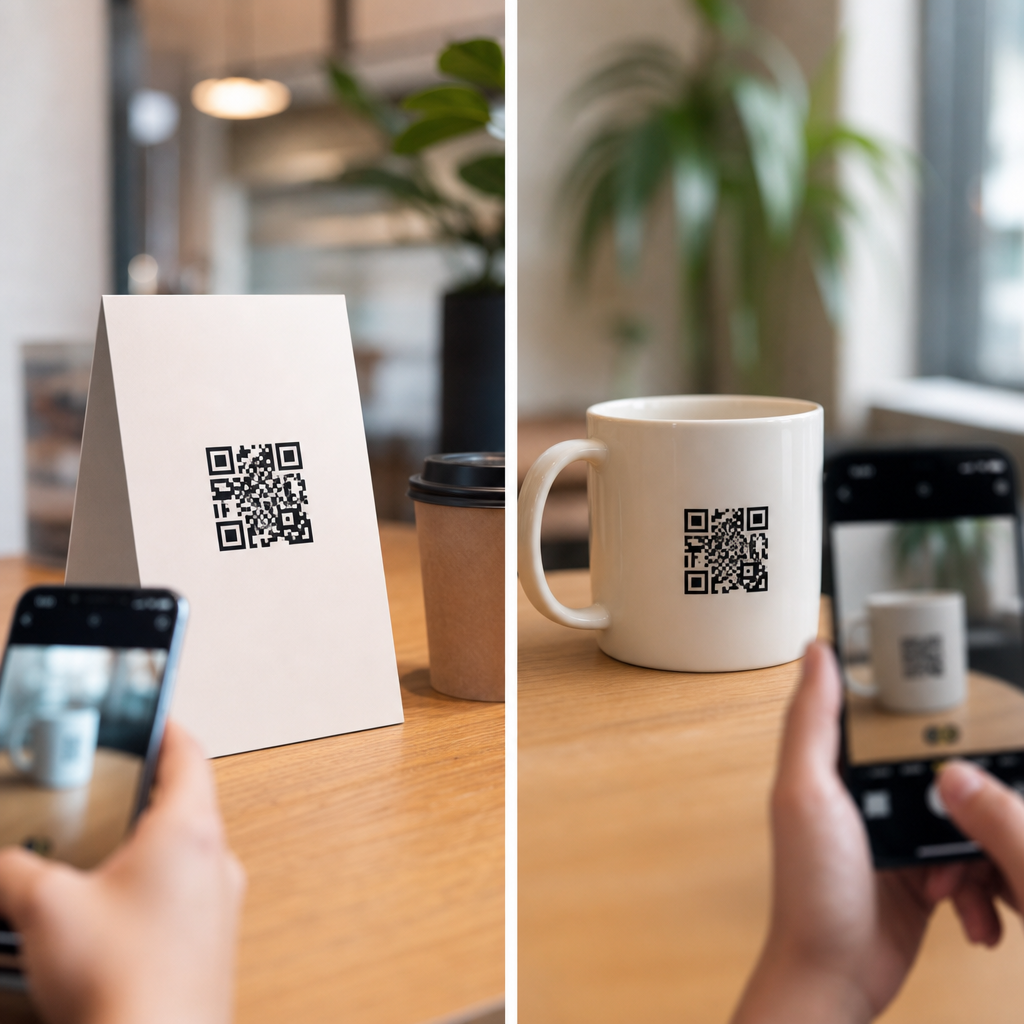
Dynamic QR codes outperform static codes when campaigns need flexibility, measurement, and long-term control. A static QR code stores the final destination directly in the pattern, so changing the URL, file, or action later requires reprinting the code everywhere it appears. A dynamic QR code stores a short redirect URL that points to a management layer first, allowing the destination to be edited after printing. That single difference changes how marketers, operations teams, event managers, and product owners use QR programs at scale.
In practice, dynamic QR code strategies matter because printed materials are expensive, distribution is fragmented, and user behavior shifts quickly. I have seen retail teams save entire seasonal campaigns by swapping a broken landing page without touching shelf talkers, packaging inserts, or window decals. I have also seen static codes create avoidable waste when restaurant menus, property listings, product manuals, or app download links changed after production. If your organization expects any destination updates, audience segmentation, scan analytics, or time-based rules, the choice is usually not close.
This hub article explains advanced use cases for dynamic QR codes versus static, when each model is appropriate, and how to build a governance system that keeps codes reliable over time. It also sets up the broader advanced QR code strategies topic by outlining the core concepts every related article should inherit: redirect architecture, scan attribution, lifecycle management, security controls, and performance optimization. The goal is simple: help you decide which code type fits each use case and show how dynamic deployment unlocks far more value than a one-time link.
How Dynamic and Static QR Codes Actually Work
Static QR codes encode fixed data such as a URL, text string, Wi-Fi credential, vCard, or payment payload directly into the symbol. Because the encoded content is final, the scanner reads it and acts on it immediately. Static is appropriate when the data will never change and no platform-level analytics are required. Common examples include internal asset IDs, permanent facility maps, or a plain text serial reference used in closed workflows.
Dynamic QR codes insert an intermediate redirect controlled by a QR management platform. After the scan, the platform can route users to a web page, PDF, app store, video, form, or deep link, while logging metadata such as timestamp, device type, approximate location, and total scans. Reputable tools such as Bitly, QR Code Generator Pro, Flowcode, Beaconstac, and Uniqode support editable destinations, campaign tags, and expiration rules. This architecture is what enables advanced QR code strategies: one printed code can support testing, localization, phased launches, and post-print corrections.
There are tradeoffs. Dynamic codes depend on the vendor’s infrastructure, so uptime, link governance, and data retention policies matter. If the service fails or the subscription lapses, scans can break. Static codes avoid that dependency and can be preferable for mission-critical offline use where the destination is truly permanent. The practical rule is straightforward: use static for immutable payloads with no reporting need; use dynamic for anything customer-facing, campaign-driven, or likely to evolve.
Advanced Dynamic QR Code Strategies for Marketing and Growth
The strongest argument for dynamic QR codes is not simple editability; it is controlled experimentation after materials are live. A direct mail package, trade show banner, product insert, or out-of-home placement often reaches users over weeks or months. With a dynamic code, the landing page can be changed by audience, geography, or campaign phase without reprinting. I routinely recommend launching with a broad educational page, then switching to a conversion-focused page once scan intent is validated. That sequence reduces bounce rates because the first phase surfaces objections, while the second tightens the call to action.
Dynamic codes also improve attribution. A static QR code can include UTM parameters, but once printed, the tagging and destination are frozen. A dynamic platform lets teams standardize UTM structures, repair broken parameters, and direct the same print asset to different pages for A/B testing. For example, a fitness brand might place one code design across all packaging but clone dynamic destinations by retailer, allowing Amazon, Target, and DTC traffic to land on tailored offer pages while preserving a unified visual experience.
Personalization is another advanced use case. Teams can use rules based on operating system, language, time, or scan count. A scan from iOS can route to the App Store while Android goes to Google Play; a scan from France can open a French page; a code on event signage can point to the live agenda during the conference and to session recordings afterward. These are not gimmicks. They solve real distribution problems and extend the useful life of printed materials.
| Use Case | Static QR Code | Dynamic QR Code | Why Dynamic Wins |
|---|---|---|---|
| Product packaging | Fixed manual or URL | Swap manuals, offers, or recall notices | Packaging lasts longer than landing pages |
| Events | Single agenda link | Update schedules, maps, recordings | Event information changes by the hour |
| Restaurant menus | One permanent menu page | Change items, prices, locations, dayparts | Avoid reprinting and reduce ordering errors |
| Real estate | Fixed listing page | Redirect sold listings to active inventory | Preserves traffic from signs already installed |
Operational, Product, and Service Use Cases Beyond Marketing
Dynamic QR code strategies are just as valuable in operations as in demand generation. On packaging and product labels, teams can direct customers to the latest manual, setup video, firmware instructions, or safety update. If a support article changes, the QR code on the carton does not need to change with it. Manufacturers use this to reduce call center volume because the code becomes a durable bridge between a physical item and the current support experience. In regulated environments, dynamic routing can also separate consumer-facing guidance from technician-only documentation.
Service organizations benefit from lifecycle routing. A healthcare clinic can place a dynamic code on appointment cards that first links to intake forms, then later to follow-up care instructions. A property manager can keep one code on lobby signage but change the destination from move-in resources to maintenance reporting during winter storms. Universities use dynamic codes across campus tours, alumni materials, and lab equipment because departmental pages, room schedules, and contact owners change constantly.
Product teams can embed QR codes into onboarding flows and printed quick-start guides, then optimize the destination based on support telemetry. If users repeatedly abandon setup on step three, the destination can be revised to a shorter checklist or a troubleshooting video. That kind of iteration is impossible with static codes unless the original destination already contains flexible content. Dynamic routing simply moves the control point higher, where teams can act faster.
Analytics, Governance, and Security Considerations
Scan analytics are useful only when they are interpreted correctly. Dynamic platforms typically report total scans, unique scans, device category, time, and approximate location derived from IP. These data help teams answer practical questions: Did a window decal outperform a shelf wobble? Did scans spike after a local radio mention? Did Android users convert worse because the landing page loaded slowly? The best programs connect scan data with web analytics platforms such as Google Analytics 4 and server-side tagging, so QR performance can be compared with email, paid social, and organic search on the same dashboard.
Governance matters more than most teams expect. I advise creating naming conventions, owner fields, expiration reviews, and redirect documentation before deploying hundreds of codes. Every dynamic QR code should have an accountable owner, intended destination, fallback page, and retirement policy. Broken redirects usually come from domain migrations, deleted landing pages, or canceled vendor plans, not from the code image itself. A QR inventory spreadsheet or asset management system prevents orphaned codes and makes audits manageable.
Security is another differentiator. Because users cannot visually inspect a QR destination before scanning, trust must be built into the implementation. Use branded short domains, HTTPS everywhere, and clear on-page labeling so the first screen confirms where the user is. For enterprise programs, role-based access controls, change logs, and approval workflows are essential. In some sectors, especially healthcare and finance, avoid sending users straight to sensitive actions without an identity checkpoint. Dynamic systems make secure routing easier, but they also introduce platform risk, so vendor due diligence is nonnegotiable.
How to Choose Between Dynamic and Static for Each Deployment
The right choice depends on permanence, scale, analytics needs, and operational risk. Use static when the payload is immutable, the destination is unlikely to move, and platform dependency would create more risk than value. Good examples are factory-floor equipment identifiers, offline Wi-Fi credentials for guest access, or archival materials tied to a stable institutional URL. Use dynamic when the destination might change, when campaign attribution matters, or when one printed asset must support multiple audiences over time.
For most customer-facing programs, dynamic should be the default. It supports redirects, scheduled updates, localization, app deep linking, and issue recovery after print. To implement it well, start with a stable branded short domain, define redirect rules, create a testing checklist for iOS and Android, and archive every live code in a central registry. Then connect scans to downstream conversions so optimization is based on revenue or task completion, not vanity metrics. That disciplined approach turns QR codes from simple shortcuts into managed infrastructure. Review your current codes, classify each as static or dynamic, and upgrade the ones that need flexibility before your next print run.
Frequently Asked Questions
What is the real difference between a dynamic QR code and a static QR code?
The core difference is what the QR code actually contains. A static QR code embeds the final destination directly in the pattern, such as a website URL, PDF link, contact card, or other fixed action. Once that code is printed or published, it cannot be meaningfully changed. If the landing page moves, the file is replaced, the campaign offer changes, or the business wants to redirect traffic somewhere else, the only solution is to generate a new code and update every physical and digital placement where the old one appears.
A dynamic QR code works differently. Instead of storing the final destination itself, it stores a short redirect URL that first points to a management platform. From there, the destination can be updated without changing the visible QR code. That means the same printed code on packaging, posters, menus, direct mail, signage, badges, product inserts, or in-store displays can continue working even as campaigns evolve. This flexibility is what makes dynamic codes so useful in advanced marketing and operational environments.
That same redirect layer also enables measurement and control. Depending on the platform, teams can track scan volume, timing, location trends, device types, and campaign performance. They can also set rules, run A/B tests, change destinations by date or region, pause a campaign, or swap a file link without replacing the code itself. In practical terms, static QR codes are best for simple, permanent uses where nothing will need to change, while dynamic QR codes are better for any program that needs optimization, reporting, governance, or long-term usability.
Why are dynamic QR codes better for advanced marketing campaigns?
Dynamic QR codes are better suited to advanced campaigns because modern marketing rarely stays fixed for long. Landing pages change, offers expire, attribution requirements evolve, and teams often need to optimize after launch. With a static QR code, every adjustment creates friction because the destination is permanently locked into the code. That makes static codes risky for campaigns with multiple stakeholders, rolling updates, seasonal promotions, or channels that remain in market for weeks or months.
Dynamic QR codes remove that rigidity. A marketer can launch a campaign using one printed code, then redirect traffic to different experiences over time based on performance, audience, geography, inventory, or business priorities. For example, a retailer could use one QR code on product packaging but send customers to different pages depending on whether the focus is a product tutorial, a limited-time bundle, a loyalty offer, or a support resource. An event team could place one QR code on signage and update it throughout the day to direct attendees to registration, session schedules, live announcements, feedback forms, or sponsor activations.
They also support more sophisticated measurement. Dynamic platforms often make it possible to see how often codes are scanned, when those scans happen, and which placements or campaigns drive the strongest response. That turns QR codes from a simple access tool into a measurable acquisition and engagement channel. For teams managing paid media, out-of-home advertising, field marketing, packaging, or print campaigns, that visibility is essential. Instead of treating QR scans as untrackable offline interactions, dynamic codes help connect physical touchpoints to digital performance data in a much more actionable way.
What advanced use cases make dynamic QR codes especially valuable for operations teams and long-term deployments?
Dynamic QR codes are particularly valuable wherever physical assets stay in circulation while the underlying information changes. Operations teams often manage systems, documents, equipment, packaging, facilities, and workflows that must remain stable on the surface but flexible underneath. A static QR code becomes a maintenance problem in these situations because any change to the linked destination requires replacing labels, signage, manuals, or printed materials. A dynamic QR code avoids that issue by preserving the physical code while allowing the linked resource to change behind the scenes.
One strong use case is document and file management. A manufacturer can place a QR code on equipment that links to the latest service manual, safety instructions, inspection checklist, or training video. If the file needs to be updated for compliance or process changes, the team simply changes the destination in the dashboard rather than relabeling every unit. The same principle works in healthcare, logistics, warehousing, construction, hospitality, and education, where employees or customers need access to the most current version of a resource without the organization constantly replacing printed codes.
Another advanced use case is lifecycle control across distributed assets. Businesses often deploy QR codes on packaging, product inserts, vehicles, retail fixtures, conference materials, or property signage that remain active for months or years. Dynamic QR codes allow those assets to continue serving new purposes over time. A code originally used for setup instructions can later point to registration, then warranty support, then accessory upsells, then customer service. That gives operations and marketing teams much better return on physical placements because the same code can evolve with the customer journey rather than becoming obsolete after one campaign or one transaction.
Can dynamic QR codes improve analytics, attribution, and campaign optimization?
Yes, and this is one of the biggest reasons organizations choose them. Static QR codes can send people to a destination, but they offer little control once deployed and limited visibility unless additional tracking is embedded perfectly from the start. Even then, if tracking needs to be refined later, the static code itself cannot be updated. Dynamic QR codes provide a management layer that allows teams to monitor performance and adjust strategy without replacing the code.
In a well-run campaign, that matters a great deal. Teams can compare scan activity across print placements, store locations, mail drops, event zones, packaging versions, or regional campaigns. They can identify which assets are underperforming, which calls to action generate stronger engagement, and when scan volume spikes. This is particularly useful for omnichannel strategies where physical media needs to be evaluated with the same rigor as digital channels. A dynamic QR code helps bridge that gap by making offline touchpoints more measurable and adaptable.
Optimization becomes much easier too. If one landing page underperforms, the destination can be updated immediately. If inventory changes, scans can be redirected to an alternate product. If a time-sensitive offer expires, the code can send users to a new promotion instead of a dead end. If a business wants to test different experiences, dynamic routing makes that possible in a controlled way. This ability to revise, measure, and improve after launch is what turns QR codes from a static utility into an active part of campaign management and performance marketing.
When is a static QR code still the right choice instead of a dynamic one?
Static QR codes still make sense when the destination is truly permanent and no ongoing management is needed. If a business is linking to something that is extremely unlikely to change, such as a stable informational page, a fixed Wi-Fi credential, or a simple one-time use with no expectation of analytics or future editing, a static code can be perfectly adequate. They are straightforward, often free to generate, and suitable for basic applications where flexibility is not important.
That said, many organizations underestimate how often “permanent” destinations eventually change. Websites are redesigned, PDFs are replaced, offers are updated, domains migrate, and support resources move. What looks permanent during launch often turns into a maintenance issue later. That is why dynamic QR codes are generally the safer choice for anything customer-facing, campaign-driven, compliance-sensitive, or distributed across physical materials that would be expensive or impractical to reprint.
A useful decision framework is this: choose static if the content is simple, final, and unlikely to need tracking, optimization, or edits. Choose dynamic if the code will appear on materials with a long shelf life, if multiple teams may need control over the destination, if campaign performance matters, or if there is any chance the linked experience will evolve. In advanced use cases, that flexibility is not just a convenience. It is often the difference between a QR deployment that scales smoothly and one that creates unnecessary cost, risk, and operational friction.