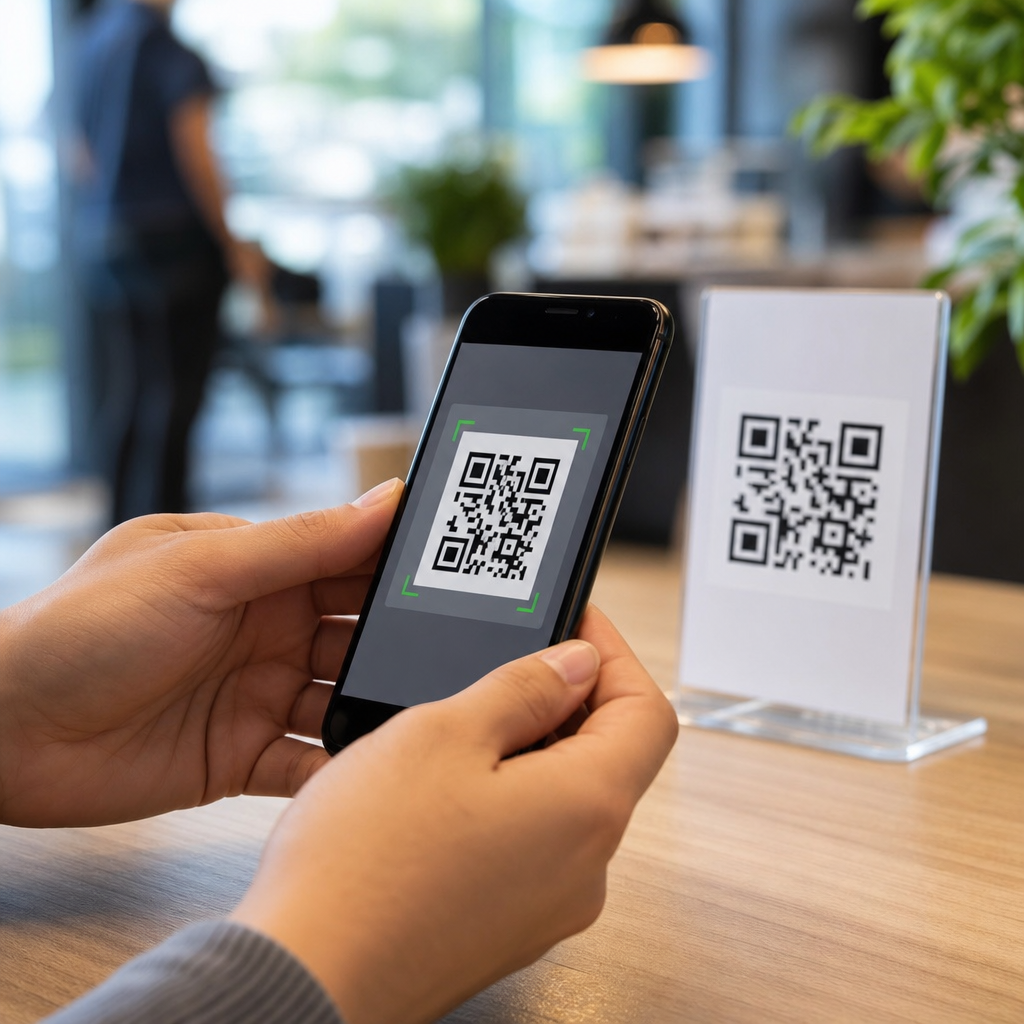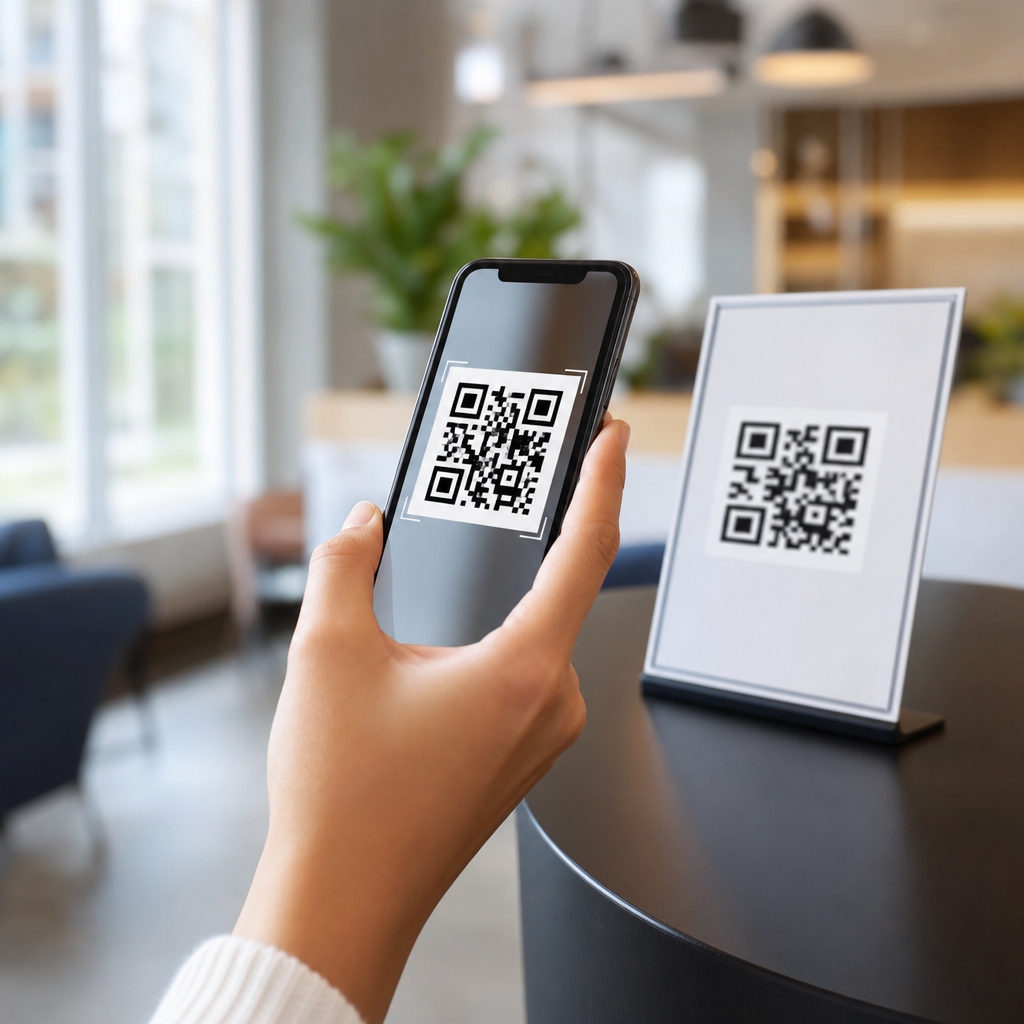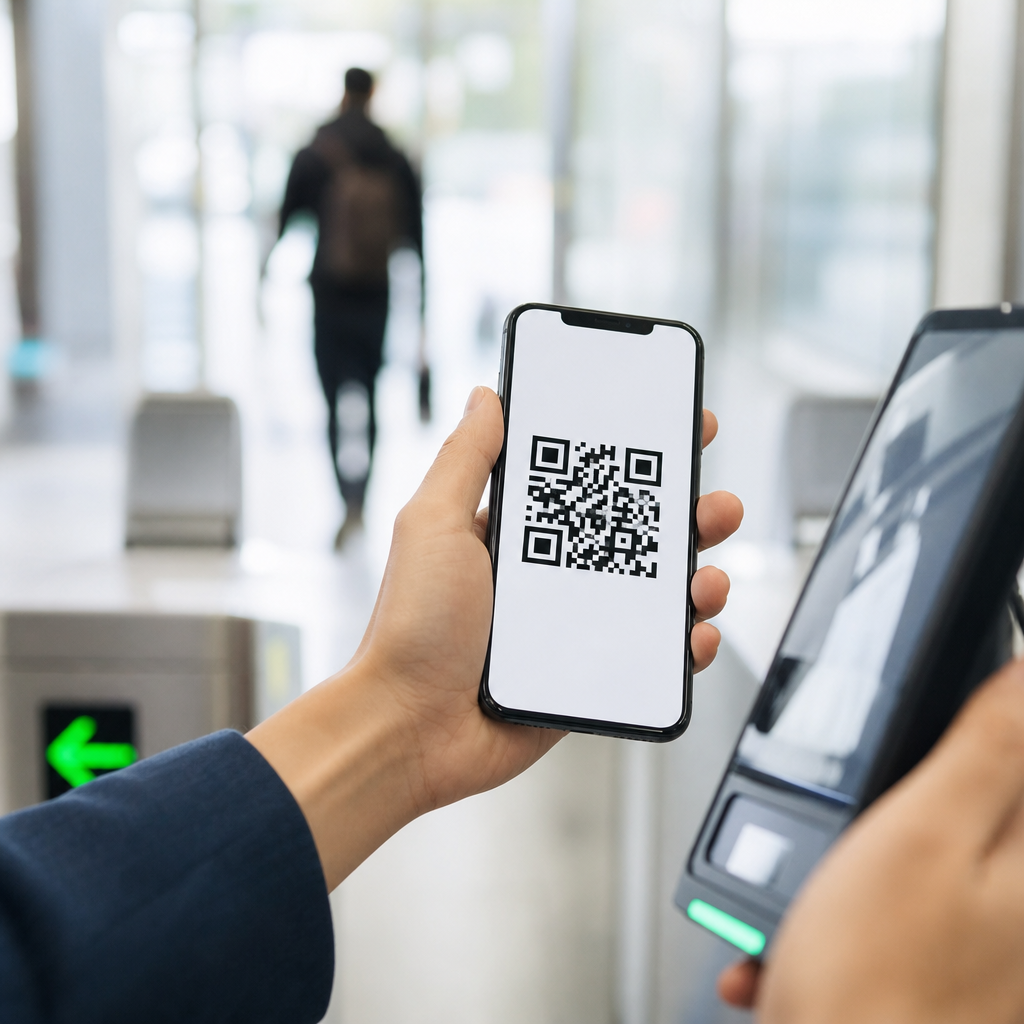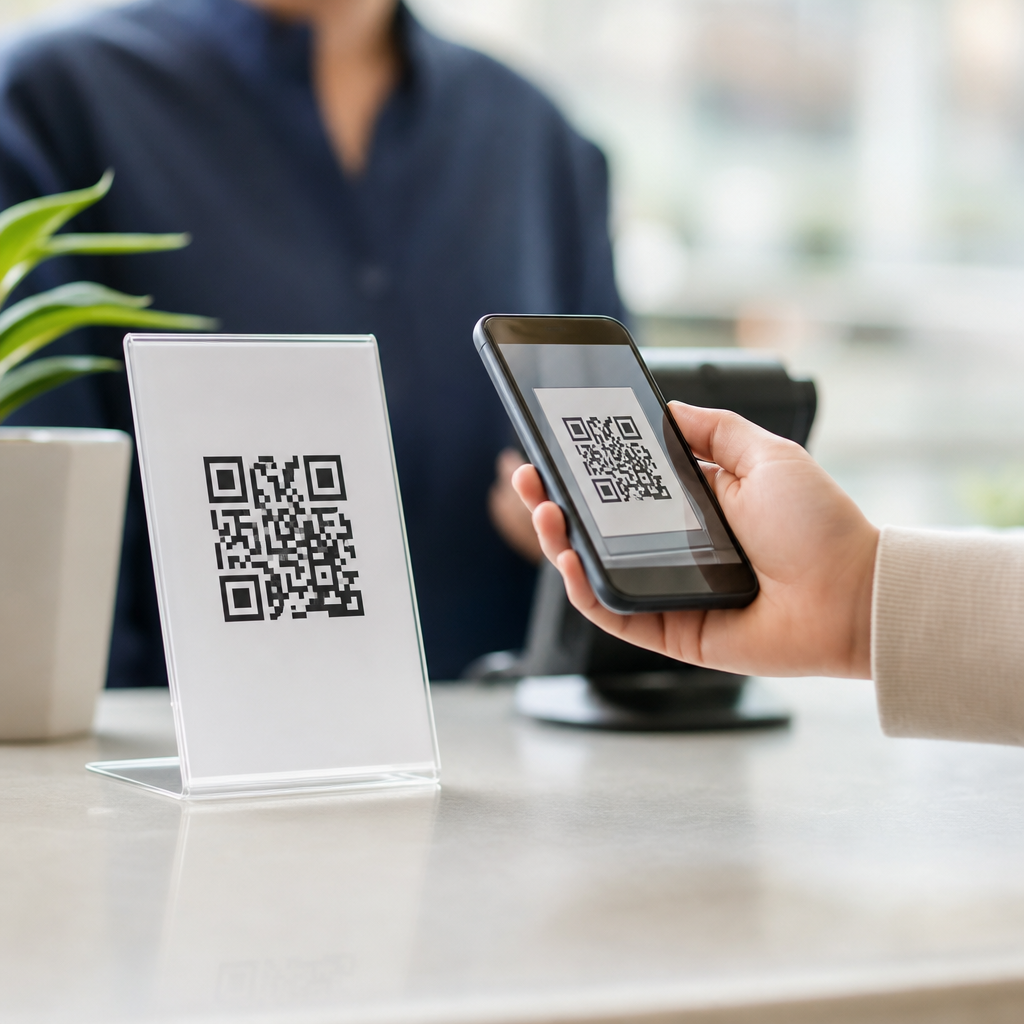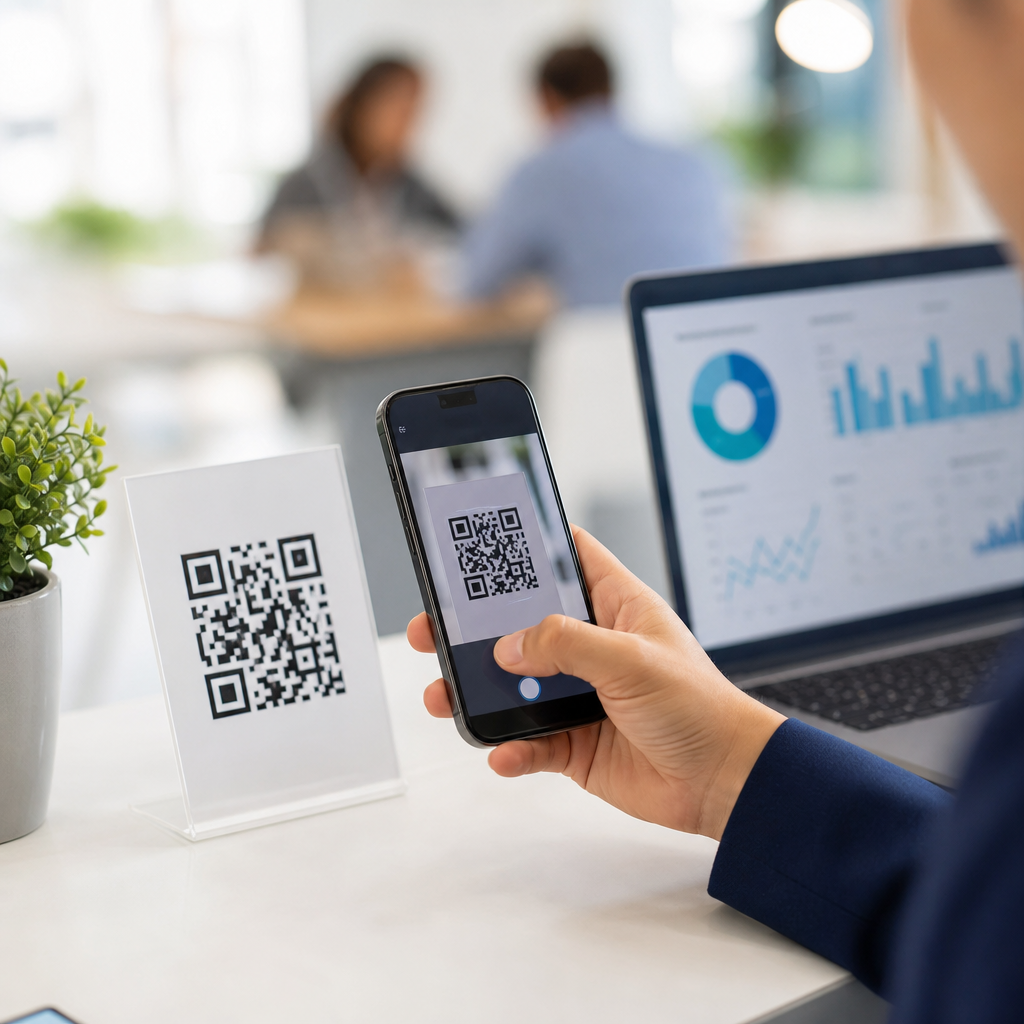
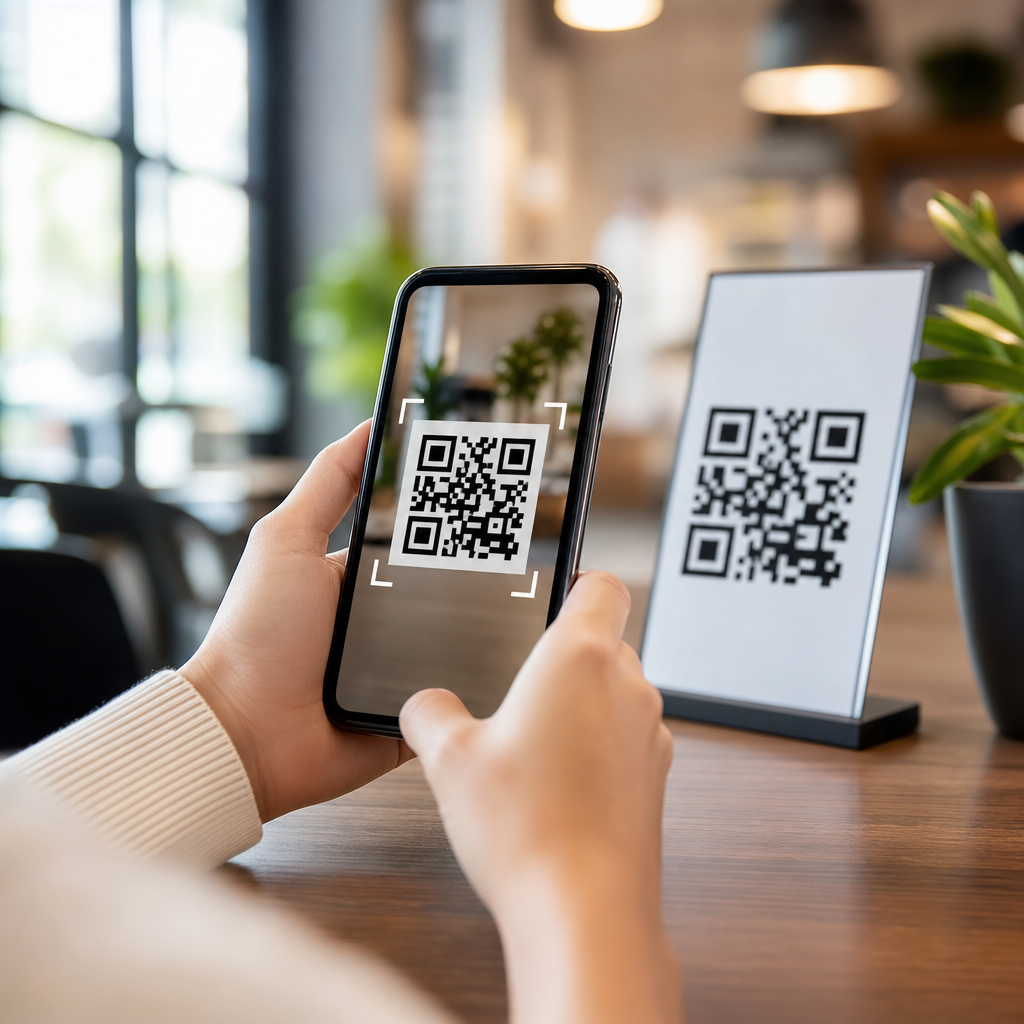
Mobile QR codes have become a practical bridge between offline attention and online action, giving marketers a fast, measurable way to move people from packaging, signage, print, and screens into digital experiences. A QR code, short for Quick Response code, is a two-dimensional barcode that a smartphone camera can scan to open a website, download an app, save contact details, start a payment, claim an offer, or trigger another mobile action. In marketing, mobile QR codes matter because they reduce friction. Instead of asking a customer to type a long URL, search for a product, or remember a promotion, the brand presents one scannable entry point. That small change often improves response rates, attribution, and campaign agility.
In my experience planning retail launches and event campaigns, QR codes perform best when they are treated as part of the customer journey rather than a novelty. A code on shelf talkers can deliver ingredient details, reviews, and coupons at the moment of purchase. A code on direct mail can bring recipients to a personalized landing page with prefilled forms. A code on restaurant tables can support menus, loyalty enrollment, and feedback collection without adding staff workload. The benefit is not the square itself; the benefit is the speed with which it connects intent to information. That speed is especially valuable on mobile, where people expect immediate answers and simple interactions.
The rise of native smartphone scanning made QR codes mainstream. Apple integrated QR recognition into the Camera app, and Android followed with broad camera-level support, removing the old barrier of requiring a separate scanner app. During the pandemic, touchless menus and check-ins accelerated consumer familiarity, but the marketing value extends far beyond that period. Today, brands use dynamic QR codes, UTM parameters, geotargeted landing pages, and analytics dashboards to tie scans to channel performance. For businesses building a mobile-first strategy, understanding the marketing benefits of mobile QR codes is essential because they support acquisition, engagement, conversion, and retention across physical and digital touchpoints.
Faster customer journeys and higher conversion potential
The first major benefit of mobile QR codes is speed. Every extra step in a customer journey lowers completion rates. Typing a URL, searching an app store, or manually entering contact information creates avoidable drop-off. A QR code compresses those steps into a single scan and tap. On posters, packaging, product displays, invoices, and receipts, that direct path can increase the percentage of people who actually reach the intended destination. When I have tested QR-led landing pages against printed vanity URLs in local campaigns, the QR version consistently produced more visits because it demanded less effort from the user.
That convenience matters most when intent is temporary. A shopper standing in an aisle may want reviews now, not later. A commuter seeing an ad in a station may have only a few seconds to respond. A conference attendee may intend to download a brochure, but not enough to type a long address while moving to the next session. Mobile QR codes capture these short windows of attention. They are particularly effective when paired with a clear call to action such as “Scan to see pricing,” “Scan for today’s offer,” or “Scan to book a demo.” Specific instructions outperform generic prompts because they tell the user what value they will receive.
Speed also improves conversion quality. If the code points to a mobile-optimized landing page with a focused objective, businesses can match the message on the physical asset to the next digital step. A QR code on a product package can lead directly to registration for warranty activation. A code on a real estate sign can open a property page with photos, floor plans, and a contact form. Because the user arrives with context, the landing experience can be tightly aligned with intent. That relevance increases form completions, coupon redemptions, and purchases.
Better tracking, attribution, and campaign optimization
Another core marketing benefit of mobile QR codes is measurability. Traditional offline media has often struggled with attribution because marketers could estimate reach but not prove action. QR codes improve that gap. By assigning unique dynamic codes to different placements, marketers can measure scans by location, time, device type, and campaign source. Adding UTM parameters to destination URLs allows traffic to be analyzed in Google Analytics 4, Adobe Analytics, or similar tools. Instead of treating print, packaging, out-of-home, and in-store signage as untrackable channels, teams can connect them to sessions, leads, and revenue.
Dynamic QR codes are especially useful because the destination can be changed without reprinting the code. That flexibility allows campaign managers to redirect traffic to new offers, regional pages, inventory-specific products, or seasonal promotions while keeping the same printed material in market. It also supports testing. A retailer can compare different landing page layouts, offers, or messages by rotating the destination behind the same physical code and monitoring conversion rate changes. Static codes still have uses for permanent information, but dynamic codes are usually the better choice when optimization and reporting matter.
Below is a simple comparison marketers can use when choosing between static and dynamic QR codes for campaigns.
| Type | Best use | Main benefit | Limitation |
|---|---|---|---|
| Static QR code | Permanent URLs, simple one-time materials | No ongoing platform dependency | Destination cannot be changed after printing |
| Dynamic QR code | Campaigns, promotions, analytics-driven programs | Editable destination plus scan tracking | Usually requires a paid QR management platform |
Measurement only becomes meaningful when linked to business outcomes. The strongest QR programs use dashboards that combine scan data with landing page behavior, CRM records, and sales results. A B2B company may track how many brochure scans turn into qualified meetings in Salesforce or HubSpot. A restaurant may tie table-tent scans to loyalty signups and repeat visits. A consumer packaged goods brand may compare scan rates across retailers to understand where packaging calls to action are working hardest. QR codes do not solve attribution perfectly, but they make offline media significantly more accountable.
Stronger engagement across packaging, print, retail, and events
Mobile QR codes expand what a physical asset can do. A package, flyer, billboard, business card, or display has limited space, but a scan can open richer content without cluttering the design. On product packaging, brands often use QR codes to provide tutorials, sourcing information, allergen details, care instructions, or loyalty rewards. That is useful in categories where purchase confidence depends on education. Beauty brands use codes to show application videos. Food brands use them for recipes and nutrition information. Electronics companies use them for setup guides and troubleshooting. The package becomes both a sales tool and a service channel.
In print marketing, QR codes give direct mail, brochures, catalogs, and magazine ads a measurable digital extension. A catalog can link each featured collection to a purchase page. A postcard can route different neighborhoods to local landing pages with store hours and maps. For service businesses, a flyer can open a booking form rather than asking prospects to call later. This matters because delayed action is often lost action. The closer the response mechanism is to the moment of attention, the better the engagement result tends to be.
Retail and event environments benefit in similar ways. In stores, QR codes can unlock size availability, customer reviews, comparison charts, and membership enrollment. They help shoppers self-serve while still moving toward conversion. At events, they streamline registration, lead capture, session downloads, and post-event follow-up. I have seen exhibitors replace thick printed collateral with QR-linked digital assets, reducing waste while increasing measurable engagement. Staff also gain better context because leads who scan product-specific codes can be segmented by interest before follow-up begins.
Lower costs, greater flexibility, and easier content updates
From a budget perspective, mobile QR codes are attractive because they extend existing assets without requiring major media reinvention. Adding a code to packaging, point-of-sale material, menus, window decals, or direct mail is usually inexpensive relative to building a new channel. Yet the code can connect customers to video, product feeds, forms, maps, app installs, reviews, social content, or gated resources. This allows marketers to keep printed materials concise while moving detailed information online, where it can be updated faster and at lower cost than reprinting long explanatory copy.
Flexibility is one of the most underappreciated benefits. If inventory changes, a campaign pauses, or a regional landing page needs swapping, a dynamic QR code can often be updated in minutes. That capability is valuable for franchises, multi-location retailers, and brands with fast-moving promotions. Restaurants can update menus without replacing every table sign. Property marketers can redirect from a sold listing to a similar available unit. Manufacturers can swap outdated documentation links for current manuals. In each case, the printed code remains usable while the digital destination stays accurate.
There are also operational savings. Fewer printed pages, reduced fulfillment weight, and less obsolete collateral can lower production costs over time. Sustainability teams often support QR initiatives because digital handoffs reduce waste, especially at trade shows and in packaging inserts. The tradeoff is dependence on mobile connectivity and a well-maintained destination page. If the linked experience is slow, broken, or not optimized for phones, the code will underperform. The best results come when creative, web, analytics, and operations teams manage QR codes as live infrastructure rather than one-off artwork.
Personalization, loyalty, and long-term customer value
Beyond immediate response, mobile QR codes support retention and customer lifetime value. A scan can identify campaign source, location, product line, or audience segment, allowing marketers to personalize the next experience. For example, a QR code on premium packaging can route customers to an onboarding page tailored to that model, then invite them to register, join a loyalty program, or receive replenishment reminders. A hotel can place room-specific codes that lead guests to service requests, local recommendations, or upsell options. A fitness studio can use codes on in-club signage to drive class bookings and referral offers.
QR codes also create useful first-party data opportunities when paired with transparent consent and a clear value exchange. Consumers are more willing to share an email address or preferences when the reward is immediate, such as an exclusive guide, discount, warranty, or points enrollment. Over time, those interactions help marketers understand which products trigger scans, which locations produce stronger engagement, and which messages drive repeat behavior. The result is a feedback loop that improves not just one campaign, but broader mobile marketing strategy.
The marketing benefits of mobile QR codes are clear: they shorten the path from interest to action, make offline channels measurable, enrich physical touchpoints with digital content, and support flexible campaigns that can be updated without expensive reprints. They also help brands build ongoing relationships through personalized experiences, loyalty enrollment, and better first-party data. To get these benefits, use mobile-optimized landing pages, clear calls to action, dynamic codes where appropriate, and analytics that connect scans to business outcomes. Start with one high-intent touchpoint, measure results carefully, and expand from there.
Frequently Asked Questions
What are the main marketing benefits of mobile QR codes?
Mobile QR codes help marketers turn offline interest into immediate digital action. Instead of asking someone to remember a URL, search for a brand later, or manually type a landing page into a browser, a QR code removes friction by taking the user directly to the intended destination with one quick scan. That speed matters in real-world environments such as product packaging, direct mail, retail displays, event signage, menus, vehicle wraps, and out-of-home advertising, where attention is limited and convenience drives response rates.
Another major benefit is measurability. Mobile QR codes make it easier to track engagement from physical marketing materials in a way traditional print often cannot. Marketers can monitor scans, timing, device behavior, location trends, and campaign performance to better understand which placements, offers, and creative assets are producing results. This creates a stronger feedback loop between offline campaigns and digital analytics.
QR codes also support better personalization and segmentation. A code can direct different audiences to campaign-specific landing pages, localized promotions, loyalty offers, product tutorials, lead capture forms, or app download experiences. This allows brands to tailor the post-scan journey to the customer’s context rather than delivering a generic message. In short, the core marketing advantage of mobile QR codes is that they connect physical touchpoints to digital experiences quickly, measurably, and at relatively low cost.
How do mobile QR codes improve customer engagement and conversions?
Mobile QR codes improve engagement by reducing the number of steps between interest and action. Every extra step in a customer journey creates an opportunity for drop-off, especially on mobile. When someone sees a product on a shelf, a poster in a store, or a flyer in the mail, a QR code gives them an immediate path to engage while their attention is still active. That can lead to more landing page visits, higher offer redemption, increased email sign-ups, stronger app adoption, and better conversion rates overall.
They also make marketing more interactive. Instead of using physical materials only for awareness, brands can turn them into gateways for product demos, how-to videos, reviews, limited-time offers, booking tools, social media experiences, mobile payments, or customer support. This creates a more useful and engaging customer journey, which can increase trust and help move prospects closer to a purchase decision.
Conversions often improve when the destination matches the moment. For example, a QR code on packaging can link to usage tips or reorder options, while a code on an event display might lead to a lead form or calendar booking page. Because the action is immediate and context-specific, users are more likely to complete it. When paired with mobile-optimized landing pages, clear calls to action, and compelling incentives, QR codes can become a highly effective conversion tool across both acquisition and retention campaigns.
Where should marketers use mobile QR codes for the best results?
The best placements for mobile QR codes are high-visibility touchpoints where customers naturally pause, look closer, or need more information. Product packaging is one of the strongest use cases because it reaches people at the point of purchase or during product use. A code on packaging can direct customers to product education, warranty registration, reviews, cross-sell recommendations, loyalty enrollment, or reorder pages. Retail signage and shelf talkers are also effective because they can connect in-store browsing behavior to digital content without disrupting the shopping experience.
Print marketing remains another valuable channel. Direct mail pieces, brochures, catalogs, business cards, restaurant materials, and magazine ads can all benefit from QR codes because they provide a simple path from print to mobile. For events and trade shows, QR codes can streamline lead generation, session sign-ups, downloads, contact sharing, and post-event follow-up. In out-of-home advertising, such as transit ads, posters, and window displays, they can help brands capture attention and prompt an immediate response before the moment passes.
The best results usually come from pairing placement with intent. If the audience is likely to want more details, a discount, a fast next step, or a convenient mobile action, a QR code is a strong fit. Marketers should make sure the code is easy to scan, visually noticeable, and supported by a clear instruction or value statement, such as “Scan to claim 15% off” or “Scan to watch the demo.” Context and clarity are what turn a scan opportunity into real performance.
How can marketers track and measure the performance of QR code campaigns?
One of the most valuable aspects of mobile QR codes is that they give physical marketing a digital measurement layer. Marketers can use trackable QR codes that connect to campaign URLs, tagged landing pages, or dynamic destinations, allowing them to collect data on scans, traffic sources, time of engagement, device types, geographic patterns, and downstream conversions. This makes it possible to evaluate which printed assets, store locations, products, events, or promotional messages are generating meaningful response.
To measure performance well, marketers should start by defining the intended outcome. Some campaigns are focused on awareness and traffic, while others target sign-ups, purchases, downloads, appointments, or coupon redemptions. Once the goal is clear, the QR code should lead to a dedicated mobile-friendly destination that can be tracked in analytics platforms. UTM parameters, conversion events, form submissions, ecommerce metrics, and CRM attribution can all help tie the scan to business impact rather than just top-level engagement.
Testing is also important. Marketers can compare variations in call-to-action language, design placement, offer type, landing page format, or audience segment to learn what produces the strongest performance. Dynamic QR codes are particularly useful because they allow the destination URL to be updated without reprinting the code, which supports optimization after launch. When treated as a measurable campaign asset rather than a simple convenience feature, mobile QR codes can provide actionable insights that improve both offline and digital marketing strategy.
What are the best practices for creating effective mobile QR code marketing campaigns?
The most effective mobile QR code campaigns are built around user value, not just technology. A QR code should give people a clear reason to scan, whether that is accessing exclusive content, saving money, viewing product details, joining a loyalty program, making a purchase, or getting help quickly. If the benefit is vague or weak, scan rates will suffer. Strong campaigns use simple call-to-action language that tells users exactly what they will get, such as “Scan to order now,” “Scan for setup instructions,” or “Scan to unlock today’s offer.”
Execution matters just as much as the offer. The code should be placed where people can easily see and scan it, with adequate size, contrast, and spacing. It should not be crowded by other design elements or positioned where glare, distance, movement, or poor lighting make scanning difficult. The post-scan experience must also be optimized for mobile. If users land on a slow page, a confusing form, or a desktop-style website, the benefit of the quick scan is lost. The destination should load fast, match the campaign message, and present a single obvious next step.
Marketers should also think strategically about branding, trust, and ongoing optimization. When users understand which brand is behind the code and what action it will trigger, they are more likely to engage. Using dynamic QR codes, campaign-specific landing pages, and analytics tools allows teams to test, refine, and improve performance over time. Privacy, relevance, and timing should all be considered as well. Ultimately, the best QR code campaigns feel seamless to the customer: they solve a need in the moment, reduce friction, and make it easier to move from curiosity to conversion.