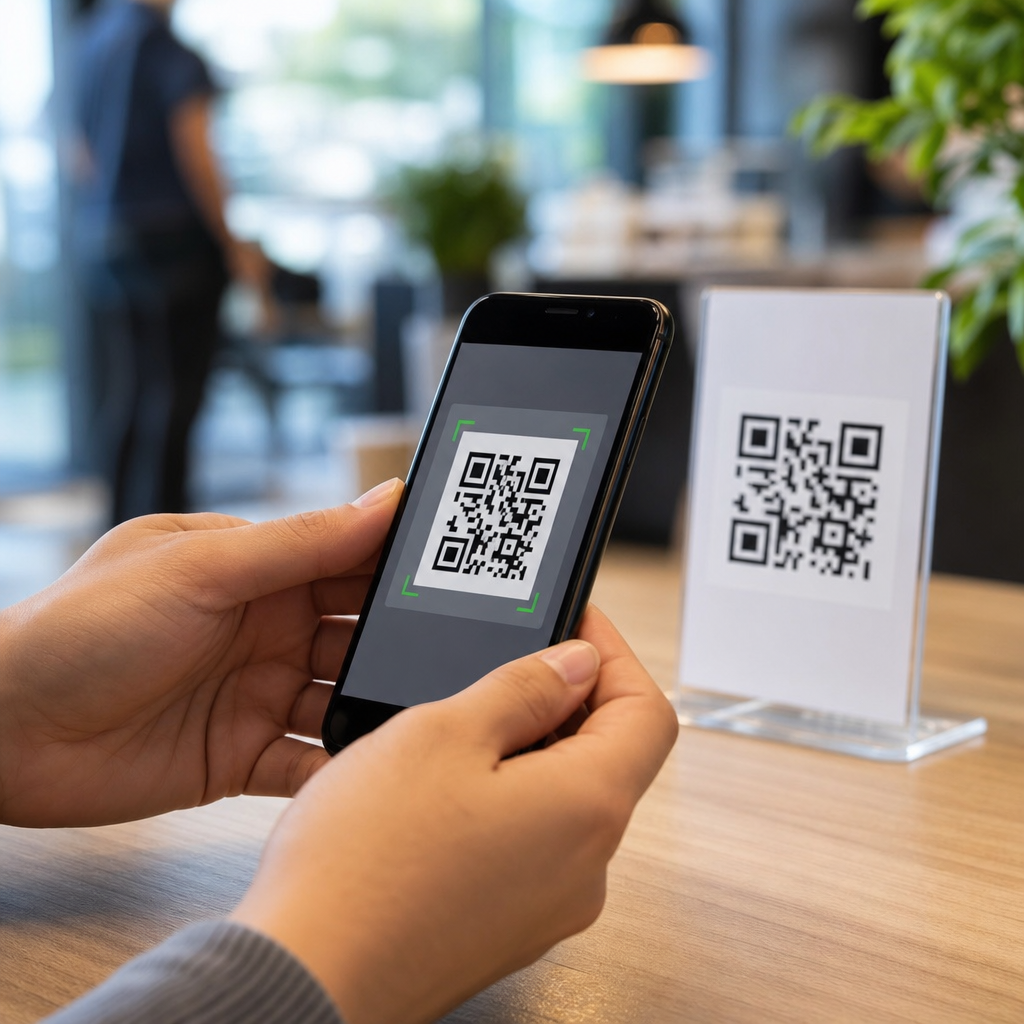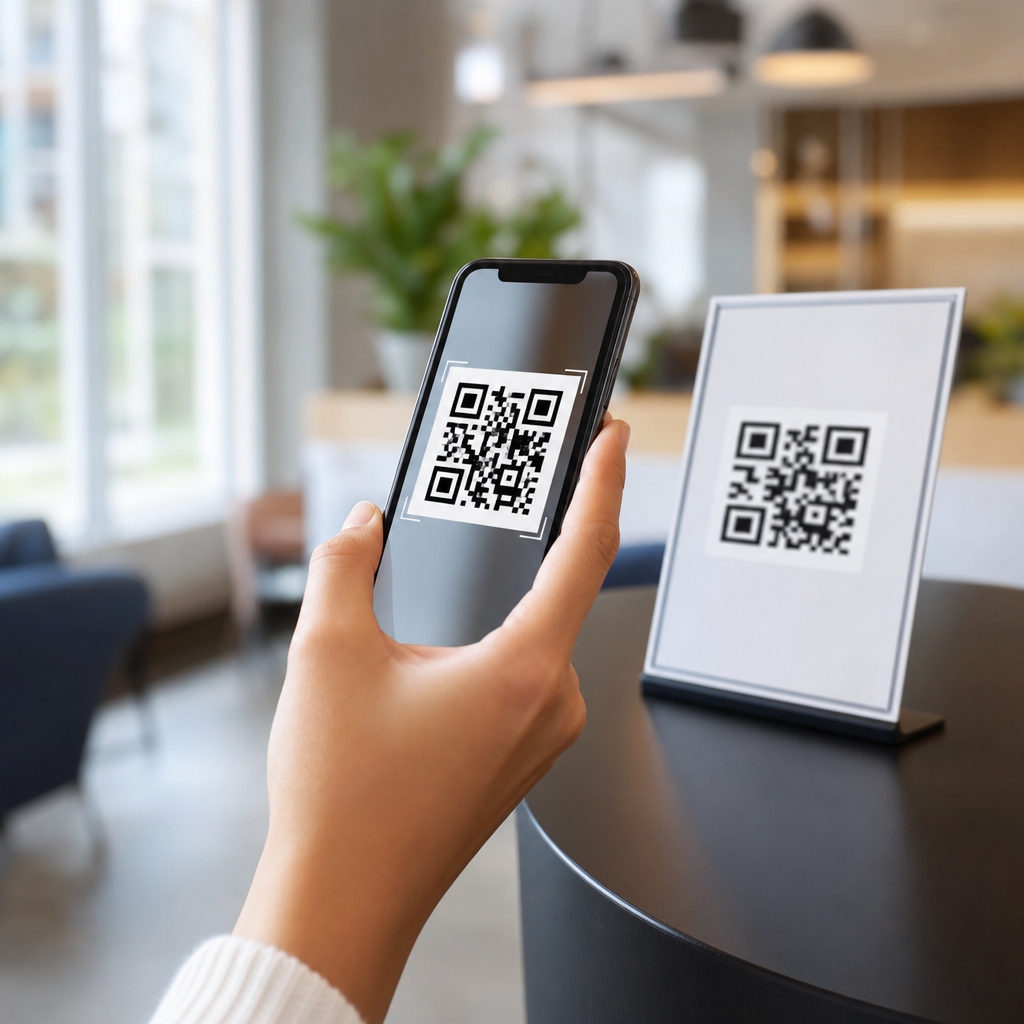
QR codes have become one of the most practical tools in modern mobile life because they connect physical objects to digital actions in seconds. A QR code, short for Quick Response code, is a two-dimensional barcode that stores information such as a web address, payment request, contact card, menu, app download link, or authentication token. Most smartphones can scan one instantly through the camera app, removing the need to type long URLs, search for a business manually, or exchange information by hand. That simple change in effort is why mobile QR codes now appear on restaurant tables, product packaging, transit signs, medical forms, event tickets, utility bills, and classroom handouts.
When I first started working with mobile customer journeys, QR codes were often treated as a novelty. That has changed. Today they serve a clear operational purpose: reducing friction at the exact moment a user wants to act. Convenience, in this context, means fewer taps, less typing, faster access, and lower chances of user error. For businesses, that convenience often improves conversion rates, shortens queues, supports contactless interactions, and makes offline marketing measurable. For consumers, it simplifies everyday tasks like paying, checking in, joining Wi-Fi, saving a phone number, or opening instructions while standing in front of a product.
The benefits of mobile QR codes matter because smartphone behavior is immediate and context-driven. People scan when they are already engaged: at a storefront, on public transport, during a delivery, or while comparing products in a store aisle. A well-placed QR code can bridge that intent gap faster than any printed phone number or plain text link. This article explains how QR codes make everyday life easier, where they create the most value, what tradeoffs to understand, and how to use them effectively across consumer and business settings.
Why mobile QR codes save time and reduce friction
The main advantage of a mobile QR code is speed. A scan can open the exact destination a user needs without requiring search, typing, or navigation through a homepage. That sounds small, but in practical use it solves one of the biggest problems in mobile experience design: every extra step causes drop-off. I have seen businesses improve form completions simply by replacing printed URLs with a QR code leading directly to the right landing page. The same principle works for service menus, support pages, feedback forms, and appointment scheduling.
QR codes also reduce input errors. Long URLs, Wi-Fi passwords, serial numbers, and payment details are easy to mistype on a phone. Encoding that information inside a code makes the interaction far more reliable. In a hotel, for example, a guest can scan to open the guest guide, message reception, or connect to Wi-Fi without entering credentials manually. In healthcare, a patient can scan a code on discharge paperwork to access aftercare instructions, reducing confusion after leaving the clinic. In logistics, delivery drivers can scan a package code to confirm receipt, update status, or open route details instantly.
Another everyday benefit is accessibility across familiarity levels. Users do not need to know a brand’s website structure or app interface if the code takes them straight to the destination. Most modern phones support scanning natively on iPhone and Android, which lowers technical barriers. Convenience increases when the code appears exactly where the decision happens: on a shelf tag, receipt, poster, parcel, countertop, or product label.
Common everyday uses that make QR codes valuable
The strongest proof of convenience is how naturally QR codes fit routine tasks. Restaurants use them for menus, ordering, loyalty sign-ups, and payment. Retail stores place them on packaging so shoppers can view setup videos, ingredient information, warranty registration, or refill options. Public venues use them for tickets, wayfinding, exhibit information, and donation pages. Offices use them for visitor check-in, desk booking, and secure guest Wi-Fi access. Schools use them in printed assignments to connect students to videos, forms, or reading materials without requiring them to type addresses from paper.
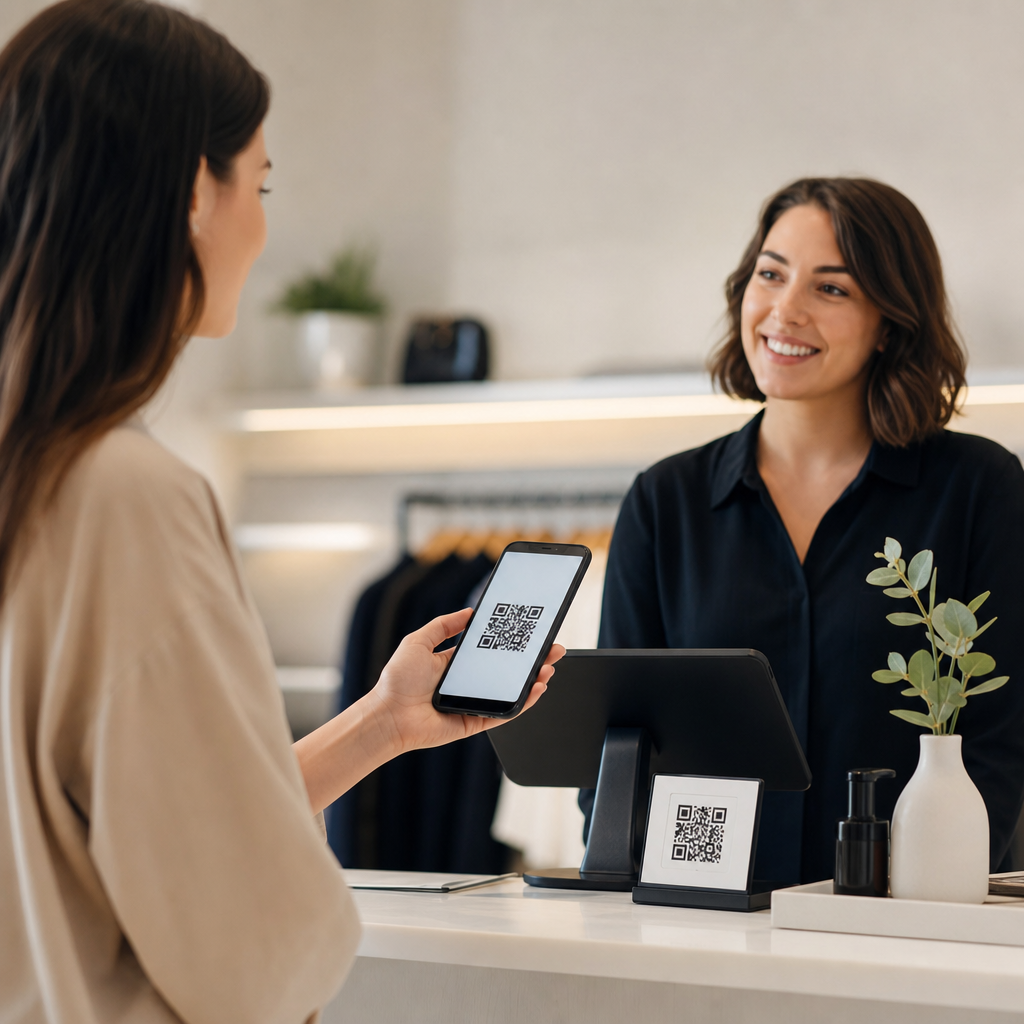
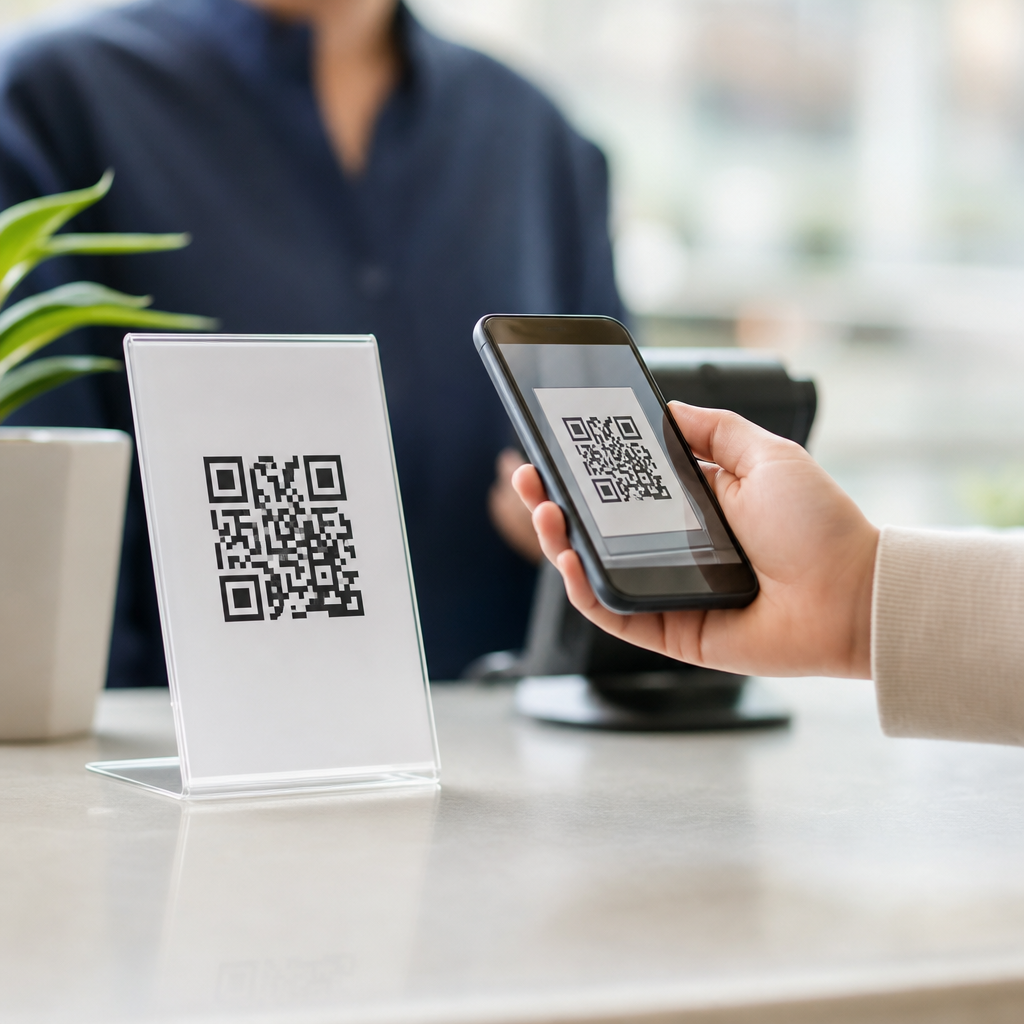
Payments are one of the clearest examples. A static payment code can direct a customer to a merchant wallet, while a dynamic code can pass transaction details directly into a mobile payment flow. In many markets, this has lowered point-of-sale hardware needs and expanded cashless transactions for small vendors. A market stall, food truck, or independent service provider can accept fast digital payments with little more than a printed sign. For the customer, the convenience is obvious: scan, confirm, done.
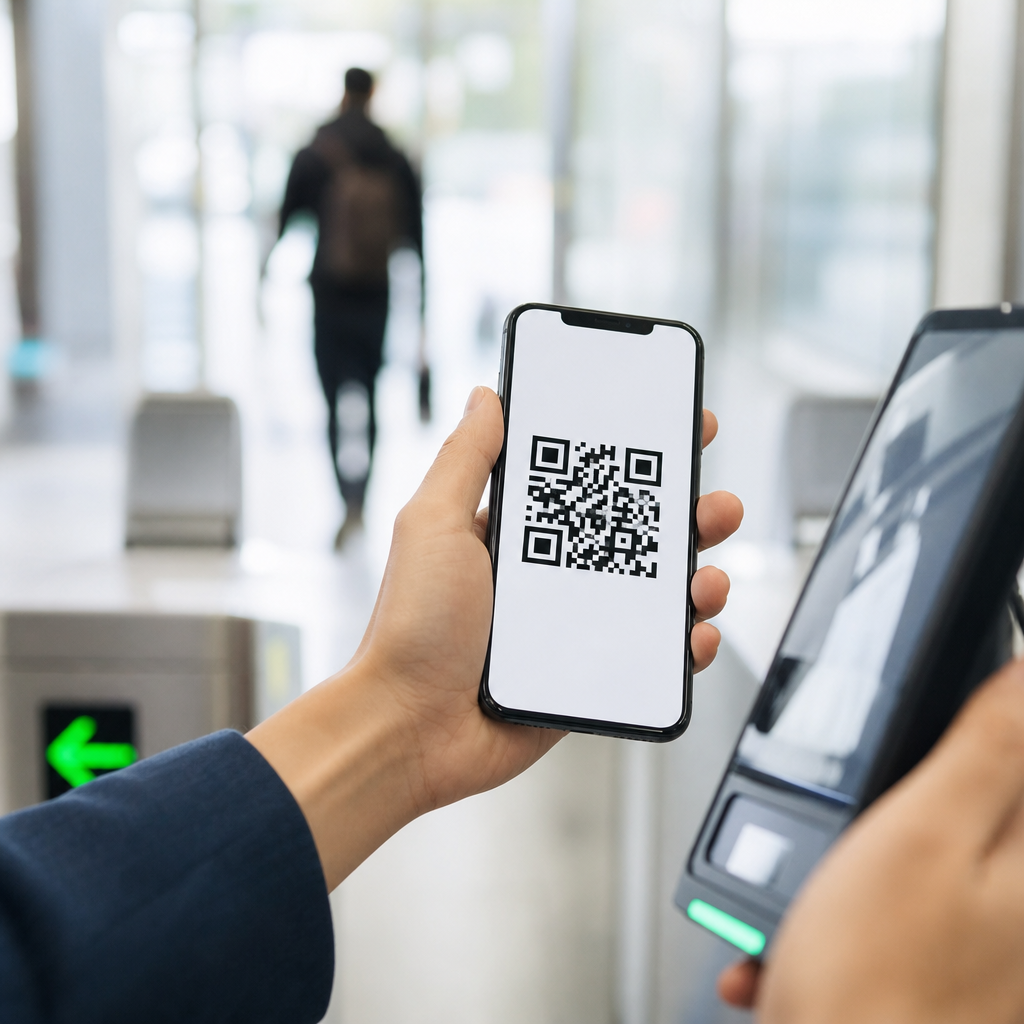
Transport and travel also benefit. Airlines, rail operators, and transit agencies use QR codes for boarding passes, ticket validation, and service updates. Hotels use them for self check-in, local recommendations, and digital concierge services. Museums and tourist sites use them to deliver multilingual information without printing extensive signage. Because mobile QR codes can point to updated content, the same physical sign can remain useful even when schedules, prices, or instructions change.
| Use case | How the QR code helps | Everyday benefit |
|---|---|---|
| Restaurant menu | Opens menu, allergen details, and ordering page | Faster service and fewer printed materials |
| Retail packaging | Links to setup guides, reviews, and warranty forms | Better post-purchase support on the spot |
| Mobile payment | Launches wallet or prefilled payment request | Quick, contactless checkout |
| Event ticketing | Stores scannable entry credential | Shorter lines and easier verification |
| Wi-Fi access | Encodes network name and password | No manual password entry |
| Customer feedback | Directs users to a short survey | Higher response rates at the moment of experience |
Business and consumer benefits of mobile QR codes
For consumers, the top benefits are convenience, speed, and confidence. A scan provides an immediate path to information or action while reducing uncertainty about what to do next. If someone buys a device and scans a code on the box to watch installation steps, that is more efficient than searching video platforms and hoping the right instructions appear. If a commuter scans a code at a station and sees live service alerts, that saves time and avoids preventable delays.
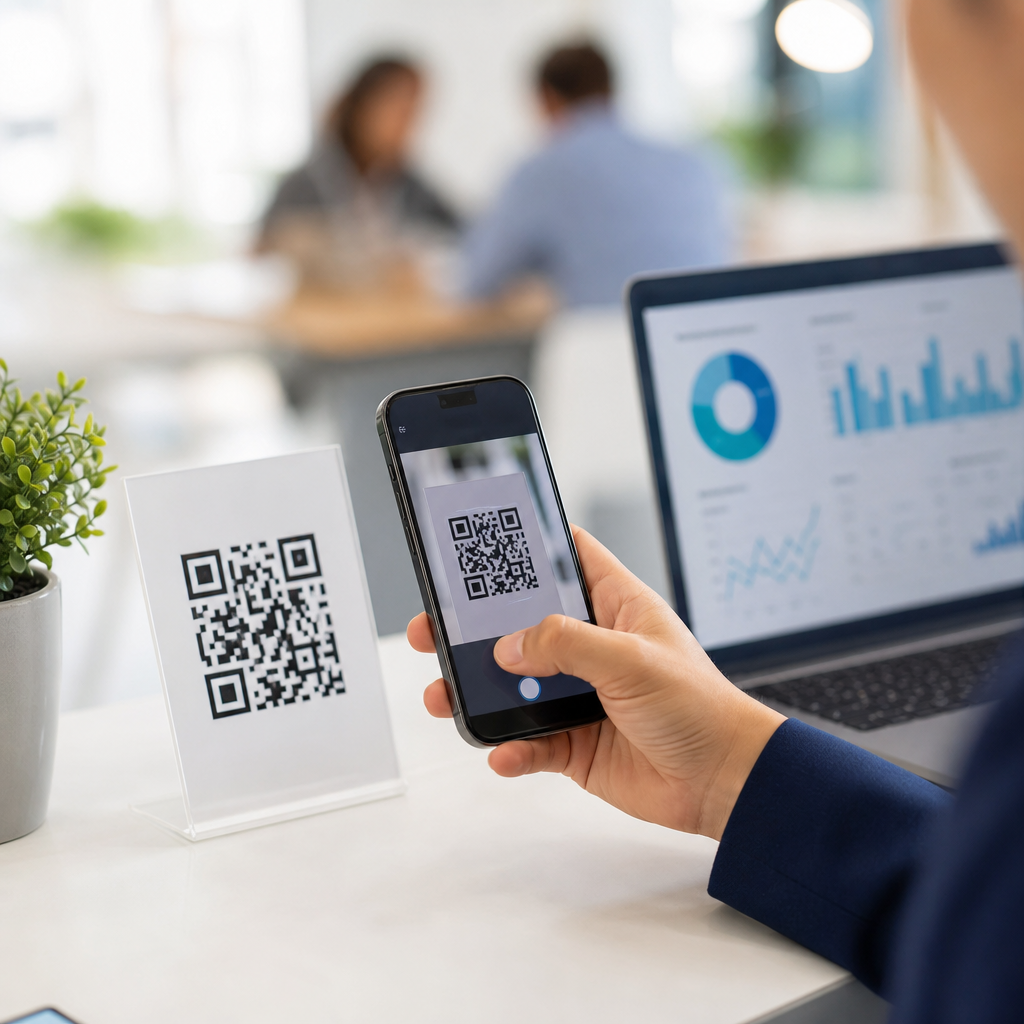
For businesses, QR codes improve both operations and measurement. Dynamic QR codes can be edited after printing, allowing the destination URL to change without replacing the physical asset. That matters for campaigns, menus, compliance updates, and seasonal promotions. Analytics attached to dynamic codes can show scan volume, time, device type, and location patterns, depending on the platform used. Tools such as Bitly, QR Code Generator, Beaconstac, and Flowcode are commonly used to manage these campaigns and track performance. When paired with UTM parameters and web analytics platforms like Google Analytics 4, QR traffic becomes attributable instead of invisible.
There is also a strong cost benefit. Printing one code that connects to updated digital content is often cheaper than repeatedly printing revised brochures, instructions, or catalogs. In regulated industries, where instructions and disclosures may change, QR codes can reduce document waste while keeping the latest approved version accessible. That said, they work best as part of a broader mobile experience. If the landing page is slow, confusing, or not optimized for phones, the convenience of the scan is lost immediately.
What makes a QR code experience effective and trustworthy
Not every QR code delivers convenience. The best results come from clear purpose, strong placement, and a mobile-friendly destination. A user should know what will happen before scanning: view menu, pay bill, download app, join Wi-Fi, or open instructions. Ambiguous codes get fewer scans because people hesitate when the value is unclear. I recommend pairing every code with a short action label and, where relevant, a fallback short URL for users who cannot scan.
Technical quality matters as well. Codes need sufficient contrast, quiet space around the edges, and a size appropriate to viewing distance. A tiny code on a high shelf is ineffective, and an overdesigned branded code can become unreadable if error correction is pushed too far. ISO/IEC 18004 remains the core standard underlying QR code structure, and most professional generators handle formatting correctly when used properly. Testing on multiple devices, lighting conditions, and camera apps is essential before launch.
Trust is equally important. Because QR codes hide the destination until scanned, users may worry about phishing or malicious redirects. Businesses should reduce that concern by using recognizable domains, secure HTTPS pages, and context that makes the code feel legitimate. In settings like payments or account login, extra caution is necessary. Fraudsters have used sticker overlays on parking meters and public posters to redirect users to fake payment pages. Regular physical inspection and destination monitoring are basic safeguards, not optional extras.
The limits of QR code convenience and how to use them well
QR codes are useful, but they are not the answer to every mobile interaction. They depend on a camera-capable device, adequate lighting, and a user willing to scan. In environments with poor signal, linking only to a heavy web page can create frustration. Some audiences still prefer direct buttons inside an app, NFC tap interactions, or printed instructions they can read without a phone. Accessibility also needs attention: users with low vision, limited motor control, or older devices may need alternatives.
The best approach is to use QR codes where they remove genuine friction, not where they simply replace a working method. They are strongest when a person is already in a physical context and needs instant digital follow-through. That includes packaging, signage, receipts, forms, tables, tickets, and labels. They are weaker when the code adds an unnecessary step, such as asking a desktop user to scan a screen just to reach a page they could click directly. Convenience is situational, and good implementation respects that.
In everyday life, the convenience of QR codes comes from turning intent into action with almost no delay. They help people pay, learn, connect, verify, register, and navigate using the phone already in their hand. For businesses, they link offline moments to measurable digital outcomes and make content easier to update. For consumers, they simplify routine tasks and reduce friction in places where time and attention are limited. If you are building a mobile-first customer experience, review the points where users stop, search, or type unnecessarily, and start with one well-designed QR code that solves a real problem.
Frequently Asked Questions
What is a QR code, and why is it so convenient in everyday life?
A QR code, or Quick Response code, is a two-dimensional barcode designed to store information in a compact format that smartphones can read almost instantly. What makes QR codes especially convenient is how quickly they connect a physical object or printed surface to a digital action. Instead of typing a long website address, searching for a business name, entering payment details manually, or exchanging contact information piece by piece, a person can simply scan the code and go straight to the intended destination.
In everyday life, that convenience saves time and reduces friction. QR codes are now commonly used for restaurant menus, event check-ins, mobile payments, product information, app downloads, Wi-Fi access, digital tickets, and contactless forms. Because most modern smartphones can scan them directly through the built-in camera app, there is usually no need to install extra software. That simplicity is a major reason QR codes have become so practical: they turn a printed square into an instant shortcut between the offline and online worlds.
How do QR codes make daily tasks faster and easier?
QR codes streamline routine actions by removing unnecessary steps. In many situations, the traditional process would involve typing a URL, filling out a form, entering payment details, or searching for information manually. With a QR code, those steps are shortened to a quick scan and a tap. That makes everyday tasks noticeably more efficient, especially when speed and convenience matter.
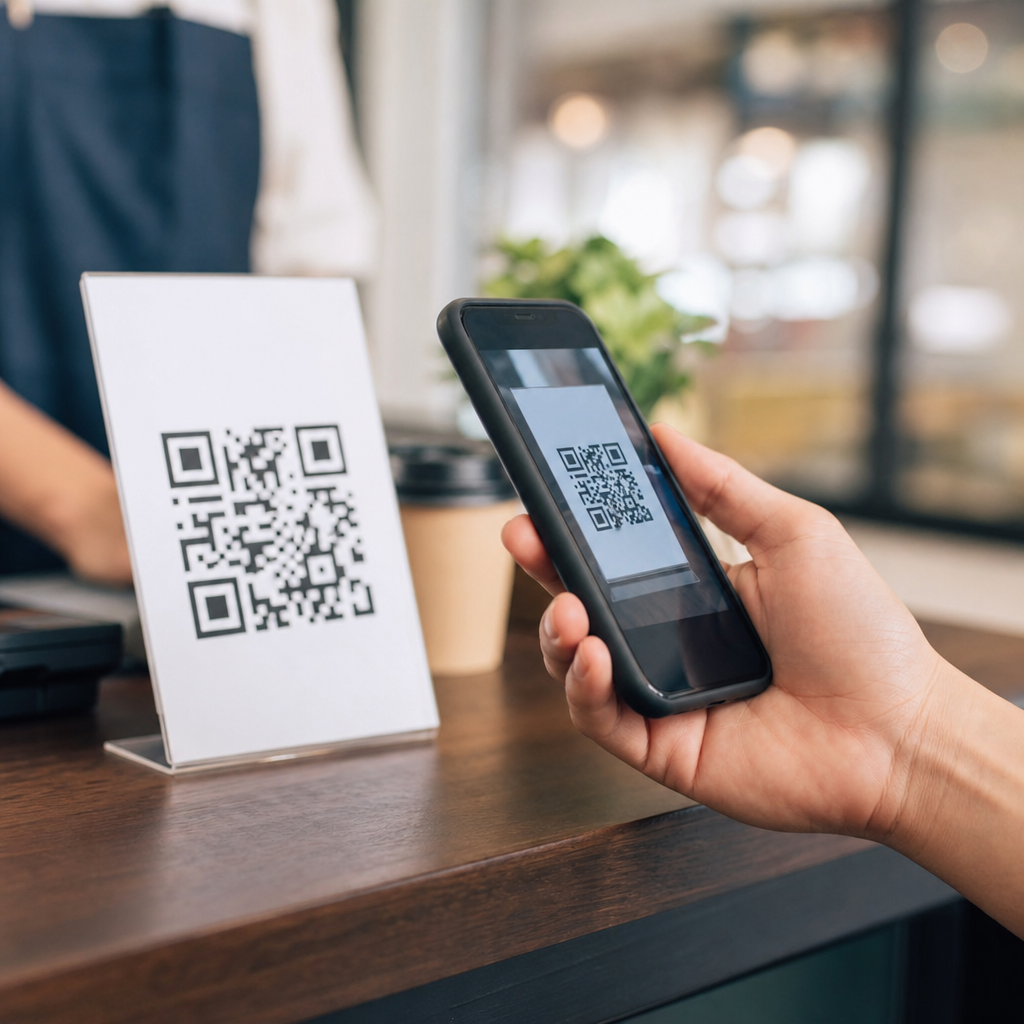
For example, a customer at a café can scan a QR code to view the menu, place an order, or join a loyalty program without waiting for printed materials or assistance. A commuter can scan a code on a ticket or transit pass for quick verification. A shopper can use a code on product packaging to read instructions, compare features, or access warranty information. In offices and public spaces, QR codes can direct visitors to sign-in forms, schedules, maps, or contact details. The value lies in the reduced effort: one scan can replace multiple manual actions, making common daily interactions smoother and more user-friendly.
What kinds of information can a QR code store?
QR codes are flexible and can store many types of data, which is one of the reasons they are so widely used. A code may contain a website link, a payment request, a digital business card, a phone number, an email address, a text message template, Wi-Fi login details, event registration information, or an app download link. Some QR codes also support authentication functions, helping users securely access services, confirm identities, or complete login processes.
This versatility means a single technology can serve many different needs across personal, commercial, and public settings. A business might place QR codes on posters, tables, receipts, packaging, or storefront windows to guide people to useful digital content. An individual might use one to instantly share contact information instead of spelling out names, numbers, and email addresses. Because the code can trigger so many different actions, it acts as a highly adaptable bridge between printed material and digital convenience.
Are QR codes safe to use?
QR codes are generally safe, but like any technology that links to digital content, they should be used with basic caution. The code itself is simply a container for information; the real safety issue depends on where it leads. A legitimate QR code may direct you to a trusted website, secure payment platform, or verified business page. A malicious one, however, could send users to a fake site designed to collect personal information or encourage unsafe downloads.
The best way to stay safe is to scan codes from sources you trust and review the destination before tapping through. Many phones show a preview of the link, giving users a chance to confirm it looks legitimate. Be cautious with codes placed in suspicious locations, stickers that appear to cover original codes, or links that ask for sensitive information unexpectedly. When used responsibly, QR codes remain a safe and highly effective tool. Their convenience does not have to come at the expense of security, as long as users apply the same common-sense habits they would use with any online link.
Why have QR codes become so popular on smartphones?
QR codes have become popular on smartphones because they fit perfectly with how people already use mobile devices: quickly, on the go, and with minimal effort. The smartphone camera has effectively become a universal scanner, allowing users to interact with digital services in seconds. That built-in compatibility removed a major barrier to adoption. Once people no longer needed a separate app or device, QR codes became far easier to use in daily life.
Their popularity also comes from their usefulness across many situations. Businesses appreciate them because they are inexpensive to create, easy to place almost anywhere, and effective at guiding customers toward actions such as paying, browsing, downloading, registering, or contacting. Users appreciate them because they eliminate typing, speed up access, and support contactless interactions. In a world where convenience matters more than ever, QR codes offer a simple solution that works across industries, locations, and devices. That combination of accessibility, speed, and versatility is what has made them such a lasting part of modern mobile life.