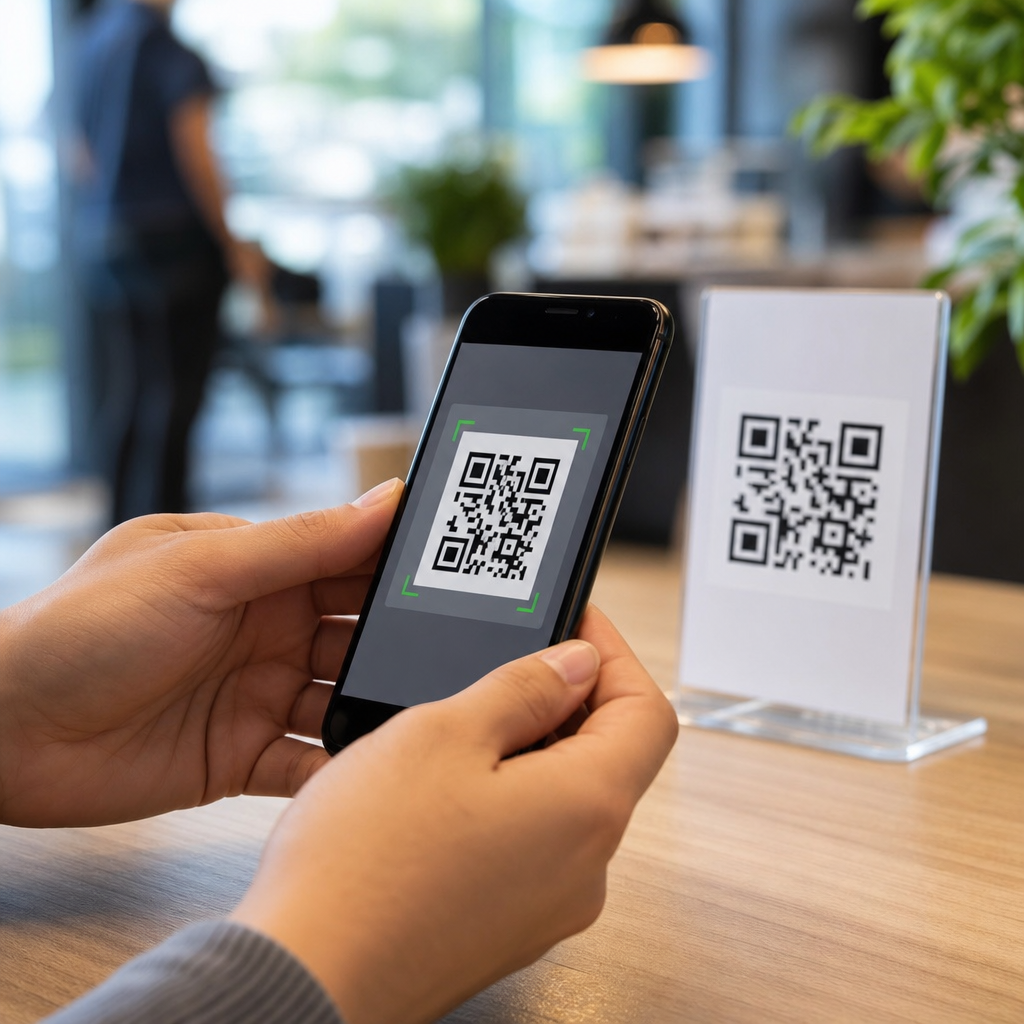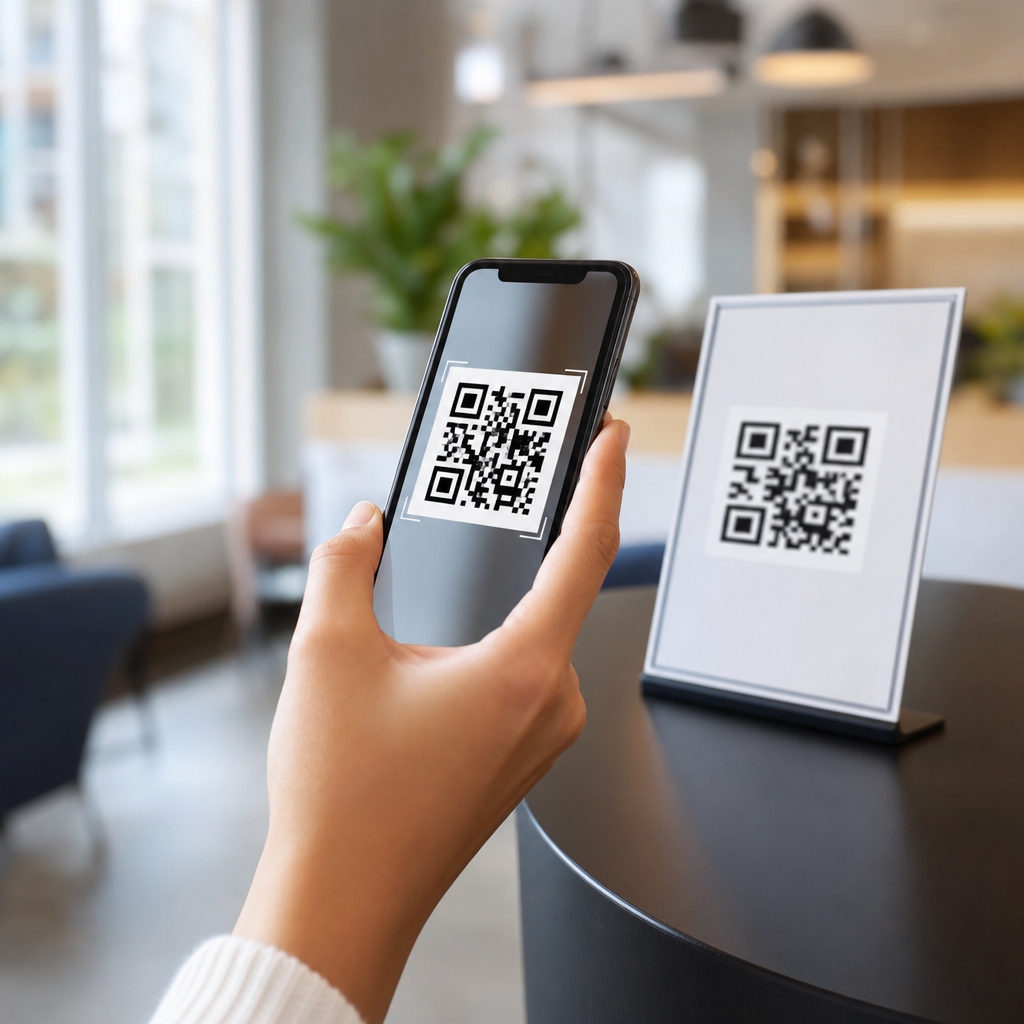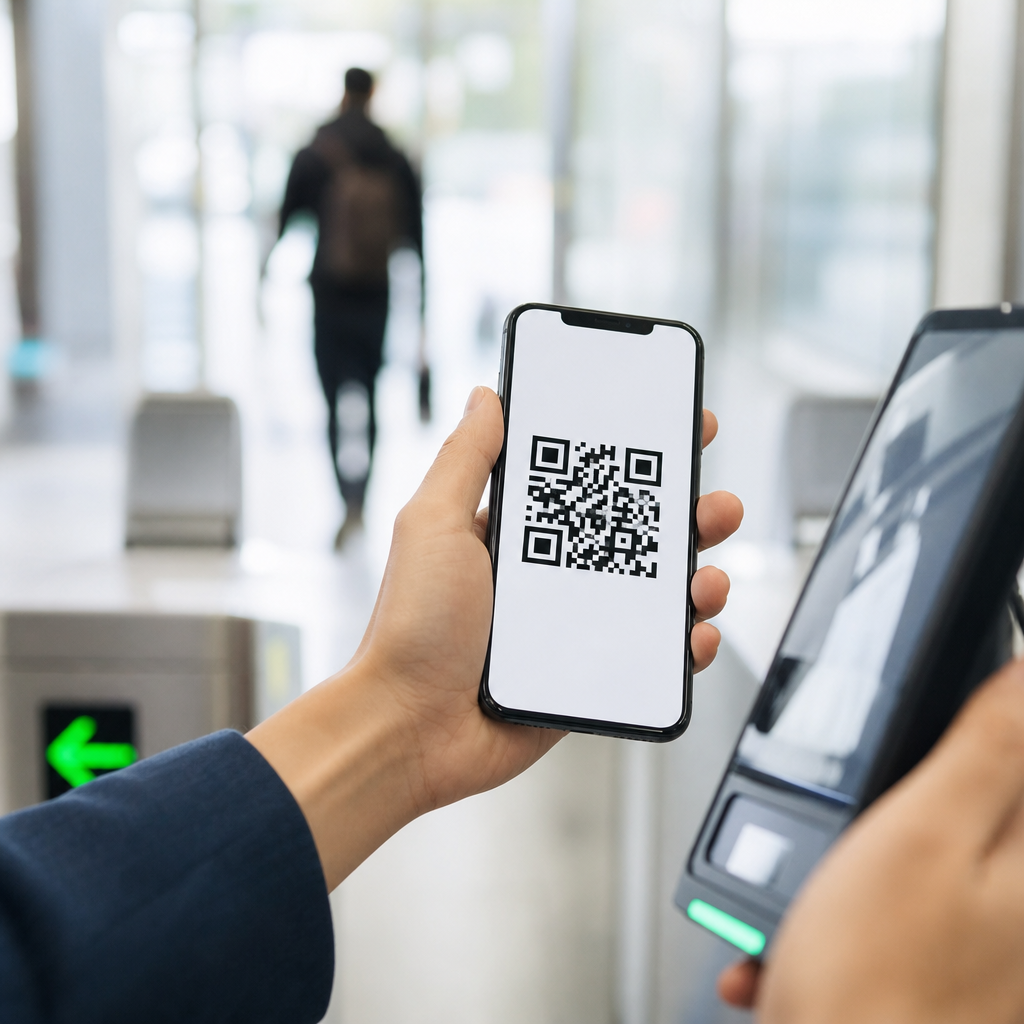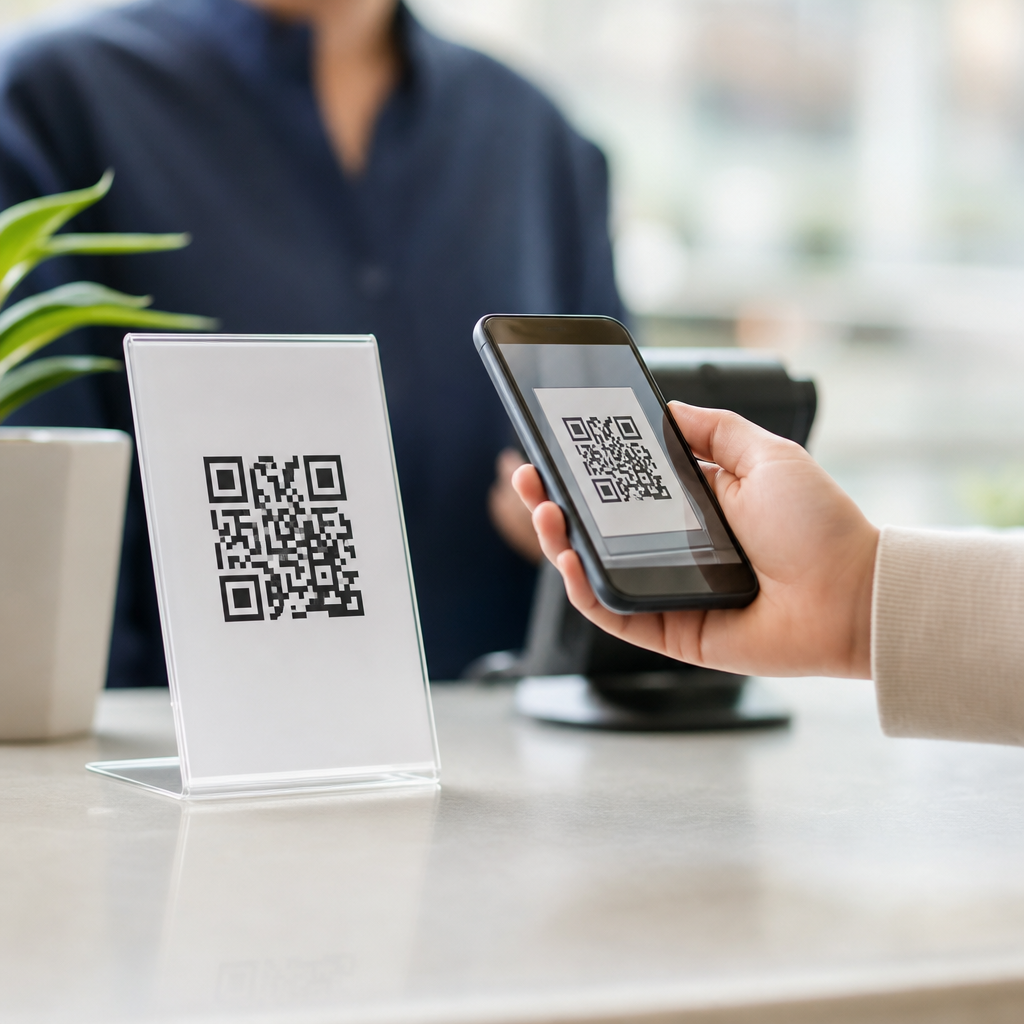
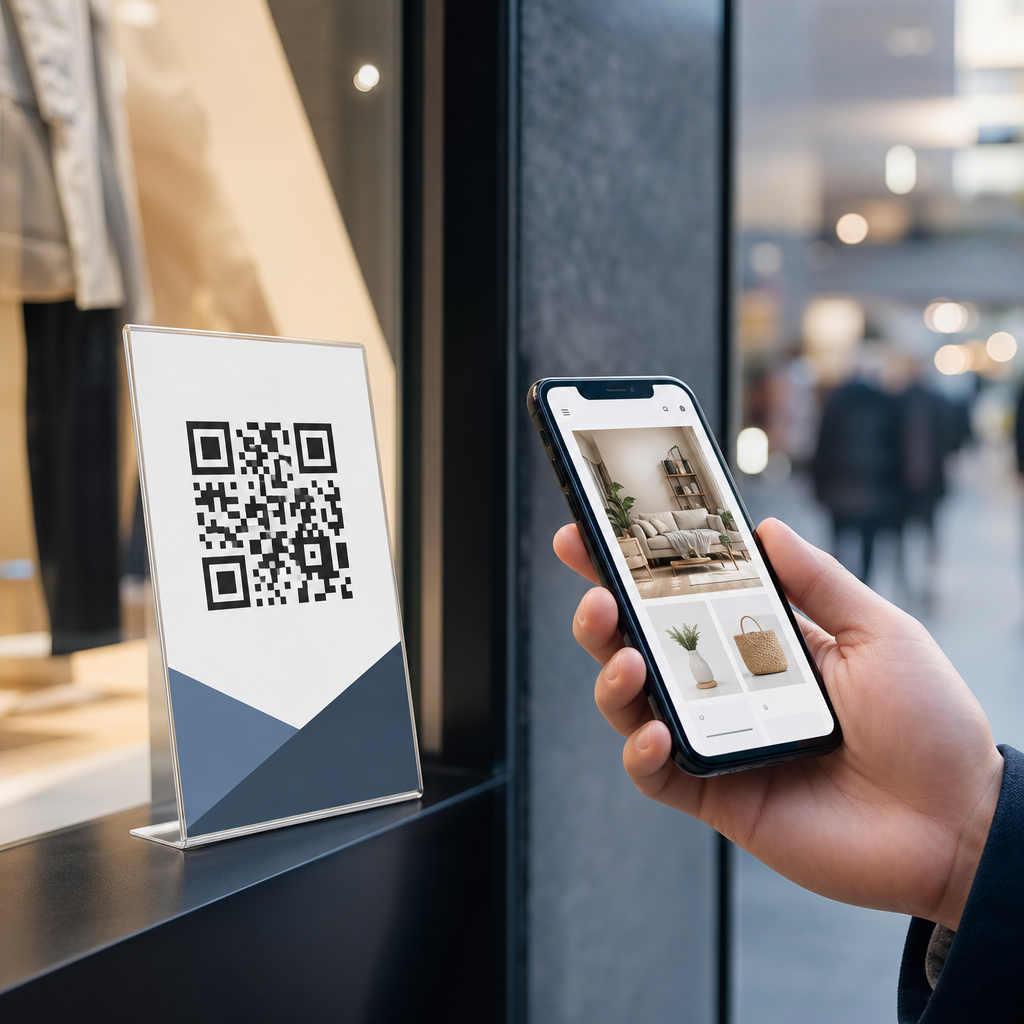
QR codes have become one of the most practical tools for connecting physical marketing with digital experiences, especially on mobile devices. A quick response code is a two-dimensional barcode that a smartphone camera can scan to open a webpage, launch an app, save contact details, start a payment, or trigger another digital action. In marketing, that simple scan turns a printed surface into an interactive touchpoint. I have used QR codes in retail displays, event signage, direct mail, restaurant menus, and product packaging, and the pattern is consistent: when the destination is useful and the scan is easy, response rates improve because the customer moves from curiosity to action in seconds.
This matters because modern customer journeys rarely stay in one channel. A person may see a poster on a train platform, read packaging in a store aisle, attend a trade show, or receive a postcard at home, then immediately reach for a phone to learn more. QR codes reduce friction at that exact moment of intent. Instead of asking someone to type a long URL, search for a brand, or download an app later, the code creates a direct bridge from offline marketing to online marketing. For businesses building a mobile-first strategy, that bridge supports traffic generation, attribution, conversion, and customer retention across campaigns.
As a hub within Mobile QR Code Basics, this article focuses on the benefits of mobile QR codes and explains why they are useful across industries. It covers speed, convenience, measurability, personalization, cost efficiency, and omnichannel continuity, while also addressing common limitations such as poor placement, weak landing pages, and unclear calls to action. The core idea is straightforward: QR codes work best when they shorten the path between a physical object and a digital outcome. When used deliberately, they help marketers capture intent where it happens, give customers immediate value, and make offline media accountable in ways that were difficult before smartphones normalized scanning behavior.
Why mobile QR codes improve access and reduce friction
The first major benefit of mobile QR codes is convenience. Customers no longer need a separate scanning app on most modern phones because iOS and Android camera apps recognize QR codes natively. That change, combined with widespread familiarity gained during menu, payment, and check-in use cases, has made scanning behavior mainstream. In practice, this means a flyer, package, shelf talker, or billboard can become a one-tap gateway to content without requiring manual input. Removing that typing step matters. Every extra field, click, or delay lowers completion rates, especially when someone is standing, commuting, or shopping in a busy environment.
I have seen this clearly in retail and event settings. A cosmetics brand can place a QR code beside a tester display to open ingredient details, video tutorials, and shade matching tools. An exhibitor at a conference can put a code on booth signage that opens a lead form, downloadable brochure, and calendar booking page. In both cases, the customer is already engaged in the physical moment. The QR code captures that intent immediately. This is why mobile QR codes are especially effective for impulsive or context-sensitive actions such as coupon redemption, RSVP confirmation, loyalty enrollment, or product comparison.
The reduction in friction also improves accessibility for longer or more complex destinations. Instead of printing a deep link with campaign parameters, businesses can send users directly to a mobile landing page, app store listing, WhatsApp chat, digital menu, or payment screen. Dynamic QR code platforms such as Bitly, QR Code Generator Pro, Flowcode, and Uniqode make this easier by allowing marketers to edit destinations without reprinting the code. That flexibility is important when inventory changes, event details update, or promotions expire. The printed asset stays the same, while the digital experience evolves behind it.
How QR codes strengthen measurement and campaign attribution
Another core benefit is measurability. Traditional offline marketing often struggles with attribution because impressions happen in the physical world while conversions happen later online or in store. QR codes narrow that gap. When a code points to a tagged URL with UTM parameters, marketers can see visits, sessions, conversions, and downstream behavior in analytics platforms such as Google Analytics 4, Adobe Analytics, or a CRM dashboard. That makes print, packaging, out-of-home media, and in-store signage easier to evaluate using the same performance discipline applied to paid search, email, or social campaigns.
Dynamic QR codes add another layer of intelligence by reporting scan counts, timestamps, approximate location, device type, and unique versus repeat scans, depending on the platform and privacy setup. This does not replace full attribution modeling, but it gives teams directional evidence that static offline materials can drive measurable digital activity. For example, a regional restaurant chain can place different QR codes on window decals, tray liners, and direct mail pieces, then compare which format generates the most menu views or coupon redemptions. A real estate agency can assign unique codes to yard signs, brochures, and newspaper ads to identify which placement drives tour requests.
| Offline placement | Typical mobile destination | Primary metric | Business value |
|---|---|---|---|
| Product packaging | Setup guide or product page | Scans to page visits | Educates buyers and reduces support load |
| Direct mail postcard | Offer landing page | Redemption rate | Improves attribution for print campaigns |
| Retail shelf sign | Reviews or comparison tool | Engagement time | Supports purchase decisions in aisle |
| Event badge or booth sign | Lead form or scheduler | Qualified submissions | Accelerates lead capture and follow-up |
Good measurement depends on disciplined implementation. Each campaign should use a distinct destination URL, consistent naming conventions, and a landing page designed for mobile intent. If every code sends traffic to a generic homepage, reporting becomes muddy and performance suffers. Teams should also consider consent requirements, especially when codes open forms or collect personal data. The most effective QR programs treat scans as part of a broader analytics framework, not as isolated gimmicks. When that foundation is in place, mobile QR codes turn offline surfaces into measurable acquisition channels.
Using QR codes to personalize experiences and deepen engagement
Mobile QR codes do more than generate clicks; they can personalize the user journey based on context. Because a code can lead to a campaign-specific page, marketers can tailor content to the exact product, location, audience segment, or moment in the funnel. A wine label can open tasting notes, food pairings, and vineyard stories tied to that bottle. A gym poster can direct users to a local class schedule and a free trial offer for the nearest branch. A nonprofit gala program can link attendees to donation pages prefilled for the event campaign. Relevance improves response because the scan feels helpful rather than promotional.
Engagement also improves when QR codes deliver utility beyond a sales message. On packaging, they can provide assembly instructions, warranty registration, refill reminders, care guides, or authenticity verification. In hospitality, they can open mobile check-in, room service menus, or destination guides. In healthcare, they can connect patients with medication instructions, appointment portals, or multilingual educational materials, provided privacy and compliance standards are respected. In education, they can bridge classroom handouts to video explainers or assignment portals. These examples show why the benefits of mobile QR codes extend across the customer lifecycle, not just top-of-funnel awareness.
From firsthand campaign work, the strongest scan rates usually come from exchanges of clear value. People scan when they expect something immediate: a discount, faster information, easier registration, product proof, or post-purchase support. The call to action should say exactly what happens next, such as “Scan to see reviews,” “Scan for setup instructions,” or “Scan to claim 15% off.” Vague prompts underperform because users weigh effort against reward, even when the effort is small. Trust signals matter too. Branded design, concise copy, and recognizable destinations reduce hesitation and improve completion rates after the scan.
Cost efficiency, flexibility, and best practices for long-term use
One reason QR codes bridge offline and online marketing so effectively is cost efficiency. Creating and printing a code is inexpensive compared with building a custom kiosk, app workflow, or new physical distribution channel. Small businesses can add a QR code to table tents, invoices, receipts, storefront windows, or product inserts with minimal budget, then point users to pages that can be updated anytime. Larger brands benefit even more at scale because one printed code can support education, conversion, service, and retention simultaneously. That efficiency makes QR codes useful for pilot programs as well as enterprise rollouts.
Flexibility is equally important. The same basic mechanism works across product packaging, catalogs, magazines, vehicle wraps, menus, business cards, and point-of-sale displays. It supports ecommerce, lead generation, loyalty enrollment, payments, app downloads, customer service, and content marketing. Still, the tool has limits. Codes fail when they are too small, placed where scanning is awkward, printed with low contrast, or linked to slow, non-mobile pages. Industry guidance commonly recommends strong contrast, adequate quiet space around the code, and testing across devices before launch. Marketers should also avoid placing codes where users lack signal or safe stopping time, such as fast-moving roadside contexts.
The lasting advantage of mobile QR codes is not novelty; it is continuity. They let a physical object carry digital intent, measurable data, and customer value in the same moment. For businesses learning Mobile QR Code Basics, the main benefit is simple: QR codes turn offline attention into online action with less friction and better visibility. Start with one high-intent use case, such as packaging support, event lead capture, or in-store product education. Use a clear call to action, send users to a mobile-first page, and track outcomes carefully. Done well, QR codes become a dependable bridge between channels, not a temporary tactic.
Frequently Asked Questions
How do QR codes connect offline marketing materials to online experiences?
QR codes act as a direct bridge between a physical item and a digital destination. When someone scans a QR code on a poster, product package, restaurant table tent, direct mail piece, event sign, or retail display, their phone can instantly open a landing page, product video, app download page, coupon, contact form, menu, or payment screen. That means a static printed asset no longer has to stop at awareness alone. It can continue the customer journey in real time. Instead of asking people to remember a website address, search for a brand later, or manually type in a long URL, the QR code removes friction and makes the next step immediate.
From a marketing standpoint, this is powerful because it turns offline attention into measurable online engagement. A brochure can generate site visits, an in-store display can drive product education, and a postcard can lead to appointment bookings or purchases. The handoff is fast, mobile-friendly, and intuitive, which is exactly why QR codes have become such an effective tool for linking traditional marketing channels with digital campaigns. In practical use, they help marketers extend the life and value of printed materials by making each one interactive.
What are the best marketing uses for QR codes in print, retail, events, and direct mail?
QR codes are versatile because they can support many different customer actions depending on the setting. In retail, they work well on shelf talkers, window displays, product tags, and packaging, where they can link shoppers to reviews, how-to videos, inventory details, loyalty signups, or limited-time promotions. In restaurants and hospitality, they can open digital menus, feedback forms, ordering systems, or special offers. At events, they are commonly used on badges, booth signage, banners, handouts, and presentation slides to drive registrations, downloads, networking, app installs, and post-event follow-up.
In direct mail, QR codes can dramatically improve response rates because they give recipients an immediate way to act. A postcard can lead to a personalized landing page, a catalog can link to featured products, and a promotional flyer can unlock a discount code or scheduling form. They are also useful in out-of-home advertising such as billboards, transit ads, and posters, where space is limited and audiences are often mobile. The best use cases are those where the scan leads to something relevant, quick, and valuable. If the destination solves a problem, saves time, or offers a clear benefit, people are far more likely to scan and engage.
What makes a QR code campaign effective for mobile users?
An effective QR code campaign is built around convenience, clarity, and relevance. First, the destination has to be mobile-optimized. Since most scans happen on smartphones, the landing page or digital experience should load quickly, display cleanly on smaller screens, and make the next action obvious. If a user scans a code and lands on a cluttered page, slow site, or generic homepage, the momentum is lost. The best campaigns send people to a specific, purpose-built destination that matches the context of the scan, such as a product page, RSVP form, coupon, menu, or short video.
Second, people need a reason to scan. A strong call to action matters. Phrases like “Scan to view the menu,” “Scan for 15% off,” “Scan to watch the demo,” or “Scan to book now” set expectations and communicate value. Placement and design are also important. The code should be easy to see, large enough to scan comfortably, and printed with enough contrast to work in real-world conditions. Finally, the experience after the scan should feel seamless. If the user can complete the intended action in just a few taps, the QR code becomes a highly efficient mobile touchpoint rather than just a novelty on a printed surface.
How can marketers track and measure the performance of QR codes?
One of the biggest advantages of QR codes in marketing is that they can make offline campaigns far more measurable. By using unique QR codes for different placements, channels, or audience segments, marketers can see which printed assets actually drive engagement. For example, a brand can assign separate codes to in-store signage, postcards, packaging inserts, event booths, or magazine ads, then compare scan volume, timing, device behavior, and downstream conversions. This creates a much clearer picture of how offline materials contribute to online traffic, lead generation, purchases, and customer interactions.
Measurement becomes even more useful when QR scans connect to analytics tools, campaign URLs, or dedicated landing pages. Marketers can track not only the number of scans, but also what users do afterward, such as filling out a form, redeeming an offer, making a payment, downloading an app, or completing a purchase. This allows teams to evaluate return on investment and refine future campaigns based on real behavior rather than assumptions. In practice, QR codes help close a long-standing visibility gap in traditional marketing by providing data on engagement that print and physical signage often lacked in the past.
What are the most common mistakes to avoid when using QR codes in marketing?
A common mistake is sending users to a poor destination. Even if the printed code scans perfectly, the campaign can fail if it opens a non-mobile-friendly page, a dead link, an irrelevant homepage, or content that does not match the promise on the sign or ad. Another frequent issue is weak context. If a QR code is displayed without a clear explanation of what users will get, many people will ignore it. Marketers should always pair the code with a direct call to action and a concise statement of value. People are much more likely to scan when they know what will happen next and why it is worth their time.
Other mistakes include placing QR codes where they are hard to scan, printing them too small, using low contrast, crowding them into visually busy layouts, or positioning them in locations with poor lighting or limited internet access. It is also important to test codes across different devices before launch. Beyond technical issues, marketers should avoid treating QR codes as a gimmick. They work best when they serve a clear purpose in the customer journey, whether that is education, conversion, support, payment, or retention. When the code is useful, easy to scan, and tied to a strong mobile experience, it becomes a practical and high-performing link between offline and online marketing.