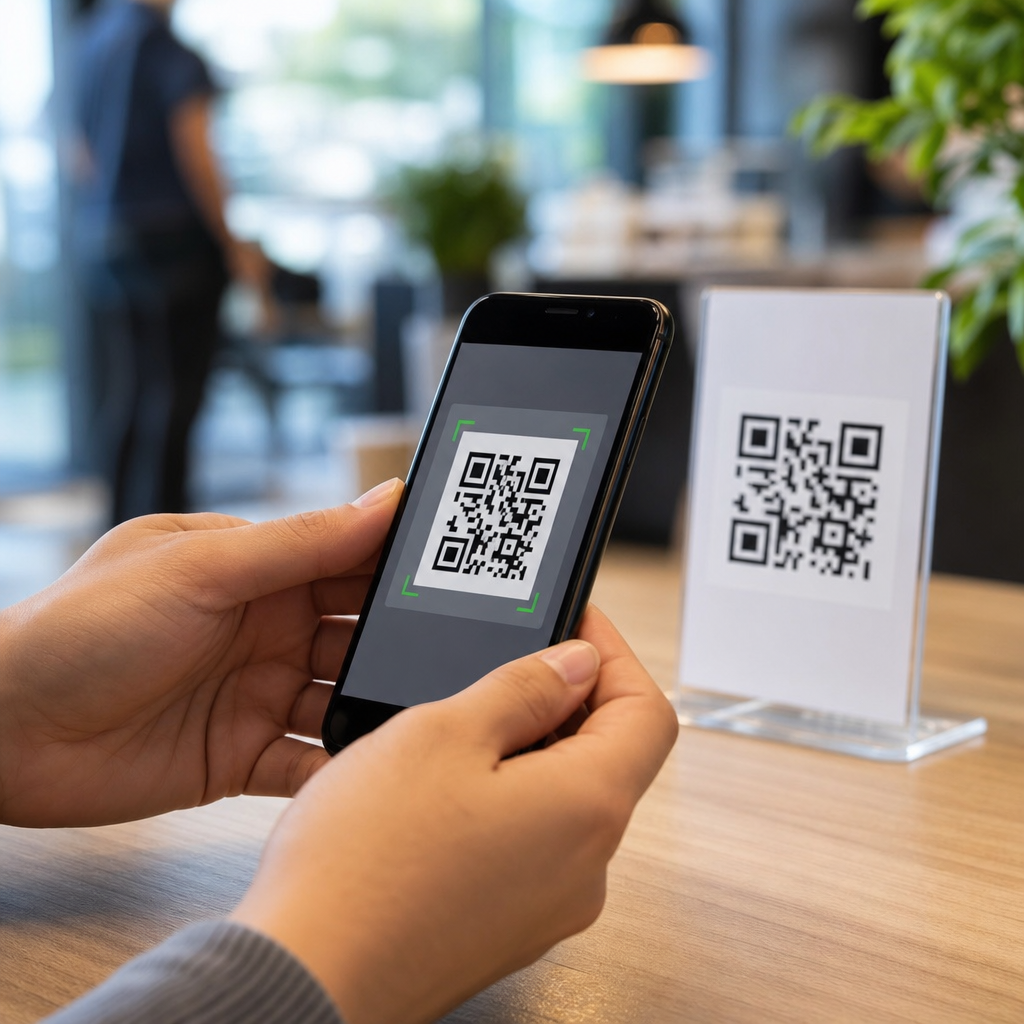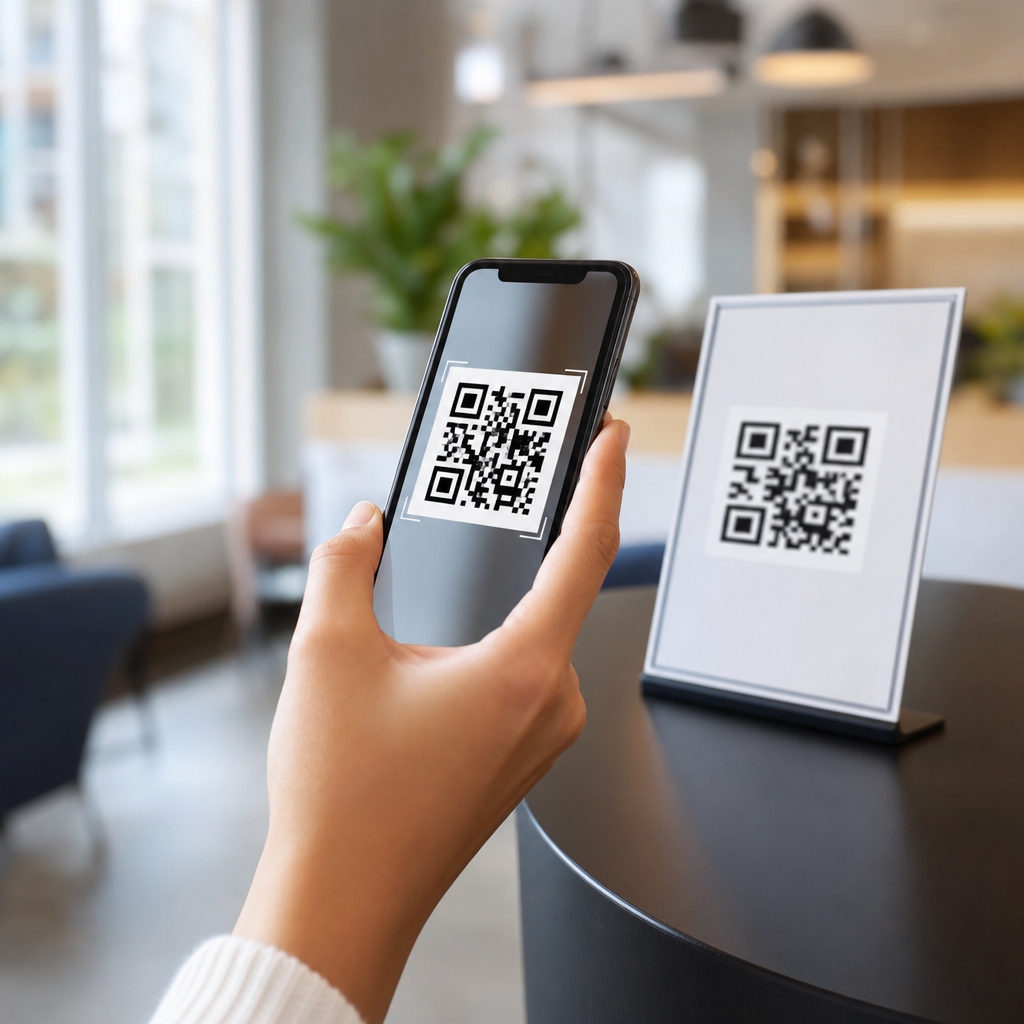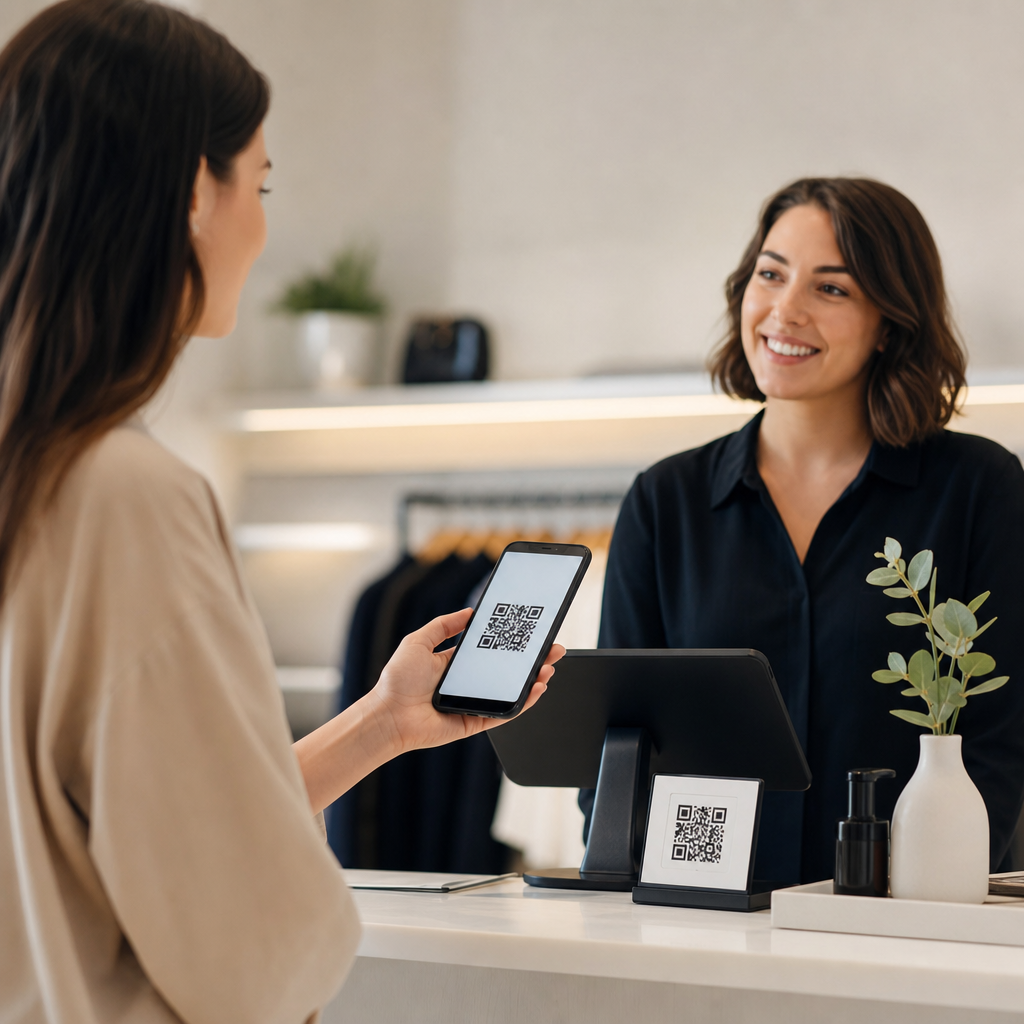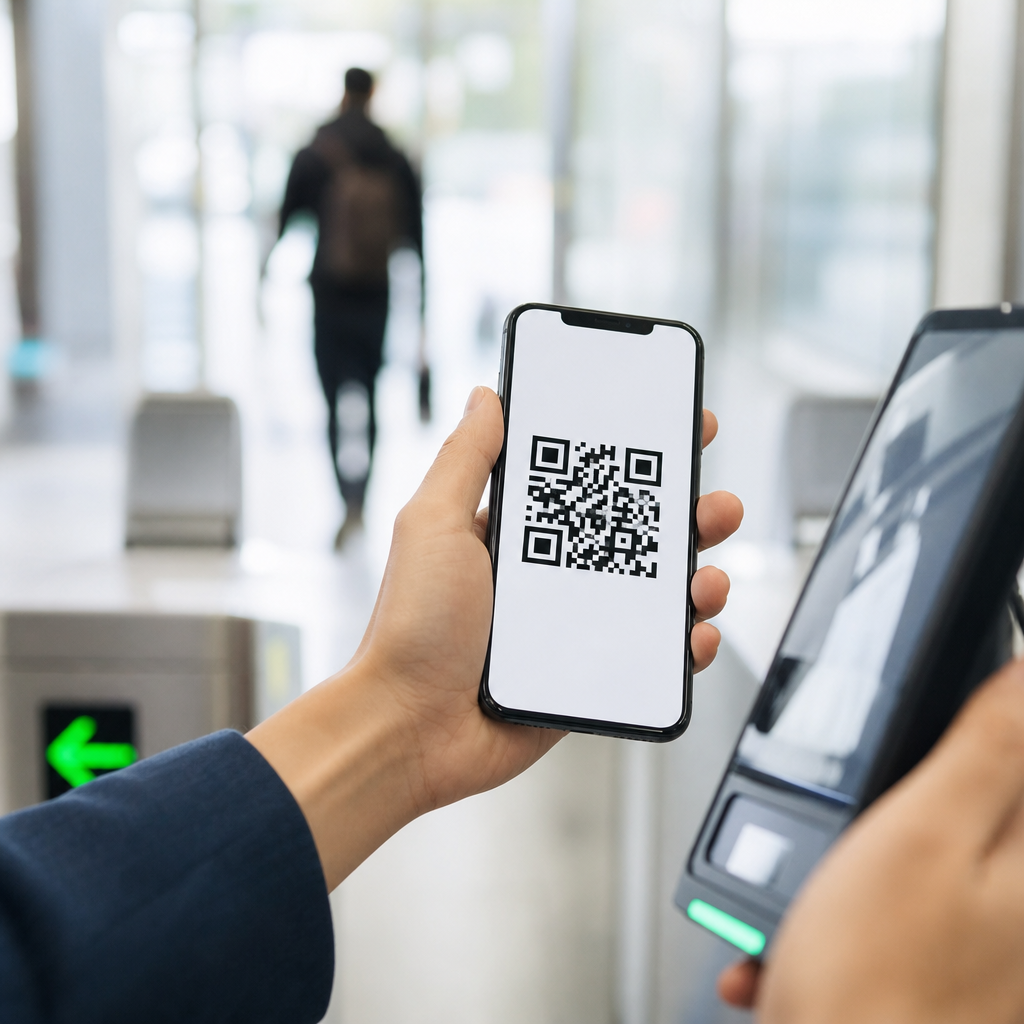
QR codes in travel and tourism have moved from a novelty on brochures to a core part of how airports, hotels, attractions, and transport operators deliver information and services. A QR code, or Quick Response code, is a two-dimensional barcode that stores a URL, file, contact record, ticket, payment request, or other machine-readable data. When scanned with a smartphone camera, it can open a mobile check-in page, display a museum audio guide, verify a boarding pass, or launch a multilingual city map. In practical terms, it bridges physical travel touchpoints and digital actions with almost no friction.
This matters because travel is full of moments where speed, clarity, and convenience shape the guest experience. I have worked with hospitality and destination teams rolling out QR systems for menus, room guides, event schedules, and self-service payments, and the same pattern repeats: when the code leads to a useful mobile experience, queues shorten, printing costs fall, and staff can focus on higher-value conversations. The best programs also improve data quality. Instead of guessing whether a brochure or sign performed well, operators can track scans by location, time, device, and campaign source, then adjust content quickly.
For travelers, the appeal is simple. QR codes reduce the need to download yet another app, type long URLs, handle paper tickets, or wait in line for basic information. For businesses, the appeal is operational and commercial. A single dynamic code can be updated without reprinting signage, linked to analytics platforms, localized by language, and integrated with booking engines, payment systems, customer relationship management tools, and digital asset management platforms. Used thoughtfully, QR codes support accessibility, contactless service, and smoother journeys from trip planning to post-stay feedback.
Airports, airlines, and ground transport
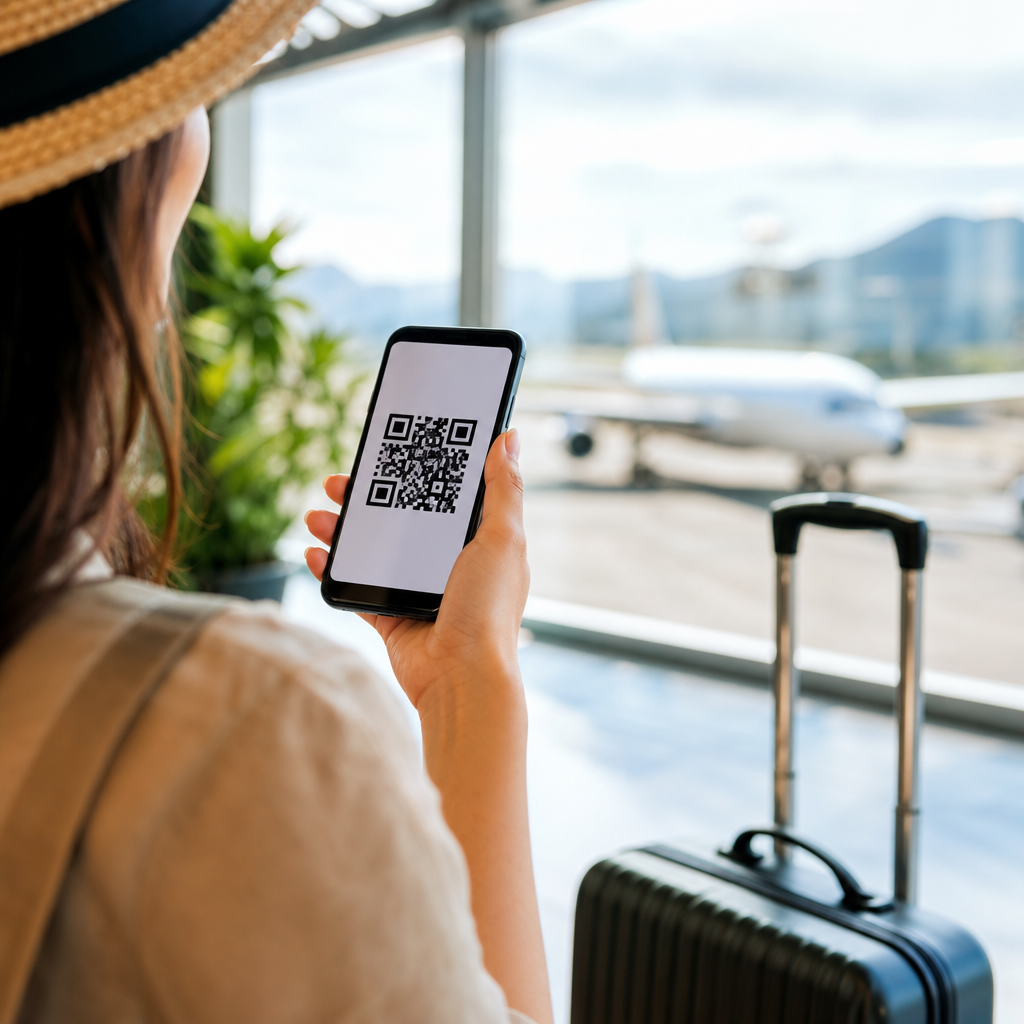
Airports were among the first travel environments to normalize QR-based access because the format suits high-volume, time-sensitive workflows. Mobile boarding passes encoded as QR or similar matrix codes let passengers move through check-in, bag drop, security, and boarding with one screen. Airlines such as Lufthansa, Emirates, and Delta have long supported mobile passes inside wallet apps and confirmation emails. The operational value is not only speed. QR validation ties directly to departure control systems, reducing transcription errors and helping gate teams manage late changes in real time.
Ground transport uses the same logic. Rail operators, intercity buses, airport shuttles, and urban transit systems issue QR tickets that can be purchased online and scanned at turnstiles or by onboard staff. Eurostar, Trenitalia, and many city metro networks rely on digital ticketing because it cuts paper handling and supports immediate reissue when plans change. In practice, the strongest implementations also place QR codes on station signage that open platform maps, delay notices, and accessibility guidance. Travelers do not need to search a website while carrying luggage in a crowded concourse.
Wayfinding is another common use case. A code near a terminal entrance can open an indoor map pinned to the traveler’s current area, with routes to lounges, restrooms, family rooms, gates, rental cars, or ride-share pickup zones. Because airports change tenant locations and gate assignments frequently, dynamic QR destinations are more resilient than static printed directions. The same approach works at cruise ports and ferry terminals, where codes can surface customs instructions, embarkation windows, and prohibited item lists in multiple languages.
Hotels, resorts, and short-term rentals
In accommodation, QR codes are most useful when they replace repetitive questions and low-value printing without removing human service. Pre-arrival emails often include a QR code for online check-in, identity verification, and payment authorization. On arrival, another code may trigger mobile key enrollment, parking instructions, or a map to the correct building. Marriott, Hilton, and Accor have all expanded mobile-first guest journeys, though execution varies by property systems and lock hardware. Independent hotels frequently use web-based QR flows because they are faster to deploy than full app ecosystems.
Inside the room, a QR code can act as a digital compendium. Instead of a printed binder that is expensive to update and often ignored, guests scan a bedside or desk card to access Wi-Fi instructions, dining hours, spa menus, late checkout fees, emergency procedures, local transport advice, and room service ordering. This is one of the most successful hospitality use cases because content changes constantly. If breakfast times shift or the pool closes for maintenance, the hotel edits one landing page rather than replacing paper in every room.
Short-term rentals and serviced apartments benefit even more. Hosts commonly place QR codes at the entrance, kitchen, and living area linking to house rules, appliance videos, garbage collection days, checkout steps, and neighborhood recommendations. During my own work with property managers, the best-performing codes were not generic. They solved a specific moment of confusion: how to use the induction hob, where to park after 8 p.m., or how to contact after-hours support. That specificity reduces guest messages and protects review scores.
Attractions, tours, museums, and destinations
Tourism attractions use QR codes to turn static spaces into layered experiences. Museums place them beside exhibits for audio guides, curator commentary, transcripts, translations, and accessibility features such as larger text and captioned video. Historic sites use them to show reconstructions, timelines, or archival photos. Theme parks and zoos use them for interactive maps, ride wait times, feeding schedules, and membership upsells. The code itself is not the value; the value is immediate, context-aware content that improves understanding without forcing every visitor into a formal guided tour.
Guided tour operators use QR codes before, during, and after the experience. A booking confirmation can include a code that opens the meeting point in Google Maps or Apple Maps, displays waiver forms, and confirms what to bring. During the tour, guides can share a QR code linking to visual references, tasting notes, or wildlife checklists. Afterward, the same system can route guests to photo galleries, referral offers, and review requests. Destination marketing organizations also deploy citywide codes on signs, kiosks, and printed maps to connect visitors to event calendars, dining districts, and trail information.
Common use cases across travel and tourism become clearer when viewed side by side:
| Travel setting | Typical QR use case | Primary benefit |
|---|---|---|
| Airport | Mobile boarding pass, gate map, lounge access | Faster throughput and fewer service desk questions |
| Hotel | Check-in, digital room guide, service ordering | Lower printing costs and smoother guest self-service |
| Museum or attraction | Audio guides, exhibit details, timed-entry tickets | Richer visitor education with multilingual support |
| Transit | E-ticket validation, platform information, delay updates | Reduced paper use and clearer real-time communication |
| Destination marketing | Trail maps, event listings, local business links | Better visitor dispersal and measurable engagement |
Dining, payments, and on-property services
Food and beverage operations adopted QR codes rapidly, but the most durable travel use cases go beyond simple menu viewing. In hotels, airports, cruise ships, and attractions, a table code can open menus, allergen details, translation options, and a direct order-and-pay workflow. That matters in multilingual environments where staff turnover is high and rush periods are intense. A dynamic menu page can remove sold-out items instantly, feature breakfast during morning hours, and push cocktails during evening service. For travelers, it reduces ordering friction when they are unfamiliar with the venue or language.
Payments are equally important. QR-based payment options support card processing, digital wallets, and local methods in markets where scanning is routine, such as parts of Asia and Latin America. A traveler can scan to pay a museum locker fee, settle a bar tab, tip a guide, or book a last-minute excursion. This can improve conversion because the payment request lands on the guest’s own device, where saved cards and wallet credentials already exist. Operators must still follow payment security standards such as PCI DSS and use reputable processors, but the customer journey is often cleaner than passing terminals hand to hand.
On-property services also benefit. A poolside QR code can link to towel requests, cabana bookings, or safety rules. A conference venue can use codes outside breakout rooms for agenda changes, speaker bios, and lead capture. Cruise operators can place codes near activity boards to reserve dining times or shore excursions. The strongest pattern is consistency: codes should follow the same naming, design, and destination logic across the property so guests trust what happens after they scan.
Implementation best practices and limits
Effective QR deployment in travel and tourism depends less on the code itself than on destination quality and operational discipline. Every scan should open a mobile-optimized page that loads quickly on variable networks, especially in terminals, outdoor attractions, and older buildings with weak reception. Use short, human-readable URLs where possible, dynamic code management for edits without reprinting, and analytics through platforms such as Google Analytics 4, Adobe Analytics, or the reporting built into enterprise QR generators. Add UTM parameters so campaign and location performance can be compared accurately.
Placement and design matter. Codes need quiet zones, sufficient contrast, and print sizes appropriate to scanning distance. ISO/IEC 18004 remains the core technical reference for QR code symbology, but field testing is what prevents failure. I always test under glare, low light, cracked screens, weak bandwidth, and older phone cameras. Provide a plain-text fallback URL and, where essential, a staffed alternative. Accessibility is not optional. If a code is the only way to access a menu, map, or safety instruction, some guests will be excluded.
Security deserves equal attention. Travelers are increasingly aware of malicious stickers placed over legitimate codes, sometimes called quishing. Protect trust with branded landing pages, tamper checks, and regular inspection of public signage. Be clear about what data is collected and why, especially when codes lead to forms, payments, or messaging opt-ins. Finally, avoid using QR codes where a simpler method works better. If guests repeatedly ask for help scanning, the flow may need redesign, clearer signage, or a direct NFC option.
QR codes in travel and tourism work best when they solve immediate traveler needs at the exact point of decision. Across airports, hotels, attractions, transit networks, and destination campaigns, the most valuable common use cases share the same traits: low friction, mobile relevance, easy updates, and measurable outcomes. They help travelers check in faster, navigate unfamiliar places, access richer information, order services, make payments, and complete journeys with fewer delays and less paperwork.
For operators, the benefits are equally concrete. Dynamic content reduces printing waste, analytics reveal which touchpoints actually perform, and self-service flows free staff for more personal support. The tradeoff is that execution must be disciplined. Poor landing pages, weak connectivity, inaccessible design, or unclear security practices can quickly undermine trust. That is why successful teams treat QR codes as part of service design, not just a graphic added at the last minute.
If you are building out mobile QR code basics for a travel brand, start with your highest-friction guest moments and map one code to one clear action. Test it in the real environment, measure scans and outcomes, then expand to adjacent use cases with the same rigor. Done well, QR codes become a practical layer of digital infrastructure that makes travel simpler for everyone.
Frequently Asked Questions
What are QR codes used for in travel and tourism?
QR codes are used across nearly every stage of the travel journey, from trip planning and booking to arrival, in-destination experiences, and post-trip engagement. In practical terms, a traveler might scan a QR code to access a digital boarding pass, complete mobile hotel check-in, view airport wayfinding maps, download attraction tickets, open restaurant menus, pay for transport, or read multilingual visitor information. Because a QR code can instantly connect a physical touchpoint to digital content, it helps travel brands deliver services faster and with less friction.
In airports and transport hubs, QR codes often support self-service processes such as e-tickets, gate access, baggage tracking, and real-time schedule updates. In hotels, they are commonly placed at reception desks, in guest rooms, and in common areas to provide room service menus, Wi-Fi access, spa booking links, local recommendations, and contactless checkout. Attractions, museums, and tourism boards use them to unlock interactive guides, audio tours, exhibit details, event schedules, and destination maps. This flexibility is one reason QR codes have become so important: one simple scan can replace printed materials, shorten queues, and make information available instantly on a traveler’s own device.
How do QR codes improve the traveler experience?
QR codes improve the traveler experience by making information and services easier to access exactly when and where they are needed. Travel can involve many touchpoints, tight timelines, language barriers, and frequent changes, so reducing friction matters. A QR code lets travelers skip manual searches, avoid typing long URLs, and reach the correct digital resource in seconds. That could mean scanning a code at an airport kiosk to get terminal directions, at a hotel to request housekeeping, or at a landmark to access a self-guided tour. The result is a smoother, faster, more convenient experience.
They also support a more flexible and personalized trip. Instead of relying only on static printed materials, tourism businesses can use QR codes to deliver dynamic content that changes over time, such as current opening hours, live transport updates, weather-related notices, promotional offers, or seasonal itineraries. For international travelers, QR codes can link to multilingual content, helping destinations communicate clearly with visitors from different regions. In many cases, they also enhance accessibility by providing larger text, audio content, maps, and mobile-friendly directions that are easier to use than traditional brochures or signage.
Another major benefit is contactless service. Travelers can check in, order, pay, or retrieve documents with minimal physical interaction, which can improve speed and convenience while reducing operational pressure on staff. When implemented well, QR codes do not just digitize existing processes; they create a more responsive travel experience that feels modern, intuitive, and efficient.
Are QR codes safe for travelers to scan?
QR codes are generally safe, but travelers should use them with the same caution they would apply to any link or digital prompt. A QR code itself is simply a container for information, such as a website address, ticket, payment link, or contact record. The real safety question is where that code leads. Legitimate travel businesses use QR codes to direct users to trusted booking pages, official apps, payment portals, or verified information hubs. However, like any digital tool, QR codes can be misused if a fraudulent code is placed over a real one or if an unverified source shares a malicious link.
For travelers, basic best practices go a long way. It is smart to scan codes only from reputable locations such as official airport signage, hotel materials, transport operators, tourism offices, or recognized attraction displays. Before opening the link, many smartphones show a preview URL, which gives users a chance to confirm that the domain looks legitimate. Travelers should be cautious with QR codes that request immediate payment, ask for sensitive personal data, or redirect to unfamiliar websites with poor branding or suspicious spelling. Using official apps, secure payment systems, and trusted Wi-Fi or mobile data connections can further reduce risk.
For tourism businesses, safety depends on governance and visibility. Codes should be monitored regularly, placed in tamper-resistant formats where possible, and linked to secure mobile pages that use HTTPS encryption. Clear branding, instructions, and customer support details can also help reassure users that the code is authentic. In short, QR codes are safe when managed properly, and both travelers and travel providers benefit from following sensible digital security practices.
What are the main benefits of QR codes for hotels, airlines, attractions, and tourism operators?
The main benefits are efficiency, flexibility, cost savings, better communication, and stronger customer engagement. For hotels, QR codes can reduce pressure on front desk teams by enabling mobile check-in, digital concierge services, instant access to amenities, and paperless guest communications. For airlines and airports, they support faster passenger processing through digital boarding passes, self-service verification, and real-time updates that can be accessed without printing documents. Attractions and museums benefit by offering richer visitor experiences through interactive exhibits, audio guides, event schedules, and timed-entry management.
From an operational standpoint, QR codes are especially valuable because they are easy to deploy and update. A business can place one code on signage, brochures, room cards, vehicles, or counters, then change the linked content later without replacing the printed material, provided it uses a dynamic QR solution. That makes QR codes highly practical for travel environments where schedules, offers, safety procedures, and visitor information change frequently. They also help reduce printing costs and waste, which supports both budget efficiency and sustainability goals.
There is also a strong marketing advantage. QR codes can connect offline travel touchpoints to digital campaigns, letting businesses promote upgrades, loyalty programs, destination experiences, feedback forms, or social channels at the right moment in the guest journey. When paired with analytics, they can reveal how often codes are scanned, where engagement happens, and which content performs best. That makes QR codes not just a convenience tool, but a measurable channel for service delivery, customer insight, and revenue generation.
What should travel and tourism businesses consider when creating QR codes?
Travel and tourism businesses should focus on usefulness, placement, mobile experience, branding, and maintenance. The most effective QR codes solve a clear traveler need: getting directions, opening a ticket, checking in, viewing a menu, accessing a guide, making a payment, or receiving important updates. If the destination behind the code is slow, confusing, not mobile-friendly, or irrelevant to the moment, the scan loses value. In tourism especially, context matters. A QR code in a hotel lobby should lead to guest services or local recommendations, while one at a heritage site should open interpretive content that enhances the visit.
Placement and visibility are equally important. Codes should be easy to spot, simple to scan, and positioned where travelers naturally pause or need information. That could be on airport signage, room placards, transport seats, attraction entrances, brochures, receipts, or tour materials. Good design improves trust and usability: include a short call to action such as “Scan for check-in,” “Scan for audio guide,” or “Scan for live timetable,” and make sure the code is large enough and contrasted well enough to scan under real-world conditions. Branding the landing page and using clear language can reassure users they are in the right place.
Businesses should also think about technical and strategic factors. Dynamic QR codes are often preferable because they allow the linked destination to be updated without reprinting the code. Landing pages should load quickly, support multiple languages when relevant, and follow accessibility best practices. It is also wise to track performance through analytics to understand scan rates, user behavior, and content effectiveness. Finally, regular review is essential. Broken links, outdated offers, expired tickets, or inaccurate local information can damage trust quickly. A QR code strategy works best when it is treated as an active part of the customer experience, not a one-time add-on.