QR codes for tourist information centers have moved from a novelty on brochure racks to a practical infrastructure layer for modern travel and tourism. In simple terms, a QR code is a scannable two-dimensional barcode that opens digital content on a phone, while a tourist information center is the physical or hybrid service point where visitors get maps, tickets, local advice, and orientation. When these two tools work together, destinations can deliver faster service, multilingual guidance, measurable engagement, and better accessibility without replacing staff. I have implemented visitor-facing QR programs in travel environments, and the pattern is consistent: travelers want immediate answers, but destination teams need controlled, updatable information. This article serves as the hub for travel and tourism applications, explaining how tourist information centers use QR codes, what content performs best, which operational standards matter, and how destinations can measure results across museums, transport nodes, walking tours, heritage sites, hotels, and seasonal events.
Why QR codes fit tourist information centers
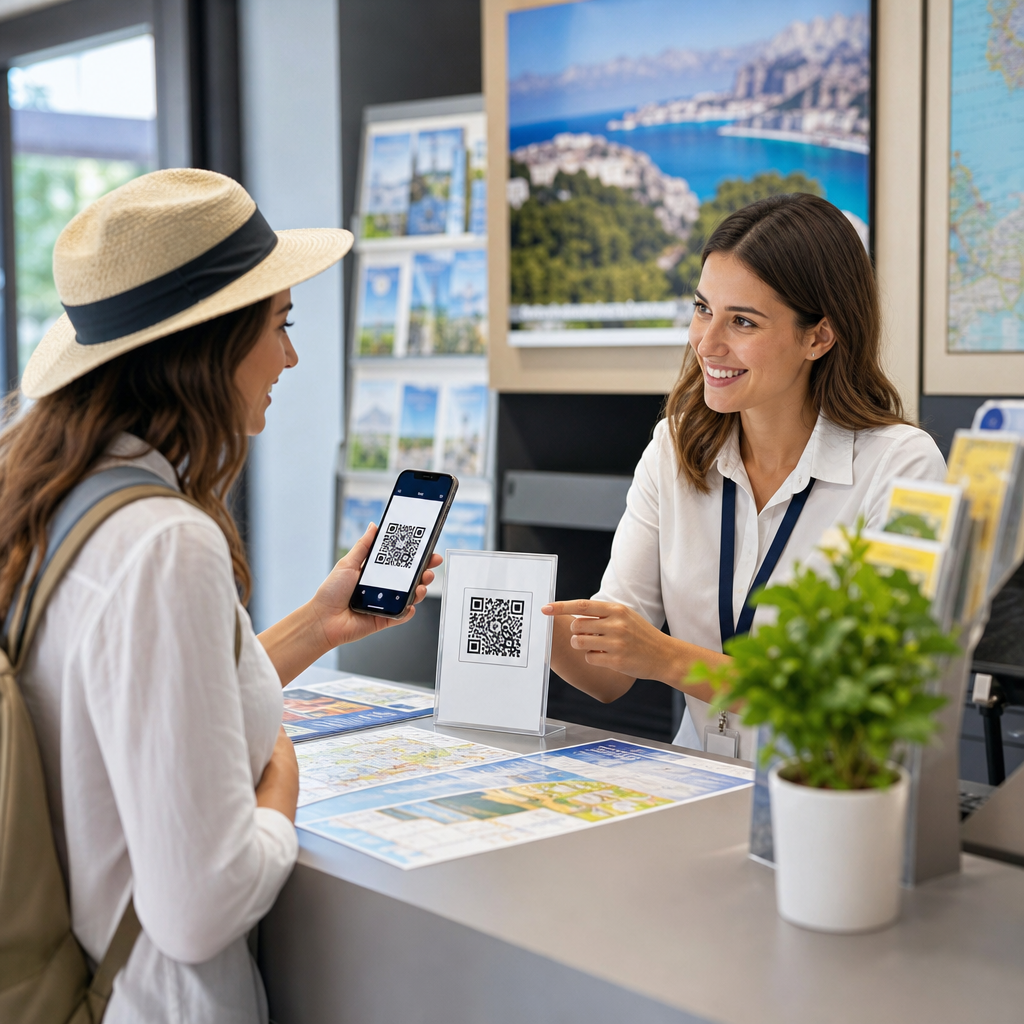
Tourist information centers handle a wide range of questions under time pressure: where to stay, what to see today, how to buy transit passes, whether attractions are open, and which experiences match a family, solo traveler, or business visitor. A printed leaflet answers some of that, but it becomes outdated quickly and rarely supports multiple languages well. QR codes solve that gap by linking physical touchpoints to live information. A code on a front desk sign can open opening hours, a city map, emergency contacts, public restroom locations, and official event listings in seconds. During peak season, that reduces repetitive questions and shortens queues.
They also match actual traveler behavior. Most visitors arrive with a smartphone, often using it for navigation, translation, ticketing, and reviews already. Scanning a code is easier than typing a long URL or searching for a destination website with patchy mobile reception. For tourism boards, the operational benefit is just as important: dynamic QR codes can redirect to new pages without reprinting posters, making them useful for weather disruptions, festival schedules, route closures, or cruise passenger surges. In practice, this flexibility is what turns QR codes from a marketing gimmick into service infrastructure.
Core use cases across the travel and tourism journey
The strongest QR code programs support the whole visitor journey, not just one campaign. Before arrival, information centers can place codes on airport displays, embassy handouts, or convention materials that link to visa information, transport options, and neighborhood guides. On arrival, codes at stations, ports, and visitor desks can open maps, transit fares, luggage storage partners, and self-guided itineraries. During the stay, codes on street signage, hotel key sleeves, attraction posters, and shuttle stops can connect travelers to booking pages, restaurant recommendations, audio tours, accessibility details, and weather alerts. After the visit, a code on a receipt or departure screen can ask for feedback, encourage newsletter signup, or promote return-season events.
This hub page matters because tourist information centers sit in the middle of many travel and tourism channels. They can connect travelers to destination management organization content, attraction ticketing systems, local business directories, emergency advisories, and thematic trails such as food, heritage, outdoor recreation, or family travel. A well-planned QR structure becomes the central navigation layer for these subtopics. Instead of building separate disconnected materials for every audience, the center can route users to tailored landing pages based on language, traveler type, location, or campaign source.
Best content to link from a tourism QR code
Not every scan should lead to a homepage. The most effective tourism QR codes point to a single clear next action. For an information desk, that might be a multilingual welcome page with “Top things to do today,” transport basics, and live support options. For a museum district sign, it might be a curated cultural itinerary with ticket links and walking times. For a rural tourism office, it may be trail safety guidance, offline maps, and seasonal closures. The principle is simple: each code should answer the exact question a traveler has at the moment of scanning.
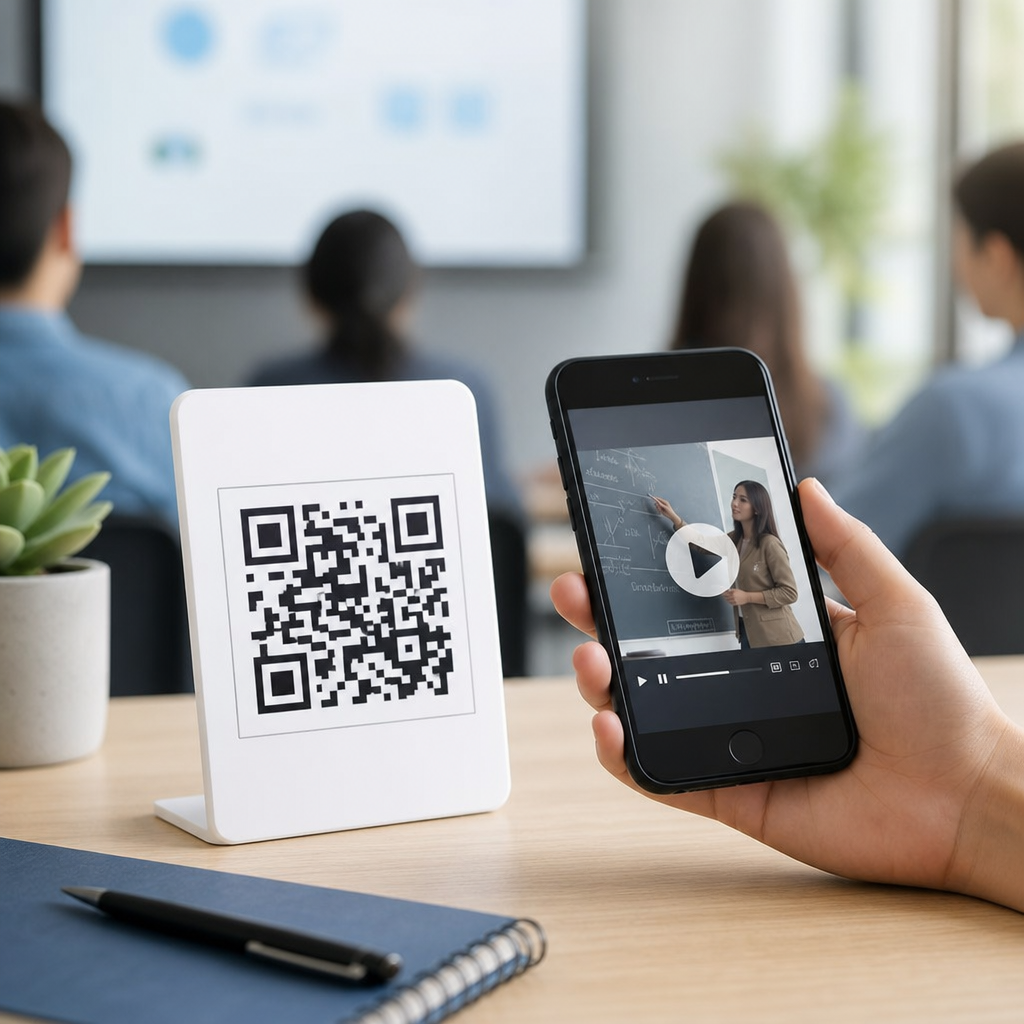
From hands-on campaigns, the highest-performing content types are practical and time-sensitive. City maps with GPS support outperform generic destination pages. Mobile-friendly event calendars with filters for date, price, and family suitability consistently reduce front-desk questions. Codes linking to translation-ready FAQs are valuable in markets serving international arrivals. Audio guides and short video explainers work especially well at heritage sites, viewpoints, and self-guided routes because they add context without requiring a staff member to repeat the same story all day. Accessibility pages should include step-free routes, hearing loop availability, restroom access, and companion policies, because those details strongly influence real travel decisions.
Implementation standards that improve adoption and trust
Design and governance determine whether travelers actually use QR codes. A code should be large enough to scan from the expected distance, printed with strong contrast, tested under glare, and placed where a visitor can pause safely. Tourism environments add complexity: codes may sit outdoors in rain, direct sun, salt air, or freezing temperatures, so substrates and lamination matter. Labels should explain the benefit in plain language, such as “Scan for today’s opening hours and map,” rather than just showing a code without context. Where footfall is high, use short calls to action in major visitor languages.
Trust is equally important. Visitors hesitate when a code gives no clue about the destination. Use branded landing pages on official domains, HTTPS, and privacy-conscious analytics. If data is collected, say what is tracked and why. Staff should know where each code leads and how to troubleshoot common issues like poor connectivity or unsupported file formats. I also recommend maintaining a QR inventory with owner, location, destination URL, update schedule, and last test date. That simple control sheet prevents the common failure of broken links lingering through an entire season.
Operational models for different tourism environments
Tourist information centers are not all the same, so deployment should match the operating model. A city center bureau may need dense code placement across kiosks, windows, queue barriers, and printed maps. A national park gateway may rely on fewer, larger codes linked to trail conditions, fire restrictions, wildlife guidance, and offline navigation. A cruise port visitor desk often benefits from language-specific codes for shore excursions, return-to-ship timing, and taxi fare norms. Convention visitor centers need business travel content, evening dining, and transport to venues. In each case, the code system should reflect real visitor questions, not internal departmental structure.
| Tourism setting | Best QR destination | Operational priority |
|---|---|---|
| Urban visitor center | Live city map, attractions, transit passes | Queue reduction and multilingual support |
| Heritage district | Audio tours, historical context, ticket bundles | Interpretation and dwell time |
| National park office | Trail status, safety alerts, offline maps | Risk communication |
| Cruise terminal desk | Short-stay itineraries, transport, return timing | Speed and clarity |
| Event tourism kiosk | Schedules, venue maps, last-minute changes | Real-time updates |
These models show why a tourism hub article matters. The same basic QR technology serves very different traveler needs depending on context. Successful teams build repeatable templates for each environment, then adapt content, language, and signage to local conditions. That approach scales better than one-off campaigns because staff can reuse approved landing page structures, analytics conventions, and update workflows.
Measuring performance and connecting scans to tourism goals
A tourist information center should treat QR codes as measurable service assets. At minimum, track scans, unique users, time by day, device type, language selection, and the next action taken, such as map opens, ticket clicks, call taps, or itinerary downloads. UTM parameters in analytics platforms help separate scans from print brochures, window signage, hotel partnerships, or airport placements. If a code is intended to reduce repetitive questions, compare front-desk inquiry volumes before and after deployment. If it supports local business promotion, track referral clicks by category and season.
The deeper value comes from linking scan behavior to destination outcomes. For example, a waterfront district may discover that evening scans cluster around dining and live music, suggesting a need for later staffing and extended transport information. A heritage town might see strong engagement with audio tours but low ticket conversion, indicating pricing friction or a weak landing page. A regional tourism board can use code data to understand demand beyond pageviews, including which neighborhoods attract self-guided exploration and which visitor segments need more support. This evidence helps justify budget, improve partnerships, and refine content across the wider travel and tourism ecosystem.
Common mistakes and how to avoid them
The most common mistake is sending every scan to the homepage. Travelers do not want to hunt through menus after scanning a poster in the rain. Another frequent problem is poor mobile experience: slow pages, oversized PDFs, autoplay video, or booking forms that break on international keyboards. In tourism, these failures have higher stakes because the user may be navigating an unfamiliar place under time pressure. Replace heavy brochures with responsive pages, compress images, and prioritize essential details above the fold.
Centers also overproduce codes. More codes do not mean better service if each one competes for attention. It is better to deploy fewer codes with clear intent and strong maintenance. Finally, avoid treating QR as a staff replacement. Visitors still need human judgment for unusual requests, accessibility concerns, disruptions, and reassurance. The best programs let staff focus on high-value interactions while routine information flows through dependable digital pathways.
QR codes for tourist information centers work best when they are planned as part of the full travel and tourism service journey, from arrival guidance to post-visit feedback. They give visitors instant access to maps, transport details, event updates, tickets, language support, and accessibility information, while giving destination teams the ability to update content quickly and measure demand with precision. The main benefit is not novelty; it is better service at scale. When each code has a clear purpose, trustworthy landing page, and measurable outcome, information centers become more useful without becoming more complex for the traveler. If you manage a destination, start with your highest-volume visitor questions, build mobile pages that answer them directly, and place QR codes where decisions happen. That simple rollout creates the foundation for broader travel and tourism coverage across attractions, tours, hospitality partners, and seasonal campaigns.
Frequently Asked Questions
How do QR codes improve the visitor experience at tourist information centers?
QR codes improve the visitor experience by giving travelers immediate access to useful information without requiring them to wait in line, sort through printed brochures, or download a special app. When placed at a tourist information center, a QR code can open digital maps, walking routes, attraction details, transport schedules, event calendars, emergency contacts, and recommended itineraries directly on a visitor’s phone. This makes orientation faster and more convenient, especially for travelers who have just arrived and need answers quickly.
They also help tourist information centers serve a wider range of visitor needs at the same time. Instead of relying only on one-on-one staff interactions, centers can use QR codes to provide self-service access to multilingual content, accessibility guidance, ticketing links, restaurant suggestions, and seasonal updates. That means staff can spend more time helping with complex or personal requests, while routine questions are handled digitally. For visitors, the result is a smoother, more flexible experience that combines the reliability of in-person support with the speed and convenience of mobile access.
What kind of information can tourist information centers share through QR codes?
Tourist information centers can share a remarkably wide range of content through QR codes, which is one reason they have become such a practical tool in travel and tourism. A single code might link to a digital city map, while others can direct visitors to attraction hours, museum ticket pages, public transport instructions, audio guides, local event listings, weather updates, guided tour schedules, and restaurant recommendations. Centers can also use them for less obvious but highly valuable resources such as accessibility information, family-friendly activity lists, public restroom locations, emergency numbers, parking instructions, or official visitor passes.
Beyond basic information delivery, QR codes can support richer and more dynamic visitor engagement. For example, a code on a brochure rack could open a curated weekend itinerary, a code near a touchscreen could launch a multilingual video introduction to the destination, and a code at the front desk could connect visitors to feedback forms or live chat support. Because digital content can be updated without reprinting signage, tourist information centers can keep information current during festivals, transportation disruptions, weather changes, or peak travel seasons. That flexibility makes QR codes especially useful for destinations that need accurate, real-time communication.
Are QR codes a good fit for multilingual tourist support?
Yes, QR codes are an excellent fit for multilingual tourist support because they make it much easier to guide visitors to information in their preferred language. Instead of printing separate brochures or signage for every language, a tourist information center can use one visible QR code that opens a landing page where travelers choose their language. From there, they can access translated maps, attraction descriptions, transportation guidance, cultural tips, and booking information. This approach reduces clutter in the physical space while making services feel more welcoming and accessible to international guests.
QR codes also help improve consistency and speed in multilingual communication. Printed materials often become outdated, and reprinting them in multiple languages can be expensive and slow. With QR-linked digital content, the center can update translations, correct details, or add new recommendations far more efficiently. This is especially important for time-sensitive travel information such as opening hours, route changes, or special event notices. While human staff remain essential for nuanced conversations and personalized help, QR codes give tourist information centers a scalable way to deliver clear, immediate, and language-friendly support to a diverse audience.
What are the best practices for using QR codes at tourist information centers?
The most effective use of QR codes starts with clear purpose and thoughtful placement. Each code should lead to content that solves a specific visitor need, such as finding a map, checking transport options, buying attraction tickets, or viewing local recommendations. Codes should be placed where travelers naturally pause or look for guidance, including entrance areas, service counters, brochure displays, windows, kiosks, and nearby outdoor signs. Just as important, every code should include a short call to action so visitors know exactly what they will get when they scan, such as “Scan for city map,” “Scan for bus times,” or “Scan for tours in 8 languages.”
Technical and user experience details matter just as much as placement. QR codes should be large enough to scan easily, tested on different phone types, and linked to mobile-friendly pages that load quickly on public Wi-Fi or mobile networks. Tourist information centers should avoid sending users to confusing homepages when a direct, relevant landing page would be more useful. It is also wise to provide a fallback option, such as a short URL or staffed assistance, for visitors who cannot scan. Finally, centers should review analytics, monitor broken links, and update content regularly so the QR code system remains accurate, trustworthy, and genuinely helpful rather than becoming digital clutter.
Can tourist information centers measure the success of QR code usage?
Yes, one of the major advantages of QR codes is that they are measurable in ways printed materials alone are not. Tourist information centers can track how many times a code is scanned, when scans happen, which locations generate the most activity, what language pages are selected, and which links lead to actions such as ticket purchases, itinerary downloads, or newsletter sign-ups. These insights help centers understand what visitors are most interested in and where digital support is delivering the greatest value. For example, if transport-related QR codes are scanned heavily in the morning, that may indicate a strong need for clearer arrival and mobility guidance.
Measurement also supports better strategic decisions over time. By reviewing scan data alongside seasonal traffic, event schedules, and visitor demographics, tourist information centers can refine their content, improve sign placement, and prioritize the resources that matter most. If a digital walking tour gets strong engagement but a restaurant guide does not, the center can adjust its offerings accordingly. Success should not be judged only by scan volume, however. The most meaningful results often include reduced pressure on staff for repetitive questions, improved multilingual access, better visitor satisfaction, and more timely communication. When used thoughtfully, QR codes become not just a convenience tool, but a measurable part of a destination’s visitor service infrastructure.