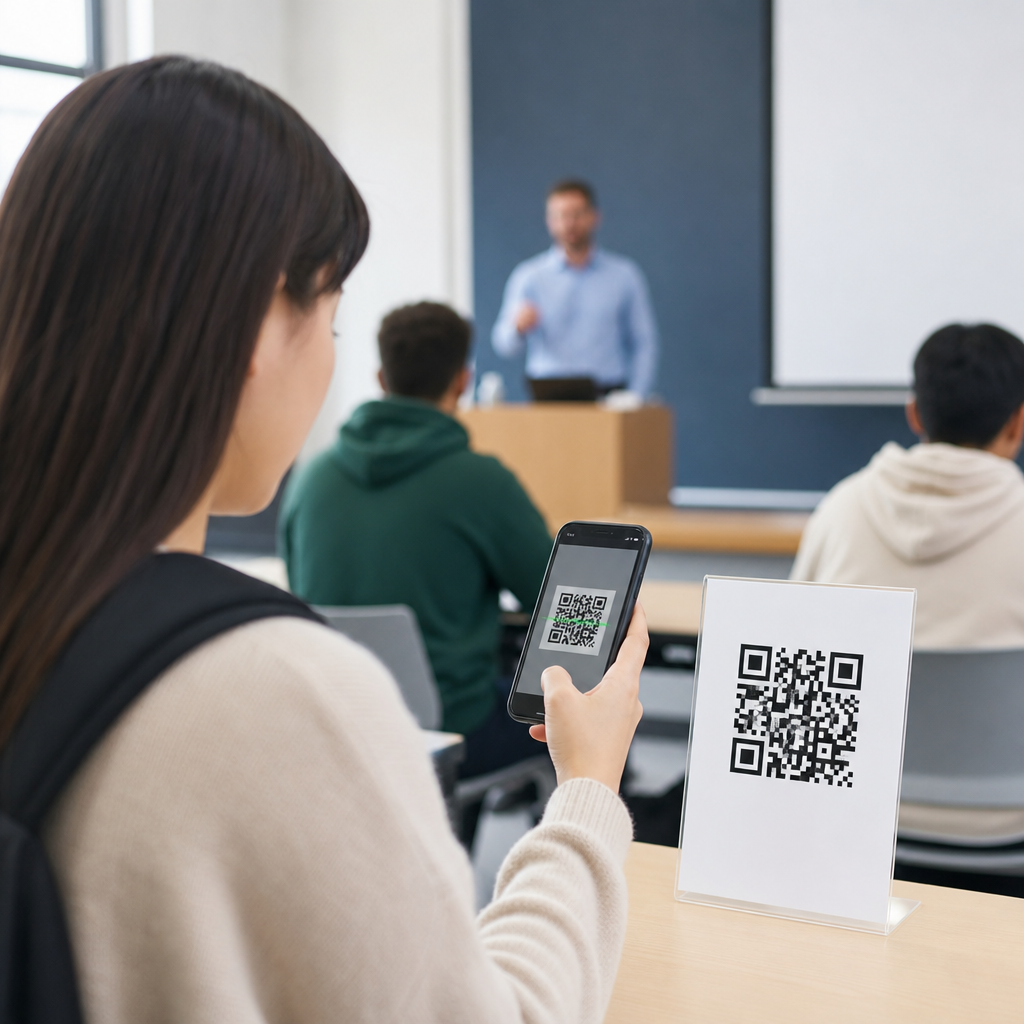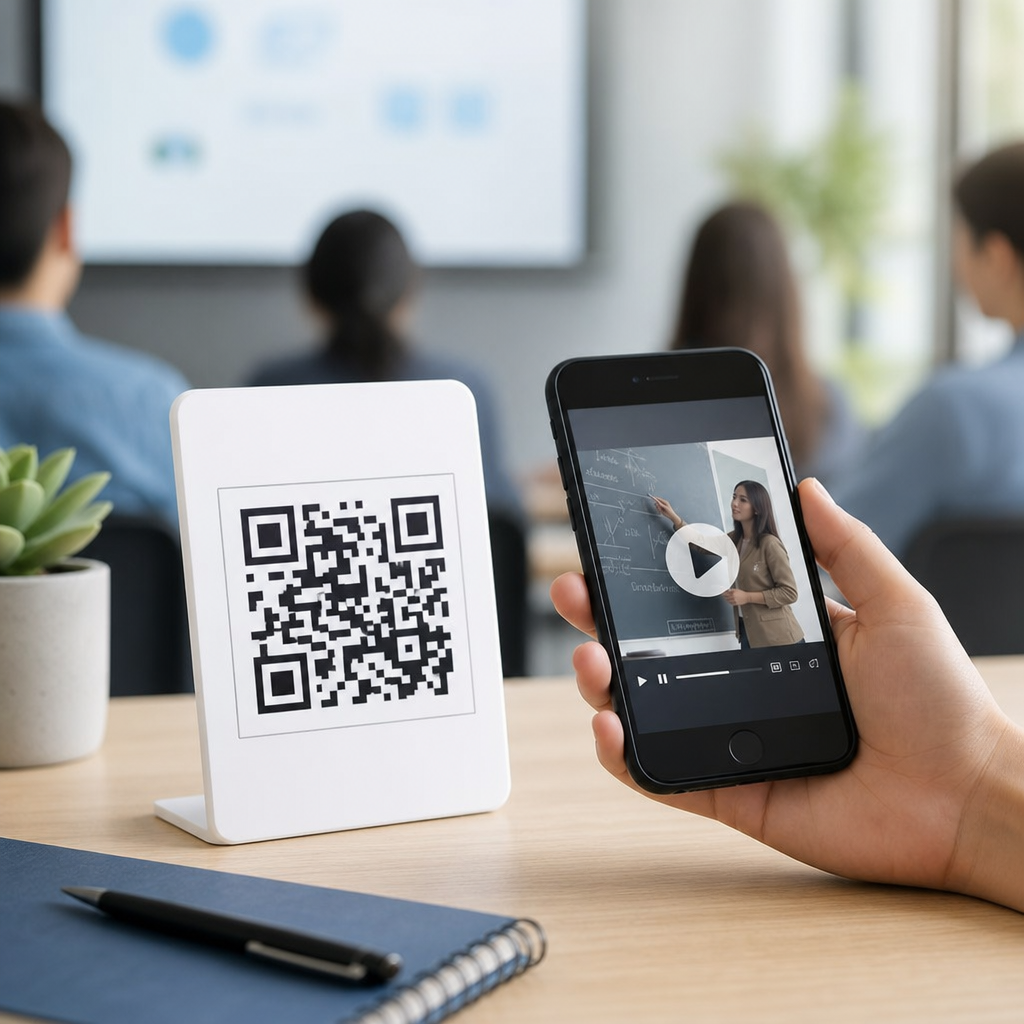
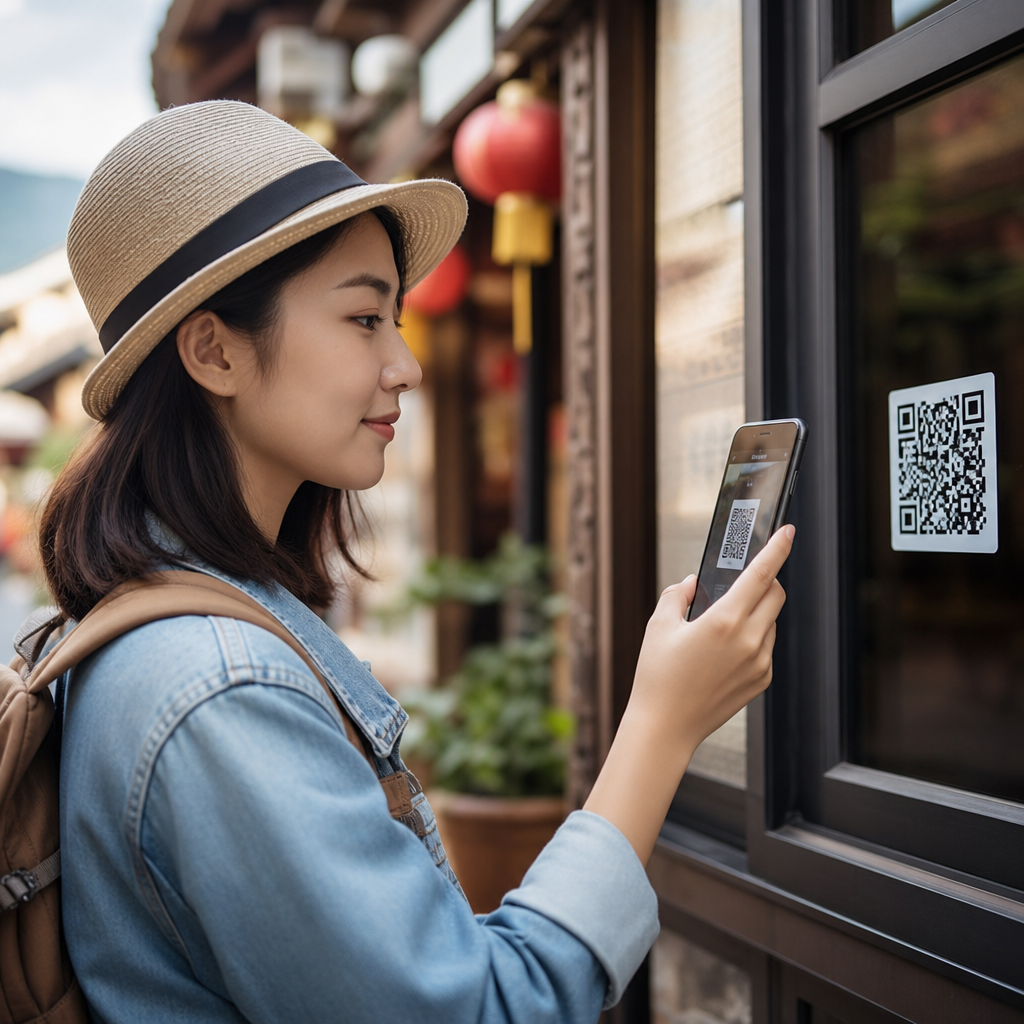
QR codes for language translation in travel solve one of the oldest problems in tourism: how to understand signs, menus, instructions, and local services when you do not share a language with the destination. In practice, a traveler scans a code with a phone and opens translated text, audio, video, or a multilingual landing page designed for that specific context. I have implemented QR systems for visitor centers, hotel groups, and guided attractions, and the strongest results come when translation is treated as part of the guest journey, not a novelty. For travel and tourism businesses, that means placing codes where confusion normally happens, connecting them to fast mobile experiences, and measuring what people actually use.
The term “language translation QR code” can describe two setups. A static setup sends every visitor to one destination, such as a page offering language selection. A dynamic setup lets operators change the destination later without reprinting the code, which is usually the better choice for travel because routes, opening hours, emergency guidance, and seasonal offers change constantly. Translation itself can be human-produced, machine-assisted, or fully automated. Each option has tradeoffs in cost, speed, and accuracy. In regulated or safety-critical contexts, including transport instructions, waivers, and emergency notices, human review is essential. For lighter content like attraction summaries or neighborhood guides, well-edited machine translation often performs well enough.
This matters because tourism is mobile, time-sensitive, and multilingual by default. According to UN Tourism, international travel continues to recover strongly, and destinations compete on visitor experience as much as on price. Friction caused by language gaps leads directly to missed purchases, service bottlenecks, poor reviews, and avoidable staff workload. A guest who cannot read a museum label may leave disengaged. A diner who cannot understand allergens may walk out. A rail passenger who misses platform instructions may blame the operator, even if the information was technically available. QR codes are not a complete translation strategy, but they are the fastest, lowest-friction bridge between physical places and multilingual digital help.
How QR translation works across the travel journey
The most effective use of QR codes in travel is journey mapping. Instead of asking, “Where can we add a code?” ask, “Where does a visitor need clarity?” In airports and stations, that usually means wayfinding, ticketing help, baggage rules, and disruption updates. In hotels, it means check-in guidance, room directories, Wi-Fi instructions, spa menus, and local recommendations. In attractions, it means exhibit interpretation, queue guidance, accessibility notes, and retail upsell. Restaurants within tourism zones use QR translation for menus, ingredient details, payment instructions, and reservation policies. The code is only the trigger; the value comes from matching the content to the decision a guest needs to make at that exact moment.
I have seen the biggest gains when businesses separate “must understand now” content from “nice to browse” content. Must-understand content includes safety procedures, operating hours, cancellation rules, transport instructions, and allergy information. Nice-to-browse content includes destination storytelling, local history, cultural context, and optional upgrades. This distinction matters because the first category demands speed, plain wording, and high confidence in translation quality. The second can support richer content such as audio narration, image galleries, or short videos. When teams mix these together on one slow, cluttered page, scan rates may look acceptable while completion rates collapse.
Placement also determines performance. A code on a lobby poster may get ignored, while the same code placed on a room key wallet with the prompt “Scan for directions, breakfast hours, and translation help” can become a high-usage service tool. Good prompts are explicit. “Scan for multilingual menu” outperforms “Scan here.” Adding recognizable language names or flags can help, although flags should be used carefully because they do not always map neatly to language identity. In heritage sites and museums, a short line like “Audio and text in 12 languages” consistently drives scans because the benefit is immediate and specific.
Where travel and tourism businesses gain the most value
Hotels benefit first from operational efficiency. A multilingual digital guest directory reduces repetitive front-desk questions, especially after hours. House rules, minibar details, laundry turnaround, checkout steps, and airport transfer options can all be translated and updated centrally. For independent hotels without app budgets, dynamic QR codes create an app-like support layer at a fraction of the cost. Resorts can extend this further with translated activity schedules, kids’ club guidance, pool safety, and weather-related notices. The practical result is faster service recovery and fewer misunderstandings.
Attractions and tours gain through interpretation and conversion. A guided walking tour can place codes at meeting points, letting late arrivals access translated joining instructions instantly. Museums can attach codes to exhibits for layered content by language and reading level. Theme parks can use them for queue signage, ride restrictions, and photo package sales. Destination marketing organizations use QR codes in visitor centers, printed maps, and outdoor signage to deliver multilingual neighborhood guides that can be updated seasonally. Cruise terminals often combine translation pages with embarkation checklists, customs reminders, and baggage timing, which reduces congestion during peak boarding windows.
Food service is a major use case because menus combine high purchase intent with high translation risk. Item names, cooking methods, allergens, spice levels, and service charges need precision. A translated QR menu can increase order confidence and average spend, especially when supported by clear photography and culturally neutral descriptions. The same applies to wineries, tasting rooms, and food halls, where guests may not understand local grape varieties, tasting formats, or regional dishes. In my experience, menu translation performs best when operators avoid literal word-for-word outputs and instead localize descriptions into natural dining language.
| Travel setting | Best QR translation use | Primary benefit | Common mistake |
|---|---|---|---|
| Hotel | Guest directory, check-in help, local guide | Lower staff load, better guest satisfaction | Sending users to a desktop PDF |
| Museum or attraction | Exhibit text, audio guide, accessibility notes | Deeper engagement, longer dwell time | Overloading one page with every language |
| Restaurant | Menu, allergens, payment instructions | Higher order confidence, fewer disputes | Using unreviewed automatic translation |
| Transport hub | Wayfinding, disruption updates, ticket help | Fewer missed steps, smoother flow | Printing static codes for changing information |
Best practices for implementation, accessibility, and measurement
Start with dynamic QR management, mobile-first landing pages, and governance. Dynamic platforms such as QR Code Generator Pro, Bitly, Beaconstac, and Uniqode allow destination updates, scan analytics, and campaign segmentation without reprinting assets. The landing page should load quickly, avoid forced app downloads, and present language selection above the fold. For multilingual architecture, use dedicated URLs or parameters for each language and keep naming consistent. If you also publish broader travel content, connect these pages to related resources such as local transport, attraction policies, or booking support so visitors can continue their journey without searching again.
Accessibility is not optional. Travelers include older visitors, people with low vision, deaf or hard-of-hearing users, and people with limited data access. Follow WCAG principles: high color contrast, readable font sizes, descriptive buttons, captions for video, transcripts for audio, and logical heading structure. Provide plain-language summaries even when full translations are available. In transport and emergency contexts, redundancy matters; a QR code should supplement, not replace, core visual signage. If connectivity is weak, lightweight pages or cached progressive web app experiences can make the difference between a helpful tool and a dead end.
Measurement should go beyond scan counts. Track language selection, completion of key actions, bounce rate, time on page, click-through to booking or support, and on-site outcomes such as reduced front-desk queries or fewer menu disputes. UTM parameters, event tracking in Google Analytics 4, and heatmaps from tools like Hotjar can reveal whether users are finding the translated content they need. The strongest teams run simple tests: different call-to-action wording, placement heights, code sizes, and page layouts. A practical benchmark is not “more scans” alone but “fewer misunderstandings and faster decisions.” That is the operational value travel teams should care about.
Risks, limitations, and what this hub should connect next
QR translation has limits, and acknowledging them improves outcomes. Not every traveler wants to scan a code, some phones struggle with glare or poor print quality, and machine translation can fail on idioms, legal wording, or culturally specific references. Privacy also matters. If a code sends users to a page with analytics, consent requirements may apply depending on jurisdiction. Physical durability matters too; outdoor signs fade, hotel tent cards disappear, and laminated menus create reflections that reduce scan success. None of these issues makes the approach weak, but each requires operational discipline.
For a travel and tourism hub, the next layer of content should branch into the major application areas readers will likely evaluate separately. That includes QR menus for restaurants and cafes, multilingual hotel guest directories, museum and attraction audio guides, airport and station wayfinding, tour operator waivers and joining instructions, destination map experiences, cruise embarkation support, and emergency or safety communications. Each deserves its own detailed guide because the content model, translation risk, user intent, and analytics differ. A museum cares about dwell time and interpretation depth; a transport hub cares about immediacy and error reduction.
The central takeaway is simple: QR codes for language translation in travel work best when they remove friction at the exact point a visitor needs confidence. They help guests navigate, order, learn, comply, and buy without waiting for staff or guessing. For operators, they reduce repetitive questions, protect service quality, and create measurable multilingual support without the cost of building a custom app. If you manage travel and tourism experiences, audit your guest journey, identify the top five language pain points, and deploy translation QR codes where clarity matters most. That is where the fastest gains appear.
Frequently Asked Questions
How do QR codes help travelers with language translation?
QR codes make translation immediate and situational, which is why they work so well in travel. Instead of asking a visitor to search for a phrase, download a dictionary, or guess what a sign or menu means, a QR code takes them directly to the exact information they need in their preferred language. That might be a translated restaurant menu, hotel instructions, museum exhibit details, transportation guidance, safety procedures, or a multilingual service page. In many cases, the experience can also include audio pronunciation, short videos, icons, or visual step-by-step instructions, which helps even more when a traveler is tired, stressed, or unfamiliar with local customs.
The biggest advantage is context. A translation app can translate words, but a well-built QR code system translates meaning in the place where meaning matters. For example, a code placed near a train platform can open platform-specific directions, not just a literal translation of a nearby sign. A code in a hotel room can explain Wi-Fi access, checkout times, appliance instructions, and emergency contacts in several languages at once. That reduces confusion, improves confidence, and creates a smoother visitor experience. For tourism businesses, it also reduces repetitive staff questions and makes service more consistent across many visitor touchpoints.
What types of travel businesses and destinations benefit most from translation QR codes?
Almost any travel-facing organization can benefit, but the strongest use cases are places where visitors frequently need quick explanations and where staff cannot realistically speak every guest’s language. Hotels, resorts, hostels, visitor centers, museums, historical attractions, guided tour operators, restaurants, airports, train stations, ferry terminals, national parks, event venues, and retail areas in tourist districts are all excellent candidates. These environments regularly present travelers with information they must understand right away, such as check-in instructions, rules, schedules, pricing, safety notices, ticketing processes, and food descriptions.
Translation QR codes are especially valuable in high-volume or multilingual destinations. A museum can place codes beside exhibits to provide richer interpretation in multiple languages without redesigning physical signage. A hotel group can standardize in-room instructions across properties while still customizing language delivery by market. A restaurant can offer a multilingual digital menu with ingredient explanations, allergy information, and local dish context. Visitor centers can provide maps, itineraries, and transportation advice in the languages most commonly spoken by incoming tourists. The common thread is simple: wherever a visitor may hesitate because they do not understand what they are seeing, a QR code can remove friction and replace uncertainty with clarity.
What should a multilingual QR code translation page include to be truly useful?
The most effective translation pages do much more than convert text word for word. They are designed around the traveler’s immediate task. That means the page should begin with clear language selection, fast loading speed, and a mobile-first layout that works well on any phone. After that, the content should focus on the information a visitor needs in that exact setting. For a restaurant, that may include menu categories, ingredients, dietary symbols, photos, and ordering tips. For a hotel, it could include check-in steps, room amenities, appliance instructions, local emergency numbers, transportation options, and checkout procedures. For an attraction, it may include exhibit summaries, route guidance, audio narration, accessibility information, and cultural context.
It is also important to use plain language, culturally appropriate phrasing, and strong visual structure. Headings, icons, bullets, and short sections help travelers scan quickly. Audio can support visitors who prefer listening over reading, and video can be helpful for demonstrations such as how to use transit ticket machines or hotel equipment. Good translation pages should also account for accessibility by using readable fonts, strong contrast, simple navigation, and compatibility with screen readers where possible. In practice, the best-performing systems are not just multilingual; they are intentionally localized, easy to navigate, and built around the specific moment in which the traveler is scanning the code.
Do QR codes for language translation require an app, and what technical setup is needed?
In most cases, no special app is required. Modern smartphones can scan QR codes directly through the camera or a built-in scanner, which is one reason these systems are so effective for travelers. The code typically opens a mobile webpage, hosted translation page, audio file, video, PDF, or multilingual landing page. From an implementation standpoint, that makes deployment relatively simple. A business creates the destination content, generates a QR code linked to it, and places the code where visitors naturally need help. The technical complexity depends on the experience being offered, but many useful systems can be launched without heavy infrastructure.
That said, good execution matters. Dynamic QR codes are usually the better choice because they allow the destination link to be updated without reprinting the code. This is especially useful when menus change, schedules shift, exhibits rotate, or emergency information must be revised quickly. Businesses should also ensure pages load quickly over mobile networks, support multiple languages cleanly, and use analytics to measure scans, language selection, and engagement. Clear labeling around the code is essential as well, so visitors know what they will get when they scan it. If the goal is translation, the sign should say that explicitly, ideally with recognizable icons and a short instruction like “Scan for this information in your language.”
What are the best practices for making QR-based travel translation accurate, trustworthy, and effective?
The first best practice is to prioritize human-centered translation over literal machine output alone. Automated translation can be a useful starting point, but travel content often includes safety instructions, cultural references, legal notices, transportation details, and hospitality language that need precision and clarity. Important materials should be reviewed by native speakers or professional translators, especially anything related to emergencies, medical guidance, accessibility, food allergens, refunds, or operational instructions. Accuracy builds trust, and trust is essential when a traveler is relying on your information in an unfamiliar place.
The second best practice is to design for real-world use. Put QR codes exactly where confusion happens: beside menus, at ticket machines, inside hotel rooms, near transport maps, at trailheads, by attraction entrances, or next to facility instructions. Keep the experience focused, not overloaded. A traveler scanning a code at a bus stop does not want a long homepage; they want route help now. It also helps to test with actual international visitors to see whether the wording, navigation, and translation choices are intuitive. Finally, maintain the system over time. Update links, review translations regularly, monitor scan data, and refine content based on common questions from guests. The most successful QR translation systems are not set-and-forget tools. They are actively managed communication assets that improve service quality, reduce friction, and make destinations more welcoming to a global audience.