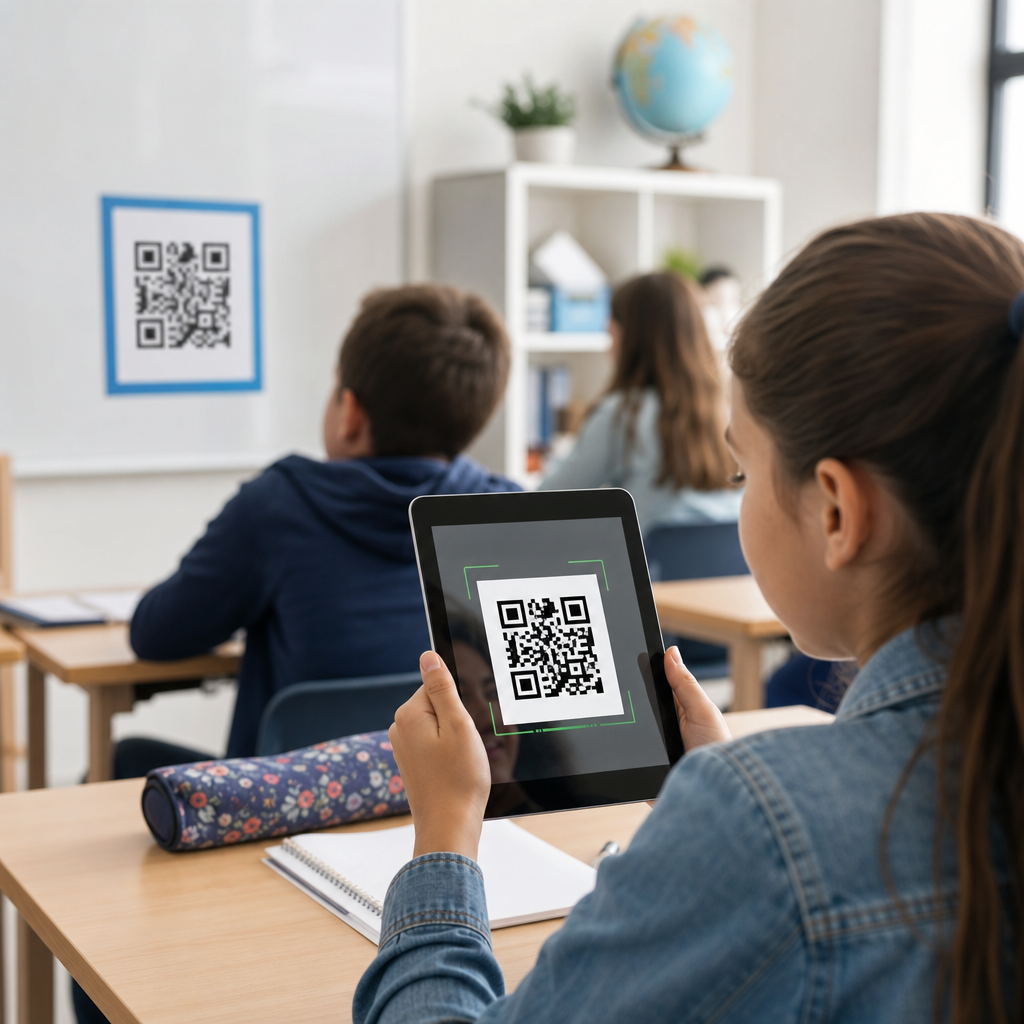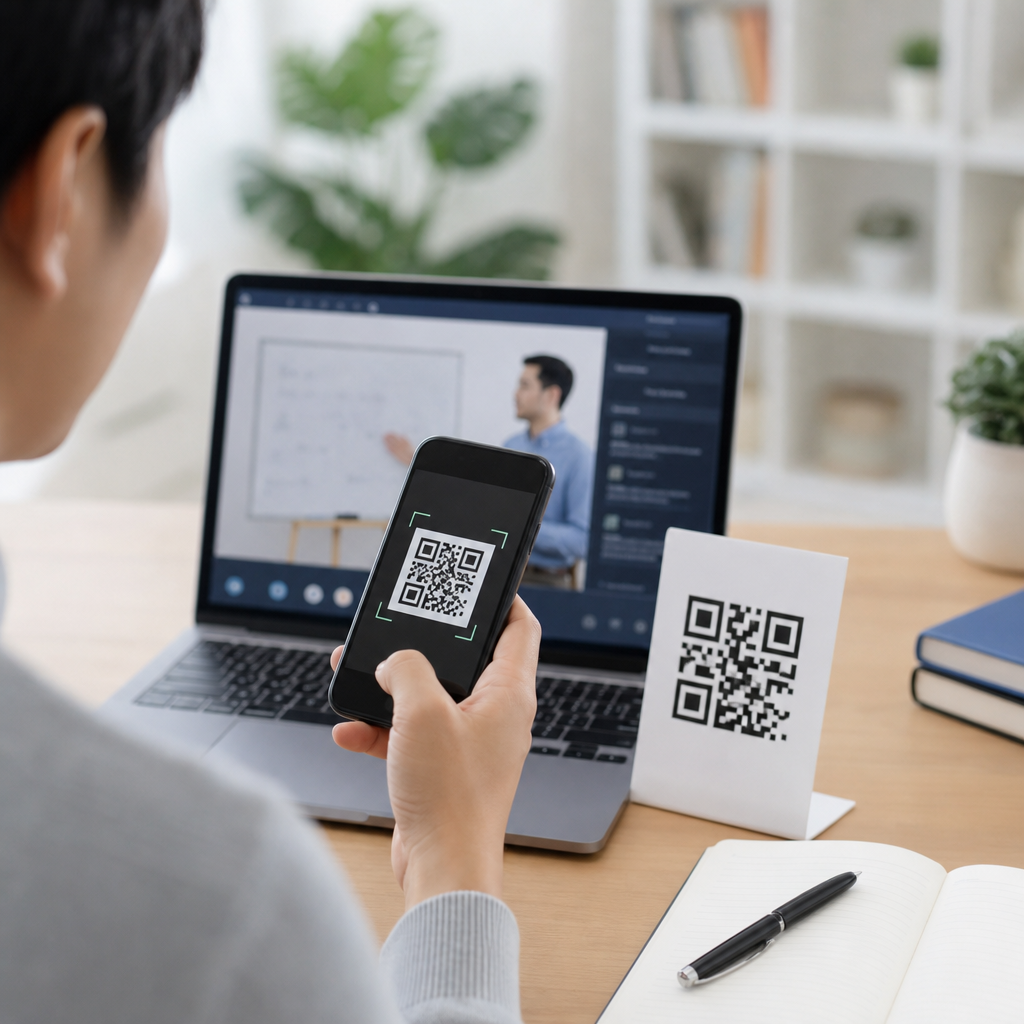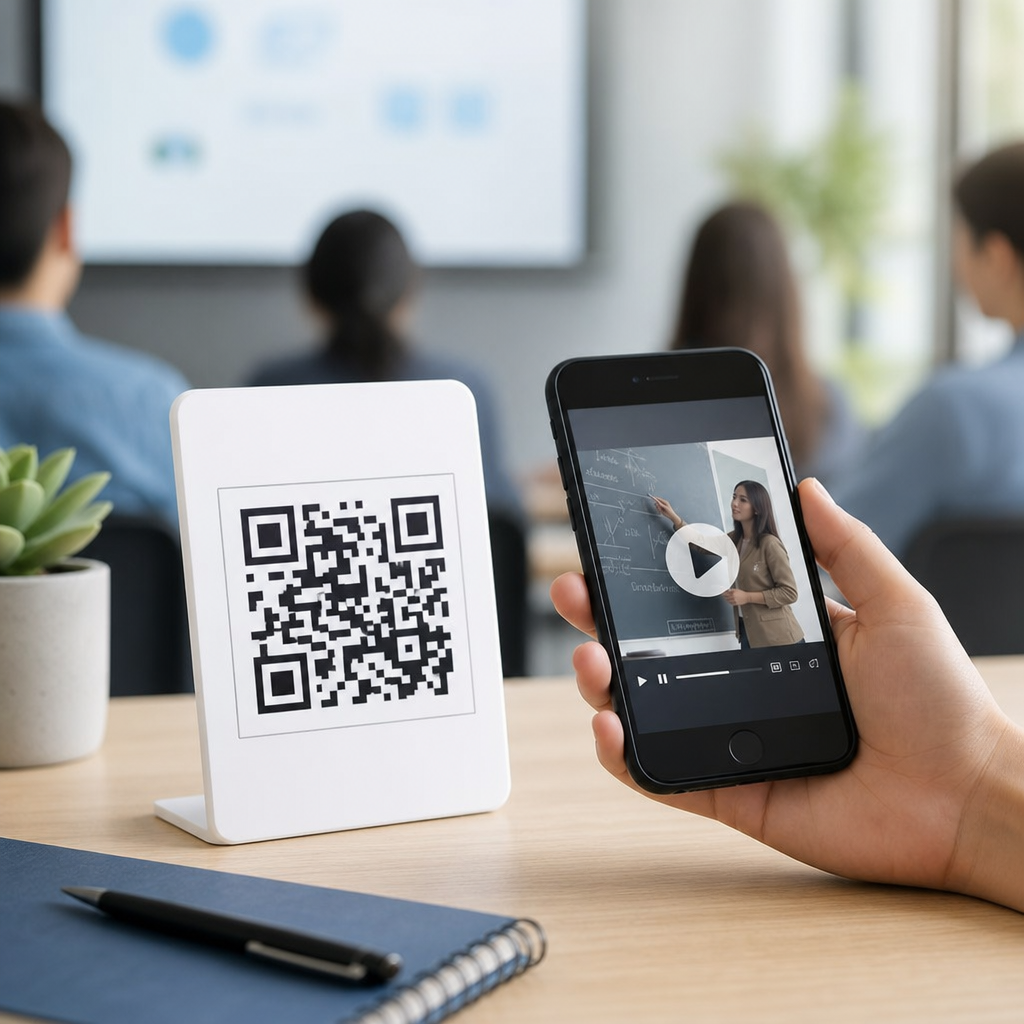
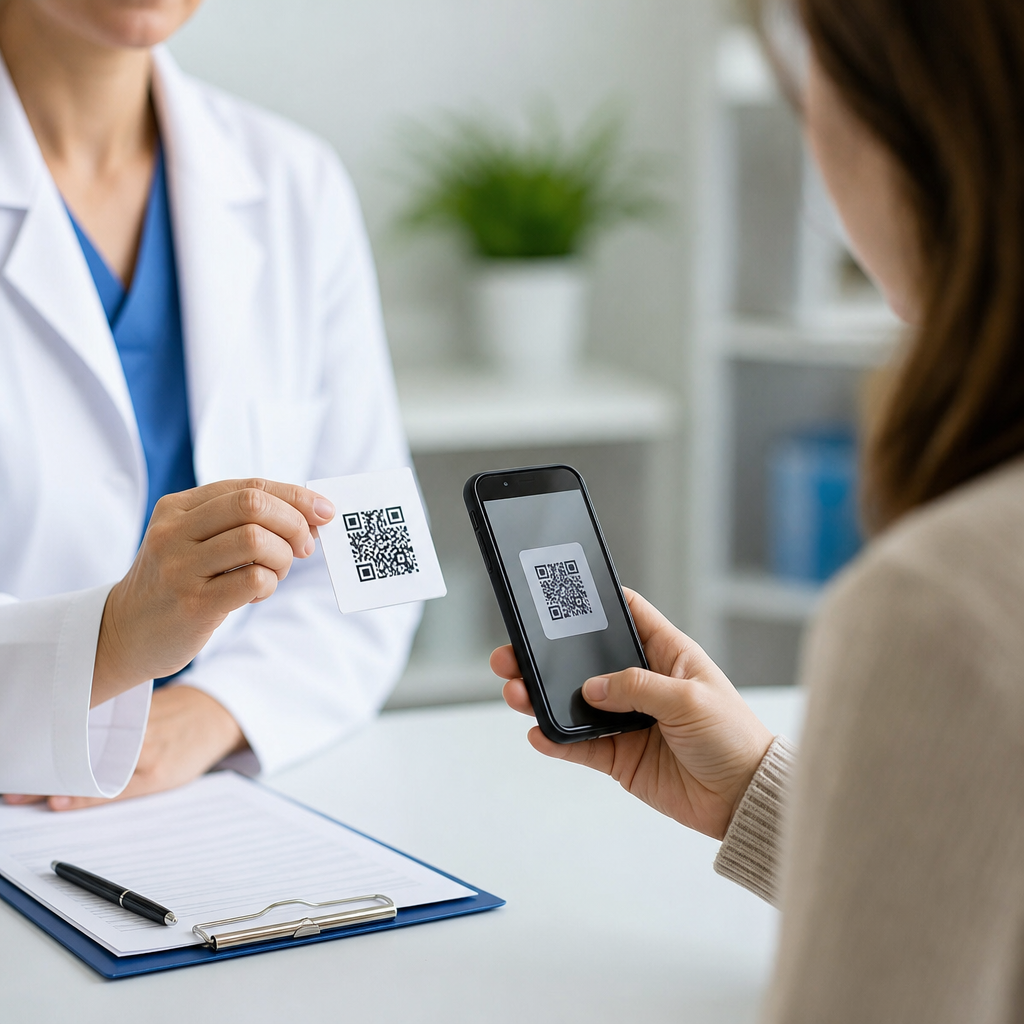
QR codes for patient education resources have become a practical bridge between clinical conversations and reliable information patients can access later, on their own time, and in their preferred language. In healthcare, a QR code is a scannable image that opens a digital destination such as discharge instructions, medication guides, physical therapy videos, informed consent explanations, or disease-specific education pages. Patient education resources include any materials designed to help people understand conditions, treatments, preventive care, follow-up steps, billing expectations, and self-management tasks. This matters because patients forget a large share of what they hear during appointments, especially when they are stressed, in pain, or hearing unfamiliar medical terms. I have seen this repeatedly in outpatient and hospital workflows: a nurse gives excellent verbal instruction, the patient nods, then calls the next day unsure about wound care, dosage timing, or which warning signs require urgent help.
Used well, QR codes reduce that gap. They make education portable, measurable, and easier to update than printed handouts. A cardiology clinic can place a code on an after-visit summary linking to heart failure weight-tracking instructions; a pediatric practice can use posters that open vaccine FAQs; a surgical center can send patients home with codes leading to recovery timelines and mobility exercises. For healthcare organizations, the value is not novelty. The value is better comprehension, fewer avoidable callbacks, stronger adherence, and more consistent communication across teams and care settings. As a hub topic within healthcare, this article explains where QR codes fit, how to implement them safely, what content works best, which metrics matter, and how organizations can connect this approach to broader patient engagement strategies.
Where QR Codes Fit in the Healthcare Patient Journey
QR codes are most effective when mapped to specific moments in care rather than deployed as generic marketing tools. In primary care, they often support preventive education, chronic disease management, and appointment preparation. In hospitals, they are especially useful at discharge, when patients need to remember instructions on medications, activity restrictions, symptoms to watch, and follow-up schedules. In specialty care, they can reinforce more complex pathways. Oncology programs use them for chemotherapy side effect guidance. Orthopedic teams use them for brace fitting videos and rehabilitation exercises. Obstetrics practices use them for trimester-specific education, labor preparation, and postpartum warning signs.
The strongest implementations answer the patient’s next question before it becomes a call, missed dose, or unnecessary urgent visit. For example, a QR code on a prescription insert can open a plain-language video explaining when to take the medicine, what common side effects look like, and when to contact the clinic. A dental office can add codes to post-procedure sheets so patients can review bleeding expectations, diet restrictions, and oral hygiene steps from home. In public health settings, codes on posters in waiting rooms can route people to smoking cessation programs, diabetes prevention classes, or multilingual screening information. Because the destination can change without reprinting every physical item, healthcare teams gain flexibility when clinical guidance, formularies, or scheduling instructions change.
Best Uses for Patient Education Content
Not every healthcare asset belongs behind a QR code. The most successful resources are specific, actionable, and directly tied to a decision or task. Good examples include medication administration instructions, pre-op fasting rules, colonoscopy prep checklists, wound care videos, inhaler technique demonstrations, newborn care guidance, and condition explainers for asthma, hypertension, or migraine. Educational content should be written in plain language, organized by question, and designed for mobile viewing. Large blocks of text perform poorly. Short sections, step-by-step visuals, and concise videos usually perform better because patients often scan while distracted or tired.
Healthcare organizations also need a content hierarchy. Core evergreen pages should cover the most common diagnoses, treatments, preventive services, and care transitions. Around that foundation, teams can build service-line resources for orthopedics, cardiology, women’s health, behavioral health, pediatrics, urgent care, and surgery. This hub-and-spoke structure supports internal linking, clearer navigation, and stronger consistency across departments. Clinicians appreciate knowing exactly which approved page to share, rather than improvising with outside websites of mixed quality. Patients benefit because the information matches local protocols, contact numbers, and follow-up expectations instead of giving generic advice that may conflict with their actual care plan.
Implementation Standards, Accessibility, and Privacy
In healthcare, convenience never overrides compliance, accessibility, or safety. A QR code should usually point to general educational information, not expose protected health information directly. If a destination includes individualized data, secure authentication is essential. Organizations should review workflows with compliance, privacy, clinical leadership, and information security teams. In the United States, that often means assessing HIPAA implications, BAAs for vendors handling protected data, and retention policies for analytics logs. Dynamic QR code platforms can be helpful because they allow URL changes, tracking, and campaign management, but vendor review is mandatory.
Accessibility is equally important. A printed code without context excludes patients who are not comfortable scanning or who use assistive technology. Every code should include a short label explaining what opens after scanning, plus an alternative path such as a short URL, printed summary, or staff assistance. Educational pages should support screen readers, clear heading structure, sufficient color contrast, captions on videos, and translation for common language groups. Readability targets often aim for roughly a sixth- to eighth-grade level, although informed consent and specialty materials may require more nuance. The point is not to oversimplify medicine; it is to remove avoidable barriers to understanding. In practice, the safest standard is multimodal education: verbal explanation, printed essentials, and digital reinforcement accessed by QR code.
How to Build a Reliable QR Code Program
Healthcare teams get better results when QR codes are managed like a clinical communication system, not a one-off design task. Start with use cases that are high volume, high confusion, or high risk: discharge instructions, pre-procedure preparation, medication education, and chronic disease self-management. Then create governance. Decide who owns content approval, review cycles, link updates, translation, and retirement of outdated materials. I recommend assigning a clinical owner and a digital owner to every resource. The clinical owner verifies medical accuracy. The digital owner monitors usability, analytics, and uptime.
Measurement should be built in from the beginning. Useful metrics include scan rate by location, completion of key pages, video watch time, bounce rate, repeat visits, language selection, and downstream operational indicators such as reduced education-related call volume or better appointment preparedness. To make performance comparisons easier, many organizations organize initiatives as follows.
| Use Case | Typical Placement | Primary Patient Benefit | Operational Metric |
|---|---|---|---|
| Discharge instructions | After-visit summary, bedside signage | Clear home care steps | Fewer follow-up clarification calls |
| Medication education | Prescription handout, pharmacy counter | Safer dosing and side effect awareness | Improved adherence reporting |
| Procedure preparation | Scheduling packet, reminder email | Better readiness for tests or surgery | Lower same-day cancellation rate |
| Chronic disease management | Exam room posters, care plans | Ongoing self-management support | Higher program enrollment or return visits |
Testing matters. Before launch, scan every code on multiple devices, over cellular and Wi-Fi, under bright light and poor light, and from typical print sizes. Broken links are more than an inconvenience in healthcare; they undermine trust. Keep destination pages fast, uncluttered, and free from unnecessary forms. If a patient scans a code for post-op guidance and lands on a homepage search bar, the system has failed. Deep linking to the exact resource is the correct standard.
Examples Across Healthcare Settings
Different settings use QR codes differently because patient needs, urgency, and digital comfort vary. In hospitals, bedside codes can explain fall prevention, pain management expectations, and discharge milestones for family members who are not present during rounds. In emergency departments, codes can support low-acuity discharges with hydration guidance, pediatric fever instructions, or return precautions. In ambulatory surgery centers, pre-op and post-op education are especially good candidates because timing, fasting, transportation, and recovery instructions are easy to misunderstand and expensive to get wrong.
In outpatient specialty care, the opportunity is often depth. A rheumatology practice can link to injection training videos and symptom trackers. A dermatology clinic can connect biopsy aftercare sheets to wound photo examples showing normal healing versus signs of infection. Behavioral health programs can use codes for grounding exercises, crisis resources, and intake paperwork explanations. Pharmacies can add scannable education to vaccine workflows and medication therapy management. Community health centers often gain the most from multilingual QR resources because they serve diverse populations with varying literacy levels and limited time for repeated counseling. Across all of these examples, the pattern is the same: QR codes work best when they remove friction between a patient question and a trusted answer.
Common Mistakes and How to Avoid Them
The most common mistake is treating the code itself as the strategy. The real strategy is content design and workflow integration. A code that links to a generic brochure PDF rarely performs well on mobile. Another mistake is using too many codes in one place, forcing patients to choose among unclear options. Keep labeling explicit: “Scan for knee replacement exercise videos” is better than “Learn more.” Some organizations also forget staff training. Front-desk teams, nurses, medical assistants, and clinicians should know when to offer the code, what it opens, and what fallback to use if the patient prefers print.
Another avoidable problem is stale content. Clinical recommendations, office hours, contact numbers, and prep instructions change. Without ownership and review dates, QR programs decay quickly. Finally, analytics can be misread. High scan volume does not automatically mean good education. It may signal confusing verbal instructions or poor printed materials. Pair digital metrics with patient feedback, teach-back observations, and service-line outcomes. The goal is not more scans; the goal is better understanding and safer action.
QR codes for patient education resources help healthcare organizations extend clinical guidance beyond the visit, giving patients immediate access to accurate, mobile-friendly, and updateable information when they need it most. The strongest programs are built around real care moments such as discharge, medication use, procedure preparation, and chronic disease management. They rely on plain-language content, clear ownership, secure workflows, and accessible design rather than novelty. When QR codes are tied to approved education libraries, multilingual support, and measurable outcomes, they improve comprehension while reducing friction for clinicians and staff.
As the hub for healthcare applications, this topic connects naturally to deeper articles on discharge communication, specialty clinic workflows, medication adherence, multilingual patient engagement, accessibility standards, and compliant analytics. Start with one high-impact use case, test it carefully, and refine based on patient behavior and staff feedback. A well-run QR code program does not replace conversations. It makes those conversations stick.
Frequently Asked Questions
What are QR codes for patient education resources, and how are they used in healthcare?
QR codes for patient education resources are scannable codes that take patients directly to digital information designed to support their care. In a healthcare setting, that destination might be discharge instructions, medication information, pre-op or post-op guidance, chronic disease education, informed consent explanations, rehabilitation videos, dietary recommendations, or multilingual care instructions. Instead of relying only on printed handouts or a patient’s memory after an appointment, clinicians can provide a quick and reliable way for patients to revisit important information later, when they have more time to review it carefully.
These QR codes are often placed on after-visit summaries, bedside posters, prescription packaging inserts, appointment cards, discharge folders, waiting room materials, and patient portal messages. When scanned with a smartphone or tablet, the code opens a webpage, PDF, video, or digital resource without requiring the patient to manually type a long web address. This makes access easier and reduces friction, especially for patients who may already feel overwhelmed by medical terminology or a large amount of information delivered during a clinical visit.
In practice, QR codes help extend clinical education beyond the exam room. A nurse might provide a QR code linking to wound care instructions, a pharmacist might share one for medication administration guidance, or a physical therapist might use one to direct patients to exercise demonstrations. Used well, they improve convenience, consistency, and access to trusted educational content while reinforcing what the care team has already explained in person.
Why are QR codes useful for improving patient understanding and engagement?
QR codes are useful because they make patient education more accessible, timely, and easy to revisit. Many patients leave appointments with questions they did not think to ask in the moment, or they forget part of what they were told once they get home. A QR code gives them a direct path back to clear, clinician-approved information when they are ready to review it again. That supports better understanding and can increase confidence in following a treatment plan correctly.
They also support different learning preferences. Some patients prefer reading written instructions, while others understand better through videos, diagrams, audio explanations, or interactive content. By linking a single QR code to a well-designed education page, healthcare organizations can provide several formats in one place. This is especially valuable for complex topics such as post-surgical recovery, diabetes management, inhaler technique, or home physical therapy exercises, where demonstration and repetition can improve comprehension.
Another important benefit is convenience. Patients do not need to keep track of paper handouts or search online for information later, where they may encounter incomplete or misleading sources. A QR code directs them to the exact resource their care team wants them to use. That can improve trust, reduce confusion, and support adherence to care instructions. In multilingual settings, QR codes can also connect patients to translated materials, helping organizations provide more equitable access to education and making communication more effective across diverse patient populations.
What types of patient education materials work best with QR codes?
QR codes work best when they link to patient education materials that are practical, easy to understand, and directly relevant to a patient’s care journey. Common examples include discharge instructions, medication guides, symptom monitoring checklists, pre-procedure preparation steps, post-procedure recovery advice, preventive care information, and disease-specific education pages. Resources that answer common follow-up questions or reinforce instructions patients must remember at home are especially strong candidates for QR code delivery.
Video and visual content are particularly effective. Demonstrations of insulin injection technique, wound dressing changes, stretching routines, mobility exercises, breastfeeding support, or medical device use can be much easier to follow when patients can see the process rather than only read about it. QR codes can also link to FAQs, infographics, interactive recovery trackers, or decision-support content that helps patients better understand treatment options and next steps.
The most effective materials are written in plain language, organized clearly, mobile-friendly, and reviewed for clinical accuracy. If possible, they should be available in multiple languages and designed with accessibility in mind, including readable font sizes, captioned videos, and compatibility with screen readers. Healthcare organizations get the best results when the linked content is not just informative, but also actionable. Patients should be able to understand what the information means for them, what steps they should take, and when they should contact a healthcare professional for further help.
Are QR codes for patient education resources safe, private, and HIPAA compliant?
QR codes can be used safely in healthcare, but privacy and compliance depend on how they are implemented. The QR code itself is simply a tool that points to a digital destination. Whether the experience is HIPAA compliant depends on what information is being accessed, how it is stored, whether personal health information is involved, and what security measures are in place on the linked platform. If a code only directs patients to general educational material that does not contain identifiable personal data, the compliance risk is typically lower. If it connects to individualized care instructions or portal-based information tied to a specific patient, stronger safeguards are necessary.
Healthcare organizations should use secure, trusted platforms and avoid linking patients to unsecured or poorly managed content. If personal or protected health information is involved, organizations may need authentication steps, encrypted connections, access controls, audit logging, and vendor agreements that support regulatory requirements. It is also wise to use recognizable branding and clear labeling so patients know the code is legitimate and belongs to their provider or health system.
From a patient safety perspective, organizations should test QR codes regularly, ensure links remain current, and avoid directing users to confusing third-party destinations. Good governance matters. Codes should point only to approved resources, and teams should have a process for reviewing content accuracy, updating expired materials, and monitoring broken links. In short, QR codes can absolutely fit into a compliant patient education strategy, but they need the same thoughtful oversight as any other digital health communication tool.
What are the best practices for creating effective QR code-based patient education resources?
The best QR code strategies start with the patient experience. The linked resource should be simple to access, optimized for smartphones, and immediately relevant to the situation in which the patient receives it. If someone is being discharged after surgery, the QR code should open recovery guidance right away, not a general homepage where they have to search for answers. Reducing clicks, simplifying navigation, and making the content easy to skim can significantly improve use and understanding.
Clarity in presentation is also essential. Every QR code should include a short explanation of what the patient will get by scanning it, such as “Watch your shoulder exercise video,” “Read your discharge instructions,” or “View medication safety information in English or Spanish.” This small detail increases trust and encourages action. Placement matters as well. Codes should appear where patients naturally need support, including discharge papers, exam room signage, medication instruction sheets, appointment reminders, and follow-up communications.
Content quality is equally important. Educational materials should be clinically reviewed, written in plain language, and available in formats that accommodate different needs. Whenever possible, include multiple language options, captions on videos, and accessibility features. It is also helpful to measure performance by tracking scans, engagement, and common patient questions after implementation. Those insights can reveal whether the content is being used and whether it is actually helping patients understand their care better. The strongest programs treat QR codes not as a novelty, but as part of a broader patient education system focused on accuracy, convenience, accessibility, and better health outcomes.