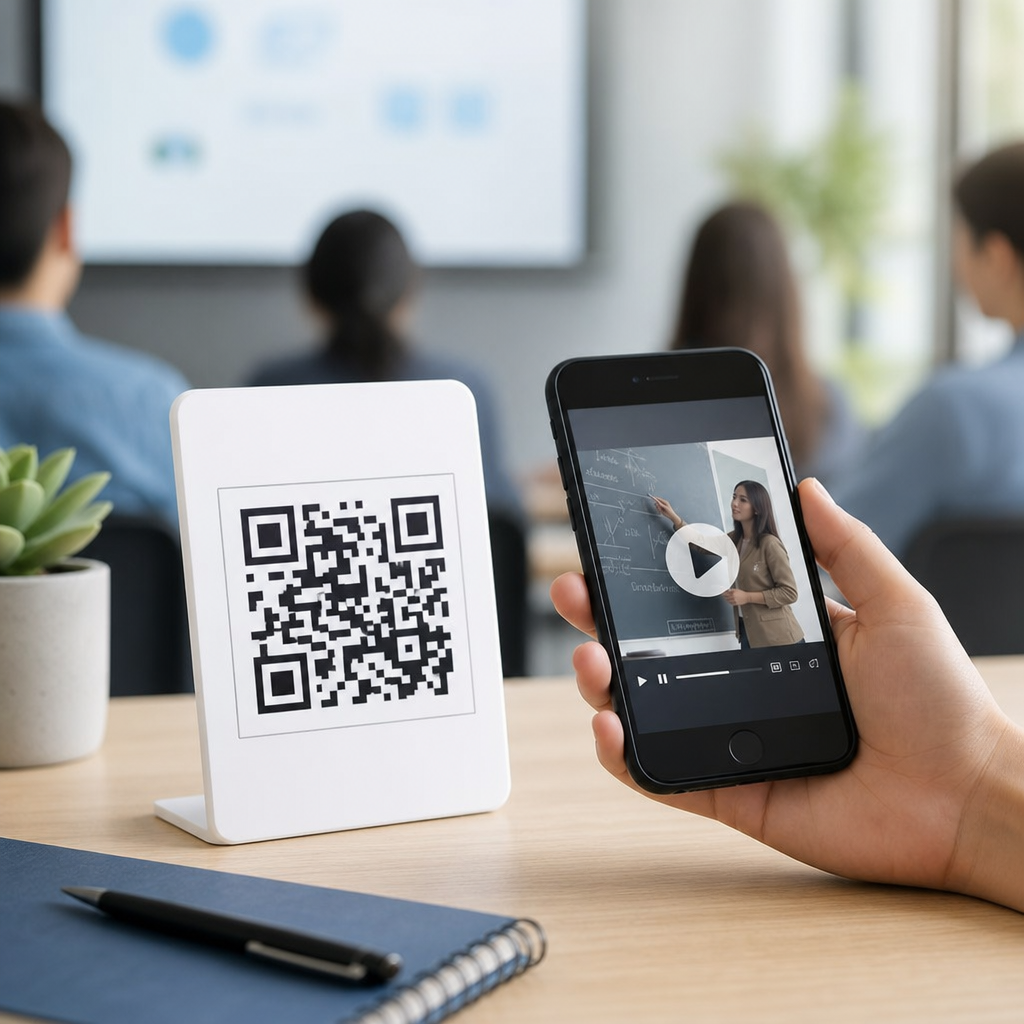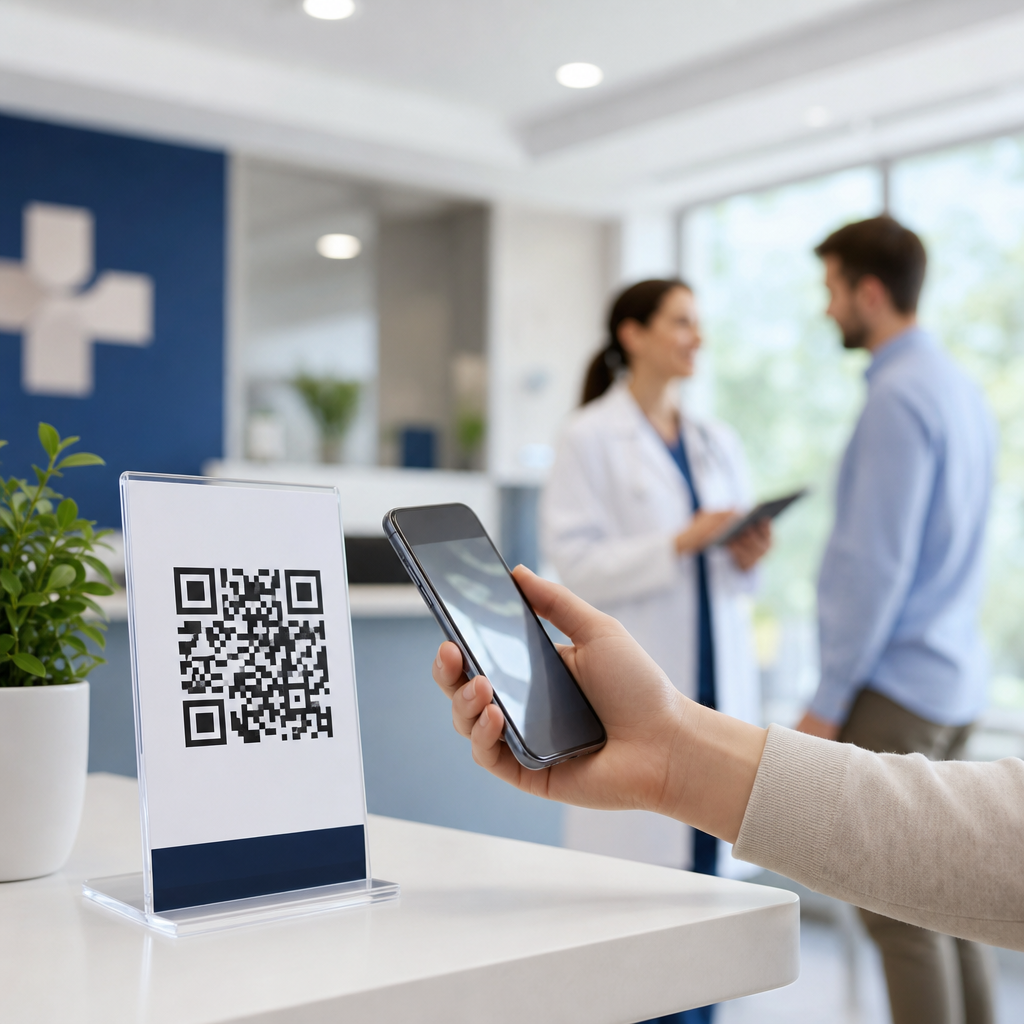
QR codes for healthcare marketing campaigns have moved from novelty to infrastructure, giving hospitals, clinics, telehealth brands, and private practices a fast, measurable way to connect offline patient touchpoints with digital action. In healthcare marketing, a QR code is a scannable two-dimensional barcode that opens a web page, app, form, video, map, or secure document on a smartphone. The marketing value is simple: reduce friction. Instead of asking a patient to type a long URL, search for a service line, or call during office hours, the organization presents one scan that leads directly to the next step. That matters because healthcare decisions are often time-sensitive, emotionally loaded, and dependent on trust. I have used QR codes across provider campaigns, from urgent care billboards to post-discharge education cards, and the difference in response rates usually comes down to relevance, placement, and follow-through. When a code points to a mobile page that answers a clear patient need, scans turn into appointments, class registrations, portal sign-ups, and better continuity of care. When it leads to a generic homepage, performance falls quickly. For healthcare organizations building an industry-specific marketing program, QR codes are not a side tactic. They are a practical hub device that supports patient acquisition, access, education, and retention while producing measurable attribution data across print, out-of-home, events, direct mail, and in-facility materials.
Why QR codes work in healthcare marketing
QR codes work in healthcare because they match the way patients behave in the real world: they see information in a physical setting and want an immediate digital next step. A parent in a pediatric waiting room may scan a poster to schedule vaccines. A commuter seeing an orthopedic clinic ad may scan for same-week appointments. A patient leaving cardiology rehab may scan a handout for exercise videos and medication reminders. In each case, the code collapses the path between awareness and action. That improves conversion because every extra step in healthcare creates drop-off, especially for older adults, caregivers managing several tasks, or patients comparing providers on a phone.
The strongest campaigns also respect healthcare constraints. Privacy rules such as HIPAA do not ban QR codes, but they do require careful design around what happens after the scan. The code itself should not expose protected health information, and landing pages should collect only the minimum necessary data through secure forms. Accessibility matters too. Printed instructions should include a short URL for people who cannot scan, and visual placement should account for glare, distance, and language needs. From a brand perspective, QR codes help unify service line marketing. One system can support primary care, women’s health, oncology, imaging, and behavioral health with unique codes, tagged URLs, and dedicated landing pages that reveal which messages and locations drive demand.
High-value healthcare campaign uses
The best use cases start with intent. Healthcare marketers should map codes to a single action, not a broad menu of choices. Acquisition campaigns often send users to physician finder pages, urgent care wait times, online scheduling, insurance accepted pages, or telehealth intake. Retention campaigns work well for portal enrollment, preventive screening reminders, class sign-ups, patient testimonials, and service-specific education. Community outreach campaigns can promote blood drives, maternity tours, health fairs, mobile clinic calendars, and employer wellness resources. In my experience, urgent care and imaging perform especially well because the patient need is immediate and the value proposition is clear: scan now, see locations, reserve a slot, and go.
Placement shapes performance. Waiting rooms, discharge folders, direct mail, event banners, transit ads, elevator wraps, exam room signage, pharmacy bag inserts, and provider referral packets each serve different intent stages. A billboard near a highway exit should not link to a general homepage; it should open a location page with tap-to-call, maps, hours, and accepted insurance. A women’s health brochure in an OB-GYN office can send expecting parents to childbirth class registration or maternity tour booking. Skilled nursing partners may use printed QR codes on discharge instructions to route patients to home health referrals. The campaign works when the physical context and digital destination align exactly.
Building landing pages that convert after the scan
A QR code is only as effective as the landing experience behind it. Healthcare landing pages must load fast, display clearly on mobile, and present one obvious next step above the fold. For appointment-driven pages, include service name, location options, accepted insurance, scheduling method, and a reassurance statement about clinical quality or convenience. For education pages, answer the patient’s immediate question first, then offer escalation paths such as call, chat, or request an appointment. I have repeatedly seen conversion lifts when teams remove full-site navigation from campaign pages and replace it with concise copy, trust signals, and a short form or booking widget.
Measurement should be built in before launch. Use tagged URLs with campaign, source, medium, and placement naming conventions. Dynamic QR codes are usually better than static codes because they allow destination changes without reprinting and give scan analytics by date, location, and device. Tools such as Google Analytics 4, Adobe Analytics, Bitly, QRCode Monkey enterprise alternatives, and CRM integrations can connect scans to downstream actions. If online scheduling sits in a separate vendor platform, coordinate event tracking and referral parameters early. Healthcare teams often miss attribution because appointment systems strip campaign data. Fixing that before launch is easier than reconstructing performance later.
Campaign planning, compliance, and measurement standards
Successful healthcare QR campaigns follow a disciplined workflow: define the audience, identify the patient question, choose one conversion event, create a dedicated mobile page, tag the URL, generate a dynamic code, test across devices, and approve content through compliance and legal review. Clinical claims need substantiation. If a landing page mentions outcomes, technologies, or physician rankings, marketing should verify the basis and disclosure requirements. For forms, use secure transport, clear consent language, and retention practices aligned with organizational policy. If the campaign touches regulated topics such as prescription savings, mental health, fertility, or clinical trials, involve the right stakeholders early.
| Healthcare campaign type | Best QR destination | Primary metric | Common mistake |
|---|---|---|---|
| Urgent care promotion | Nearest location page with wait times | Reserved spot or tap-to-call rate | Sending users to the main homepage |
| Mammography awareness | Screening eligibility and online scheduling page | Completed bookings | Omitting insurance and preparation details |
| Hospital discharge follow-up | Care instructions and follow-up appointment page | Follow-up completion rate | Using long videos before key instructions |
| Community health event | Registration form with map and reminders | Registrations and attendance | No reminder workflow after signup |
Performance benchmarks vary by channel, but the core reporting set is consistent: scans, unique scanners, scan-to-landing-page sessions, bounce rate, conversion rate, assisted conversions, cost per appointment, and, where possible, downstream revenue by service line. For print and out-of-home, scan rate per impression is useful but imperfect because audience estimates are modeled. More actionable is comparing placements against one another. In one regional system project, exam room posters generated fewer scans than direct mail, but a much higher appointment conversion rate because intent was stronger. That kind of insight helps reallocate spend toward formats that produce actual patient action, not just curiosity.
Common mistakes and how healthcare teams avoid them
The most common mistake is treating the QR code itself as the strategy. A code with no clear value proposition, weak creative, or a generic destination will underperform regardless of design. Another frequent error is poor physical execution: codes printed too small, placed on curved surfaces, blocked by glare, or buried in dense copy. Healthcare teams also underestimate trust signals. Patients are more likely to scan when the message names the organization, states the benefit clearly, and shows what will happen next, such as “Scan to book a same-day visit” or “Scan for your colonoscopy prep checklist.” Ambiguous prompts lower response.
Operational gaps can hurt outcomes even when scans are high. If scheduling inventory is limited, calls go unanswered, or forms route into unattended inboxes, the campaign wastes demand and damages patient experience. Internal alignment is critical. Marketing, digital, access, compliance, analytics, and service line leaders need shared ownership of the conversion path. It is also wise to plan for multilingual delivery, especially in markets with large Spanish-speaking populations or diverse immigrant communities. A simple language selector on the landing page can materially improve completion rates. Finally, test codes in the environments where they will appear. A poster that scans well at a desk may fail from six feet away in a hallway.
How this healthcare hub supports broader industry-specific strategy
As a hub within industry-specific applications, this healthcare page should anchor a cluster of deeper content around use cases, regulations, execution methods, and measurement. Supporting articles can cover QR codes for hospitals, dental practices, physical therapy clinics, pharmacies, senior care, health insurance outreach, patient education, and event marketing. Others should address topics such as HIPAA-safe landing page design, dynamic versus static QR codes, campaign attribution, direct mail strategy, and multilingual healthcare engagement. This hub matters because healthcare marketing is not one channel or one audience. It includes consumers, caregivers, employers, referring providers, and existing patients, each with different motivations and barriers.
The practical takeaway is clear: QR codes for healthcare marketing campaigns work best when they connect a specific patient moment to a secure, mobile-first action that reduces effort and builds trust. Use them to book care, guide follow-up, support education, and measure offline media with more precision than print has traditionally allowed. Keep the message focused, the landing page dedicated, the analytics clean, and the operational handoff reliable. If you are building a healthcare marketing program under an industry-specific framework, start by auditing every physical touchpoint where patients currently have to remember, type, wait, or call. Then replace friction with a well-designed scan experience and track the results.
Frequently Asked Questions
What are QR codes, and why are they effective in healthcare marketing campaigns?
QR codes are scannable two-dimensional barcodes that instantly send a patient or prospective patient to a digital destination on their smartphone, such as an appointment page, provider bio, telehealth app, patient education video, feedback form, map, insurance information page, or secure intake document. In healthcare marketing, their value comes from removing unnecessary steps. Instead of asking someone to remember a URL, search for a provider name, or manually type a web address, a QR code creates a direct path from a physical touchpoint to a digital action.
That speed and convenience matter in healthcare because patient attention is limited and intent is often immediate. A person in a waiting room may want to schedule a follow-up, review service lines, download post-visit instructions, or sign up for a wellness newsletter right away. A QR code on a brochure, poster, discharge packet, event banner, direct mail piece, or clinic sign turns that moment into measurable engagement. It helps hospitals, clinics, private practices, and telehealth brands bridge offline and online channels without adding friction.
QR codes are also effective because they support campaign tracking. Marketers can measure scans, landing page visits, conversions, geographic patterns, device types, and performance by location or campaign asset. That makes it easier to understand which messages, placements, and offers are actually driving results. In short, QR codes are effective in healthcare marketing because they improve access, simplify the patient journey, and provide data that can be used to optimize outreach over time.
How can healthcare organizations use QR codes across different marketing channels?
Healthcare organizations can use QR codes almost anywhere a patient encounters printed material, signage, packaging, or in-person communication. In clinics and hospitals, they can be placed in waiting rooms, exam rooms, front desks, elevators, cafeteria tables, parking areas, and discharge paperwork to direct patients to scheduling tools, patient portals, service information, prescription instructions, provider directories, or satisfaction surveys. In direct mail campaigns, a QR code can connect recipients to a dedicated landing page for a seasonal service line, such as annual screenings, flu shots, urgent care access, or maternity services.
They are also highly useful at community outreach events, health fairs, employer wellness programs, and physician referral initiatives. A banner or handout with a QR code can guide people to event registration, screening sign-ups, telehealth enrollment, or educational resources. For private practices, QR codes can support reputation building by linking to review requests, new patient forms, insurance verification pages, or office maps. Telehealth brands can use them in transit ads, print ads, conference displays, and pharmacy partnerships to move people directly into app downloads or virtual care registration.
The most effective healthcare campaigns match the QR code destination to the context. For example, a code in a pediatric waiting room might lead to vaccine schedules or after-hours guidance, while a code on orthopedic campaign materials might open a joint pain assessment or webinar registration page. The key is relevance, clarity, and speed. Every scan should take the user exactly where they expect to go, with no confusion and minimal steps to complete the intended action.
What should a healthcare landing page include after someone scans a QR code?
A healthcare landing page should feel like a seamless continuation of the message that prompted the scan. If the QR code promises appointment booking, class registration, bill pay, provider information, or access to a health resource, the landing page should deliver that immediately without forcing the visitor to search again. Clear headlines, strong mobile design, fast load times, and a prominent call to action are essential. Since most scans happen on smartphones, the page must be optimized for small screens, simple navigation, and quick form completion.
Trust is especially important in healthcare. The page should clearly identify the organization, include recognizable branding, and explain what the user can do next. If any personal or medical information is being collected, the form should be secure and the purpose should be transparent. Contact details, privacy information, and simple reassurance about what will happen after submission can improve completion rates. For example, if the page is for a screening request, it should explain whether someone will receive a phone call, email, or text and how quickly they can expect follow-up.
Strong healthcare landing pages also minimize unnecessary distractions. Rather than sending users to a generic homepage, it is usually better to direct them to a campaign-specific page tailored to the audience and intent. That page might include service details, provider credentials, accepted insurance information, patient testimonials, FAQs, maps, or downloadable preparation instructions. The best landing pages make the path from scan to action as short and reassuring as possible while maintaining compliance, accessibility, and a professional patient experience.
Are QR codes secure and compliant enough for healthcare marketing use?
QR codes themselves are simply access tools, but how they are implemented determines whether they are secure and appropriate for healthcare use. In most healthcare marketing campaigns, QR codes are used to direct users to informational pages, appointment requests, event registrations, telehealth access points, or educational content. Those uses are generally straightforward when the destination is hosted securely and the experience follows privacy and compliance standards. The main consideration is not the code image itself, but the web page, form, or application it opens.
Healthcare organizations should use secure HTTPS destinations, work with approved vendors, and avoid linking to pages that collect sensitive information without proper safeguards. If a QR code leads to a form where protected health information may be entered, the organization should ensure that the platform and workflow align with its legal, compliance, and IT requirements. Marketers should also coordinate with compliance teams to confirm appropriate disclosures, consent language, and data handling practices before launch.
It is also wise to build patient trust through transparency. Include clear branding near the QR code, explain what the code does, and avoid vague calls to action that could make users hesitant to scan. Dynamic QR code platforms with analytics can be useful, but they should be evaluated carefully for security, governance, and data handling. When managed responsibly, QR codes can absolutely be part of a compliant healthcare marketing strategy. The safest approach is to treat them as one component of a secure digital journey rather than as a standalone marketing gimmick.
How do you measure the success of a QR code healthcare marketing campaign?
Success starts with defining the specific action the campaign is supposed to drive. In healthcare, that could include appointment requests, provider page visits, telehealth registrations, event sign-ups, patient portal enrollments, service line inquiries, review submissions, phone calls, or downloads of educational content. Once that goal is clear, QR codes become highly measurable. Marketers can track scan volume, unique scans, repeat scans, time of day, location-based engagement, device usage, and the conversion rate from scan to completed action.
To get meaningful insights, each campaign should use dedicated QR codes tied to specific placements and audiences. For example, a cardiology campaign might use one code for direct mail, another for in-office posters, and another for community event signage. This makes it possible to compare performance by channel and identify which offline touchpoints are producing the highest-value engagement. Pairing QR code analytics with landing page metrics, call tracking, CRM data, and appointment outcomes creates a much fuller picture of return on investment.
Healthcare organizations should look beyond scan counts alone. A high number of scans is encouraging, but the deeper questions are whether people reached the right content, completed the intended next step, and entered a meaningful care or communication pathway. Measuring bounce rates, form abandonment, page completion, appointment show rates, and downstream patient acquisition can reveal where the campaign is working and where friction still exists. The most successful QR code campaigns are not just scannable; they are strategically designed, carefully tracked, and continuously improved based on real patient behavior.