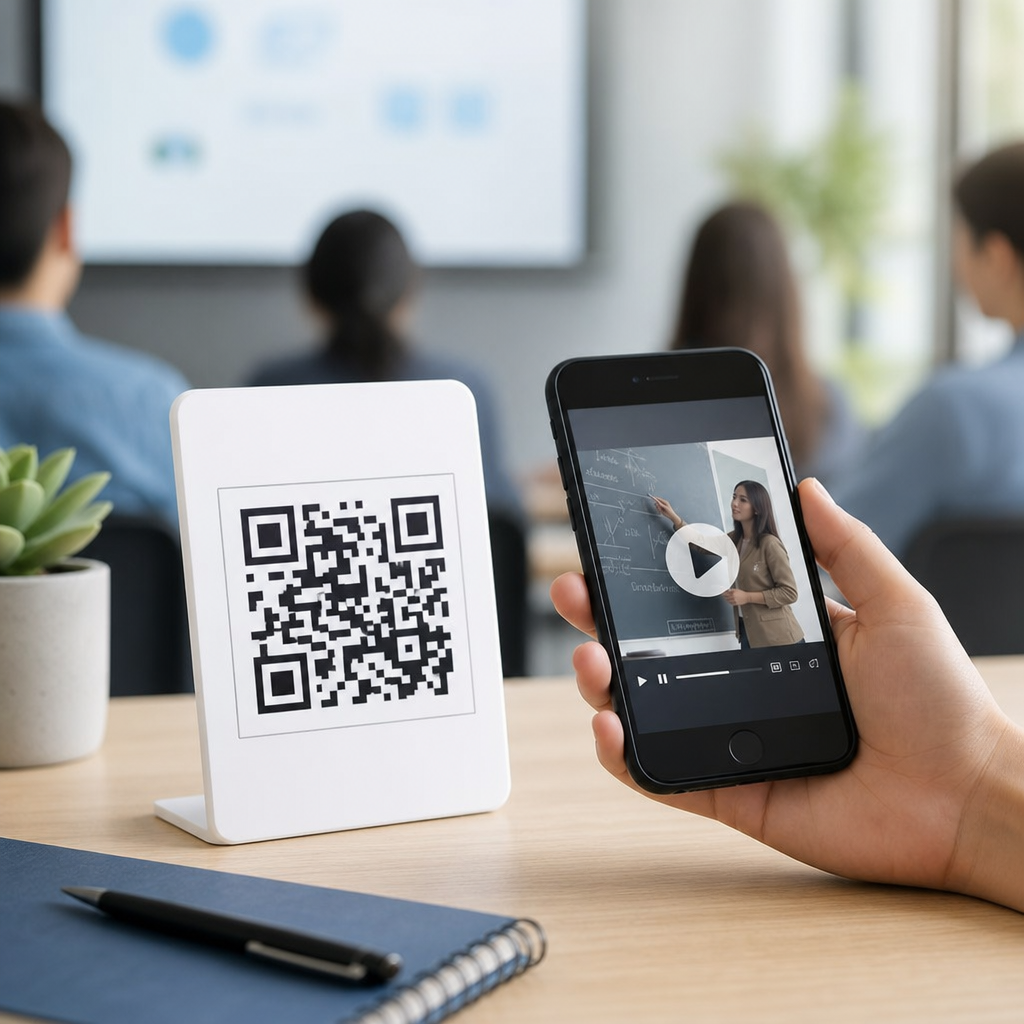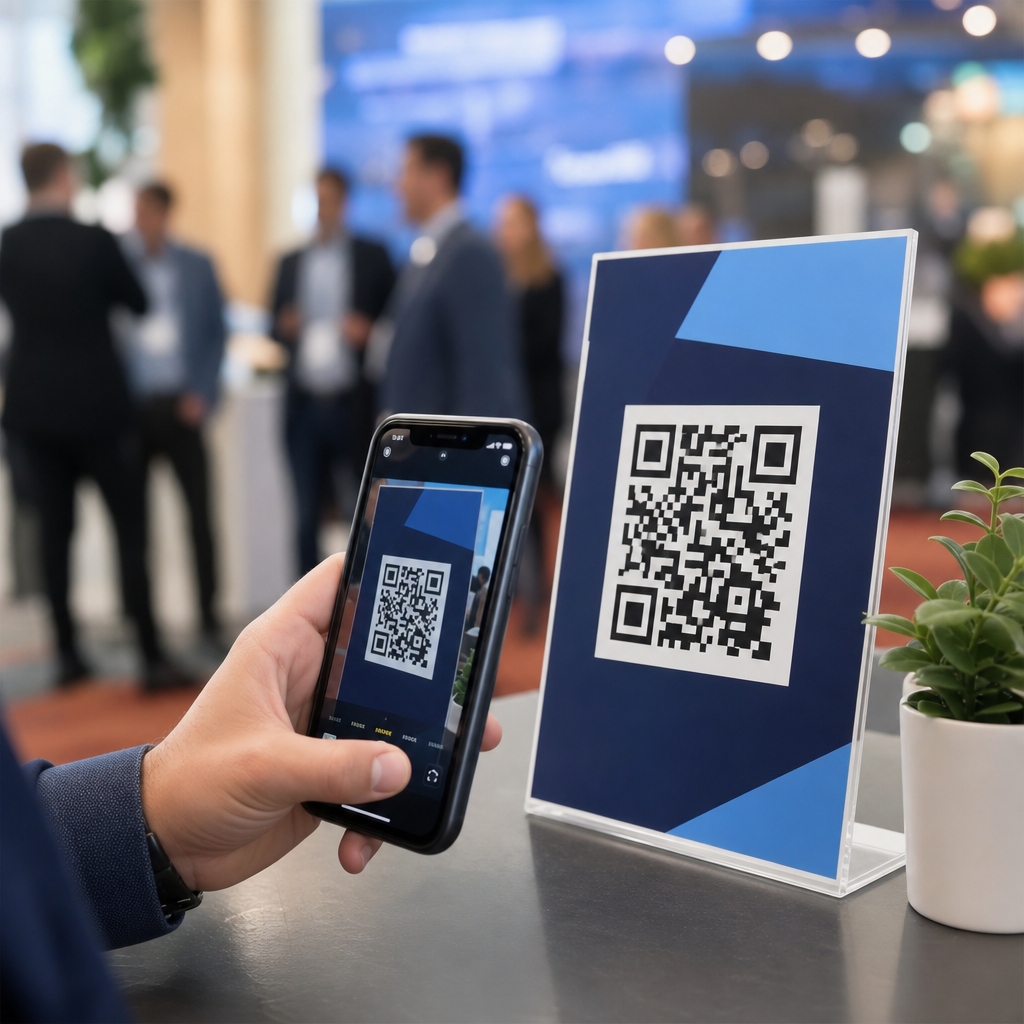
QR codes for event sponsorship activation have moved from a novelty on posters to a measurable performance tool that connects physical audiences with digital experiences. In events and ticketing, sponsorship activation means every tactic a brand uses to earn attention, capture data, drive action, and prove return from its presence at a conference, festival, trade show, stadium, or community event. A QR code is simply a scannable two-dimensional barcode, but in practice it functions as a bridge between venue signage and landing pages, ticket upgrades, contests, product demos, lead forms, mobile wallets, and post-event follow-up. I have implemented QR campaigns for sponsor booths, lanyards, stage screens, and concourse displays, and the difference between a code that gets ignored and one that converts usually comes down to planning, placement, and measurement.
This topic matters because event sponsors are under pressure to show results beyond logo visibility. Brand teams want first-party data, sales teams want qualified leads, and event organizers need activations that improve attendee experience without creating friction. QR codes fit that need because nearly every attendee carries a smartphone camera, scanning requires no app in most cases, and every interaction can be tracked with timestamps, locations, device types, and downstream conversions. Used well, QR codes support sponsor goals across the entire event lifecycle: pre-event registration, on-site engagement, in-session interaction, retail or concession offers, and post-event nurture. Used poorly, they produce low scan rates, dead links, and wasted inventory. A strong events and ticketing hub therefore starts with the fundamentals of sponsorship activation and then maps where QR codes create the most value.
At a practical level, the best QR strategies answer the attendee’s immediate question: what do I get if I scan this right now? That value might be fast entry, a seat upgrade, a free sample, a raffle entry, a map, a schedule, a coupon, or exclusive content tied to the sponsor. Clear intent matters because event environments are crowded, noisy, and time sensitive. If the code promises one thing and opens a generic homepage, trust drops immediately. For sponsors and organizers building an events and ticketing content program, QR activation is the hub topic because it touches ticketing operations, mobile engagement, analytics, compliance, creative production, and partner reporting in one system.
Where QR Codes Fit Across Events and Ticketing
In events and ticketing, QR codes create value wherever a physical moment should trigger a digital action. The most common placements are ticket confirmations, digital passes, venue wayfinding signs, sponsor booths, stage backdrops, printed programs, concessions, merchandise areas, shuttle signage, and hotel partner displays. Each placement serves a different intent. A code on a registration email may drive ticket management or add-to-wallet actions. A code on a booth wall may launch a lead form or demo booking page. A code on a jumbotron during halftime may open a limited-time sponsor offer with a countdown and redemption rules.
Conferences and trade shows use sponsorship QR codes heavily because lead capture is central to exhibitor ROI. Instead of collecting business cards in a fishbowl, sponsors can send attendees to a mobile-optimized landing page asking two or three qualifying questions, then route submissions to HubSpot, Salesforce, or Marketo. Festivals and sports venues often emphasize fan engagement and commerce. A beverage sponsor might place QR codes on cup sleeves that unlock instant-win prizes, while a team partner could link concourse signage to mobile ordering, loyalty sign-up, or augmented reality filters. In ticketed entertainment, codes also help reduce friction for upgrades, VIP package claims, and partner-funded perks that need controlled redemption.
The key point is that QR codes are not the activation itself; they are the access mechanism. The activation is the offer, experience, or utility behind the scan. That distinction helps event marketers avoid a common mistake: printing codes everywhere without a coherent audience journey. Good sponsorship activation starts with one audience segment, one promised benefit, and one measurable action per code.
High-Performing Sponsorship Activation Use Cases
The strongest use cases pair sponsor objectives with attendee needs. If a technology sponsor wants thought-leadership positioning, a code near a breakout room can offer a benchmarking report related to the session topic. If an automotive sponsor wants test-drive leads, a code in the fan zone can schedule appointments at a nearby dealership and prefill the source campaign. If a payment partner wants app adoption, a code at concessions can provide a first-purchase discount when attendees pay through the partner wallet. In each case, the attendee gains something immediate and relevant, while the sponsor gains measurable engagement.
Another proven use case is gated premium access. At large conferences, sponsors often underwrite charging lounges, Wi-Fi upgrades, networking receptions, or downloadable presentation decks. A QR code placed at the entry point can authenticate access, collect opt-in consent, and record attendance. This is more reliable than manual sign-in sheets and more privacy-conscious than broad badge scans when configured correctly. For consumer events, sweepstakes and instant-win mechanics remain effective, but they perform best when rules are simple, the prize is event-relevant, and the landing page loads in under three seconds on cellular service.
Post-event activation is equally important. A sponsor can use unique QR codes by zone, session, or day to understand which touchpoints drove the highest-quality traffic. For example, scans from a keynote screen may produce high volume but low form completion, while scans from a product demo station may produce fewer visits but much stronger lead quality. That insight influences future inventory pricing, sponsor package design, and staffing decisions.
Design, Placement, and Conversion Best Practices
Most QR underperformance is operational, not technical. The code must be large enough to scan from the intended distance, surrounded by quiet space, and placed where attendees can stop safely without blocking traffic. In indoor venues, matte surfaces scan better than glossy reflections under harsh lighting. On large screens, codes should remain visible long enough for attendees to unlock phones, open cameras, and frame the image. I generally recommend at least twenty seconds for presentation slides and longer for arena boards where viewers are farther away.
The call to action is as important as the code itself. “Scan to win courtside upgrades” will outperform “Learn more” because it states a concrete benefit. The destination must match that promise exactly. Mobile landing pages should use concise copy, large tap targets, auto-filled fields where possible, and a fallback path if bandwidth is poor. Dynamic QR codes are usually the right choice because they allow destination updates without reprinting assets and provide scan analytics by time and device. Static codes are acceptable for permanent uses with simple destinations, but they limit optimization once the event begins.
| Activation Type | Best Placement | Primary Metric | Common Risk |
|---|---|---|---|
| Lead capture form | Booth walls, demo stations | Qualified submissions | Form too long |
| Instant offer or coupon | Concessions, merch queues | Redemptions | Weak staff training |
| Content download | Session entrances, printed agendas | Download rate | Generic landing page |
| Contest entry | Fan zones, stage screens | Unique scans | Unclear rules |
| VIP access or upgrades | Check-in points, hospitality areas | Claim rate | Poor connectivity |
Testing should happen in the real environment, not just on a desktop monitor. Scan from multiple phone models, on venue Wi-Fi and cellular, under event lighting, and from likely audience angles. Also test UTM tagging, analytics events, CRM field mapping, and thank-you-page tracking before doors open. Small setup errors can destroy sponsor reporting credibility.
Measurement, Attribution, and Sponsor Reporting
For sponsors, success depends on proving outcomes, not just scan counts. The right measurement framework usually starts with unique dynamic QR codes for each placement, creative variant, or sponsor asset. That lets teams compare booth signage versus email, north concourse versus south concourse, or day one versus day two. Scan volume is only the first layer. Strong reporting also tracks landing-page views, form starts, form completions, offer redemptions, ticket upgrades, app installs, wallet saves, and influenced revenue where possible.
Attribution in event environments is imperfect, but it can still be disciplined. UTM parameters should identify source, medium, campaign, content, and placement. If leads enter a CRM, include hidden fields that preserve the exact QR source. If the activation involves commerce, connect redemptions to POS, ecommerce, or ticketing data. Platforms such as Eventbrite, Cvent, Bizzabo, and Ticketmaster integrations can help organizers tie sponsor interactions to registration status or attendance cohorts, while analytics stacks like Google Analytics 4, Segment, HubSpot, and Salesforce support downstream reporting. The objective is a sponsor recap that answers direct questions: how many people scanned, who converted, what inventory performed best, and what business outcome followed.
Benchmarks vary by event type, audience intent, and offer quality, so responsible teams avoid universal promises. A niche B2B expo may celebrate a lower scan rate if leads are highly qualified, while a mass-attendance sports promotion may prioritize total reach and redemption volume. The most credible reports include context, limitations, and recommendations for the next event rather than inflated claims.
Governance, Privacy, and the Hub Topics That Support This Page
Because this page sits at the center of events and ticketing coverage, it should connect related subtopics that teams need to execute well. Those include QR codes for digital ticketing, mobile check-in, venue wayfinding, concession ordering, contactless payments, exhibitor lead retrieval, attendee networking, loyalty programs, and post-event surveys. Sponsorship activation touches all of them because sponsor experiences often ride on the same infrastructure as ticketing and venue operations. When internal teams build supporting content around those areas, this hub becomes the strategic overview that explains how the pieces fit together.
Governance matters as much as creative. Privacy disclosures must explain what data is collected, why it is collected, and how consent works, especially when a sponsor receives attendee information. Regional requirements differ, but the baseline standard is simple: collect only necessary data, secure it properly, and honor opt-in preferences. Accessibility also matters. Codes should not be the only path to critical information; provide a short URL or staffed alternative where needed. Finally, have a failure plan. If cellular service drops or a landing page fails, staff should know the backup workflow immediately.
QR codes for event sponsorship activation work best when they are treated as a measurable audience journey, not decorative technology. Start with a specific sponsor objective, match it to a clear attendee benefit, place the code where that exchange makes sense, and track the entire path from scan to outcome. In events and ticketing, that approach turns sponsorship from passive visibility into accountable performance. It also improves the attendee experience by making useful actions faster, simpler, and more relevant in the moment.
For organizers, the biggest benefit is package value. When you can show which placements, offers, and audiences produced real engagement, sponsorship inventory becomes easier to price and renew. For sponsors, the benefit is certainty: better lead quality, better redemption data, and better insight into what happened on site. Audit your current event journey, identify the moments where attendees already reach for their phones, and build your next sponsorship activation around those moments.
Frequently Asked Questions
How do QR codes improve event sponsorship activation compared with traditional signage or booth traffic alone?
QR codes turn passive sponsorship visibility into a trackable, action-oriented experience. Traditional event assets such as banners, stage mentions, step-and-repeat walls, booth displays, or printed handouts can build awareness, but they often make it difficult to measure what attendees actually did after seeing a sponsor’s message. A QR code adds a direct response layer. Instead of hoping someone remembers a URL, searches for a brand later, or keeps a brochure, attendees can scan instantly and move into a specific digital journey while interest is highest.
That shift matters because sponsorship activation is not just about being seen. It is about getting attention, capturing first-party data, encouraging product exploration, driving downloads, generating qualified leads, redeeming offers, increasing app engagement, supporting contest entry, and ultimately proving return on investment. A QR code can connect a physical placement at a conference, festival, trade show, stadium, or community event to a landing page, sweepstakes form, video, coupon, product configurator, schedule, RSVP page, app download, or branded interactive experience. Every scan creates measurable data points such as total scans, unique visitors, time of day, device type, conversion rate, and location-based performance when properly configured.
For sponsors, this means activations become easier to optimize and justify. A brand can compare which placements performed best, whether a QR code on lanyards outperformed one on digital screens, or whether a prize wheel generated more lead captures than a static poster. That level of visibility helps sponsors move beyond vague impressions and into performance reporting that marketing teams and event stakeholders can use. In short, QR codes make sponsorships more accountable, more interactive, and much more valuable than physical exposure alone.
What are the most effective ways to use QR codes in a sponsored event activation?
The most effective uses of QR codes are tied to a clear attendee action and a meaningful value exchange. The strongest sponsorship activations do not ask people to scan “for more information” in a generic way. They give attendees a compelling reason to engage immediately. That could include entering a giveaway, unlocking exclusive content, claiming a discount, joining a VIP experience, voting in a live poll, collecting digital swag, booking a demo, registering for a post-event webinar, downloading a sponsor app, or participating in an interactive challenge tied to the event.
Context also matters. A QR code on a booth wall may work well for lead capture or product demos. A code on seat backs or concourse signage in a stadium may be better for instant coupons, fan engagement, or branded games. On festival signage, a QR code could unlock a scavenger hunt, playlist, merch promotion, or social-sharing moment. At conferences, sponsors often use codes to deliver presentation slides, gated white papers, free trials, networking sign-ups, or calendar bookings with sales teams. The strongest activations match the attendee’s environment, mindset, and available time.
Another best practice is to reduce friction after the scan. The destination should be mobile-friendly, fast-loading, branded consistently, and focused on one primary conversion goal. If a sponsor wants lead data, the form should be short and worth completing. If the goal is app installs, the page should send users directly to the appropriate app store. If the goal is engagement, the content should feel exclusive or interactive rather than repetitive of what is already visible on the sign. Effective QR activations combine compelling creative, strong placement, a clear call to action, and a landing experience that delivers immediate value.
What should sponsors measure to prove ROI from QR code event activations?
To prove ROI, sponsors should track more than raw scan volume. Total scans are useful, but they are only the top of the funnel. The more important question is what happened after the scan. Strong measurement starts with basic engagement metrics such as total scans, unique scans, repeat scans, scan rate by placement, peak activity times, and device type. These help sponsors understand reach and audience behavior. However, the real performance story comes from conversion metrics tied to business objectives.
If the activation is focused on lead generation, sponsors should measure completed forms, qualified leads, cost per lead, meeting bookings, and eventual pipeline creation. If the objective is commerce, relevant metrics may include coupon redemptions, purchases, average order value, or assisted revenue. For app-focused campaigns, metrics could include installs, registrations, in-app actions, and retention after the event. If the activation is designed for brand engagement, sponsors may track video completions, contest entries, social shares, time on page, game participation, or content downloads. When possible, UTM parameters, CRM integration, marketing automation tools, and event analytics platforms should be used together so scans can be connected to downstream outcomes.
It is also smart to compare performance by asset, location, and audience segment. For example, a sponsor may discover that QR codes placed near stage entrances generated more qualified traffic than codes on table tents, or that attendees scanning during keynote breaks converted at higher rates than those scanning during expo hours. These insights help sponsors refine future activations and make better media placement decisions. The best ROI reporting tells a full story: where engagement came from, how attendees moved through the experience, what business results were generated, and what should be optimized next time.
What are the biggest mistakes brands make with QR codes at events?
One of the biggest mistakes is using a QR code without a clear purpose. If attendees do not immediately understand what they will get by scanning, response rates tend to drop. A code placed on signage with no strong call to action, weak branding, or generic copy like “scan here” often underperforms because it does not create urgency or value. Sponsors should be explicit about the benefit, whether that is entering to win, accessing exclusive content, claiming an offer, or starting a personalized experience.
Another common mistake is sending users to a poor mobile experience. Event attendees scan in fast-moving, distracting environments, often on cellular connections. If the landing page loads slowly, is not optimized for mobile screens, asks for too much information, or feels disconnected from the sponsored message, users abandon quickly. Sponsors also make errors by placing QR codes where they are hard to scan, such as too high on banners, on reflective surfaces, in low light, or in crowded areas where people cannot pause comfortably. Testing code size, contrast, placement height, and scan distance before the event is essential.
Measurement mistakes are equally damaging. Some brands use static destinations with little or no tracking, making it impossible to understand performance by placement or campaign. Others fail to integrate scans into broader reporting systems, so they cannot connect activation activity to leads, sales, or engagement outcomes. Finally, many sponsors overlook privacy and consent considerations when collecting attendee data. If a QR code leads to a form, the data capture process should be transparent, compliant, and aligned with the brand’s follow-up strategy. Avoiding these mistakes helps ensure the QR code functions as a real performance tool rather than a decorative add-on.
How can sponsors design QR code experiences that attendees actually want to engage with?
Attendees are most likely to engage when the QR code experience feels useful, immediate, and relevant to where they are in the event journey. That starts with understanding audience intent. Someone walking past a sponsorship display in a busy expo hall may only give a few seconds of attention, so the value proposition needs to be obvious at a glance. Short, direct calls to action such as “Scan to enter for VIP upgrades,” “Scan for your free sample,” or “Scan to see today’s live demo schedule” are typically more effective than vague prompts. The message should answer the attendee’s silent question: why should I do this right now?
Good design also means aligning the digital experience with the physical environment. A sports fan in a stadium may respond to a fast, entertaining activation like instant-win games or limited-time offers. A B2B conference attendee may prefer access to a benchmark report, a meeting scheduler, or a product comparison tool. The best activations feel tailored rather than recycled. Visual presentation matters too. The QR code should be easy to spot, framed by concise explanatory copy, and supported by branding that reassures users they are scanning something legitimate and worthwhile.
Finally, sponsors should think beyond the scan itself and build a complete journey. What happens in the first five seconds after the landing page opens? Is there a single clear next step? Does the experience deliver on the promise made by the signage? Is there a follow-up path after the event, such as email nurturing, offer reminders, personalized content, or sales outreach? When sponsors treat QR codes as the front door to a well-planned attendee journey instead of a standalone tactic, engagement quality improves dramatically. That is when event sponsorship activation becomes more than exposure and starts producing durable marketing and revenue impact.