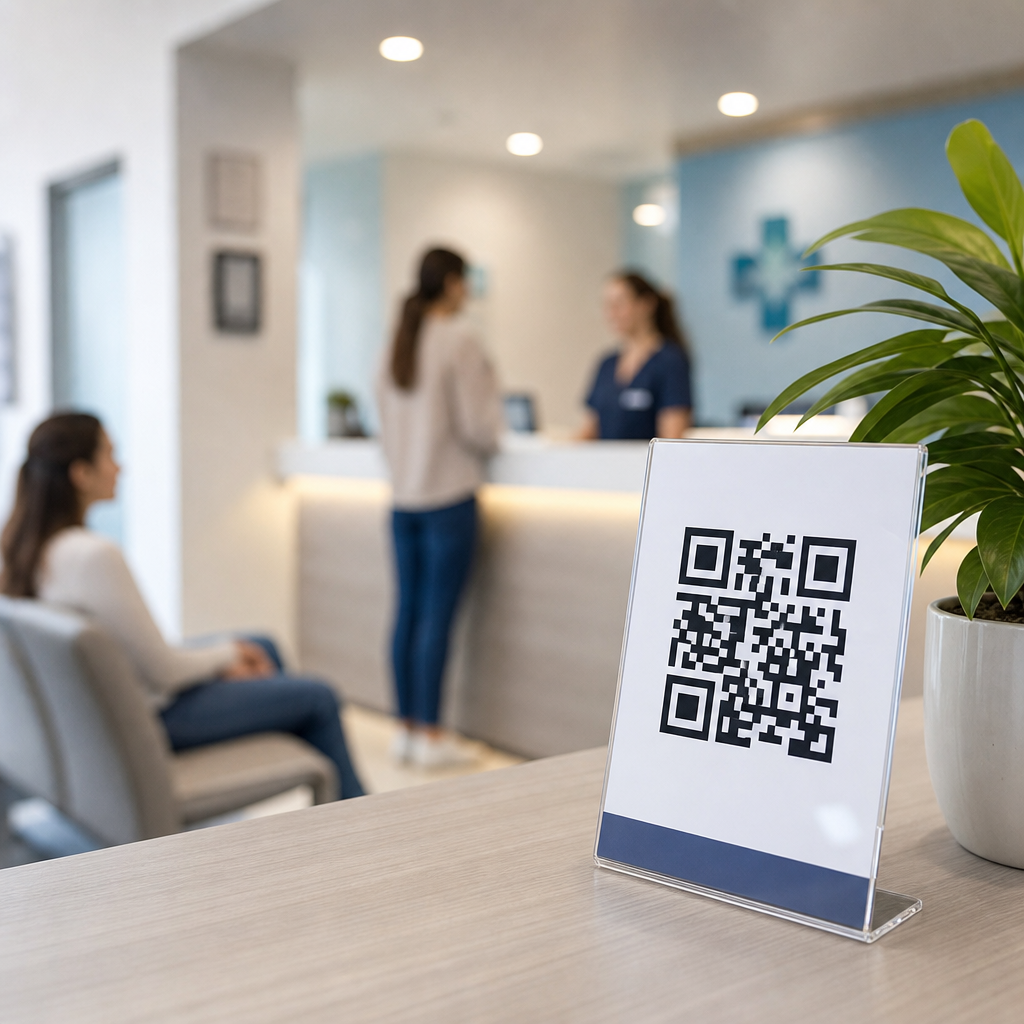
QR codes for clinic feedback and surveys give healthcare teams a simple way to capture patient opinions at the point of care, reduce paper handling, and turn scattered comments into measurable service improvements. In healthcare, a QR code is a scannable image that opens a digital form, survey, review page, or follow-up questionnaire on a patient’s phone. Clinic feedback includes satisfaction scores, wait-time comments, staff communication ratings, and suggestions about access, billing, and overall experience. Used well, these codes help clinics hear from more patients, faster, and with less administrative friction.
I have implemented QR-based survey systems in outpatient practices, urgent care sites, and specialty clinics, and the pattern is consistent: response volume increases when the survey is easy to access immediately after the visit. A paper card placed at reception often gets ignored. A short link printed in small text performs even worse. A clearly labeled QR code on checkout signage, discharge paperwork, or appointment reminders removes steps. For healthcare organizations under pressure to improve patient experience, meet quality targets, and protect staff time, that convenience matters.
This topic matters because patient feedback is no longer a soft metric. It affects reputation, referral growth, retention, service recovery, and in many systems, reimbursement or quality reporting. Clinics need timely insight into what happened during registration, triage, consultation, treatment, follow-up, and billing. They also need a method that works for diverse patient populations, fits privacy expectations, and can scale across locations. As the hub for healthcare applications, this article explains where QR codes fit, how to deploy them responsibly, and which use cases connect to the wider clinic feedback and survey strategy.
Why QR codes work in healthcare settings
QR codes work in clinics because they match patient behavior. Most patients already use their phones while waiting, checking in, or reviewing visit instructions. Scanning a code feels faster than typing a URL, downloading an app, or filling out a paper form. In practical terms, a clinic can place one dynamic code at reception for check-in experience feedback, another in exam rooms for provider communication surveys, and another in post-visit materials for outcomes or follow-up questions. Dynamic QR codes are especially useful because the destination can be changed without reprinting posters or cards.
The operational benefits are equally important. Front-desk staff do not need to explain a complex survey process. Practice managers can route responses into Google Forms, Microsoft Forms, Typeform, SurveyMonkey, Qualtrics, or a patient experience platform. Multi-location groups can use unique tracking parameters by site, department, or campaign, which makes benchmarking possible. In one multispecialty rollout I managed, separate QR destinations for pediatrics, orthopedics, and dermatology revealed that low satisfaction in one service line was tied to scheduling delays, while another struggled with unclear aftercare instructions. Without segmented QR tracking, both problems would have been blended into one vague score.
Another reason QR codes perform well is speed. If a patient can answer three to seven questions in under a minute, completion rates rise. That allows clinics to ask targeted questions such as: How easy was appointment scheduling? Did the clinician explain the treatment plan clearly? Was the facility clean? Would you recommend this clinic? Direct, structured questions produce data that can be trended week over week, instead of relying on occasional anecdotal complaints.
Core healthcare use cases for feedback and surveys
Healthcare is not one environment, so QR code survey design should reflect the setting. Primary care clinics often focus on access, continuity, and provider communication. Urgent care centers usually prioritize wait times, staff courtesy, and discharge clarity because visits are episodic and throughput is high. Specialty clinics such as cardiology, oncology, fertility, or physical therapy need more nuanced feedback on treatment education, care coordination, and repeat-visit consistency. Dental and vision practices often combine service surveys with review generation, while behavioral health organizations must be more careful about tone, consent, and privacy.
Common use cases include point-of-service satisfaction surveys, post-visit follow-up forms, preventive care education checks, telehealth experience questionnaires, and service recovery prompts after a negative interaction. Clinics also use QR codes for language-specific surveys, caregiver feedback in pediatrics or geriatrics, and event-based forms during flu shot drives, community screenings, or mobile health outreach. A strong healthcare hub strategy links these use cases together so each subtopic can be explored in depth later, while the central page establishes standards, terminology, and implementation principles.
| Clinic setting | Best QR survey placement | Primary questions | Main operational goal |
|---|---|---|---|
| Primary care | Checkout desk, after-visit summary | Access, communication, follow-up clarity | Improve continuity and retention |
| Urgent care | Exit signage, SMS after discharge | Wait time, courtesy, instructions | Reduce complaints and recover service issues |
| Specialty clinic | Exam room card, patient portal message | Education, care coordination, confidence | Strengthen treatment adherence |
| Physical therapy | Reception, exercise handout | Progress understanding, scheduling ease | Support repeat attendance |
| Dental or vision | Checkout counter, printed receipt | Experience rating, referral likelihood | Increase reviews and referrals |
How to design clinic surveys patients will complete
The best clinic feedback survey is short, plain-language, and matched to the patient moment. For in-clinic surveys, I recommend three to five essential questions with one optional comment field. For post-visit follow-ups, five to eight questions is usually safe if the patient has already left and the topic is meaningful, such as treatment understanding or symptom improvement. Start with the most important question first because drop-off increases with each additional screen. If your goal is service quality, ask about access, communication, and overall satisfaction before demographic or administrative details.
Question wording matters. “Did our clinician explain your next steps clearly?” is better than “Rate provider communication,” because it is concrete and easier to answer. Response scales should be consistent. A five-point Likert scale works well for experience questions, while yes or no can be effective for process checks like “Were you seen within a reasonable time?” Open-text fields are valuable, but they should be optional and limited to one or two prompts, or patients will abandon the form. If the clinic serves multilingual communities, the survey must be professionally translated, not machine-translated without review.
Mobile usability is non-negotiable. The survey page should load quickly, use large tap targets, avoid unnecessary logos or animations, and function without forcing a login. If patients need to identify the provider or appointment type, use hidden fields or prefilled links where possible. Accessibility also matters. High contrast, readable fonts, screen-reader compatibility, and simple language make the survey usable for more patients. For older populations or low digital literacy groups, combine QR codes with staff prompts and visible alternatives such as a tablet kiosk or a short printed URL.
Privacy, compliance, and patient trust
Healthcare feedback systems require stricter judgment than retail or hospitality deployments. A QR code itself is not regulated, but the data collected through it may be sensitive. If a survey asks only about general experience and does not collect names, medical record numbers, diagnosis details, or contact information, the compliance burden is lower. Once a form captures identifiable health information, storage, access controls, vendor agreements, and retention policies become much more important. Clinics should review survey workflows with compliance and legal teams, especially when using third-party platforms.
Patient trust depends on transparent expectations. The landing page should state what the survey is for, how long it takes, whether responses are anonymous, and who will review them. If comments may be used for quality improvement outreach, say so clearly. Do not place codes in ways that pressure patients during treatment or suggest that care quality depends on participation. Staff should invite feedback neutrally. For example: “If you’d like, please scan this code to tell us about your visit. Your feedback helps us improve.” That approach respects patient choice.
Security hygiene is also practical brand protection. Use branded materials so patients know the code is legitimate. Monitor signage regularly to prevent tampering or sticker replacement. Prefer dynamic QR code platforms with access controls, analytics, and audit capability. When integrating with customer relationship management tools, patient portals, or ticketing systems, limit data fields to what the workflow actually needs. In every clinic implementation I have seen succeed long term, trust was built not by technical language, but by visible restraint: ask less, explain more, and act responsibly on what you collect.
Implementation, reporting, and continuous improvement
A successful rollout starts with clear ownership. Someone should define the objective, choose the survey tool, create the QR assets, approve placement, train staff, and review results on a schedule. Most clinics should pilot in one location or department first. Measure scan rate, completion rate, average rating, comment volume, and the percentage of responses that require follow-up. If scan counts are high but submissions are low, the survey is too long or the landing page is weak. If participation is low overall, placement or staff prompting usually needs work.
Reporting should connect feedback to action. Segment by clinic, provider group, daypart, visit type, and channel. Compare checkout QR responses with SMS follow-up responses because they often reveal different issues. In-person surveys capture immediate emotions; later surveys capture reflection, billing friction, and outcomes understanding. Create thresholds for service recovery, such as any rating below three out of five or any comment mentioning safety, disrespect, confusion, or excessive delay. Then route those cases to a manager within a defined timeframe.
This healthcare hub should ultimately support a broader content cluster on specialty clinics, urgent care, dental, telehealth, patient intake, multilingual surveys, and reputation management. The core lesson is simple: QR codes are not the strategy by themselves; they are the access layer for a disciplined patient feedback system. If your clinic wants more actionable responses with less friction, start with one high-traffic touchpoint, one short survey, and one weekly review process. Then expand carefully, measure honestly, and use what patients tell you to improve care.
Frequently Asked Questions
How do QR codes improve clinic feedback and patient survey collection?
QR codes make feedback collection faster, easier, and more consistent because they let patients open a survey instantly on their own phones without needing to type a web address, fill out a paper form, or wait for a follow-up email. In a clinic setting, that convenience matters. Patients are far more likely to share their experience when the process takes only a few seconds and can be completed while details are still fresh in their minds. A QR code placed at the front desk, in exam rooms, on discharge paperwork, or in billing materials can connect patients directly to a satisfaction survey, review request, wait-time questionnaire, or follow-up form.
For healthcare teams, QR-based feedback also reduces administrative friction. Staff do not have to distribute, collect, sort, and manually enter paper responses, which saves time and lowers the chance of transcription errors. Digital submissions are easier to organize and analyze, making it possible to track trends in patient satisfaction, communication quality, scheduling experience, and billing concerns. Instead of receiving scattered verbal comments or incomplete paper notes, clinics get measurable, structured data that can support operational improvements. Over time, that helps practices identify recurring pain points, respond more quickly to patient concerns, and build a more patient-centered experience.
Where should a clinic place QR codes to get the best survey response rates?
The best placement depends on when patients are most willing and able to respond, but high-visibility, low-friction locations generally produce the strongest results. Common and effective placements include reception desks, check-in kiosks, waiting rooms, exam rooms, checkout counters, discharge paperwork, appointment reminder cards, and billing statements. These placements work because they align with natural touchpoints in the patient journey. For example, a patient who has just completed a visit may be more ready to comment on staff communication, wait time, or overall satisfaction than someone who is still in the middle of care.
Clinics often get the best results by using QR codes in more than one location rather than relying on a single poster. A code in the waiting room may capture comments about scheduling delays, while one near checkout may generate more complete feedback about the full visit. Printed prompts matter too. Clear calls to action such as “Tell us about your visit” or “Scan to share feedback in under 1 minute” can improve participation. It is also important to make codes easy to scan by using the right size, strong contrast, and enough surrounding space. If possible, clinics should test placements and monitor response rates to learn which locations produce the highest-quality feedback and the most useful patient insights.
What types of questions should clinics include in QR code feedback surveys?
The most effective clinic surveys are short, relevant, and focused on areas the practice can actually improve. A strong QR code survey often includes a mix of rating-scale questions and open-ended prompts. Rating questions can measure overall satisfaction, wait time, front-desk experience, provider communication, ease of scheduling, clarity of billing, and likelihood to recommend the clinic. These structured questions are useful because they create consistent data that can be tracked over time and compared across locations, departments, or providers.
Open-ended questions add important context by showing why a patient gave a certain rating. For example, asking “What went well today?” and “What could we improve?” can reveal issues that numbers alone may miss, such as confusion about paperwork, difficulty finding parking, or appreciation for a staff member’s empathy. In healthcare, it is especially important to keep surveys concise and respectful of the patient’s time. Many clinics do well with five to ten questions, depending on the goal. If the survey is being used immediately after a visit, shorter is usually better. If it is part of a more detailed follow-up, it can go deeper into treatment communication, access to care, and post-visit understanding. The key is to ask questions that lead to actionable insights rather than collecting information the clinic is unlikely to review or use.
Are QR code surveys appropriate for healthcare settings from a privacy and compliance standpoint?
Yes, QR code surveys can be appropriate in healthcare, but they should be implemented carefully with privacy, security, and compliance in mind. A QR code itself is simply a link mechanism, so the real compliance considerations depend on where the code leads and what information the clinic is asking patients to provide. If a survey only asks for general satisfaction feedback and does not collect protected health information, the risk is lower. However, if the form requests personal details, appointment-specific information, medical concerns, or anything that could identify a patient in connection with their care, the clinic should evaluate whether the tool and workflow align with applicable privacy requirements and internal compliance policies.
Clinics should work with approved survey platforms, use secure connections, limit unnecessary data collection, and clearly explain how responses will be used. It is also wise to avoid asking patients to include sensitive medical details in open-text fields unless there is a secure and intentional reason for doing so. Some clinics choose to keep public review requests separate from internal service feedback for exactly this reason. In addition, staff should be trained on where QR codes are posted, what each code does, and how patient responses are handled. When managed properly, QR code surveys can support patient engagement and service improvement while still respecting healthcare privacy expectations.
How can clinics turn QR code survey responses into real service improvements?
Collecting feedback is only the first step. The real value comes from reviewing responses consistently, identifying patterns, and acting on what patients are saying. QR code surveys are especially useful because digital responses can be grouped into themes such as wait times, front-desk courtesy, provider communication, billing clarity, appointment access, or facility cleanliness. Once clinics can see these patterns in one place, they can move from anecdotal feedback to measurable performance indicators. For example, if multiple patients mention delays at check-in, the clinic may need to review staffing levels, intake processes, or scheduling gaps during peak hours.
To make feedback actionable, clinics should establish a regular review process, assign ownership for follow-up, and prioritize improvements based on frequency and impact. Quick wins might include clearer signage, simplified payment instructions, or better communication about delays. Larger issues may require workflow changes, staff training, or updates to digital scheduling systems. It also helps to compare results over time so the clinic can see whether changes are actually improving patient experience. In many cases, sharing high-level feedback trends with staff encourages accountability and reinforces patient-centered care. When patients see that their opinions lead to visible changes, clinics strengthen trust, increase engagement, and create a better overall care experience.