QR codes in healthcare work best when they are treated as part of a clinical communication system, not as a novelty pasted onto a poster. A QR code, or quick response code, is a two-dimensional barcode that stores a URL, text string, contact record, Wi-Fi credential, or other machine-readable data. In healthcare settings, that simple square can connect patients, clinicians, caregivers, administrators, and vendors to the right information at the right moment. I have seen hospitals improve discharge adherence, speed equipment tracking, and reduce front-desk friction by using QR codes with clear governance rather than ad hoc campaigns.
The topic matters because healthcare is information-dense and time-sensitive. Patients need plain-language instructions, medication lists, appointment details, consent materials, maps, and billing guidance. Staff need asset data, maintenance histories, policy updates, escalation paths, and inventory status. QR codes can shorten the path between a person and that information, but only when they are deployed with privacy, accessibility, and operational reliability in mind. A code that links to a dead page, demands a cumbersome login, or exposes protected health information creates risk instead of value.
Best practices for QR codes in healthcare therefore combine patient experience design, clinical workflow fit, cybersecurity controls, and regulatory awareness. In the United States, organizations must think about HIPAA, state privacy laws, FTC guidance on deceptive practices, and, when devices are involved, FDA labeling and unique device identification considerations. They also need practical standards: strong mobile landing pages, high print contrast, quiet zones, error correction, analytics that respect consent, and content owners who keep linked information current. This hub explains where QR codes deliver the most value in healthcare, how to implement them safely, and what separates dependable programs from ineffective ones.
Where QR codes create the most value in healthcare
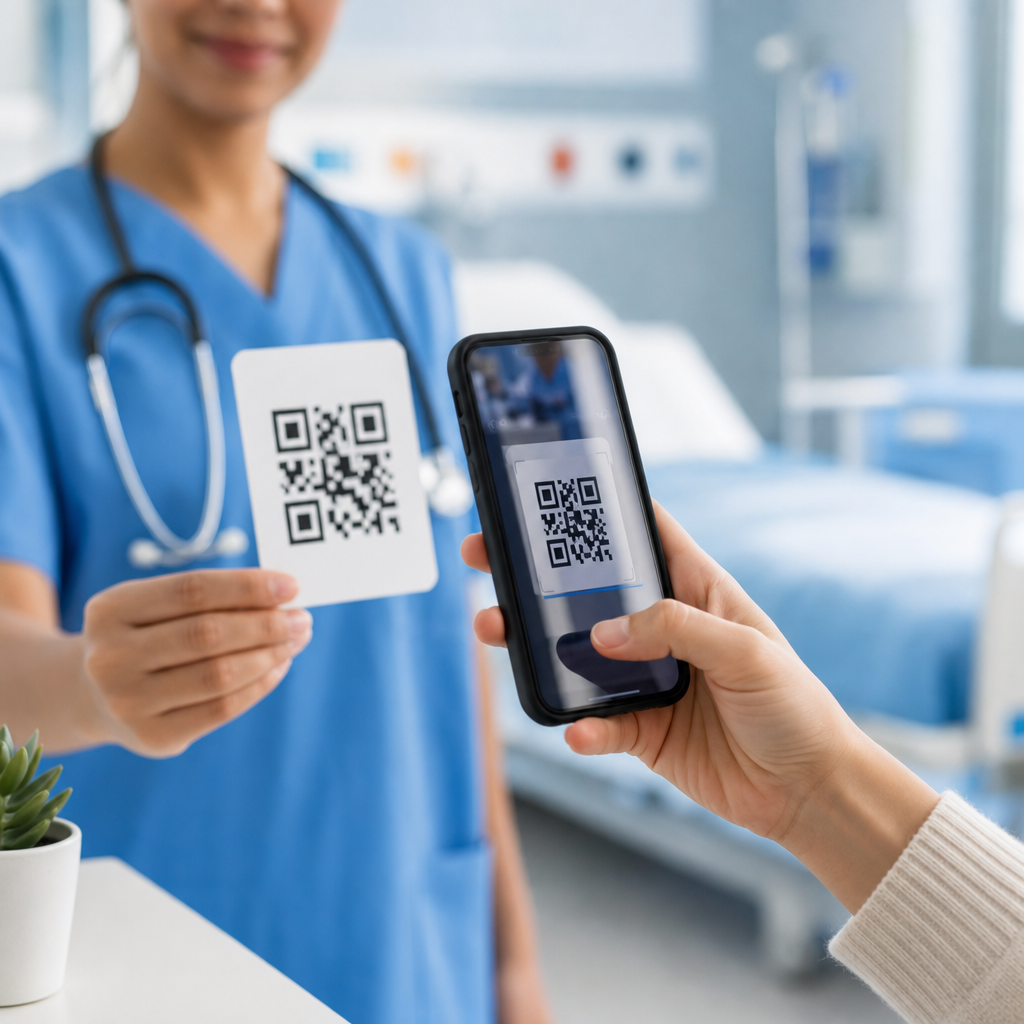
The highest-value healthcare QR code use cases share one trait: they remove friction from a task people already need to complete. Patient intake is a common example. A code on appointment reminders, check-in kiosks, or waiting-room signage can open digital registration, insurance verification, copay payment, and pre-visit questionnaires on a patient’s phone. That reduces clipboard bottlenecks and can improve data accuracy because patients enter details directly into approved forms. For multilingual populations, a QR code can route users to language-specific pages instead of forcing staff to print many versions of the same handout.
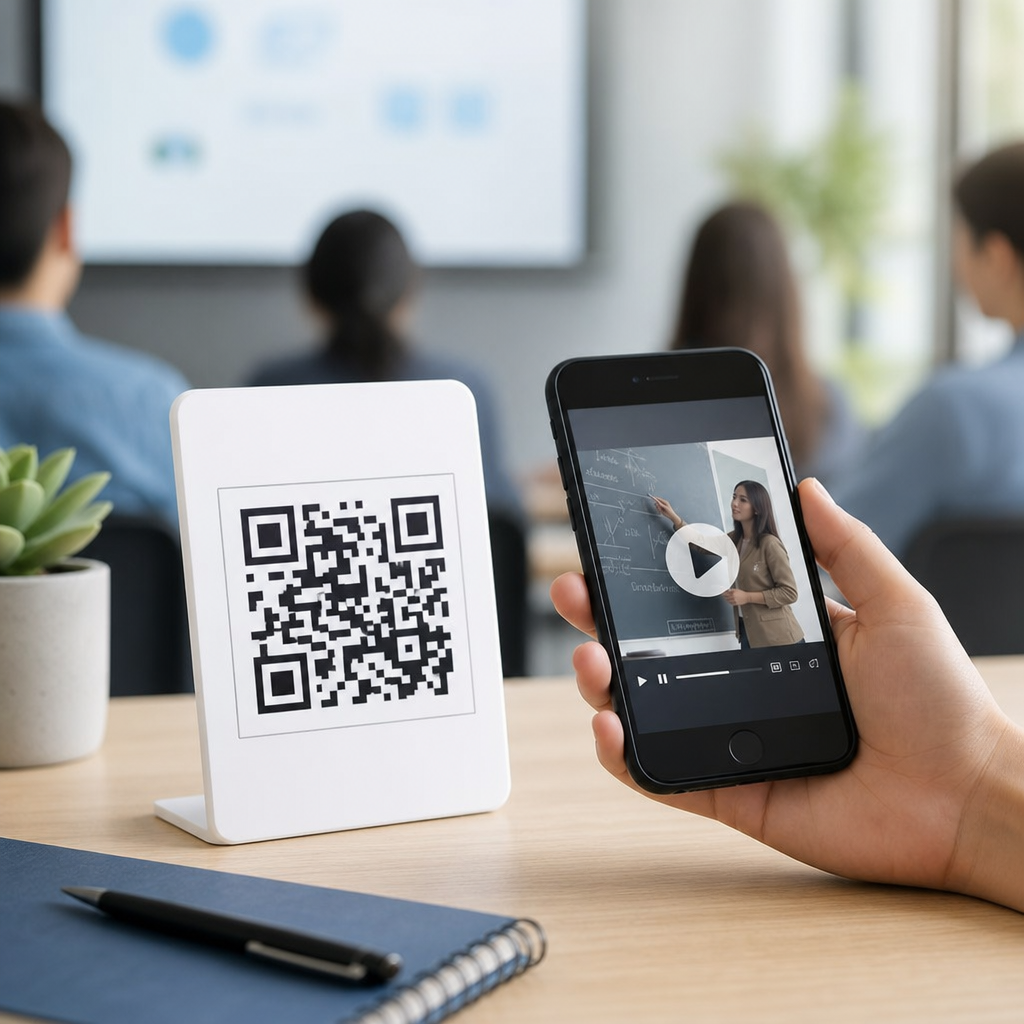
Discharge and after-visit instructions are another strong fit. Instead of relying on a paper packet that gets lost, clinicians can provide a code linking to medication guidance, wound-care videos, red-flag symptoms, and follow-up scheduling. I have seen this work especially well in orthopedics and maternity care, where patients benefit from short demonstration videos and clear milestone checklists. Public health campaigns also benefit. Clinics use QR codes for vaccine education, school forms, telehealth setup steps, and screening questionnaires, making outreach faster without increasing call-center volume.
Operational teams use QR codes differently but just as effectively. Biomedical engineering departments place codes on infusion pumps, monitors, wheelchairs, and sterilization equipment to open maintenance logs, service manuals, and work-order forms. Environmental services can scan room or area codes for cleaning verification. Pharmacy teams can use codes for internal references, inventory processes, and training materials, though any medication-related workflow must be tightly validated to prevent look-alike or wrong-link errors.
Patient-facing design standards that improve adoption
Patient-facing QR codes succeed when the destination is obvious, the interaction is simple, and the content is readable on a phone without effort. Every code should have a clear call to action next to it: “Scan to complete check-in,” “Scan for wound-care video,” or “Scan for MRI preparation instructions.” Generic prompts like “Learn more” underperform because patients do not know whether scanning is worth the effort. The landing page should match the promise of the sign, load quickly on cellular networks, and avoid unnecessary navigation menus.
Design details matter. Use high contrast, adequate size, and enough white space around the code so smartphone cameras can read it easily. In practice, healthcare teams often start with at least a one-inch square for close-range scanning and larger sizes for posters or hallway signs. Print testing is mandatory because glossy surfaces, curved labels, and low-light environments can reduce readability. If a code appears on a bedside card or medication handout, include a short URL beneath it so patients still have a path if scanning fails.
Accessibility must be built in from the start. The linked content should meet WCAG expectations for readable text, keyboard support, alt text for images, and video captions. Plain-language writing is essential; most patient education should avoid clinical jargon or explain it immediately. Translation is not optional in many markets. A good pattern is one code that opens a language selector, followed by persistent access to Spanish, Chinese, Arabic, or other common translations. For older adults, include larger text options and a support number on the page.
Security, privacy, and compliance controls
Healthcare organizations should assume that any QR code can become a privacy, security, and brand-risk issue if governance is weak. The first rule is simple: do not encode protected health information directly into a static QR code. Names, medical record numbers, diagnoses, and appointment specifics should never sit exposed in printed codes. Instead, use tokenized links, authenticated patient portal access, or one-time session logic when sensitive data is involved. If the destination requires identity verification, the scan should open a secure entry point rather than reveal information immediately.
Security teams should also defend against tampering. Public-facing codes on doors, posters, and kiosks can be covered by malicious stickers that redirect users to phishing sites. I recommend branded frames, tamper-evident labels where appropriate, routine physical inspections, and destination URLs on domains patients recognize. Dynamic QR code platforms are usually preferable because they let teams update destinations without reprinting materials and disable compromised links quickly. They also allow centralized analytics, expiration controls, and campaign ownership.
Compliance requires retention and review processes. Patient education pages, consent information, and service lines need designated content owners, review dates, and change logs. If a code links to telehealth onboarding, billing options, or prescription assistance, legal and compliance teams should confirm disclosures, cookie behavior, and accessibility statements. For device labeling and supply-chain applications, align workflows with manufacturer instructions, UDI requirements where applicable, and internal quality management procedures. A QR code is only a doorway; every rule governing the destination still applies.
Implementation framework for clinical and operational workflows
The most reliable QR code programs in healthcare start with workflow mapping, not graphic design. Define the user, the moment, the action, and the success metric before generating a single code. For example, if emergency department patients need faster post-discharge follow-up scheduling, map where the code appears, who explains it, what page opens, whether authentication is required, and how completion is measured. Then test with frontline staff and real patients, including those with limited digital confidence. Small usability failures become large adoption problems in busy clinics.
Use a standardized build process across departments. Marketing should not create patient education codes one way while operations labels assets another way with no common inventory. Maintain a central register listing each code, destination URL, owner, location, date created, review date, and status. This prevents duplicate codes, orphaned pages, and retired campaigns that still appear on old posters. In large systems, I have found it useful to group codes into classes such as patient communications, facility navigation, asset management, and internal training, each with its own approval path.
| Use case | Primary goal | Best destination | Key risk to manage |
|---|---|---|---|
| Patient check-in | Reduce wait times | Mobile registration form | Identity verification and form abandonment |
| Discharge education | Improve adherence | Instruction page with video and FAQs | Outdated clinical content |
| Asset tracking | Faster service access | Maintenance record or ticket form | Broken links and incomplete logs |
| Wayfinding | Help visitors navigate | Map or department directions | Poor cellular access inside facilities |
Measurement should focus on operational and patient outcomes, not just scan volume. Track completion rate, time saved, reduced no-shows, improved form accuracy, fewer inbound calls, faster equipment turnaround, and patient satisfaction indicators. Tools such as Google Analytics 4, Adobe Analytics, enterprise tag managers, and healthcare CRM platforms can support this, but only when configured with privacy controls and clear data minimization rules. If a code gets many scans but low task completion, the problem is usually the landing page, not the code itself.
Common mistakes and how to avoid them
The biggest mistake is treating QR codes as self-explanatory. Many failures come from posting codes without context, training, or maintenance. Another common issue is linking to desktop pages that are impossible to use on a phone. In hospitals with weak indoor reception, a code that depends on a heavy webpage or multiple redirects can fail at the bedside even though it works in a conference room. Teams should test on common devices, browsers, and network conditions, including guest Wi-Fi. Print permanence is another trap; if clinic hours, physicians, or URLs change often, dynamic codes are the safer choice.
A second mistake is pushing every interaction behind a login. Authentication is appropriate for sensitive records, but many healthcare tasks, such as parking guidance, fasting instructions, or visitor policies, should be available instantly. Finally, do not measure success by novelty. The best healthcare QR code program is boring in the best sense: dependable, easy to scan, secure, updated, and tied to measurable workflow improvements. Start with one high-friction patient journey or one operational bottleneck, document the results, and scale from there.
Best practices for QR codes in healthcare come down to disciplined execution. Use QR codes where they remove friction, design them for real patients and real clinical environments, protect privacy, and manage them as governed digital assets. When implemented well, they improve access to information, support staff efficiency, and strengthen patient understanding without adding complexity. Review your current patient communications and operational workflows, identify one place where a scan can replace confusion, and build a small pilot with clear ownership and measurable goals.
Frequently Asked Questions
What are the most important best practices for using QR codes in healthcare?
The most important best practice is to treat every QR code as part of a larger clinical communication workflow rather than as a standalone tool. In healthcare, a QR code should have a clear purpose, such as helping patients access discharge instructions, directing staff to device manuals, linking caregivers to medication education, or giving visitors a way to complete intake forms. When the destination is relevant, timely, and easy to use, adoption improves. When a code is added without a specific workflow in mind, it often gets ignored.
Healthcare organizations should also prioritize clarity, reliability, and accessibility. Each code should be placed where people naturally need information, such as on discharge packets, bedside materials, prescription education sheets, specimen labels, or equipment signage. The linked content should load quickly, work well on mobile devices, and use plain language whenever patients are the intended audience. It is also wise to label the code with a short explanation like “Scan for post-discharge care instructions” so users know exactly what they will get before scanning.
From an operational perspective, QR codes should be governed just like any other patient communication channel. That means assigning ownership, reviewing content regularly, using secure destinations, and confirming that outdated codes are replaced or redirected properly. Dynamic QR codes are often a better option than static ones because they allow healthcare teams to update the destination without reprinting materials. In short, best practice means combining good communication design, strong governance, and a clearly defined clinical use case.
How can healthcare providers use QR codes without creating privacy or security risks?
Privacy and security should be central to any healthcare QR code strategy. A QR code itself is simply a method of delivering data, but the information it contains or links to can create risk if not handled correctly. In most cases, organizations should avoid encoding protected health information directly into the QR code unless there is a very specific, controlled reason to do so. It is generally safer to use the code to direct users to a secure portal, authenticated landing page, or internal system rather than storing sensitive patient details in the code itself.
Healthcare providers should also use trusted domains, encrypted connections, and role-based access controls where appropriate. If a patient scans a QR code to review care instructions, billing information, or appointment details, the destination should be secure and clearly associated with the organization. This helps reduce phishing concerns and builds confidence that the scan is legitimate. Staff-facing QR codes used for clinical equipment, workflow documents, or internal protocols should link to approved resources within managed systems, not ad hoc third-party pages that may change or disappear.
Just as important, organizations should have governance around creation and maintenance. Teams need a process to approve who can generate QR codes, where they can be posted, and how linked content is reviewed. Audit trails, expiration dates, and periodic checks are useful safeguards. Training also matters. Patients and staff should be told what official QR codes look like, where they are typically placed, and how to report a suspicious sticker or altered code. Done correctly, QR codes can improve access to information while still supporting HIPAA-conscious communication practices and strong cybersecurity hygiene.
Where should QR codes be placed in healthcare settings for the best results?
Placement should always follow user need and moment of use. The best QR code location is the place where a patient, clinician, or caregiver naturally needs the next piece of information. For patients, this may be on discharge paperwork, prescription information sheets, appointment reminders, waiting room signage, after-visit summaries, or bedside education materials. For staff, effective placement may include medication rooms, equipment carts, specimen collection areas, nursing stations, maintenance logs, or device labels that link to training and troubleshooting resources.
Good placement also depends on visibility and usability. A QR code should be large enough to scan easily, printed with strong contrast, and positioned where lighting and viewing angles are practical. It should not be buried in dense text, wrapped around curved surfaces, obstructed by plastic glare, or placed so high or low that scanning becomes awkward. In environments such as exam rooms, inpatient units, labs, or pharmacies, even small placement decisions can affect whether people actually use the code.
Context matters as much as physical location. A short instruction next to the code improves performance significantly because it tells users why the code is there. For example, “Scan for home wound care video” is more effective than posting an unlabeled square. In multilingual communities, organizations should consider pairing codes with language selection options or offering translated landing pages. The goal is not simply to display a QR code, but to place it at the exact point where it reduces friction, saves time, and supports safer communication.
How do QR codes improve patient experience and clinical communication in healthcare?
QR codes can improve patient experience by making important information easier to access at the exact moment it is needed. Instead of asking patients to remember verbal instructions, keep track of paper handouts, or search hospital websites on their own, providers can give them a direct path to trustworthy content. This is especially valuable for discharge education, pre-procedure preparation, medication guidance, follow-up scheduling, wayfinding, and digital intake. When done well, QR codes reduce confusion and help patients feel more supported outside the exam room.
They also strengthen clinical communication by standardizing access to current information. A clinician can scan a code on a device for the latest operating instructions, a nurse can retrieve updated protocol guidance, and a caregiver can watch a demonstration video for at-home care. In each case, the code reduces the risk of relying on outdated print materials or inconsistent verbal explanations. That consistency matters in healthcare, where communication gaps can lead to nonadherence, delays, or preventable errors.
Another key advantage is that QR codes can connect physical and digital care environments. A printed discharge summary can lead to videos, multilingual instructions, symptom checklists, and contact pathways for follow-up questions. A waiting room sign can connect patients to registration or payment tools without requiring extra staff time. Because the technology is familiar to most smartphone users, it often feels intuitive and low friction. The real value, however, is not the code itself. It is the way the code supports timely, accurate, and patient-centered communication across the care journey.
How should healthcare organizations measure the success of a QR code program?
Success should be measured against specific clinical, operational, and communication goals rather than simple novelty metrics. Scan volume is useful, but it is only a starting point. A healthcare organization should first define what the QR code is supposed to accomplish. If the goal is better discharge compliance, relevant measures may include scan rate, time spent on educational content, reduced call-backs for basic questions, improved follow-up attendance, or lower readmission risk for targeted populations. If the goal is staff efficiency, useful metrics may include faster access to protocols, fewer training delays, or reduced dependency on printed manuals.
It is also important to evaluate the quality of the user experience after the scan. Organizations should review whether landing pages load quickly, whether patients complete the intended task, whether content is understandable, and whether staff actually return to the resource over time. In many cases, combining QR analytics with broader operational data gives the clearest picture. For example, a hospital may compare patient education completion rates before and after adding QR-enabled discharge materials, or track whether multilingual resources are used more often when delivered through a code rather than through traditional print alone.
Finally, long-term success depends on ongoing optimization. Healthcare teams should review which codes are underperforming, test different wording or placement, refresh outdated content, and retire codes that do not serve a meaningful purpose. Feedback from patients, clinicians, and frontline staff is especially valuable because it reveals barriers that analytics alone may miss. The strongest QR code programs are not one-time deployments. They are managed, measured, and improved as part of a broader strategy for healthcare communication, patient engagement, and operational reliability.