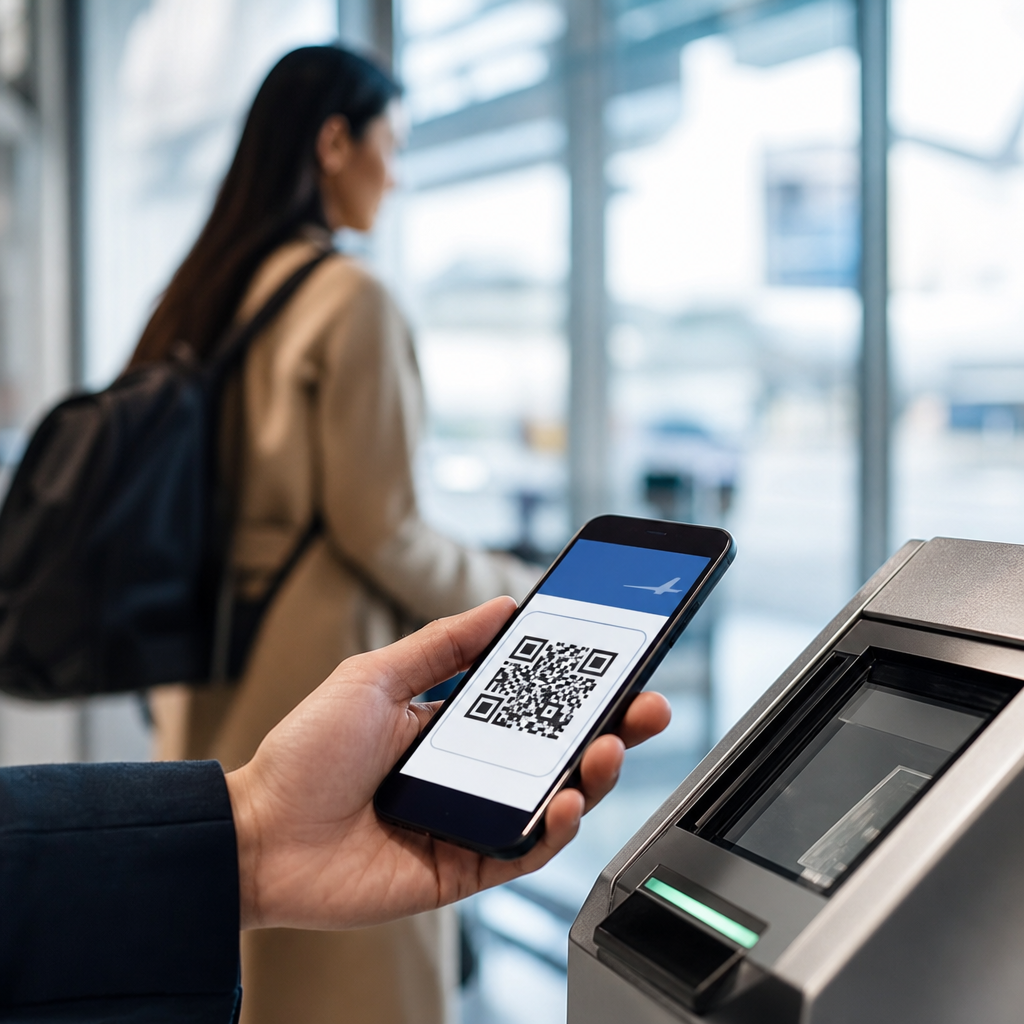
QR codes for boarding passes and tickets have become a core part of travel operations because they move identity, itinerary, and access data into a format that is fast to scan, easy to update, and familiar to passengers worldwide. In travel and tourism, a QR code is a two-dimensional barcode that stores information such as a booking reference, encrypted token, passenger identifier, seat assignment, or link to a secure record in an airline, rail, ferry, or event system. A boarding pass is the authorization to enter a controlled transport journey, while a ticket is the proof of purchase or reservation for a trip, attraction, or timed experience. Across this article, boarding passes and tickets include airline mobile passes, rail e-tickets, cruise embarkation documents, bus reservations, museum entries, and attraction admissions.
This matters because travel is a high-volume, time-sensitive environment where every second at check-in, bag drop, security, boarding, and venue entry affects cost and customer satisfaction. I have worked with operators that replaced printed passes with mobile QR workflows, and the gains were immediate: shorter queues, fewer manual errors, lower printing costs, and better visibility into when and where passengers entered each stage of the journey. The shift also aligns with traveler behavior. Most passengers already carry smartphones, expect contactless service, and want real-time updates if a gate changes or a departure is delayed. For travel brands, QR codes create a practical bridge between reservation systems and frontline operations, making them one of the most important tools in modern travel and tourism.
How QR Codes Work for Boarding Passes and Tickets
A QR code for travel usually does not contain the entire booking record. In most deployments, it carries a compact payload: a unique identifier, signed token, or encrypted reference that points to data stored in a reservation system, departure control system, property management platform, or ticketing database. When the scanner reads the code, the validation software checks that identifier against business rules such as departure time, ticket status, route, fare class, venue capacity, or one-time use restrictions. This architecture matters because it keeps the code small, improves scan reliability, and allows travel providers to revoke, update, or reissue passes without replacing every operational rule inside the image itself.
Airlines commonly combine the QR image with passenger name, flight number, gate, boarding group, and seat information displayed on the screen, but the scannable data remains structured for machine reading. Rail operators often use dynamic codes that refresh within an app and become active only before departure, reducing screenshot fraud. Attractions and tour operators frequently issue QR tickets through email or wallet passes, then validate them against timed-entry inventory. In each case, the code serves two jobs at once: it confirms access rights and speeds up the handoff between digital booking and physical movement through a checkpoint.
Where Travel and Tourism Uses QR Tickets Most Effectively
The airline sector is the best-known example, but it is only one part of the picture. Airlines use QR boarding passes for online check-in, self-service kiosks, bag tagging, lounge entry, gate boarding, and sometimes in-flight retail. Rail networks use them for station access, onboard inspection, seat reservation checks, and multi-leg journey validation. Intercity bus operators rely on QR tickets to manage curbside boarding where staff and infrastructure are limited. Ferries and cruises use them to match passengers to manifest records and security checks. Hotels and resorts increasingly attach QR arrival packets to confirmations for airport transfer pickup, activity bookings, and event admission.
Tourism businesses benefit just as much as transport providers. Theme parks, museums, guided tours, hop-on-hop-off buses, ski lifts, and festivals all use QR-based ticketing because it handles variable demand and timed entry well. A city pass provider can issue one code that unlocks several attractions while tracking redemption at each location. A tour company can assign distinct codes to morning and afternoon departures, reducing no-shows and helping staff reconcile attendance quickly. The most effective implementations treat the code as part of a journey ecosystem rather than a standalone ticket image.
Operational Benefits for Travelers and Travel Brands
The biggest advantage is speed. A printed paper ticket can work, but a mobile QR pass reduces friction because it can be delivered instantly and scanned in seconds. For travelers, that means less time at counters and fewer chances to lose a document. For operators, faster validation increases throughput. At an airport gate or attraction turnstile, shaving even two or three seconds from each scan adds up across thousands of passengers per day. That throughput improvement is often more valuable than the savings on paper alone because queue length directly affects staffing, congestion, and service ratings.
Accuracy is another major benefit. Manual ticket checks invite mistakes with dates, names, zones, and fare conditions. QR validation applies rules consistently every time. It also improves data capture. Operators can record scan time, device location, staff ID, and exception reason, then use that information to forecast staffing or identify bottlenecks. For example, a heritage site might learn that 70 percent of visitors arrive within the first 45 minutes of a time slot, prompting changes to entry staffing and signage. Airlines can correlate boarding scan patterns with delayed pushback and improve boarding group sequencing. In practice, QR ticketing is as much an analytics tool as an access tool.
Implementation Choices: Static, Dynamic, and Wallet-Based Passes
Not every QR deployment is equal. Static codes are simple and low cost, making them useful for one-off attraction tickets or small tour operators with basic workflows. The downside is weaker fraud control, since a screenshot or forwarded email may be reused unless the validation system blocks duplicate scans in real time. Dynamic codes are stronger because they rotate, expire, or render only inside a controlled app or authenticated session. I generally recommend dynamic codes for airlines, rail, and high-volume attractions where resale abuse or duplicate entry is a real risk.
Wallet-based passes, such as passes delivered to Apple Wallet or Google Wallet, add convenience and reliability. They can update gate numbers, departure times, seat assignments, or event details automatically and are easier for travelers to find than buried emails. They also perform better in low-connectivity scenarios because the pass is stored locally. The right choice depends on volume, fraud exposure, connectivity, and legacy systems.
| Option | Best Use | Strengths | Limitations |
|---|---|---|---|
| Static QR | Small attractions, simple tours | Low setup cost, easy distribution | Higher screenshot and forwarding risk |
| Dynamic QR | Airlines, rail, major venues | Better fraud control, flexible rules | Needs tighter system integration |
| Wallet pass with QR | Frequent travelers, timed events | Easy access, updateable, offline friendly | Requires pass design and wallet support |
Security, Compliance, and Fraud Prevention
Travel providers should never treat a QR code as secure merely because it looks technical. Security comes from signed payloads, encrypted references, server-side validation, short validity windows, device checks, and duplicate-scan controls. In aviation, operators also have to align with established industry standards for mobile boarding passes and airport scanning workflows. In broader tourism, data handling must respect privacy laws and payment security boundaries. A ticket code should reveal as little personal data as possible. If a phone is lost or a screenshot is intercepted, the exposed information should not create identity risk.
Common fraud patterns include copied screenshots, altered PDFs, social resale of used tickets, and fake confirmation pages. Good defenses are practical rather than theatrical: rotating codes, online validation against a live redemption ledger, scan limits, and exception dashboards for staff. If a museum allows offline scanning because of basement galleries or rural connectivity, devices should sync rapidly when back online and flag duplicate redemptions. The security goal is not perfection. It is risk reduction without slowing entry so much that the ticketing process becomes the bottleneck.
Designing the Best Passenger and Guest Experience
A travel QR code succeeds only when the surrounding experience is clear. The pass should be easy to retrieve, readable in bright light, and accompanied by plain-language instructions. Travelers need to know when the code becomes valid, whether identification is required, what to do if a battery dies, and where to seek help after a scan failure. In field deployments, many “technology issues” were really communication issues caused by cluttered emails, poor contrast, dim screen brightness, or conflicting names across booking systems.
Accessibility matters as well. Travelers with older devices, limited data access, or disabilities need fallback options such as printable PDFs, staffed lanes, or wallet passes that work offline. Staff training is equally important. Frontline teams should know how to handle broken screens, family bookings on one device, infant or companion tickets, and codes presented from third-party agencies. When these edge cases are mapped before launch, adoption rises and complaint volume falls. The best travel and tourism implementations make QR tickets feel invisible: the passenger simply moves forward, and the system does the heavy lifting.
Building a Travel and Tourism Hub Around QR Ticketing
As a hub topic, QR codes for boarding passes and tickets connects naturally to related travel and tourism subjects: contactless hotel check-in, digital menus and resort wayfinding, airport self-service, attraction access control, baggage tracking, loyalty enrollment, travel document verification, and post-visit feedback. Linking these use cases within your travel content helps readers understand that QR technology is not one feature but a practical infrastructure layer across the journey. It starts at booking, supports movement through checkpoints, and extends into ancillary revenue, operations reporting, and remarketing after the trip.
The key takeaway is straightforward. QR boarding passes and tickets improve speed, accuracy, security, and convenience across airlines, rail, ferries, buses, hotels, attractions, and tours when they are implemented with the right data model, validation logic, and user experience. Static codes can be enough for simple cases, but dynamic or wallet-based passes are usually better for high-volume travel operations. If you manage a travel or tourism business, audit your current ticketing flow, map each scan point in the journey, and choose a QR strategy that reduces friction without compromising control.
Frequently Asked Questions
What information does a QR code on a boarding pass or ticket usually contain?
A QR code on a boarding pass or ticket typically contains the key data needed to identify the traveler, confirm the reservation, and authorize access to a flight, train, ferry, venue, or other travel service. Depending on the operator and system design, that can include a booking reference, ticket number, passenger name, seat assignment, departure details, loyalty information, and a unique identifier linked to the reservation in the carrier’s database. In many modern travel environments, the QR code does not need to store every detail in plain text. Instead, it often contains a secure token or encoded reference that points to a back-end record, allowing staff and automated gates to retrieve current trip information at the moment of scanning.
This approach is especially valuable because travel data can change. Gate numbers, boarding times, seat assignments, baggage status, and even itinerary segments may be updated after the original pass is issued. By using a QR code tied to a live record, airlines and transport operators can preserve a fast passenger experience while keeping the underlying information current. It also supports stronger security controls, since the code can be validated against central systems, checked for duplication, and associated with other operational workflows such as identity verification, boarding control, disruption management, and rebooking.
Why are QR codes so widely used for boarding passes and tickets in travel and tourism?
QR codes have become standard in travel and tourism because they solve several operational problems at once. They are fast to scan, easy to display on a smartphone, inexpensive to print, and reliable across many environments. That matters in airports, rail stations, ports, stadiums, and terminals where staff need to process large volumes of passengers quickly. A well-generated QR code can be read in seconds at check-in counters, bag drops, security checkpoints, boarding gates, and ticket barriers, which helps reduce lines and keeps passenger flow moving.
They are also flexible. The same basic format can support paper boarding passes, mobile wallet passes, app-based tickets, self-service kiosks, and email confirmations. This makes them familiar to passengers across countries and modes of transport. From an operator’s perspective, QR codes are practical because they integrate easily with reservation systems, departure control systems, ticketing platforms, and access control tools. They can also support updates without requiring a completely new customer process. That combination of speed, convenience, compatibility, and scalability is why QR codes are now a core part of modern travel operations rather than just a nice digital feature.
Are QR code boarding passes and tickets secure?
Yes, QR code boarding passes and tickets can be very secure when they are implemented correctly. The security does not come from the visual pattern alone, but from the systems behind it. Travel providers often use encrypted payloads, signed tokens, unique identifiers, or database-linked references that must be validated at the time of scanning. This helps prevent simple duplication or unauthorized editing. When the code is scanned, the system can check whether the ticket is valid, whether it has already been used, whether it matches the traveler’s itinerary, and whether any additional rules apply, such as gate access windows or identity checks.
That said, no format is completely immune to misuse if the surrounding controls are weak. A screenshot of a mobile boarding pass, for example, could potentially be shared, but duplicate-use detection, document validation, and ID matching greatly reduce the risk in real operations. Security is strongest when operators combine QR codes with time-sensitive validation, back-end system checks, fraud monitoring, and limited exposure of personal data. For travelers, good habits still matter: only use passes from official airline, rail, ferry, or event channels, avoid posting ticket images publicly, and store them in trusted apps or wallets whenever possible. In practice, QR-based ticketing is widely trusted because it balances convenience with strong operational safeguards.
Can a QR code boarding pass or ticket be updated after it is issued?
In many cases, yes. One of the biggest advantages of QR-based travel documents is that they can support change much better than older static paper processes. If a boarding pass or ticket uses a secure reference to a live reservation record, the traveler may keep the same QR code while the underlying details are updated in the carrier’s or venue’s system. This is useful when there is a gate change, platform change, seat reassignment, boarding time adjustment, upgrade, reissue, or disruption-related rebooking. Staff and automated scanners can pull the current status during validation rather than relying only on what was originally shown on the screen or printout.
However, not every update works the same way. Some systems issue a completely new pass when a major change occurs, especially if the format or security token must be regenerated. Mobile apps and wallet passes are particularly effective here because they can refresh automatically or prompt the passenger to download the latest version. Printed tickets are less dynamic, but they can still work if the QR code references a current back-end record rather than fixed visible text. The practical takeaway is that QR code ticketing gives operators more flexibility to manage real-world travel changes while helping passengers avoid unnecessary reprinting and confusion.
What should travelers do if their QR code boarding pass or ticket will not scan?
If a QR code will not scan, the issue is often simple and fixable. For mobile passes, travelers should first increase screen brightness, remove any screen cracks or glare from the scanner’s angle, and make sure the code is fully visible without cropping, dim mode, or notification overlays. It also helps to open the pass directly in the airline, rail, ferry, or event app rather than from a compressed screenshot or email preview. If the pass was stored in a mobile wallet, refreshing it can ensure the latest version is displayed. For printed tickets, wrinkles, smudges, low-contrast printing, or folding across the code can interfere with scanning, so a clean reprint may solve the problem quickly.
If the code still does not work, travelers should not assume the reservation is invalid. A staff member can usually retrieve the booking manually using a confirmation number, ticket number, passport, loyalty account, or other identifying information. In many travel environments, the QR code is simply the fastest retrieval method, not the only one. Operators typically have fallback procedures for scanner failure, damaged screens, connectivity issues, and reissued passes. The best practice is to keep a backup copy of the reservation details, arrive with enough time to get assistance, and use official channels to obtain the most current version of the boarding pass or ticket before departure.