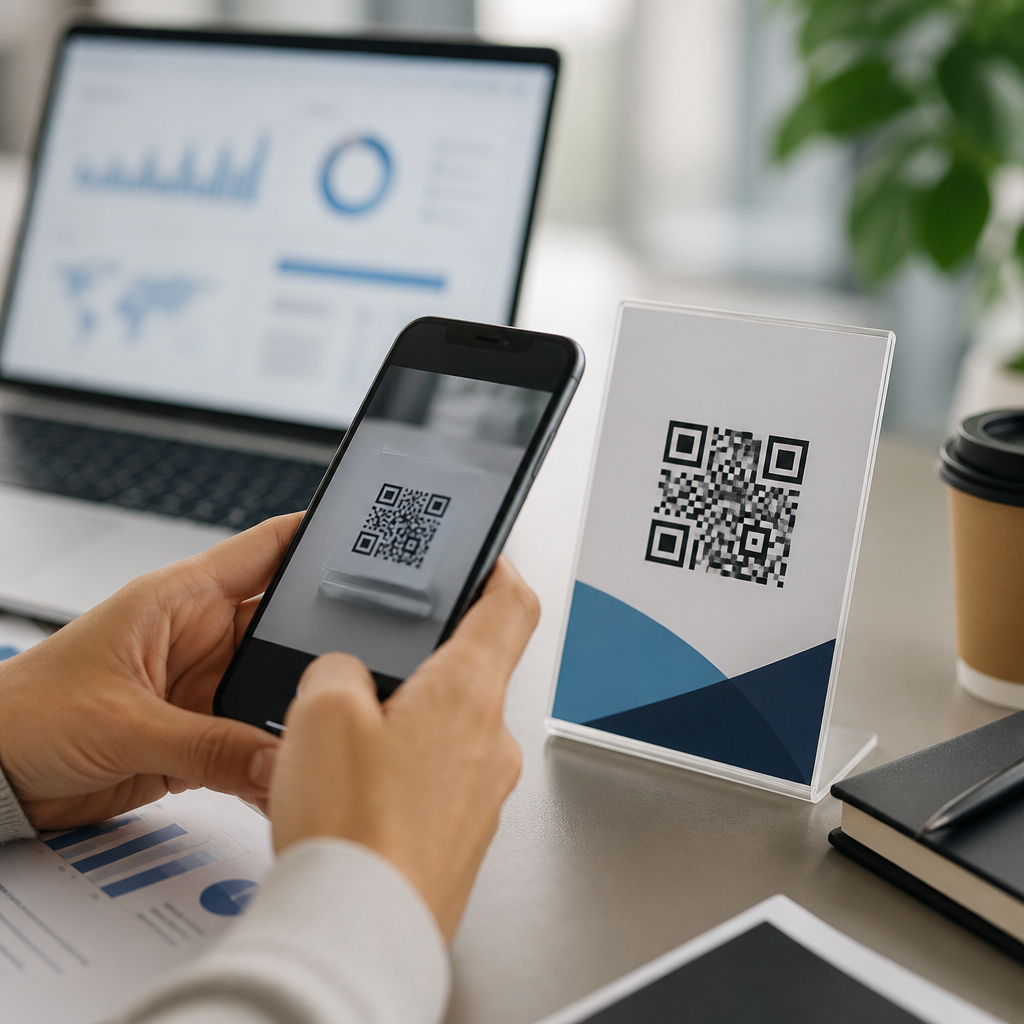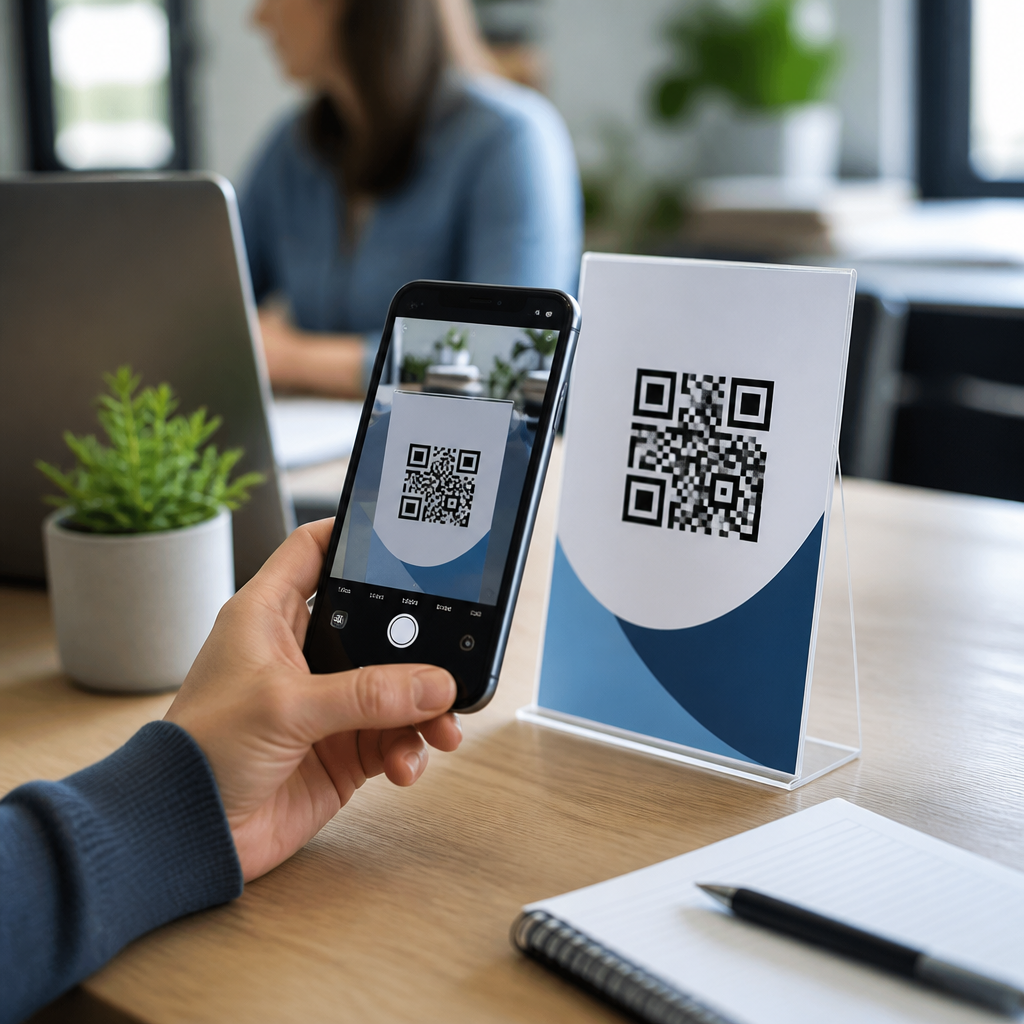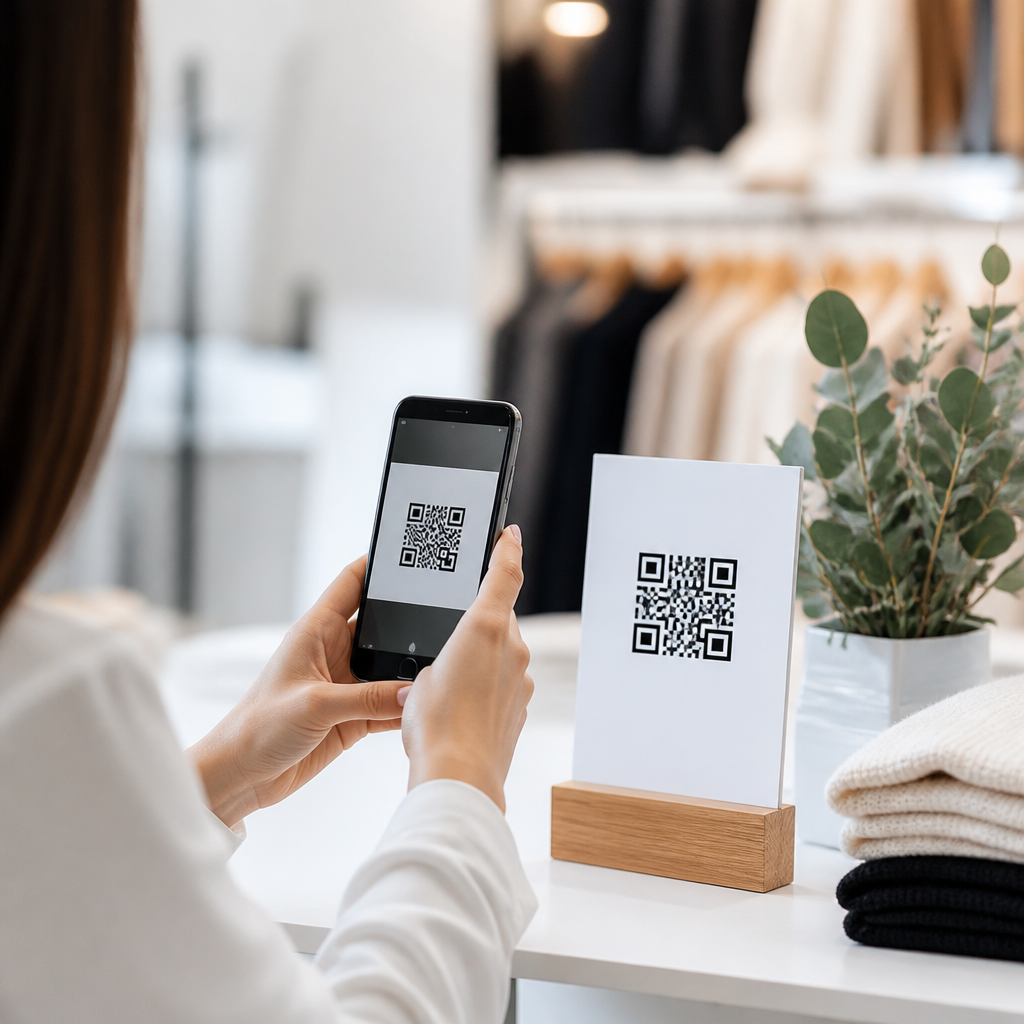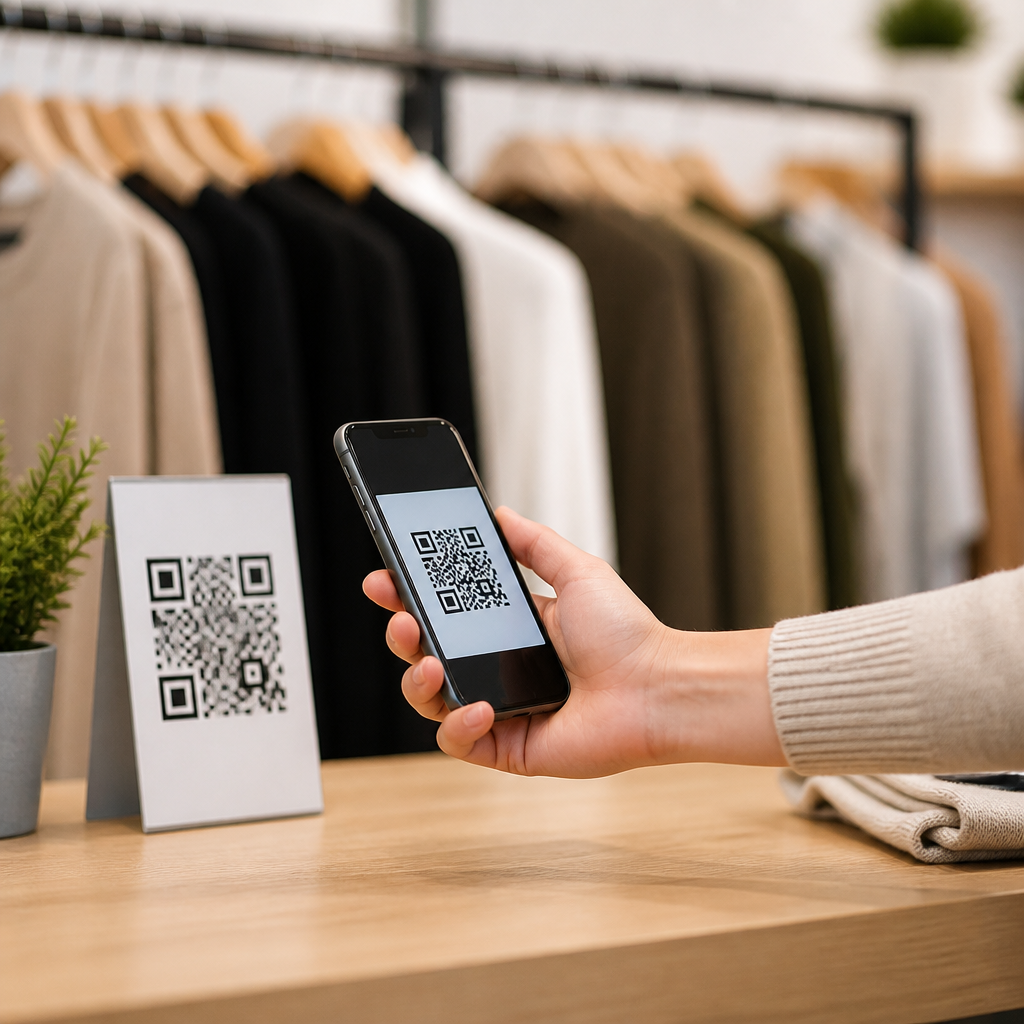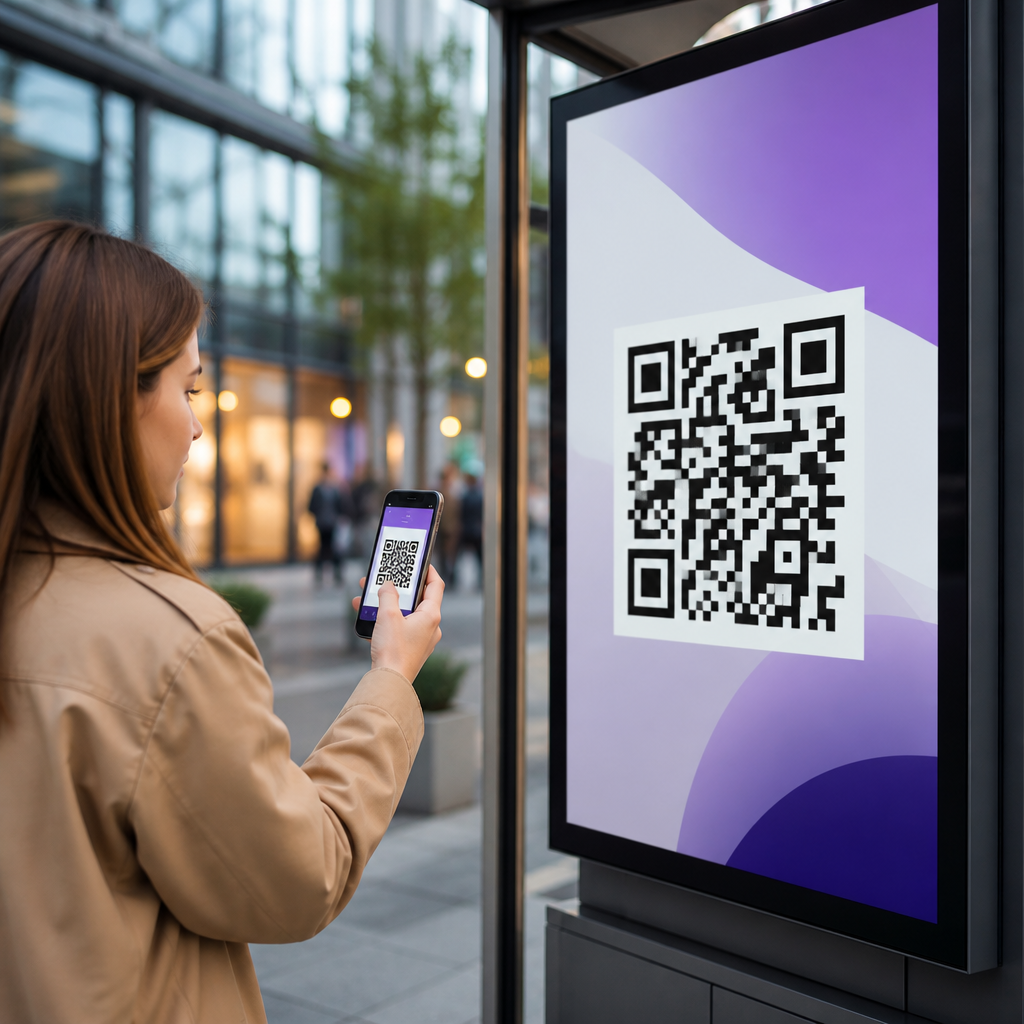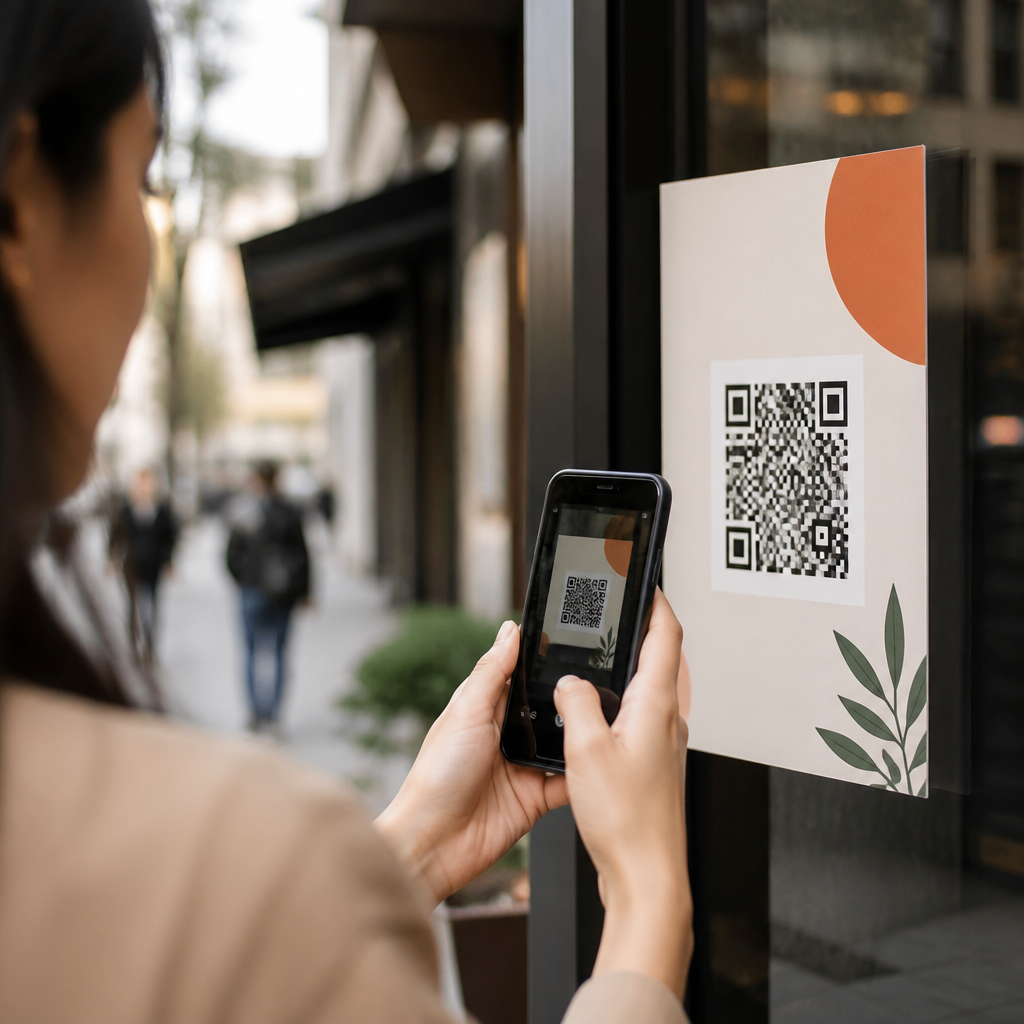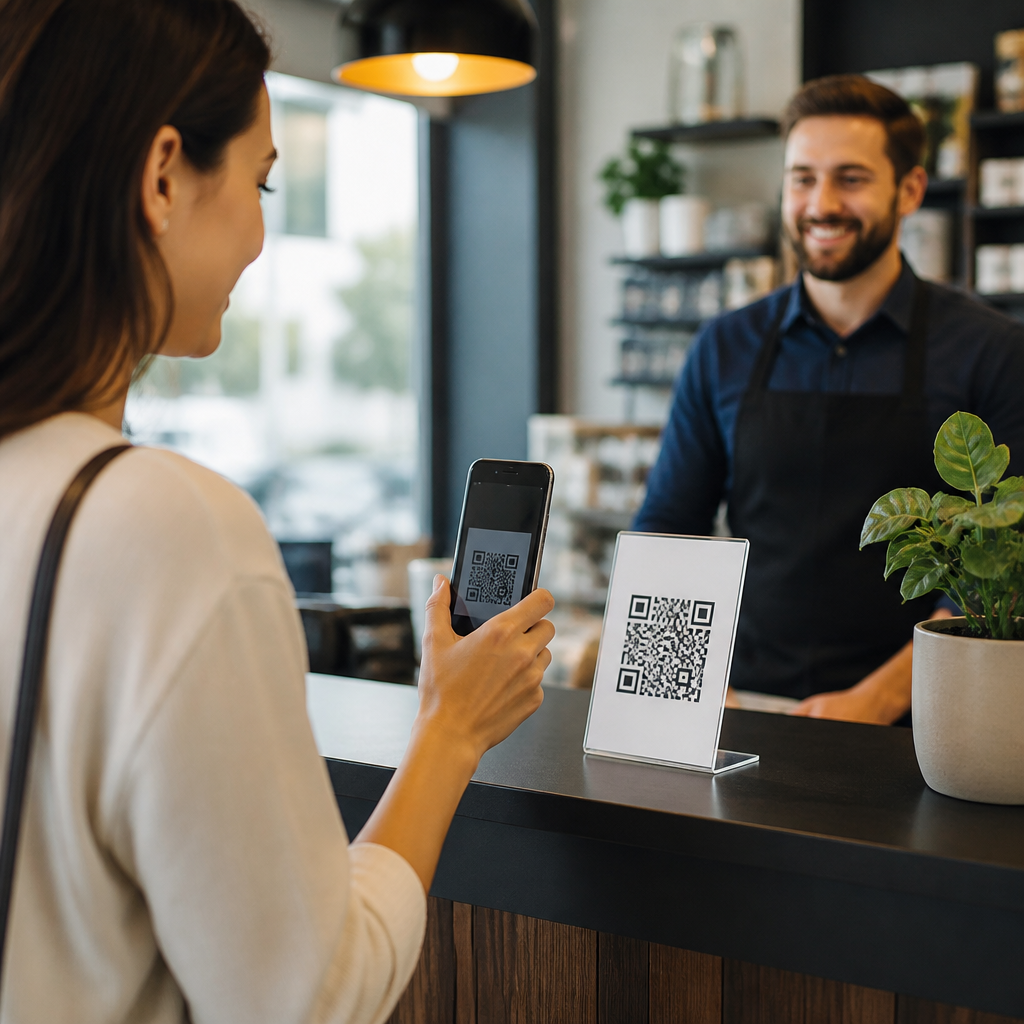
QR codes have become one of the most practical tools for local business lead generation because they connect offline attention to online action in a single scan. A QR code, short for Quick Response code, is a two-dimensional barcode that opens a digital destination on a smartphone camera, usually without requiring an app. For local businesses, that destination can be a lead form, booking page, coupon, contact card, review request, event registration, or product inquiry page. When used well, QR codes reduce friction at the exact moment a customer is interested, which is why they now sit at the center of modern neighborhood marketing.
I have seen local campaigns fail not because the offer was weak, but because the path to respond was too long. A restaurant flyer asked people to type a long web address. A contractor left door hangers with only a phone number. A dental office promoted a whitening special but required prospects to call during business hours. Replacing those steps with a QR code consistently increased responses because scanning is faster than typing, searching, or saving details for later. The immediate action matters, especially when attention lasts seconds.
Lead generation means collecting contact information or clear buying intent from potential customers. For a local business, that may include names, phone numbers, email addresses, appointment requests, estimate forms, quote submissions, loyalty signups, or downloadable offers. The goal is not simply to get scans. The goal is to turn scans into measurable prospects who can be followed up through a CRM, email platform, or sales process. That distinction is critical. A QR code is not the strategy by itself; it is the bridge between a physical touchpoint and a conversion path.
Why QR codes work so well for local lead generation
QR codes work because they remove friction, improve attribution, and let local businesses market in places where digital ads cannot fully replace physical presence. A coffee shop can place a code on the counter for a birthday club. A real estate agent can add one to yard signs for instant property details. A med spa can print one on window decals that lead to a consultation offer. In each case, the scan happens when the customer is already near the business or actively noticing a promotion, making intent stronger than a cold click from a broad online ad.
They also solve a tracking problem that has historically limited print marketing. With a dedicated landing page, UTM parameters, call tracking, and platform reporting from tools such as Google Analytics 4, HubSpot, or Bitly, a business can measure scans, form completions, calls, and appointments by placement. That means a gym can compare scans from locker room posters versus postcard mailers, or a home services company can compare vehicle wrap scans against trade show booth scans. Better measurement leads to smarter budget decisions and more reliable local marketing performance.
Another advantage is flexibility. Dynamic QR codes can change destination URLs without reprinting the code, which matters when seasonal offers shift or landing pages are updated. I recommend dynamic codes for almost every lead generation campaign because local businesses often refine promotions after seeing early results. Static codes still have uses, especially for permanent information like Wi-Fi access or simple contact details, but for campaigns tied to offers, events, or testing, dynamic codes provide the control needed to optimize quickly.
Best places to use QR codes in a local business funnel
The strongest placements are high-intent, high-visibility moments where the next step is obvious. Start with storefront windows, front counters, packaging inserts, table tents, invoices, receipts, brochures, business cards, direct mail, trade show signage, vehicle graphics, yard signs, menus, and waiting room posters. These are not generic ideas; each placement reflects a different stage of customer intent. A receipt code is excellent for review generation and loyalty enrollment. A yard sign code is better for product details or quote requests. A waiting room poster can promote financing applications or premium upgrades.
Local events deserve special focus because they combine physical presence with immediate curiosity. Farmers markets, chamber mixers, school sponsorships, community fairs, and pop-up booths create ideal scan behavior when the offer is clear. For example, a roofing company sponsoring a youth baseball event might use a banner code offering a free storm damage checklist and inspection request. Parents scanning during downtime become new leads tied to a specific community channel. That level of source clarity is often stronger than what local businesses get from broad awareness campaigns.
The landing page must match the context of the scan. If someone scans a poster for a free estimate, the page should open directly to a simple estimate form, not the homepage. If someone scans from a restaurant table, the page might invite SMS club signup in exchange for a free appetizer on the next visit. Message match is what turns a QR code from a novelty into a conversion asset. Every extra click lowers lead volume, and every mismatched page weakens trust.
How to build a QR code lead generation campaign that converts
A successful campaign starts with one goal, one audience, and one action. Decide whether the code should generate quote requests, appointment bookings, newsletter signups, coupon claims, or event registrations. Then build a short landing page around that single conversion. Use a strong headline, a direct benefit, proof such as reviews or certifications, and a form with as few fields as possible. For local services, asking only for name, phone, ZIP code, and job type usually outperforms long forms. If qualification is necessary, collect more details after the first conversion, not before.
The offer must justify the scan. Effective examples include free consultations, first-visit discounts, downloadable checklists, limited-time bundles, VIP text clubs, and contests tied to a local event. Specificity beats vagueness. “Scan for 10% off your first cleaning” will outperform “Learn more.” “Scan to book a free hearing test this week” is stronger than “Visit our website.” I advise clients to place the value proposition above or beside the code in large, plain language and add a short instruction such as “Open your camera and scan.” Never assume every customer will infer the next step.
| Placement | Best Lead Offer | Primary Metric |
|---|---|---|
| Storefront window | Book a consultation or claim a first-visit offer | Form submissions |
| Direct mail postcard | Limited-time coupon or estimate request | Scans by campaign |
| Vehicle wrap | Emergency service request or quote form | Calls and booked jobs |
| Table tent or menu | Loyalty signup or SMS club | Subscriber growth |
| Event booth sign | Contest entry or downloadable guide | Qualified leads collected |
Design matters more than many businesses expect. The code should be large enough to scan from a realistic distance, printed with strong contrast, and surrounded by quiet space so phone cameras detect it easily. Test on both iPhone and Android devices before launch. Avoid placing codes on reflective glass in bright sun, on moving surfaces where scanning is difficult, or on curved packaging that distorts the squares. Branded QR codes can improve trust, but readability comes first. A fancy design that fails in real lighting is a waste of traffic.
Tracking, lead quality, and follow-up systems
Lead generation only works when scans connect to a measurable follow-up process. At minimum, set up a unique campaign URL, analytics events, and a thank-you page. Better still, connect the form to a CRM such as HubSpot, Zoho, Salesforce, or a local-business platform like GoHighLevel. This lets you tag leads by source, trigger autoresponders, route requests to staff, and measure which placements produce not just scans but revenue. I routinely separate campaigns by location, medium, and offer so a business can see whether a salon mirror decal outperformed a neighborhood mailer.
Lead quality should be reviewed weekly, not just volume. A hundred scans from a giveaway may look good on paper, but if none become appointments, the campaign is weak. Compare conversion rates across sources and inspect downstream outcomes: booked calls, show-up rate, close rate, average order value, and repeat purchase behavior. For example, a pet groomer may find that QR leads from in-store packaging convert at a lower volume but a higher retention rate than social contest leads. That insight helps allocate budget toward the highest-value touchpoints.
Speed of follow-up has an outsized effect on local lead conversion. Studies from InsideSales and Harvard Business Review have long shown that response time influences contact rates dramatically, and that principle applies here. If a prospect scans a code to request a quote and hears nothing for six hours, intent cools. Use automation to send an immediate confirmation by email or SMS, then assign the lead to a staff member with a clear service-level target. For urgent categories like plumbing, towing, or locksmith services, the landing page should offer tap-to-call as a parallel path.
Common mistakes and how local businesses can avoid them
The biggest mistake is sending every scan to the homepage. Homepages are built for broad navigation, while lead pages are built for one decision. Another common error is using a code without a clear reason to scan. “Scan me” is not a value proposition. Businesses also underperform when they print a single code everywhere and never segment results, making optimization impossible. Poor mobile page speed, overly long forms, weak calls to action, and lack of staff follow-up are equally damaging. In practice, the QR code is rarely the problem; the conversion path usually is.
There are also compliance and privacy issues to handle properly. If the form collects phone numbers for text marketing, consent language must be explicit and aligned with TCPA expectations in the United States. Email collection should link to a privacy policy and explain how information will be used. Health, legal, and financial businesses need additional care around sensitive data, secure forms, and record handling. Trust is part of conversion. A local business asking for personal information through a QR scan should look professional, load securely over HTTPS, and explain the benefit clearly.
QR codes give local businesses a direct, measurable way to capture demand wherever customers already interact with the brand. They work best when each code supports one clear offer, points to a dedicated mobile landing page, and feeds a reliable follow-up system. Storefronts, print mail, events, packaging, and service materials can all become lead sources when the message matches the moment. The practical benefit is simple: less friction for customers and better attribution for the business.
To make QR codes for lead generation profitable, focus on the full chain rather than the graphic itself. Define the offer, choose high-intent placements, create a short conversion page, track every source, and respond fast. Then review lead quality and refine. Small changes in wording, placement, or form length can create meaningful lifts in booked appointments and sales. Start with one campaign this month, measure it carefully, and build your local QR code marketing system from real data.
Frequently Asked Questions
How do QR codes help local businesses generate more leads?
QR codes help local businesses generate leads by turning offline interest into immediate online action. Instead of asking someone to remember a website, search for a business later, or type in a long URL, a QR code removes friction and gives people a direct path to the next step with a single scan. That next step might be a contact form, appointment booking page, estimate request form, special offer, product page, event signup, digital business card, or review request. The simpler the path, the more likely a potential customer is to follow through.
For local businesses, this is especially valuable because so many buying decisions happen in the moment. A customer may see a flyer in a coffee shop, a sign at a community event, packaging in-store, a direct mail postcard, or a service vehicle parked in a neighborhood. If they are interested right then, a QR code captures that attention before it disappears. Rather than hoping they take action later, you give them an easy, trackable way to connect while your business is top of mind.
QR codes also improve lead generation by supporting stronger campaign tracking. Businesses can use unique codes for different locations, mailers, in-store displays, events, or service categories to see exactly where leads are coming from. That makes it easier to measure return on investment, identify high-performing promotions, and refine local marketing strategies over time. In short, QR codes work because they bridge the gap between physical visibility and digital conversion in a fast, measurable, customer-friendly way.
Where should a local business place QR codes for the best lead generation results?
The best QR code placements are the ones that match real customer attention points and make sense in context. High-performing locations often include storefront windows, checkout counters, receipts, menus, brochures, product packaging, waiting areas, trade show booths, direct mail pieces, yard signs, posters, service vehicles, and community bulletin boards. For service businesses, placing QR codes on invoices, door hangers, estimate sheets, and technician leave-behinds can be especially effective because customers are already engaged with the business when they see them.
Placement works best when the offer and environment are aligned. For example, a restaurant might use a QR code on table tents for loyalty signups or catering inquiries, while a dentist could place one in the waiting room for appointment requests or new patient forms. A home services company may use vehicle wraps and yard signs to drive quote requests in neighborhoods where work is already being performed. Retail stores can place codes near featured products to collect email signups in exchange for discounts or buying guides. The key is to show the code where intent already exists and where taking the next step feels natural.
Visibility and usability matter just as much as location. The QR code should be large enough to scan easily, placed at a comfortable height, and paired with a clear call to action such as “Scan to book a free estimate,” “Scan for 10% off,” or “Scan to claim your local offer.” Avoid placing codes where lighting is poor, where people are moving too quickly to scan, or where mobile service is unreliable unless Wi-Fi is available. A well-placed QR code is not just present—it is relevant, easy to notice, and tied to a compelling reason to respond.
What should a QR code link to if the goal is getting more local leads?
If the goal is lead generation, the QR code should link to a page that is specifically designed to convert interest into action. In most cases, that means a mobile-friendly landing page with one clear purpose. Good destinations include a short lead form, quote request page, consultation booking calendar, coupon redemption page, event registration form, click-to-call page, or product inquiry form. The landing page should match the promise made next to the QR code so users immediately know they are in the right place.
The most effective QR destinations are simple and focused. If someone scans a code from a postcard offering a free consultation, they should not land on a general homepage and be forced to navigate. They should arrive on a page that repeats the offer, explains the value in a few lines, and asks for only the information needed to continue the conversation. Reducing unnecessary fields can significantly improve completion rates. For example, a local business may only need a name, phone number, email, and service need to qualify a strong lead.
It is also smart to include trust-building elements on the landing page. These can include customer reviews, local service area details, before-and-after photos, guarantees, business hours, and a clear privacy statement. If relevant, offer multiple conversion options such as submitting a form, calling directly, or booking online. The page should load quickly, display well on smartphones, and make the next step obvious. In lead generation, the destination matters as much as the scan itself. A QR code can attract attention, but the landing page is what turns that attention into a real opportunity.
How can a local business track QR code performance and measure lead quality?
Tracking QR code performance starts with using unique, campaign-specific codes instead of one code for every purpose. A local business can create separate QR codes for direct mail, in-store signage, event materials, window posters, service vehicles, print ads, and neighborhood campaigns. Each code can point to a unique URL or landing page so the business can identify where scans and leads originate. This level of detail helps answer practical questions such as which locations drive the most engagement, which offers convert best, and which offline materials are worth repeating.
To measure performance well, businesses should look beyond total scans. Important metrics include landing page visits, form submissions, booked appointments, phone calls, coupon redemptions, and actual closed customers. If possible, connect QR code campaigns to analytics tools, CRM systems, and call tracking platforms. Adding UTM parameters to URLs can help separate traffic sources in analytics dashboards. Businesses should also compare scan volume to conversion rate. A code with fewer scans but a higher percentage of qualified leads may be more valuable than a widely scanned code that produces little real business.
Lead quality can be measured by reviewing what happens after contact. Do QR-generated leads request high-value services? Do they respond to follow-up? Do they book, buy, or refer others? Over time, businesses can identify patterns by placement, message, and offer. For example, a QR code tied to a “free estimate” may generate more volume, while a code tied to a “premium consultation” may generate fewer but better-qualified leads. The most successful local businesses treat QR codes as part of a measurable funnel, not just a novelty. That mindset makes it possible to optimize both lead quantity and lead quality.
What are the most common mistakes to avoid when using QR codes for local lead generation?
One of the biggest mistakes is sending users to a generic homepage instead of a dedicated, mobile-optimized landing page. When people scan a code, they expect a fast and relevant experience. If they land on a cluttered site and have to search for what to do next, many will leave. Another common problem is failing to provide a clear call to action. A QR code by itself does not explain why someone should scan it. People are far more likely to engage when the benefit is obvious, such as getting a discount, booking a service, receiving a guide, or claiming a local offer.
Poor design and placement also reduce results. QR codes that are too small, printed with low contrast, obstructed, or placed in awkward locations are much less likely to be scanned. It is also a mistake to overload the destination page with too much text, too many form fields, or too many choices. Lead generation works best when the path is short and focused. Businesses should test the code across different smartphones before printing at scale and verify that the page loads quickly on mobile networks. Even minor usability issues can hurt conversions.
Another major mistake is not tracking performance. Without unique codes or analytics, a business may know people are scanning but have no idea which campaign, placement, or offer is producing actual leads. It is also important not to treat QR codes as a gimmick. They work best when they are integrated into a larger local marketing strategy that includes strong offers, consistent branding, follow-up systems, and clear conversion goals. When businesses avoid these common issues and prioritize relevance, convenience, and measurement, QR codes can become a highly effective lead generation tool.