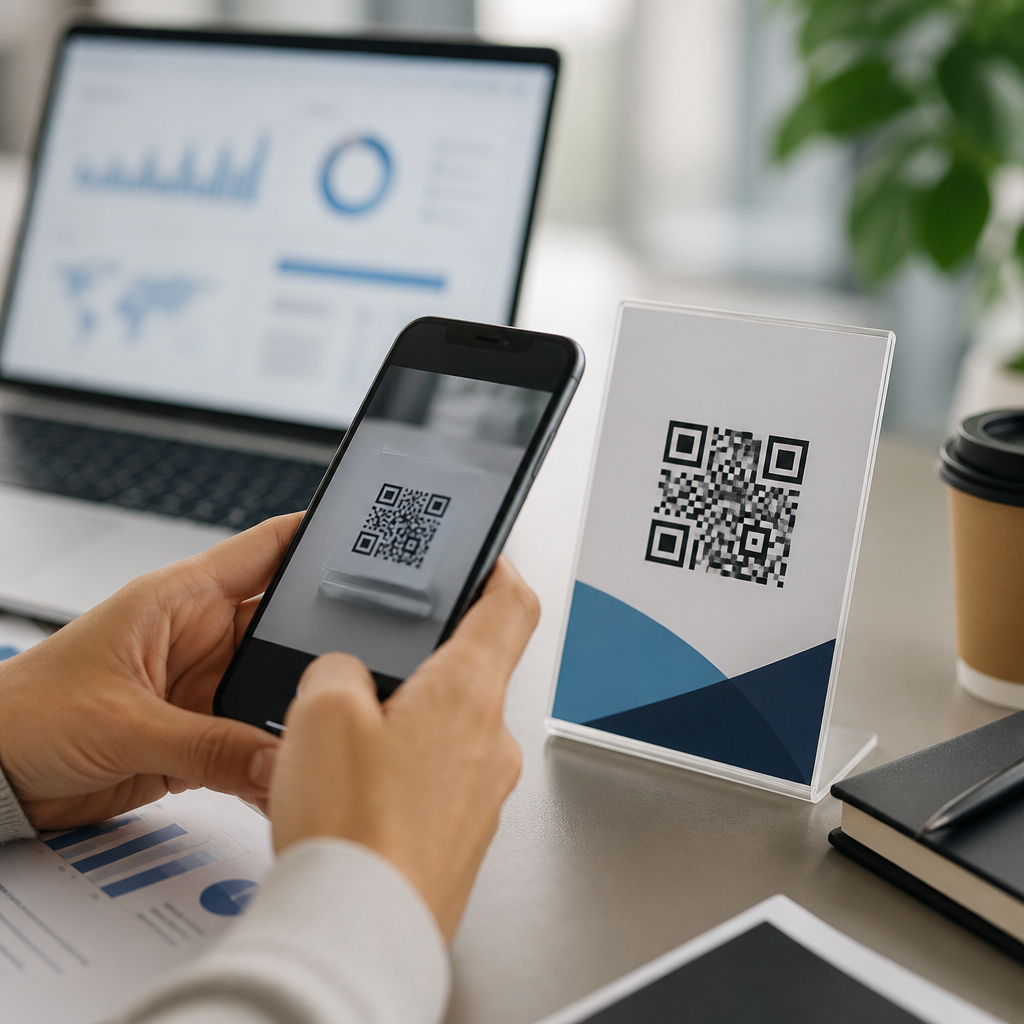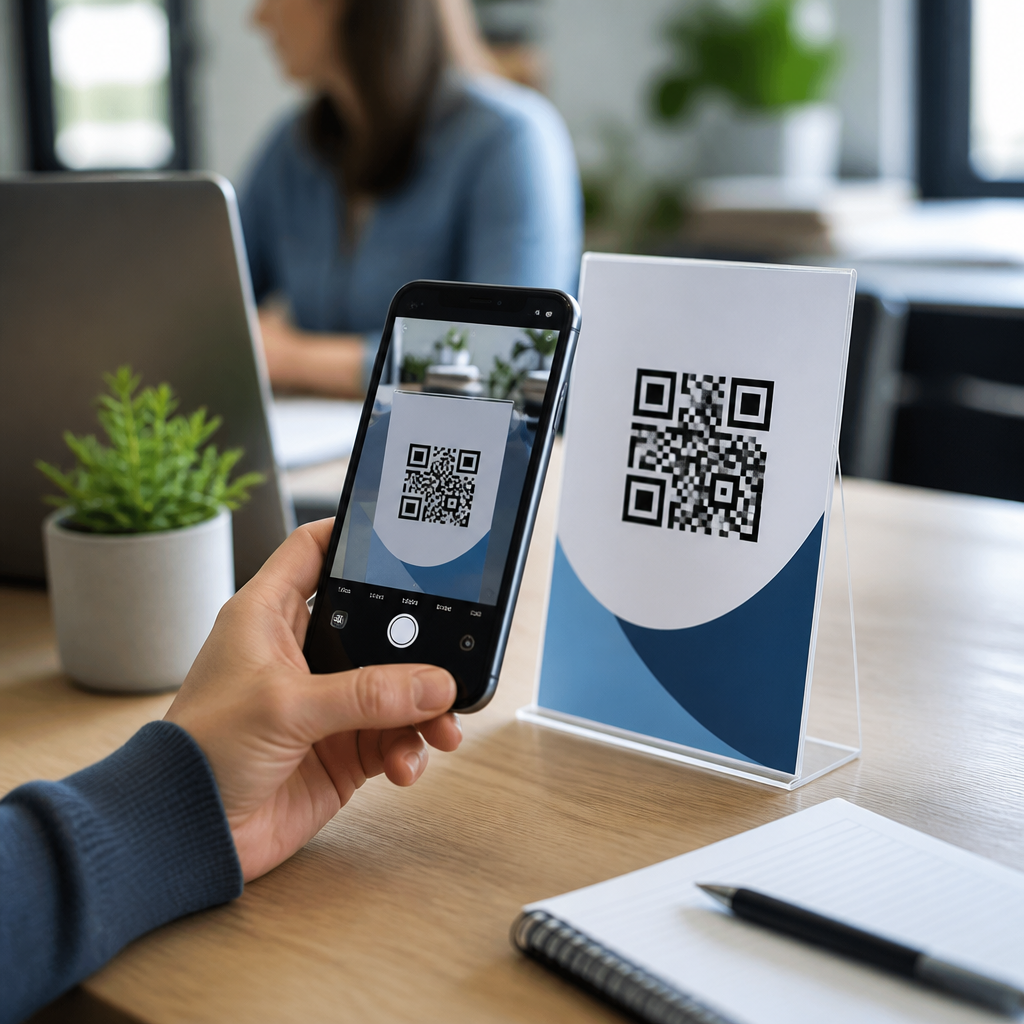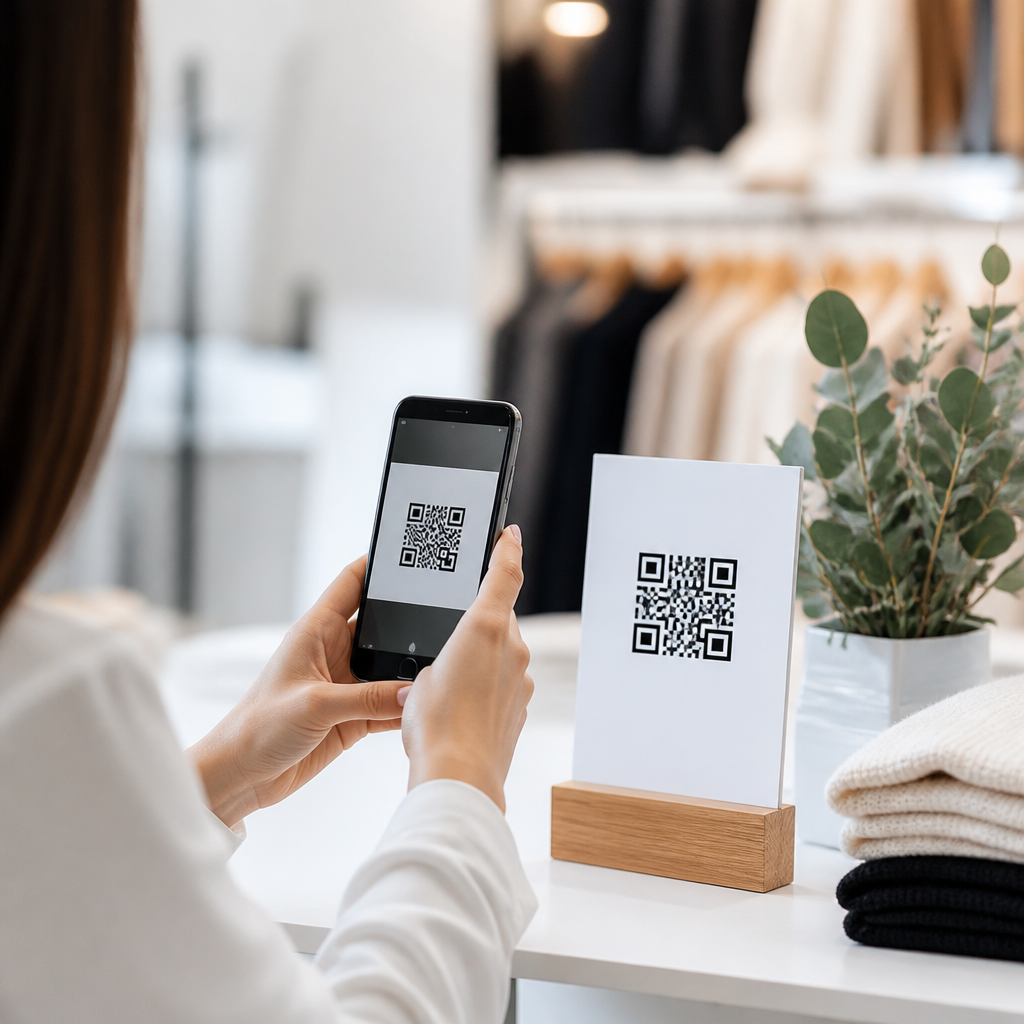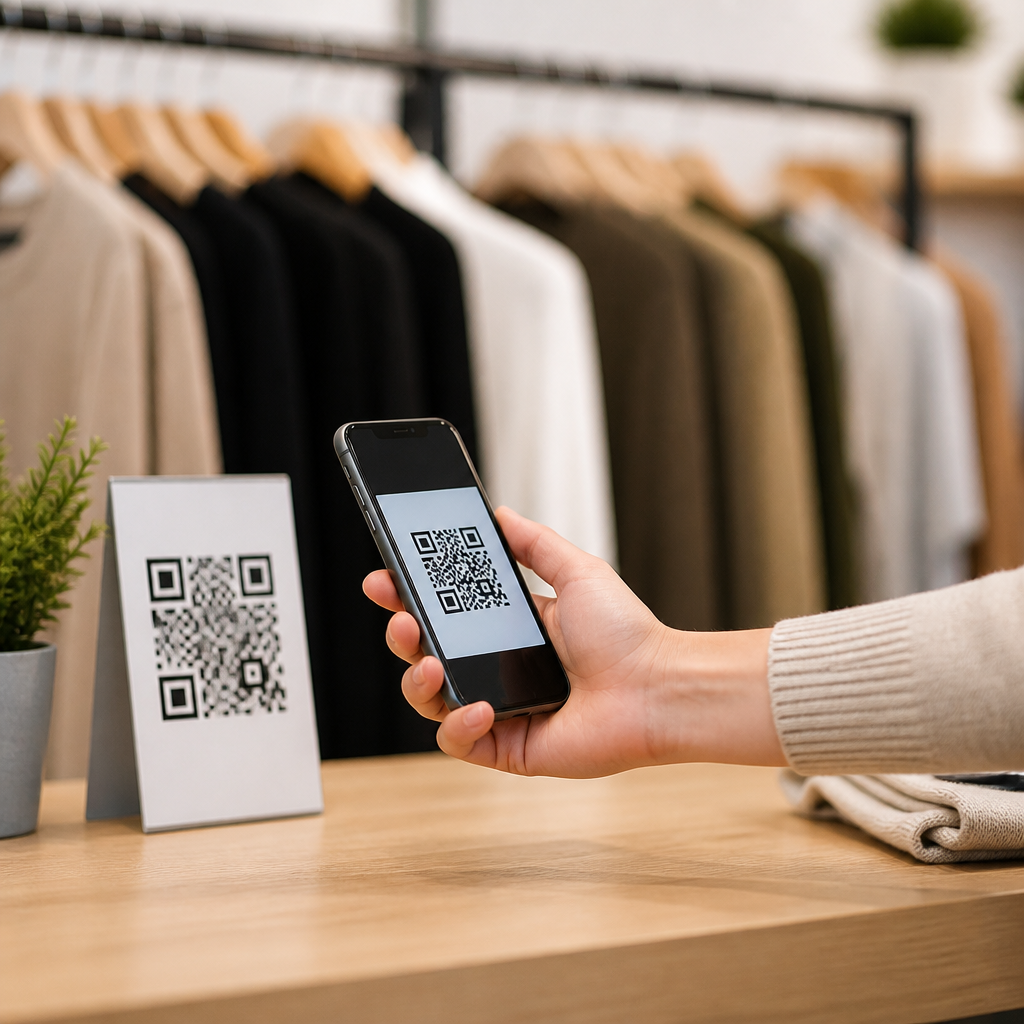
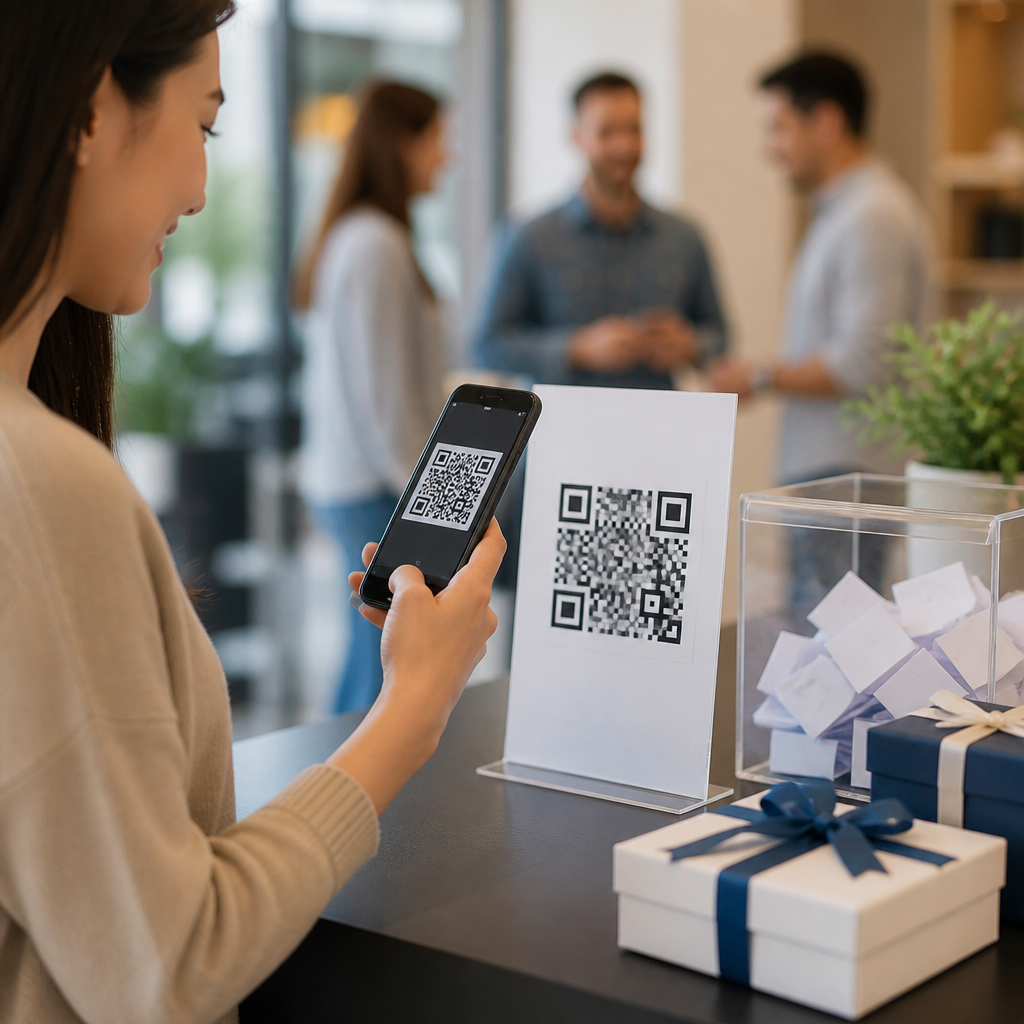
QR codes for contest and giveaway campaigns have become one of the most practical ways to turn offline attention into measurable digital action, especially when the real goal is lead generation. A QR code is a scannable two-dimensional barcode that opens a landing page, form, app store listing, coupon, or other digital destination when scanned with a smartphone camera. In marketing, that simple scan bridges print and digital channels faster than typing a URL, searching a brand name, or downloading an app first. I have used QR-driven campaign flows at trade shows, retail counters, event booths, packaging inserts, and direct mail drops, and the pattern is consistent: when entry is quick and the value exchange is clear, scan rates and form completions rise.
For marketers building a mobile QR codes for marketing program, contest and giveaway campaigns deserve special attention because they sit at the intersection of reach, engagement, and first-party data capture. People understand contests instantly. They know what the prize is, what action is required, and how soon they may get a result. That clarity lowers friction. More importantly, a well-designed giveaway campaign does more than collect names and email addresses. It qualifies intent, segments audiences, captures consent, and creates a reason to continue the conversation after the prize period ends. In other words, QR codes for lead generation work best when the scan launches a focused campaign, not a generic homepage.
The most effective hub strategy is to treat this topic broadly. QR codes can support sweepstakes, instant-win campaigns, referral giveaways, user-generated-content contests, receipt-upload promotions, and location-based entries. Each format serves a different lead generation goal. A retail brand may want rapid list growth tied to SMS consent. A B2B exhibitor may prefer a prize draw that also asks company size, purchase timeline, and product interest. A restaurant chain might use table tents to grow loyalty signups, while a real estate team may place codes on yard signs to capture seller inquiries. The campaign mechanic changes, but the underlying value remains the same: convert physical attention into permission-based marketing data.
Why QR contest campaigns generate high-intent leads
QR contest campaigns perform well because they remove unnecessary steps between attention and action. Traditional lead capture often asks people to remember a URL, search later, or fill out a long paper form. Every extra step reduces completion. A QR code compresses that process into scan, land, enter. On mobile, that difference is substantial. Internal campaign reviews I have run repeatedly showed the biggest gains came not from changing prize value, but from shortening the path to entry and reducing required fields.
There is also a psychological advantage. A giveaway creates immediate motivation, while the QR code provides immediate access. That pairing is especially effective in environments where the audience is already engaged for a few seconds: standing in a checkout line, waiting for a presentation to begin, browsing a product shelf, or opening direct mail. Marketers often ask whether these leads are low quality because people only want the prize. The answer depends on campaign design. If the form collects only an email and promises nothing beyond a random drawing, quality will vary. If the campaign includes qualifying questions, targeted offers, or product-relevant prizes, quality improves sharply.
Prize relevance is one of the strongest quality filters available. A generic gift card attracts broad participation but weaker fit. A prize tied directly to your product category attracts fewer, better leads. For example, a fitness studio offering a three-month membership, wearable training session, and nutrition consult will generate more useful leads than the same budget spent on a tablet raffle. The same principle applies in B2B. A software company gets stronger pipeline value from giving away an implementation workshop or premium subscription than from offering consumer electronics.
How to design the entry flow for better conversion
The landing page experience determines whether scan traffic becomes usable lead data. Keep the page mobile-first, fast, and singular in purpose. The visitor should see the headline, prize, deadline, eligibility summary, and form without hunting. Avoid sending scans to a general website navigation menu. I have seen campaigns lose momentum because the QR code opened a homepage slider instead of a dedicated entry page. A dedicated page outperforms because it confirms the promise made by the sign, package, flyer, or booth graphic.
Form design matters just as much. Ask only for information you can use immediately. For top-of-funnel consumer campaigns, name, email, and consent may be enough. For richer lead generation, add one or two segmentation fields such as location, product interest, budget range, or timeline. More than that can work in B2B if the audience expects it, but on mobile the completion cost rises with every field. Good practice is progressive profiling: collect the minimum to enter now, then enrich the record later through follow-up emails, preference centers, or gated assets.
Dynamic QR codes are essential because they allow you to update the destination URL, attach UTM parameters, and measure scans by source. If a code appears on posters, shelf talkers, packaging, and event badges, each placement should use a distinct tracking link even if all entries route to the same form. That makes attribution reliable in Google Analytics 4, Adobe Analytics, HubSpot, or Marketo. Error correction, contrast, quiet zone spacing, and test scans across iPhone and Android devices are basic production requirements, not optional details.
| Campaign element | Best practice | Lead generation benefit |
|---|---|---|
| QR destination | Dedicated mobile landing page | Higher completion rate |
| Form length | 3 to 5 fields for most consumer campaigns | Lower abandonment |
| Prize choice | Product-relevant reward | Better lead fit |
| Tracking | Dynamic code plus UTM tagging | Clear source attribution |
| Consent | Separate opt-in language for email or SMS | Usable compliant data |
| Follow-up | Automated nurture within 24 hours | Faster conversion path |
Lead quality, compliance, and follow-up strategy
Lead generation success is not measured at the scan or even the entry. It is measured by what happens next. Every contest campaign should define a post-entry workflow before launch. At minimum, entrants need a confirmation message, a statement about winner selection, and a next-step offer that matches campaign intent. For ecommerce, that may be a limited-time discount or quiz. For local services, it may be a booking link. For B2B, it may be a case study, demo invitation, or comparison guide. Speed matters because interest is highest right after the scan.
Compliance is equally important. Sweepstakes and giveaways operate under legal and platform rules that vary by region. Marketers should clearly state eligibility, start and end dates, odds language where required, prize value, selection method, notification process, and privacy terms. If you collect SMS consent, TCPA-related disclosure standards in the United States must be handled carefully, and checkbox practices must align with applicable regulations. For email, CAN-SPAM is only a baseline; if your audience includes residents covered by GDPR or similar frameworks, lawful basis and data handling procedures must be documented. The fastest way to damage list value is to collect contacts without clear permission and then discover you cannot safely use them.
Fraud prevention should also be built in. QR campaigns are easy to access, which is good for scale but risky if you offer high-value prizes. Use reCAPTCHA or equivalent bot protection, email verification where appropriate, duplicate detection, and device or IP monitoring for suspicious patterns. If the promotion is tied to purchase, require receipt validation or unique code redemption. These controls protect both budget and data quality. They also preserve trust with legitimate participants, who expect fair administration.
Where QR giveaway campaigns work best across channels
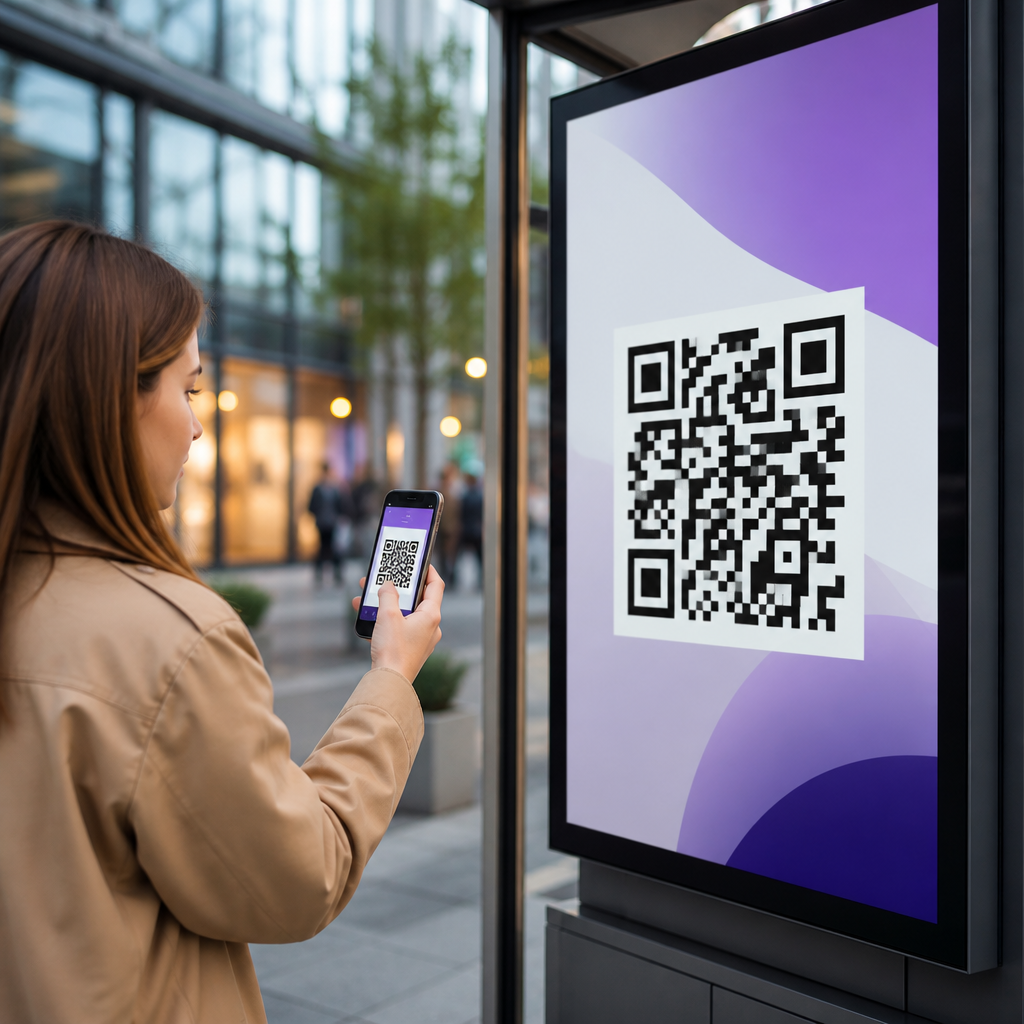
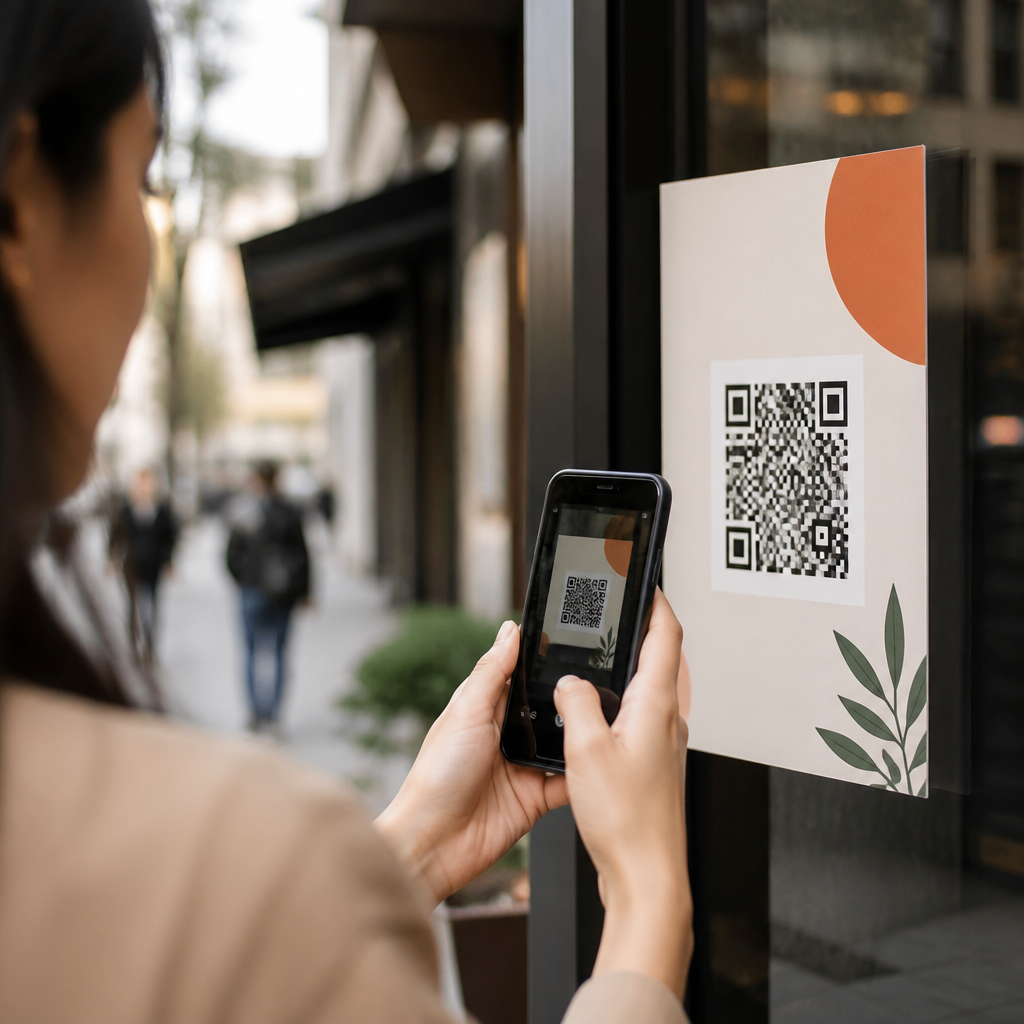
The strongest QR code placements appear where attention is already earned. In retail, shelf signage, endcaps, product packaging, and receipts convert shoppers who are close to decision. In events, booth walls, badge backs, lanyard cards, presentation slides, and table cards turn transient foot traffic into trackable prospects. In hospitality and restaurants, menus, tray liners, coasters, table tents, and window clings encourage signups during dwell time. Direct mail remains highly effective because a printed offer paired with a QR code removes the friction of typing a vanity URL.
Out-of-home placements can work too, but context matters. People should have enough time and safety to scan. Transit shelters, waiting areas, and venue concourses are better than roadside billboards. For real estate, QR codes on signs can route to neighborhood market reports and seller consultations framed as contest entries, but the offer must be relevant to a homeowner, not generic. In education, campus posters can promote orientation giveaways while collecting program interest. In healthcare settings, codes should be used cautiously and with strong privacy messaging, especially if the form touches sensitive categories.
Integration with the broader funnel is what makes this page a true hub for QR codes for lead generation. Contest campaigns can feed CRM systems, trigger email nurturing, populate audience segments for retargeting, and identify high-interest contacts for sales outreach. A single QR scan should not live in isolation. Connect it to lifecycle stages, source reporting, and downstream conversion metrics such as appointment bookings, demo requests, purchases, and unsubscribe rates. When teams do this consistently, they stop asking whether QR codes “work” and start identifying which placements, prizes, and audiences produce the most revenue-efficient leads.
How to measure performance and improve results over time
The core metrics for QR giveaway campaigns are scans, unique visitors, landing-page conversion rate, cost per lead, consent rate, qualified lead rate, and downstream revenue contribution. Scan count alone is incomplete because curiosity is not the same as submission. I prefer to review performance in stages: visibility, scan engagement, form completion, qualification, and follow-up response. That structure quickly reveals the real bottleneck. If scans are high but entries are low, the page or form needs work. If entries are high but qualified leads are weak, the prize or targeting is too broad.
Testing should be deliberate. Change one major variable at a time: headline, prize framing, CTA text, number of fields, or incentive after entry. On physical creative, size and placement of the QR code matter more than many teams expect. Codes below three quarters of an inch often underperform in busy environments, while inadequate contrast or glossy reflections can reduce scan reliability. Add a short text prompt near the code that explains the benefit, such as “Scan to enter and get a 10% thank-you offer.” Clear instruction consistently increases action.
QR codes for contest and giveaway campaigns are effective because they make lead capture immediate, measurable, and easy to scale across physical touchpoints. The best programs use dedicated mobile pages, relevant prizes, compliant consent language, dynamic tracking, and fast follow-up. They do not chase vanity metrics; they optimize for qualified contacts and downstream conversion. If you are building a mobile QR codes for marketing strategy, start with one well-tracked giveaway tied to a product-relevant offer, connect it to your CRM, and improve it with each campaign cycle.
Frequently Asked Questions
How do QR codes improve contest and giveaway campaigns?
QR codes make contest and giveaway campaigns easier to join, easier to track, and far more effective at turning attention into leads. Instead of asking people to type a long web address, search for a brand online, or download something before they can participate, a QR code lets them scan and land directly on the exact page you want them to see. That page might be an entry form, a product giveaway landing page, a coupon, an app store listing, or a campaign-specific lead capture form. Removing those extra steps matters because every additional action creates friction, and friction lowers participation rates.
From a marketing perspective, QR codes are especially useful because they connect offline exposure with digital measurement. A code placed on posters, event signage, product packaging, direct mail, receipts, tabletop displays, or in-store shelf talkers can send traffic into a digital funnel that is fully trackable. Marketers can measure scans, form completions, traffic sources, device usage, time of day, and conversion rates, making it much easier to understand which placements are actually driving results. In other words, QR codes do not just increase convenience for participants; they also give brands actionable data for optimizing campaign performance and improving return on investment.
What should a QR code contest landing page include to maximize entries and lead generation?
A strong QR code contest landing page should be simple, fast, mobile-friendly, and built around one clear action: entering the giveaway. Because most scans happen on smartphones, the page should load quickly, display properly on small screens, and avoid clutter. The headline should immediately explain the offer, such as what the participant can win and why it is valuable. Supporting text should describe how to enter, when the contest ends, who is eligible, and when winners will be notified. If the process feels confusing or incomplete, users are more likely to leave before finishing.
To support lead generation, the entry form should collect only the information that is truly necessary. In many campaigns, that means a name and email address, and possibly one or two optional fields for segmentation. Asking for too much information too early can reduce conversion rates. The page should also include a clear privacy statement or consent language if you plan to use participant data for future marketing. Adding trust elements such as brand logos, official rules, prize images, social proof, and concise FAQs can further increase confidence and completion rates. Finally, the call to action should be prominent and direct, with language like “Enter Now,” “Claim Your Entry,” or “Join the Giveaway,” so visitors know exactly what to do next.
Where should businesses place QR codes for contest and giveaway campaigns?
QR codes work best when they are placed where people already have a reason to notice, pause, or engage. High-performing placements often include product packaging, point-of-sale displays, retail counters, event booths, flyers, brochures, posters, window decals, menus, conference badges, business cards, and direct mail pieces. The right location depends on the audience and the campaign goal. For example, a retailer may place a giveaway QR code near checkout to capture shoppers while purchase intent is high, while a trade show exhibitor may use large booth signage to drive entry and collect lead information from attendees.
Good placement is not just about visibility; it is also about usability. The QR code should be easy to spot, large enough to scan comfortably, and positioned where lighting, distance, and movement will not interfere. If a code appears on a billboard or transit ad, people may not have enough time or safe conditions to scan it. If it appears on a package or printed display, include a short explanation nearby, such as “Scan to enter our giveaway” or “Scan for a chance to win,” so users understand the benefit immediately. A clear incentive, a strong call to action, and thoughtful placement together do far more than the QR code alone.
How can marketers track the performance of a QR code giveaway campaign?
Marketers can track QR code giveaway performance by using dynamic QR codes, campaign-specific landing pages, and analytics tools that measure behavior after the scan. A dynamic QR code is especially useful because it allows you to change the destination URL without reprinting the code, and it often provides scan-level reporting such as total scans, unique scans, geographic data, device types, and scan timing. When paired with web analytics and conversion tracking, this data gives a much clearer picture of how users move from initial interest to completed entry.
To evaluate campaign success, marketers should look beyond scan volume alone. Important metrics include landing page conversion rate, form completion rate, cost per lead, bounce rate, source by placement, and downstream actions such as email opt-ins, coupon redemptions, or purchases. Using different QR codes for different channels or physical locations can help identify which posters, mailers, displays, or events are generating the most qualified traffic. It is also smart to use UTM parameters or similar tracking methods so campaign traffic is properly categorized inside analytics platforms. This level of measurement helps brands improve creative, placement, targeting, and offer strategy over time instead of guessing what worked.
What are the most common mistakes to avoid with QR code contest and giveaway campaigns?
One of the most common mistakes is sending users to a generic homepage instead of a dedicated campaign page. If people scan a QR code expecting to enter a giveaway and land somewhere that does not clearly match that expectation, many will leave immediately. Another major mistake is failing to optimize for mobile. Since QR code interactions are overwhelmingly mobile-driven, slow load times, hard-to-read text, confusing forms, and poor button placement can seriously damage conversion rates. Brands also frequently make the mistake of asking for too much information, which adds friction and discourages participation.
Other avoidable problems include using low-contrast or overly stylized QR codes that are difficult to scan, placing codes in awkward physical locations, and failing to explain why someone should scan in the first place. A QR code by itself is not a strategy; it needs context, a compelling incentive, and a clear instruction. Marketers should also avoid running contests without visible rules, expiration dates, or eligibility details, since unclear terms can create distrust and legal complications. Finally, not testing the full experience before launch is a costly oversight. Every code should be tested across multiple devices and environments to confirm that it scans quickly, opens the correct destination, and supports a smooth entry process from start to finish.