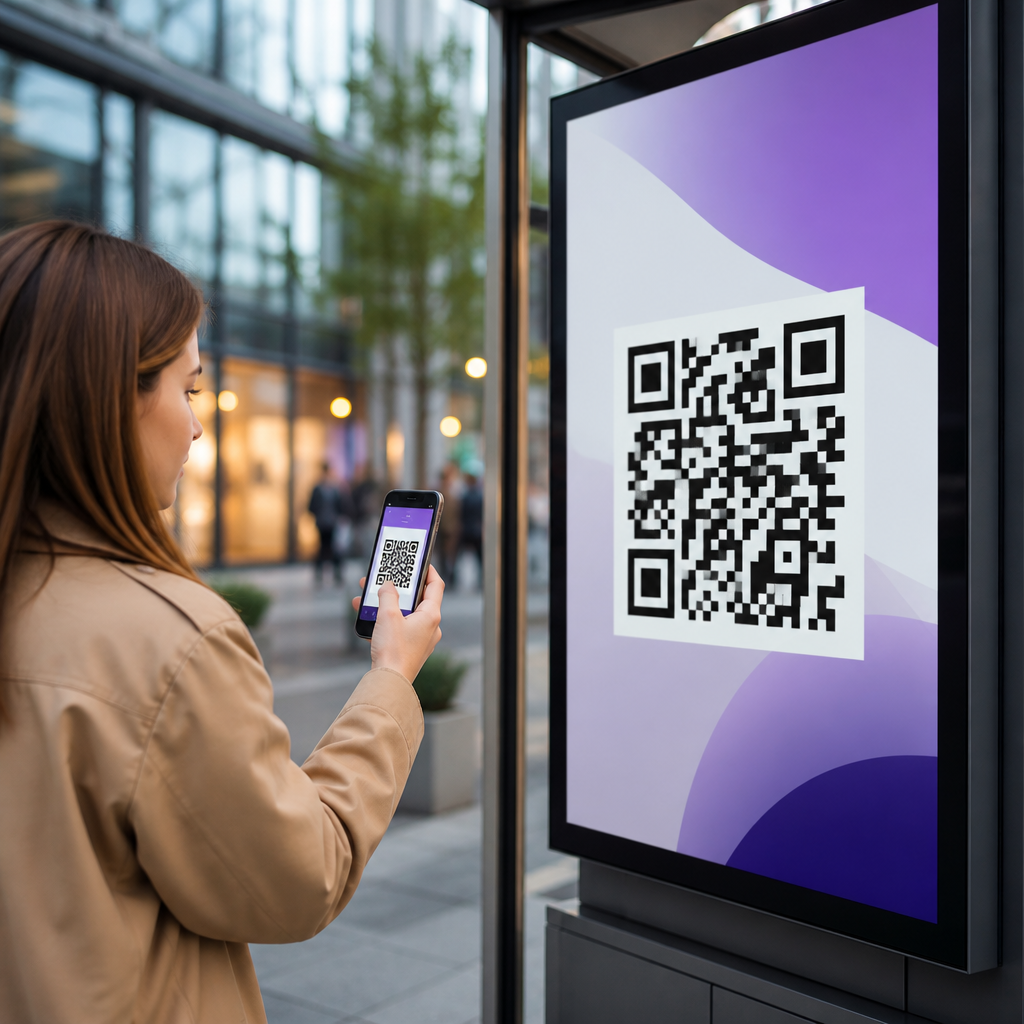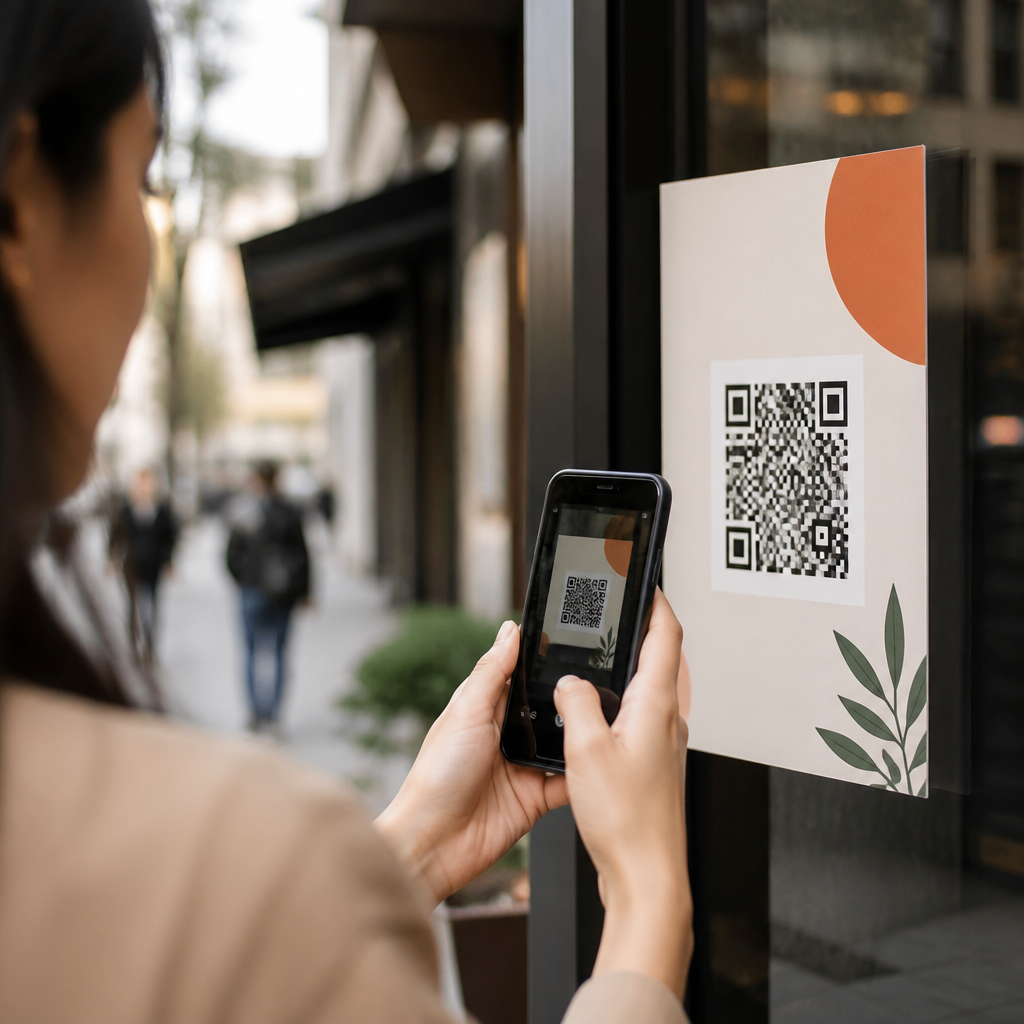
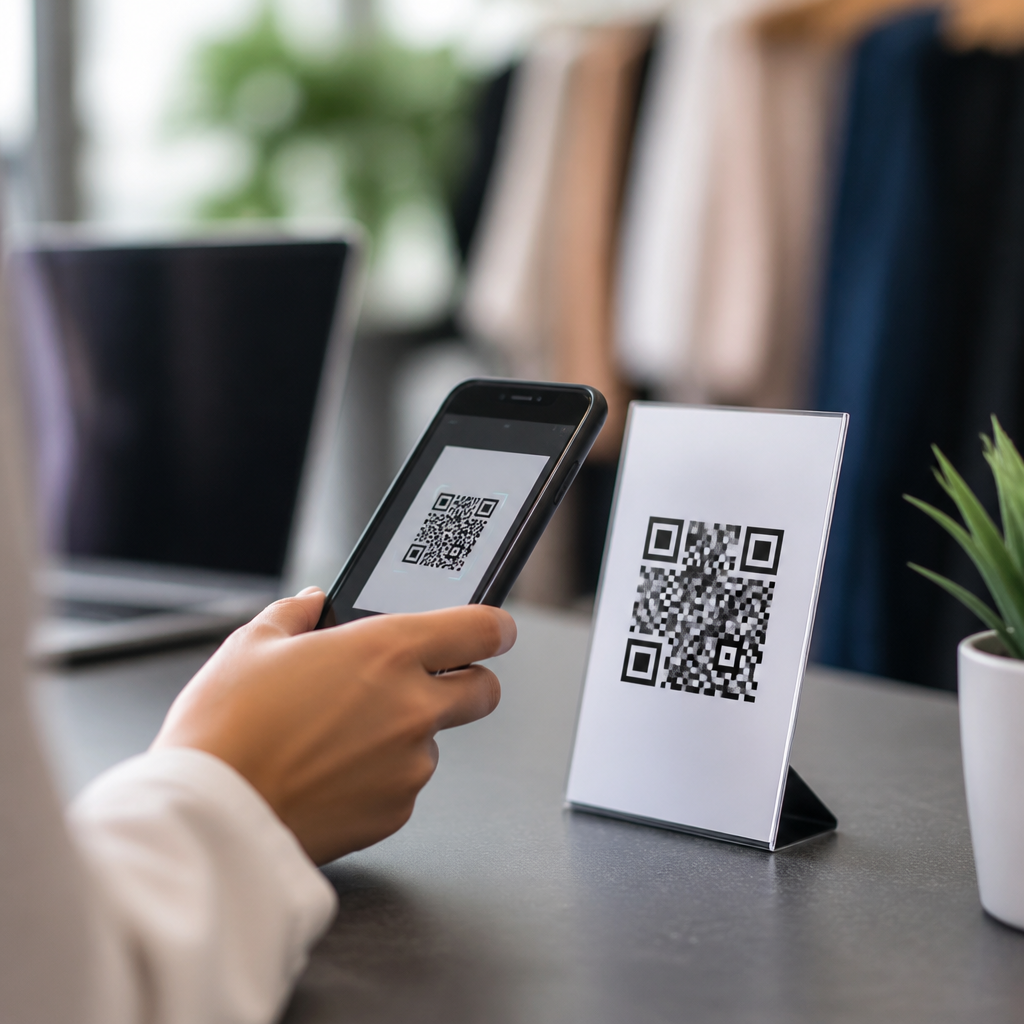
High-converting QR code funnels turn a quick scan into a measurable lead by guiding people from offline attention to mobile action with as little friction as possible. In marketing terms, a QR code funnel is the sequence that begins when someone scans a code and continues through landing page engagement, form completion, qualification, and follow-up. When built well, it connects print, packaging, signage, events, direct mail, retail displays, and field sales to a digital lead generation system that can be tracked in analytics and improved over time. This matters because mobile behavior has changed: people now expect instant access, fast-loading pages, autofill forms, and clear value before sharing contact details. I have seen campaigns fail not because the code was unreadable, but because the offer was vague, the page was slow, or the next step asked for too much too soon. A strong QR code lead generation strategy solves those issues by matching intent, context, and conversion path. It also gives marketers better attribution than many offline channels traditionally provide. If your broader goal is mobile QR codes for marketing, this hub article explains the lead generation layer: what makes a QR code funnel convert, which funnel models work best, and how to measure results so each scan produces pipeline, not just traffic.
What makes a QR code lead generation funnel convert
A high-converting QR code funnel has five essential components: placement, promise, page experience, form design, and follow-up. Placement determines intent. A code on trade show signage reaches a different mindset than a code on product packaging or a restaurant table tent. The promise is the explicit benefit offered in the call to action, such as “Get the pricing sheet,” “Book a demo,” or “Download the installation checklist.” Generic prompts like “Scan me” consistently underperform because they hide value. The page experience must be mobile-first, with fast load times, clear copy above the fold, and one primary action. In practice, pages loading in under three seconds and avoiding heavy scripts convert materially better because scanner intent is immediate and fragile. Form design matters even more on mobile. I usually start with two to four fields, progressive profiling in the CRM, and autofill enabled. Finally, follow-up must be immediate. If a code captures a contact for a sales conversation, route it through HubSpot, Salesforce, or Marketo with instant confirmation, source tagging, and an SLA for response. Without that operational layer, even a well-designed funnel leaks value after the conversion event.
Six funnel examples that consistently generate leads
The best QR code funnel examples are not creative for their own sake; they reduce friction for a specific buying moment. At trade shows, a booth banner QR code leading to a “Get the product comparison guide” page works because visitors want a takeaway without carrying brochures. For real estate, yard signs and open house cards convert well when the code opens a property details page with photo gallery, mortgage calculator, and tour booking form. In B2B field marketing, direct mail QR codes can outperform vanity URLs when the mailer promises a personalized landing page with an industry benchmark report or ROI calculator. Retail packaging can capture post-purchase leads by offering warranty registration plus setup tips, which turns anonymous buyers into nurturable contacts. Restaurants and hospitality venues often use codes for contest entry, loyalty enrollment, or event booking, especially when the incentive is immediate and location relevant. In healthcare and professional services, waiting-room posters can drive seminar registration, consultation requests, or downloadable care guides, provided privacy language is clear. Across these scenarios, the strongest pattern is alignment: the offer must fit the place, the scanning context, and the level of commitment the user is willing to make on a phone.
| Scenario | Offer | Landing Page Goal | Primary Metric |
|---|---|---|---|
| Trade show booth | Product comparison guide | Form fill for MQL capture | Scans-to-leads rate |
| Direct mail campaign | ROI calculator | Demo request | Cost per qualified lead |
| Product packaging | Warranty plus setup checklist | Post-purchase registration | Registrations per unit sold |
| Retail signage | Coupon or style guide | Email/SMS opt-in | Opt-in rate |
| Real estate sign | Listing details and tour booking | Appointment request | Tours booked per property |
How to match the funnel to audience intent
Intent determines funnel depth. Cold audiences scanning a poster in public usually respond best to top-of-funnel offers such as checklists, coupons, buyer’s guides, quizzes, or short educational videos. Warm audiences, including event attendees who have already seen a demo, can handle mid-funnel assets like case studies, technical spec sheets, pricing overviews, or implementation timelines. Hot audiences, such as prospects speaking with a sales rep, should be sent directly to bottom-funnel actions like calendar booking, proposal review, financing prequalification, or a trial activation page. This segmentation is where many QR campaigns improve dramatically. I have repeatedly seen conversion rates rise when one generic destination is split into three context-specific pages with tailored headlines and shorter forms. A useful rule is to ask what question the scanner wants answered in the next 30 seconds. If they are curious, educate. If they are comparing, prove value. If they are ready, remove obstacles to contact. Dynamic QR codes make this practical because the code itself can stay the same while the destination changes by campaign, location, date, or audience source, preserving printed assets while improving relevance.
Landing pages, forms, and offers that increase conversion rate
Once the scan happens, the landing page has one job: continue the momentum. Use a headline that repeats the promise from the physical asset, a short subheading that clarifies the benefit, one hero visual, and a single primary call to action. Avoid sending traffic to a homepage; dedicated pages almost always perform better because they remove navigation choices. Offers should feel proportional. For a coupon or checklist, asking for just an email may be enough. For a consultation request, collecting name, company, role, and phone is reasonable if the value is clear. Social proof lifts conversion when it is specific, such as customer logos, star ratings, compliance badges, or quantified results from a case study. Technical execution also matters. Pages should use responsive design, compressed images, HTTPS, and event tracking through Google Analytics 4 and Google Tag Manager. If SMS consent is involved, disclosures must be explicit and compliant. A strong thank-you page should either deliver the asset instantly or confirm the next step with timing. It is also a smart place to include a secondary action, such as watching a two-minute explainer video or visiting a related resource on mobile QR codes for marketing, which strengthens internal linking and extends engagement.
Measurement, attribution, and optimization for better lead quality
QR code lead generation improves when teams measure more than scan volume. The core metrics are scan-through rate by placement, landing page conversion rate, cost per lead, marketing qualified lead rate, sales accepted lead rate, and downstream revenue. UTM parameters should identify source, medium, campaign, content, and where useful, location or asset version. Dynamic QR platforms such as Bitly, QR Code Generator PRO, Beaconstac, and Uniqode can provide scan counts, timestamps, device types, and geography, but those numbers must be reconciled with CRM outcomes to judge quality. A code that drives many scans but few qualified leads is often suffering from poor offer fit or weak form design. A/B testing is practical even in offline campaigns: test two CTAs on different table tents, compare a gated versus ungated guide, or rotate landing page headlines by venue. In one recurring pattern, simplifying a seven-field form to three fields lowers friction and increases total lead volume, but qualification may drop; the right choice depends on sales capacity and deal size. The best programs document these tradeoffs and optimize for revenue contribution, not vanity metrics. Build a clear taxonomy, review reports weekly, and retire underperforming assets quickly.
High-converting QR code funnel examples all share the same principle: the scan is only the beginning, and every step afterward must respect mobile context, user intent, and operational follow-through. For lead generation, the winning formula is straightforward: place codes where attention is high, state a clear benefit, send scanners to a dedicated mobile page, ask only for the information that matches the offer, and trigger fast, trackable follow-up. The examples in this hub—trade shows, direct mail, packaging, retail signage, real estate, hospitality, and service businesses—show that QR codes are not a novelty channel. They are a practical bridge between physical marketing and digital pipeline when the funnel is built deliberately. Just as important, they are measurable. With dynamic destinations, UTM governance, CRM routing, and disciplined testing, marketers can improve not only conversion rate but lead quality and sales efficiency. If you are building a broader mobile QR codes for marketing program, start your lead generation system with one high-intent use case, one strong offer, and one dedicated landing page. Then measure every step, refine the weak points, and expand the model across channels. That is how a simple square code becomes a reliable source of qualified demand.
Frequently Asked Questions
What is a QR code funnel, and what makes one high-converting?
A QR code funnel is the full path a person takes after scanning a code, starting with offline attention and continuing through mobile engagement, lead capture, qualification, and follow-up. In practical terms, it connects a physical touchpoint such as product packaging, a poster, direct mail, an event booth, a retail display, or a salesperson’s leave-behind to a digital experience designed to produce a measurable outcome. That outcome might be a form submission, demo request, coupon redemption, appointment booking, quote request, or purchase.
A high-converting QR code funnel works because it reduces friction at every step. The scan leads to a mobile-friendly landing page that loads quickly, clearly matches the promise made next to the code, and gives the visitor one obvious next action. Instead of sending people to a generic homepage, effective funnels direct them to a focused page with a strong headline, a concise value proposition, trust signals, and a short form or call to action. The best-performing examples also account for intent. Someone scanning from packaging may want setup help or a reorder link, while someone scanning from event signage may be ready for a giveaway, demo, or consultation.
What separates an average QR code funnel from a high-converting one is measurement and optimization. Strong funnels use trackable QR codes, unique campaign URLs, analytics events, and attribution logic to identify where scans came from, which pages converted, and where drop-off happened. They often include progressive profiling, CRM integration, automated follow-up, and segmentation rules so leads can be routed appropriately. In short, a high-converting QR code funnel is not just a scannable square. It is a deliberately designed offline-to-online conversion system that turns attention into action and action into revenue.
What are some examples of high-converting QR code funnels in real marketing situations?
High-converting QR code funnels show up across many channels because they bridge physical visibility with digital response. One strong example is a trade show booth funnel. Visitors scan a code on booth signage to access a giveaway entry page or book a live demo. The landing page is short, fast, and tailored to the event, often pre-framing the offer with language such as “Get your custom quote” or “See the platform in action.” After form completion, the lead is tagged by event name and interest level, then routed into a sales follow-up sequence. This works well because the scan happens at peak interest and the next step is immediate and relevant.
Another effective example is direct mail. A postcard or dimensional mailer can include a QR code tied to a personalized landing page with a specific offer, such as an audit, savings estimate, appointment scheduler, or limited-time incentive. This funnel converts well because direct mail creates context before the scan. The code is not asking for blind trust; it is extending a message the recipient has already started reading. When the landing page mirrors the mailer headline and keeps the form simple, response rates often improve significantly.
Retail and packaging funnels also perform strongly. A shelf talker, in-store display, or product label can send shoppers to comparison charts, reviews, video demos, rebates, loyalty sign-ups, or reorder pages. For consumer brands, this can turn point-of-sale curiosity into a measurable lead or first-party data capture. For B2B products, a QR code on packaging can route users to onboarding resources, warranty registration, or replenishment ordering, which supports both conversion and retention.
Field sales and door-to-door teams use QR codes effectively as well. A rep can leave behind a one-page sheet with a code linked to a quote request form, financing calculator, product explainer, or calendar booking page. Because the prospect already has brand context from the conversation, the funnel continues momentum rather than restarting it. Across all of these examples, the pattern is consistent: the highest-converting QR code funnels align the offer with the physical environment, remove unnecessary steps, and make the mobile next action feel obvious and worthwhile.
What should the landing page include after someone scans a QR code?
The post-scan landing page should be built specifically for mobile users and for the exact context of the scan. At minimum, it needs a clear headline, a concise explanation of the value being offered, one primary call to action, and a layout that is easy to use on a phone. This is where many campaigns lose conversions. If a person scans a code from a flyer that promises a discount, a free sample, or a consultation, the landing page should immediately confirm that promise. Relevance matters. The more closely the page matches the message and moment of the scan, the more likely the visitor is to continue.
High-converting landing pages also prioritize speed and simplicity. Pages should load fast, avoid unnecessary navigation, and place the key form or button high on the screen. If lead capture is the goal, the form should ask only for essential information. Name, email, and one qualifying field may be enough at the top of the funnel. Additional qualification can happen later through automation or sales outreach. Long forms on mobile are a common reason scans fail to become leads.
Trust-building elements are equally important. Depending on the offer, that may include customer testimonials, review ratings, security messaging, brand logos, case study references, or a short explanation of what happens after submission. For example, telling users “Request a demo and a specialist will contact you within one business day” reduces uncertainty. If the funnel is transactional, adding benefit-driven bullets, product visuals, pricing clarity, or guarantee language can improve completion rates.
The best landing pages are also instrumented for measurement. They use analytics events to track page views, clicks, form starts, form completions, scroll behavior, and booking actions. This enables ongoing testing of headlines, CTA wording, form length, visual hierarchy, and incentive structure. In a strong QR code funnel, the landing page is not just a destination. It is the conversion engine that determines whether the scan becomes a qualified lead.
How do you measure and optimize QR code funnel performance?
Measuring QR code funnel performance starts with defining the right stages. Most teams track scans, landing page visits, engagement, form starts, form completions, qualified leads, booked meetings, sales opportunities, and closed revenue. Looking only at scan count can be misleading. A campaign may generate many scans but few serious leads if the offer is weak or the landing page is poorly matched. A better approach is to evaluate the entire flow from offline impression to downstream business result.
To do that well, each QR code should be uniquely identifiable by placement, audience, or campaign. For example, codes on event signage, packaging inserts, direct mail pieces, store displays, and sales collateral should point to trackable destinations with campaign parameters or dynamic QR code routing. This allows marketers to compare performance by channel, creative, geography, store location, rep, or offer type. Integrating scan data with analytics platforms, CRM systems, and marketing automation tools provides a fuller view of lead quality and follow-up outcomes.
Optimization usually focuses on a few high-impact variables. Offer relevance is one of the biggest. A code placed on a retail shelf may perform better with “See reviews” or “Get 10% off today” than with a general brand message. CTA clarity matters too. People respond better when they know exactly what they will get after scanning. Form length, page speed, visual hierarchy, social proof, appointment scheduling options, and follow-up timing all influence conversion rate. Even small copy changes can improve results when mobile attention spans are short.
Testing should be continuous. Run A/B tests on headlines, incentives, page layouts, and CTA buttons. Compare static versus personalized landing pages. Review where users drop off, such as slow page load, excessive form fields, or weak confirmation messaging. Then connect those insights to lead quality, not just lead volume. A high-converting QR code funnel is ultimately judged by the number of qualified leads and customers it produces, not by how many people simply scanned the code.
What are the most common mistakes that hurt QR code funnel conversions?
The most common mistake is sending scanners to a generic homepage instead of a dedicated landing page. When users have to search for the offer, navigate menus, or guess the next step, conversion rates drop quickly. A QR code should create momentum, not friction. Another frequent problem is poor message match. If the code says “Get your free estimate” but the destination page talks broadly about the company without presenting a clear estimate request flow, users lose confidence and leave.
Mobile usability issues are another major conversion killer. QR code traffic is overwhelmingly mobile, so slow pages, cluttered layouts, tiny buttons, intrusive pop-ups, and long forms create unnecessary drop-off. Many campaigns also ask for too much information too early. If someone is just expressing initial interest from a print ad, trade show sign, or product package, a short form or tap-to-book option is usually far more effective than a multi-step questionnaire.
Marketers also hurt performance by treating the scan as the finish line instead of the beginning of the funnel. Without lead routing, automated email or SMS follow-up, CRM tagging, and clear sales ownership, valuable interest goes cold. High-converting funnels are designed to continue the conversation after the scan, not end it. Another common mistake is failing to track source-level performance. If