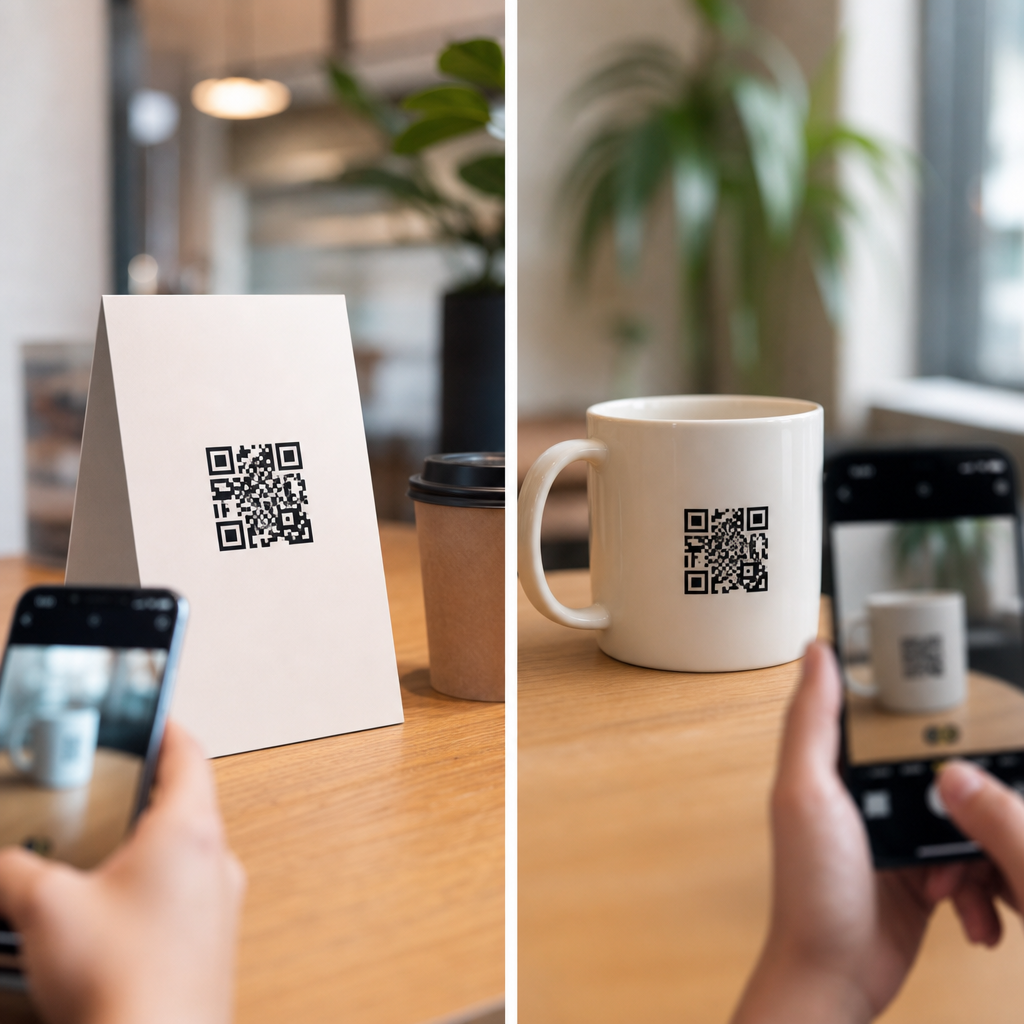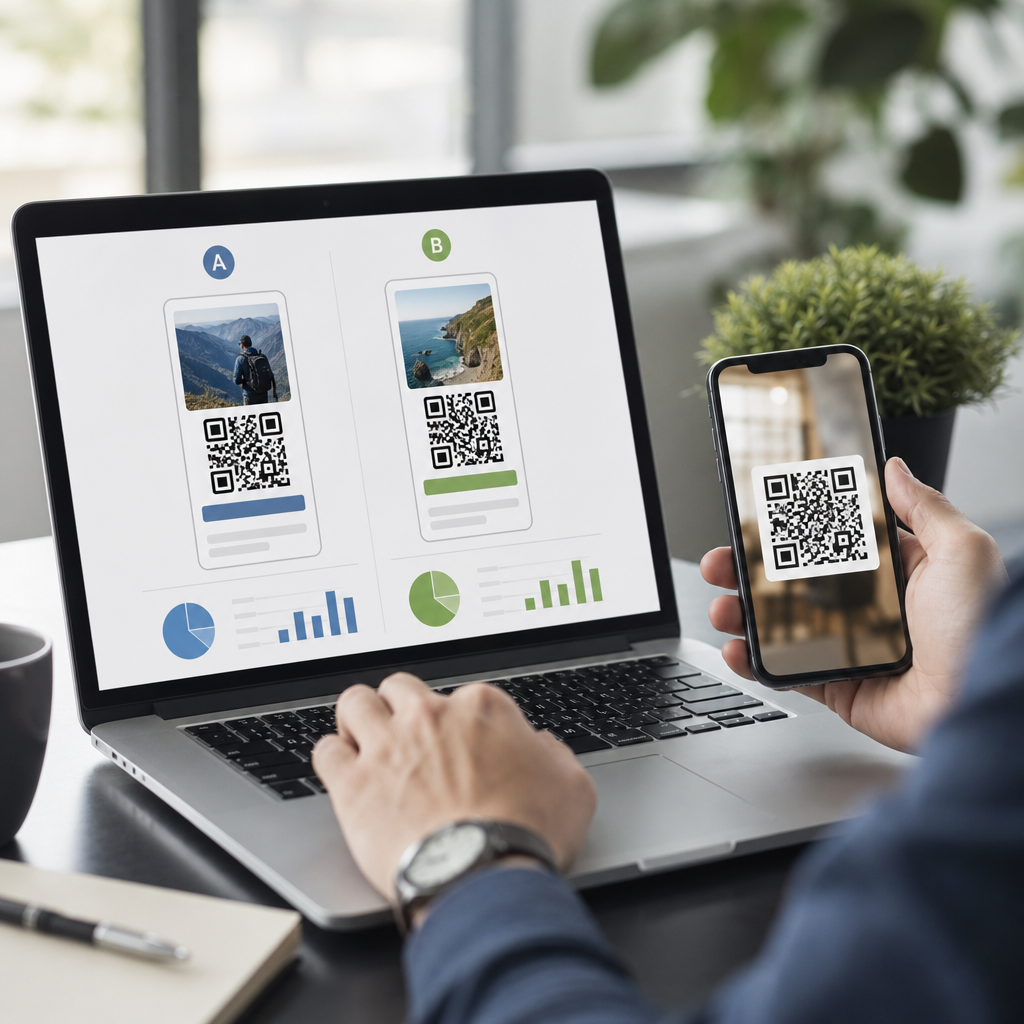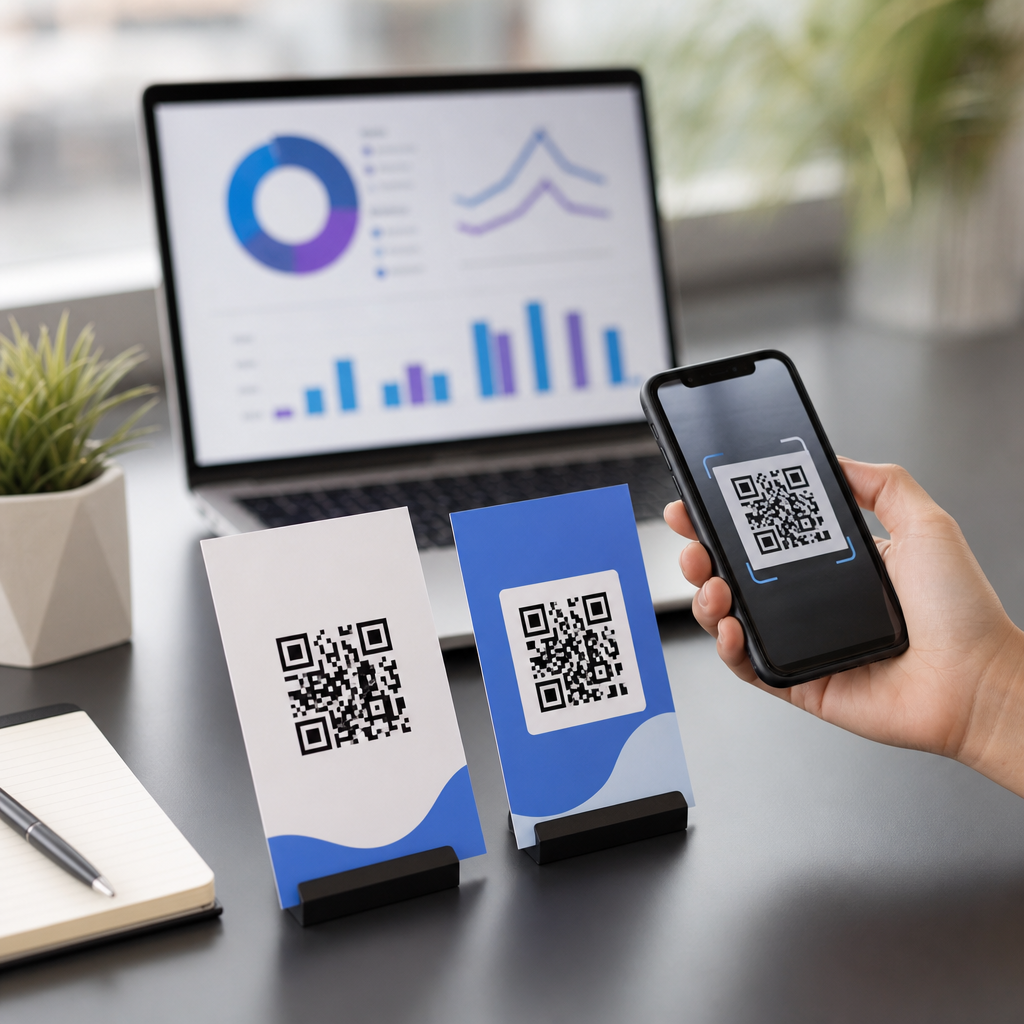

Integrating QR codes with HubSpot turns an offline scan into a trackable digital interaction, letting teams connect printed materials, events, packaging, direct mail, and in-store displays to contacts, campaigns, and revenue data inside one CRM. A QR code is a scannable matrix barcode that opens a URL, downloads a file, launches a form, or triggers another digital action on a smartphone. HubSpot is a customer platform that combines CRM records, forms, email automation, campaign reporting, and sales pipelines. When the two are connected correctly, a scan can become a measurable touchpoint tied to lifecycle stage, source, campaign, and follow-up workflow.
This matters because offline marketing often suffers from attribution gaps. I have seen companies spend heavily on trade show booths, product inserts, and direct mail, then struggle to prove which assets generated qualified leads. QR codes solve part of the problem by giving each asset a unique destination. HubSpot solves the rest by storing identity, engagement history, and conversion outcomes in a single record. Together, they create a practical bridge between physical experiences and digital reporting. The result is better lead capture, cleaner segmentation, faster sales response, and more reliable campaign analysis.
The core integration idea is simple: create a destination that HubSpot can track, generate a distinct QR code for that destination, and pass enough context in the URL to identify the campaign, channel, or asset. In practice, the setup requires decisions about landing pages, UTM parameters, forms, cookies, lifecycle automation, and analytics. If you skip those details, scans show up as traffic but not as useful CRM intelligence. If you design them well, every poster, badge, brochure, package insert, and storefront sign can feed a measurable contact journey.
Plan the integration around the customer journey
The best QR code and HubSpot integrations start with use case mapping, not with code generation. Define what should happen after the scan. Common goals include capturing a lead from a printed flyer, sending event attendees to a meeting scheduler, moving packaging customers to a support knowledge base, or pushing retail visitors to a coupon landing page. Each goal needs a different HubSpot asset. Lead capture usually means a HubSpot landing page with an embedded form. Appointment booking may use HubSpot Meetings. Post-purchase education can route visitors to a tracked page with calls to action and a chatbot. Support flows may work better with a knowledge base article and a follow-up nurture if the visitor identifies themselves.
Segment by audience and physical context. A QR code on a trade show booth should not point to the same experience as a QR code on a product box. The booth visitor may need a short form, a demo video, and an instant sales alert. The product-box scanner may need setup instructions, registration, and cross-sell recommendations. In HubSpot, that means separate campaigns, separate landing pages or smart content variants, and distinct properties such as original source drill-down, campaign ID, product line, or event name. Naming conventions matter. I recommend a consistent format for every QR destination and asset, such as channel-campaign-location-offer-version, because it makes reporting and maintenance far easier later.
Build HubSpot destinations that capture identity and intent
For most teams, the cleanest workflow is a dedicated HubSpot landing page per QR campaign. That page should load quickly, match the physical asset message, and ask only for the minimum information needed at that moment. A common mistake is sending scanners to a homepage and hoping they navigate. Dedicated pages convert better because they continue the exact promise made on the printed item. If the code says “Get the wholesale price sheet,” the landing page should deliver that file and explain the next step.
Use HubSpot forms strategically. Progressive profiling helps if the contact already exists, while hidden fields can capture campaign metadata. You can also store values passed in the URL by mapping query parameters into hidden form fields using JavaScript or your form tool. That allows the contact record to keep details like asset ID, location, sales rep, or event booth number. If conversion friction is high, use a two-step model: the QR code opens a page with concise value messaging, then a clear CTA sends the visitor to a shorter form or meeting link. For service and support use cases, logged-in customer portals or knowledge base articles may be the destination, but always preserve tracking parameters so scans still tie back to the campaign.
HubSpot’s tracking code is essential. Install it on landing pages and any external pages involved in the flow. The tracking cookie helps associate page views and form submissions with contacts over time. Without it, you may capture a submission but lose the richer engagement history needed for attribution and lead scoring. If privacy rules apply, configure cookie consent and lawful basis settings carefully, especially for EU traffic under GDPR.
Use QR-specific URLs, UTM parameters, and redirects
A QR code should almost never encode a raw final URL without tracking. Instead, use a structured destination with UTM parameters at minimum: utm_source, utm_medium, and utm_campaign. For deeper reporting, add utm_content to distinguish creative versions and a custom parameter for asset identifiers. A typical format might be example.com/demo?utm_source=qr&utm_medium=print&utm_campaign=fall_trade_show&utm_content=booth_banner_a&asset_id=ts2026a. HubSpot records UTMs for contacts and sessions, making campaign breakdowns easier in Traffic Analytics, custom reports, and attribution reporting.
Short links and redirects add flexibility. I often use a branded short domain or redirect layer so the printed QR code remains stable even if the final page changes. That is especially useful for packaging, signage, or catalogs that stay in circulation for months. Tools like Bitly, Rebrandly, or a simple server-side 301 redirect can work, but test them with HubSpot tracking before rollout. Some QR platforms also offer dynamic QR codes, where the scan target can be changed without reprinting the code. Dynamic codes are valuable for evergreen materials, though you should confirm that the platform preserves query strings, supports HTTPS, and does not slow the redirect noticeably on mobile networks.
| Integration element | Best practice | Why it matters in HubSpot |
|---|---|---|
| Destination URL | Use a dedicated landing page | Improves message match and conversion rate |
| UTM tagging | Standardize source, medium, campaign, content | Enables clean traffic and attribution reporting |
| Redirects | Use branded short links or dynamic QR codes | Lets you update targets without reprinting assets |
| Forms | Add hidden fields for campaign metadata | Stores asset-level context on contact records |
| Automation | Trigger workflows from submissions or page views | Speeds follow-up and segmentation |
Connect scans to CRM records, workflows, and sales follow-up
The real payoff appears when QR scans trigger downstream action in HubSpot. Start by deciding what creates or updates a contact. If the scan leads to a form submission, HubSpot can create a new contact automatically. If the visitor is already cookied from earlier activity, the submission enriches the existing record instead of creating a duplicate. That contact can then enroll in a workflow based on form name, page URL, UTM values, or custom property values captured from the QR destination. Practical automations include sending the promised asset by email, notifying the assigned sales rep, changing lifecycle stage, adding the contact to a static list, or creating a task for same-day outreach.
For sales teams, QR codes can support field activity and account-based outreach. A rep can place a unique code on leave-behind materials that routes to a meeting page tagged with that rep’s ID. When a prospect scans and books time, HubSpot attributes the meeting to the right owner and keeps a clean timeline of source and engagement. At events, booth staff can use QR codes that open forms with hidden event metadata, then route submissions to a queue monitored in HubSpot Sales Workspace. Service teams can place QR codes on packaging inserts that lead to registration forms; once registered, customers can be enrolled in onboarding sequences and upsell paths based on product purchased.
Be deliberate with deduplication. HubSpot primarily deduplicates contacts by email address. If a scan-driven form does not request email, you may generate anonymous visits without usable CRM identity. That can still be valuable for traffic analysis, but not for lead management. If identity is essential, request email or use a meeting booking flow that requires it.
Measure performance and troubleshoot common failures
To evaluate results, track more than scan volume. A successful HubSpot integration should measure sessions, new contacts, conversion rate, influenced pipeline, closed revenue, and response time by QR campaign. HubSpot Campaigns can group related assets, emails, landing pages, and workflows, while attribution reports reveal whether scan-driven contacts contributed to deals. For deeper analysis, create custom reports by UTM campaign, landing page, form, or custom asset property. I also recommend maintaining an external asset inventory spreadsheet so every printed code has an owner, destination, launch date, and retirement status.
Most failures come from five issues. First, the destination is not mobile optimized, so visitors bounce. Second, the QR code points to a generic page instead of a campaign-specific experience. Third, UTM tagging is inconsistent, making reports unreliable. Fourth, redirects strip parameters or break HubSpot cookies. Fifth, teams print static codes too early and later discover the offer, page, or form needs to change. Testing should include multiple devices, iOS and Android cameras, Wi-Fi and cellular connections, page speed, form submission confirmation, workflow enrollment, and source reporting inside HubSpot. Scan your own materials in realistic conditions: from a booth wall, from packaging curvature, and under poor lighting. Physical usability affects CRM data quality more than many marketers expect.
There are limits. A scan does not equal a person unless that visitor identifies themselves. Apple Mail Privacy Protection and other privacy features can also reduce the accuracy of some downstream engagement metrics. Even so, QR codes paired with HubSpot remain one of the most effective ways to make offline marketing measurable. Start with one high-intent use case, document naming rules, standardize UTMs, and build a repeatable process. Once that foundation is in place, every future print asset becomes easier to launch, attribute, and optimize. If you want stronger reporting from events, packaging, retail, or direct mail, audit your current scan paths and rebuild them as HubSpot-driven journeys.
Frequently Asked Questions
1. How do you integrate QR codes with HubSpot in a practical way?
The most effective way to integrate QR codes with HubSpot is to treat each QR code as the starting point of a measurable customer journey. In practice, that means creating a destination that HubSpot can track, such as a landing page, HubSpot form, meeting link, CTA, file download page, or campaign URL with tracking parameters. Once someone scans the code, they are sent to that HubSpot-connected destination, where their visit, submission, click, or conversion can be recorded and associated with a contact record whenever identification is possible.
A common setup starts with creating a dedicated HubSpot landing page for a specific offline asset, such as a brochure, product label, trade show sign, postcard, or retail display. You then add a form, call-to-action, chatbot, meeting scheduler, or download offer to that page. Next, you generate a QR code that points to the exact URL of that page. To keep reporting clean, many teams also append UTM parameters or other campaign identifiers to the URL before generating the QR code. This helps HubSpot attribute sessions and conversions to the appropriate source, medium, campaign, or initiative.
From there, HubSpot can do the heavy lifting. If the visitor completes a form, clicks through an email-gated offer, books a meeting, or engages with a CTA, HubSpot can create or update the contact, trigger workflows, assign lifecycle stages, enroll leads in nurturing sequences, and report on influenced revenue. This is what makes the integration valuable: the QR code itself is simply the bridge, while HubSpot becomes the system that captures the interaction and connects it to the rest of your marketing, sales, and service data.
For best results, create separate QR codes for each channel and placement instead of reusing the same code everywhere. For example, use one code for event signage, another for direct mail, and another for product packaging. That level of granularity makes it much easier to understand which offline touchpoints are generating traffic, conversions, pipeline, and customers inside HubSpot.
2. What can you actually track when someone scans a QR code linked to HubSpot?
You can track much more than just page visits. While the scan itself typically registers as a visit to the destination URL rather than as a standalone “QR scan” event in HubSpot, you can still build a highly useful measurement framework around the interaction. Once the person lands on a HubSpot-connected page, you can measure sessions, page views, form submissions, CTA clicks, meeting bookings, email signups, content downloads, workflow enrollments, and in many cases downstream revenue attribution if that contact later becomes an opportunity or customer.
HubSpot can also help you understand performance at the campaign level when you organize QR-linked assets under specific campaigns and use consistent naming conventions. For example, if a QR code on an event booth leads to a landing page with a form, HubSpot can show how many contacts were created, how many became marketing qualified leads, how many moved into deals, and how much revenue was influenced by that campaign. That gives offline marketing teams visibility that is often missing from print and in-person tactics.
Tracking becomes even stronger when you use UTM parameters in the QR destination URL. With UTMs, you can distinguish traffic from direct mail versus packaging, compare different store locations, or separate one trade show from another. You can also create custom properties in HubSpot to capture details like “QR source,” “offline campaign name,” or “scan location” if you want more structured attribution. If the visitor fills out a form, those values can be passed into HubSpot and tied directly to the contact record.
It is important to remember one limitation: if an anonymous visitor scans a code and leaves without converting, HubSpot may record the session but not identify the person as a known contact. Identification usually happens when the visitor submits a form, clicks from a known email, or otherwise provides information that allows HubSpot to associate browsing behavior with a contact record. That is why QR campaigns work best when the landing experience includes a clear, relevant next step that encourages measurable engagement.
3. What are the best use cases for QR codes with HubSpot?
QR codes paired with HubSpot work especially well anywhere an offline interaction needs to lead into a digital conversion path. One of the strongest use cases is events and trade shows. A QR code on booth signage, badges, handouts, or presentation slides can send attendees to a landing page with a form, meeting scheduler, demo request, or downloadable resource. HubSpot can then capture those leads, segment them by event, and automatically enroll them in timely follow-up workflows.
Direct mail is another powerful application. Instead of sending recipients to a generic homepage, you can create a personalized or campaign-specific HubSpot landing page and place a QR code on the mailer. When scanned, the code can drive the recipient to a special offer, consultation request, coupon, product page, or gated content asset. Because the destination is connected to HubSpot, your team can measure which mail drops are driving response and which leads eventually turn into revenue.
Retail and in-store environments also benefit from QR and HubSpot integration. Codes placed on shelf displays, packaging, countertop signage, menus, product tags, or receipts can direct people to product education, warranty registration, loyalty signup forms, support pages, video demos, or reorder pages. In these cases, HubSpot serves as both the data hub and the automation engine, allowing you to move a physical shopper into a digital relationship that can continue after they leave the store.
Other strong use cases include product packaging, print advertising, catalogs, real estate signage, restaurant table tents, educational materials, onboarding inserts, and service documentation. In every scenario, the core value is the same: the QR code removes friction for the user, and HubSpot captures the engagement so it can be turned into lead intelligence, automation, segmentation, and reporting. The best use cases are the ones where the scan leads to a highly relevant, mobile-friendly experience with a clear action.
4. How should you set up HubSpot landing pages and forms for QR code campaigns?
Start by creating a dedicated landing page for each QR campaign rather than sending users to a general website page. A dedicated page improves attribution, makes reporting easier, and allows you to tailor the message to the specific context in which the QR code will be scanned. Someone scanning a code from packaging has different expectations than someone scanning at a conference booth, so the page should match that intent immediately with a clear headline, concise explanation, and a compelling next step.
Because QR scans usually happen on mobile devices, mobile optimization is critical. Use a fast-loading page, short copy blocks, clear spacing, large buttons, and a simple form that is easy to complete on a phone. Keep form fields to the minimum needed for the stage of the journey. If the offer is early-stage, asking only for name and email may be enough. If the scan is tied to a high-intent action such as a demo request, you may capture additional qualifying information. HubSpot forms make it easy to balance conversion rate with data collection needs.
You should also think about what happens after the form submission. In HubSpot, the thank-you page or follow-up workflow can be just as important as the landing page itself. After submission, you can route the contact into a workflow that sends a promised asset, assigns an owner, triggers a sales notification, tags the contact with the appropriate campaign source, or enrolls them in nurture emails. If the QR code is being used at scale across multiple offline channels, consider using hidden fields, query parameters, or custom properties so each form submission retains source detail automatically.
Finally, test the full user journey before publishing. Scan the QR code with different devices, confirm that the landing page loads correctly, check that form submissions create or update the right records in HubSpot, verify workflow enrollment, and make sure reporting labels are consistent. A well-structured setup is what turns a simple scan into a reliable, trackable funnel step that your marketing and sales teams can actually use.
5. What are the most common mistakes to avoid when integrating QR codes with HubSpot?
One of the biggest mistakes is sending every QR scan to the homepage. This creates a poor user experience and makes attribution much harder. A homepage rarely reflects the context of the scan, so visitors may bounce before taking action. Instead, each QR code should lead to a purpose-built landing page or destination that matches the message on the printed piece, display, package, or event material. Relevance is what drives conversion, and clean routing is what supports good reporting in HubSpot.
Another common issue is failing to use campaign structure and tracking parameters consistently. If you do not name campaigns clearly, append UTMs properly, and separate QR codes by placement or initiative, you lose the ability to compare performance across channels. For example, if one QR code is used on posters, postcards, packaging, and event signage, you will not know which touchpoint actually produced the contact or influenced the deal. In HubSpot, disciplined campaign organization is essential if you want meaningful offline-to-online attribution.
Teams also often overlook mobile experience and conversion friction. A QR code is inherently a mobile action, so if the landing page is slow, the form is too long, or