
Using QR codes with Salesforce CRM turns a simple scan into structured customer data, faster follow-up, and measurable campaign performance. For teams managing lead capture, field service, events, retail interactions, or direct mail, the value is straightforward: a QR code can connect an offline moment to a Salesforce record in seconds. In practice, that means fewer manual entries, cleaner attribution, and better visibility across marketing, sales, and service.
A QR code is a two-dimensional barcode that stores a URL, text string, or action trigger. Salesforce CRM is the system where organizations manage accounts, contacts, leads, opportunities, cases, and automation. When these two tools are integrated, the scan becomes the starting point of a workflow. A prospect scans a code on packaging, a trade show badge, a postcard, or a service van, and Salesforce can log the source, create or update a record, assign ownership, trigger a journey, and report on outcomes.
I have implemented QR-driven Salesforce flows for event teams, franchise networks, and B2B sales organizations, and the pattern is consistent: results improve when the QR experience is designed around a specific business process, not just around a destination page. The best projects define the object model first, map required fields, decide how consent will be stored, and then generate codes that feed those rules. This matters because Salesforce is only as useful as the data entering it. If a scan produces duplicate leads, missing campaign attribution, or no next step, the code may be technically functional but commercially weak.
How QR Codes Fit Into Salesforce Workflows
The core use case is linking a physical touchpoint to a digital action that writes to Salesforce. Most organizations start with lead generation. A QR code on signage or print sends visitors to a landing page built in Experience Cloud, Marketing Cloud Account Engagement, or a connected form tool such as FormAssembly or Typeform. The form captures identity, campaign source, product interest, and consent fields, then pushes the submission into Salesforce as a lead or contact. From there, assignment rules, auto-response emails, and task creation handle follow-up.
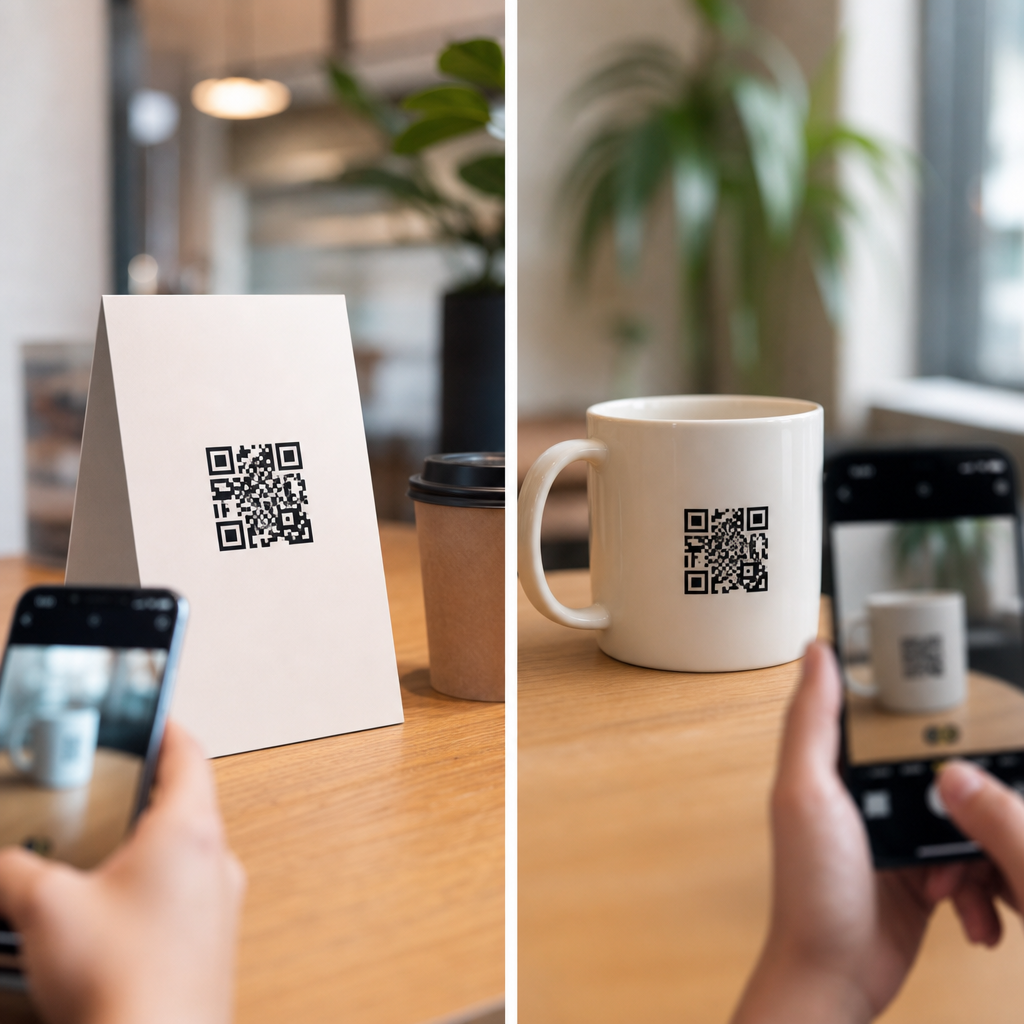
That is only one pattern. Service teams use QR codes on installed equipment so customers can open a case tied to a serialized asset. Sales teams add QR codes to one-pagers that open account-specific microsites and log engagement under campaigns. Retail and hospitality brands use dynamic QR codes on receipts or table tents to collect feedback and route it into Salesforce Service Cloud. In healthcare and higher education, QR codes can direct users to secure intake flows, though regulated industries must validate storage, consent, and data minimization carefully.
Dynamic codes are usually the better choice for Salesforce integrations because the destination can be changed without reprinting the code. They also support scan analytics such as timestamp, device type, and approximate location, depending on the platform. Static codes work for permanent destinations, but they limit optimization. If a campaign URL changes, the code is dead. For any program involving attribution or lifecycle measurement, dynamic QR management platforms give better control.
Integration Methods and Architecture Choices
There are three practical ways to integrate QR codes with Salesforce CRM. The first is direct form submission into Salesforce using native web-to-lead, web-to-case, or embedded forms from a connected app. This is quick and cost-effective, but web-to-lead has field and logic limitations, and it is not ideal for complex routing. The second is middleware using tools such as Zapier, Make, Workato, MuleSoft, or Tray.io. Middleware is useful when the scan data needs validation, enrichment, deduplication, or syncing across multiple systems before it lands in Salesforce. The third is custom integration through Salesforce APIs, Experience Cloud, Apex, Flow, and serverless endpoints. That option supports the strongest governance and deepest customization.
In most deployments, I recommend a lightweight architecture first: dynamic QR code platform, mobile-optimized landing page, form layer with hidden attribution fields, Salesforce campaign association, and Flow-based automation. Hidden fields should carry campaign ID, asset ID, location code, and UTM values. The landing page should also capture referrer, timestamp, and consent version where applicable. Once that foundation is stable, add enrichment through Clearbit, ZoomInfo, or internal lookup services, and then introduce lead scoring or routing logic.
| Use case | Recommended path | Why it works |
|---|---|---|
| Trade show lead capture | Dynamic QR to mobile form plus campaign member creation | Fast attribution, easy rep assignment, event reporting |
| Product packaging support | QR to case form linked to asset or order record | Reduces call volume and improves service context |
| Direct mail response | Personalized QR to landing page with hidden contact ID | Improves matching and conversion measurement |
| Field service equipment tags | QR to authenticated portal or case flow | Connects installed base to service history safely |
Data Mapping, Attribution, and Record Hygiene
The hardest part of using QR codes with Salesforce CRM is not generating the code; it is preserving data quality at scale. Every scan program should answer four questions before launch. Which Salesforce object will receive the interaction? Which fields are required? How will duplicate records be handled? How will campaign influence be credited? If those answers are vague, the reporting will be vague too.
For lead capture, standard fields usually include first name, last name, email, company, country, and opt-in status. Custom fields often include QR asset name, scan location, source medium, product line, and event identifier. If the same person scans twice, matching rules should determine whether Salesforce updates the existing contact, creates a new lead, or adds a campaign member response. Duplicate management tools inside Salesforce help, but many teams also run middleware checks against email, phone, or external ID before insert.
Attribution should be explicit. Use Salesforce Campaigns for every major QR initiative, then connect child campaigns to channels, regions, or assets. A code on booth signage should not roll into the same campaign as a code on sales collateral unless you truly want blended reporting. Multi-touch reporting improves when each scan source is distinguishable. UTM parameters remain useful because web analytics platforms still need them, but Salesforce-specific IDs are what preserve CRM-level accuracy.
Governance matters as well. Consent language should be versioned, forms should state the intended use of data, and retention policies should match legal obligations. If scans occur in the EU or California, review GDPR and CCPA implications, especially if geolocation or device metadata is collected. Trust is a performance variable, not just a legal checkbox; users complete forms more often when the request is proportionate and clearly explained.
High-Value Salesforce Use Cases by Team
Marketing teams use QR codes to bridge offline campaigns and digital nurture. A postcard can send recipients to a personalized landing page and add responders to a Salesforce campaign. A brochure can route prospects by product interest and geography. In Account-Based Marketing, sales development teams often place account-specific QR codes in dimensional mailers, then push scans into Salesforce for prioritized follow-up. When the code is unique to an account or contact, response tracking becomes much sharper than generic landing pages.
Sales teams benefit from speed. At events, a rep can display a QR code that opens a qualification form with owner assignment embedded. Instead of collecting business cards and entering notes later, the scan creates a lead, attaches it to the correct campaign, and triggers a task in Salesforce. I have seen response times drop from two days to under one hour with this setup, which materially improves conversion rates for high-intent inquiries.
Service teams often see the clearest operational gain. QR codes on devices, invoices, or welcome packets can direct customers to service flows that identify the installed product, warranty status, and account context before a case is opened. In Salesforce Service Cloud, this reduces triage time and improves first-contact resolution because the case arrives with structured metadata. Nonprofit and education teams use similar patterns for volunteer sign-ups, donation follow-up, campus tours, and resource requests.
Best Practices for Implementation and Measurement
Design the mobile experience first. Most scans happen on phones, so forms must load quickly, use short field sets, and support autofill. Keep the page focused on one action. If the goal is lead capture, avoid clutter that competes with completion. If the goal is self-service support, present the product or order lookup immediately. QR performance is strongly affected by context: code size, contrast, quiet zone, placement height, and surrounding copy all influence scan rate. ISO/IEC 18004 defines the technical standard for QR symbols, and following platform print guidelines reduces readability issues.
Measure the full funnel, not just scan volume. Useful metrics include scan-through rate by asset, landing page conversion rate, match rate to existing Salesforce records, lead-to-opportunity conversion, case deflection, average response time, and revenue influenced by campaign. Compare QR campaigns against non-QR controls when possible. A code that generates many scans but poor qualification may be less valuable than a lower-volume code tied to better-fit buyers.
This subtopic works best as a connected hub. From here, teams should go deeper into Salesforce campaign setup, personalized QR codes for direct mail, event lead capture workflows, service-case routing, Marketing Cloud journeys, and middleware patterns for validation and deduplication. Build one measurable use case first, document the field mapping and automation, and then expand the program with confidence. When QR codes are integrated thoughtfully with Salesforce CRM, each scan becomes usable customer intelligence rather than isolated traffic. Start with a single campaign, define the data model, and make every scan count.
Frequently Asked Questions
How are QR codes used with Salesforce CRM in real-world business workflows?
QR codes are used with Salesforce CRM to turn offline interactions into immediate, trackable digital actions that create or update records inside Salesforce. In practical terms, a customer, prospect, or technician scans a code on a product package, event badge, direct mail piece, in-store display, service vehicle, printed form, or sales collateral. That scan can send the person to a landing page, web-to-lead form, appointment scheduler, knowledge article, service request form, or campaign-specific microsite tied directly to Salesforce. Once the person completes the action, Salesforce can capture the submission as a Lead, Contact, Case, Opportunity influence event, or custom object record, depending on the workflow.
This is especially useful for teams that depend on speed and attribution. Marketing teams can place unique QR codes on print ads, brochures, signage, and mailers so campaign responses flow into Salesforce with source tracking already attached. Sales teams can use QR codes at trade shows or in one-to-one outreach to route prospects to personalized forms and reduce manual follow-up. Field service teams can place QR codes on equipment so customers or technicians can pull up asset details, submit service requests, or access support content connected to Salesforce Service Cloud. Retail teams can use codes on shelves, packaging, or receipts to gather customer interest, warranty registrations, and post-purchase feedback. In each case, the QR code acts as the bridge between a physical moment and a structured CRM event.
The biggest operational advantage is that the scan can start a standardized process instead of relying on handwritten notes, delayed uploads, or fragmented spreadsheets. That leads to cleaner data, faster response times, and more complete visibility across departments. Rather than asking whether someone engaged with a campaign or service asset, teams can see exactly when the scan happened, what asset or campaign drove it, what form was completed, and what next step was triggered in Salesforce.
What are the main benefits of connecting QR code scans to Salesforce lead capture and campaign tracking?
The main benefits are faster lead capture, better data quality, stronger attribution, and more measurable offline marketing performance. When a QR code is tied to a Salesforce process, it removes much of the friction that typically slows down lead collection. Instead of collecting business cards, manually typing contact details after an event, or asking people to remember a URL, you let them scan and respond immediately. That speed matters because every extra step reduces conversion rates. A simple scan-to-form experience can significantly improve the number of leads captured while also getting the information into Salesforce in a format the team can use right away.
Data quality also improves because the person often enters their own information directly into a mobile-friendly form, which reduces transcription errors. Standardized required fields, field validation, hidden campaign values, and routing logic make the resulting records much cleaner than data collected manually in the field. If the process includes duplicate management rules or matching logic in Salesforce, teams can also reduce duplicate lead creation and maintain a more accurate contact database over time.
Campaign tracking is where QR code integrations become especially valuable. Each QR code can represent a specific campaign, channel, audience segment, event location, printed asset, store, product line, or sales rep. That means a direct mail drop, conference booth, product insert, outdoor sign, or in-person service interaction can all be measured with far more precision. In Salesforce, that tracking can be connected to Campaigns, Campaign Members, custom reporting, and downstream pipeline analysis. Teams can then evaluate not just scan volume, but form completion rates, sales-qualified leads, opportunities created, revenue influenced, cases opened, appointments booked, and other meaningful business outcomes.
For organizations trying to connect offline and online marketing, this is a major advantage. QR codes provide a practical way to prove which physical touchpoints generate engagement and revenue. Instead of relying on assumptions about print or event ROI, teams can use Salesforce reporting to understand performance in concrete terms and optimize future campaigns accordingly.
What Salesforce data and automations can be triggered after someone scans a QR code?
A QR code scan itself usually sends the user to a digital destination, and the actions completed there can trigger a wide range of Salesforce data creation and automation. The most common outcome is lead capture through a form that creates a Lead or updates an existing Contact. However, the possibilities go much further depending on the business process. A scan can initiate event registration, create a Case, submit a service request, register a product, check in for an appointment, confirm attendance, launch a survey, or start a guided support workflow. In Salesforce, these actions can map to standard objects such as Leads, Contacts, Accounts, Cases, Campaigns, and Opportunities, or to custom objects built for specialized operational use cases.
Once the data enters Salesforce, automation can handle the next steps immediately. Flow, Process automation patterns, assignment rules, auto-response emails, task creation, lead scoring, queue routing, and notifications can all be triggered based on the scan source and submitted data. For example, a QR code scanned at a trade show booth can add the person to a campaign, assign the lead to the correct territory rep, create a follow-up task, and trigger a thank-you email with relevant resources. A QR code on installed equipment can identify the asset, open a service case, notify the field service team, and prioritize the issue based on warranty status or product type.
Organizations can also use query parameters, hidden form fields, or unique code destinations to pass contextual details into Salesforce, such as campaign ID, location, product SKU, event name, rep identifier, mail segment, language preference, or service region. This makes downstream automation much more intelligent because Salesforce is not just receiving a generic inquiry; it is receiving an inquiry with source context already attached. That context supports routing, personalization, reporting, and SLA management without asking the customer to manually explain where they came from.
In more advanced implementations, QR code activity can also feed marketing automation platforms connected to Salesforce, helping teams support nurture sequences, retargeting, lifecycle scoring, and account engagement strategies. The real value is that one scan can launch a complete operational sequence instead of simply recording a click.
What should businesses consider when implementing QR codes with Salesforce to ensure clean data and a smooth user experience?
Successful implementation depends on three areas: user experience, data architecture, and reporting strategy. From the user experience side, the destination behind the QR code should be mobile-friendly, fast-loading, and tightly aligned with the context of the scan. If someone scans a code from a direct mail piece or event sign, they should land on a page that clearly matches that offer or purpose. The form should be short enough to complete on a phone, with only the fields necessary for the next step. Long forms, slow pages, unclear value propositions, or generic landing pages will hurt conversion rates even if the QR code itself is scanned often.
From the Salesforce data perspective, businesses should define exactly what object the submission should create or update, how duplicate handling will work, what source values need to be captured, and how records should be routed. It is important to standardize campaign naming conventions, source tracking fields, and parameter structures before launching at scale. If every team creates QR codes differently, reporting becomes inconsistent and the CRM fills with messy source data. A well-designed framework should specify how campaign IDs, asset names, locations, dates, channels, and business units are encoded or passed into Salesforce.
Security and trust should also be considered. Users are more likely to scan and complete an action when the branding is recognizable and the landing page feels legitimate. Businesses should use secure URLs, clear branding, and privacy-friendly form practices. If personal data is being collected, consent language and compliance requirements should be built into the flow. This matters not only for legal reasons but also for conversion, since users are more willing to submit information when the experience appears professional and transparent.
Testing is another essential step. Teams should test every QR code across multiple devices, verify that parameters pass correctly into Salesforce, confirm that automation fires as expected, and validate that reporting reflects the intended source and campaign structure. A small tracking mistake can distort attribution across an entire campaign. Finally, businesses should think beyond launch and plan for ongoing governance. QR codes used in print, packaging, or signage often remain active for long periods, so URLs, routing logic, and Salesforce dependencies must be maintained over time to avoid broken experiences and lost data.
Can QR codes help Salesforce teams measure offline marketing, field service, retail, and event performance more accurately?
Yes, that is one of their strongest advantages. QR codes give Salesforce teams a measurable digital signal from interactions that would otherwise be difficult to attribute. Offline channels such as direct mail, in-store signage, packaging inserts, trade show displays, sales handouts, service documentation, and product labels often generate interest, but without a trackable mechanism, it can be hard to know which asset drove action. By assigning a unique QR code to each campaign, location, touchpoint, or audience segment, teams can capture performance with much more granularity inside Salesforce.
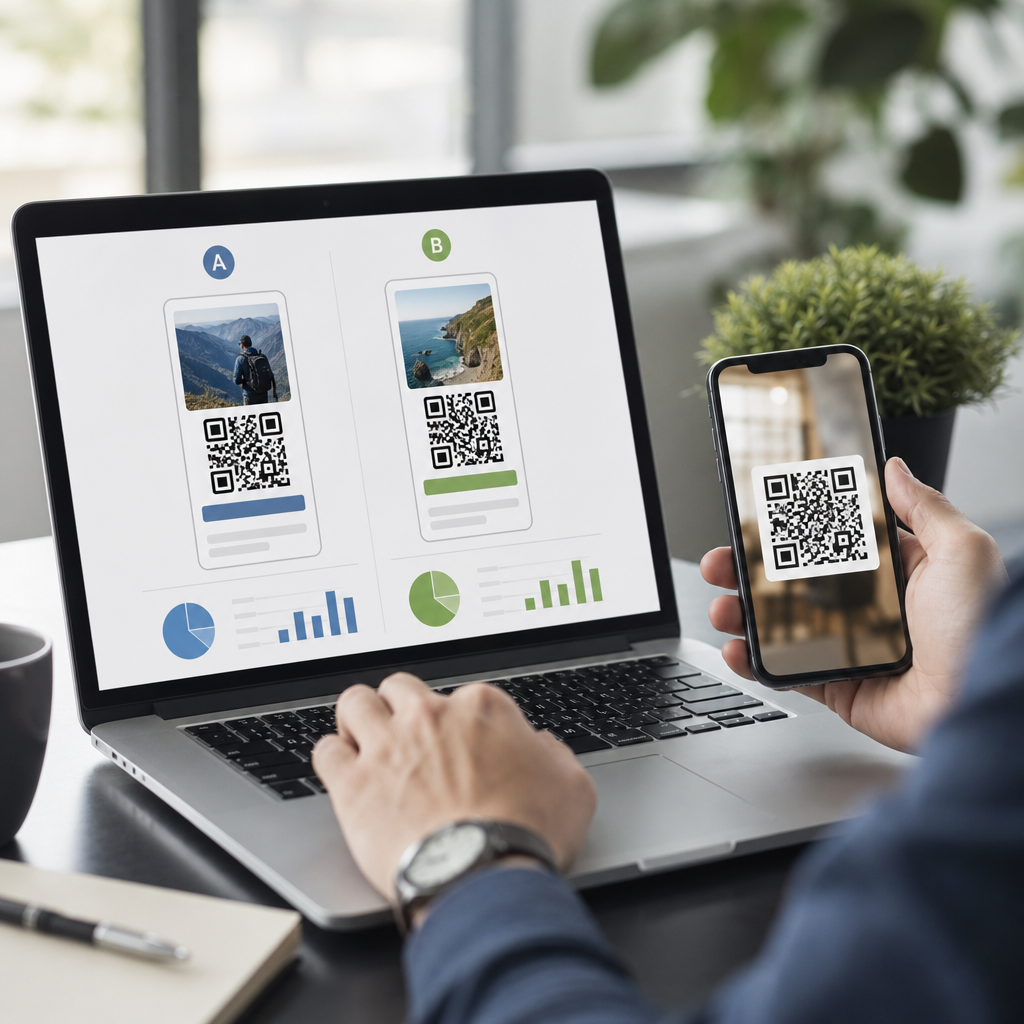
For marketing, this means direct mail and print campaigns no longer need to be evaluated only by broad lift or anecdotal feedback. A code on each mailer version, publication ad, or event graphic can feed responses directly into Salesforce Campaigns and associated reports. Teams can compare scans, conversions, influenced pipeline, and closed revenue across channels and creative variants