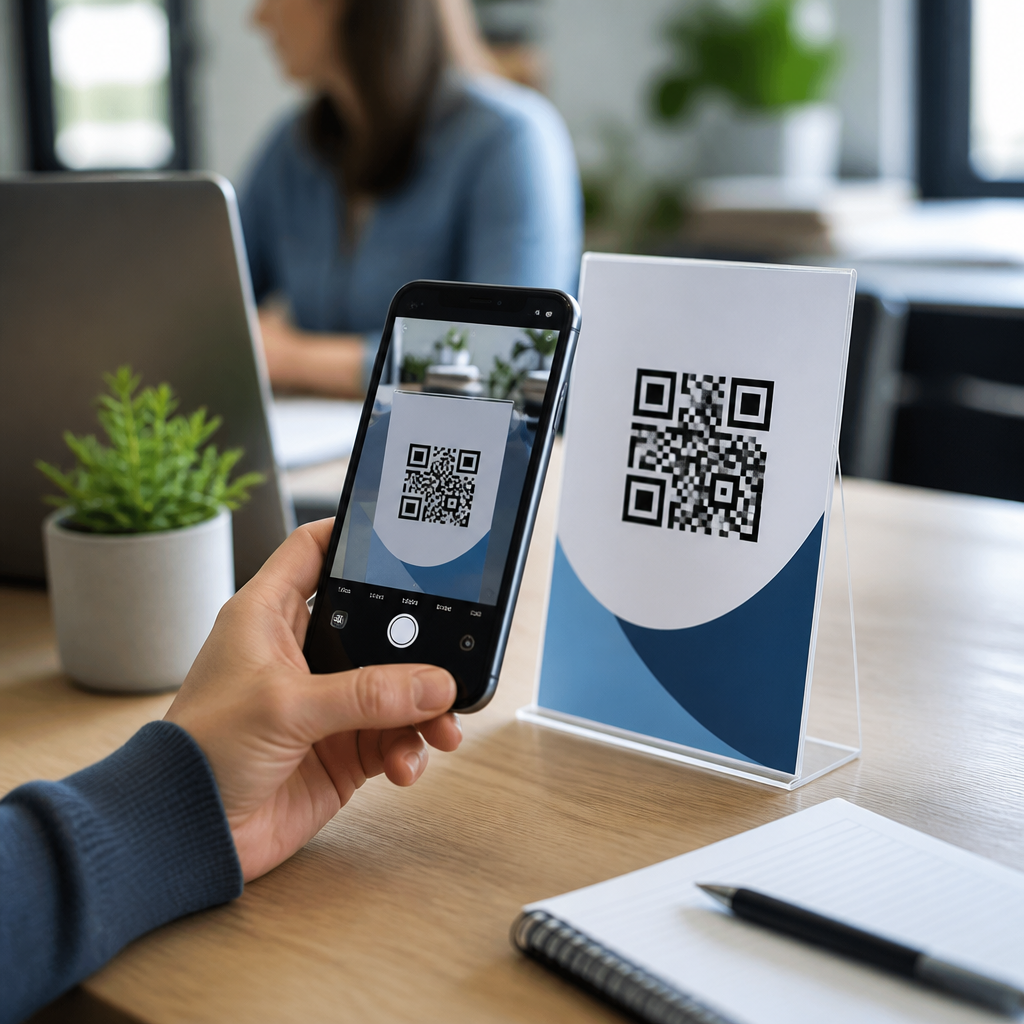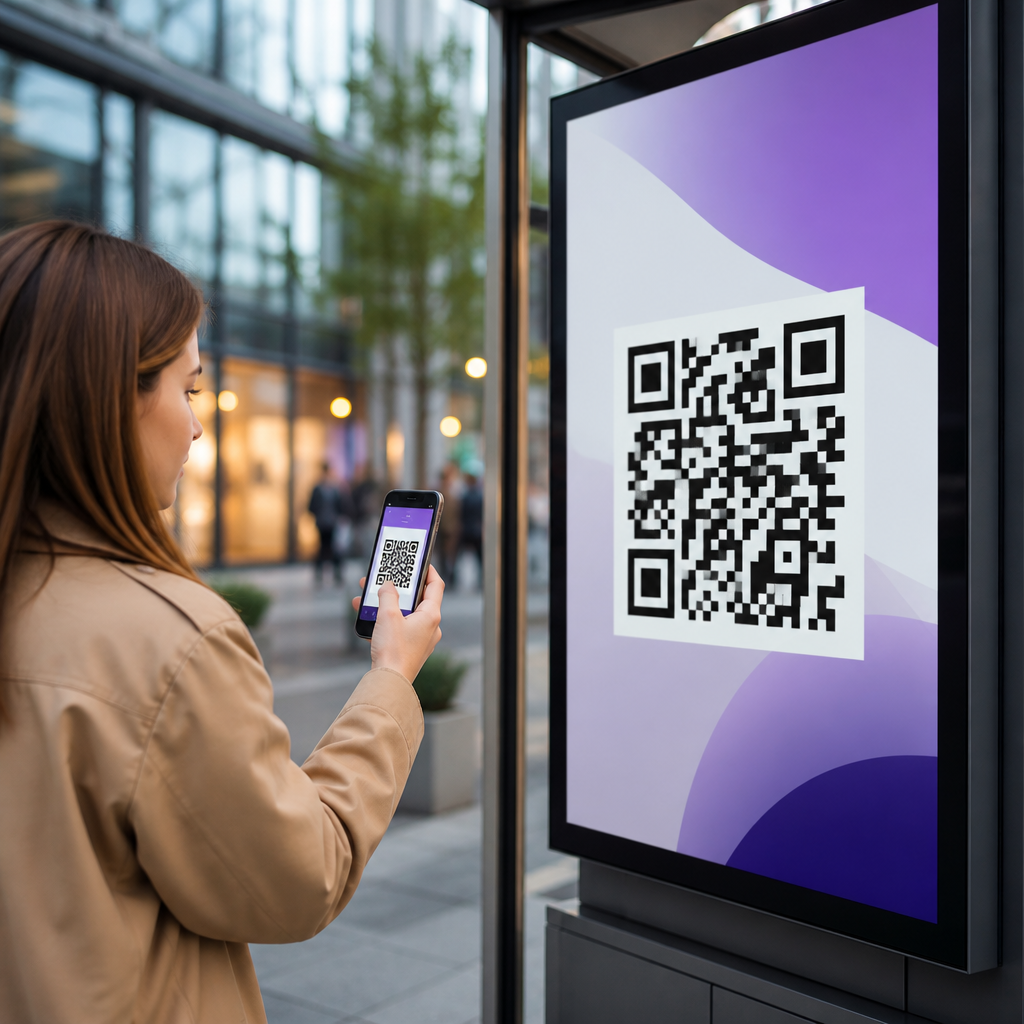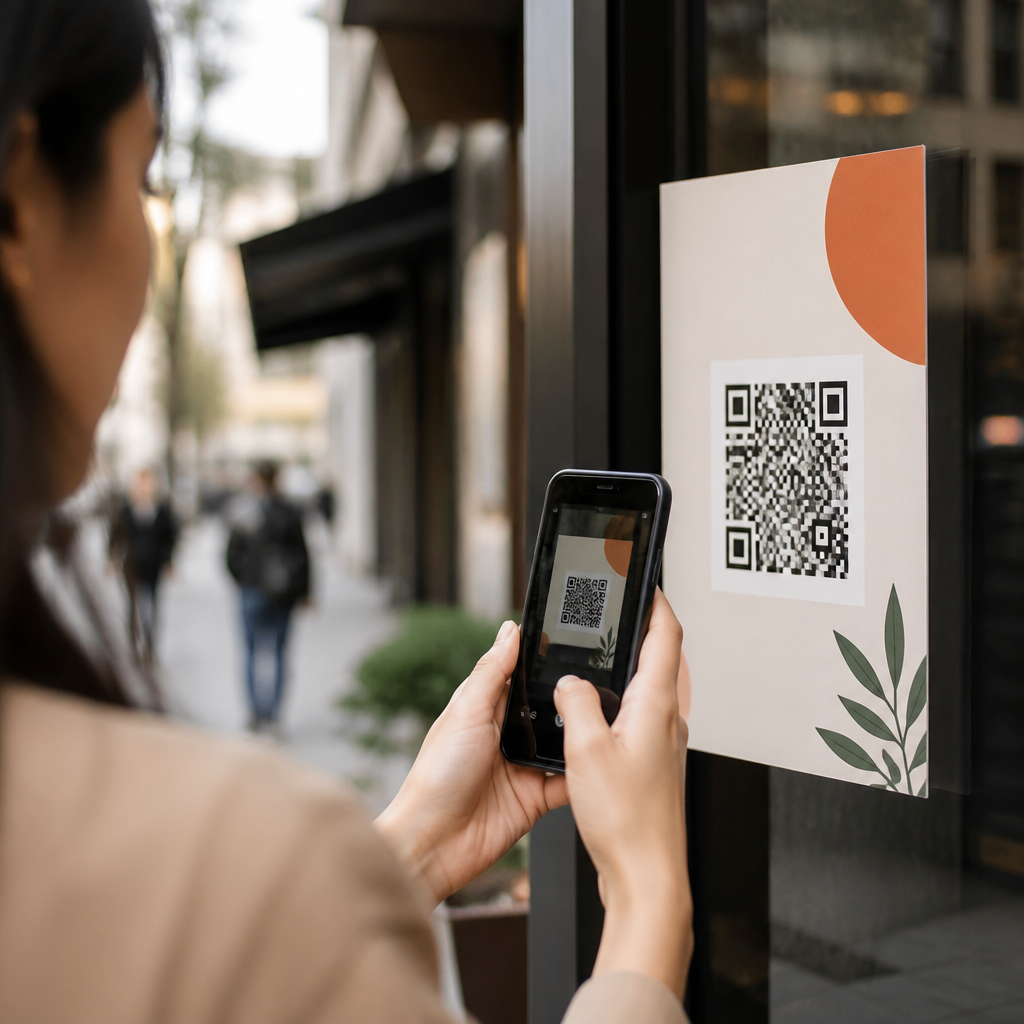
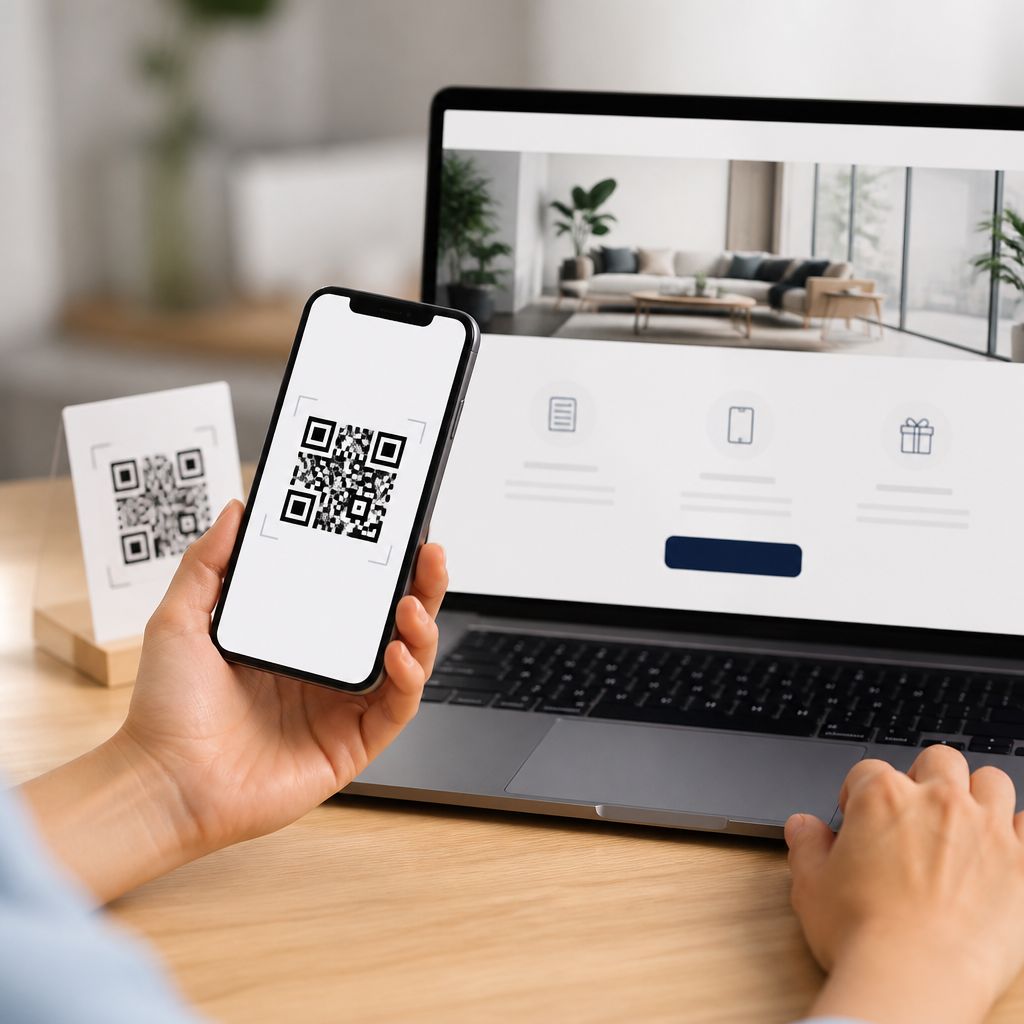
QR code landing pages turn a quick scan into a measurable marketing action, and when they are designed well, they can generate leads at a lower cost than many paid channels. A QR code landing page is a mobile-first page built specifically for people who arrive by scanning a code from packaging, direct mail, posters, event signage, menus, product inserts, or retail displays. The goal is not simply to receive traffic. The goal is to convert intent in the moment, when attention is highest and friction must be lowest. In my work on retail campaigns, trade show programs, and local service promotions, the highest-performing pages always shared the same traits: message match, fast load speed, clear value, and tracking that connected scans to qualified leads.
This matters because QR code traffic behaves differently from desktop search traffic or social clicks. A person scanning from a flyer is often standing, walking, commuting, or making a purchase decision in real time. They expect immediate relevance. If the page is slow, cluttered, or asks for too much information, the opportunity disappears. Mobile usability standards from Google and conversion research from Baymard Institute consistently point to the same truth: fewer steps, stronger relevance, and clearer calls to action improve completion rates. For marketers focused on QR codes for lead generation, the landing page is the asset that determines whether scans become emails, booked demos, coupon redemptions, quote requests, or store visits.
To create QR code landing pages that convert, start with the mechanics. Use a dynamic QR code whenever possible so the destination can be updated without reprinting the code. Build the page around one conversion goal, such as downloading a guide, claiming an offer, joining a waitlist, or scheduling a consultation. Match the page headline to the promise made near the code. If the poster says “Get 15% off today,” the landing page should repeat that exact offer above the fold. Keep forms short, compress images, use readable text, and track every visit with analytics and tagged URLs. Those fundamentals make this article the central guide for building lead generation campaigns around mobile QR code scans.
Start With Intent, Offer, and Message Match
The strongest QR code landing pages begin before the page is designed. They begin with scan intent. Why is the person scanning, and what do they expect to receive in the next ten seconds? Someone scanning a code on product packaging may want setup instructions, warranty registration, a rebate, or replenishment reminders. Someone scanning at a trade show may want a spec sheet, a price list, or a meeting request. Someone scanning a restaurant table tent may want loyalty rewards. Each context changes the page structure, the offer, and the level of proof required.
Message match is the nonnegotiable principle. If the QR code appears next to “See floor plans,” do not send visitors to a generic home page for a real estate brand. Send them directly to the floor plan page for that property, with financing details and a lead form. If the mailer says “Scan for a free skin assessment,” the page should open with that exact phrase, explain what the assessment includes, and show how long it takes. In campaigns I have audited, sending QR traffic to a broad site page instead of a dedicated page routinely cut conversion rates because visitors had to hunt for the promised asset.
The offer also needs to fit the commitment level. Cold traffic from outdoor signage usually converts better on low-friction offers such as coupon access, giveaway entry, store locator pages, or educational downloads. Warmer traffic from existing customers can support stronger asks like account registration, consultation requests, or accessory upsells. Good lead generation comes from aligning the value exchange with buyer readiness, not from using the same form everywhere.
Build for Mobile Speed and Frictionless Conversion
Because QR scans happen on phones, mobile performance is the foundation. Aim for a page that loads in under three seconds on standard cellular connections. Compress hero images, limit custom scripts, and avoid pop-ups that block the content immediately after load. Google PageSpeed Insights and Lighthouse are practical tools for identifying render-blocking resources, oversized media, and layout shifts. If your QR page relies on heavy video autoplay or third-party widgets, expect abandonment to increase.
Above the fold, a converting layout usually includes five elements: a headline that matches the scan prompt, a short benefit statement, one primary call to action, supporting proof, and a simple form or button. Keep the first screen focused. Many QR pages fail because they present too many choices: social links, navigation menus, multiple offers, and long brand stories. The page should behave like a guided path, not a brochure.
Forms deserve special attention. On mobile, every extra field reduces completions. Ask only for what the sales or fulfillment process truly needs. For a coupon or content download, first name and email may be enough. For a service quote, zip code and phone number may be justified. Use autofill, large tap targets, and the correct input types for email, phone, and numeric entries. State what happens after submission, such as “We will text your voucher now” or “A product specialist will reply within one business day.” Specific expectations reduce hesitation.
| QR lead generation scenario | Best landing page goal | Recommended CTA | Key fields |
|---|---|---|---|
| Retail poster | Coupon claim | Get my discount | |
| Trade show booth | Demo request | Book a walkthrough | Name, work email, company |
| Product packaging | Warranty registration | Register product | Email, product ID |
| Direct mail flyer | Estimate request | Get my quote | Name, zip code, phone |
| Restaurant table tent | Loyalty signup | Join rewards | Phone or email |
Use Persuasive Content That Answers Immediate Questions
People scanning QR codes usually have practical questions: What do I get? How long will it take? Is this worth my information? Can I trust this brand? Your page should answer those questions in plain language within seconds. Lead with the outcome, not internal company language. “Get a same-day roofing estimate” is stronger than “Request service information.” “See a 60-second demo of our POS system” is stronger than “Learn more.”
Support the main promise with concise proof. That proof can include customer ratings, number of clients served, delivery timeframes, refund terms, product certifications, or recognizable logos if you have permission to display them. For healthcare, finance, education, and other regulated categories, use compliant wording and avoid exaggerated claims. Trust is especially important on QR pages because users may have encountered the code offline with limited context. Include a visible brand name, privacy link, and contact option.
Real-world examples show how specificity improves conversion. A gym promotion that says “Scan to start your 7-day pass” should explain whether a credit card is required, which locations participate, and whether classes are included. An apartment community using QR codes on signage should show current pricing, unit availability, pet policy highlights, and a clear “Schedule a tour” button. A B2B manufacturer using codes in brochures should offer a datasheet, compliance details, and a consultation path for technical buyers. Specifics reduce ambiguity, and reduced ambiguity increases response.
Track Scans, Attribute Leads, and Improve Results
If you cannot attribute scans to leads, you cannot scale the channel confidently. Every QR campaign should use tagged destination URLs with source, medium, campaign, and placement parameters. A code on packaging should be tracked separately from a code on shelf talkers or event badges. Dynamic QR platforms such as Bitly, QR Code Generator Pro, Beaconstac, and Flowcode can provide scan counts, timestamps, device data, and location insights. Pair that data with Google Analytics 4 events and your CRM to see not just scans, but qualified leads and revenue.
Measure the full funnel. Important metrics include scan rate by placement, landing page conversion rate, form completion rate, cost per lead, lead quality, appointment show rate, and downstream sales. For in-store promotions, coupon redemption and store visit lift matter. For B2B, meeting requests and pipeline contribution matter more than raw volume. This is why QR codes for lead generation should be treated as a measurable acquisition channel, not a novelty tactic.
Testing should be continuous. Change one variable at a time: headline, CTA wording, offer type, form length, hero image, or proof element. Compare “Claim your sample” against “Get a free sample today.” Test whether a two-step form outperforms a single longer form. Evaluate whether SMS lead capture converts better than email in environments where mobile users want instant delivery. When scans come from multiple offline placements, create dedicated variants. A trade show audience often responds to different messaging than apartment residents or grocery shoppers.
Make This Hub the Foundation of Your QR Lead Strategy
A high-converting QR code landing page is not complicated, but it is precise. Start with the scan context, build a page for one audience and one action, match the message exactly, and remove every form of mobile friction. Use dynamic codes, fast pages, clear offers, short forms, and credible proof. Then connect scans to analytics and CRM reporting so you can see which placements and offers produce qualified leads, not just traffic. These are the practices that consistently lift performance across retail, events, hospitality, real estate, healthcare, and B2B campaigns.
As the central guide within a broader mobile QR code marketing program, this hub should anchor your work on QR codes for lead generation. From here, branch into related topics such as dynamic versus static QR codes, QR code design best practices, event lead capture workflows, SMS opt-in compliance, coupon tracking, and landing page A/B testing. Build each campaign around the user’s immediate question and desired outcome. If you do that, your QR scans will stop being passive interactions and start becoming a dependable source of measurable leads. Review your current QR placements, create one dedicated landing page for your highest-value use case, and test it this week.
Frequently Asked Questions
What makes a QR code landing page different from a regular landing page?
A QR code landing page is designed for a very specific moment: someone scans a code from a physical object and arrives on your page with immediate, high-intent curiosity. That context changes everything. Unlike a standard landing page that may be visited from search, social, or paid ads on a desktop or mobile device, a QR code landing page must assume the visitor is on a phone, often standing, moving, in a store, at an event, or in the middle of another task. That means the page has to load fast, communicate value instantly, and make the next step feel effortless.
The best QR code landing pages are mobile-first by default. They use clean layouts, short sections, strong headlines, large tap targets, limited distractions, and one clear call to action. They also match the scan context. A code on product packaging may lead to setup instructions, a special offer, or loyalty signup. A code on event signage may lead to registration, a map, or a lead capture form. A code on direct mail may connect to a personalized promotion or appointment booking page. In every case, the page should continue the message and promise of the offline asset that generated the scan.
Another major difference is measurement. QR campaigns bridge offline and online behavior, so the landing page should be part of a trackable funnel. That includes unique URLs or dynamic QR codes, campaign parameters, event tracking, and conversion goals tied to the specific placement of the code. In short, a regular landing page often captures broad traffic, while a QR code landing page is built to convert moment-based intent with speed, clarity, and precise attribution.
What elements should every high-converting QR code landing page include?
Every high-converting QR code landing page should start with a clear headline that immediately confirms the visitor is in the right place. When someone scans a code, they expect instant relevance. If the headline does not align with the packaging, sign, flyer, menu, or display they just saw, friction rises and conversions drop. The first screen should explain the offer or next step in plain language, supported by a concise subheading that answers, “Why should I do this now?”
A strong call to action is essential, and it should appear above the fold. Whether the goal is to claim a discount, book a demo, download a guide, join a loyalty program, register for an event, or make a purchase, the CTA should be obvious and singular. Multiple competing actions dilute attention. The most effective pages guide visitors to one primary outcome, with supporting content only where it helps reduce hesitation.
Trust signals also matter, especially because QR scans can sometimes make users cautious. Include recognizable branding, secure form handling, customer reviews, testimonials, product ratings, certification badges, privacy reassurance, or concise social proof. If a form is required, keep it short. Ask only for the information needed to complete the conversion. On mobile, every extra field adds friction.
Finally, high-performing QR landing pages include practical usability details: fast load times, responsive design, readable text, compressed images, easy navigation, and a layout that works smoothly on smaller screens. If applicable, they may also include click-to-call buttons, wallet pass downloads, location directions, or autofill-friendly forms. The goal is to remove barriers between scan and action so the page feels seamless, trustworthy, and easy to complete in under a minute.
How can I optimize a QR code landing page for conversions on mobile devices?
Mobile optimization is not optional for QR code landing pages. It is the foundation of performance. Start with speed. Since most users arrive from a scan on their phone, often using cellular data, the page should load in just a few seconds or less. Compress images, minimize scripts, avoid heavy animations, and use a lightweight structure that delivers the key message fast. If the page hesitates, many users will leave before they even see the offer.
Next, design for one-handed use and short attention spans. Important information should appear immediately without forcing users to scroll through long introductions. Use large fonts, strong contrast, generous spacing, and clearly tappable buttons. Keep forms compact and mobile-friendly, and use input types that make completion easier, such as number keyboards for phone fields or email-specific input for email addresses. Autofill support and smart defaults can significantly increase completion rates.
It is also important to reduce cognitive load. A QR landing page should not feel like a full website. Remove unnecessary menu options, limit outbound links, and keep the visitor focused on one desired action. If supporting details are needed, organize them in short sections, bullets, accordions, or visual blocks that are easy to scan. Mobile users do not want to dig for answers while standing in an aisle, at a trade show booth, or reading a postcard at their kitchen counter.
Finally, test the full experience in real-world conditions. Scan the code from actual printed materials, on different phone types, in different lighting environments, and on varying connection speeds. Make sure the code is easy to scan, the page loads quickly, the message matches the source, and the CTA is frictionless. Mobile conversion optimization for QR pages is less about decoration and more about clarity, speed, and convenience in the exact moment of intent.
How do I measure the success of a QR code landing page?
Success starts with defining the conversion goal before the campaign launches. For some brands, that goal is lead generation through a form fill. For others, it may be a product purchase, coupon redemption, appointment booking, app download, menu view, email signup, or phone call. Without a clear primary action, it becomes difficult to evaluate whether the landing page is actually converting meaningful intent or simply attracting traffic.
Once the goal is defined, track the full path from scan to outcome. Use unique campaign URLs, UTM parameters, or dynamic QR codes so you can identify where each scan came from. This is especially important if the same campaign appears across packaging, posters, direct mail, retail displays, and event signage. Each placement can perform differently, and source-level data helps you understand which offline touchpoints create the best downstream results.
Core metrics typically include scan volume, landing page sessions, bounce rate, time on page, CTA clicks, form completion rate, conversion rate, and cost per conversion. If you are comparing QR campaigns with other channels, look at lead quality and customer acquisition cost as well. A QR code landing page may generate fewer visits than a broad digital campaign, but if the traffic is more intentional and converts at a lower cost, it can be far more valuable.
It is also smart to measure drop-off points. If many users scan but do not interact, the issue could be poor message match, slow load speed, weak design, or a confusing CTA. If users start a form but abandon it, the form may be too long or require too much effort. Ongoing testing is what turns data into performance gains. By measuring not just scans but completed actions, you can refine the page and prove the real business impact of your QR campaign.
What are the most common mistakes that prevent QR code landing pages from converting?
One of the biggest mistakes is sending scanners to a generic homepage instead of a purpose-built landing page. When users scan a QR code, they expect a direct, relevant experience tied to the context of the code. A homepage forces them to navigate, search, and interpret what to do next. That extra effort often kills momentum. The page should continue the exact conversation started by the physical asset and offer a clear next step immediately.
Another common issue is weak mobile usability. Tiny text, cluttered layouts, slow pages, hard-to-tap buttons, intrusive pop-ups, and long forms can all hurt performance. Since QR scans are overwhelmingly mobile, any friction that might be tolerated on desktop becomes much more damaging on a phone. Brands also make the mistake of overloading the page with too much information. A QR landing page is not the place for every product detail, every navigation link, and every possible offer. Focus converts better than completeness.
Poor message match is another major conversion blocker. If a code promises “Get 20% Off” but the page opens with a vague brand statement or asks users to hunt for the discount, trust erodes quickly. The same is true for event codes that lead to generic pages, menu codes that require multiple clicks, or packaging codes that fail to explain why the visitor should engage. The landing page should visually and verbally confirm the promise made before the scan.
Finally, many businesses underinvest in tracking and testing. If you cannot tell which QR placements drive results, where users drop off, or which page version converts better, you are missing the opportunity to improve ROI. The highest-converting QR code landing pages are rarely created by accident. They are built with intent, measured carefully, and refined over time to reduce friction and capitalize on the peak attention that a scan creates.