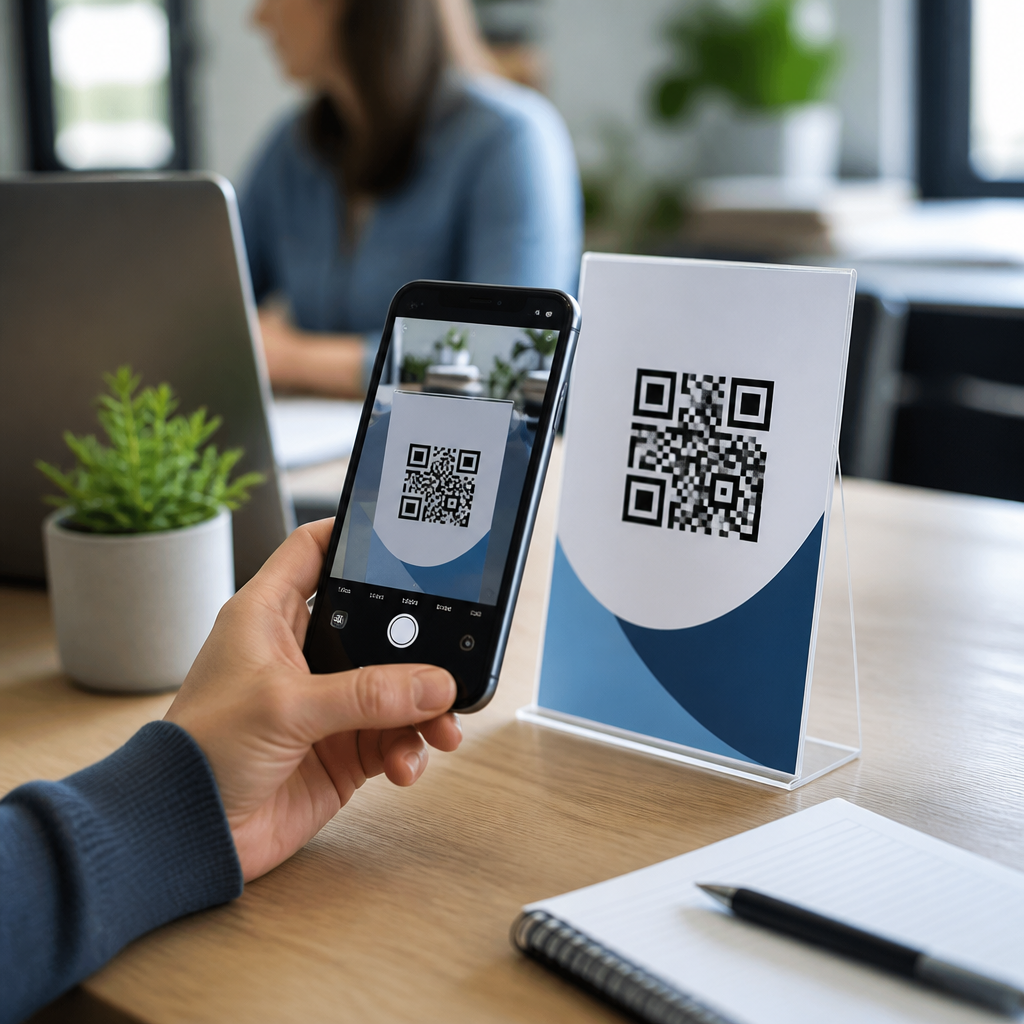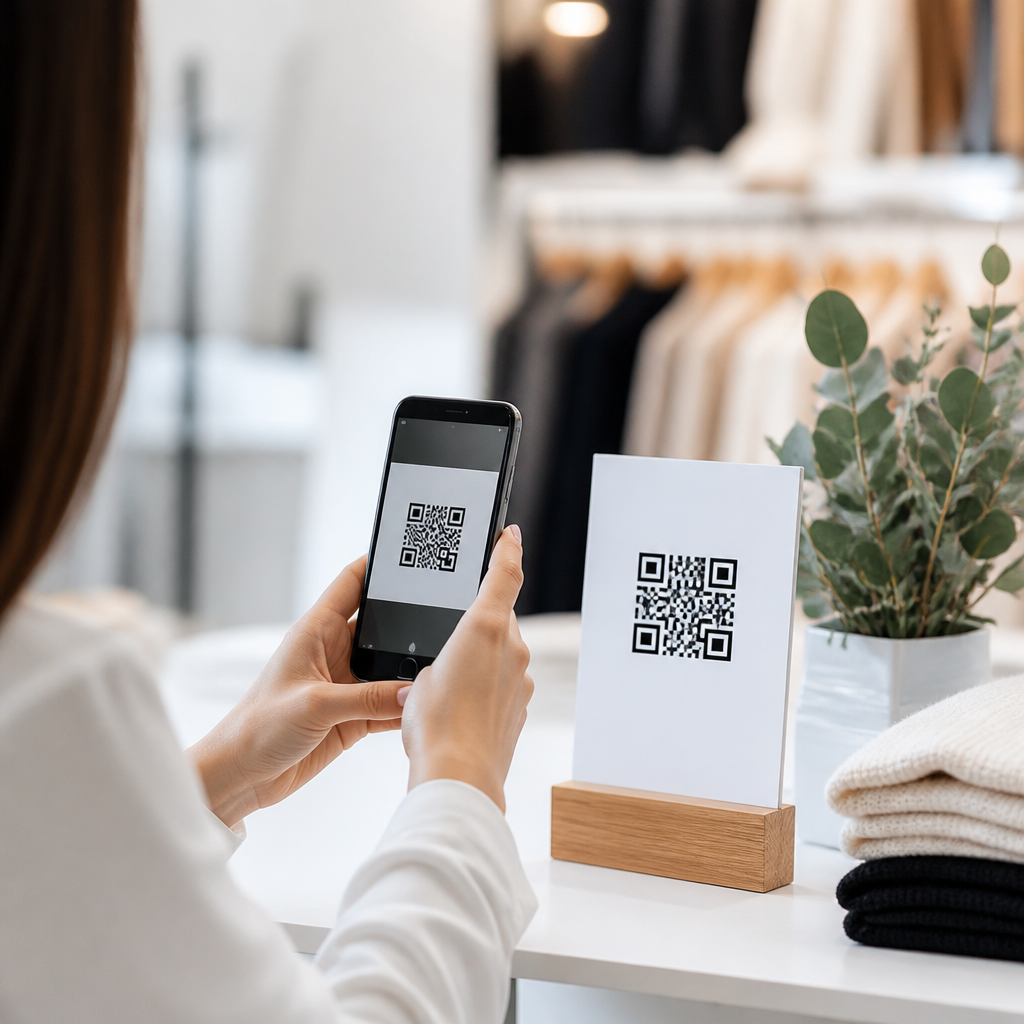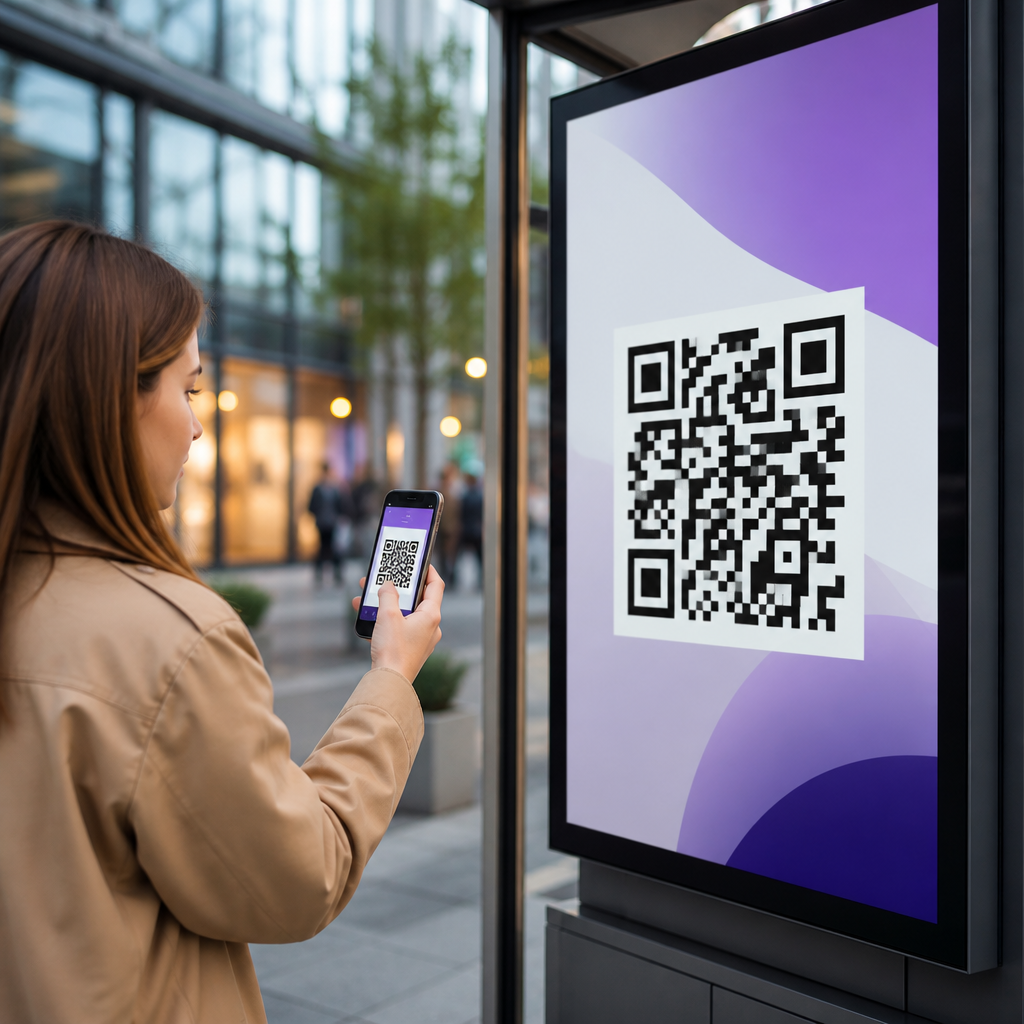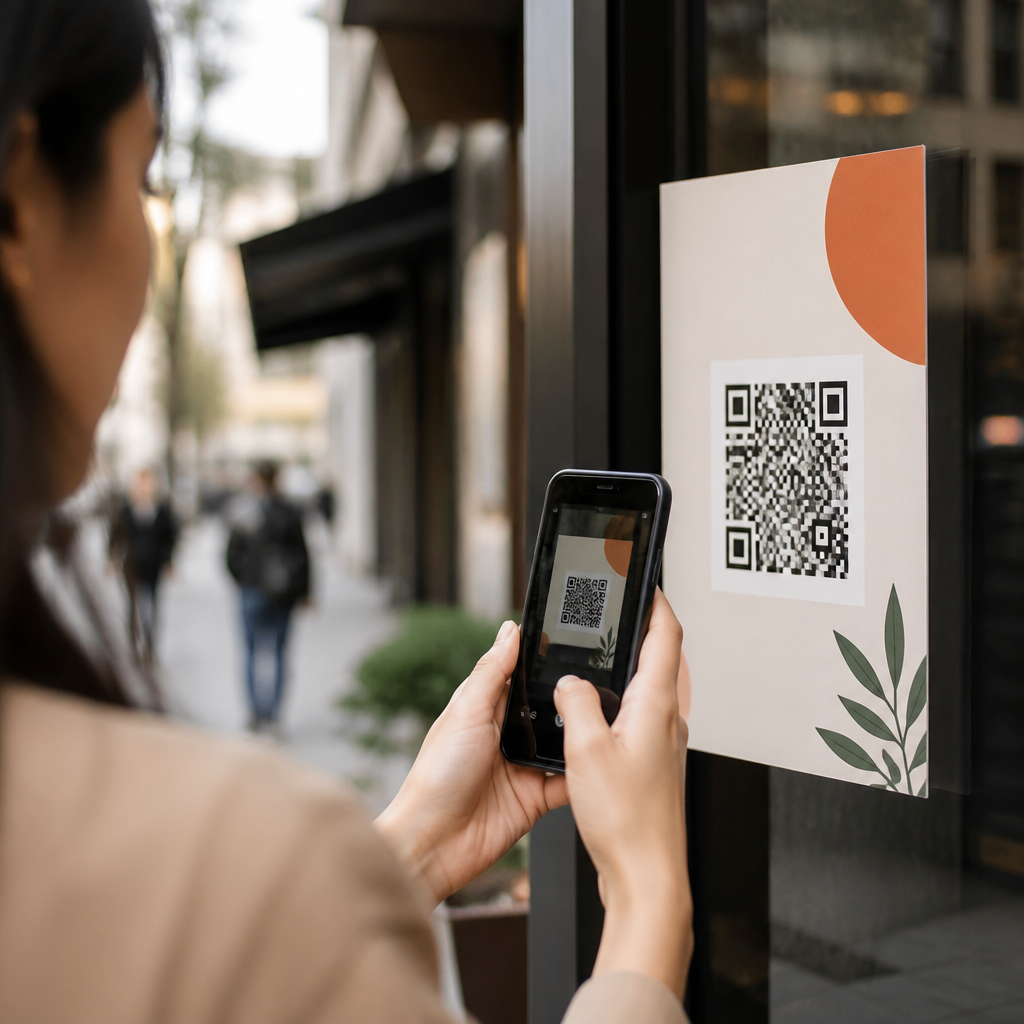
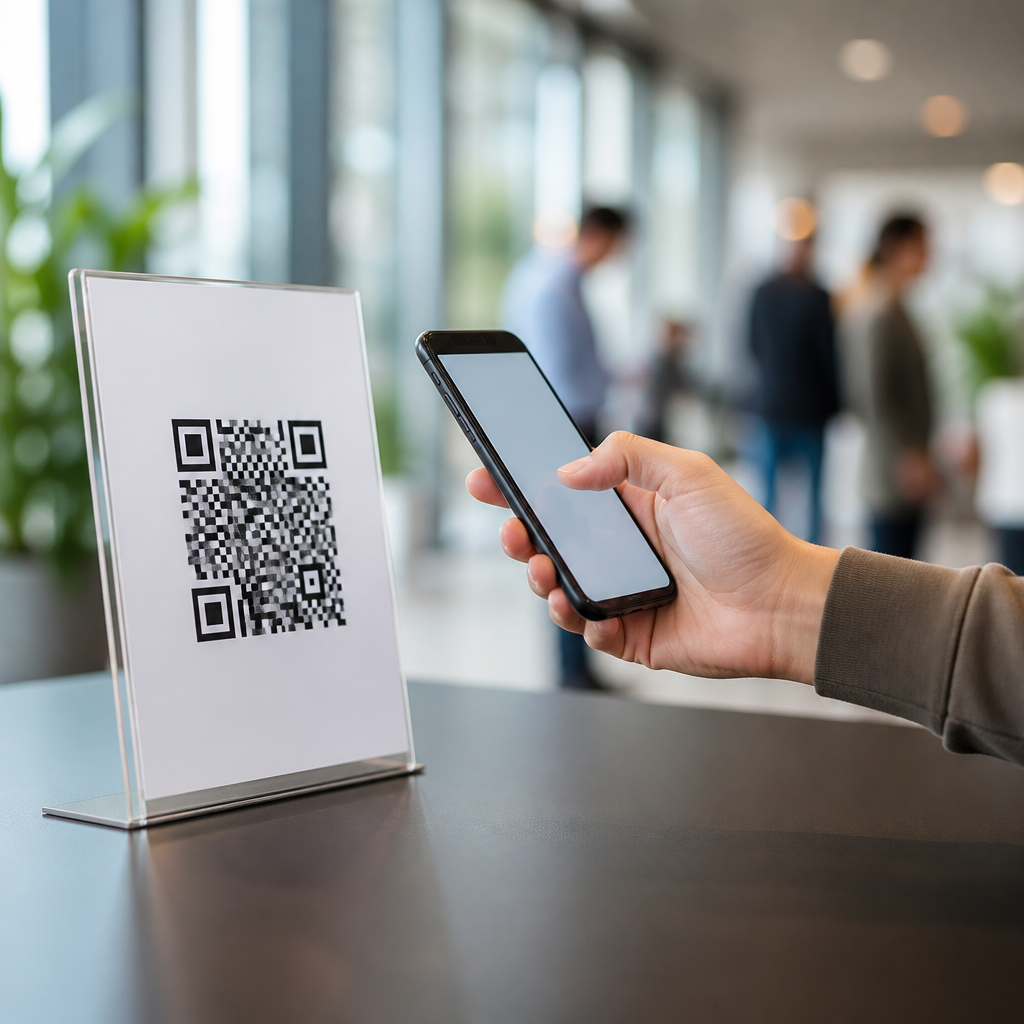
QR codes for SMS lead generation campaigns turn offline attention into measurable, permission-based conversations on a mobile phone. In practical terms, a QR code is a scannable matrix barcode that opens a destination instantly, while SMS lead generation is the process of capturing and nurturing prospects through text messaging. When these two tools are paired, a printed sign, product package, direct mail piece, event badge, or storefront window can trigger a text message workflow with almost no friction. That matters because speed and simplicity determine response rates. The best campaigns remove typing, reduce landing-page drop-off, and connect prospects to a channel they already use daily.
I have seen this work best when marketers treat the QR code as the entry point, not the campaign itself. A QR code can prefill a text to a short code or long number, open a messaging app with a keyword, or route users to a mobile form that explicitly requests SMS consent. The goal is not just scans. The goal is qualified leads who have clearly opted in, can be segmented, and can move into follow-up sequences without manual work. For businesses that rely on local foot traffic, field sales, trade shows, packaging inserts, or printed promotions, QR codes bridge physical media and mobile lead capture better than nearly any other tactic.
This hub explains how to use QR codes for lead generation through SMS, what campaign structures convert, which compliance rules matter, and how to measure real performance. It also clarifies an important distinction: generating a lead is different from generating a subscriber list. Effective SMS lead generation captures consent, source attribution, and enough context to support relevant follow-up. Without those pieces, scan activity looks promising but produces weak pipeline value. With them, QR codes become a durable acquisition asset inside a broader mobile QR code for marketing strategy.
How QR Codes Drive SMS Lead Generation
QR codes support SMS lead generation by reducing the number of steps between interest and action. A user sees an offer, scans the code, and is taken directly into a text interaction or mobile signup path. This is especially useful in environments where typing a URL, remembering a keyword, or filling a long form would lower conversion. In retail, for example, an in-store sign can say “Scan for a 15% welcome text offer.” The scan opens a preaddressed SMS draft with the keyword JOIN, which the shopper sends in one tap. The business immediately records the opt-in, applies the source tag “store signage,” and triggers an automated welcome flow.
There are two primary execution models. The first is direct-to-SMS, where the QR code opens the native messaging app with the recipient number and message body prefilled. This is simple and fast, and it works well when the core objective is text opt-in. The second is QR-to-mobile landing page, where the code opens a lightweight page that explains the value exchange, captures consent, and may ask one or two qualifying questions before the user submits a phone number. I typically recommend direct-to-SMS for high-intent, low-complexity offers and a landing page when qualification or legal disclosures need more space.
The strongest campaigns use a compelling reason to act now. Discounts can work, but they are not the only trigger. Early access, appointment reminders, quote requests, gated buying guides, event updates, loyalty enrollment, and restock notifications often attract better leads because they align with concrete intent. A B2B exhibitor at a trade show might place a QR code on booth graphics offering “Scan to get our pricing calculator by text.” That incentive attracts prospects interested in evaluation, not just free swag. In service businesses, a vehicle wrap can use a QR code tied to “Text for a same-day estimate,” turning idle attention into immediate inquiries.
Campaign Design: Offers, Placement, and Mobile Experience
Good QR codes for lead generation campaigns are built around context. The offer must match the moment, the placement must support scanning, and the mobile experience must resolve instantly. I advise teams to start by mapping audience intent by location. Someone scanning from product packaging has already bought and may respond to warranty registration, replenishment reminders, or referral rewards. Someone scanning from an outdoor poster may need a simpler action, such as joining for updates or claiming a location-based offer, because attention is limited and glare, distance, and movement affect completion.
Creative execution also changes results significantly. The call to action should answer three questions immediately: what happens after the scan, what the user gets, and why it is worth sharing a phone number. “Scan to text for a demo” is weaker than “Scan to get a live demo time by text in under 2 minutes.” The second statement defines the next step and sets an expectation. Size and placement matter too. On posters or window clings, codes should be large enough to scan from the expected viewing distance and surrounded by white space. Low contrast, distorted branding, or codes placed on curved packaging often depress scan rates.
Once the user scans, the mobile path must be fast. Landing pages should load quickly, avoid unnecessary scripts, and ask for only the information needed at that stage. Every extra field reduces completion. If sales needs qualification, save deeper profiling for later messages or follow-up. The confirmation message should arrive immediately and restate what the user signed up for. Delays create doubt, especially when users are standing in a store or expo hall expecting instant feedback.
| Campaign setting | Best QR-to-SMS offer | Why it works |
|---|---|---|
| Retail store signage | Welcome discount or loyalty enrollment | Captures active shoppers at point of decision |
| Trade show booth | Pricing sheet, demo booking, or product alerts | Qualifies intent and supports sales follow-up |
| Product packaging | Warranty, refill reminders, or cross-sell tips | Reaches existing customers with high response likelihood |
| Direct mail | Personalized quote or consultation request | Connects offline outreach to measurable mobile action |
| Restaurant table tents | VIP club or limited-time SMS offer | Converts in-the-moment attention during dwell time |
Compliance, Consent, and Data Quality
SMS is powerful because it is personal, but that also makes compliance nonnegotiable. In the United States, marketers generally need prior express written consent for promotional text messages under the Telephone Consumer Protection Act. Programs should also follow carrier and industry requirements, including clear disclosures about recurring messages, message frequency, possible message and data rates, HELP and STOP instructions, and links to terms and privacy policies where appropriate. If a QR code launches a prefilled text, the surrounding creative still needs to communicate the consent language clearly enough that the user understands what they are joining.
Data quality matters as much as legal compliance. Leads without source tags, timestamped consent records, or campaign identifiers are difficult to evaluate and risky to use. Every opt-in should capture where it came from, what disclosure was shown, and what keyword or workflow was used. Platforms such as Twilio, Attentive, Klaviyo, Postscript, EZ Texting, and SimpleTexting can support pieces of this process, but configuration matters more than software selection. I have audited programs where scan volume looked strong yet downstream conversion could not be tied back to a campaign because attribution fields were inconsistent.
There are also strategic tradeoffs. A direct-to-SMS QR experience can produce more opt-ins because it is frictionless, but it may collect less context than a landing page flow. A landing page can gather interests, product category, or location, but too many fields reduce conversion. The right choice depends on acquisition cost, sales cycle, and follow-up model. For high-volume consumer campaigns, simplicity usually wins. For higher-value B2B or service leads, a little extra qualification can improve close rates enough to justify the added step.
Measurement, Automation, and Optimization
To judge whether QR codes for SMS lead generation are working, track more than scans. The core metrics are scan rate by placement, opt-in conversion rate, cost per lead, lead-to-opportunity rate, unsubscribe rate, and revenue per subscriber or per campaign source. Scan rate shows whether the creative and placement attract attention. Opt-in conversion shows whether the mobile path persuades users to complete the action. Lead-to-opportunity and revenue metrics show whether the campaign is creating business value rather than just list growth.
Automation is where SMS becomes scalable. A new lead should enter a structured sequence based on source, intent, and timing. A retail welcome flow might send an immediate incentive, a reminder if unused after forty-eight hours, and then a preference prompt to segment future messages. A trade show workflow could send the promised asset, ask one qualification question, and then route hot replies to a sales rep in a CRM such as HubSpot or Salesforce. If the campaign promise is speed, service-level agreements must match it. A same-day estimate campaign that takes two days to respond wastes the advantage the QR code created.
Optimization should be continuous and evidence-based. Test the call to action, incentive, code placement, and message wording one variable at a time. Compare static versus dynamic QR codes if you need to change destinations without reprinting assets. Review device behavior, page load times, and environmental factors such as lighting or distance. Small operational fixes often create meaningful gains. In one retail rollout, moving the code from the lower corner of a sign to eye level near the price message increased scans because shoppers noticed it during decision making, not after they had already moved on.
Building a Hub Strategy for QR Codes and Lead Generation
As a hub page, this topic should connect related guidance on QR code design, SMS compliance, landing page conversion, event marketing, retail signage, packaging campaigns, CRM integration, and analytics. The reason is simple: QR codes for lead generation succeed when execution is coordinated across channels and systems. A marketer planning a campaign needs one central framework and then deeper articles for each component. That structure also mirrors how teams work in practice. Creative owns placement, operations owns compliance, and revenue teams own follow-up and attribution.
The central principle is clarity. Give people a reason to scan, make the next step obvious, collect consent correctly, and follow up fast with messages tied to real intent. When those pieces are in place, QR codes do more than collect phone numbers. They create measurable entry points into conversations that drive appointments, purchases, repeat orders, and sales-qualified leads. Audit one live touchpoint this week—a sign, mailer, package, or booth graphic—and redesign it around a single SMS conversion goal. That is the fastest path to better mobile lead generation results.
Frequently Asked Questions
How do QR codes improve SMS lead generation campaigns?
QR codes make SMS lead generation campaigns faster, easier, and more measurable by removing friction between initial interest and subscriber action. Instead of asking someone to manually type a phone number, keyword, or web address, a QR code lets them scan and immediately reach a mobile-optimized destination. That destination can open a prefilled SMS message, a short form, a landing page connected to text enrollment, or a click-to-text workflow that starts the conversation in seconds. This matters because offline marketing often wins attention for only a brief moment. A sign in a store window, a flyer at an event, a product insert, or a poster in a waiting room has to convert interest right away, and QR codes help capture that interest before it disappears.
They also improve campaign performance because they connect offline touchpoints to digital reporting. Marketers can assign unique QR codes to different locations, print assets, retail displays, mailers, or events, then compare scan rates, opt-in rates, and downstream SMS engagement. That makes it easier to understand which placements generate the most qualified leads and which offers drive action. In a practical sense, QR codes turn static materials into trackable entry points for permission-based conversations on a mobile phone, helping businesses move prospects from anonymous attention to identifiable, opted-in engagement.
What is the best way to set up a QR code for an SMS lead generation campaign?
The most effective setup starts with a clear goal and a simple mobile experience. First, decide what should happen after the scan. In some campaigns, the QR code should open the user’s text messaging app with a prewritten keyword and short code or local number. In others, it may direct the user to a landing page where they can submit their phone number and explicitly consent to receive text messages. The right setup depends on the audience, compliance requirements, and how much information you need at the start. In either case, the path from scan to opt-in should be short, obvious, and designed specifically for mobile users.
Next, make the offer compelling and easy to understand. People are much more likely to scan when the call to action is direct and benefit-driven, such as “Scan to get 15% off by text,” “Scan to receive event updates,” or “Scan to join the VIP waitlist.” The QR code should be placed near concise supporting copy that explains what the person will receive, how often messages will be sent, and that consent is required. It is also important to include any required disclosures, such as message frequency, potential message and data rates, links to terms and privacy information where appropriate, and instructions for opting out. From a technical standpoint, use a dynamic QR code when possible so the destination can be updated without reprinting the code, and test the full workflow across iPhone and Android devices before launch.
What types of offline marketing materials work best with QR codes for SMS lead generation?
QR codes for SMS lead generation work best on materials that attract attention in places where people already have their phones in hand or can easily take them out. Storefront windows, point-of-sale signage, packaging, product labels, countertop displays, direct mail pieces, trade show booths, brochures, event badges, menus, vehicle wraps, and in-store posters are all strong candidates. The common characteristic is immediacy: the person sees the message, understands the value, scans the code, and enters the SMS workflow without needing to remember anything later. This is why QR codes are especially effective for local businesses, retailers, healthcare offices, real estate marketing, live events, restaurants, and service brands that rely on in-person visibility.
The best-performing placements usually combine three elements: strong visibility, a relevant incentive, and context that makes the action feel useful right now. For example, a package insert can invite customers to scan for reorder reminders or loyalty offers by text. A trade show sign can offer post-event resources and meeting follow-ups. A real estate sign can trigger a text flow with listing details and scheduling options. A restaurant tabletop display can invite guests to join a VIP list for specials and announcements. To maximize results, keep the code large enough to scan easily, place it at eye level when possible, avoid cluttered backgrounds, and include a short call to action that tells people exactly why they should scan and what happens next.
How can businesses measure the success of a QR code SMS lead generation campaign?
Success should be measured at multiple stages, not just by counting scans. The first layer is top-of-funnel activity: impressions, scan rate, and unique scans by asset or location. These metrics show whether the QR code placement and creative are effective at converting attention into action. The second layer is opt-in performance: how many scanners actually complete the SMS subscription process, what percentage consent successfully, and how many leads are captured per placement. This is where businesses can identify whether the issue is weak traffic, low intent, or friction in the enrollment process.
Beyond acquisition, the most valuable metrics relate to lead quality and downstream business impact. Businesses should track SMS response rates, click-through rates on texted links, conversion rates, appointment bookings, purchases, coupon redemptions, event attendance, or any other outcome tied to campaign goals. Comparing different QR code versions by offer, location, messaging, and audience segment helps reveal what drives the highest-value leads. It is also useful to review unsubscribe rates and engagement decay over time, since a campaign that generates many low-intent subscribers may look strong at first but underperform later. When possible, connect QR and SMS data to a CRM or marketing automation system so leads can be scored, segmented, and attributed to revenue. This provides a much clearer picture of return on investment than scans alone.
Are there compliance and consent rules to follow when using QR codes for SMS lead generation?
Yes, and they are extremely important. SMS marketing is permission-based, which means businesses should not treat a QR code scan as automatic consent to receive promotional text messages. The user must take a clear affirmative action, such as submitting their number through a compliant form or sending a text keyword after being informed about what they are signing up for. Consent language should be easy to understand and presented close to the call to action. In most cases, businesses should clearly disclose that the person is agreeing to receive recurring or promotional messages if applicable, explain message frequency or note that it varies, state that message and data rates may apply, and provide access to terms and privacy information. They should also explain how to opt out, typically by replying STOP, and how to get help, often by replying HELP.
Good compliance is not just about reducing legal risk; it also improves lead quality and trust. When expectations are clear, subscribers are more likely to stay engaged and less likely to report messages as spam. Businesses should keep records of how and when consent was collected, including the specific QR code destination or form used, especially when campaigns run across different channels and physical locations. It is also wise to work with a reputable SMS platform that supports compliant opt-in workflows, recordkeeping, and automated unsubscribe handling. In short, the most effective QR code SMS lead generation campaigns are not only convenient and measurable, but also transparent, permission-based, and built to respect the subscriber from the very first interaction.