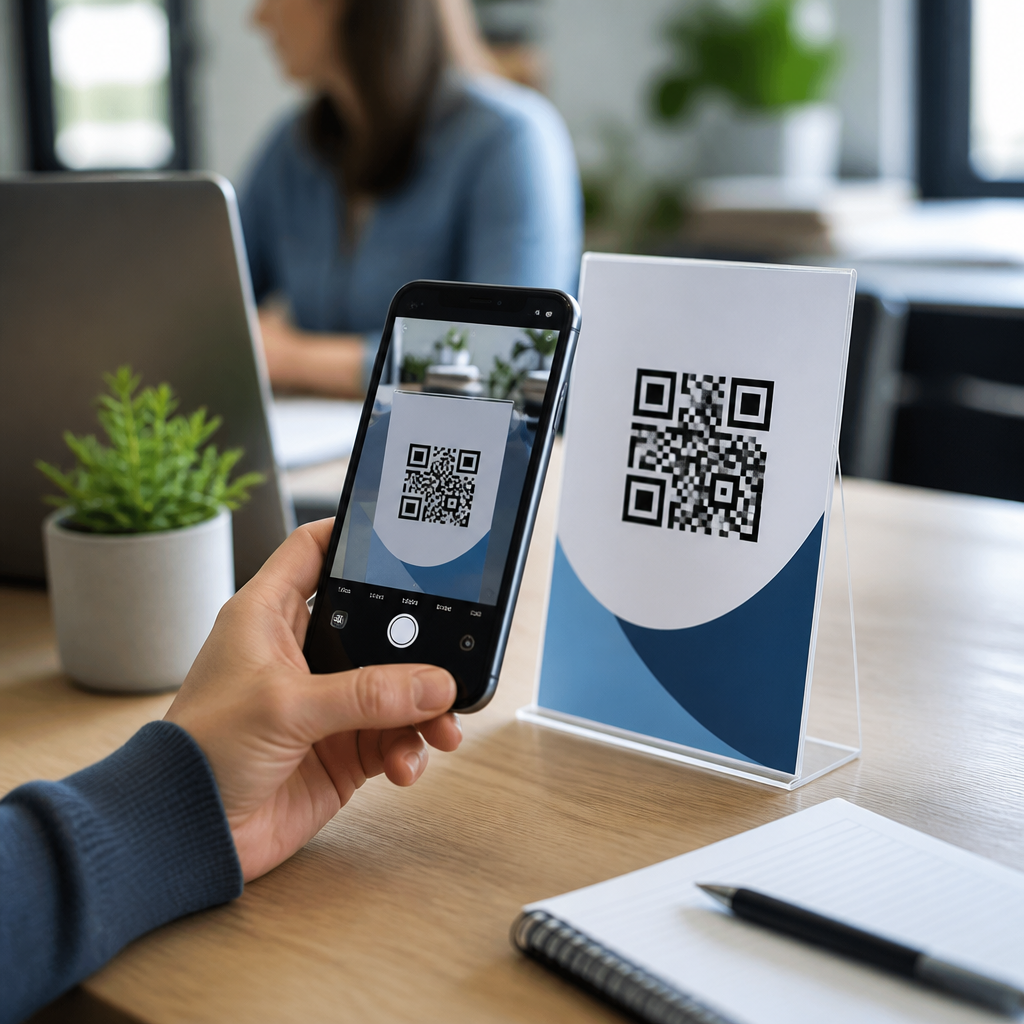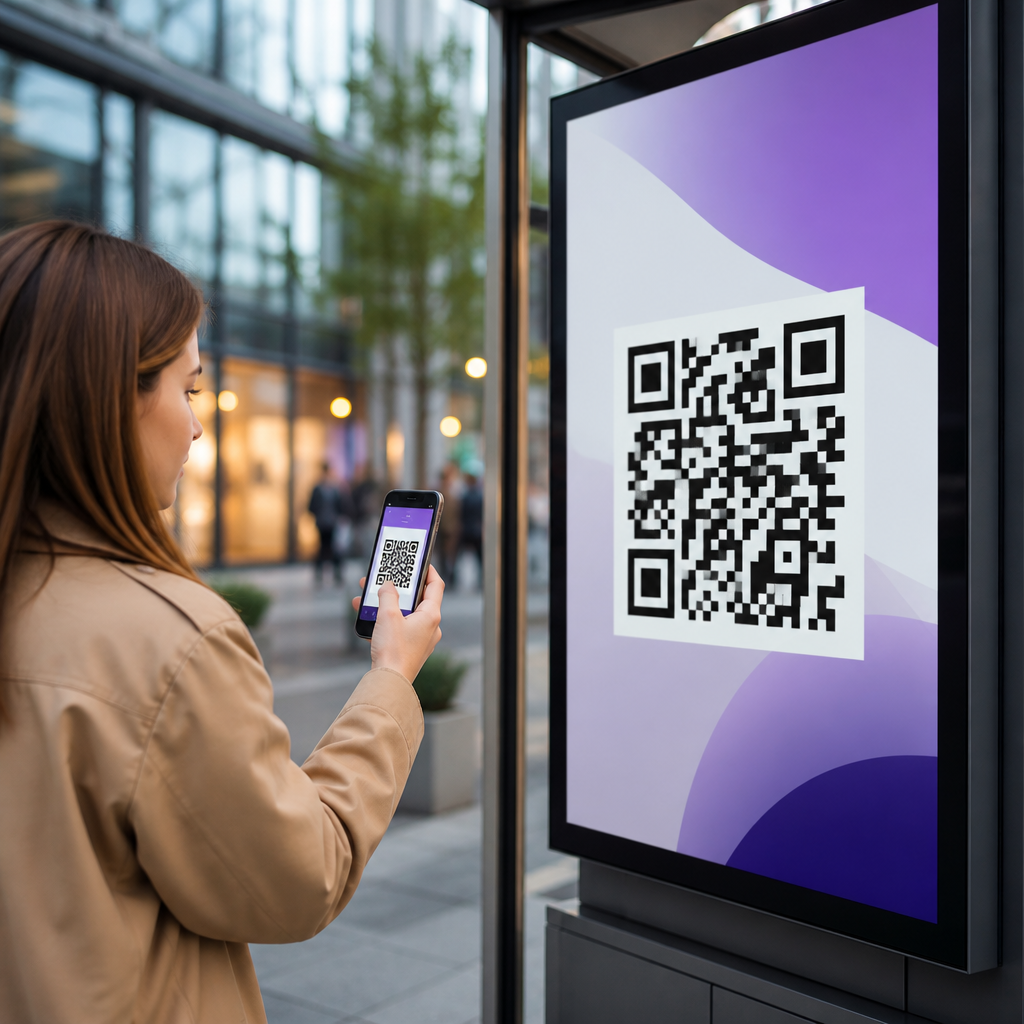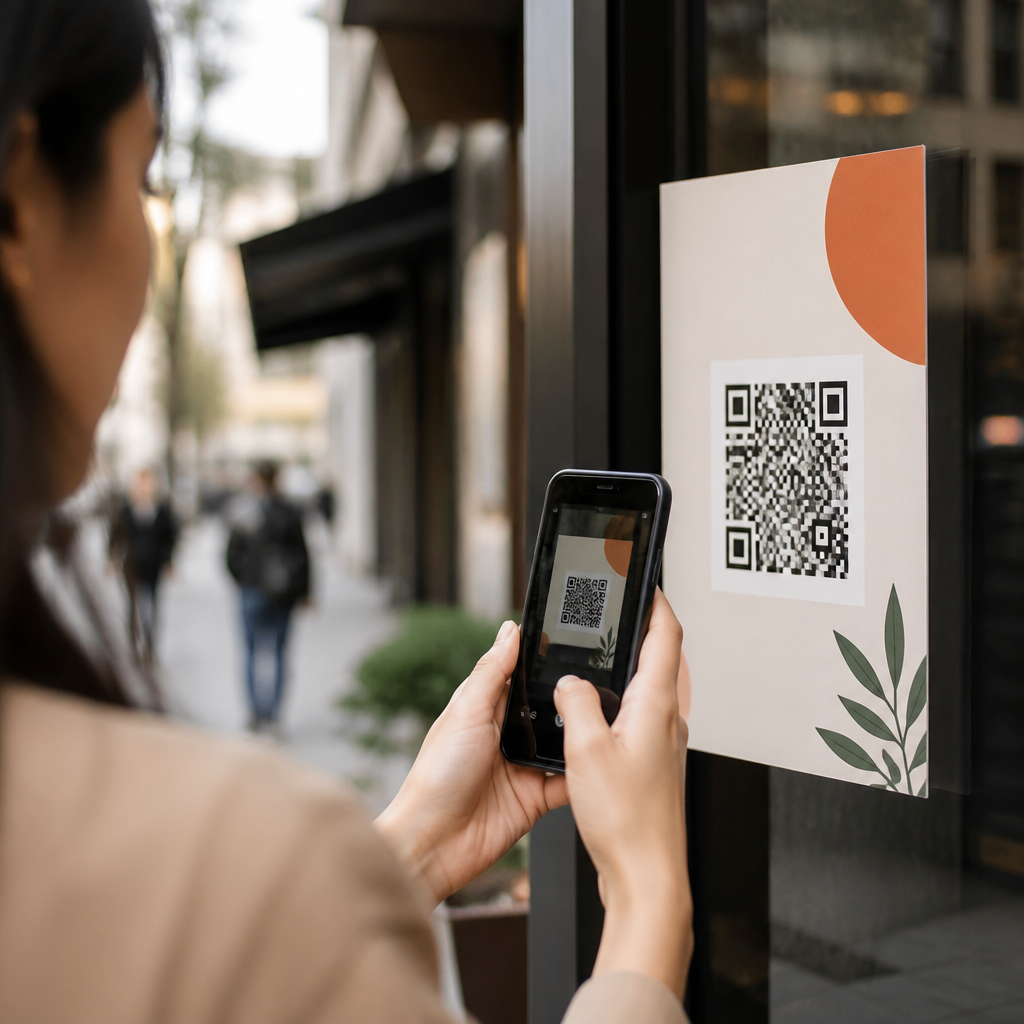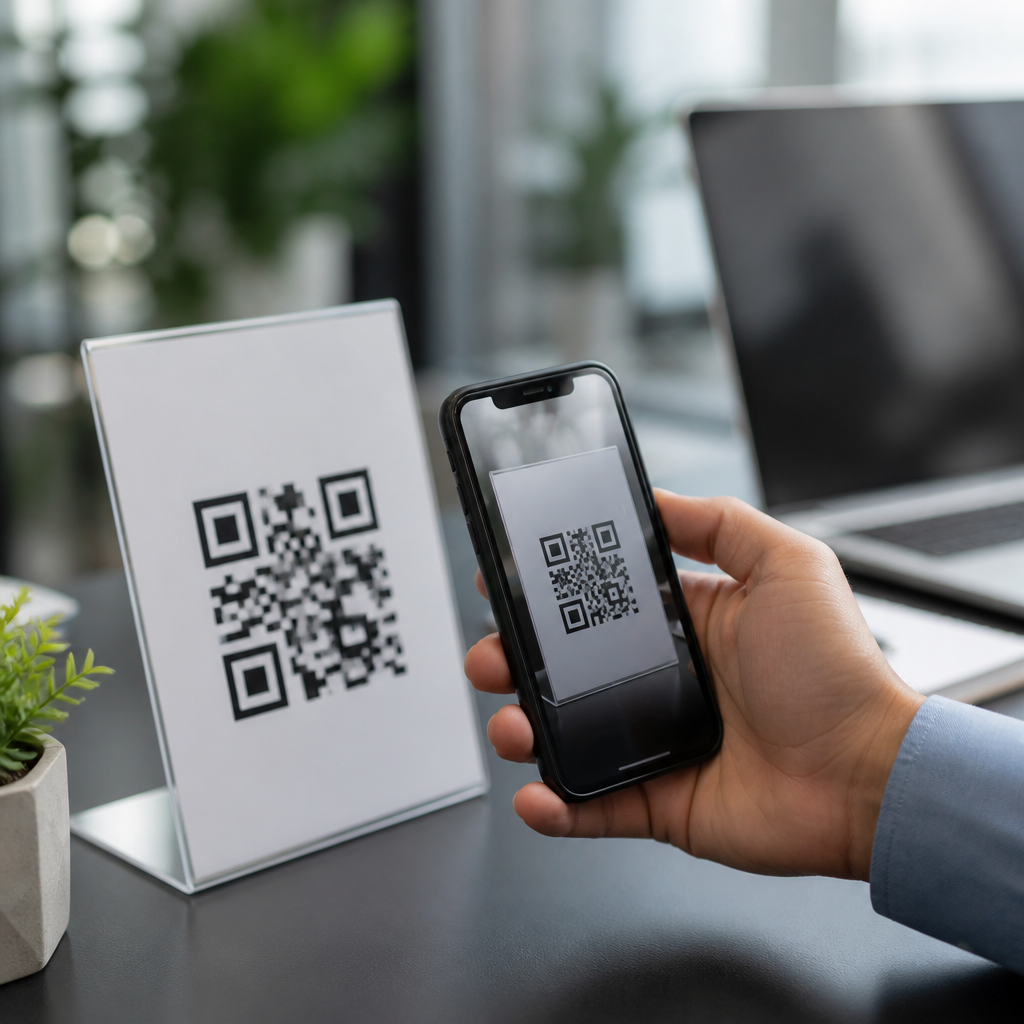
Using QR codes to capture email leads gives marketers a fast bridge between offline attention and digital conversion. A QR code is a scannable matrix barcode that opens a destination on a smartphone, usually a landing page, form, or app screen. Email lead capture means collecting a visitor’s address with consent so follow-up messages can nurture interest into a sale. Put together, QR codes and email forms solve a stubborn marketing problem: how to turn packaging, posters, direct mail, in-store displays, event signage, and product inserts into measurable lead generation assets.
This matters because mobile behavior has changed. Most prospects encounter brands away from a desktop browser, and they expect instant access with minimal typing. I have used QR campaigns at trade shows, on restaurant tables, and on retail shelf talkers, and the difference between a typed URL and a well-placed QR code is usually stark. Scans rise when the path is frictionless. Lead quality also improves when the code appears in a relevant context, such as a demo request on conference signage or a coupon signup on packaging for a repeat-purchase product.
For a sub-pillar page about QR codes for lead generation, the core idea is simple: the code is not the strategy. The strategy is the offer, the audience, the placement, the form, and the follow-up system. Effective campaigns connect a compelling reason to subscribe with a destination designed for mobile completion. They also use dynamic QR codes, analytics, and permission-based email practices so every scan can be attributed and every new contact can be handled properly. When those parts work together, QR codes become one of the most practical tools in mobile QR codes for marketing.
How QR Codes Generate Leads
QR codes generate leads by reducing the number of steps between interest and action. A prospect sees a prompt, scans the code, lands on a mobile page, enters an email address, and receives a reward or next step. That reward might be a discount, a buying guide, a webinar registration, a product waitlist, a contest entry, or access to gated content. The best-performing lead magnets match context closely. In-store shoppers respond well to coupons and restock alerts. B2B event attendees respond better to spec sheets, consultation requests, and post-event slide decks.
Dynamic QR codes are usually the right choice because they let you change the destination without reprinting the code. If a campaign underperforms, you can update the landing page, fix tracking parameters, or route traffic to a new form while keeping the printed asset in market. Most teams use platforms such as Bitly, Beaconstac, QR Code Generator Pro, or Flowcode for dynamic management and analytics. Add UTM parameters and connect results to Google Analytics 4, your CRM, and your email platform so you can measure scans, form completions, and downstream revenue rather than vanity metrics alone.
What Makes a QR Lead Capture Offer Work
A QR code only performs when the offer is worth the scan. The headline near the code should answer three questions immediately: what will I get, how fast will I get it, and why should I trust this brand with my email address. Generic prompts such as “scan me” routinely underperform specific calls to action like “Scan for 15% off today,” “Get the ingredient guide,” or “Join the waitlist for early access.” Specificity reduces hesitation because people know what happens next.
Value exchange is essential. Consumers guard inbox access, so the incentive must feel proportional. For ecommerce, a first-order discount, bundle offer, or loyalty enrollment often works. For service businesses, a checklist, price estimator, or appointment request can perform better than a broad newsletter signup. In B2B, the strongest lead magnets usually save time or reduce risk: ROI calculators, implementation templates, benchmark reports, and case studies tied to a buyer problem. Good offers also set expectations clearly by stating email frequency, privacy terms, and whether consent includes promotional messages.
| Placement | Best Offer Type | Why It Works |
|---|---|---|
| Product packaging | Warranty registration, refill reminder, how-to guide | Reaches existing buyers when interest is highest after purchase |
| Retail signage | Coupon, loyalty signup, in-stock alert | Captures shoppers before they leave the aisle |
| Trade show booth | Demo booking, slide deck, giveaway entry | Turns booth traffic into contacts the sales team can track |
| Direct mail | Personalized offer, consultation, local event signup | Connects print response to digital attribution |
Build the Mobile Landing Page for Conversion
The landing page is where most QR lead generation campaigns succeed or fail. Keep it mobile first, fast, and narrow in scope. In practice, that means a single purpose, minimal navigation, large form fields, and no unnecessary text above the form. If the QR code promise is “Get 10% off,” the landing page headline should repeat that exact promise. Message match matters because it reassures the visitor they scanned the right asset and are about to receive the promised benefit.
Short forms convert better on phones. For most top-of-funnel campaigns, email address and first name are enough. If you need more data, progressive profiling is safer than asking for company size, phone number, and job title on the first interaction. Tools like HubSpot, Klaviyo, Mailchimp, and ActiveCampaign make this easy by enriching records over time through later forms and behavior tracking. Technical basics matter too: use HTTPS, compress images, test on both iPhone and Android cameras, and confirm that the submit button and confirmation message load quickly on cellular networks.
Confirmation pages should not be an afterthought. Deliver the incentive instantly, then offer the next action: shop now, book a demo, download the guide, or follow the brand on another channel. A thank-you page can also reinforce internal linking across your broader mobile QR codes for marketing content, sending readers to related resources on QR code design, QR analytics, QR code placement, and QR code tracking. For users, this creates a coherent learning path. For marketers, it improves engagement depth and helps segment subscribers based on which topics they explore next.
Placement, Design, and Scanability Best Practices
Good QR code placement begins with environmental reality. The code must be large enough for the expected scanning distance, printed with strong contrast, and positioned where users can pause safely. A code on a highway billboard may attract attention but cannot support a safe immediate scan. A code on a checkout counter, tabletop display, store window, or event badge holder can. As a working rule, increase code size as distance increases, maintain a quiet zone around the code, and avoid glossy finishes that create glare under strong lights.
Design should support trust, not obscure function. Branded QR codes with custom colors and logos can perform well, but readability comes first. Test every variant on multiple devices before launch. Include a short instruction or CTA beside the code, plus a fallback short URL for users whose camera app cannot scan easily. In regulated sectors, add concise disclosure language near the code so users understand what they are opting into. These details may seem small, yet they materially improve scan rate, completion rate, and overall confidence in the campaign.
Compliance, Data Quality, and Follow-Up
Capturing email leads through QR codes requires the same consent discipline as any other list-building method. Marketers should follow applicable rules under laws such as CAN-SPAM, GDPR, and CASL, depending on jurisdiction and audience. That means clear notice, truthful sender identity, a visible privacy policy, and an easy unsubscribe path. Double opt-in is not mandatory everywhere, but it often improves list quality and protects deliverability. If the lead source is a giveaway, be especially careful to separate contest administration from promotional consent so subscribers understand what they agreed to.
Lead quality depends on source context and follow-up speed. Segment contacts by campaign, placement, and offer from the moment they enter your system. A packaging scan from an existing customer should not enter the same nurture flow as a cold prospect who scanned a trade show banner. I typically map source-specific automations in the email platform before printing any code. That allows instant welcome emails, lead scoring, suppression rules, and CRM routing to work from day one. The faster the response and the tighter the message match, the better your conversion from lead to customer.
How to Measure QR Code Lead Generation
The right way to measure QR codes for lead generation is to track the entire funnel, not scans alone. Start with scan rate by placement, then monitor landing page conversion rate, cost per lead, email confirmation rate, downstream sales qualified leads, and revenue per subscriber. A poster with 500 scans and a 4% form completion rate may be less valuable than packaging that gets 120 scans and a 35% completion rate from existing buyers. Context changes intent, so comparison should always include the business outcome, not just top-of-funnel volume.
Run structured tests. Compare one offer against another, one CTA line against another, and one placement height or environment against another. Use unique dynamic codes for each asset version so attribution stays clean. In GA4, review engaged sessions and conversion events. In your CRM, review opportunity creation and closed revenue by source. This hub article should anchor deeper content on QR analytics, QR landing page testing, and QR campaign attribution, because mature programs improve through iteration, not guesswork. The brands that win with mobile QR codes for marketing are the ones that treat every scan as measurable intent.
Using QR codes to capture email leads works because it aligns with how people behave in the real world: they notice something physical, reach for a phone, and want a fast next step. The strongest campaigns pair a relevant offer with a mobile-friendly form, dynamic tracking, compliant consent, and immediate follow-up. They also respect context. A shopper, attendee, diner, or product owner is not just a scan; each is a different intent signal that should shape the offer and the automation behind it.
As the hub for QR codes for lead generation, this page establishes the essentials: create a strong value exchange, optimize the landing page, place and design codes for easy scanning, and measure outcomes through the full funnel. When you apply those principles, QR codes move from novelty to dependable acquisition channel. Audit one existing print or in-store touchpoint, add a targeted email capture flow, and start testing. A well-built QR lead campaign can turn overlooked physical attention into owned audience growth.
Frequently Asked Questions
How do QR codes help capture email leads more effectively than asking people to type in a web address?
QR codes remove friction from the sign-up process, which is one of the biggest reasons they work so well for email lead capture. Instead of expecting someone to remember a URL, type it correctly on a small screen, and then complete a form, a QR code lets them go directly from seeing your offer to landing on the exact sign-up page in seconds. That matters in real-world settings like retail displays, product packaging, trade show booths, posters, direct mail pieces, and event signage, where attention is often brief and distractions are high.
They also create a much stronger bridge between offline marketing and digital conversion. A customer might discover your brand in a store aisle or at an event, but unless there is an immediate and easy next step, that interest can disappear. A QR code gives that person a direct path to act in the moment while motivation is highest. When the code opens a mobile-optimized landing page with a clear value exchange such as a discount, giveaway, how-to guide, waitlist, or exclusive content, people are much more likely to submit their email address.
From a marketer’s perspective, QR codes are useful because they can be tracked and tied to specific campaigns, locations, products, or creatives. That means you can measure how many scans occurred, how many visitors completed the email form, and which placement generated the best conversion rate. In short, QR codes improve convenience for users and accountability for marketers, making them an efficient tool for turning offline attention into qualified email leads.
What should the landing page or form include to maximize email sign-ups from a QR code?
The destination page needs to be built for speed, clarity, and mobile usability. Most QR scans happen on smartphones, so the page should load quickly, look clean on smaller screens, and make the sign-up action obvious without forcing visitors to pinch, zoom, or scroll excessively. The headline should immediately confirm what the user is getting, such as “Get 15% Off Your First Order” or “Download the Free Buying Guide.” If the page feels vague or disconnected from the message near the QR code, conversion rates usually drop.
The form itself should ask for as little information as possible at the first step. In many cases, just an email address is enough. Every extra field creates more effort and can reduce completions, especially in offline-to-mobile journeys where users are acting quickly. A strong call to action should appear prominently, with concise supporting copy that explains the benefit of subscribing. Trust signals also matter. Including a short privacy statement, mention of consent, and reassurance about what kind of emails the user will receive can reduce hesitation and improve lead quality.
It is also smart to align the page with the source of the scan. For example, a QR code on packaging might lead to product tips and a registration offer, while one on an event banner might lead to slides, a demo request, or a giveaway entry. That relevance helps visitors feel they are in the right place. Finally, use a clear thank-you page or confirmation message after submission so users know the sign-up worked and understand what happens next, whether that is checking their inbox, receiving a coupon, or joining a nurture sequence.
Where should businesses place QR codes if the goal is to generate more email subscribers?
The best placements are locations where people already have attention, curiosity, or a reason to engage. Product packaging is a strong option because it reaches people who have already shown purchase intent or completed a purchase. A QR code can invite them to register for updates, receive care instructions, access member perks, or unlock a discount on their next order. In-store signage also works well, especially near checkout areas, displays, fitting rooms, shelves, or service counters where customers naturally pause.
Events and trade shows are another high-performing environment for QR-based lead capture. Booth graphics, handouts, badges, presentation slides, table tents, and demo stations can all direct visitors to an email form tied to a specific offer. Direct mail is especially effective because it combines a physical piece with an immediate digital action. Instead of hoping someone visits your site later, the QR code makes response instant. Print ads, restaurant menus, window decals, receipts, and inserts can also work when the offer is relevant to the setting.
Placement should always match intent. A QR code without a compelling reason to scan will be ignored, no matter how visible it is. The surrounding copy should tell people exactly what they get by scanning, and the context should feel natural rather than forced. It is also important to test size, contrast, and positioning so the code is easy to scan in different lighting conditions and from realistic viewing distances. The most successful placements are not just visible; they are timely, useful, and paired with a clear incentive.
What are the best practices for getting consent and staying compliant when collecting email leads through QR codes?
Email capture through QR codes should follow the same permission-based marketing standards as any other lead generation channel. The most important principle is clear, informed consent. Users should understand that by submitting their email address, they are agreeing to receive communications from your brand. This can be communicated with concise language near the form, along with a link to your privacy policy and any required disclosures about how data will be used.
Depending on your audience and region, compliance may involve laws and frameworks such as GDPR, CAN-SPAM, CASL, or other privacy regulations. While legal requirements vary, practical best practices are consistent: avoid pre-checked consent boxes where not allowed, be transparent about what subscribers are signing up for, provide an easy unsubscribe option in every email, and only collect data you actually need. If you are offering a content download, discount, or contest entry, make sure the terms are clear and that the sign-up experience does not mislead users into subscribing unknowingly.
It is also wise to use double opt-in when lead quality and compliance confidence are priorities. Double opt-in requires the subscriber to confirm their email through a follow-up message, which helps verify ownership of the address and reduces fake or mistyped submissions. Beyond legal protection, this often improves list health and engagement over time. In short, ethical email capture is not just about avoiding risk. It builds trust, improves deliverability, and creates a stronger foundation for meaningful follow-up marketing.
How can marketers measure the success of a QR code email lead campaign and improve results over time?
Success should be measured across the full path from scan to subscriber to downstream business outcome. Start with the basics: total scans, unique scans, landing page visits, form completion rate, and total emails captured. These metrics show how well the code placement and landing page are performing. If scans are high but sign-ups are low, the issue is usually with the offer, page clarity, or form friction. If scans are low, the problem may be weak placement, poor visibility, lack of incentive, or unclear instructions.
More advanced measurement connects each QR code to its source. Dynamic QR codes and tagged URLs make it possible to distinguish performance by location, campaign, product line, event, or creative version. That level of detail helps marketers identify what is driving quality leads rather than just volume. For example, one poster may generate fewer submissions than another but produce subscribers who open more emails, click more often, and convert into customers at a higher rate. That insight is far more valuable than raw scan count alone.
Optimization should be ongoing. Test different offers, headlines, calls to action, form lengths, design layouts, and placements. Compare results from packaging versus direct mail, or from discount-led messaging versus educational content. Monitor what happens after sign-up as well, including welcome email open rate, click-through rate, unsubscribe rate, and eventual sales attribution. The most effective QR code lead campaigns are treated as measurable conversion systems, not just design elements. When you track performance carefully and refine each step, QR codes can become a dependable channel for growing an engaged email list.