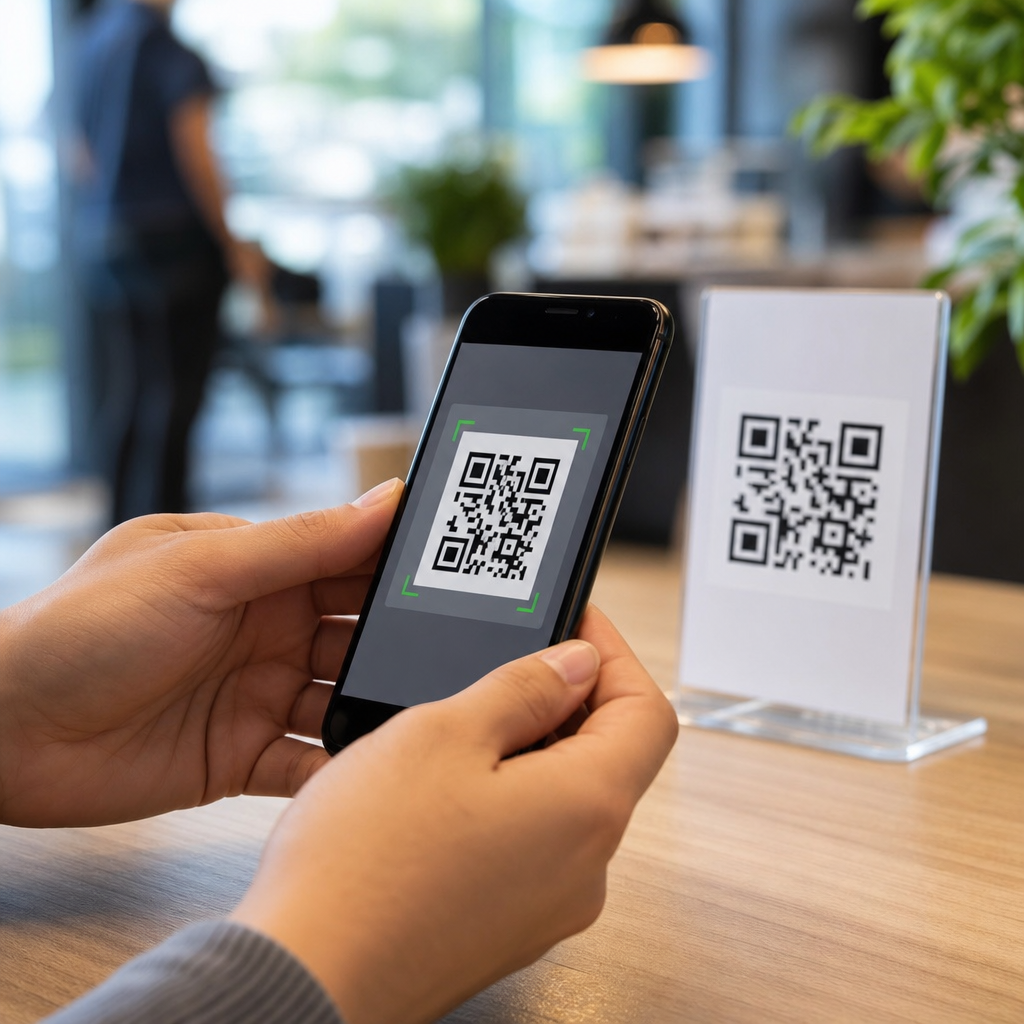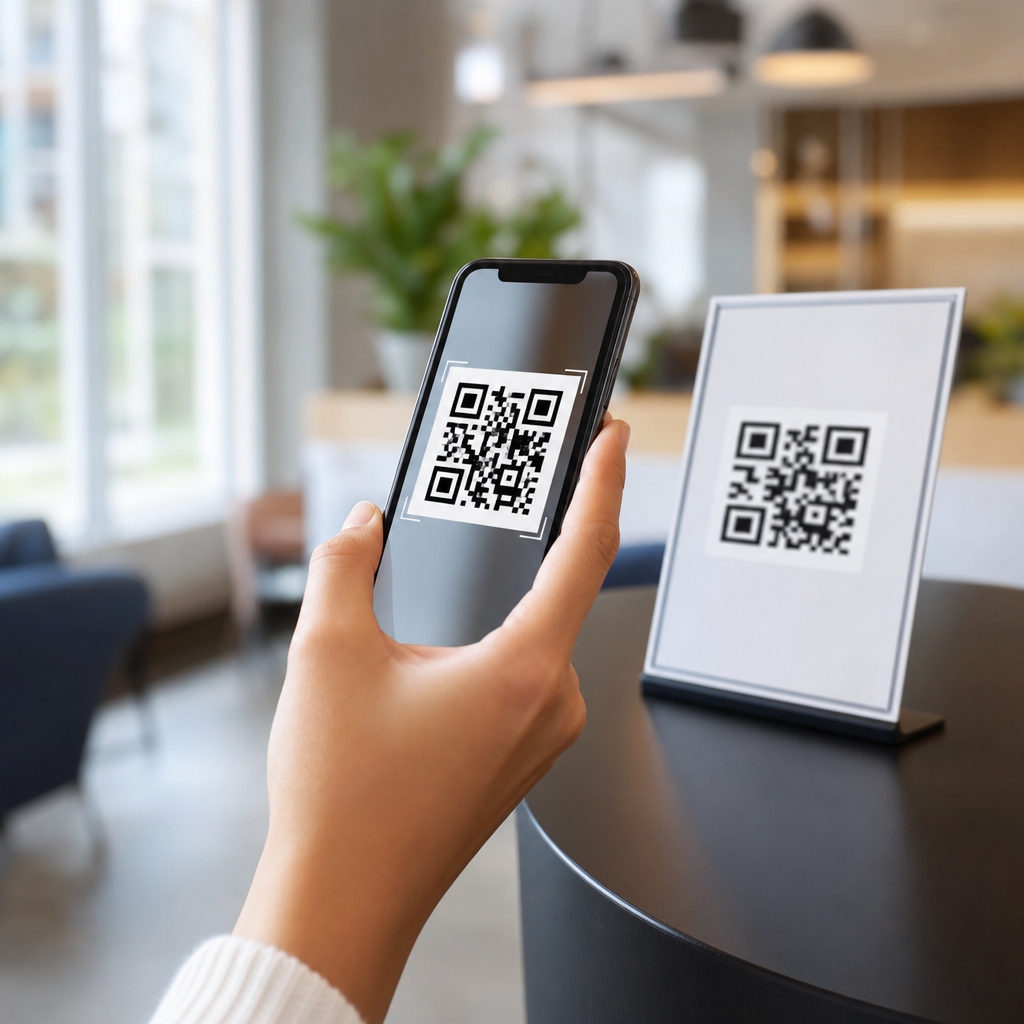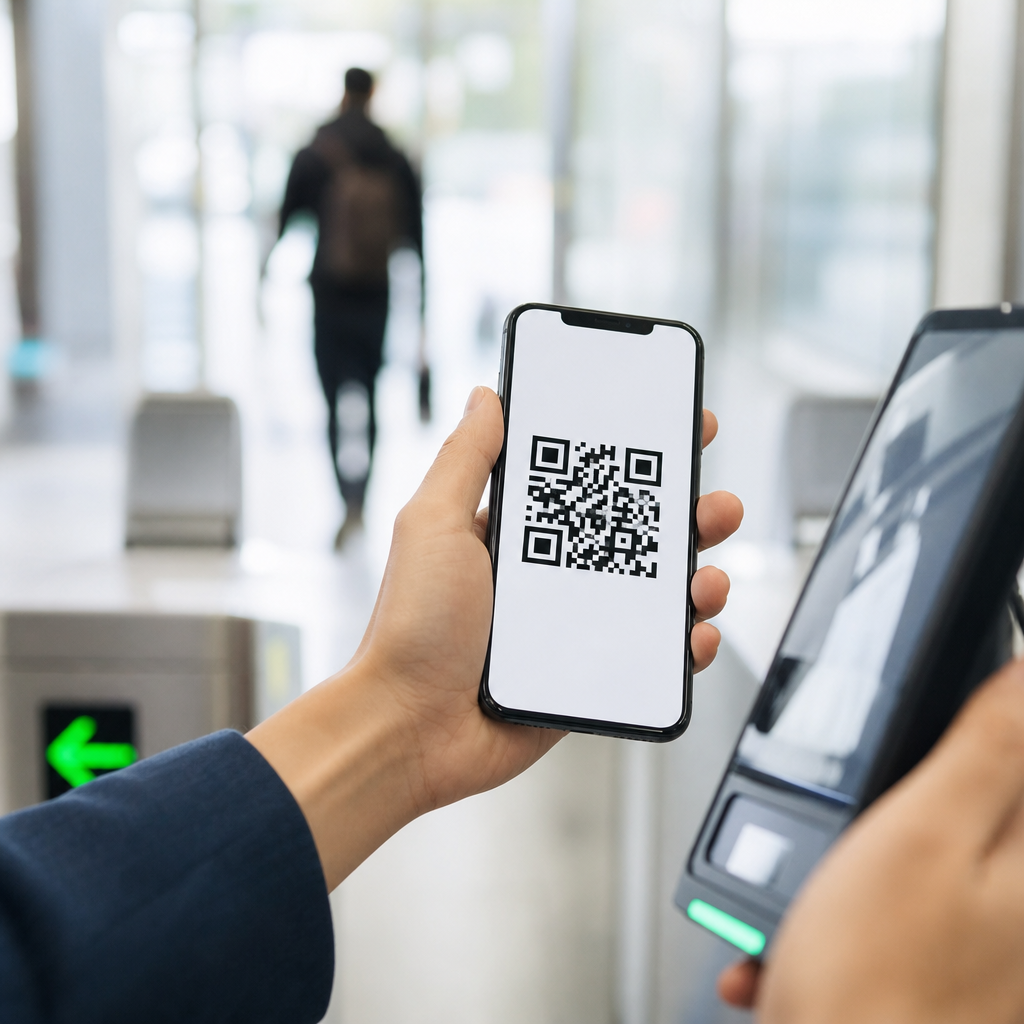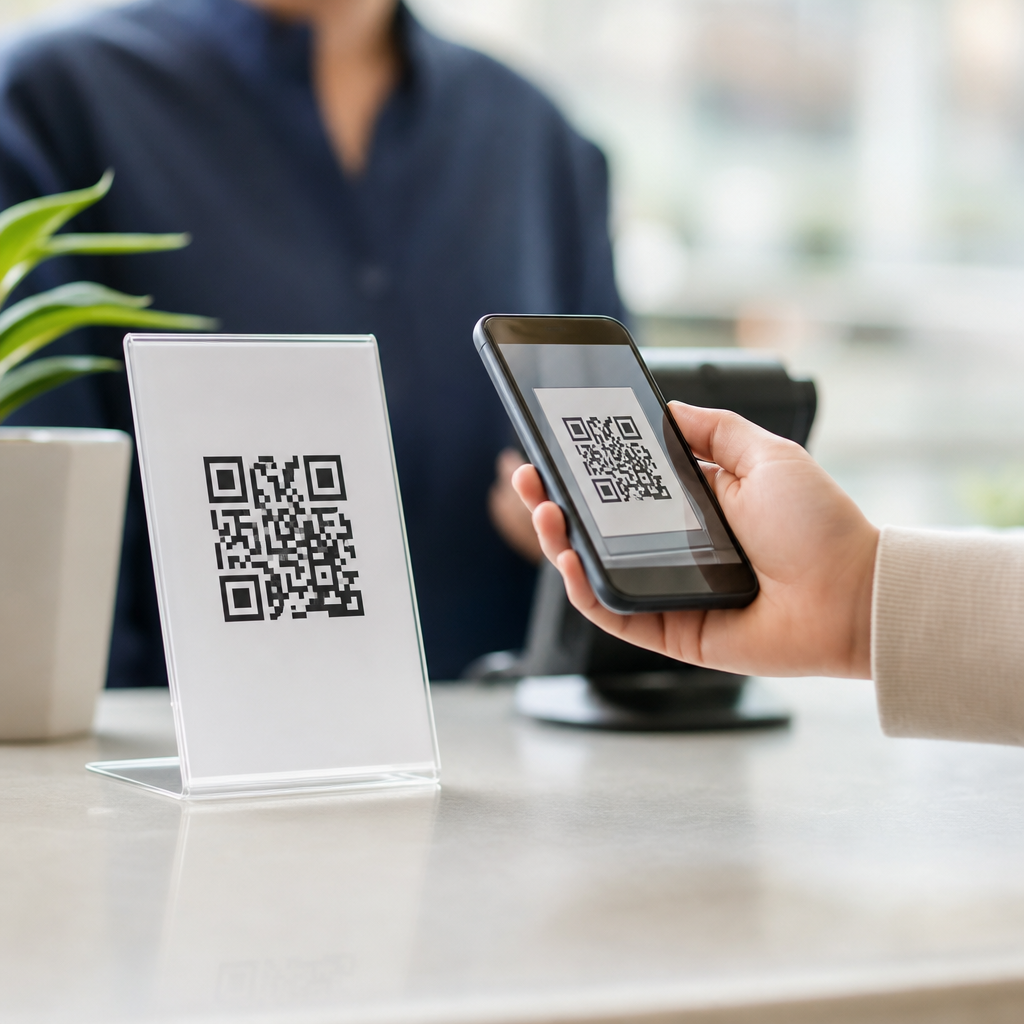
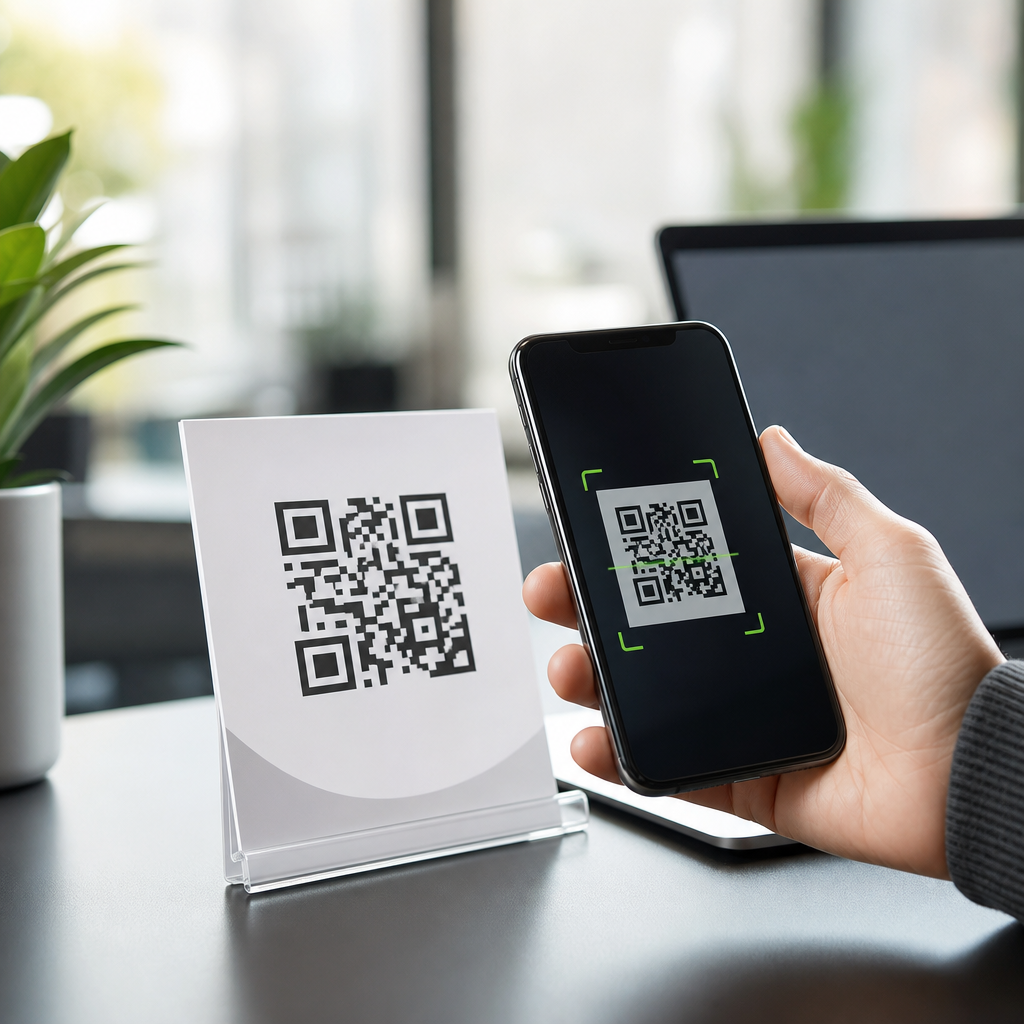
Short URLs improve QR code performance because they reduce symbol density, speed up scanning, and create more reliable mobile experiences. In practical terms, a QR code is a machine-readable matrix of black and white modules that stores data, usually a web address, for a smartphone camera to decode. When the encoded address is long, the QR code needs more modules, which makes the pattern denser and harder to scan under real-world conditions like glare, distance, motion, or low print quality. A short URL reduces the amount of data inside the code, so the final symbol can be simpler, cleaner, and more forgiving.
This matters because mobile QR code performance is not just a design issue. It affects campaign response rates, checkout flows, packaging usability, offline-to-online attribution, and even accessibility for users with older devices. I have tested QR codes on retail signs, restaurant menus, warehouse labels, and event badges, and the same pattern appears every time: the shorter the destination URL, the easier the code is to place, print, and scan consistently. For brands building a reliable mobile QR strategy, understanding how mobile QR codes work starts with understanding how data length changes the symbol itself.
A mobile QR code works in four steps. First, data such as a URL, phone number, plain text string, or Wi-Fi credential is encoded into a two-dimensional matrix. Second, a smartphone camera captures the image and identifies finder patterns, alignment patterns, quiet zone, and timing patterns. Third, decoding software reconstructs the binary data and applies Reed-Solomon error correction to recover information even if part of the symbol is damaged. Fourth, the phone presents an action, usually opening a link in the browser. Because most business use cases rely on URLs, URL length becomes one of the most important variables in QR code performance.
How mobile QR codes work and why URL length changes everything
A QR code stores characters in a defined format standardized under ISO/IEC 18004. The more characters you encode, the higher the version required, from Version 1 at 21 by 21 modules up to Version 40 at 177 by 177 modules. As version increases, the code physically contains more tiny squares. If the printed size stays the same, those squares become smaller. Smaller modules are harder for phone cameras to resolve, especially when users scan quickly, hold the phone at an angle, or stand several feet away.
That is why short URLs matter. A destination like example.com/sale can fit into a lower-density QR code than a link filled with tracking parameters such as utm_source, session IDs, or long redirect paths. In field testing, dense codes often fail first on glossy posters, corrugated boxes, and curved product labels because reflections and distortion blur fine module edges. A shorter URL lowers the data burden and often allows stronger visual tolerance without sacrificing the destination.
Mobile QR codes also depend on the scan environment. Camera quality, autofocus speed, ambient lighting, screen brightness, and print contrast all influence readability. On high-end phones, long URLs may still scan acceptably at close range. On mid-range devices or older tablets used in operations, the same code may require repeated attempts. That inconsistency is expensive. When a customer must rescan, every extra second increases abandonment risk.
Short URLs support both static and dynamic QR strategies. In a static QR code, the short URL itself is encoded permanently and forwards to the final destination. In a dynamic setup, the QR code points to a short redirect URL controlled by a management platform, letting marketers change the destination later without reprinting the code. That flexibility is one reason short links are standard in enterprise QR deployments.
Why short URLs scan faster and perform better on mobile devices
Short URLs improve scan speed because they simplify the QR matrix. A simpler matrix is easier for detection algorithms to identify and decode. Native camera apps on iPhone and Android, Google Lens, and many OEM camera systems first detect geometric patterns, then isolate the symbol, then decode the payload. When the payload is shorter, there is less encoded complexity to process and fewer tiny modules that can be lost in noise.
In real-world use, the performance gain shows up in three places: first-time scan success, acceptable scanning distance, and tolerance to damage. First-time scan success is the most important metric because it maps directly to user satisfaction. Acceptable scanning distance matters for storefront windows, in-aisle signage, transit ads, and presentation slides where users cannot get physically close. Damage tolerance matters on shipping labels, outdoor posters, and packaging exposed to abrasion or folds.
| Factor | Long URL QR Code | Short URL QR Code | Practical effect |
|---|---|---|---|
| Module density | Higher | Lower | Cleaner symbol at same print size |
| Scan distance | Shorter | Longer | Easier use on posters and signs |
| Print tolerance | Lower | Higher | Better on labels, cartons, and glossy media |
| Error resilience | Can be offset by density | More balanced | Fewer failures in imperfect conditions |
| Design flexibility | Limited | Greater | More room for logos and white space |
Error correction deserves a clear explanation. QR codes can recover from partial obstruction using levels L, M, Q, and H, with H allowing the most recovery. However, higher error correction also adds redundancy, increasing data density. I often see teams choose high error correction, add a center logo, and then encode a long tracking URL. The result looks branded but scans poorly. A short URL gives you room to use appropriate error correction without creating an overly dense symbol.
Another often-missed factor is mobile browser behavior after the scan. Short URLs can reduce redirect complexity when implemented well, especially if they point through a fast edge network or a dedicated redirect service. Every redirect adds latency. A good short link setup resolves quickly, preserves analytics parameters, and lands on a mobile-optimized page with HTTPS enabled. Better scan performance is wasted if the landing experience is slow or broken.
Best practices for building QR codes with short URLs
The best QR code starts with the destination architecture, not the graphic. Use a short, readable domain where possible, ideally one controlled by your brand. Branded short domains such as go.brand.com or brand.co help users trust the scan prompt and strengthen recall. Public shorteners can work, but many security-conscious users hesitate when they see unfamiliar redirect domains. Trust affects scan-through rates as much as technical readability.
Keep the encoded path concise. Remove unnecessary parameters, avoid mixed case where not required, and strip session-specific tokens from links intended for print. For analytics, rely on your QR management platform, server-side tagging, or compact campaign IDs rather than dozens of appended parameters. Tools such as Bitly, Rebrandly, BL.INK, and enterprise QR platforms can create manageable short URLs while preserving measurement.
Size and contrast still matter. A common baseline is at least 2 by 2 centimeters for close-range use, but practical minimum size depends on distance, material, and camera conditions. A useful rule is a 10:1 ratio between scan distance and code width. If users will scan from one meter away, make the code roughly 10 centimeters wide. Maintain a clear quiet zone around the symbol, usually four modules wide, and use dark modules on a light background for maximum contrast.
Test with real devices before production. I usually test on current iPhones, mid-tier Android phones, older Android hardware, and at least one device with a lower-quality camera. Test under daylight, indoor warm light, and glare. Test from expected distances and angles. Also test after exporting the artwork through the actual print workflow, because compression, rasterization, and substrate texture can change edge sharpness.
Dynamic QR codes are often the best fit for campaigns because they allow destination updates, A/B testing, and scan analytics without changing the printed symbol. They also support operational resilience. If a landing page moves or a product offer changes, you update the redirect target instead of reprinting packaging or signage. For a subtopic hub on mobile QR code basics, this is the central lesson: the code users see is only the surface layer; the performance depends on data length, encoding choices, print execution, and landing-page delivery working together.
Common mistakes that reduce QR code performance
The most common mistake is encoding the final long URL directly into the QR code because it seems simpler. It is simpler on day one, but it creates scanning friction and removes flexibility. Another mistake is shrinking the code to fit a layout after adding extra data, a logo, and high error correction. Designers sometimes judge by appearance on a desktop screen, not by scan success in the physical world.
Poor redirect hygiene is another issue. Multiple chained redirects, mixed HTTP and HTTPS behavior, interstitial tracking pages, or mobile pages blocked by consent banners can make users think the QR code failed, even if the symbol scanned correctly. Accessibility is also overlooked. If a QR code is the only access path on a sign or package, some users are excluded. Good practice adds a short human-readable URL near the code.
Teams also forget governance. Short URL domains should be owned, documented, and monitored. If certificates expire, DNS records break, or a vendor account changes, printed QR codes in the field can fail at scale. Treat QR infrastructure like any other customer-facing digital asset with uptime monitoring, redirect audits, and lifecycle ownership.
Short URLs make mobile QR codes easier to scan, easier to print, and easier to manage. They reduce data density, improve first-scan success, and create more room for sound choices on sizing, error correction, branding, and placement. That is the practical answer to how short URLs improve QR code performance, and it is also the foundation for understanding how mobile QR codes work in everyday business use.
For anyone building a hub around mobile QR code basics, the key takeaway is simple: QR performance is shaped long before the camera opens. Choose a short, trusted URL, use dynamic redirects when appropriate, preserve strong contrast and quiet zones, and test on real phones in real environments. Those steps produce measurable gains in usability and campaign results.
If you are reviewing existing QR codes, start with a quick audit of URL length, redirect speed, print size, and device testing. Small changes in those four areas often deliver the biggest improvement fastest.
Frequently Asked Questions
How do short URLs make QR codes easier and faster to scan?
Short URLs improve QR code scanning by reducing the amount of data that has to be encoded inside the symbol. A QR code works by converting a web address into a grid of black and white modules. When the URL is long, the code needs more modules to store all of that information, which increases visual density and creates a more complex pattern. That added complexity makes it harder for a smartphone camera to capture and decode the code quickly, especially in less-than-ideal conditions.
By contrast, a short URL requires fewer modules, which produces a simpler QR code with larger, cleaner elements. Larger modules are easier for cameras to distinguish, autofocus on, and process accurately. This can noticeably improve scan speed and first-try success rates. In practical use, that means people are less likely to struggle when scanning from a poster, product label, restaurant table, window sign, or moving screen. The result is a smoother user experience and fewer drop-offs between seeing the QR code and reaching the intended destination.
Why does QR code density matter so much in real-world environments?
QR code density matters because scanning does not happen in a perfect laboratory setting. Most QR codes are used in everyday environments where glare, shadows, motion, angle, distance, screen reflections, and print imperfections all affect readability. A dense QR code packs more modules into the same amount of space, which means each individual square becomes smaller and more difficult for a camera sensor to detect cleanly.
When those tiny modules are partially blurred, distorted, or washed out by lighting, the scanning device has less visual clarity to work with. Even though QR codes include error correction, there are limits to how much distortion can be recovered. A shorter URL helps keep the symbol less crowded, so each module is larger and more distinct. That gives scanners more tolerance when conditions are imperfect. In practice, this improves reliability across packaging, flyers, signage, menus, event materials, and digital displays, where environmental conditions often work against fast, accurate scans.
Do short URLs affect QR code size and design flexibility?
Yes, short URLs directly improve flexibility in both physical size and visual design. Because they require less encoded data, they allow the QR code to remain readable at smaller dimensions. This is especially valuable when space is limited, such as on business cards, product packaging, shelf tags, direct mail pieces, stickers, labels, or compact advertisements. A less data-heavy QR code can be printed smaller without becoming overly dense and difficult to scan.
Short URLs also create more room for design customization while preserving usability. Brands often want to place QR codes inside layouts that include logos, calls to action, colors, or other visual elements. A simpler QR structure generally tolerates thoughtful styling better than a highly dense code that is already close to its scanning limits. That does not mean design best practices can be ignored, but it does mean short URLs give marketers and designers a better starting point. The outcome is a code that is easier to integrate into branded materials while still maintaining strong scan performance.
Can short URLs improve mobile user experience beyond just scanning?
Absolutely. While better scanability is the most immediate benefit, short URLs also support a more reliable end-to-end mobile experience. The first step is getting the code scanned successfully and quickly. If that process takes too long or requires multiple attempts, users may give up before ever visiting the link. A short URL helps reduce that friction at the point of interaction, which is critical in marketing, retail, events, and customer service scenarios where attention spans are short.
In many cases, short URLs are also used through link management platforms that support redirects, analytics, device targeting, and campaign control. That means the QR code can point to a concise link while the destination can still be updated or optimized behind the scenes. For users, this often results in cleaner routing, easier access on smartphones, and fewer issues caused by overly long, cluttered web addresses. For businesses, it adds the ability to monitor engagement, change destinations without reprinting the QR code, and improve performance over time. Together, those benefits make short URLs valuable not just for the scan itself, but for the entire mobile journey that follows.
Are there specific situations where using a short URL in a QR code is especially important?
Yes, short URLs are especially important anywhere QR codes need to work quickly under imperfect conditions or limited space. Common examples include outdoor signage, transit ads, trade show displays, storefront windows, product packaging, warehouse labels, restaurant menus, event badges, and printed materials viewed from a distance. In these settings, users may be scanning while walking, holding the phone at an angle, dealing with bright sunlight, or trying to capture a code that is physically small. A dense QR code in these scenarios is far more likely to fail or require repeated attempts.
Short URLs are also highly beneficial for high-volume campaigns where every lost scan represents lost traffic, leads, or sales. If a QR code is being used in advertising, payments, onboarding, support documentation, or customer engagement, reliability becomes a business issue, not just a technical detail. Using a shortened link helps create a cleaner symbol with better real-world tolerance, making it more dependable across devices and environments. In short, whenever scan speed, consistency, space efficiency, and user convenience matter, short URLs are one of the simplest and most effective ways to improve QR code performance.