
QR codes sit at the intersection of convenience, marketing, and compliance, which makes data privacy a central issue rather than a side note. A QR code itself is only a machine-readable pattern that stores data such as a URL, contact card, payment instruction, Wi-Fi credential, or product identifier. The privacy impact begins when someone scans that code and a business, app developer, retailer, or payment provider collects information connected to the scan. In practice, that can include IP address, approximate location, device type, time stamp, campaign source, and any form data submitted after the landing page opens. When those details can identify a person directly or indirectly, data protection law applies.
For organizations operating in Europe or serving European residents, the General Data Protection Regulation sets the baseline for lawful collection, transparency, purpose limitation, data minimization, storage limitation, and security. Similar principles now appear in UK GDPR, the ePrivacy framework, the California Consumer Privacy Act and CPRA, and other state and national laws. I have worked with QR code campaigns for retail packaging, restaurant ordering, event check-in, and industrial asset tracking, and the pattern is consistent: teams focus on scan rate and conversion first, then discover later that a “simple” code has become a personal data collection point. That is why this topic matters. A QR code can launch a browser session, pass tracking parameters, trigger analytics scripts, and route a user into multiple systems before anyone has documented the data flow.
This hub explains how QR codes impact data privacy, where GDPR obligations arise, what risks are most common, and how to design QR experiences that respect users while still delivering measurable business value. If you manage packaging, menus, tickets, forms, loyalty programs, or connected products, understanding these privacy mechanics is essential.
What personal data a QR code ecosystem can collect
A printed QR code does not automatically know who scanned it, but the surrounding ecosystem often does. The destination server typically receives an IP address and user agent. Web analytics tools may set cookies or create device fingerprints. A campaign platform may log the exact code scanned, time, referrer, language, and inferred geography. If the page asks for an email address, phone number, payment details, or survey response, the scan becomes linked to an identifiable individual. In restaurants, table-ordering QR codes can associate order history with a table, loyalty account, or card token. In events, check-in codes often tie attendance to names and badge IDs. In healthcare, patient intake or medicine information codes can create special-category data concerns if the content reveals treatment context.
Dynamic QR codes create additional privacy implications because the destination can be changed and scan events are usually logged by a management platform. That flexibility is commercially useful, but it means the code operator must assess which parties act as controller, joint controller, or processor. If a brand uses a third-party generator, a cloud analytics service, a consent manager, and an email platform, each transfer and processing role should be mapped. This is where many programs fail compliance reviews: not because QR technology is inherently invasive, but because the connected stack is undocumented.
When GDPR applies to QR code campaigns
GDPR applies when personal data is processed in the context of an EU establishment or when goods or services are offered to people in the EU, or their behavior is monitored there. A QR campaign can easily meet that threshold. If a code on product packaging leads to a localized landing page and tracks visitors by campaign identifier, that is processing. If an event badge QR code records attendance and session history, that is processing. If a restaurant menu QR code captures allergy notes or payment details, that is processing. The regulation is technology-neutral, so it does not matter that the entry point is a printed square rather than a web form.
The first compliance question is lawful basis. Consent may be appropriate for optional marketing cookies, email sign-up, or location-based personalization. Contract may apply where the scan is necessary to provide a service, such as retrieving a boarding pass or completing a digital order. Legitimate interests can sometimes support basic security logging or aggregate performance measurement, but only after a documented balancing test. Special-category data, including health information, raises the threshold further and often requires explicit consent or another narrow condition under Article 9. Organizations also need a privacy notice that is easy to access from the scanned page, ideally before nonessential trackers fire.
Common privacy risks hidden behind convenience
The biggest privacy risk with QR codes is invisibility. People can see a web address in printed text, but they cannot inspect a QR destination before scanning unless the app previews it. That makes it easier to conceal tracking-heavy landing pages, redirect chains, and third-party scripts. I have audited campaigns where one code opened a page containing analytics tags from Google Analytics, Meta Pixel, a heat-mapping tool, a chat widget, and a retargeting network before the user even read the first sentence. Each script expanded the data footprint well beyond what the user reasonably expected from “scan for menu” or “scan for warranty.”
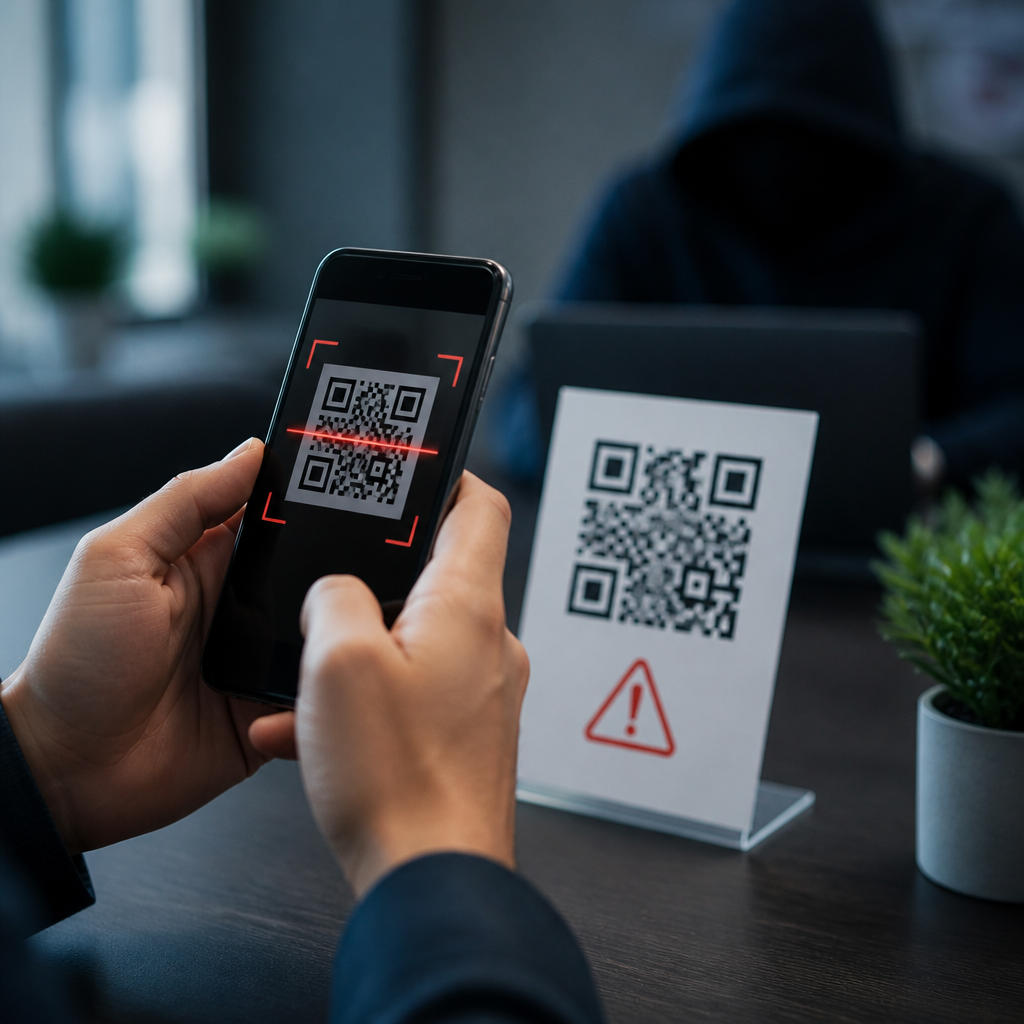
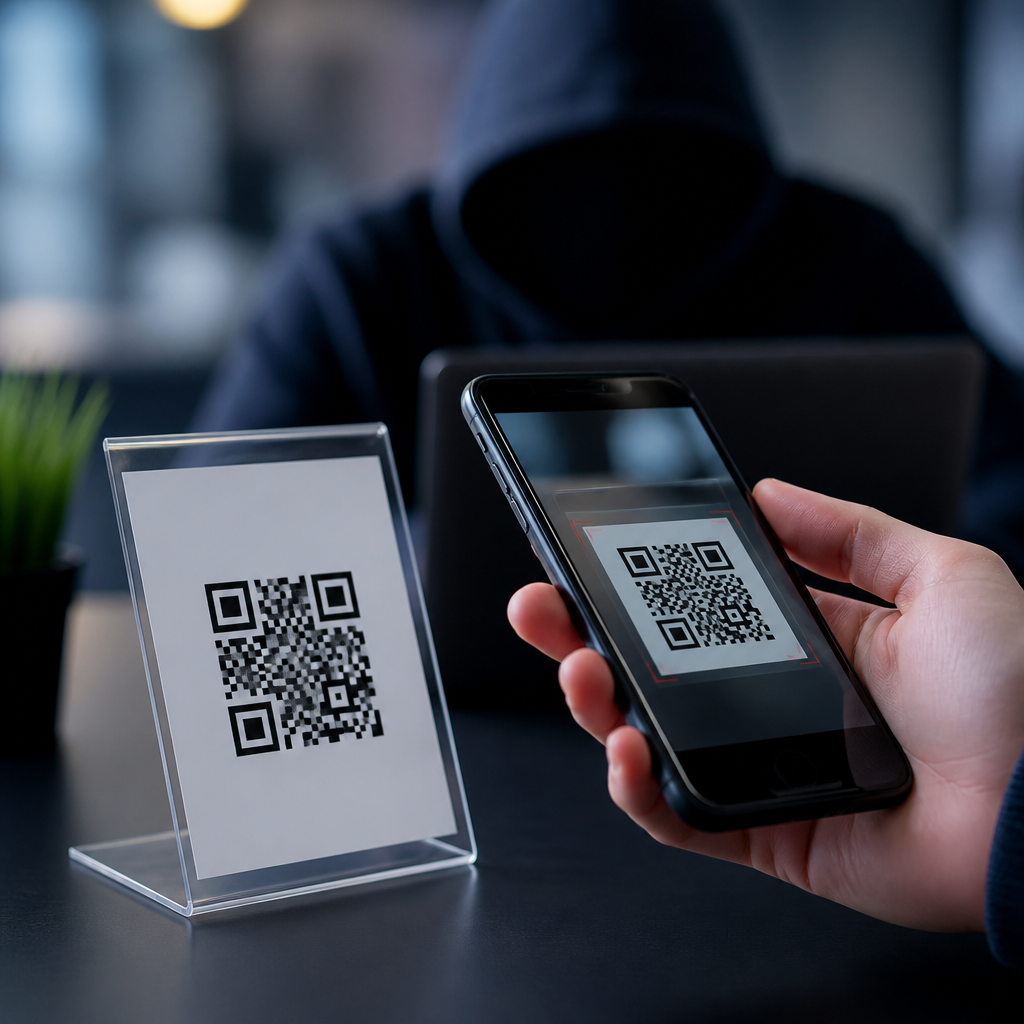
Another recurring issue is excessive retention. Marketing teams often keep scan logs indefinitely because storage is cheap and trend data seems valuable. Under GDPR, retaining precise scan histories longer than necessary is hard to justify. Security is also a real concern. Malicious actors can place stickers over legitimate codes, redirecting users to phishing pages that harvest credentials or payment details. While that is often framed as a security problem, it is equally a privacy problem because victims may unknowingly disclose personal data. Internal misuse matters too. Granular scan analytics can enable employee monitoring, location tracking, or customer profiling that was never disclosed clearly.
Privacy-by-design practices that reduce QR code risk
Good QR privacy design starts before printing. Define the purpose of each code in one sentence. If the purpose is “open a PDF manual,” then do not attach ad-tech trackers that profile users across sites. Use direct links where possible and avoid unnecessary redirect layers. Prefer server-side aggregation over user-level tracking when campaign measurement can be achieved with counts, region, and device category. If a form is necessary, collect only the fields required for that transaction. For example, a warranty registration page usually does not need date of birth. A feedback page rarely needs precise geolocation.
Technical controls matter. Enable HTTPS everywhere, validate destinations, and monitor for tampering in public spaces. Use consent management that blocks nonessential tags until a user chooses. Configure analytics to shorten IP retention, disable unnecessary advertising features, and pseudonymize identifiers where feasible. For high-risk uses, conduct a data protection impact assessment. The UK Information Commissioner’s Office and the European Data Protection Board both emphasize risk-based assessment when monitoring or profiling is involved. These practices do not eliminate business insight; they force teams to distinguish between metrics they truly need and surveillance they merely inherited from default tool settings.
Practical GDPR checklist for QR code implementations
Teams need an operational checklist because privacy problems usually emerge across marketing, IT, legal, and vendor management. The table below captures the controls I recommend during design reviews and procurement.
| Area | What to verify | Why it matters |
|---|---|---|
| Purpose | Document the exact function of the QR code and expected data flow | Prevents scope creep and supports purpose limitation |
| Lawful basis | Match each processing activity to consent, contract, legitimate interests, or another valid basis | Required for defensible GDPR compliance |
| Notice | Link to a clear privacy notice from the landing page before optional tracking begins | Supports transparency and informed choice |
| Analytics | Minimize identifiers, shorten retention, and disable ad features unless necessary | Reduces profiling and excess collection |
| Vendors | Review processor agreements, hosting location, and subprocessor lists | Clarifies accountability and transfer risk |
| Security | Use HTTPS, destination validation, tamper checks, and access controls | Protects against phishing, misuse, and data exposure |
| Retention | Set deletion rules for logs, submissions, and campaign metadata | Meets storage limitation requirements |
| Rights | Enable access, deletion, objection, and consent withdrawal workflows | Ensures data subject rights can be honored |
Real-world use cases: menus, payments, packaging, and events
Restaurant QR menus are a useful example because they look low risk but often are not. A static menu PDF served without trackers may involve minimal personal data. A dynamic ordering flow tied to loyalty IDs, saved cards, allergy notes, and behavioral analytics is a very different processing activity. The same distinction appears in payments. A QR code that encodes a standardized payment request may expose little beyond transaction metadata handled by the payment provider. A branded payment page with cross-site trackers and remarketing tags can create a large privacy surface.
On consumer packaging, brands frequently use dynamic QR codes for product authentication, tutorials, or promotions. If the scan only opens a public page, privacy obligations are limited. If the user is encouraged to register ownership, claim rewards, or submit support information, the code becomes an onboarding channel that needs full notice, consent controls where relevant, and retention rules. Event QR codes raise another challenge: they can reveal attendance patterns, booth visits, or session interests. That data is highly valuable to organizers and sponsors, but it should be disclosed clearly, limited to defined purposes, and shared only under documented agreements.
Building a compliant QR code privacy program
A mature QR privacy program treats every code as a data collection endpoint with lifecycle management. Start with an inventory: where codes appear, who owns them, what platforms they connect to, and what data they trigger. Classify codes as static informational, transactional, identity-linked, or sensitive-context. Then create standard patterns for each class. For example, informational codes may prohibit third-party trackers altogether. Transactional codes may allow essential logs and payment processing but require strict retention. Identity-linked codes should include rights-handling procedures and processor oversight. Sensitive-context codes, such as healthcare or employee workflows, should require heightened review and often a formal impact assessment.
The main benefit of this approach is clarity. It reduces legal risk, improves user trust, and usually produces cleaner data because teams stop collecting noise they cannot justify or secure. QR codes will remain a powerful bridge between physical and digital experiences, but that bridge must be governed carefully. Review your current QR code inventory, map the data each scan creates, and update your notices, retention settings, and vendor controls before launching the next campaign.
Frequently Asked Questions
Do QR codes themselves collect personal data?
No. A QR code by itself does not actively collect personal data. It is simply a machine-readable graphic that encodes information such as a web address, digital business card, payment instruction, product identifier, login token, or Wi-Fi credential. The privacy issue starts when the code is scanned and that action triggers a system, app, or website that records information about the interaction. For example, when a person scans a QR code that opens a landing page, the destination site may log the visitor’s IP address, approximate location, device type, browser details, time of access, referral data, and on-site behavior. If the scan leads to an app, payment flow, loyalty program, or form submission, the business may also connect that scan to a customer profile, email address, transaction record, or account ID. In other words, the code itself is not the surveillance tool; the surrounding digital infrastructure determines the real privacy impact. That distinction matters because organizations often focus on the convenience of QR deployment while overlooking how scan-generated data is captured, combined, retained, and used.
What kinds of data can be collected when someone scans a QR code?
The exact data collected depends on what happens after the scan, but in practice it can be far more extensive than many users expect. At a basic technical level, a scan that opens a webpage may result in collection of the user’s IP address, rough geolocation, operating system, browser version, device model, language settings, and timestamp. If analytics tools are installed, the site may also track session duration, pages viewed, clicks, conversions, scroll depth, and repeat visits. If cookies or mobile identifiers are involved, businesses may be able to recognize returning users across sessions or link the scan to broader marketing profiles. In commercial settings, the scan can also be associated with purchase history, loyalty membership, coupon redemption, account credentials, or payment details. In retail, packaging QR codes may connect product interactions to customer segmentation. In hospitality or events, QR codes used for check-in, menus, or ticketing may capture attendance patterns and behavioral data. In regulated sectors such as healthcare or financial services, even seemingly routine scan interactions can become sensitive if they reveal health interests, account activity, or service usage. The key privacy concern is not just the individual data point, but the ability to combine scan data with other datasets to identify a person or infer meaningful details about their habits, preferences, and movements.
Why are dynamic QR codes considered more sensitive from a privacy perspective?
Dynamic QR codes often raise greater privacy and compliance concerns because they typically route users through a managed platform rather than storing a fixed destination directly in the code. With a static QR code, the encoded information usually remains unchanged unless the code itself is replaced. With a dynamic QR code, the provider can change the underlying destination, monitor scan activity, conduct A/B testing, segment audiences, and collect analytics over time without altering the printed code. That flexibility is valuable for marketers and operations teams, but it also creates more opportunities for data collection, tracking, and profiling. A dynamic code platform may log when and where scans occur, what devices are used, which campaign generated the interaction, and how users behave after landing on the target page. If the platform integrates with customer relationship management tools, ad platforms, or analytics suites, scan data can become part of a much larger identity graph. From a privacy standpoint, this means businesses must think beyond the QR image itself and examine vendors, contracts, data flows, retention rules, lawful basis for processing, and disclosure obligations. Dynamic QR systems are not inherently problematic, but because they are designed to support measurement and optimization, they deserve closer scrutiny than static codes that merely store information locally.
What are the main legal and compliance risks tied to QR code use?
The main legal risks usually arise from what organizations do with scan-related data, not from the use of QR codes in isolation. If a business collects personal data after a scan, it may trigger obligations under privacy and consumer protection laws such as GDPR, CCPA and similar state laws, ePrivacy rules, sector-specific regulations, and payment or security standards depending on the context. Common risk areas include failing to provide transparent notice, collecting more data than necessary, using tracking technologies without valid consent where required, retaining data too long, sharing scan data with third parties without proper disclosure, or transferring data across borders without appropriate safeguards. There is also a fairness issue: if users believe they are simply accessing a menu, product page, or payment link, but the interaction quietly initiates extensive analytics or profiling, regulators may view that as misleading or disproportionate. Security is another compliance concern because maliciously replaced QR codes can redirect users to phishing pages, fake payment portals, or malware downloads, potentially creating breach, fraud, and liability exposure. Businesses should therefore treat QR code campaigns as part of their broader privacy governance program by reviewing notice language, consent mechanisms, vendor agreements, records of processing, retention practices, and technical safeguards before deployment.
How can businesses use QR codes in a more privacy-friendly way?
Businesses can use QR codes responsibly by applying privacy-by-design principles from the start. The first step is to minimize data collection so that scanning a code does not automatically trigger more tracking than is necessary for the intended purpose. If a QR code only needs to direct a user to information, avoid adding unnecessary profiling, cross-site trackers, or invasive analytics. Provide clear notice near the code or immediately after the scan so users understand what will happen, what data may be collected, and whether third parties are involved. If consent is required for cookies, location tracking, or marketing analytics, obtain it through a valid mechanism rather than assuming that a scan equals blanket permission. Businesses should also vet QR code generators, analytics providers, and landing page vendors carefully, because third-party tools can create hidden privacy and security exposure. Use secure HTTPS destinations, monitor for tampering, limit retention periods, and restrict access to scan data internally. Where possible, aggregate or pseudonymize analytics to reduce identification risk. It is also smart to create internal policies for QR code placement, campaign review, and incident response in case a code is altered or linked content becomes compromised. When organizations are transparent, proportionate, and disciplined about data handling, QR codes can deliver convenience and marketing value without turning a simple scan into an avoidable privacy problem.