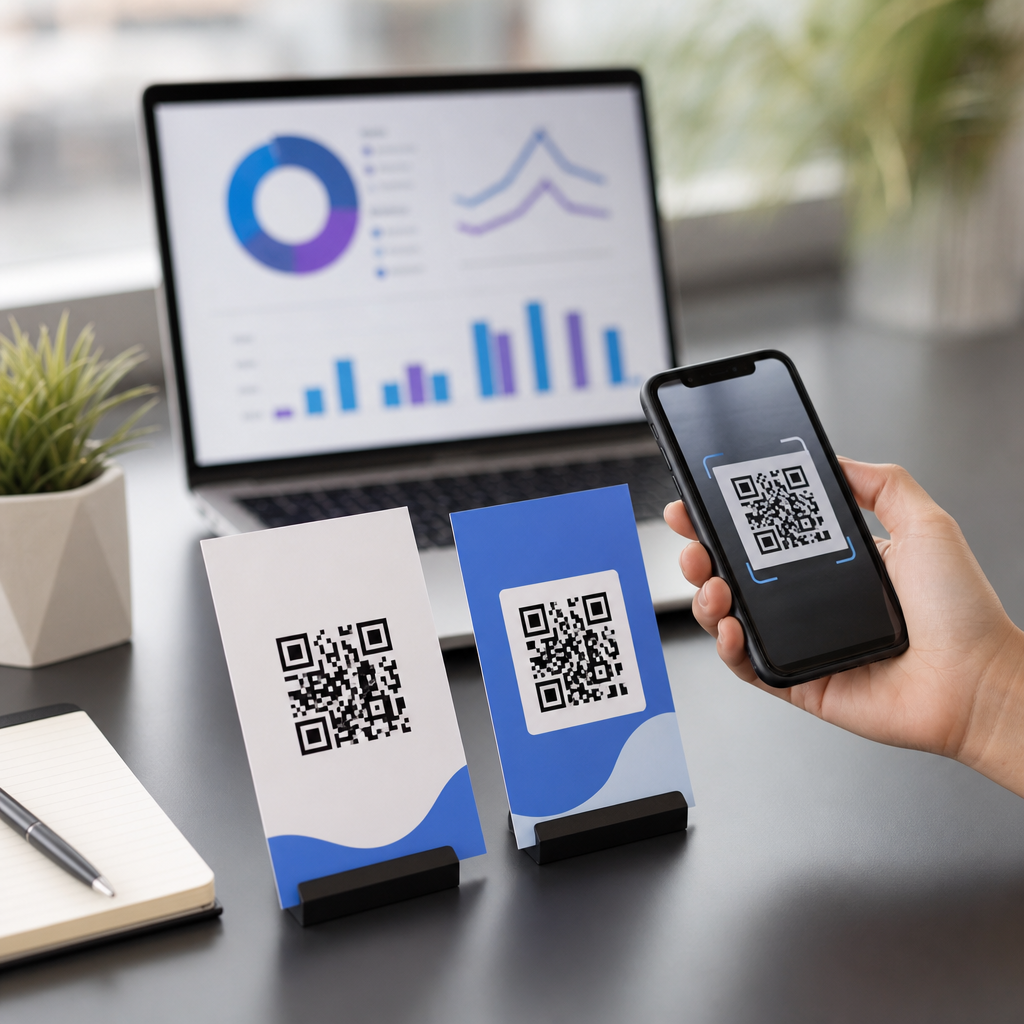

Machine learning is changing how businesses design, deploy, and optimize QR codes, turning a static square barcode into a measurable, adaptive performance channel. In practical terms, machine learning uses data-driven models to detect patterns, predict outcomes, and automate decisions, while AI and automation supply the rules, workflows, and integrations that act on those predictions. When applied to QR code programs, these capabilities improve scan rates, landing page relevance, fraud detection, print quality tolerance, attribution accuracy, and campaign speed. I have seen the difference firsthand: teams that once treated QR codes as one-off assets now manage them like high-performing digital products, with continuous testing, segmentation, and feedback loops. That matters because QR codes sit at the intersection of offline attention and online action. A package, poster, receipt, label, menu, direct mail piece, or event badge can trigger a visit, signup, payment, or support interaction in seconds. If that path is poorly matched to user intent, performance drops immediately. If the code is intelligently generated, dynamically routed, and continuously optimized, the same placement can produce materially better conversion rates, cleaner first-party data, and lower acquisition costs across the customer journey.
Why QR code performance is now a data problem
QR code performance used to be judged by a basic question: did it scan or not? Today the more useful questions are who scanned, where, on what device, under what lighting conditions, after seeing which message, and whether the destination matched the user’s intent. Machine learning improves QR code performance because it handles exactly this kind of multivariable problem better than manual rules. A restaurant chain, for example, may place codes on in-store signage, takeaway packaging, and local mailers. Each placement attracts different audiences at different times. A static destination URL treats all scans equally. A model trained on historical scan data can predict which landing page, offer, menu state, or language version is most likely to convert based on location, time, device type, repeat behavior, and referrer metadata. That turns a single code into a dynamic decision point.
The same principle applies to media planning. In campaigns I have managed, QR performance often varied more by context than by creative. A code printed near a point of sale behaved differently from one on transit ads or product sleeves. Machine learning systems can cluster scan patterns, identify underperforming placements, and forecast expected scan-through rates before a large print run. Instead of relying on instinct, marketers can score likely outcomes using prior campaign data and adjust size, contrast, quiet zone, headline pairing, and destination before budget is committed. This reduces wasted impressions and helps teams justify QR investments with stronger attribution models tied to revenue or downstream actions.
How AI improves QR code design, readability, and scan success
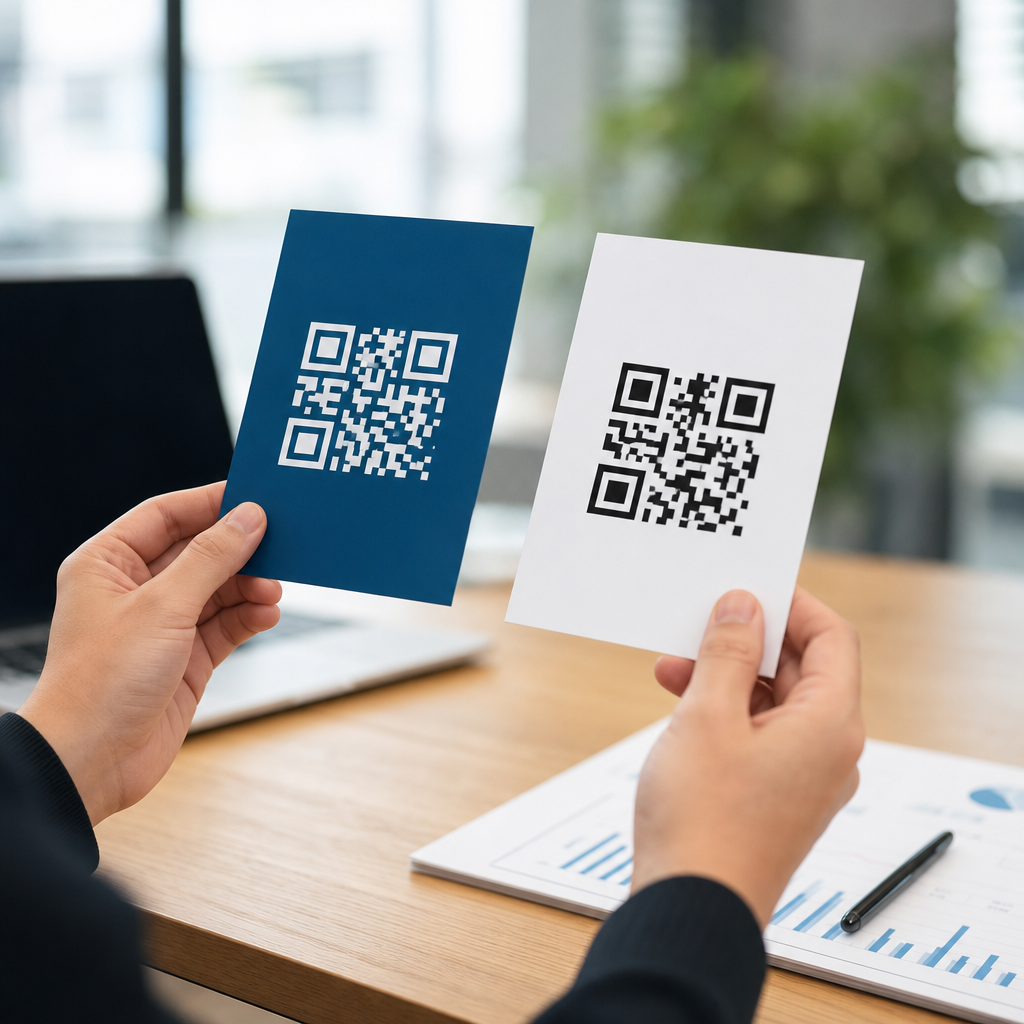
Machine learning is not limited to what happens after the scan. It also improves the code itself. QR readability depends on error correction level, module density, quiet zone, contrast ratio, print quality, material reflectivity, and camera conditions. Computer vision models can evaluate generated codes against likely real-world distortions such as glare, curvature on bottles, low ink density, motion blur, and partial obstruction. That lets teams choose designs that remain scannable without sacrificing branding. This is especially important when using custom colors, embedded logos, or stylized frames, all of which can hurt scanner confidence if pushed too far.
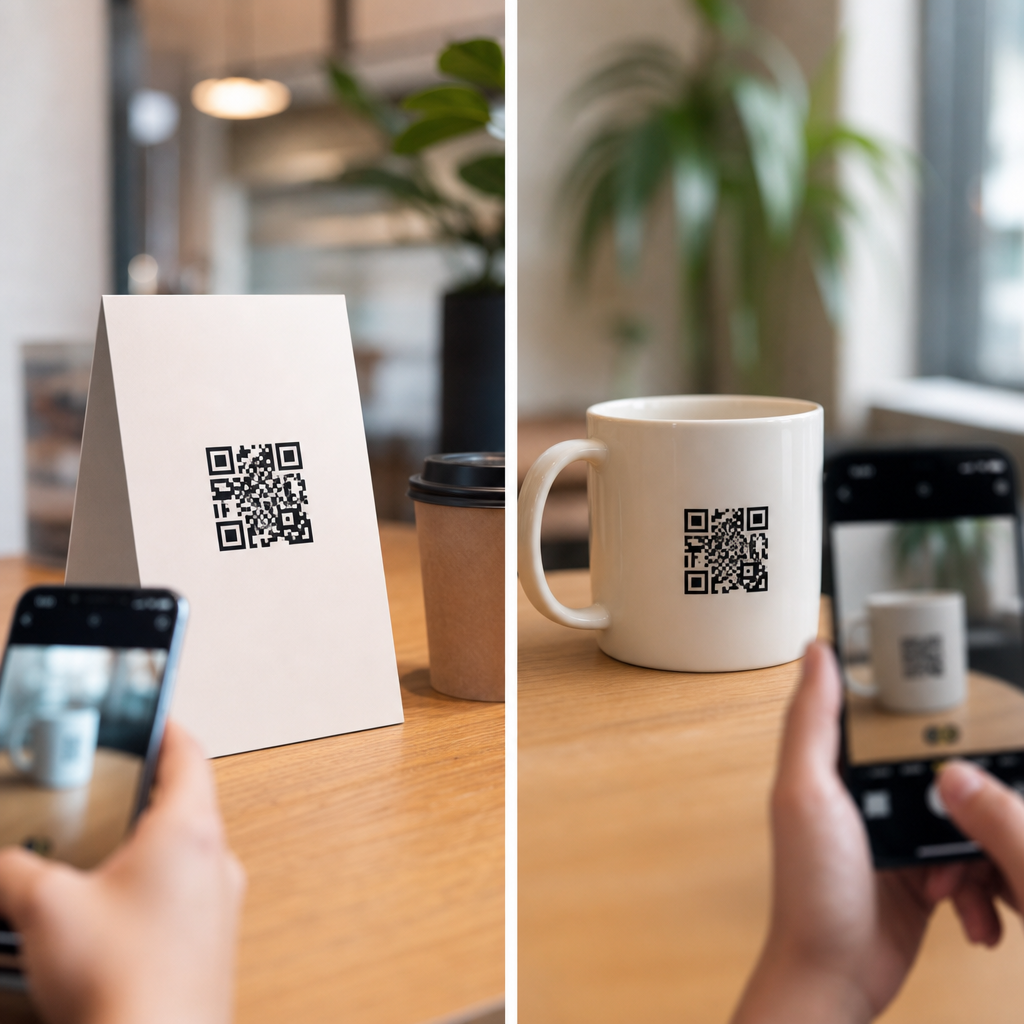
In packaging workflows, AI-assisted quality control can inspect proofs or production samples and flag codes with insufficient contrast, damaged finder patterns, or risky resizing. Manufacturers already use machine vision platforms such as Cognex and Zebra for barcode inspection, and the same logic extends to consumer-facing QR programs. A cosmetics brand printing codes on metallic tubes, for instance, may discover that one finish creates specular highlights that reduce smartphone scan reliability. A trained image model can compare print variants and recommend safer substrates or darker foreground values. The result is fewer failed scans, less customer frustration, and a better return from every printed asset. Dynamic code generation tools can also automate versioning, creating slightly different QR configurations for distinct surfaces, distances, or environmental conditions rather than forcing one design to fit every use case.
Personalization, routing, and automated journey orchestration
The strongest performance gains often come after the scan, when machine learning decides what should happen next. Dynamic QR codes can route users to different destinations without changing the printed code. Add machine learning, and routing becomes predictive. If a first-time scanner arrives from a retail shelf display, the best destination may be a short explainer page with social proof and product comparison. If a known customer scans from packaging after purchase, the better destination may be setup instructions, warranty registration, or replenishment ordering. Models can score intent using signals such as device language, timestamp, geography, campaign source, and prior CRM history, then send the user to the highest-probability path.
This is where QR codes connect tightly with automation platforms. A scan can trigger audience assignment in a customer data platform, launch a personalized email or SMS follow-up, notify sales in a CRM, or update lead scores in systems such as HubSpot, Salesforce, or Braze. The QR code becomes the acquisition trigger; automation handles the next best action. For B2B events, I have used QR workflows that segment booth visitors in real time based on content viewed after the scan. Prospects who watched a pricing video were sent to a sales sequence, while users who downloaded implementation guides entered a nurture stream. The print asset looked simple, but the performance came from machine learning scoring and automated orchestration running behind it.
Measurement, testing, and fraud detection with machine learning
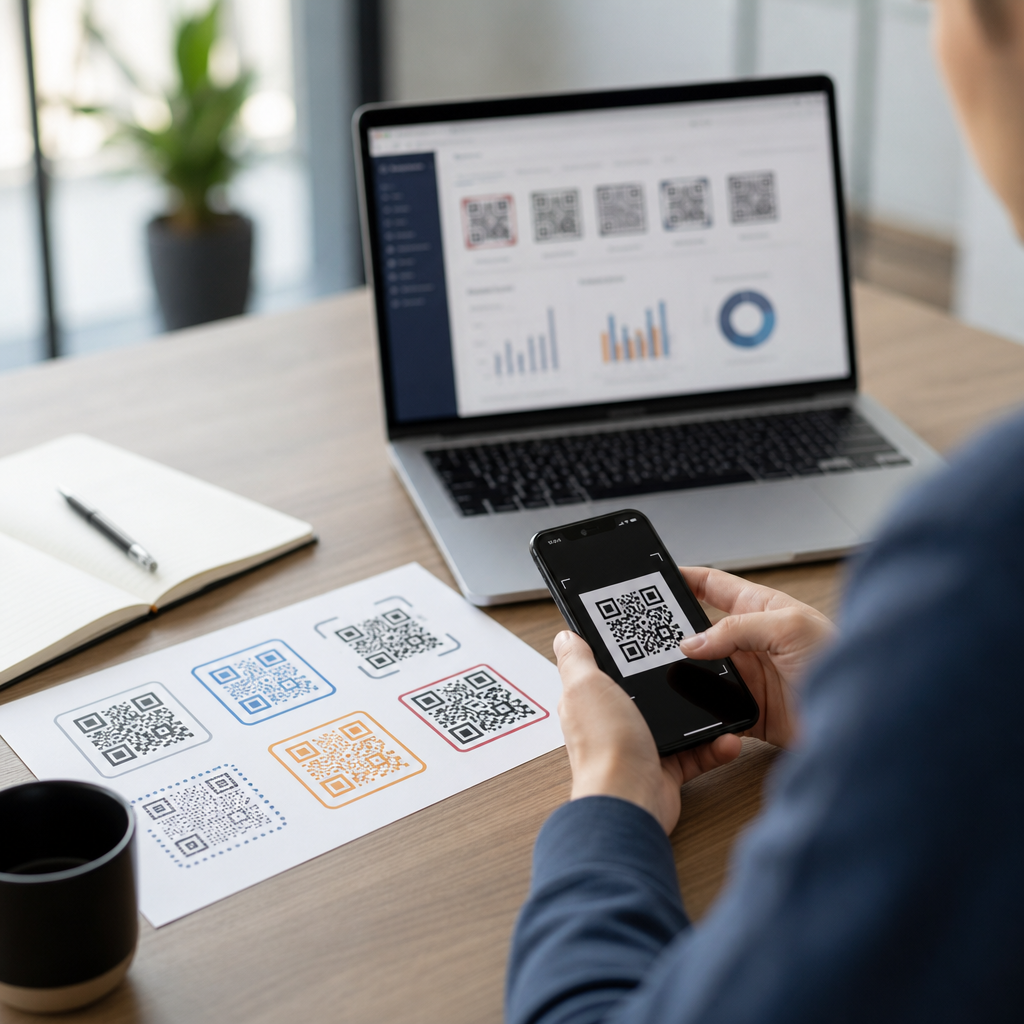
Machine learning also strengthens measurement, which is essential for advanced QR code strategies. Standard analytics show scans, sessions, bounce rate, and conversion events. Predictive analytics go further by estimating likely lifetime value, identifying drop-off drivers, and attributing offline placements more accurately. A retailer can compare QR scans from window decals, shelf talkers, and receipts, then model which placements generate the highest margin customers rather than the most scans. That distinction matters. Volume without quality can mislead budget allocation.
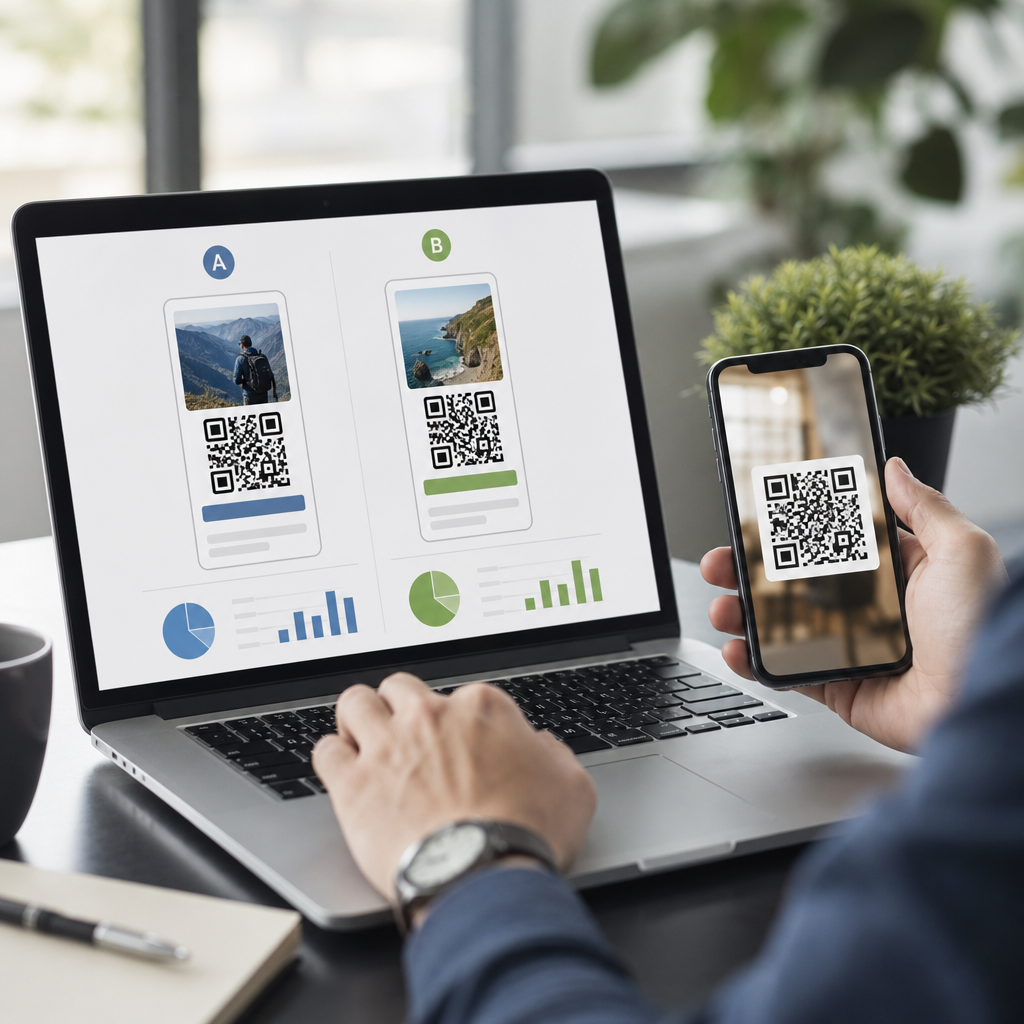
Testing becomes more efficient as data accumulates. Instead of running slow sequential experiments on one variable at a time, teams can use multi-armed bandit approaches to allocate traffic toward better-performing destinations or offer structures while still exploring alternatives. This is particularly useful when QR scans are unevenly distributed across locations. Machine learning can also detect anomalies that indicate fraud or misuse, such as bot traffic hitting shortened URLs, sudden scan spikes from impossible geographies, or code replacement scams in public venues. Financial institutions and payment providers already monitor these patterns because malicious QR substitutions can redirect users to phishing pages. Anomaly detection models help shut down compromised destinations quickly, preserving trust and protecting conversion rates.
| QR use case | Machine learning application | Performance gain | Example |
|---|---|---|---|
| Product packaging | Computer vision quality scoring | Higher scan success on curved or reflective surfaces | Beverage brand adjusts contrast for chilled bottles |
| Retail signage | Predictive destination routing | More conversions from context-matched landing pages | Store visitors see inventory by local branch |
| Direct mail | Response propensity modeling | Better offer selection and mailing efficiency | High-intent households receive financing calculator |
| Events | Lead scoring and workflow automation | Faster follow-up and better sales qualification | Booth scanners enter different nurture paths |
| Payments and public posters | Anomaly detection | Reduced fraud and safer user journeys | Tampered codes trigger automatic alerts |
Building a practical QR code plus AI stack
For most organizations, improving QR code performance with machine learning does not require a custom research team. It requires a solid data foundation and disciplined implementation. Start with dynamic QR infrastructure so destinations can be updated without reprinting. Use consistent campaign parameters, event tracking, and server-side redirects where appropriate. Feed scan and conversion data into analytics platforms such as GA4, BigQuery, Snowflake, or a customer data platform. Then connect those signals to experimentation tools and marketing automation systems. If physical quality is a concern, add machine vision inspection in the print workflow or at least batch testing across representative devices and lighting conditions.
It is also important to set realistic expectations. Machine learning cannot rescue a weak offer, a confusing page, or poor placement. It amplifies strong fundamentals. It also depends on enough clean data to train useful models, which can be a limitation for low-volume campaigns or highly fragmented media. Privacy compliance matters as well. If scan data is joined to customer records, teams must handle consent, retention, and regional regulations carefully. The best QR programs balance personalization with transparency, maintain accessibility with clear fallback URLs, and keep the experience fast on mobile networks. As a hub topic, QR codes plus AI and automation include design optimization, predictive routing, automated follow-up, fraud prevention, attribution, and operational workflows. Audit your current QR journey, identify the highest-friction step, and apply machine learning where it will change outcomes fastest.
Machine learning improves QR code performance by making every stage smarter: the code design, the scan experience, the destination, the follow-up, and the measurement model. Instead of treating QR codes as static links printed on physical media, advanced teams use them as adaptive touchpoints that respond to user context and business goals. The practical benefits are clear: higher scan reliability, more relevant landing experiences, stronger attribution, faster optimization cycles, and better protection against misuse. Just as important, automation reduces manual work. Campaign managers no longer need to rebuild destinations, retag links, export lists, or inspect every variation by hand when systems can score, route, and trigger actions automatically.
The most effective approach is incremental. Begin with dynamic QR codes and reliable analytics. Next, improve print and design quality with structured testing. Then introduce predictive routing, lead scoring, or anomaly detection in the areas where scan volume and business value justify the complexity. Over time, these improvements compound. A code on packaging can become a service channel, a retention channel, and a merchandising channel at once. A code in direct mail can learn which audience, message, and landing page combination drives profitable response. That is the core advantage of QR codes plus AI and automation: better performance from assets you already distribute. Review your current QR inventory, map the data available at each touchpoint, and prioritize one machine learning use case to implement this quarter.
Frequently Asked Questions
1. How does machine learning improve QR code performance?
Machine learning improves QR code performance by turning QR campaigns from one-size-fits-all assets into systems that can be measured, analyzed, and continuously optimized. Instead of simply placing a code on packaging, signage, mailers, or displays and hoping people scan it, businesses can use machine learning models to study scan behavior across variables such as location, time of day, device type, audience segment, referral source, creative format, and landing page engagement. Those models can identify which combinations are most likely to produce scans, conversions, or deeper user interaction.
In practice, this means businesses can make smarter decisions about where a QR code should appear, what kind of call-to-action should be used around it, and what experience should follow the scan. For example, machine learning can reveal that one audience responds better to a discount-focused message while another is more likely to scan for product education or support information. It can also detect that certain code placements underperform because of poor visibility, low contrast, or inconvenient positioning. Over time, these insights help improve scan rates, reduce wasted impressions, and increase the value of every QR interaction.
Another major advantage is adaptability. Traditional QR code deployments are often static, but machine learning supports ongoing optimization by learning from new data as it comes in. If user behavior shifts, traffic sources change, or a campaign begins to lose momentum, the system can surface those patterns quickly. Combined with automation and AI-driven workflows, organizations can then adjust destination pages, update messaging, or reroute traffic to better-performing experiences. The result is a QR code program that performs more like a living marketing channel than a fixed graphic.
2. What types of data does machine learning use to optimize QR code campaigns?
Machine learning relies on a wide range of performance and contextual data to optimize QR code campaigns effectively. At the most basic level, this includes scan volume, unique scans, repeat scans, click-through behavior after the scan, bounce rate, time on page, conversion rate, and downstream actions such as purchases, sign-ups, downloads, or appointments. These signals help models determine not just whether a code is being scanned, but whether the scan is leading to meaningful business outcomes.
Beyond performance metrics, machine learning often uses environmental and audience-related data to uncover more useful patterns. This can include device type, operating system, browser, geographic region, scan timestamp, day of week, campaign source, product category, placement type, and even characteristics of the creative surrounding the code. For example, a model may learn that QR codes on in-store displays perform best during specific hours, while codes in print catalogs drive stronger engagement on weekends. It may also identify that mobile landing pages load too slowly for certain users, reducing completion rates after the scan.
When businesses connect QR systems to broader analytics and CRM platforms, the optimization potential becomes even stronger. Machine learning can then incorporate customer segments, loyalty status, prior purchase behavior, lifecycle stage, and historical engagement. That allows brands to personalize post-scan experiences and better predict which users are likely to convert. Importantly, the quality of optimization depends on the quality of the data, so businesses should prioritize accurate tracking, clean attribution, consistent tagging, and privacy-conscious data collection. Strong data foundations make machine learning recommendations more reliable and more actionable.
3. Can machine learning make QR code landing pages more relevant to users?
Yes, one of the most valuable uses of machine learning in QR programs is improving landing page relevance. A QR scan is often just the beginning of the customer journey, and performance depends heavily on what happens immediately after the scan. If users land on a generic page that does not match their intent, context, or device, engagement drops quickly. Machine learning helps solve this by analyzing which content, layout, offer, or next step works best for different types of users and situations.
For example, a business might use machine learning to determine that first-time scanners from product packaging are more likely to engage with setup instructions, while returning customers scanning from email inserts respond better to loyalty rewards or replenishment offers. A retailer may learn that users scanning in-store need a fast, simplified product information page, while users scanning from direct mail are more interested in a broader promotional experience. Instead of sending everyone to the same destination, businesses can use predictive models to route traffic to the version most likely to produce engagement or conversion.
This relevance can extend to personalization in real time. Based on available signals such as device type, location, language, campaign source, or past interactions, machine learning can help present the most appropriate page elements, messaging, recommendations, or calls to action. It can also support continuous testing by identifying which landing page variations outperform others for specific segments. The end result is a smoother user experience, lower abandonment, and a stronger connection between the reason someone scanned and the content they receive. That alignment is a major driver of better QR code performance.
4. How does machine learning help detect QR code fraud or misuse?
Machine learning plays an important role in QR code fraud detection because it can recognize unusual patterns faster and more consistently than manual monitoring alone. As QR codes become more common in payments, customer service, promotions, and authentication workflows, they also become targets for tampering, code replacement, fake redirects, and malicious scan destinations. Machine learning models can analyze traffic behavior and identify anomalies that suggest a QR code is being misused or that users are being redirected in suspicious ways.
For instance, a model may detect an unexpected spike in scans from a region that is unrelated to the campaign, unusual device clusters, repetitive bot-like behavior, abnormal timing patterns, or a sharp drop in normal post-scan engagement. These signals can indicate fraudulent activity, unauthorized replication of a QR code, or manipulation of a linked experience. In security-sensitive use cases, such as payments or identity verification, machine learning can also be used to flag mismatches between expected user behavior and actual scan patterns, helping organizations intervene before damage spreads.
Machine learning is especially useful because fraud is rarely static. Attackers change tactics, and rule-based systems alone may miss new behaviors. By learning from both normal and abnormal historical data, models can improve their ability to spot subtle threats over time. When connected to automated response workflows, the system can temporarily disable destinations, alert administrators, redirect users to safe fallback pages, or trigger additional verification steps. This helps protect customers, preserve trust, and maintain the integrity of QR code campaigns. In short, machine learning adds a proactive layer of intelligence that strengthens both performance monitoring and security oversight.
5. What are the biggest business benefits of using machine learning with QR codes?
The biggest business benefit is that machine learning makes QR codes more accountable and more profitable. Rather than treating QR codes as simple access tools, organizations can use them as measurable performance channels that support marketing, sales, service, and operational goals. Machine learning helps businesses understand what drives scans, what happens after the scan, and which adjustments lead to better results. That translates into improved campaign efficiency, higher conversion rates, stronger audience targeting, and more informed decision-making.
Another major benefit is scalability. As companies deploy QR codes across packaging, print, retail environments, events, menus, direct mail, and product support materials, the volume of interactions can become too large for manual analysis. Machine learning allows teams to detect trends across thousands or millions of scans, prioritize high-impact changes, and automate optimization. Instead of relying on guesswork, businesses can continuously refine creative, placement, timing, and destination experiences based on evidence. This is especially valuable for organizations running multiple campaigns across markets or customer segments.
There are also strategic benefits beyond immediate scan performance. Machine learning can help reveal customer intent, identify friction points in the post-scan journey, improve personalization, and support fraud prevention. It gives businesses a clearer view of how QR codes contribute to broader customer experience and revenue goals. When paired with automation, these insights can be acted on quickly through workflow updates, personalized content delivery, and campaign adjustments. The overall effect is a smarter QR code ecosystem—one that is more responsive, more secure, and far more effective at turning scans into meaningful outcomes.