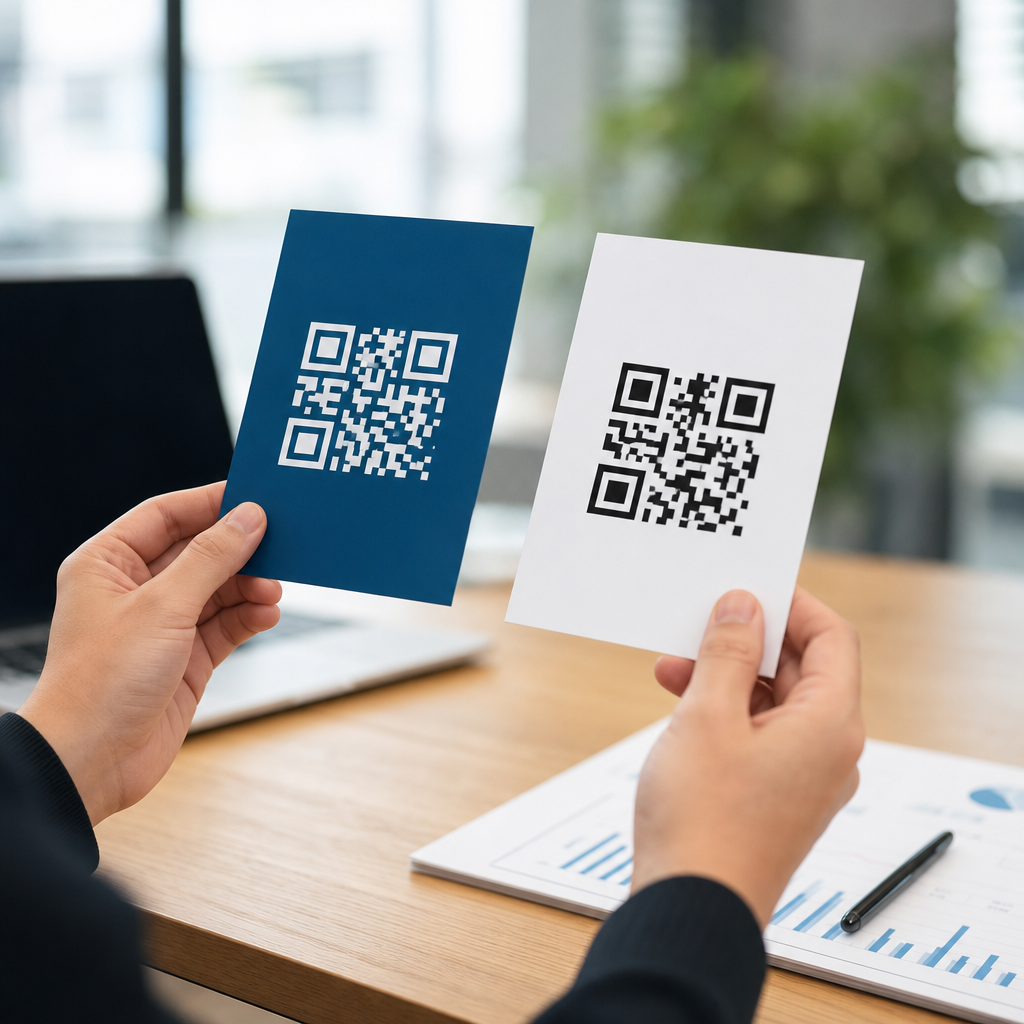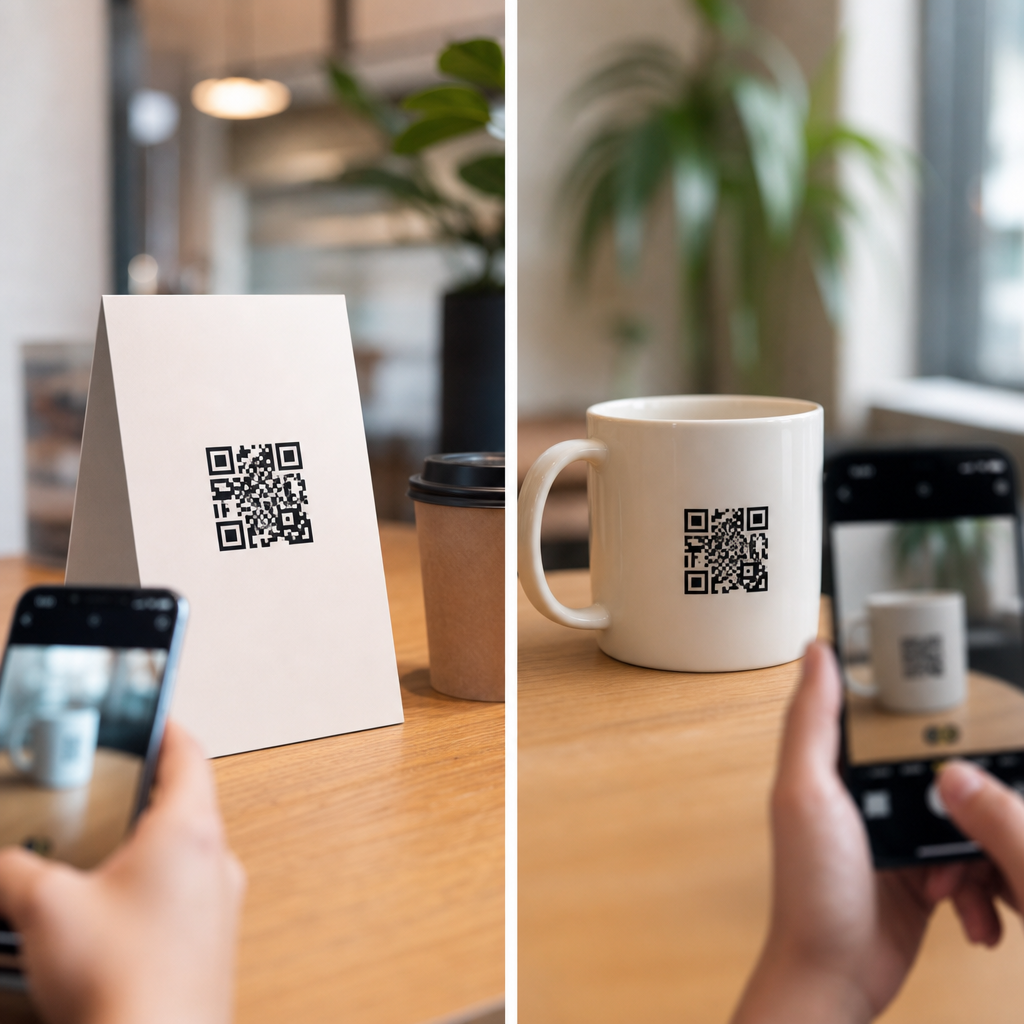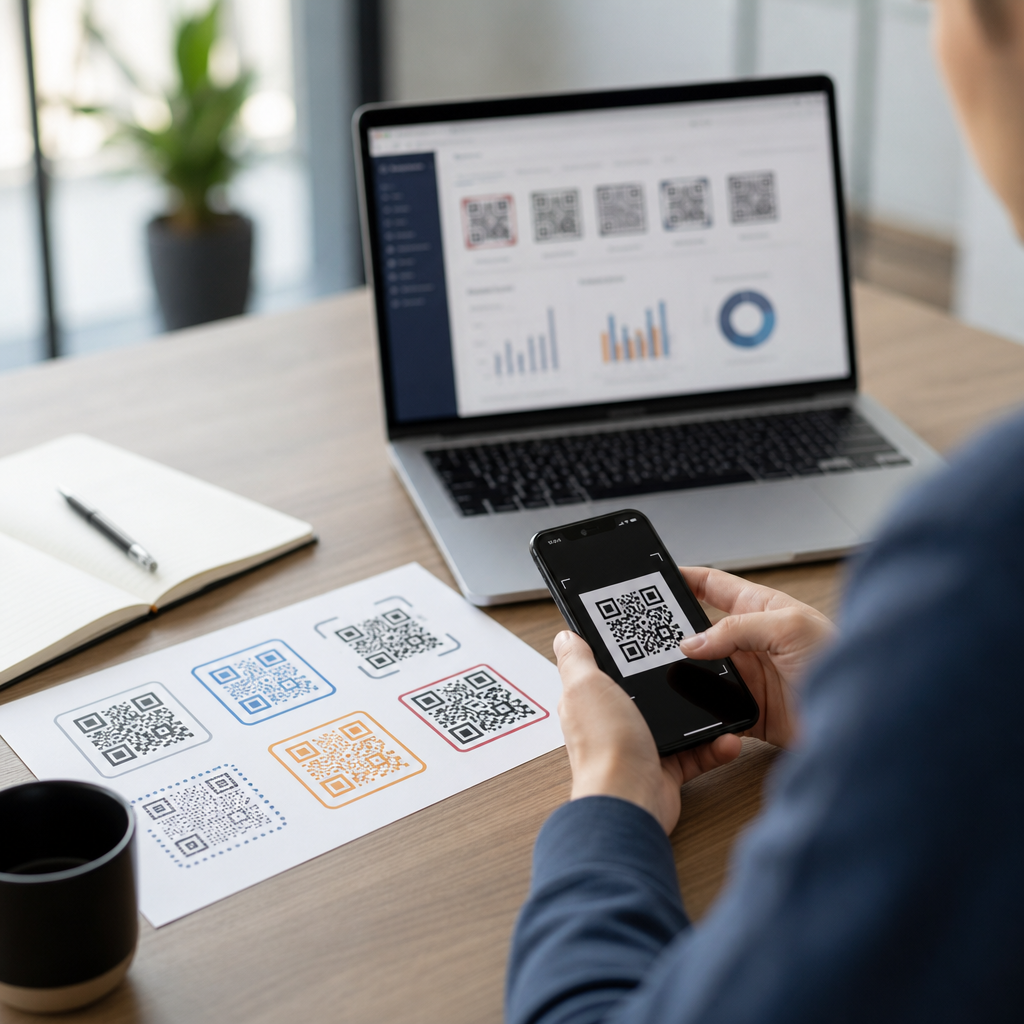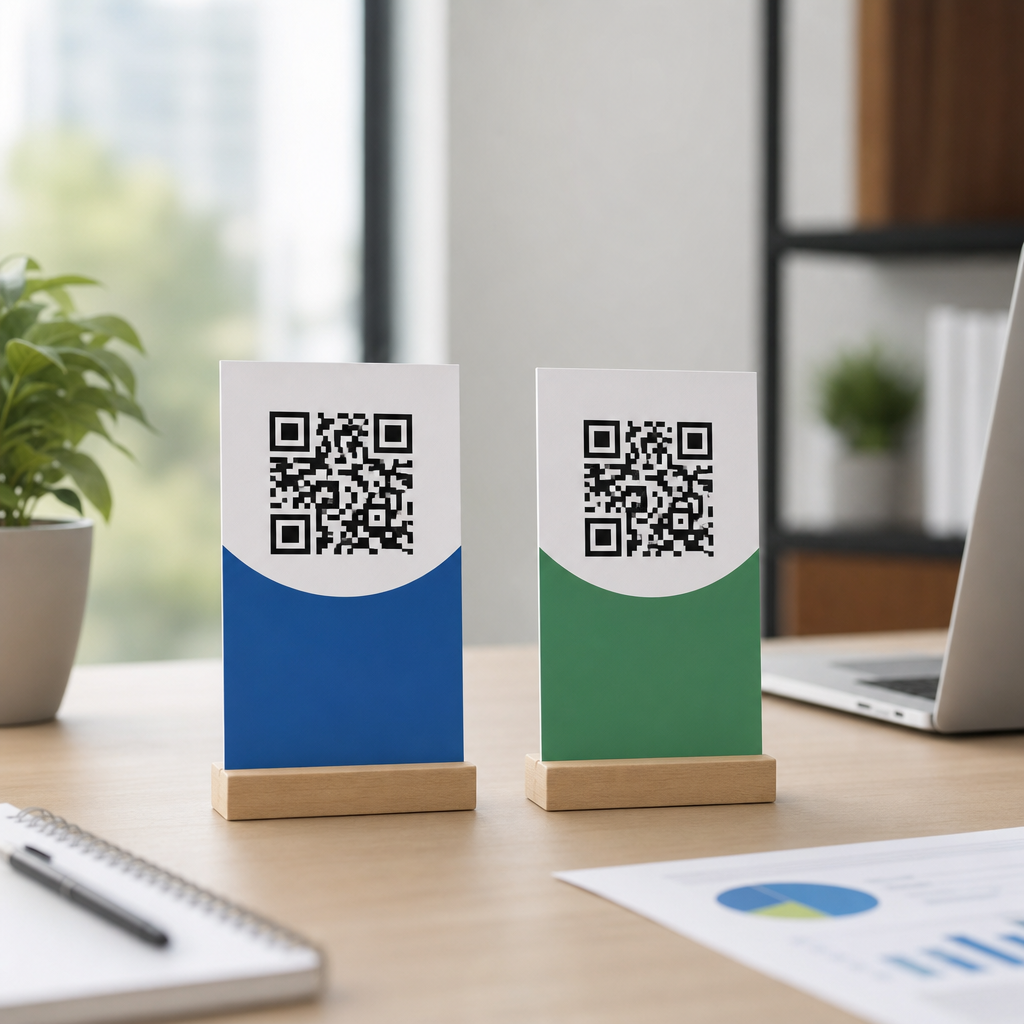
AI tools for QR code campaign optimization turn a static square into a measurable, adaptive marketing channel that improves with every scan. In practice, this topic sits at the intersection of mobile marketing, analytics, creative testing, and workflow automation. A QR code campaign is any promotion, product journey, payment flow, event experience, or customer support path that begins when a person scans a code and lands in a digital destination. Optimization means increasing useful outcomes such as scan-through rate, landing-page engagement, conversions, repeat visits, lead quality, or revenue while reducing wasted impressions and operational delays. AI tools support that work by detecting patterns in scan behavior, generating or refining copy and creative, predicting likely outcomes, routing users dynamically, and automating repetitive tasks across the campaign lifecycle.
This matters because QR codes are now embedded across packaging, retail displays, direct mail, menus, outdoor media, and in-store signage, yet many teams still treat them as simple links. I have worked on campaigns where the code design was polished, but no one monitored scan location, time-of-day performance, or device friction, so results plateaued early. The difference between an average QR code campaign and a high-performing one usually comes down to instrumentation and iteration. With the right AI stack, marketers can identify which placement drives qualified traffic, personalize destination pages, flag broken experiences before they spread, and shorten reporting from days to minutes. For brands building advanced QR code strategies, AI and automation are not add-ons; they are the system that makes QR campaigns scalable, testable, and commercially accountable.
What AI tools do in a QR code campaign
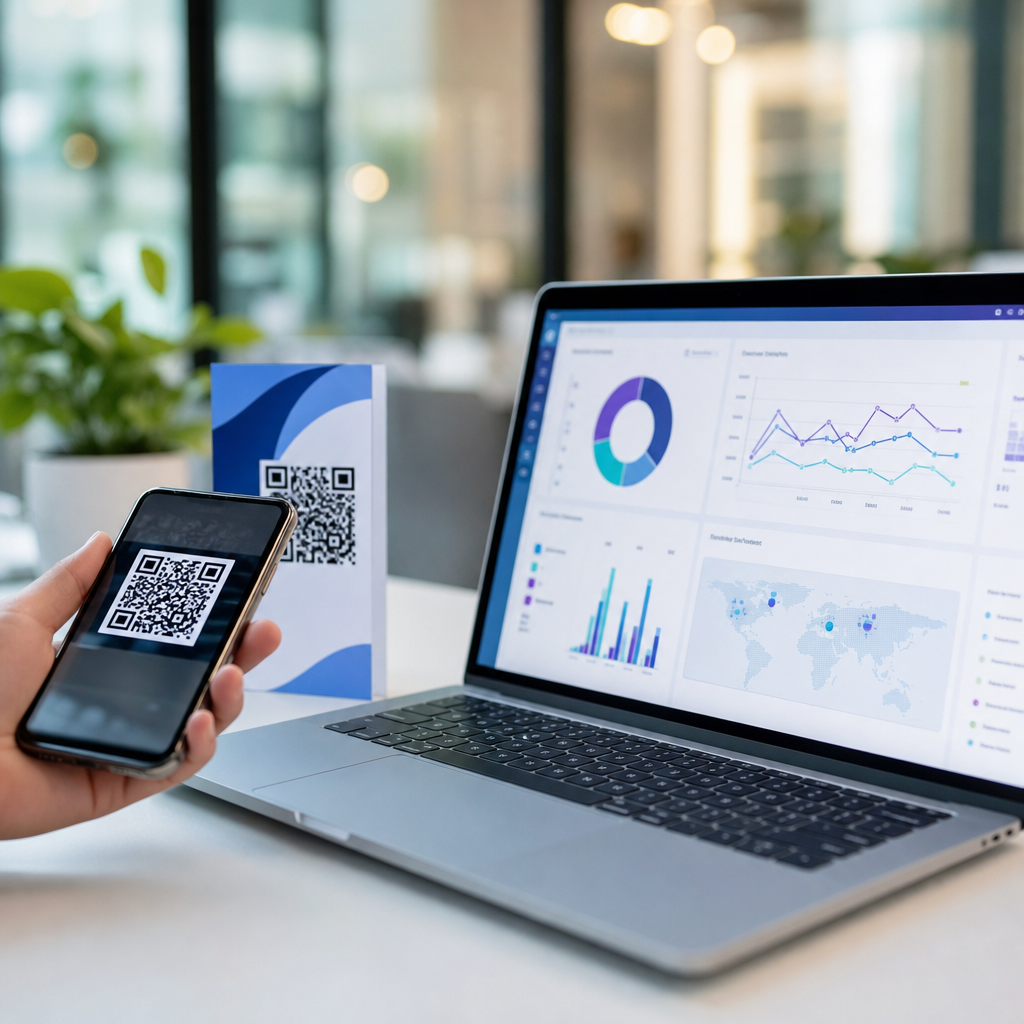
AI tools for QR code campaign optimization perform four core jobs: analysis, prediction, generation, and automation. Analysis tools digest scan data from platforms such as Google Analytics 4, Adobe Analytics, Bitly, or dynamic QR management systems and surface trends humans miss at first glance. Prediction tools estimate the likelihood of a conversion, churn event, or low engagement based on historical scan patterns. Generation tools create landing-page copy, calls to action, image variants, or audience segments. Automation tools connect systems through Zapier, Make, HubSpot, Salesforce, Shopify, Klaviyo, or custom APIs so campaign responses happen immediately after a scan.
In plain terms, a strong setup answers operational questions fast. Which store posters attract scans but not purchases? Which package insert produces better repeat orders? Does a code on a receipt work better at lunch or evening? If a scan comes from a high-intent product page, should the destination be a checkout page instead of a generic homepage? AI helps resolve these questions quickly because it can classify scan sources, group similar visitor behavior, and recommend changes based on actual outcomes rather than guesswork. Dynamic QR codes are especially important here because they allow destination URLs to change without reprinting the code, making optimization practical after launch.
Data foundations: tracking, attribution, and signal quality
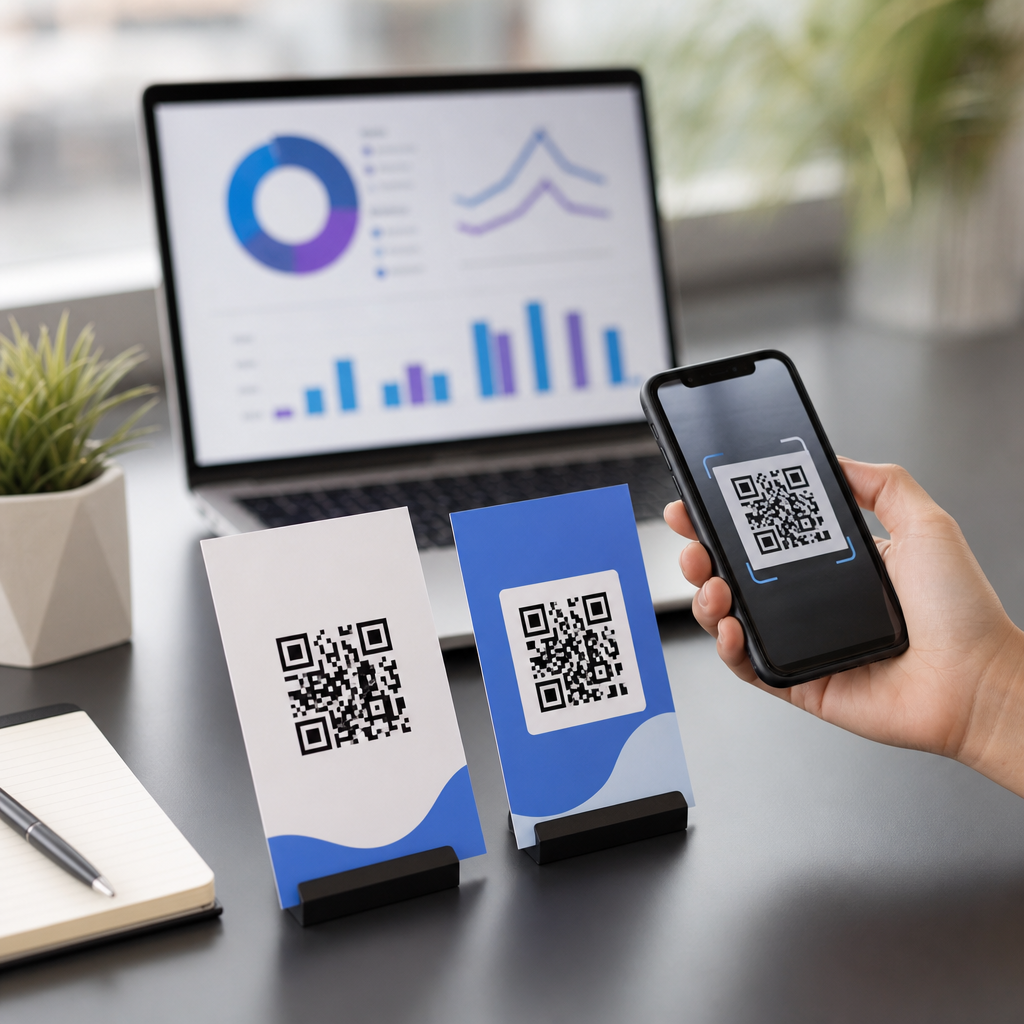
AI is only as useful as the data feeding it. For QR code campaigns, the minimum tracking stack should include dynamic QR codes, UTM parameters, event tagging, destination-page analytics, and conversion definitions aligned with business goals. If the campaign spans physical locations, add store identifiers, region metadata, and timestamp normalization. For products on shelves, include SKU or product family tags. For print placements, use separate codes by creative, audience segment, or channel whenever possible. One code for an entire campaign makes attribution weak and leaves AI with too little signal to produce reliable recommendations.
I recommend treating every QR scan as the start of a measurable session, not just a click. In GA4, define events such as scan_landing, scroll_depth, form_start, add_to_cart, coupon_reveal, appointment_booked, and purchase. If the post-scan experience includes app download prompts, wallet pass saves, or store locators, measure those too. When these events are structured consistently, machine learning models can distinguish curiosity from intent. That distinction matters. A poster in a subway station may generate many scans but low downstream conversion, while a package code scanned after purchase may generate fewer scans but much higher lifetime value.
| Optimization area | Data needed | Useful AI output | Example tool |
|---|---|---|---|
| Placement performance | Location, time, device, scan volume, conversions | Best-performing placement clusters | GA4 with BigQuery |
| Creative testing | Headline variant, CTA, design version, bounce rate | Predicted winning combinations | Optimizely or VWO |
| Lead qualification | Form fields, CRM stage, revenue outcomes | High-intent lead scoring | HubSpot AI |
| Routing and personalization | User source, device, geography, prior behavior | Dynamic destination selection | Custom rules with Zapier |
AI-powered creative and landing-page optimization
Most QR code campaigns fail after the scan, not at the scan itself. The code earns attention, but the landing page loads slowly, repeats the same message from the print asset, or asks for too much too soon. AI tools improve this handoff by accelerating variant creation and tightening message match. If a shelf talker promises a recipe, the destination should open directly to the recipe, not a broad category page. If a mailer offers financing, the landing page should foreground eligibility, rates, and next steps. Language models can generate headline options, CTA variations, FAQ sections, and localized copy in minutes, but the useful work is not volume alone. The real gain is faster testing against segmented audiences.
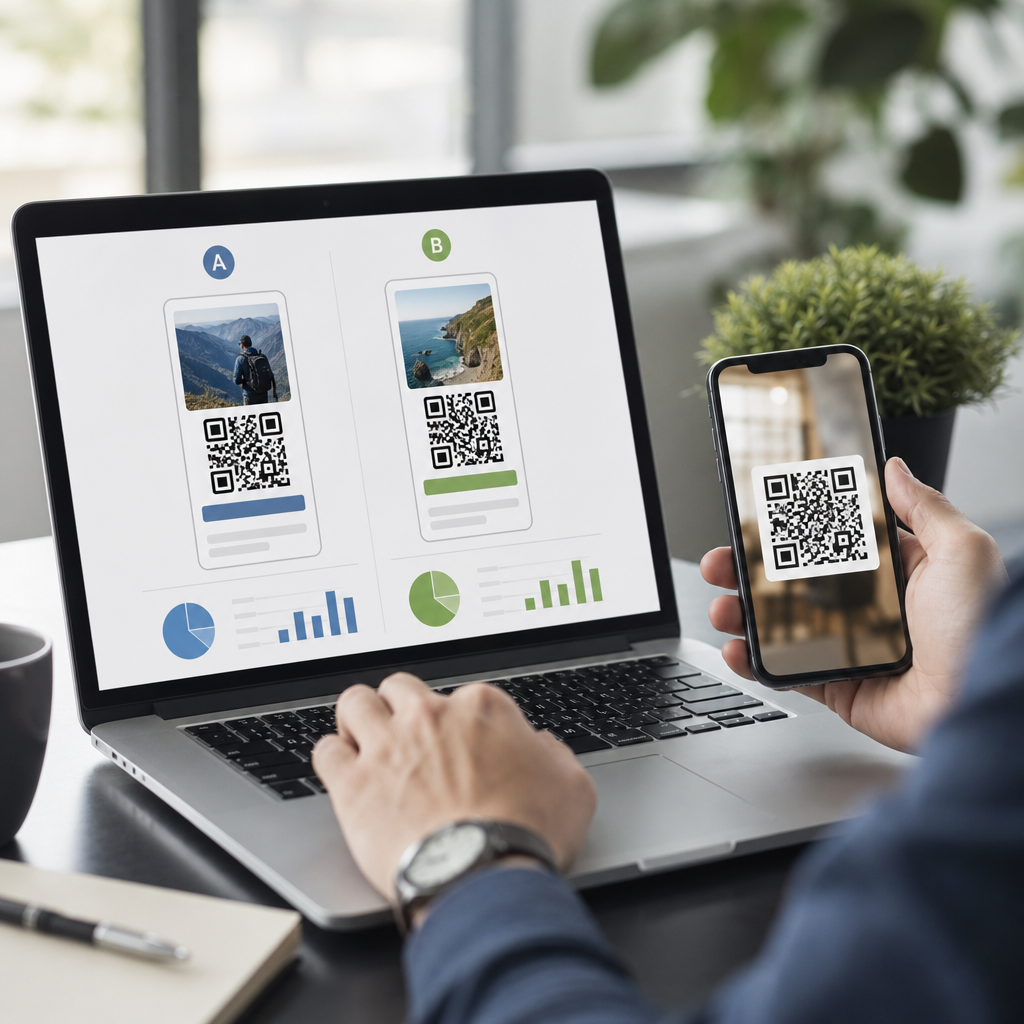
For example, an event organizer can print separate QR codes for speaker schedules, exhibitor maps, and post-event surveys. AI-assisted testing can then compare whether “View Your Agenda” outperforms “See Today’s Sessions” for attendees scanning at registration desks. Heatmap tools such as Hotjar or Microsoft Clarity add behavioral evidence, showing whether users hesitate before forms or miss primary buttons. Pair those observations with AI summarization, and weekly optimization becomes straightforward: shorten the page, move trust signals higher, reduce image weight, and tailor copy by traffic source. This is especially effective for multilingual campaigns, where AI can draft localized variants that are then reviewed by native speakers before launch.
Predictive analytics, segmentation, and audience routing
Once a campaign has enough scan and conversion history, predictive models become useful. These models score traffic based on likelihood to convert, unsubscribe, revisit, or purchase again. In QR campaigns, the strongest predictors often include scan context rather than demographics alone: placement type, daypart, operating system, network speed, prior visits, and the exact path after the landing page. A restaurant chain, for instance, may learn that scans from table tents convert best to loyalty signups during weekday lunch, while window decals drive map views but few registrations. That insight changes both creative and staffing decisions.
Segmentation should be operational, not abstract. Build audience groups that trigger different post-scan experiences: first-time visitors, returning customers, high-value buyers, nearby store shoppers, event attendees, or support seekers. AI can classify these groups in real time and route them accordingly. A returning customer who scans a package insert might be sent to a replenishment offer. A first-time scanner at a trade show booth might be sent to a short explainer video followed by a lead form. A support-related scan from a device manual might open troubleshooting steps before escalating to chat. This kind of routing improves relevance and reduces abandonment because the content matches likely intent from the first screen.
Automation workflows that keep campaigns responsive
Automation is the layer that turns insight into action. Without it, teams discover patterns but struggle to respond while the campaign is live. In a mature QR code program, scans can trigger downstream workflows automatically. A product packaging scan can create a customer profile update in the CRM, append campaign metadata, and start a post-purchase email sequence. A franchise location scan can notify the local team when a promotion spikes unexpectedly. A failed landing-page health check can pause paid amplification or alert engineering before conversion loss spreads.
Useful workflows are often simple. Through Zapier or Make, a scan event above a defined threshold can send Slack alerts, update a Google Sheet, or create tasks in Asana. More advanced teams use server-side tagging, webhooks, and cloud functions to enrich each scan with weather data, store inventory, or nearest location availability. I have seen this work especially well in retail and events. If inventory for a promoted item runs low in one region, dynamic QR rules can redirect new scanners to a waitlist or alternate product while preserving campaign continuity. That is far better than sending traffic to an unavailable item and hoping users recover.
Governance, privacy, and choosing the right tools
AI tools for QR code campaign optimization are powerful, but they need guardrails. Start with consent and privacy rules. If scans connect to identifiable customer records, make sure disclosures, consent logic, and retention policies are aligned with regulations such as GDPR or CCPA where applicable. Avoid collecting fields you do not need. Use role-based access in analytics and CRM systems, and audit dynamic destination rules so old redirects do not create inaccurate reports or broken journeys. Accuracy also matters with generated content. AI can draft strong copy, but regulated categories such as healthcare, finance, and alcohol require review for compliance, claims, and localization risks.
Tool selection should follow campaign complexity. Small teams can go far with a dynamic QR platform, GA4, Looker Studio, a testing tool, and one automation platform. Larger organizations often need warehouse-level analysis in BigQuery or Snowflake, enterprise experimentation, and direct CRM integration. The best stack is not the one with the most features; it is the one your team can instrument correctly, maintain consistently, and trust in reporting. Choose platforms that support API access, event-level exports, uptime transparency, and redirect management. Then document naming conventions, ownership, and QA steps before scaling. A disciplined stack beats a fragmented one every time.
AI tools for QR code campaign optimization help marketers move from static links to adaptive customer journeys that learn from each interaction. The core process is straightforward: create trackable dynamic codes, define meaningful conversion events, use AI to analyze and predict behavior, test creative and landing-page variants, and automate the operational responses that keep campaigns current. When those pieces work together, QR codes become more than bridge technology between offline and online media. They become a measurable growth channel that improves relevance, speeds reporting, and raises conversion quality.
The biggest benefit is not novelty. It is control. Teams gain a clearer view of which physical placements, messages, and audiences produce real business outcomes, then adjust in time to improve performance. That is the foundation of advanced QR code strategies and the reason this topic deserves a dedicated hub. If you are building or refining a QR program, start by auditing your current tracking, switching critical assets to dynamic codes, and mapping one automation workflow from scan to business action. Then expand testing and segmentation from there.
Frequently Asked Questions
What do AI tools actually do in a QR code campaign optimization workflow?
AI tools help turn QR code campaigns from one-time static placements into adaptive marketing systems that can be measured, tested, and improved over time. In a typical workflow, AI can assist at several stages: planning the campaign, generating or refining creative assets, predicting which audiences or placements may perform best, routing scanners to the most relevant landing experience, and analyzing scan behavior after launch. Instead of treating the QR code as the entire tactic, AI treats it as the entry point into a larger customer journey.
For example, AI can evaluate campaign performance data such as scan volume, device type, time of day, geography, repeat scans, bounce rates, conversion rates, and downstream actions like purchases, form completions, bookings, or support interactions. From there, it can identify patterns that a marketer might miss manually. It may detect that one design performs better in retail packaging while another performs better in out-of-home signage, or that a shorter mobile landing page increases conversions for users scanning in transit. This allows teams to make faster and more informed decisions.
AI tools are also valuable for experimentation. They can help prioritize A/B tests, recommend headlines or calls to action, score landing page quality, and automate reporting dashboards. In more advanced setups, AI can dynamically personalize the destination after the scan based on user context, campaign source, or historical behavior, while still respecting privacy and compliance requirements. The result is a QR campaign that becomes more efficient and more relevant over time, rather than remaining fixed after printing or publishing.
How can AI improve conversion rates from QR code scans?
AI improves conversion rates by helping marketers optimize what happens before, during, and after the scan. Before the scan, AI can analyze historical campaign data to suggest better placements, messaging, color contrast, code size, and call-to-action language. A QR code placed on a product label, direct mail piece, event booth, menu, or poster may attract very different user intent, and AI can help align the surrounding creative with that intent. This matters because scan rate and conversion rate are closely connected but not identical; getting more scans only helps if the landing experience is designed to convert.
During the post-scan experience, AI can match users with more relevant landing pages, offers, or content flows. Someone scanning for product information may need specifications, reviews, or a buying guide, while someone scanning in a customer support context may need troubleshooting steps, live chat, or an FAQ. AI can help detect these patterns and route traffic accordingly. It can also optimize for mobile usability, which is essential because most QR interactions happen on smartphones and users expect fast load times and minimal friction.
After the scan, AI helps teams identify drop-off points and improve them systematically. If users scan but do not convert, AI-powered analytics can reveal whether the issue is a slow page, a confusing form, weak offer framing, poor audience match, or low trust signals. It can then recommend specific changes and estimate their likely impact. Over time, this creates a feedback loop where each campaign iteration becomes smarter. In practical terms, AI can increase conversion rates by improving audience targeting, creative relevance, landing page fit, and decision speed across the entire campaign lifecycle.
What metrics should marketers track when using AI for QR code campaign optimization?
Marketers should track both top-level engagement metrics and deeper business outcome metrics. At the front of the funnel, important indicators include total scans, unique scans, repeat scans, scan-through rate relative to impressions or distribution volume, device type, operating system, location, and time-based patterns. These metrics show whether the campaign is attracting attention and where engagement is happening. On their own, however, they do not reveal whether the QR campaign is generating meaningful value.
To understand performance more fully, teams should measure post-scan behavior. This includes landing page views, bounce rate, dwell time, click-through rate, form starts, form completions, add-to-cart activity, purchases, appointment bookings, content downloads, coupon redemptions, support resolutions, or any other action that represents success for the campaign. AI tools are especially useful here because they can connect patterns across multiple variables and uncover which combinations drive the strongest outcomes. For instance, they may show that a campaign performs best on weekends in urban locations for returning users who land on a shorter page with a clearer incentive.
Marketers should also track optimization-specific metrics such as variant performance in A/B tests, speed of learning across experiments, audience segment response, and return on campaign spend. If AI is being used for predictive routing or personalization, it is helpful to monitor uplift compared with a non-AI baseline. In addition, workflow metrics matter: reporting time saved, creative iteration speed, and how quickly teams can deploy campaign improvements. The best measurement approach combines scan analytics, conversion analytics, attribution signals, and operational efficiency, giving marketers a complete picture of whether AI is making the QR campaign more effective and more scalable.
Can AI personalize the destination behind a QR code without changing the printed code itself?
Yes, and this is one of the most practical advantages of combining AI with dynamic QR code infrastructure. A printed QR code does not have to lead to one fixed destination forever. If the code is tied to a dynamic redirect system, the final landing page or content experience can be updated at any time without reprinting the code. AI adds another layer by helping determine which destination is most appropriate based on context signals such as location, device type, language, time of day, campaign source, user segment, or historical interaction patterns.
This means the same QR code can support multiple relevant experiences. A restaurant could show one menu version at lunch and another at dinner. A product package could route new customers to onboarding content and returning customers to refill options or loyalty rewards. An event organizer could direct early visitors to registration details and later visitors to live schedules, maps, or post-event feedback forms. AI helps automate these decisions by identifying which version is most likely to achieve the desired outcome for each scan context.
That said, personalization should be used strategically and responsibly. It works best when it simplifies the user journey and increases relevance, not when it becomes intrusive or unpredictable. Teams should make sure the experience remains fast, transparent, and privacy-aware. In many cases, strong contextual personalization can be achieved with anonymized signals rather than personally identifiable information. When implemented well, AI-powered dynamic routing allows marketers to preserve the convenience of a single printed QR code while continuously improving the relevance and performance of the experience behind it.
What are the biggest mistakes to avoid when using AI tools for QR code campaign optimization?
One of the biggest mistakes is focusing only on scan volume instead of meaningful outcomes. A campaign can generate many scans and still perform poorly if users do not take the next step. AI can help surface engagement patterns, but if the optimization goal is not clearly defined, teams may end up improving vanity metrics instead of business results. It is important to decide early whether success means purchases, leads, bookings, support resolution, content consumption, app installs, or another measurable action, and then configure AI analysis around that goal.
Another common mistake is ignoring the landing experience. Marketers sometimes spend time optimizing code design or placement while sending scanners to slow, generic, or desktop-oriented pages. Because QR interactions are highly intent-driven and mobile-first, even small friction points can reduce performance significantly. AI insights are most valuable when paired with strong destination design, clear calls to action, fast page speed, and message consistency between the physical code placement and the digital experience.
A third mistake is over-automating without human oversight. AI can recommend segments, content variants, and optimizations, but marketers still need to evaluate brand fit, compliance, accessibility, and context. Not every algorithmic recommendation should be deployed automatically. Teams should also avoid working with incomplete data, weak tracking setups, or disconnected systems, since AI outputs are only as useful as the inputs behind them. Finally, organizations should not overlook governance: privacy standards, consent requirements, data retention policies, and transparent analytics practices matter, especially when campaigns involve customer journeys across multiple channels. The most successful QR optimization programs use AI as a force multiplier for strategy, testing, and decision-making, not as a substitute for sound marketing fundamentals.