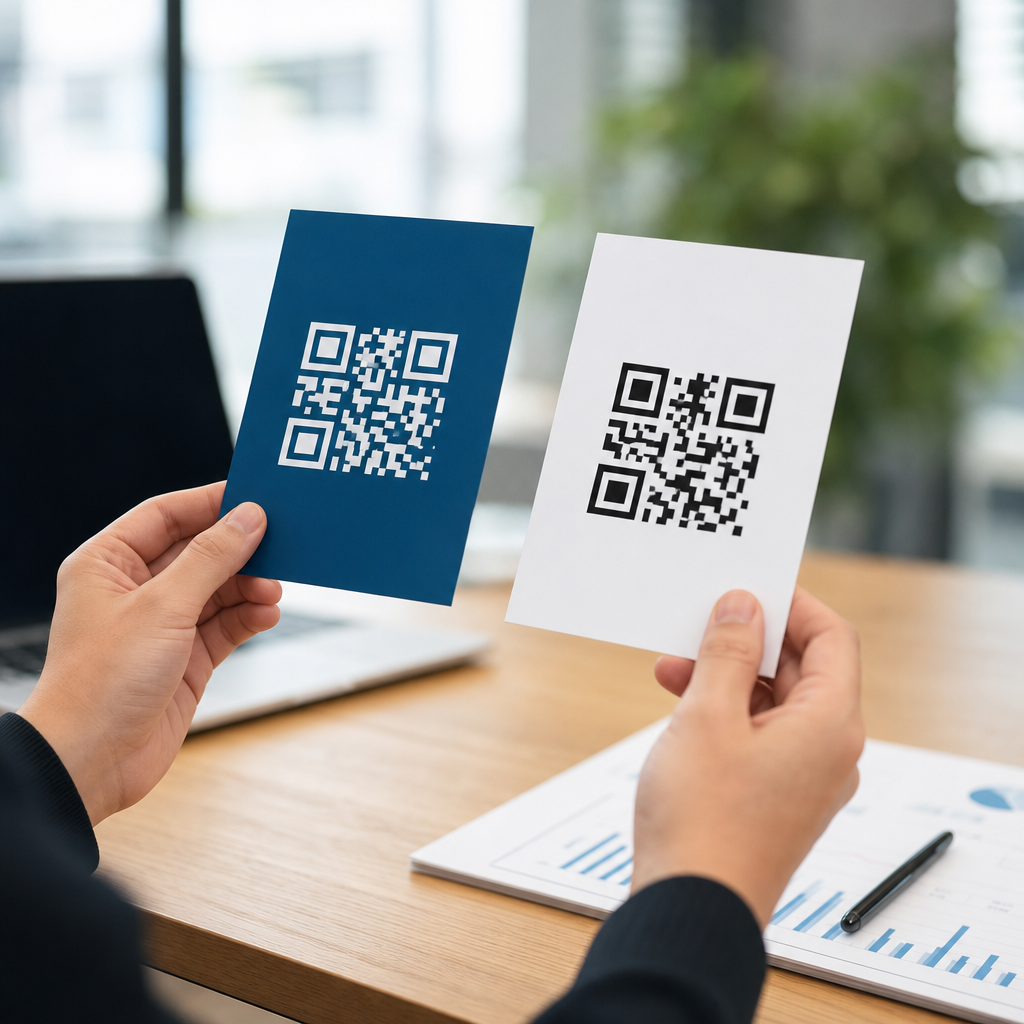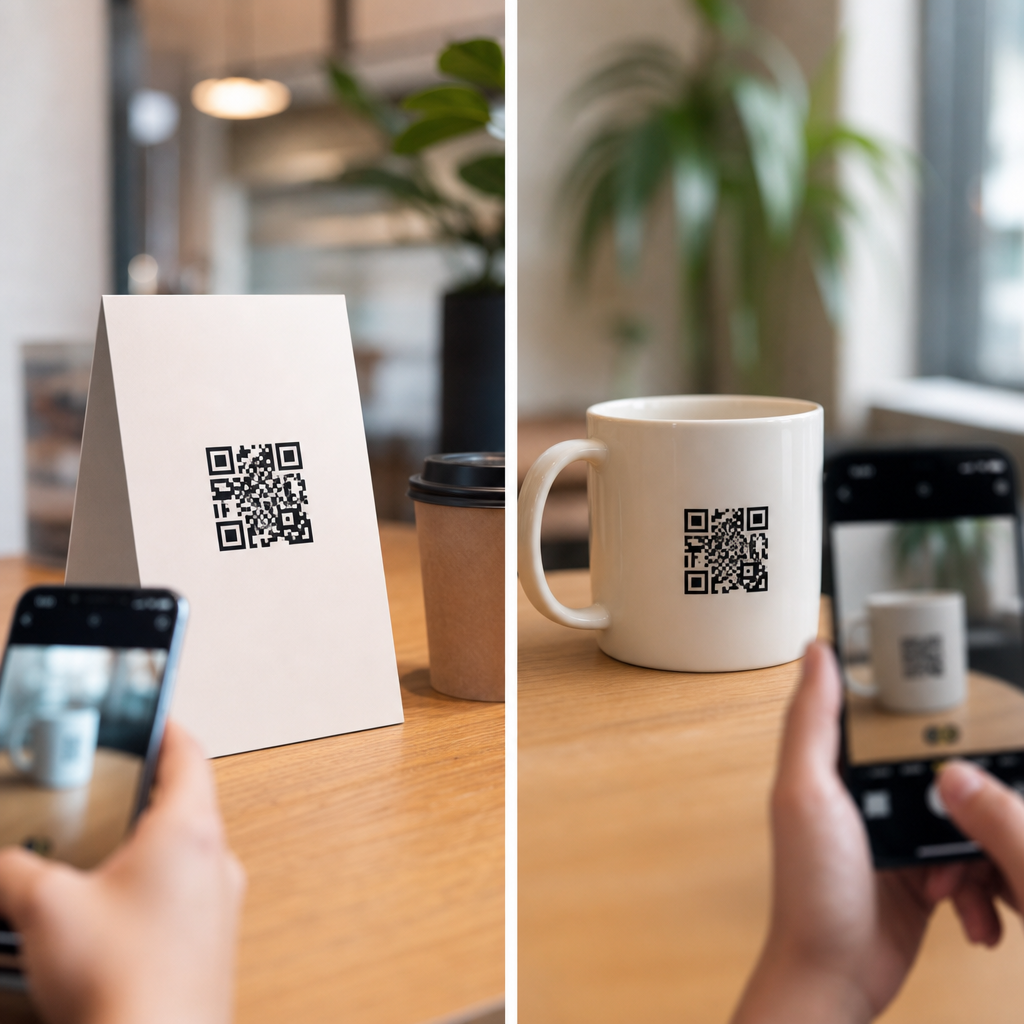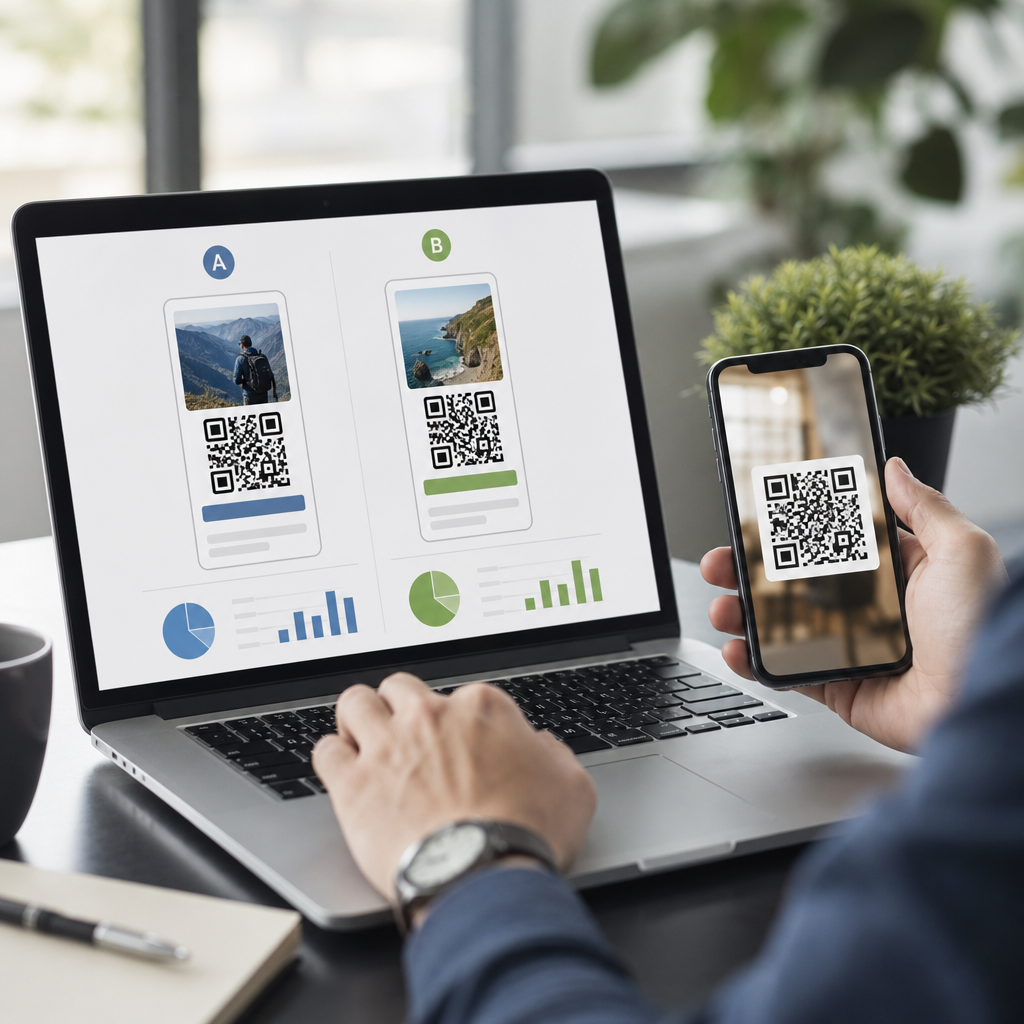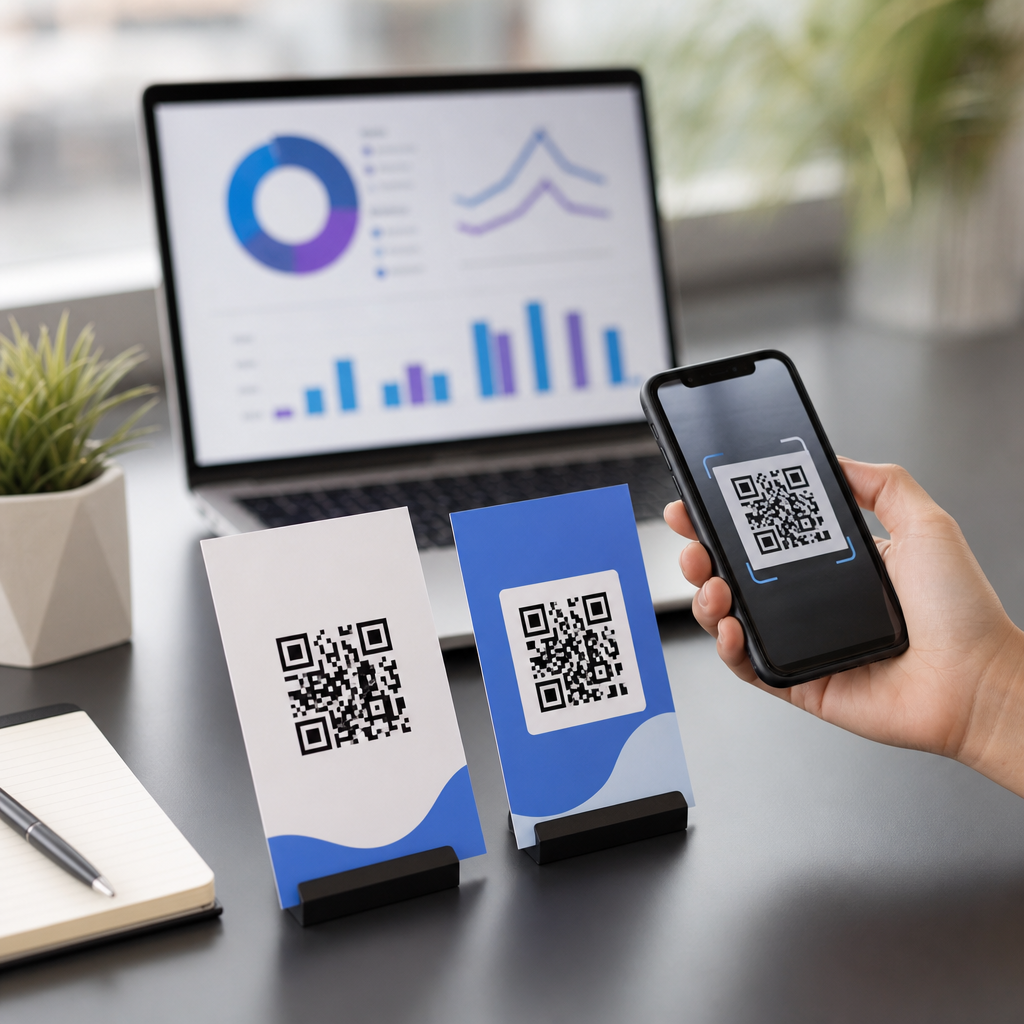

Using AI to predict QR code engagement turns a static square into a measurable, optimizable media channel. In practice, QR code engagement means the behaviors that happen after exposure: scan rate, unique scans, time of day activity, location response, device mix, repeat visitors, conversion rate, and downstream actions such as form fills, purchases, app installs, or in-store visits. AI prediction applies machine learning, statistical modeling, and automated decisioning to estimate those outcomes before and during a campaign. For teams running print, packaging, retail, out-of-home, direct mail, and event activations, this matters because QR performance is rarely random. It is shaped by placement, creative contrast, call to action, audience intent, environment, and landing-page friction. I have seen minor changes, like moving a code from a product side panel to the front label or changing “Scan Me” to “Get Setup Tips,” double scans without increasing distribution. Predictive systems help marketers make those decisions earlier, budget smarter, and react faster. They also create a stronger hub for broader QR Codes + AI & Automation work, connecting forecasting, dynamic routing, audience segmentation, personalization, testing, fraud filtering, and lifecycle attribution into one operating model.
What AI prediction actually measures in QR code campaigns
The first step is defining the target variable correctly. Most organizations start with scan count, but scan count alone is a weak KPI because it ignores exposure volume and business value. Better models predict scan-through rate by placement, conversion rate by audience segment, and revenue or lead quality by source. In mature programs, I usually separate metrics into four layers: exposure, engagement, intent, and outcome. Exposure covers estimated impressions from packaging runs, foot traffic, event attendance, or mail volume. Engagement covers scans, unique users, dwell time, bounce rate, and repeat sessions. Intent covers actions such as adding to cart, downloading a guide, viewing store hours, or starting a registration flow. Outcome covers purchases, qualified leads, support deflection, or retention effects. This structure matters because AI can predict each layer with different signals and confidence levels. A model may estimate scans accurately using placement and traffic data yet still miss revenue if the landing experience changes. Clear metric hierarchy prevents false confidence and gives teams a realistic view of what is being predicted.
Data inputs that make prediction reliable
Good prediction depends less on algorithm choice than on data quality. The strongest QR engagement models combine historical scan logs with contextual variables. Those variables often include location type, daypart, weather, campaign objective, code size, quiet-zone compliance, surface material, CTA wording, destination page speed, page type, incentive presence, creative format, language, and audience segment. For packaged goods, distribution region, retailer type, and shelf placement can materially change results. For direct mail, household profile, send date, and envelope teaser copy matter. For events, entry flow, queue length, signage height, and staff prompting influence scans. Device and analytics data are equally important. UTM parameters, referrer patterns, first-party cookies where allowed, mobile operating system, and session events from Google Analytics 4 or Adobe Analytics provide the behavioral trail needed to train useful models. Dynamic QR platforms such as Bitly, Scanova, QR Code Generator PRO, Beaconstac, and Uniqode can supply the redirect and scan event layer, while CRM tools and CDPs connect engagement to business outcomes. Without consistent naming conventions and campaign taxonomy, even a sophisticated model will underperform because it cannot learn stable patterns.
Modeling approaches for forecasting scans and conversions
There is no single best model for every QR use case. When the goal is a fast baseline forecast, logistic regression and gradient-boosted trees often perform well because they handle mixed marketing variables and produce interpretable outputs. If you need to forecast scan volume over time, time-series models such as Prophet, ARIMA, or boosted forecasting pipelines can capture seasonality, promotions, and regional patterns. For high-volume retail or transit campaigns, uplift modeling helps answer a more practical question: which placement or message will cause more scans than the alternative, not just correlate with them. Natural language processing can score CTA copy or landing-page text for clarity and intent alignment. Computer vision can evaluate whether a QR code is visually obstructed, low contrast, too small for viewing distance, or placed near distracting elements. In field work, I have found hybrid systems most useful: a rules layer to block obvious deployment mistakes, a predictive model to estimate performance, and an optimization layer to recommend the next best action. That setup mirrors how real marketing teams operate. They need not only a probability score but also a reason, a threshold, and an action they can implement before the print run or launch date.
Where automation improves QR performance after launch
Prediction is valuable before deployment, but automation creates compounding gains after campaigns go live. Dynamic QR codes allow redirects to change without reprinting, which means AI can route users by geography, device type, time of day, inventory status, or prior behavior. A restaurant chain, for example, can send lunchtime scanners to order-ahead pages and evening scanners to loyalty offers. A manufacturer can route first-time product scanners to setup instructions and repeat scanners to accessories or support. Rules engines can pause underperforming destinations, shift traffic to faster pages, or trigger alerts when scan anomalies suggest a broken redirect or mislabeled placement. Automated experimentation is especially effective. Multi-armed bandit systems can allocate more traffic to higher-performing landing pages faster than fixed A/B tests, which is useful when campaign windows are short. Personalization also matters. If CRM or CDP integration is available, a returning customer scanning packaging can receive replenishment messaging, while a new customer gets onboarding content. These automations improve engagement because they reduce mismatch between user intent and destination experience, the most common source of wasted scans I see in audits.
Practical use cases across packaging, retail, events, and direct mail
Predictive QR strategy looks different by channel, but the logic is consistent: estimate likelihood of scan, remove friction, and tune the destination to expected intent. On packaging, AI can predict which SKUs, label zones, and message variants will generate the most post-purchase engagement. Brands often use this for recipes, authentication, registration, or refill reminders. In retail, models combine store traffic, fixture location, and promotional cadence to forecast scans from shelf talkers, endcaps, and window signage. At events, QR codes on badges, booth graphics, and session screens can be scored by proximity, crowd flow, and session topic to predict lead quality, not just scan quantity. For direct mail, machine learning can rank which audience segments are more likely to scan to claim an offer, then personalize the landing page or incentive. In service operations, utilities, healthcare providers, and property managers use QR codes on statements, kiosks, or notices to deflect support calls. The predicted outcome there is not revenue but reduced handle time and faster self-service completion. The best teams align the model with the operational goal rather than chasing scans as a vanity metric.
| Channel | Key predictive signals | Primary KPI | Typical automation |
|---|---|---|---|
| Packaging | SKU velocity, label position, region, CTA, repeat purchase cycle | Repeat scans and conversion to registration or reorder | Redirect by ownership stage or product variant |
| Retail signage | Foot traffic, fixture type, viewing distance, promotion timing | Scan-through rate and in-store conversion | Switch destination based on inventory or store hours |
| Events | Session topic, booth traffic, badge scans, time block | Qualified leads per scan | Lead routing and follow-up sequencing |
| Direct mail | Audience segment, send date, offer type, creative theme | Response rate and revenue per recipient | Offer personalization and reminder workflows |
Implementation: analytics stack, governance, and experimentation
To operationalize this well, build the measurement stack before scaling campaign volume. Use dynamic QR codes with consistent campaign IDs, standardized UTM parameters, and server-side redirect logging. Connect scan events to GA4, Adobe Analytics, or a warehouse such as BigQuery or Snowflake. Tie downstream outcomes to CRM systems like Salesforce or HubSpot so models can learn which scans become qualified actions. On the modeling side, start with benchmark reports, then move to propensity scoring and forecast dashboards in tools such as Looker, Power BI, or Tableau. Governance is not optional. Document naming conventions, bot filtering rules, consent requirements, and retention windows. QR traffic can contain noise from link preview bots, internal testing, and accidental rescans, so event deduplication and anomaly detection should be standard. Experimentation also needs discipline. Test one major variable at a time when print constraints are high, and preserve holdout groups when possible so you can distinguish lift from background demand. Teams often skip creative QA, but practical checks matter: minimum code size relative to viewing distance, contrast ratio, error correction level, quiet zone, and landing-page load time under mobile conditions. AI improves decisions only when the underlying deployment is technically sound.
Limits, risks, and the next evolution of QR intelligence
AI can predict engagement, but it cannot rescue a poor offer, a weak user need, or a broken mobile experience. Models are also vulnerable to biased training data. If your history overrepresents urban stores, holiday campaigns, or discount-heavy creative, the forecasts may fail in new contexts. Privacy boundaries matter as well. Use first-party data carefully, honor consent choices, and avoid stitching identities in ways that exceed the user expectation set by the scan. Another limitation is offline impression estimation. Packaging distribution or footfall proxies can be directionally useful, yet they are still estimates, so confidence intervals should be reported alongside forecasts. Despite those limits, the direction is clear. QR programs are moving from simple redirect tracking to adaptive, predictive systems that connect print and physical environments with digital intelligence. The practical advantage is better allocation: fewer wasted placements, more relevant destinations, faster optimization cycles, and stronger attribution across channels. As your hub for advanced QR Code Strategies in AI and automation, this topic should guide related work on dynamic QR governance, predictive creative testing, personalization, anomaly detection, and conversion automation. Start by auditing your current QR data, define one business outcome beyond scans, and build the first forecast around that measurable goal today.
Frequently Asked Questions
What does it mean to use AI to predict QR code engagement?
Using AI to predict QR code engagement means applying machine learning, statistical analysis, and automated decisioning to estimate how people will interact with a QR code before and after it is deployed. Instead of treating a QR code as a simple link, AI treats it as a measurable media touchpoint with performance signals such as scan rate, unique scans, repeat scans, time-of-day trends, geographic response, device type, conversion rate, and downstream actions like purchases, form submissions, app installs, or store visits. The goal is not just to count scans, but to forecast likely outcomes and identify which variables most influence performance.
In practical terms, AI models look at historical and real-time data to detect patterns humans might miss. For example, a model may learn that QR codes placed on product packaging generate stronger repeat engagement than codes on posters, or that mobile users in one region are more likely to scan during evening hours. It can also estimate which campaign versions are more likely to convert after the scan, not merely attract attention. This helps marketers move from reactive reporting to proactive optimization, where placement, design, messaging, destination pages, and timing can all be adjusted based on predicted performance.
What types of data are used to forecast QR code performance accurately?
Accurate QR code engagement prediction depends on combining multiple layers of data rather than relying on scan volume alone. Common inputs include basic interaction metrics such as total scans, unique scans, repeat visitors, bounce behavior after the scan, dwell time, and conversion events. Contextual signals are equally important, including where the QR code appeared, what creative surrounded it, what call to action was used, what time and day it was viewed, and whether the scan happened in-store, at an event, on packaging, in direct mail, or in out-of-home advertising.
More advanced systems may also evaluate device mix, operating system, browser type, network quality, geolocation trends, weather, campaign channel, product category, and audience segment. If the post-scan journey includes a landing page or app flow, AI can include page speed, form completion rates, session depth, cart actions, or purchase behavior. In retail or omnichannel campaigns, models may even connect scan activity to later offline visits or transactions where privacy-safe attribution is available. The stronger and cleaner the data foundation, the more reliable the prediction becomes. That said, high-quality predictions do not always require massive data warehouses; even modest datasets can be useful if they are structured well, consistently tracked, and tied to meaningful business outcomes.
How can AI improve a QR code campaign beyond simply reporting scan counts?
Traditional reporting tells you what happened after a campaign runs. AI adds the ability to estimate what is likely to happen next and recommend changes that improve performance. That shift is important because scan counts alone can be misleading. A QR code may receive many scans but produce weak downstream results, while another with fewer scans may drive stronger purchase intent or higher-value conversions. AI helps separate surface-level engagement from business impact by modeling the full path from exposure to scan to action.
For example, AI can identify which placements are likely to attract high-intent users, predict the best times to launch or rotate creative, and flag audience segments that respond differently to the same code. It can also support dynamic optimization, such as changing the destination URL based on location, device, campaign source, or previous user behavior. If a model predicts that a specific landing page will underperform for Android users in a certain region, the system can direct them to a better experience automatically. Over time, these improvements can increase scan quality, reduce wasted media spend, and raise conversion rates. In other words, AI turns QR codes from passive campaign elements into actively optimized performance channels.
What are the biggest challenges and limitations of predicting QR code engagement with AI?
One of the biggest challenges is data quality. AI models are only as strong as the signals they receive, and QR code campaigns often suffer from fragmented tracking, inconsistent tagging, missing conversion data, or unclear attribution. If scans are tracked accurately but downstream actions are not, the model may optimize for low-value engagement instead of real business outcomes. Small sample sizes can also create instability, especially for newer campaigns, niche audiences, or highly localized placements where there is not enough historical behavior to train strong predictive models.
Another limitation is that human context still matters. QR code engagement can be heavily influenced by creative quality, environmental factors, product relevance, seasonality, and user motivation in ways that are difficult to capture perfectly in a model. A code on event signage may perform differently depending on crowd flow, line length, or even lighting conditions. Privacy rules and platform restrictions may also limit how much user-level data can be collected or connected across devices and channels. For that reason, AI should be viewed as a decision support system, not a substitute for sound experimentation and marketing judgment. The best approach is to combine predictive modeling with A/B testing, controlled rollouts, and ongoing validation so the model remains grounded in real-world outcomes.
What are the best practices for implementing AI in a QR code engagement strategy?
The most effective implementation starts with clear objectives. Before introducing AI, define what success actually means for the campaign. In some cases, the key metric may be scan rate. In others, it may be unique visitors, repeat engagement, completed forms, app downloads, purchases, or in-store visits. Once the primary outcomes are defined, build a consistent measurement framework so every QR code instance is tagged properly and connected to the post-scan experience. Clean event tracking, campaign naming discipline, and reliable conversion measurement are essential because they create the dataset the model will learn from.
From there, begin with focused use cases rather than trying to predict everything at once. Good starting points include forecasting scan likelihood by placement, predicting conversion probability after a scan, or identifying the best destination experience for different audience segments. Use historical data to train baseline models, then validate predictions against live campaign results. It is also wise to incorporate explainability wherever possible so teams understand why the model favors certain placements, times, audiences, or creative versions. Finally, treat implementation as an ongoing optimization loop: collect data, generate predictions, test changes, measure outcomes, and retrain the model regularly. When done well, this process creates a smarter QR code strategy that becomes more accurate, more efficient, and more valuable over time.