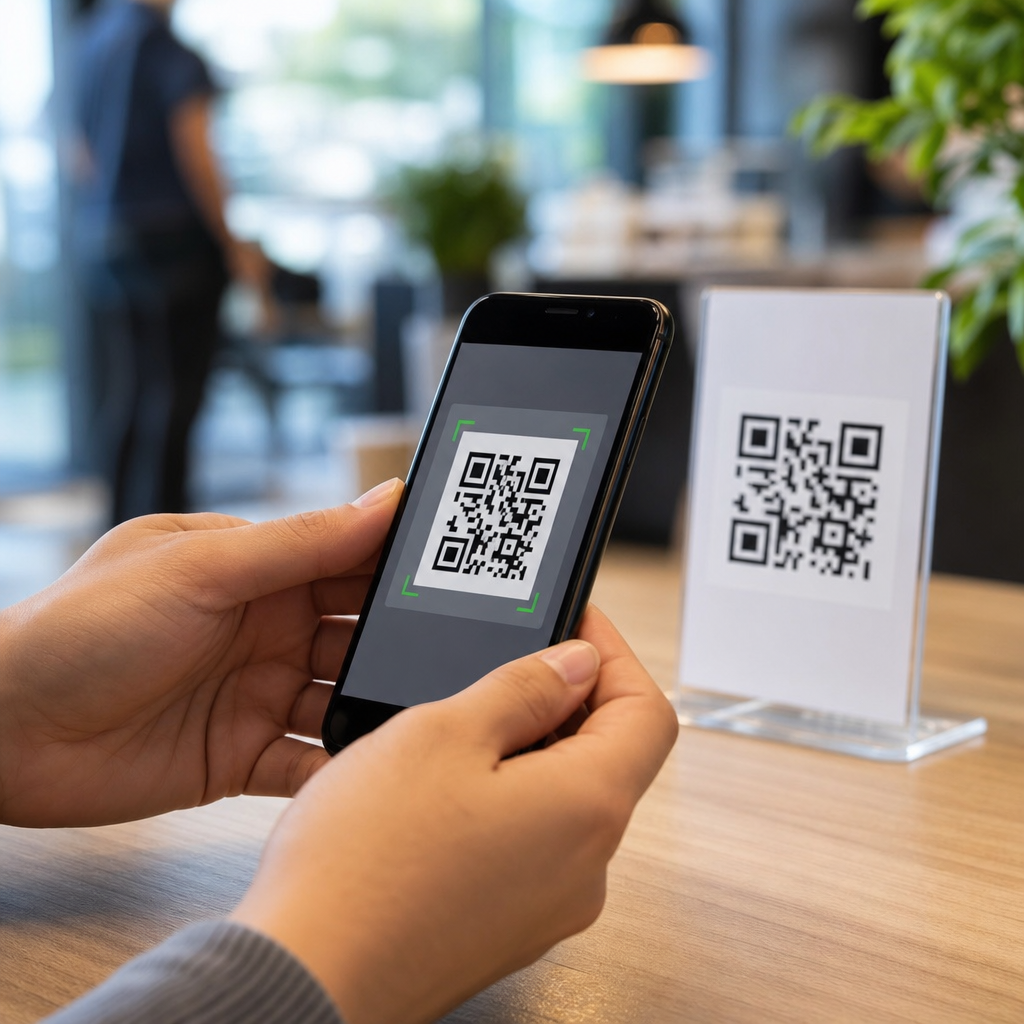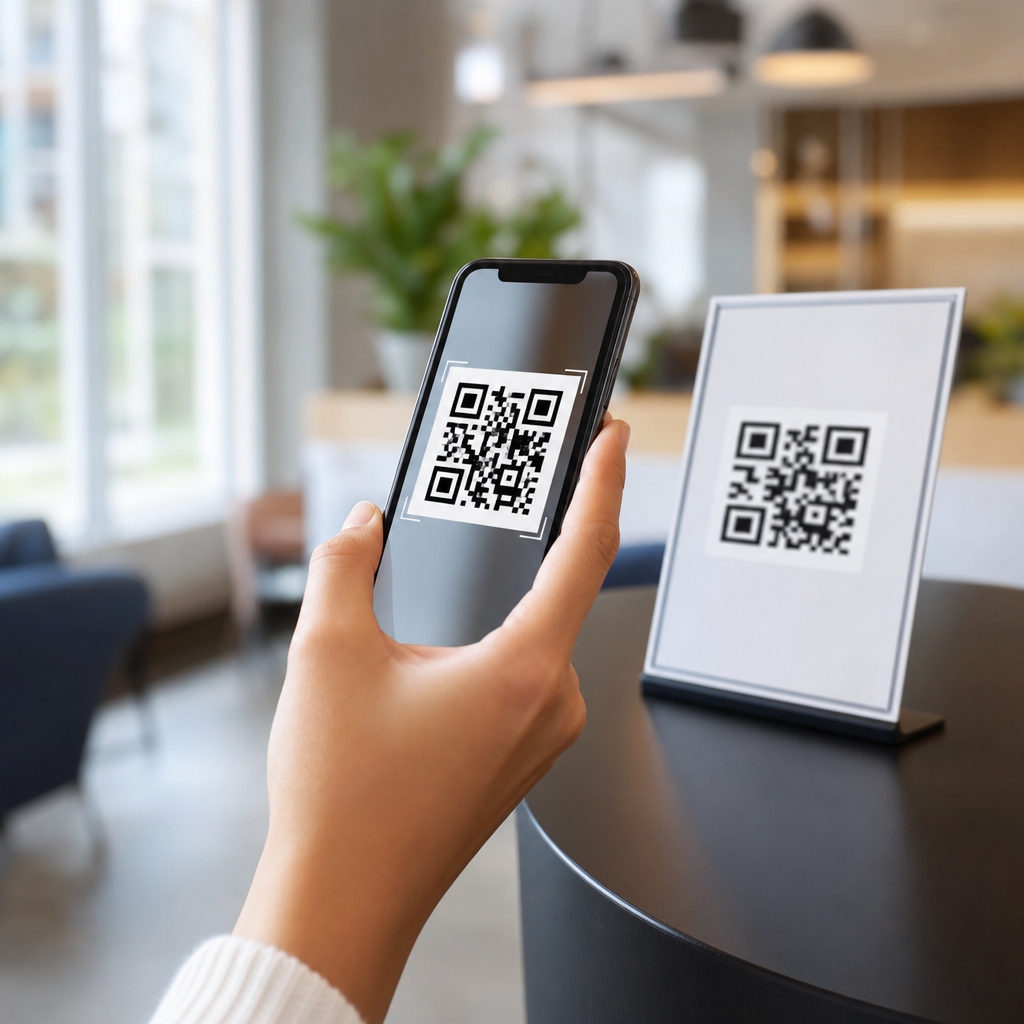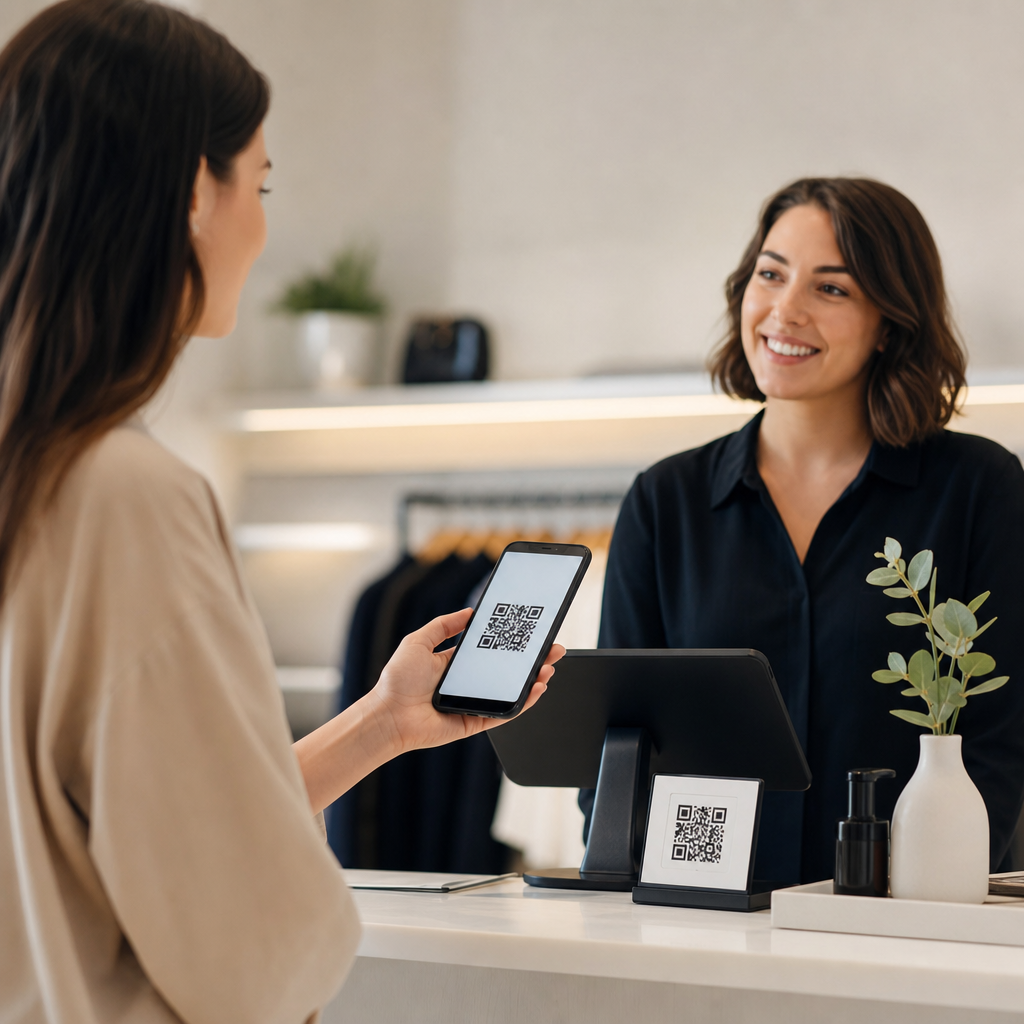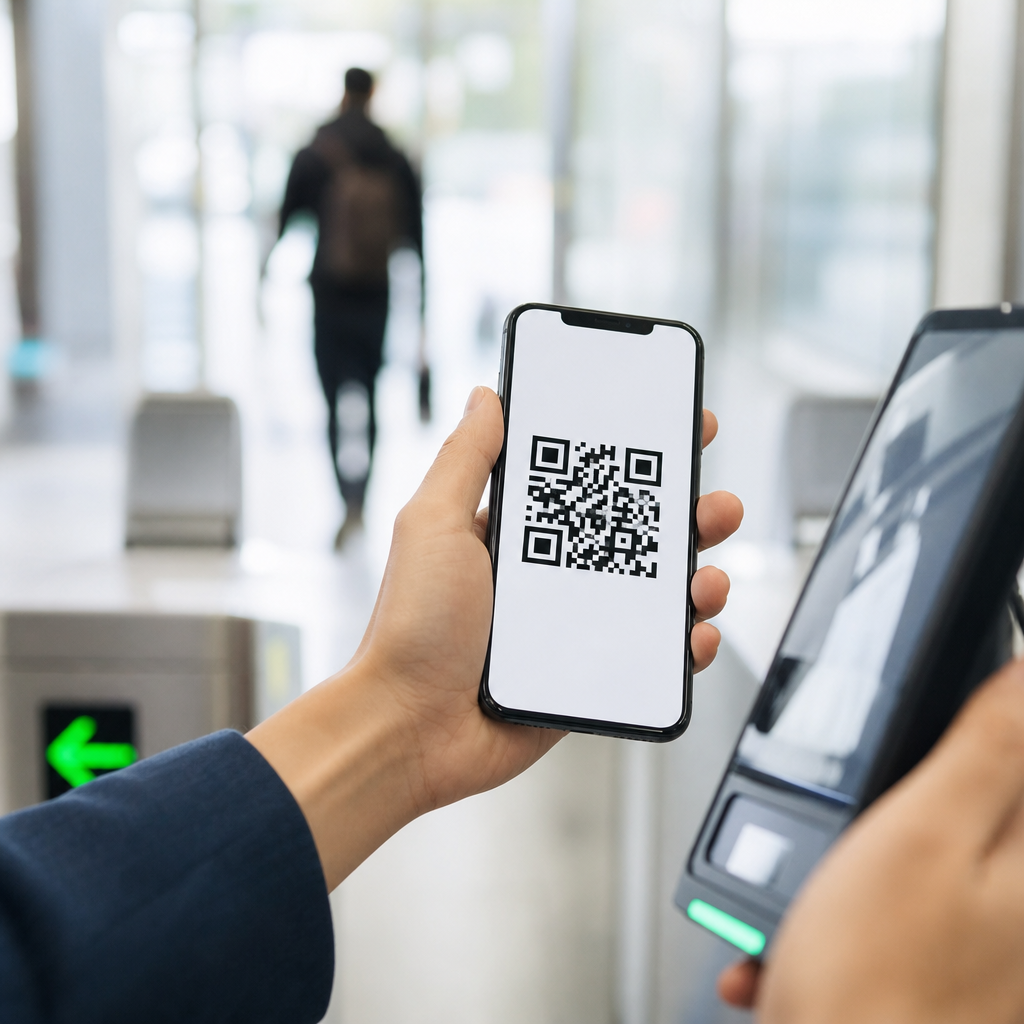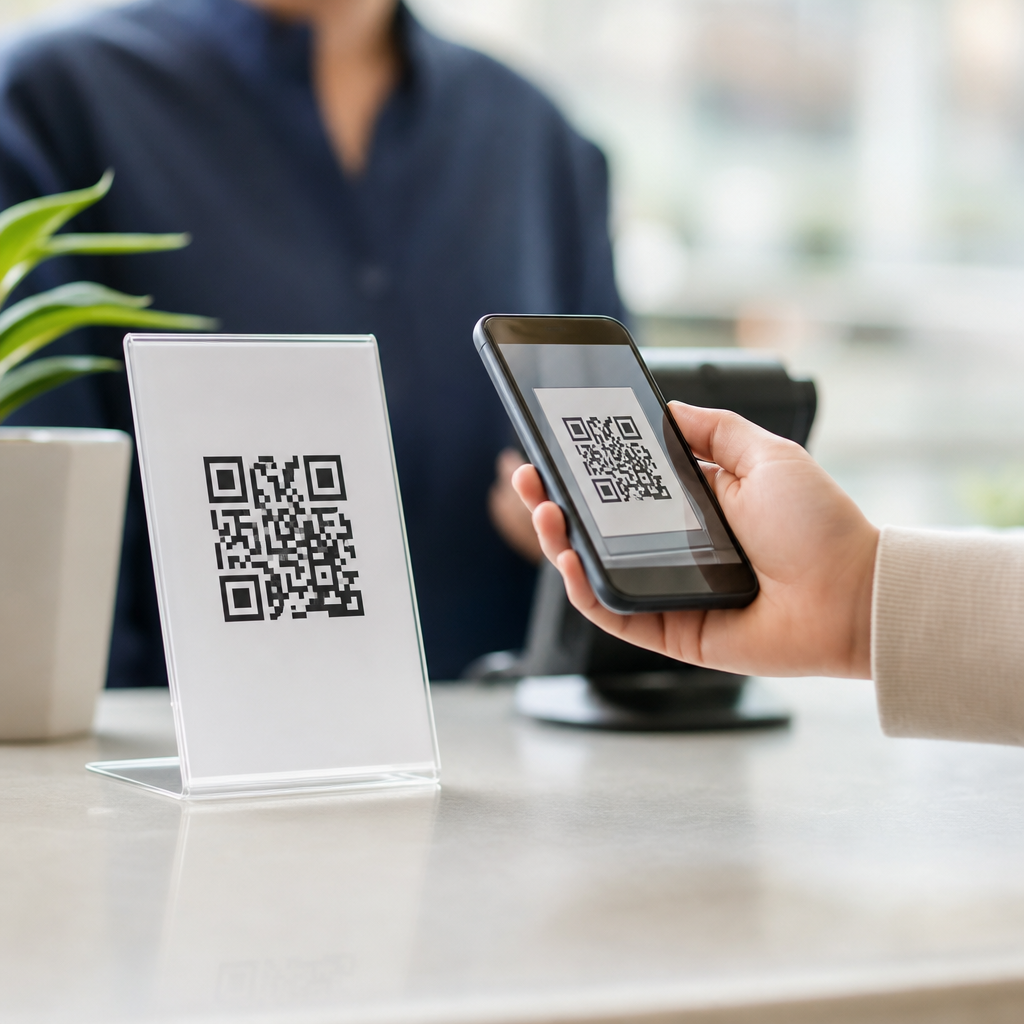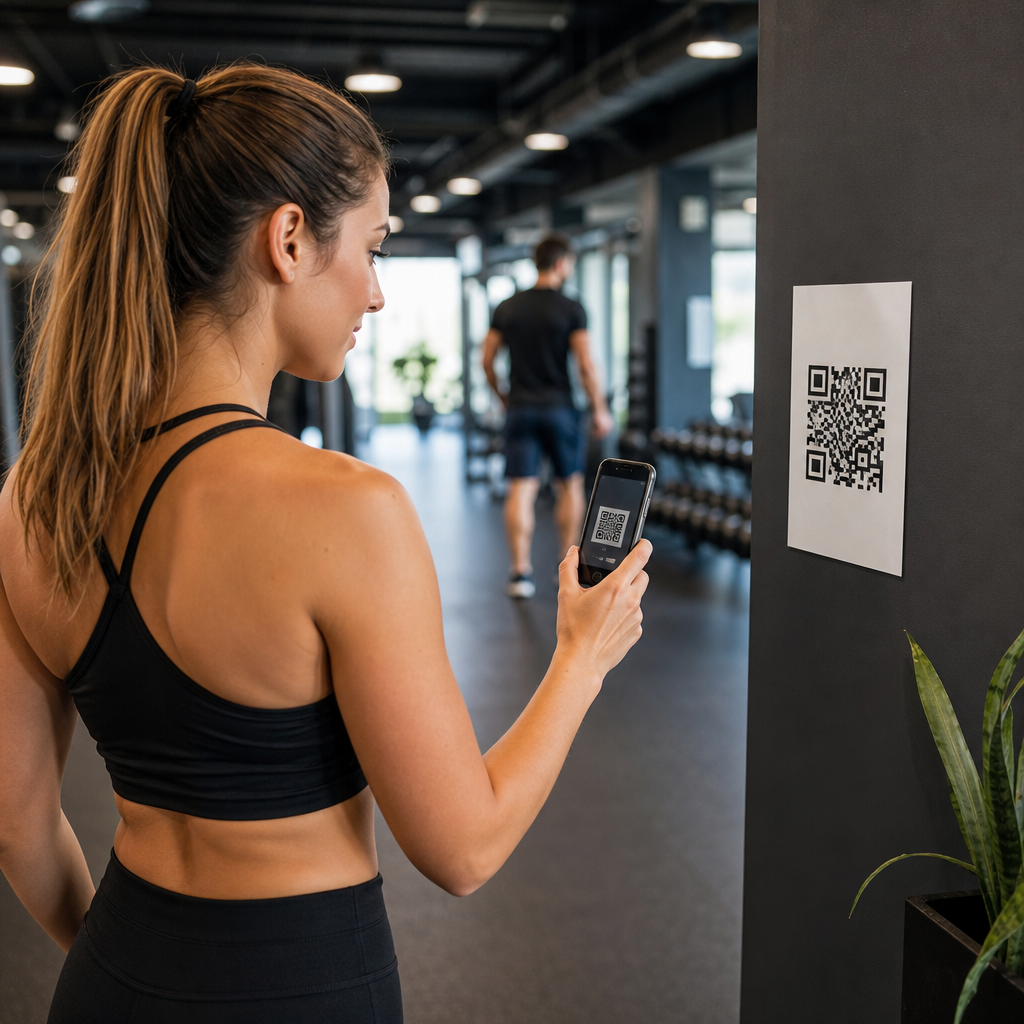
QR codes have become a practical operating tool for gyms and fitness centers because they connect physical spaces, equipment, and member actions through a smartphone scan. In a fitness setting, a QR code is a two-dimensional barcode that opens a web page, app screen, PDF, video, form, payment page, or digital pass without requiring a member to type a URL. I have implemented these systems for class booking, equipment tutorials, and lead capture, and the pattern is consistent: when the scan experience is useful and immediate, adoption is high. For gym operators, that matters because member retention depends on convenience, clarity, and ongoing engagement, not just square footage or machine count.
The appeal is straightforward. A front desk can reduce repetitive questions, trainers can deliver standardized instruction at scale, and marketing teams can connect printed materials to measurable digital actions. A member scanning a code on a treadmill can watch a cleaning protocol, reserve the machine in a club app, or view a short posture guide in seconds. A prospect scanning a poster in a mall can claim a free trial and enter a CRM automatically. These are not gimmicks. They solve routine operational problems: long queues, missed inductions, paper waiver management, inconsistent communication, and weak attribution for offline campaigns.
This article covers the most common use cases for QR codes in gyms and fitness centers and explains where they work best, what tools support them, and what limitations operators should expect. As a hub page within mobile QR code basics, it focuses on the practical question decision-makers ask first: how are fitness businesses actually using QR codes day to day? The answer spans operations, member experience, sales, coaching, and compliance. When implemented with mobile-friendly landing pages, clear calls to action, and trackable links, QR codes become a low-cost bridge between in-club activity and digital systems that already run the business.
Member check-in, access control, and account self-service
The most visible use of QR codes in gyms is member check-in. Many club management platforms, including Mindbody, Zen Planner, ABC Fitness, and Glofox, support app-based entry passes or digital membership IDs. Instead of carrying a plastic key tag, members open the app and scan a unique code at the turnstile or front desk. This reduces card printing costs, speeds replacement when a member loses access credentials, and supports contactless entry. In multi-location chains, digital passes also help synchronize access rules across sites because permissions are managed centrally inside the membership database.
QR codes also support self-service tasks that usually burden reception staff. A code at the front desk can open a page for password reset, billing updates, freeze requests, guest pass registration, or club policy review. In practice, this works best when each code maps to one task and the destination page is optimized for mobile completion in under two minutes. If a member has to pinch, zoom, or navigate a generic homepage, scan rates drop. The operational gain is significant: fewer repetitive interactions, cleaner data entry, and better audit trails for actions tied to terms acceptance or payment details.
Class bookings, schedules, and event registration
Group fitness is another natural fit. A QR code placed on studio doors, lobby signs, printed timetables, or social posts can open the live class schedule and booking page instantly. This matters because schedules change frequently. Static posters go out of date, but a dynamic QR code can continue pointing to the latest timetable without reprinting the sign. I have seen clubs use one code for yoga, another for cycle, and another for personal training consultations, each tagged with UTM parameters so the team can measure which in-club placements produce the most bookings.
Beyond standard classes, gyms use QR codes for workshops, member challenges, open days, and paid specialty programs such as Hyrox prep or postpartum recovery series. A member scans, reads eligibility details, signs a waiver if needed, and completes payment or registration on the spot. The best implementations answer the common questions directly on the landing page: what is included, who it is for, what to bring, how long it lasts, and whether spaces are limited. That clarity reduces drop-off and prevents front desk staff from becoming the bottleneck for every event inquiry.
Equipment instructions, onboarding, and safety guidance
Equipment-based QR codes are among the most useful applications because they improve confidence for new members and reinforce safe usage. A code affixed to a cable machine, rower, or squat rack can open a short demo video, setup checklist, muscle group explanation, or progression guide. This is particularly effective for independent gym floors where members may hesitate to ask for help. In clubs I have worked with, scans on instructional codes are highest during the first thirty days of membership, which aligns with the period when onboarding quality most strongly affects retention.
Safety and maintenance communication also benefit. Instead of posting dense text, a code can open cleaning instructions, contraindications, maximum user guidance, or a fault-report form. If a treadmill belt slips or a seat adjustment pin sticks, a member or staffer can scan and submit the exact machine issue with location data and a photo. That creates a cleaner maintenance workflow than verbal reports. Operators should still keep critical safety signage visible in plain text, because codes depend on phones and connectivity, but QR-linked instructions add depth that fixed labels cannot provide.
Training content, coaching plans, and progress tracking
Fitness businesses increasingly blend in-person coaching with digital support, and QR codes make that handoff smoother. A trainer can place codes on workout cards, program boards, or recovery stations that open exercise libraries, nutrition guidance, habit trackers, or individualized plans in Trainerize, My PT Hub, or Everfit. For small-group training, one code can link to the session overview while another links to movement regressions for beginners. This preserves coaching quality when one trainer is managing several participants with different ability levels.
Progress tracking is another high-value use case. Codes in assessment rooms can launch body measurement forms, PAR-Q health questionnaires, goal-setting surveys, or before-and-after photo consent pages. When connected to Google Forms, Typeform, Jotform, or a club CRM, the data feeds directly into follow-up workflows. A member completes an onboarding questionnaire, and the coach receives structured information before the consultation starts. That improves personalization and reduces admin. The key is disciplined data handling: health-related information must be stored securely, access-controlled, and collected only when the platform meets applicable privacy obligations.
Sales, lead generation, and local marketing attribution
For sales teams, QR codes turn offline attention into measurable leads. Posters on storefront windows, community noticeboards, apartment lobbies, sports events, or smoothie bar partnerships can direct prospects to a free trial form, consultation booking page, or join-now offer. Because each placement can use a unique dynamic QR code, the gym can identify which channel actually drives sign-ups. That attribution is valuable for local marketing budgets, where operators often overspend on print or sponsorships without reliable conversion data.
| Use case | Typical QR destination | Main business benefit |
|---|---|---|
| Front desk poster | Free trial landing page | Captures walk-in interest after hours |
| Studio door sign | Live class schedule | Reduces booking friction and schedule confusion |
| Equipment label | Exercise demo video | Improves onboarding and safer machine use |
| Locker room notice | Feedback form | Collects service issues quickly |
| Flyer or direct mail | Join offer with tracking parameters | Measures print campaign ROI |
Real-world execution matters more than novelty. A code on a brochure that opens a generic homepage wastes intent. A code tied to a location-specific offer with prefilled form fields performs far better. Good gym campaigns also include a text fallback such as a short URL, because some users prefer typing later. Creative examples include referral cards with a scan-to-claim guest pass, charity challenge posters linked to team registration, and codes on staff uniforms that open trainer bio pages. In each case, the QR code is not the strategy; it is the fastest path to the next conversion step.
Payments, vending, feedback, and member communication
Gyms also use QR codes to collect payments and feedback in places where staffed service is limited. A code at the juice bar can open Apple Pay or Stripe checkout for shakes, day passes, towel service, or retail items. In unstaffed hours, a code can enable drop-in purchases or locker rentals without requiring a receptionist. Some facilities place codes near vending machines or recovery lounges so members can pay, acknowledge usage rules, and access replenishment menus in one flow. This is particularly useful in boutique studios and 24/7 clubs with lean staffing models.
Feedback and communication workflows are equally common. A QR code in changing rooms, near exits, or after classes can open a quick satisfaction survey, Net Promoter Score form, or maintenance report page. Clubs that use these well keep surveys short and specific, such as rating cleanliness, class experience, or equipment availability. Response quality drops when forms ask too many broad questions. For communications, codes on posters and email printouts can link members to policy updates, holiday hours, app downloads, or community channels such as WhatsApp groups and private Facebook communities, keeping engagement tied to concrete actions.
Implementation best practices and common mistakes
Successful gym QR code programs share a few characteristics. First, every code has a clear purpose, a mobile-optimized destination, and a visible instruction such as “Scan to book today’s class” or “Scan for setup video.” Second, dynamic QR code platforms like Bitly, QR Code Generator, Beaconstac, or Uniqode are used when destinations may change or when tracking matters. Third, landing pages load quickly, because members often scan over weak club Wi-Fi or mobile data. Fourth, placements are tested at real viewing distances; a code on a machine must scan easily without awkward positioning.
The common mistakes are predictable. Some gyms print one code for too many actions, creating confusion. Others link to PDFs that are unreadable on phones, or they place codes in areas with poor lighting, reflective surfaces, or no signal. Security also matters: unique member access codes should be tokenized and time-aware inside the app, not static images that can be shared casually. Finally, staff training is essential. If employees cannot explain what a code does or troubleshoot a failed scan, members quickly ignore the system. Start with a few high-impact use cases, measure scan-through and completion rates, and expand only after the basics work reliably.
QR codes help gyms and fitness centers reduce friction across the entire member journey, from the first trial inquiry to daily workouts and ongoing retention. The strongest use cases are practical: check-in, class booking, equipment guidance, coaching support, payments, feedback, and lead capture. Each one works because it removes a small barrier at the exact moment a member or prospect is ready to act. That is why QR codes have become standard in modern fitness operations rather than a temporary convenience.
The main benefit is not the code itself. It is the connection between a physical touchpoint and a well-designed mobile experience that answers a question, completes a task, or records useful data. Gyms that treat QR codes as part of an operational system see better adoption than those that use them as decoration. Clear signage, fast pages, trackable links, secure data handling, and staff buy-in make the difference between occasional scans and meaningful business results.
If you are building a mobile QR code strategy for a gym, start with the use cases members already ask for most: easier entry, faster booking, clearer instructions, and simpler support. Then connect each scan to a measurable outcome inside your booking platform, CRM, or payment stack. Audit your current touchpoints, choose three high-impact deployments, and launch them with clear testing and reporting from day one.
Frequently Asked Questions
How do gyms and fitness centers actually use QR codes in day-to-day operations?
Gyms and fitness centers use QR codes as a simple bridge between the physical facility and digital actions members already take on their phones. In practical terms, that means a code placed on a front desk sign can open a membership form, a code near a studio can launch a class schedule, and a code attached to a machine can pull up a short exercise tutorial or equipment safety guide. Instead of asking someone to download paperwork, search a website, or type a long URL, the gym gives them one quick scan that lands them exactly where they need to go.
In day-to-day operations, the most effective uses tend to be the ones that remove friction from repetitive tasks. Staff can use QR codes for check-in workflows, digital waivers, guest passes, trainer bios, promotions, locker rental forms, and feedback collection. Members can use them to reserve classes, view session availability, pay for add-ons, access recovery content, or read instructions for less familiar equipment. This is especially valuable in busy environments where staff cannot personally guide every member at every moment.
The strongest pattern is consistency between the scan and the outcome. If someone scans a code labeled “Book a Class,” they should arrive directly at booking, not a generic homepage. If a code says “How to Use This Rowing Machine,” it should open a clear, mobile-friendly tutorial immediately. When gyms keep the scan experience specific, fast, and relevant, QR codes become a practical operating tool rather than a gimmick. They save staff time, support member independence, and make the facility feel more modern and easier to navigate.
What are the best places inside a gym to place QR codes for the highest engagement?
The best QR code placements are the ones that match a member’s intent in that exact moment. At the entrance, members are focused on access, schedules, and immediate next steps, so QR codes there work well for guest registration, digital check-in, day pass purchase, hours, and announcements. At the front desk, codes can support membership upgrades, personal training inquiries, app downloads, and policy information without creating a line. These are high-traffic areas where people naturally pause, making them ideal for scanning.
On the gym floor, placement should be tied directly to the equipment or service being used. A QR code on a squat rack can open a setup and safety tutorial. A code on a cardio machine can link to machine instructions, interval workouts, or maintenance reporting. In studios, codes near the entrance can connect members to class booking, waitlists, instructor profiles, and class descriptions. In locker rooms, gyms can use QR codes for towel service info, locker rental, personal care product promotions, or feedback forms. Even smoothie bars, retail corners, and recovery zones can benefit from codes that lead to menus, package purchases, or service booking.
Visibility and usability matter just as much as location. QR codes should be easy to spot, large enough to scan from a comfortable distance, and paired with a clear call to action such as “Scan to Reserve Your Spot” or “Scan for a 30-Second Demo.” Lighting, glare, and placement height also affect performance. If a code is hidden behind equipment, printed too small, or posted without context, engagement drops quickly. The highest-performing placements are almost always the ones that feel naturally connected to the member’s immediate need.
Can QR codes improve the member experience, or are they mainly useful for staff and marketing?
QR codes can significantly improve the member experience when they are used to make common actions faster, clearer, and more convenient. Members do not think in terms of “QR strategy”; they think in terms of whether something was easy to do. If a first-time visitor can scan a code and instantly complete a waiver, find a class, or watch a quick machine tutorial, the gym feels more accessible and less intimidating. That is especially important for new members, who often need guidance but may not want to ask for help at every step.
They are also useful for experienced members who value speed and autonomy. A returning member may want to jump straight into class booking, purchase a training package, access a workout plan, or report a maintenance issue without standing in line. QR codes support that self-service behavior well. They also help gyms deliver information in a more timely way. Instead of relying on printed handouts or staff memory, a code can lead to the latest schedule, current pricing, updated policies, or fresh video content. That keeps communication accurate and reduces confusion.
From a service standpoint, QR codes work best when they reduce effort rather than add steps. Members should not be forced through unnecessary menus or long forms after scanning. The destination should be mobile-friendly, quick to load, and immediately relevant to the label on the code. When that happens, QR codes become more than a marketing tool. They support onboarding, confidence, convenience, and satisfaction across the entire member journey. In many gyms, that translates into better retention because a smoother experience makes people more likely to return and stay engaged.
What should a gym link a QR code to in order to get the best results?
The best destination depends on the member’s context, but the general rule is simple: link the QR code to the exact next action the person is most likely to want. For lead generation, that might be a free trial form, a tour booking page, or a limited-time offer. For current members, it may be class registration, a digital membership card, personal training inquiries, or workout instructions. For equipment, video tutorials and safety guides are often more effective than long written pages because they match the way people learn on the gym floor.
Gyms also get strong results from linking QR codes to practical service tools such as payment pages, waiver forms, feedback surveys, trainer schedules, nutrition resources, app download pages, referral offers, and event registration. In many cases, a dedicated landing page performs better than sending users to a general website page because it removes distractions and shortens the path to completion. If the goal is to capture leads, the form should be short. If the goal is education, the content should be concise and easy to follow. If the goal is a transaction, the checkout flow should be optimized for mobile.
It is also smart to think beyond the first scan. A QR code can open a page that includes the core action plus one logical next step, such as booking a free class after watching a studio introduction video, or signing up for training after viewing a trainer profile. The key is relevance. The more tightly the destination matches the member’s reason for scanning, the better the results tend to be. Gyms that treat each QR code as a specific conversion path, not just a link, usually see stronger engagement and more measurable outcomes.
What are the most important best practices for gyms creating QR code campaigns?
The most important best practice is to design the entire scan experience, not just the code itself. A QR code is only effective if the person scanning it immediately understands what it does and receives that outcome without delay. That means every code should have a clear label, a specific call to action, and a mobile-optimized destination. Generic messaging like “Scan Me” is much weaker than “Scan to Book Your Class,” “Scan for Machine Demo,” or “Scan for a Free 3-Day Pass.” Clarity increases trust, and trust increases scans.
Gyms should also prioritize speed, simplicity, and maintenance. The landing page should load quickly over mobile data or gym Wi-Fi, and the content should be easy to use on a phone screen. Long navigation paths, broken links, pop-ups, or login barriers can kill performance. Dynamic QR codes are often the better choice because they allow gyms to update the destination without reprinting the code. That is useful for changing schedules, seasonal promotions, trainer assignments, and campaign testing. Tracking scan data can also help identify which placements and offers are working best, allowing for smarter optimization over time.
Finally, successful QR code campaigns are integrated into the member journey rather than scattered randomly around the facility. Each code should serve a clear purpose: onboarding, booking, education, payment, promotion, or support. Visual consistency matters too, especially in a professional fitness environment. Codes should be branded when appropriate, printed at scan-friendly sizes, and placed where members naturally pause. Testing every code in real-world conditions is essential before launch. When gyms combine thoughtful placement, clear messaging, strong mobile destinations, and regular performance review, QR codes become a reliable operational asset that supports both member experience and business growth.