QR code marketing is moving from simple scan-to-website campaigns into a broader mobile engagement system that connects packaging, payments, loyalty, identity, and measurable customer journeys. A QR code, or Quick Response code, is a two-dimensional barcode that stores data such as URLs, contact details, product identifiers, or payment instructions, then opens that information through a smartphone camera. In marketing, mobile QR codes matter because they remove friction: people can scan a code on a package, poster, menu, shelf tag, receipt, or screen and move directly into an experience without typing a web address or downloading a separate app.
I have worked on QR campaigns for retail launches, event check-ins, and product packaging refreshes, and the same lesson repeats every time: QR codes succeed when they solve a specific customer problem faster than any other channel. During the pandemic, many brands adopted codes for touchless menus and forms. That normalized scanning behavior. Now the future of mobile QR codes is less about novelty and more about integration, data quality, compliance, and post-scan value. The real shift is that the code itself is becoming only the entry point to richer mobile experiences.
For marketers planning ahead, future trends in QR code marketing matter for three reasons. First, smartphone operating systems now make scanning effortless through native camera apps, Google Lens, and built-in shopping features. Second, brands want first-party data as browser tracking becomes less reliable and privacy rules become stricter. Third, physical channels still drive discovery, but digital channels drive conversion; QR codes bridge the two. The companies that treat QR as infrastructure rather than a one-off graphic will capture better attribution, stronger retention, and more useful customer insight.
The Future of Mobile QR Codes Is Dynamic, Personalized, and Measurable
The most important trend is the move from static QR codes to dynamic QR codes. A static code points to one fixed destination and cannot be changed after printing. A dynamic code redirects through a managed short URL, so marketers can update the landing page, add UTM parameters, rotate offers, and pause campaigns without reprinting the asset. In practice, this is essential for packaging, out-of-home ads, direct mail, and in-store signage where creative remains in market for months.
Dynamic codes also support more precise performance analysis. Marketers can track scans by date, device type, operating system, and approximate location, then compare scan volume with downstream conversions in analytics platforms such as Google Analytics 4, Adobe Analytics, or Mixpanel. When I audit underperforming QR campaigns, the issue is rarely scan intent; it is usually a mismatch between the promise near the code and the landing page after the scan. Dynamic management lets teams fix that gap quickly.
Personalization is the second major change. Instead of sending every scanner to the same generic page, brands increasingly route users based on context: new versus returning visitor, store location, product SKU, language, or campaign source. A cosmetics brand can place one code family across in-store displays but send a shopper scanning in Miami to Spanish-language shade guides while directing a scanner in Toronto to winter skincare bundles. The code image may look identical, but the experience is tailored in real time.
Measurement is becoming more sophisticated as QR codes are tied to CRM records, loyalty IDs, and offline events. A furniture retailer, for example, can place codes on showroom tags, connect scans to product page views, and attribute later online purchases back to store interactions. This improves media planning because teams can finally see which physical placements assist conversion rather than relying only on footfall or anecdotal feedback.
How AI, Automation, and First-Party Data Will Shape QR Campaigns
Another defining trend is the use of automation around the scan event. A QR code can trigger not just a page load, but a sequence: add a prospect to a segmented nurture flow, populate a product-interest field in the CRM, generate a coupon, or log an event in a customer data platform. The future of mobile QR codes is therefore closely tied to marketing automation ecosystems such as HubSpot, Salesforce Marketing Cloud, Klaviyo, and Braze.
AI will strengthen this trend by optimizing what happens after the scan. If a brand has enough traffic, machine learning models can test which mobile landing page layout, incentive, or product recommendation yields the highest conversion rate for users coming from packaging versus outdoor signage. AI can also summarize scan behavior patterns, identify campaigns with weak engagement, and predict which placements are likely to outperform based on time, geography, and audience profile.
First-party data collection will be central, but it must be permission-based and useful to the customer. The strongest campaigns exchange value clearly: scan to register a warranty, verify product authenticity, unlock setup instructions, join loyalty, or receive refill reminders. These interactions produce durable data that a brand can responsibly use across channels. Poor campaigns simply ask for an email without context, which depresses conversion and weakens trust.
| Trend | What it changes | Practical example |
|---|---|---|
| Dynamic routing | Updates destinations without reprinting | A beverage brand swaps summer sweepstakes pages for autumn loyalty offers using the same can code |
| Personalization | Tailors landing pages by user context | A retailer shows store-specific inventory after a shelf-tag scan |
| Automation | Connects scans to CRM and messaging workflows | An appliance maker sends setup videos and registration reminders after purchase scans |
| AI optimization | Improves post-scan conversion paths | A fashion brand tests product bundles based on scan source and device |
| First-party data | Builds privacy-resilient customer insight | A skincare label captures opt-ins for replenishment alerts after ingredient-info scans |
New Use Cases: Payments, Packaging, Retail, and Connected Products
Future trends in QR code marketing are not limited to campaign pages. Payments are expanding the role of QR in everyday commerce. In many markets, consumers already scan merchant-presented codes for checkout through wallets and banking apps. For marketers, the implication is significant: when payment, offer redemption, and loyalty accrual happen in one mobile flow, attribution becomes cleaner and the customer journey becomes shorter.
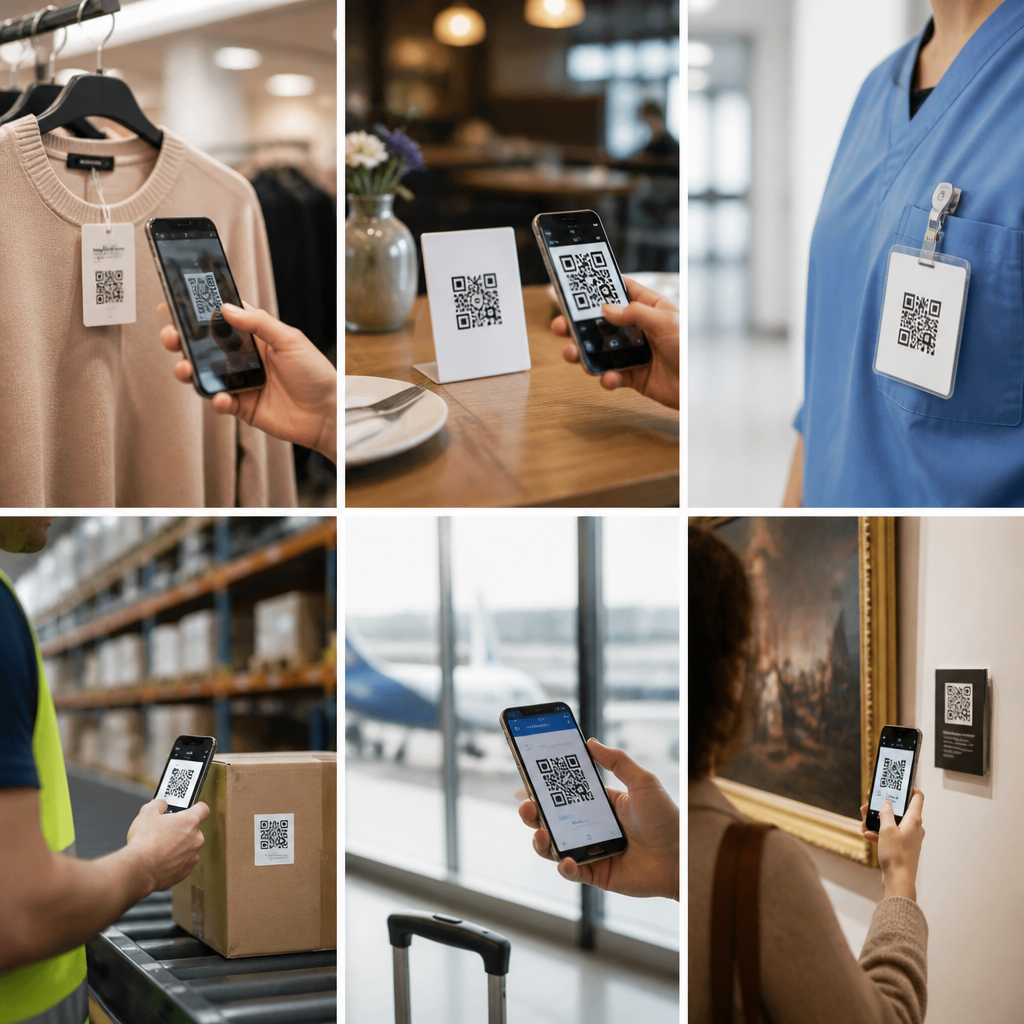
Connected packaging is another major growth area. Brands now use QR codes on labels to provide ingredient sourcing, sustainability information, care instructions, recipes, assembly videos, and recycling guidance. Regulations are also pushing more digital product information onto packaging in sectors such as food, apparel, electronics, and pharmaceuticals. A code can turn a limited physical label into an expandable digital shelf of information, updated over time without changing printed stock.
Retail environments will continue to use shelf-edge and display codes, but the execution is becoming smarter. Instead of linking every product to a broad category page, retailers are deploying product-level mobile pages with local inventory, reviews, financing options, and related accessories. I have seen this work especially well for high-consideration purchases such as power tools, furniture, and consumer electronics, where shoppers want more information than a shelf card can hold.
Product authentication and traceability will also grow. Luxury goods, wine, supplements, and medical products face counterfeiting risks. A secure QR experience can help buyers verify authenticity, view batch details, or confirm chain-of-custody records. Not every implementation is equally secure, and brands should be careful not to imply tamper-proof protection where none exists. Still, when paired with serialization or back-end verification systems, QR codes can strengthen trust and support after-sales engagement.
Design, Privacy, and Measurement Standards Will Separate Good Campaigns from Weak Ones
As QR adoption matures, execution quality will matter more than mere presence. Good QR design starts with contrast, size, quiet zone spacing, and placement. Codes need enough physical size for expected scanning distance; a common rule is roughly one inch of code size for every ten inches of scanning distance, though testing in real environments is better than relying on formulas. Curved surfaces, reflective materials, low light, and busy backgrounds all reduce scan reliability.
The mobile destination matters just as much. Pages must load quickly, match the call to action near the code, and avoid unnecessary interstitial steps. If the sign says “Scan for assembly video,” the user should land on that exact video, not a generic homepage. This sounds obvious, but it is one of the most frequent causes of campaign failure. Deep linking to apps can work well, yet brands should always provide a browser fallback because not every user has the app installed.
Privacy and consent standards are becoming more important as marketers connect scan data with customer profiles. Teams should disclose data collection appropriately, minimize unnecessary fields, and respect regional requirements under frameworks such as GDPR and CCPA. Trust is not a soft concern here; it directly affects performance. Users scan more readily when the brand is recognizable, the value exchange is explicit, and the landing page feels secure.
Measurement discipline will distinguish serious QR programs from experiments. Track scans, unique scanners, bounce rate, engagement time, click-through to the next step, form completion, purchase rate, and assisted conversion. Separate code-level reporting from destination-page reporting so teams can diagnose whether a problem starts with placement, incentive, or page experience. For hub content strategy, this matters too: future of mobile QR codes is best understood through linked subtopics such as QR code security, dynamic QR analytics, retail QR design, and packaging QR compliance.
The future of mobile QR codes is practical, not speculative. QR marketing is evolving into a durable bridge between physical touchpoints and mobile-first customer journeys, powered by dynamic routing, better analytics, automation, payments, and connected packaging. Brands that win will not be the ones placing the most codes; they will be the ones designing the clearest value exchange after the scan.
The key takeaway is simple: treat every QR code as a measurable product experience. Use dynamic infrastructure, align the call to action with the landing page, capture first-party data responsibly, and connect scans to broader lifecycle marketing. When teams do this well, QR codes improve attribution, reduce friction, and make offline media significantly more accountable.
If you are building a long-term QR strategy, start by auditing current codes across packaging, retail, print, events, and post-purchase flows. Identify where users scan, what they expect, and what they receive. Then prioritize a roadmap around dynamic management, mobile landing page quality, privacy-safe data capture, and clear reporting. That foundation will prepare your brand for the next wave of QR code marketing rather than leaving you to catch up later.
Frequently Asked Questions
1. What are the biggest future trends in QR code marketing?
The biggest future trends in QR code marketing center on turning a simple scan into a complete, measurable customer journey. In the past, QR codes were often used as a shortcut to a website or landing page. Going forward, brands are using them as a flexible mobile engagement layer that can connect packaging, in-store displays, digital ads, payments, loyalty programs, customer service, and post-purchase experiences. This shift matters because it allows marketers to move beyond one-time interactions and create ongoing relationships with customers across multiple touchpoints.
One major trend is dynamic, data-driven QR code campaigns. Instead of printing a static destination, brands can update the content behind a code in real time based on product location, inventory, season, campaign goals, or audience behavior. Another important development is first-party data collection. As privacy rules tighten and third-party cookies become less reliable, QR codes give marketers a direct path to consent-based engagement on mobile devices. They can be used to invite email sign-ups, account creation, reward enrollment, or personalized offers in a way that feels immediate and convenient.
Other key trends include integration with loyalty and rewards systems, mobile payments, product authentication, and connected packaging. A QR code on a label can unlock recipes, warranty registration, sustainability information, how-to videos, refill reminders, or exclusive membership benefits. In retail and hospitality, QR codes are also becoming part of frictionless checkout, digital menus, order-ahead experiences, and customer feedback loops. The future of QR code marketing is not about the code itself being new; it is about the code acting as a universal bridge between physical products and digital experiences that marketers can optimize, personalize, and measure.
2. How will QR codes improve personalization and customer engagement in the future?
QR codes will improve personalization by giving brands a fast, low-friction way to deliver relevant mobile content at exactly the right moment. When someone scans a code on packaging, a shelf tag, a mailer, or an event display, that action provides immediate context. The brand can infer where the customer is in the buying journey, what product or promotion they are responding to, and what type of experience is most useful next. That makes QR codes especially powerful for creating engagement that feels timely rather than generic.
In the future, marketers will increasingly connect QR scans to customer profiles, campaign segments, purchase histories, and loyalty accounts. For example, a first-time customer might scan a code and receive a welcome offer, product education, or a starter guide. A returning customer might see refill options, reorder shortcuts, rewards progress, or personalized product recommendations. A code on product packaging could even trigger different experiences depending on geography, language preference, seasonality, or previous interactions. This kind of personalization is possible because modern QR systems can work with dynamic content platforms, CRM tools, and analytics dashboards.
Just as important, QR codes support stronger engagement because they reduce effort. Customers do not need to type long URLs, search for instructions, or download an app just to get value. They can scan and instantly access useful content, from tutorials and ingredient information to promotions, live support, event check-ins, or product registration. When the destination experience is genuinely helpful, QR codes stop being a novelty and become a practical service tool. That service value is what drives deeper engagement over time, because customers are more likely to scan again when they trust that the experience will be fast, relevant, and worthwhile.
3. Why are dynamic QR codes becoming more important than static QR codes in marketing?
Dynamic QR codes are becoming more important because they give marketers flexibility, control, and measurement that static QR codes cannot match. A static QR code points permanently to one destination, which means that once it is printed, the brand cannot change the link without replacing the code everywhere it appears. That is limiting in modern marketing, where campaigns change frequently and customer expectations evolve quickly. A dynamic QR code, by contrast, allows the destination to be updated behind the scenes while the printed code stays the same.
This matters for several practical reasons. Marketers can correct mistakes without reprinting materials, redirect traffic to new promotions, localize content by region, A/B test landing pages, and adapt messaging based on performance data. If a product package remains on shelves for months, the same QR code can serve one experience at launch, another during a seasonal campaign, and another after purchase. That makes dynamic QR codes especially valuable for packaging, signage, direct mail, out-of-home advertising, and any campaign where physical materials have a long lifespan.
Dynamic QR codes also provide richer analytics, which is a major reason they are central to the future of QR code marketing. Brands can track scans by time, location, device type, campaign source, and engagement outcome. They can compare which placements perform best, identify drop-off points, and refine the customer journey based on real behavior rather than assumptions. In an increasingly performance-driven marketing environment, that level of insight turns QR codes from passive links into active optimization tools. For brands focused on measurable ROI, dynamic QR codes are quickly becoming the standard.
4. How do QR codes connect packaging, payments, loyalty, and identity into one marketing system?
QR codes are uniquely positioned to connect packaging, payments, loyalty, and identity because they function as a universal mobile entry point. One small code can link a physical object or in-person moment to a digital workflow, making it easier for brands to unify experiences that were once separate. On packaging, a code can identify the exact product, batch, or campaign. At checkout, a code can enable payment or apply a promotion. After purchase, that same or a related code can enroll a customer in a loyalty program, register ownership, verify authenticity, or unlock personalized support. The result is a more connected customer journey and better data continuity for the brand.
For example, a consumer might scan a QR code on a beverage package to learn about ingredients and sustainability sourcing, then use another code at the point of sale to earn loyalty points or redeem an offer. Later, they might scan again to reorder, enter a promotion, or access exclusive content tied to membership status. In other industries, such as cosmetics, electronics, or luxury goods, QR codes can help prove product authenticity and tie that verification to a customer account. That creates value for both the customer and the company: customers get trust, convenience, and rewards, while brands gain stronger attribution and post-purchase engagement.
This connected-system approach is a major future trend because it transforms QR code marketing from a campaign tactic into infrastructure. Instead of thinking of QR codes as isolated touchpoints, marketers are using them as a common thread that links product interaction, transaction behavior, customer identity, and long-term retention. As mobile wallets, digital loyalty, and authenticated product experiences continue to grow, QR codes will play an even bigger role in helping brands create seamless paths from awareness to conversion to repeat engagement.
5. What should brands do now to prepare for the future of QR code marketing?
Brands should start by treating QR codes as part of a broader mobile engagement strategy, not just as a design element or a shortcut link. The first step is defining clear use cases across the customer journey. That means identifying where QR codes can remove friction, add value, and generate measurable results. Common opportunities include product packaging, point-of-sale displays, direct mail, event materials, ads, onboarding flows, post-purchase support, and loyalty enrollment. When brands choose placements strategically, QR codes become more effective because they are tied to real customer needs and business outcomes.
Next, brands should invest in dynamic QR code infrastructure and analytics. Future-ready QR marketing depends on being able to update destinations, segment experiences, track performance, and integrate scan behavior with CRM, e-commerce, payment, and loyalty systems. It is also important to design mobile-first landing experiences that load quickly and make the next step obvious. A QR code campaign only works if the destination is useful, fast, and aligned with the moment of the scan. Strong calls to action, simple forms, relevant content, and clear incentives all help improve conversion rates.
Brands should also pay close attention to trust, transparency, and usability. Customers are more likely to scan when they know what they will get, so labels such as “Scan for product details,” “Scan to earn rewards,” or “Scan to pay securely” matter. Testing is equally important: brands should evaluate code size, placement, contrast, and scan reliability across devices and environments. Finally, they should think long term. The future of QR code marketing belongs to companies that build repeatable systems for connected packaging, personalized engagement, first-party data capture, and measurable mobile interactions. Starting now allows brands to learn what customers value most and build a stronger competitive advantage as QR-enabled experiences become more common.