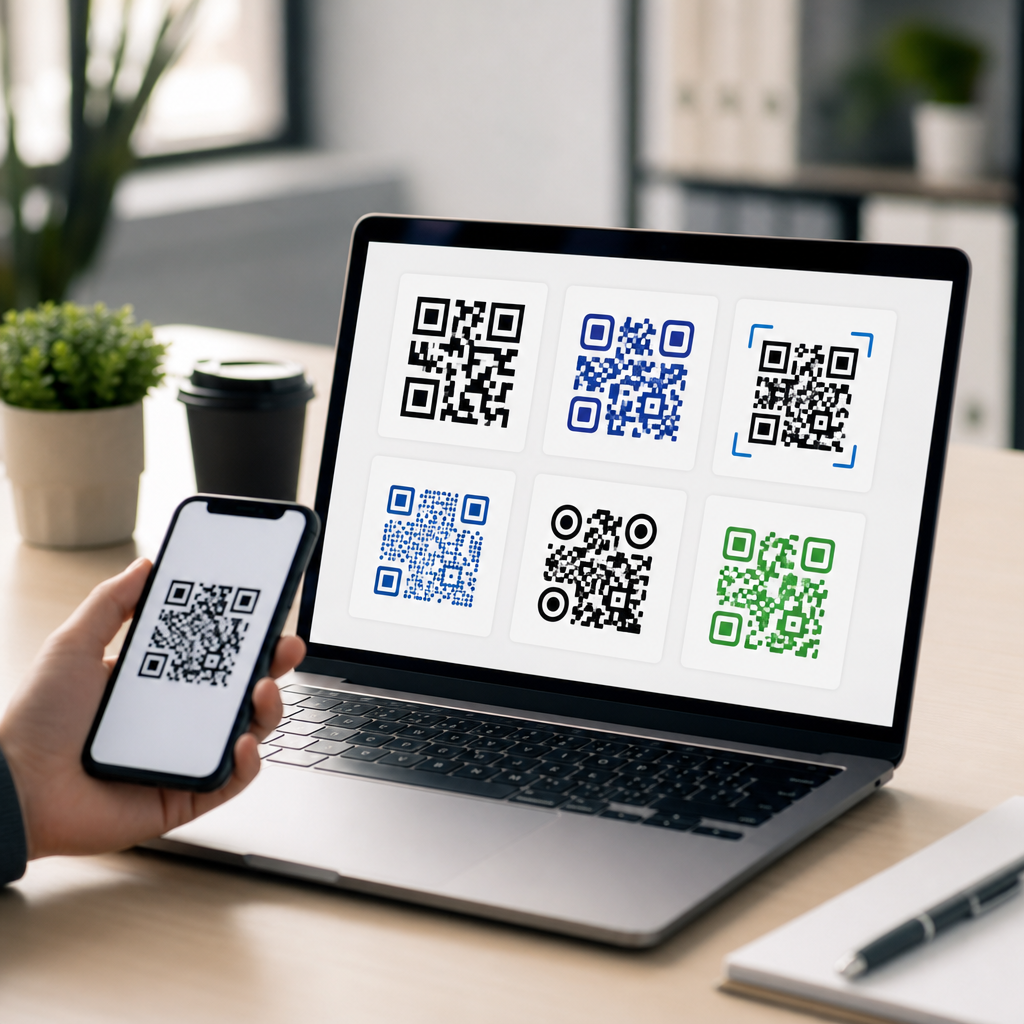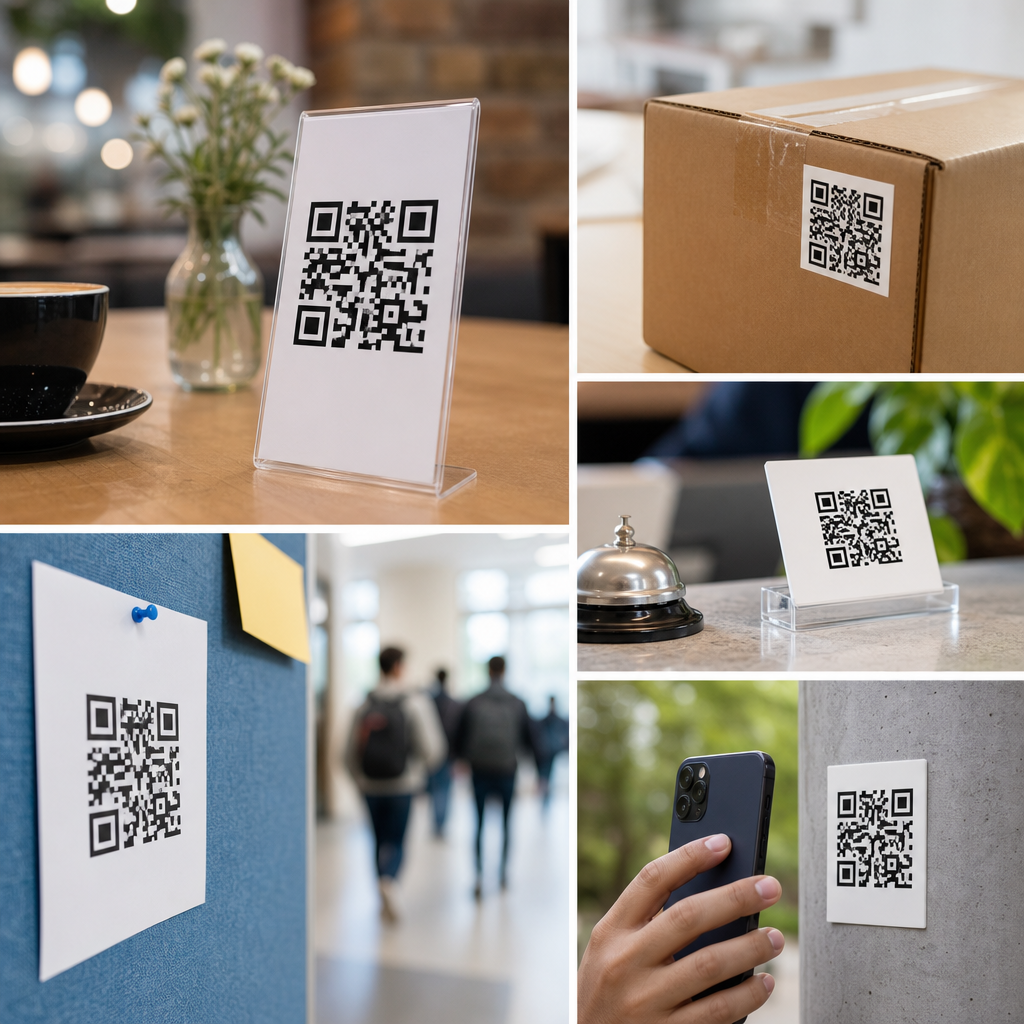
Static QR codes remain one of the simplest, most reliable tools for connecting printed materials to mobile experiences, especially when the destination will not change over time. In practical terms, a static QR code stores fixed data directly in the code pattern itself, such as a URL, plain text, Wi-Fi credentials, contact details, or an SMS prompt. Unlike a dynamic QR code, which typically points to a short redirect URL managed through a platform, a static QR code cannot be edited after creation without replacing the code. That limitation is exactly what makes static QR codes useful in many settings: they are durable, low-maintenance, inexpensive, and independent of a subscription dashboard. For organizations creating mobile QR codes at scale, understanding the best use cases for static QR codes starts with a clear comparison of static vs dynamic QR codes, because the right choice affects print costs, campaign flexibility, analytics, and long-term reliability.
I have used both formats across packaging, trade show signage, retail shelf talkers, and internal operations labels, and the pattern is consistent. Static QR codes work best when the linked information is stable, the content has a long shelf life, and the business does not need scan tracking or post-print edits. Dynamic QR codes are better when marketers expect to change destinations, segment audiences, run time-sensitive promotions, or measure performance by location and device. This article serves as a hub for the static vs dynamic QR codes decision, explaining where static codes are strongest, where they fall short, and how to choose correctly for mobile-first experiences.
Static vs Dynamic QR Codes: What Is the Difference?
The core difference is how the data is handled. A static QR code directly encodes the final payload. If it contains a website link, that exact URL is embedded in the symbol. If the landing page changes, the printed code becomes outdated unless you print a new one. A dynamic QR code, by contrast, usually encodes a short intermediary URL controlled by a QR platform. When someone scans it, the platform redirects the user to the current destination. Because the redirect can be changed, the printed symbol stays the same even if the final URL changes.
This technical difference drives every business tradeoff. Static QR codes are often free to generate, can be hosted without vendor lock-in, and continue working as long as the encoded destination works. They are ideal for permanent assets. Dynamic QR codes add editability, scan analytics, A/B testing, device-based routing, geolocation logic, and campaign management. However, they may depend on a paid service, and if the service expires or the redirect is removed, the code can fail. When teams ask, “Should I use static or dynamic QR codes?” the answer is straightforward: choose static for stable information and dynamic for changeable or measurable experiences.
Best Use Cases for Static QR Codes on Permanent Materials
The best use cases for static QR codes are tied to permanence. Printed assets that stay in market for months or years benefit most from fixed destinations. Product packaging is a strong example when the code leads to evergreen content such as care instructions, ingredient explanations, warranty registration pages with permanent URLs, or a brand homepage section that is unlikely to move. I have seen consumer goods companies use static QR codes successfully on cartons and labels when the landing page was housed in a clean, persistent URL structure maintained by the web team.
Business cards are another classic fit. A static QR code can store a vCard, a LinkedIn profile URL, or a professional contact page. For individuals who rarely change phone numbers or domain names, static codes are efficient and cost nothing to maintain. The same logic applies to office plaques, facility maps, museum exhibit labels, equipment instructions, classroom resources, and restaurant table tents linking to a permanent menu page. In these cases, the user expects immediate mobile access to stable information, not a promotional experience that changes weekly.
Wi-Fi sharing is one of the most practical non-URL use cases. A static QR code can encode the SSID, password, and encryption type, allowing guests to join a network without typing credentials. Hotels, clinics, event venues, and waiting rooms use this approach because the network details usually remain unchanged for long periods. Another reliable use case is plain-text operational information, such as asset IDs, safety notes, or maintenance instructions attached to machinery and storage areas.
Where Dynamic QR Codes Are Better Than Static QR Codes
Static QR codes are not the best answer for every mobile QR code project. Marketing campaigns, seasonal offers, and paid media placements almost always benefit from dynamic codes because the destination needs flexibility. If a retailer prints posters promoting a sale, the landing page may need to change when inventory runs low, creative is updated, or the campaign ends. Reprinting signs across multiple stores is expensive. A dynamic code avoids that waste by preserving the printed symbol while updating the redirect target behind it.
Analytics are another major reason to choose dynamic instead of static. Static QR codes do not inherently provide scan counts, scan time, device data, or location trends. Any reporting must come indirectly through website analytics tools like Google Analytics 4, usually by tagging the destination URL with UTM parameters. That can show sessions and conversions, but not every scan, and it cannot distinguish failed page loads or repeated opens in the same way a QR platform can. If a business needs to compare print placements, optimize creative, or prove ROI to stakeholders, dynamic QR codes are usually the right fit.
Dynamic codes are also superior when compliance, localization, or content governance matters. A healthcare provider may need to update patient education links. A manufacturer may need region-specific product documents. A franchised brand may want one print design with different landing pages by market. Those requirements point to dynamic infrastructure rather than static encoding.
How to Choose the Right QR Code Type
The quickest way to decide between static vs dynamic QR codes is to ask five questions: Will the destination ever change? Do you need analytics? How long will the code stay in circulation? Who owns the landing page? What happens if a vendor subscription ends? These questions expose the operational reality behind the design choice.
| Decision Factor | Static QR Code | Dynamic QR Code |
|---|---|---|
| Destination edits after printing | No; requires reprint | Yes; redirect can be updated |
| Built-in scan analytics | Limited; relies on web analytics | Yes; platform reporting is typical |
| Best for | Evergreen, permanent information | Campaigns, testing, changing content |
| Vendor dependence | Low | Higher |
| Cost profile | Usually one-time or free | Often recurring subscription |
In real deployments, I recommend static QR codes when the landing page sits on a stable domain, the printed asset has a long lifespan, and failure would be costly to fix physically. I recommend dynamic QR codes when the business owner expects even a small chance of changing the URL, wants scan-level reporting, or needs centralized control across many locations. This is the practical rule: permanence favors static; variability favors dynamic.
Implementation Tips for Static QR Codes That Need to Last
Because static QR codes cannot be edited, implementation discipline matters more. First, use a short, human-readable URL on a domain you control. Long URLs create denser QR patterns, which are harder to scan at small sizes. Second, avoid linking directly to temporary campaign pages, social posts, or third-party files that may move. Instead, create a permanent page in your site architecture, then manage updates on that page without changing its URL. Third, test the code across iPhone and Android devices, bright and low-light conditions, and realistic scan distances before printing at scale.
Print quality and placement also affect success. Maintain strong contrast, preserve the quiet zone around the code, and do not distort the square shape. ISO/IEC 18004 defines the QR Code standard, and while most teams will not read the specification directly, reputable generators and print vendors follow its practical requirements. For packaging and signage, I typically print test sheets at final size and check scan speed from the intended user distance. A code that works on a desktop mockup can still fail on curved packaging, reflective surfaces, or low-resolution labels.
Finally, plan governance. Keep a record of every static QR code, its encoded destination, where it appears, and who owns the page. Many broken codes come not from scanning problems but from later website migrations, deleted PDFs, or changed URL structures. Treat static QR destinations as permanent assets, and they will perform like permanent assets.
Conclusion: When Static QR Codes Make the Most Sense
The best use cases for static QR codes are clear: permanent packaging, business cards, instructional labels, Wi-Fi access, exhibit signage, and any other printed material pointing to stable information. In the broader static vs dynamic QR codes decision, static wins on simplicity, durability, lower cost, and independence from platform subscriptions. Dynamic wins on flexibility, analytics, and campaign control. Neither format is universally better; each solves a different operational problem.
As a hub for creating mobile QR codes, the key takeaway is to match the code type to the lifespan and volatility of the destination. If the content is evergreen and the URL is stable, a static QR code is often the smartest choice. If the content may change or performance measurement matters, use dynamic. Start by auditing your intended landing page, expected shelf life, and reporting needs, then choose the format that will still make sense after the code is printed and in customers’ hands.
Frequently Asked Questions
What are the best use cases for static QR codes?
Static QR codes work best when the information embedded in the code is unlikely to change. That makes them ideal for evergreen destinations such as a homepage, a permanent product page, a digital business card, a long-term PDF download, a fixed Wi-Fi login, or a prewritten SMS or email prompt. They are also a strong fit for printed materials with a long shelf life, including packaging, instruction manuals, event signage, classroom handouts, restaurant table cards, and business cards. Because the data is stored directly in the QR code itself, there is no dependency on a third-party redirect service to resolve the destination.
In practical marketing and operational terms, static QR codes are especially useful when simplicity and reliability matter more than post-launch flexibility. For example, a company that wants customers to access setup instructions from inside every product box can use a static QR code if that instruction page will remain stable over time. A cafe can use a static QR code for guest Wi-Fi credentials. A consultant can place one on a printed leave-behind to instantly share contact details. If the destination is permanent and the campaign does not require scan analytics, editability, or retargeting features, a static QR code is often the cleanest and most cost-effective choice.
When should you choose a static QR code instead of a dynamic QR code?
You should choose a static QR code when the destination or encoded content is final and not expected to change after printing or distribution. Static codes are a smart option for long-term assets where stability is more important than flexibility. Typical examples include linking to a permanent website page, embedding a phone number or vCard, storing plain text instructions, sharing fixed Wi-Fi credentials, or opening a standard SMS message. In these cases, there is little benefit to paying for or managing a dynamic code if the information will stay the same.
Static QR codes also make sense when you want a low-maintenance solution. Since there is no redirect layer, there is less platform dependence and fewer moving parts. This can be appealing for organizations that want a straightforward implementation without worrying about subscription plans, dashboard access, or future service changes. However, if you think the URL may change, if you want scan tracking, or if the code will be used in a campaign that may need updates after printing, a dynamic QR code is usually the better option. The decision comes down to permanence: choose static when the content is fixed, choose dynamic when change is likely.
Can static QR codes be used on product packaging and printed materials?
Yes, static QR codes are often an excellent choice for product packaging and other printed materials, especially when the linked content is stable over time. Packaging inserts, labels, brochures, posters, shelf talkers, instruction sheets, and warranty cards are all common examples. If the QR code leads to a permanent resource, such as a product manual, care instructions, ingredient information, brand homepage, or customer support page that is not expected to move, a static code can provide a dependable bridge between the physical item and the digital experience.
That said, success depends on planning ahead. Because a static QR code cannot be edited after creation, the landing page URL and content structure should be finalized before the code is printed at scale. It is also important to consider print quality, contrast, sizing, and placement so the code remains easy to scan in real-world conditions. For long production runs, this matters even more, since replacing packaging or reprinting collateral can be expensive. When used thoughtfully, static QR codes are one of the most practical tools for adding lasting digital value to physical materials without introducing unnecessary complexity.
What information can a static QR code store?
A static QR code can store several types of fixed data directly in the code pattern. Common examples include a website URL, plain text, phone number, email address, SMS message prompt, vCard contact information, and Wi-Fi network credentials. This flexibility is part of what makes static QR codes so useful across different industries and scenarios. A real estate agent might use one for contact details, a hotel might use one for Wi-Fi access, and a manufacturer might use one to direct customers to a permanent support page.
However, the key limitation is that the stored content is fixed once the code is generated. If you encode a URL and that URL later changes, the QR code will continue pointing to the old address. For that reason, static QR codes are best reserved for information you are confident will remain valid. It is also worth noting that very large amounts of data can make a QR code denser and harder to scan, so in many cases it is better to link to a stable webpage rather than embed too much raw information directly. The best practice is to keep the destination simple, permanent, and mobile-friendly.
What are the main advantages and limitations of static QR codes?
The biggest advantages of static QR codes are simplicity, permanence, and ease of deployment. They are usually quick to create, often free to generate, and well suited for use cases where the encoded information will not change. Since the content is embedded directly in the code, they can be a very straightforward solution for organizations that want to avoid ongoing platform management. Static QR codes are also useful for long-term applications where a stable destination makes more sense than a flexible one, such as business cards, fixed instruction pages, evergreen promotional materials, and guest Wi-Fi access.
The main limitation is lack of editability. Once a static QR code is printed or published, you cannot change its destination or data without creating and distributing a new code. That can become a problem if a webpage is moved, a campaign changes direction, or an error slips into the original setup. Static codes also typically do not include built-in analytics, scan tracking, or advanced campaign controls unless those capabilities are handled separately. In short, static QR codes are excellent for fixed, dependable use cases, but they are less suitable for fast-moving campaigns or situations where future updates, performance measurement, or destination control are important.