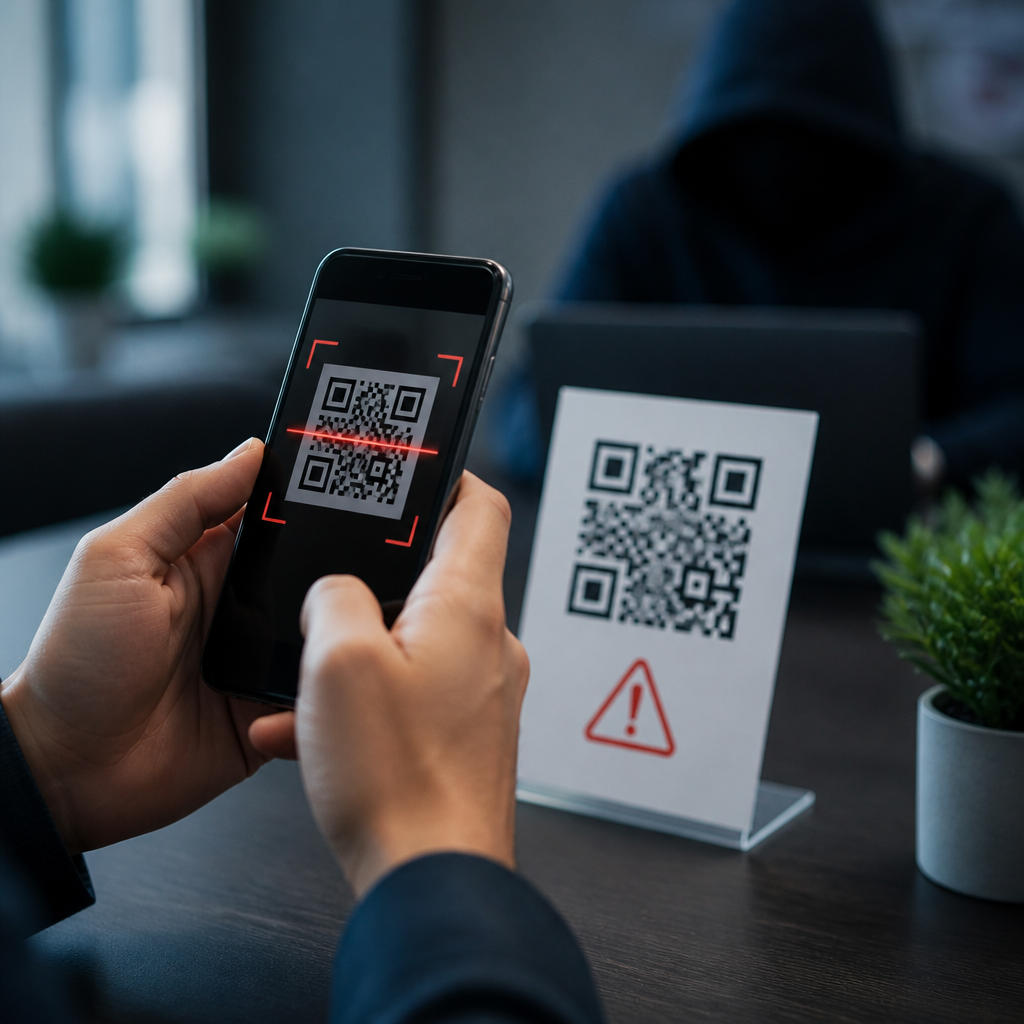
QR codes have become a routine payment tool in restaurants, parking apps, transit systems, retail counters, and peer-to-peer transfers, but the question “Are QR codes safe for payments?” deserves a precise answer: they are safe when the code leads to a trusted payment flow, the device is secure, and the user verifies the destination before authorizing a transaction. A QR code itself is only a machine-readable pattern that stores data such as a URL, payment address, merchant identifier, or invoice details. It does not magically encrypt a purchase or guarantee legitimacy. Safety depends on the system behind the code, the payment provider processing the transaction, and the habits of the person scanning it.
In practice, I have seen payment QR codes work extremely well because they reduce typing errors, speed up checkout, and support contactless transactions. EMVCo merchant-presented QR standards, bank wallet apps, and payment gateways such as PayPal, Stripe, Alipay, and UPI systems have made QR-based payments mainstream. At the same time, I have also seen fraud teams investigate simple scams where a criminal placed a sticker over a real code, redirecting customers to a fake checkout page. That contrast explains why this topic matters. The risk usually is not the square code printed on paper; the risk is malicious redirection, social engineering, weak merchant controls, or poor user verification.
For businesses and consumers, understanding QR payment safety is important for three reasons. First, QR codes are now part of critical revenue flows, especially for small merchants and mobile-first markets. Second, a fraudulent scan can expose payment credentials, personal data, and device trust tokens. Third, regulations and card-network rules increasingly expect merchants to manage digital payment risks with the same discipline applied to websites, terminals, and mobile apps. If you are building a secure payments program, this page serves as the central guide to how payment QR codes work, where they are vulnerable, and what practical controls reduce fraud without adding checkout friction.
How payment QR codes work and why they can be secure
A payment QR code usually contains one of four things: a payment URL, a merchant account identifier, a tokenized payment request, or structured data used by a banking or wallet app. Static QR codes generally point to the same destination every time, which makes them cheap to print but easier to misuse if account details change or if a sticker attack occurs. Dynamic QR codes are generated per transaction and can embed amount, order ID, timestamp, and merchant metadata. In every serious deployment I have worked on, dynamic codes were safer because they improved reconciliation, reduced reuse, and created cleaner fraud signals.
Security comes from the surrounding payment architecture. When a consumer scans a code and completes a transaction inside a trusted banking app or wallet, controls such as transport encryption, tokenization, device binding, multi-factor authentication, and transaction monitoring can protect the payment. Card payments may also involve 3-D Secure, network tokenization, and fraud screening rules at the gateway level. Bank transfer systems may validate the payee, account alias, or virtual payment address before confirmation. In other words, the QR code initiates the action, but the payment stack determines most of the actual safety.
A well-designed QR payment flow also reduces some classic risks. Users do not need to hand over a card, swipe a magnetic stripe, or type long account numbers into a browser. That limits keying errors and can reduce card exposure at the point of sale. For merchants, dynamic QR codes can lower hardware costs compared with traditional terminals in certain low-ticket environments. These operational advantages are real, but they do not cancel fraud risk. They simply shift the control points toward app integrity, merchant identity verification, and destination validation.
What can go wrong: the main QR payment threats
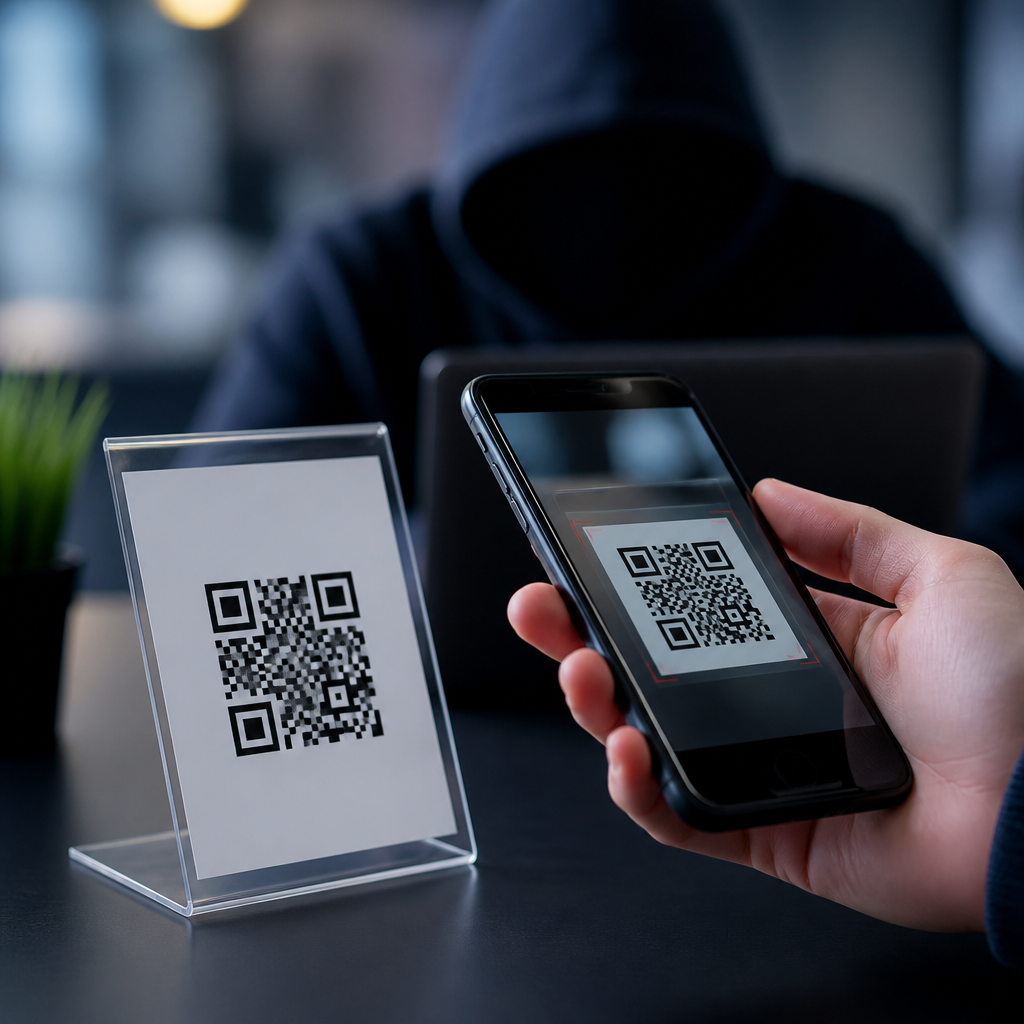
The biggest QR payment threat is QR code tampering, often called quishing when the attack relies on a malicious code to trigger phishing. A criminal places a fake code over a legitimate one at a cafe table, parking meter, or event booth. The victim scans it, lands on a counterfeit payment page, enters card data, and may even approve a wallet charge. I have seen this attack succeed because people trust the physical setting. If the code is on a restaurant table, they assume the destination is legitimate, even when the URL is unrelated to the business name.
Another risk is malicious redirection through shortened links or compromised landing pages. Some QR campaigns route users through redirect chains for analytics or campaign attribution. Every extra redirect creates complexity and can hide the final destination from users. If a merchant account, content management system, or QR management platform is compromised, an attacker can swap the destination across many printed codes at once. This is one reason mature teams audit destination changes and restrict administrative access with role-based controls and hardware-backed authentication.
There are also device-side risks. A phone infected with malware can intercept browser sessions, overlay fake payment prompts, or abuse accessibility permissions. Public Wi-Fi does not normally break properly encrypted payment sessions, but it can increase exposure to captive-portal tricks and fraudulent prompts. Finally, there are privacy issues. A QR scan can reveal location, timestamp, device type, and behavioral data, and some payment pages collect more personal information than necessary. Safe payment design therefore includes both fraud prevention and disciplined data minimization.
How to tell whether a payment QR code is safe
The fastest safety check is to inspect the destination before paying. On mobile, users should confirm the domain name, not just the page branding. A legitimate merchant may use a payment processor, but the processor domain should still be recognizable and secured with HTTPS. Be cautious if the page asks for unusual information, pressures you with countdown timers, or routes through several unrelated domains. In wallet-based systems, the safest path is usually to complete the payment inside the official bank or wallet app rather than a generic browser page.
For merchants, safe QR payments start with ownership and change control. Every code should map to an inventoried payment destination, and every destination change should be logged, reviewed, and reversible. Printed codes in public areas should be inspected regularly for overlays or damage. Dynamic QR deployments should expire old sessions quickly and tie each code to an order record. If a customer scans a code for table 12, the resulting screen should clearly show the merchant name, order amount, and table reference so the customer can detect mismatches before approval.
| Signal | Lower-risk sign | Higher-risk sign |
|---|---|---|
| Destination | Recognizable merchant, bank, or processor domain | Misspelled or unrelated domain |
| Payment flow | Official wallet or banking app confirmation | Generic browser page demanding card details |
| Code format | Dynamic code tied to amount or order | Static code with no transaction context |
| Physical condition | Cleanly printed and branded placement | Sticker overlay, peeling label, or altered frame |
| Merchant details | Name and amount shown before approval | No merchant identity or vague payee label |
Consumers should also use the security features already available to them: mobile operating system updates, screen locks, app-store-only installs, password managers, and bank alerts for transaction notifications. Businesses need monitoring as well. A spike in payment failures, chargebacks, or complaints linked to one printed location often indicates tampering. Good security operations treat QR payment fraud signals like any other fraud telemetry and investigate patterns quickly.
Best practices for merchants, platforms, and consumers
If you accept QR code payments, the most effective control is to use dynamic, merchant-authenticated codes generated by a reputable payment provider. Pair them with TLS everywhere, least-privilege admin access, signed change logs, and frequent physical inspections where codes are displayed. Merchant onboarding should include identity verification, payout account confirmation, and documented incident response steps. Where possible, display a short human-readable payment identifier near the code so staff and customers can cross-check the destination. For high-risk environments such as parking, vending, and unattended kiosks, tamper-evident labels and routine field audits are worth the operational cost.
Platforms that manage large QR fleets should add governance controls: version history, approval workflows, alerts on destination edits, and anomaly detection for sudden conversion shifts. Fraud teams should correlate scan source, device fingerprint, geolocation consistency, and payment success patterns. Privacy teams should review what scan metadata is retained and whether retention periods are justified. Compliance teams should ensure card data never touches merchant systems unless the merchant is prepared to meet PCI DSS obligations. In most cases, redirecting card entry to a validated payment service provider is the cleaner model.
For consumers, the rules are simpler and highly effective. Scan only when you expect to pay. Prefer official apps over browser pages. Verify the merchant name and amount before approving. Avoid scanning codes from unsolicited emails, posters, or messages that create urgency. If something feels off, pay another way and report the issue. QR codes are safe for payments when they are part of a trustworthy, well-controlled payment journey. They become unsafe when trust is assumed instead of verified. Use that standard as your decision rule, and review your current QR payment setup against it today.
Frequently Asked Questions
Are QR codes safe for payments?
Yes, QR codes can be safe for payments, but their safety depends on what the code actually does after you scan it. A QR code is not inherently secure or insecure on its own. It is simply a machine-readable way to store information such as a payment link, merchant account, invoice reference, or payment address. In practical terms, QR payments are generally safe when the code leads to a legitimate payment flow, the merchant or recipient is authentic, your device is secure, and you verify the destination before approving the transaction. This is why QR payments are commonly used by banks, digital wallets, transit systems, parking services, restaurants, and major retailers.
The biggest risk is not the QR technology itself but fraud involving fake or altered codes. A scammer can replace a real merchant code with one that routes funds to a different account or to a phishing site designed to steal login credentials or card details. That means the safest way to use QR code payments is to treat them the same way you would treat any payment request: confirm who is getting paid, check the app or website that opens, and review the amount before authorizing. When those checks are in place, QR codes are a convenient and reliable payment method rather than a uniquely dangerous one.
What are the main risks of paying with a QR code?
The most common risk is QR code tampering, sometimes called “quishing” when it is used for phishing. This happens when a criminal places a fake QR sticker over a real one on a parking meter, restaurant table, vending machine, or checkout counter. When scanned, the code may open a fraudulent website that looks like a trusted payment page or may direct money to the wrong recipient. Because QR codes are not human-readable at a glance, users may not notice the difference unless they review the destination carefully before proceeding.
Another risk involves device and app security. Even if the QR code itself is legitimate, using an outdated phone, downloading untrusted payment apps, or saving card details in insecure environments can create vulnerabilities. Public Wi-Fi can also add risk if you are entering sensitive information on a site that is not properly secured. In peer-to-peer situations, there is also the possibility of sending money to the wrong person if the payment identifier embedded in the code is unfamiliar or unverified. The key takeaway is that most QR payment risk comes from social engineering, spoofed payment pages, and poor device hygiene rather than from the code format itself.
How can I tell whether a payment QR code is legitimate before I scan it?
Start by looking at the physical context. If a QR code is posted on a parking machine, checkout display, flyer, or table tent, inspect it closely. Be cautious if it looks like a sticker placed over another sticker, if the print quality seems off, or if the branding does not match the business. In stores and restaurants, it is often safer to use a QR code presented directly by the merchant’s point-of-sale screen, official app, printed receipt, or staff-issued payment terminal rather than a loosely posted sign. If anything feels inconsistent, ask an employee to confirm the correct payment method.
After scanning, pay attention to what happens on your device before entering any payment information. Check the URL if a browser opens. A legitimate payment page should use the correct domain name, secure HTTPS, and recognizable branding. Be suspicious of misspellings, random subdomains, shortened links, or pages that ask for unusual information such as full banking credentials or one-time passwords unrelated to the transaction. If the code opens a familiar wallet or banking app directly, that is often a better sign than being routed to an unknown website. Most importantly, review the merchant name, recipient details, and payment amount before approving anything. If the destination is unclear, stop and use another payment method.
Are QR code payments safer through banking apps and digital wallets than through random web pages?
In most cases, yes. Payments initiated inside a trusted banking app, card app, or established digital wallet are usually safer than payments handled through an unfamiliar website opened by a QR scan. That is because reputable financial apps often include built-in safeguards such as encryption, tokenization, fraud monitoring, biometric login, transaction alerts, merchant verification, and confirmation screens that clearly identify the payee and amount. These features reduce the chance of entering sensitive data into a fake interface and make suspicious activity easier to detect quickly.
By contrast, a random web page opened from a QR code can be harder to evaluate, especially if it imitates a legitimate business or processor. Users may not recognize subtle domain changes or cloned branding, and a fake site may try to capture card data, login credentials, or personal information. For that reason, a good rule is to prefer QR codes that open your bank’s official app or a well-known payment wallet you already use. If a code sends you to an unfamiliar page, take extra time to verify the web address, security certificate, merchant identity, and transaction details. Convenience should never replace verification when money is involved.
What are the best practices for using QR codes safely for payments?
The safest approach is to combine source verification, device security, and transaction review. Only scan payment QR codes from trusted businesses, official invoices, known contacts, or recognized service providers. Keep your phone’s operating system and payment apps updated, use strong device security such as biometrics or a passcode, and avoid installing apps from unverified sources. If possible, use a payment method that offers fraud monitoring, purchase protection, or dispute mechanisms. It is also wise to enable transaction notifications so you can spot unauthorized charges immediately.
Before completing any payment, confirm exactly where the QR code leads and who will receive the funds. Read the merchant name, check the URL or app prompt, verify the amount, and avoid rushing through approval screens. Do not scan payment codes sent through suspicious messages, unsolicited emails, or social media posts unless you independently confirm they are genuine. If you encounter a suspicious code in a public place, do not use it, and alert the merchant or property owner. In short, QR codes are safe for payments when used thoughtfully: trust the source, verify the destination, secure the device, and authorize only after all transaction details make sense.