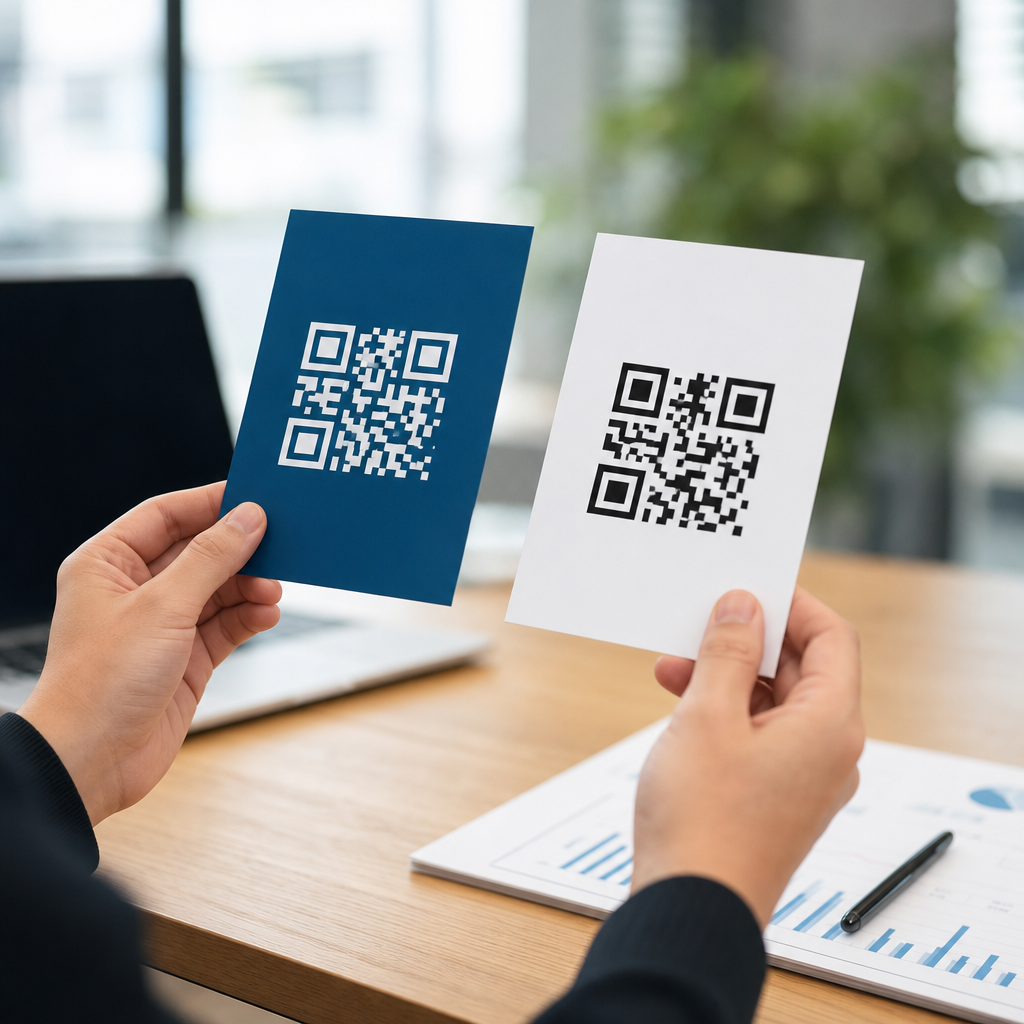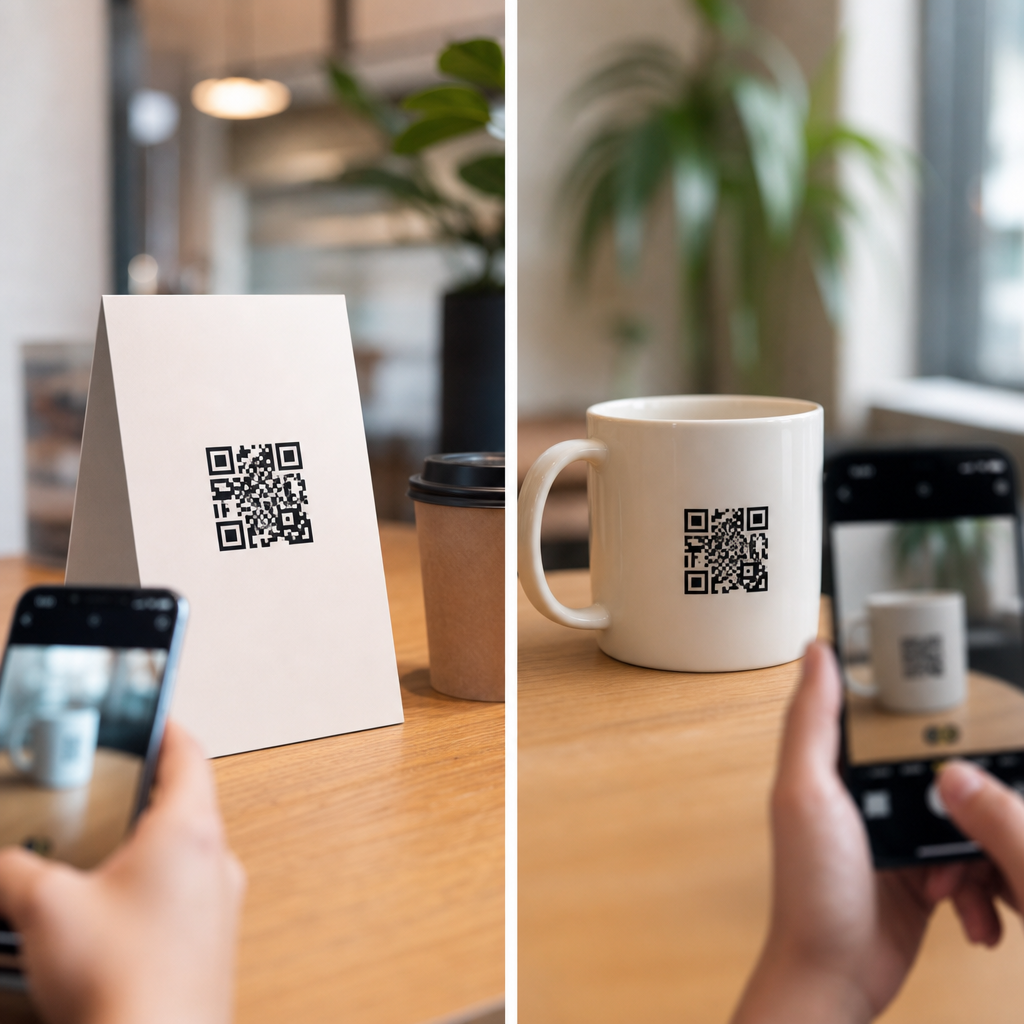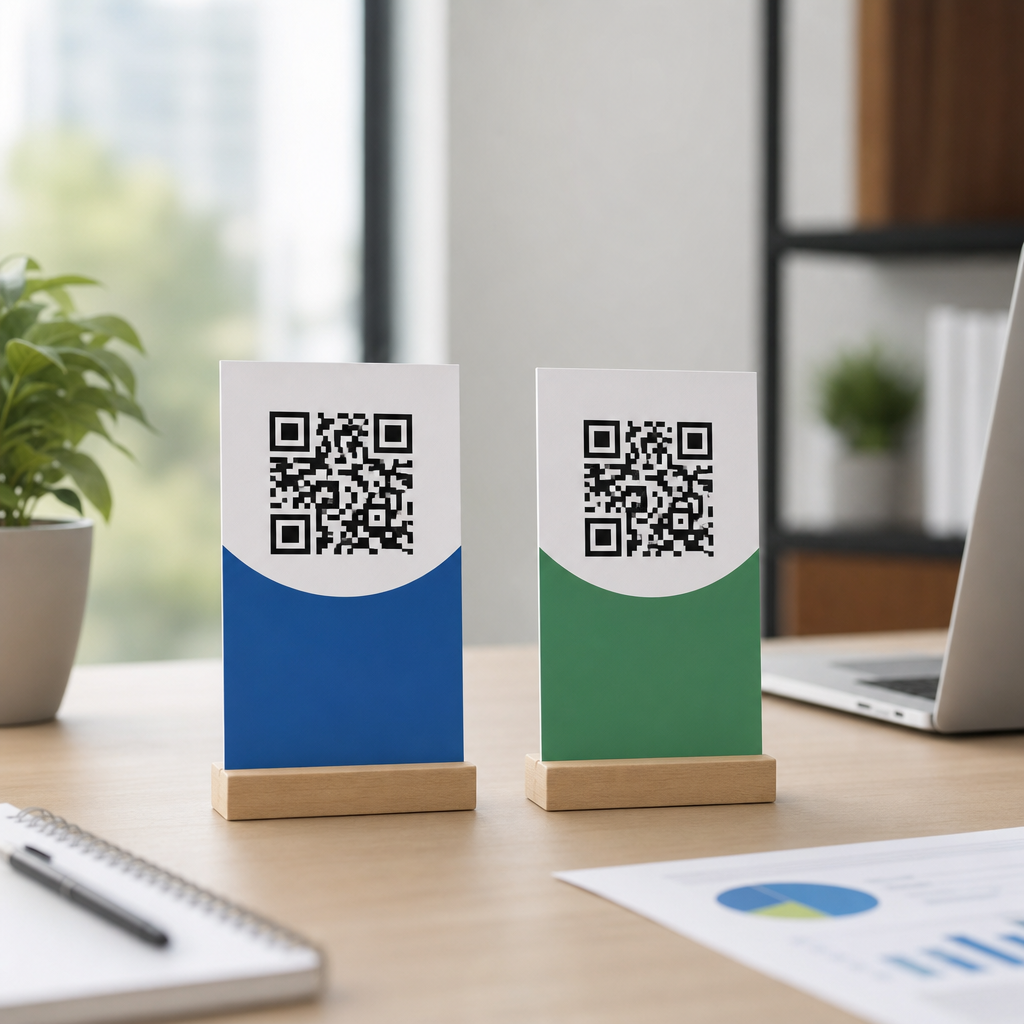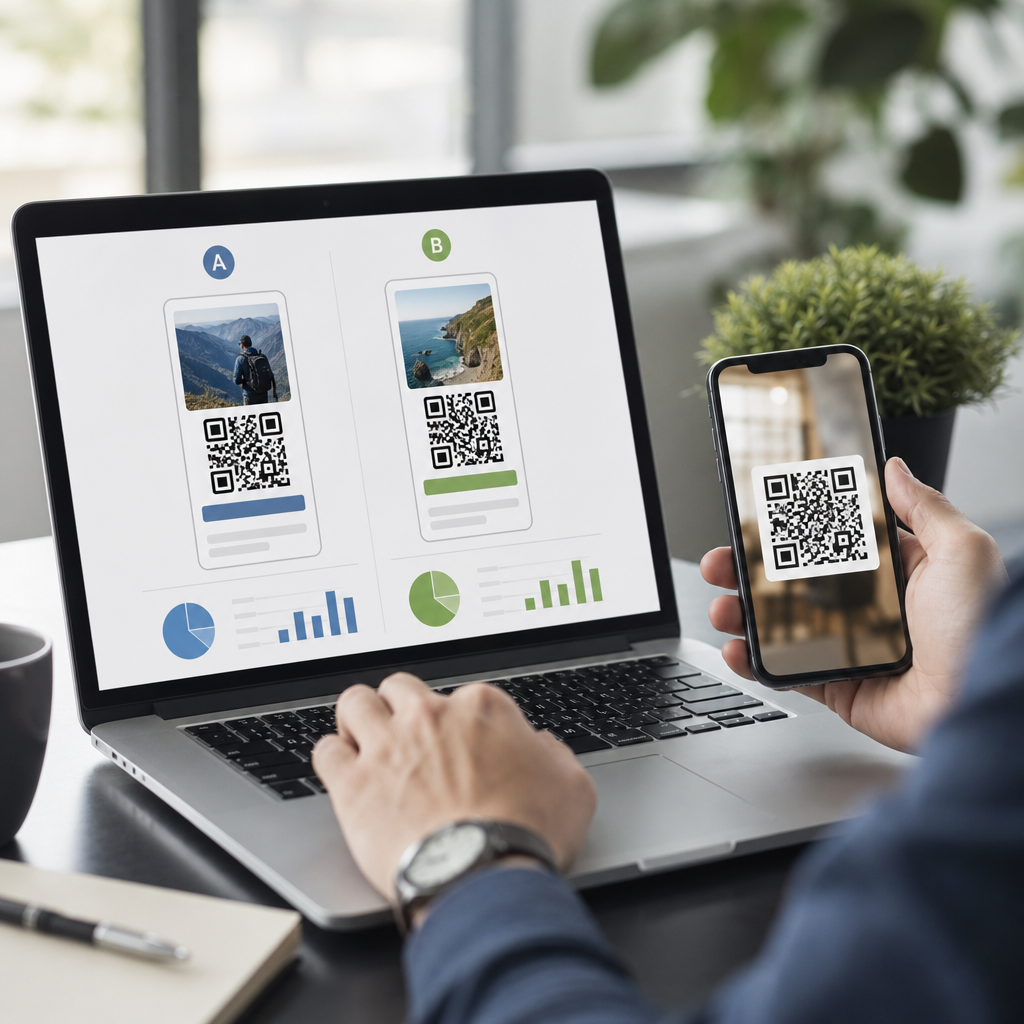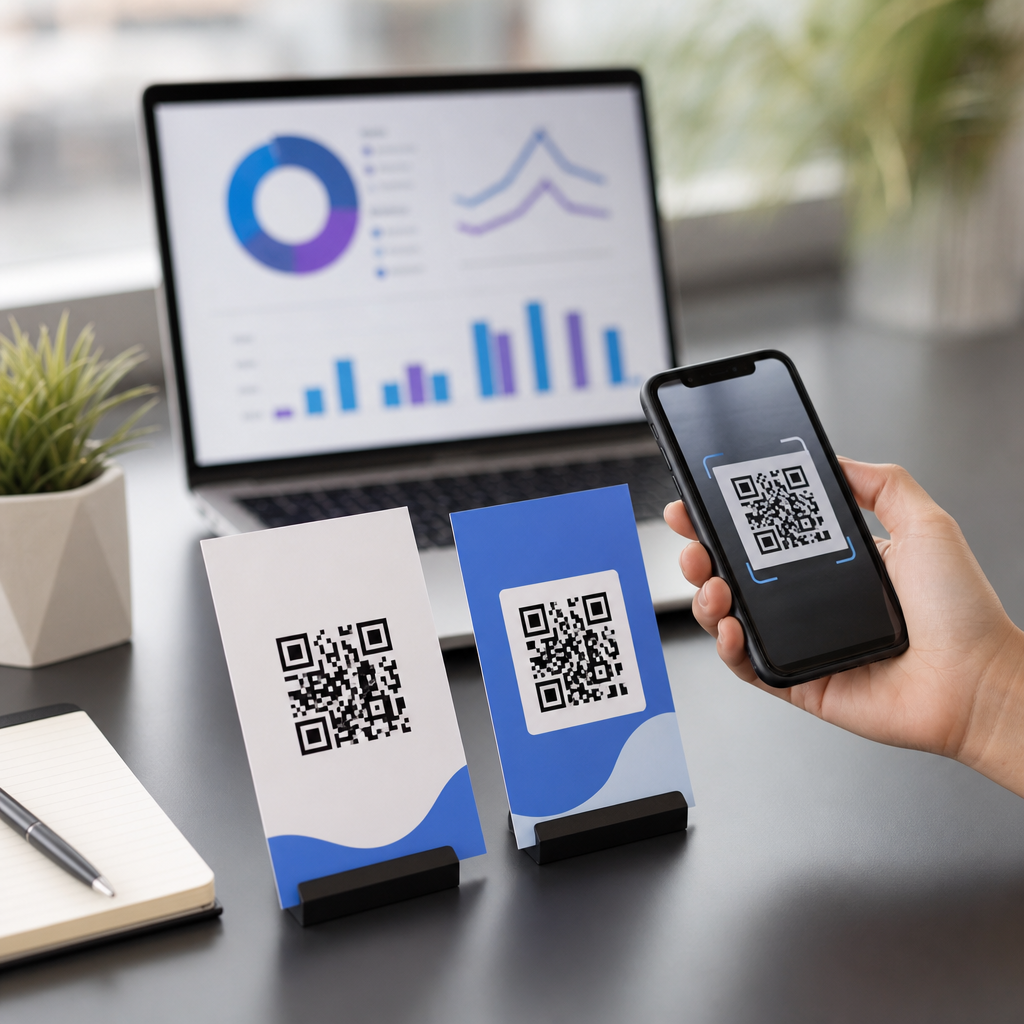
Advanced QR code optimization through testing turns a static square into a measurable marketing asset. A QR code is simply a machine-readable matrix that stores a destination such as a URL, app deep link, file, coupon, or payment request. Optimization means improving scan rate, completion rate, and downstream conversion by changing one variable at a time and measuring results. In practice, that process is A/B testing QR codes: comparing two controlled versions to learn which design, placement, message, or destination performs better. For teams running packaging, retail, events, direct mail, and out-of-home campaigns, this matters because a code that scans more easily and persuades more people to act can materially improve revenue without increasing media spend.
I have worked on QR programs for product packaging, point-of-sale displays, and trade show follow-up, and the same lesson appears every time: most underperformance is not caused by the code itself but by weak testing discipline. Teams often redesign the pattern, add a logo, move the code, and change the landing page all at once. When results improve, nobody knows why. A structured QR code testing program fixes that. It defines a hypothesis, isolates a variable, uses dynamic QR codes for routing and attribution, and measures outcomes across the full funnel, from impression to scan to conversion. That makes this topic foundational for any advanced QR code strategy and a practical hub for deeper work on creative testing, landing page experimentation, analytics setup, and offline attribution.
The central idea is straightforward. If you can identify what influences the decision to scan and what affects the experience after the scan, you can test each influence systematically. Common variables include code size, quiet zone, contrast ratio, error correction level, logo treatment, call-to-action copy, surrounding imagery, placement height, viewing distance, destination type, and load speed. Common metrics include scan-through rate, unique scanners, repeat scans, bounce rate, form completion, purchase rate, assisted revenue, and cost per acquisition. The purpose of optimization is not to make QR codes look clever. It is to reduce friction, increase confidence, and connect offline attention to measurable business outcomes.
What A/B testing QR codes actually measures
A/B testing QR codes measures the effect of one controlled change on a defined outcome. Version A is the current control. Version B changes a single variable, such as adding a stronger call to action like “Scan for 15% off” instead of “Learn more.” The scan itself is only the first event. A robust test follows the user beyond the camera handoff into page load, engagement, and conversion. In campaigns I have audited, a design that produced fewer scans sometimes generated more sales because it pre-qualified intent with clearer messaging. That is why scan volume alone is not enough.
Good measurement starts with instrumentation. Use dynamic QR codes rather than static ones whenever testing, because dynamic routing lets you preserve the printed asset while changing destinations, appending UTM parameters, and separating variants in analytics. Google Analytics 4, Adobe Analytics, Matomo, or a CDP can capture session and conversion data after the scan. QR management platforms such as Bitly, Flowcode, Uniqode, or Beaconstac can report scans, device types, time of day, approximate location, and repeat behavior. If the code is printed across multiple placements, assign each variant its own destination or query string so results cannot blur together.
For direct answers, the most important metrics are these: scan rate, which is scans divided by estimated impressions; landing-page conversion rate, which is conversions divided by sessions from scans; and total conversion rate, which is conversions divided by impressions. The first tells you whether the code and its context motivate action. The second tells you whether the post-scan experience fulfills intent. The third tells you what the business ultimately cares about. Secondary metrics include load time, dwell time, add-to-cart rate, coupon redemption, and store visit lift where matched-market analysis is available.
Variables worth testing first in advanced QR campaigns
Not every variable has equal impact. Start with factors that most strongly affect scannability and user motivation. In physical environments, code size relative to viewing distance is critical. A useful rule is about one centimeter of QR code width for every ten centimeters of scanning distance, though real performance depends on camera quality, glare, and angle. Quiet zone also matters: the blank margin around the code should be at least four modules wide, and shrinking it for aesthetic reasons often damages reliability. Contrast should remain high, usually dark modules on a light background. Reversing that relationship can work on modern phones, but scan rate often drops in poor lighting.
The next high-impact variable is the call to action. People do not scan because a QR code exists; they scan because the value is explicit. “Scan to see assembly video” outperforms “Scan here” because it states the reward. On shelf talkers, I have seen benefit-led copy increase scans by more than 30 percent without changing the code design at all. Destination matching is equally important. If the poster promises an instant coupon but the scan leads to a homepage, conversion suffers. Message scent must remain continuous from physical creative to mobile landing page.
Design embellishments should be tested cautiously. Logos, rounded modules, brand colors, and decorative frames can improve recognition, but every customization consumes error-tolerance headroom. QR codes support error correction levels L, M, Q, and H, roughly allowing recovery from 7 percent, 15 percent, 25 percent, and 30 percent data loss. If a logo covers part of the center, raising error correction may preserve readability, yet denser patterns can become harder to scan at small sizes. Test readability across iPhone and Android camera apps, older devices, and low-light scenarios before rolling out customized art at scale.
| Variable | What to test | Primary metric | Common mistake |
|---|---|---|---|
| Call to action | Benefit-led vs generic copy | Scan rate | Changing headline and offer together |
| Code size | Small vs large at same placement | Successful scans | Ignoring viewing distance |
| Placement | Eye level vs lower shelf or corner | Scan rate | Comparing different traffic volumes |
| Landing page | Short form vs long form | Conversion rate | Using different offers by variant |
| Design | Standard vs branded code | Successful scans and conversions | Breaking quiet zone or contrast |
How to design a clean QR code test without corrupting the data
A clean test begins with a single hypothesis and a fixed audience. For example: “Adding a specific incentive to the package QR call to action will increase scan-through rate by 15 percent.” From there, hold constant the package panel, code size, destination, and distribution window. If you cannot randomize at the individual level because this is physical media, randomize by store, region, shift, batch, or matched location. In retail, pair stores by traffic and sales baseline, then assign one store in each pair to version A and the other to version B. In direct mail, split the list randomly before printing. In events, alternate badge inserts by registration order.
Sample size discipline matters more than many teams expect. A tiny lift can be noise if impression counts are low. Before printing, estimate baseline scan rate and minimum detectable effect. If your baseline scan rate is 2 percent and you want to detect a relative lift of 20 percent with confidence, you may need tens of thousands of impressions per variant depending on variance and segmentation. If traffic is limited, prioritize larger expected changes, such as stronger offers or better placement, over subtle color tweaks. Ending tests early because one version appears ahead after two days is a classic way to publish false winners.
Operational controls are equally important. Keep destinations stable throughout the test window. Normalize for daypart, weather, and staffing where relevant. For restaurant table tents, lunch and dinner behavior can differ sharply. For transit ads, rainy days may reduce both foot traffic and willingness to stop and scan. For packaging, inventory mix can distort results if one variant lands more often in higher-volume stores. Document the print run, placement map, dates, and any field changes. In mature programs, I keep a test log that records hypotheses, screenshots, QR IDs, UTM structures, and outcome notes so future campaigns build on real evidence rather than memory.
Real-world examples and what they teach
Consider a consumer electronics brand adding QR codes to quick-start guides. The original code linked to the support homepage and generated many scans but low task completion. A revised version changed only the context copy to “Scan for your exact setup video” and routed users to product-specific pages using dynamic rules tied to SKU. Scan volume rose moderately, but completed setups increased sharply because the destination matched intent. The lesson was not that videos always win. The lesson was that specific promises and precise routing reduce cognitive load immediately after the scan.
In retail displays, placement often beats styling. One campaign I reviewed tested identical codes on an endcap sign, one version near the product claim and another near the price block. The code near the claim generated more scans, but the code near the price produced more purchases because shoppers were closer to decision point and could act on the offer instantly. On event signage, the opposite can happen: a code at venue entry scans well because people have idle waiting time, while a code near the stage scans poorly because attention is elsewhere. Advanced QR code optimization depends on environment, not universal design rules.
Another common lesson comes from landing-page speed. A hospitality brand used beautifully branded QR codes on print brochures to drive bookings. Scan rates were healthy, yet mobile conversion lagged. Testing showed that a lighter booking page with compressed images and autofill-ready forms outperformed the original page decisively. Every extra second of delay after the camera opens increases abandonment, especially on cellular connections in airports, lobbies, and trade shows. The winning insight had nothing to do with the code artwork. It came from treating the QR as part of an end-to-end journey. That is the standard advanced teams follow: optimize the entire path, not just the square.
Building this hub into an ongoing optimization program
This hub article should anchor every related effort under advanced QR code strategies because A/B testing connects creative, analytics, mobile UX, and offline attribution into one operating model. From here, the logical next topics are QR code design best practices, landing-page optimization after the scan, dynamic QR code governance, retail placement testing, direct-mail attribution, event QR lead capture, and analytics implementation. Each spoke article can go deeper, but the hub principle remains constant: define a business outcome, isolate one variable, measure full-funnel impact, and document what you learn.
The key takeaway is simple. Advanced QR code optimization through testing is not guesswork or decoration. It is a disciplined process for increasing scan reliability, strengthening intent, and improving conversion from physical touchpoints. Start with high-impact variables such as message, placement, size, and destination match. Use dynamic QR codes, strong analytics, and clean experimental design. Respect technical constraints like quiet zone, contrast, and error correction. Most importantly, judge winners by business outcomes, not just scans. If you are building an advanced QR code strategy, make testing your default operating habit and turn every campaign into a source of compounding insight.
Frequently Asked Questions
What does advanced QR code optimization through testing actually mean?
Advanced QR code optimization through testing means treating a QR code as a performance-driven marketing asset instead of a static graphic. A QR code can send people to many different destinations, including a website, landing page, app deep link, digital menu, payment flow, file download, coupon, or contact card. Optimization is the process of improving how well that code performs by measuring what happens after someone sees it, scans it, and completes the next action.
In practical terms, this usually involves A/B testing QR codes. You create two controlled versions that differ by one meaningful variable, such as size, call-to-action, placement, color contrast, landing page format, or destination type. Then you measure the effect of that single change on key outcomes like scan rate, page load completion, form submissions, purchases, or app installs. This approach helps marketers move beyond guesswork and make decisions based on evidence.
The “advanced” part comes from looking beyond whether a code scans at all. High-performing teams evaluate the full user journey: visibility, ease of scanning, device compatibility, page speed, conversion friction, and attribution quality. A QR code may generate scans but still underperform if the landing page is slow, the offer is unclear, or the code is placed where users do not have enough time or space to scan comfortably. Testing helps identify exactly where performance improves or breaks down, allowing every iteration to be more precise.
Which QR code elements should be tested first for the biggest performance gains?
The best place to start is usually with the variables most likely to influence visibility, scan confidence, and post-scan action. For many campaigns, the highest-impact factors are placement, size, surrounding context, and the call-to-action near the code. A QR code placed at eye level with clear whitespace and a direct prompt such as “Scan to claim your discount” often outperforms one that is smaller, crowded by other design elements, or presented with no explanation of why someone should scan.
Design and technical factors should also be prioritized. Contrast matters because scanners need a clear distinction between dark modules and a light background. While branded QR codes can work well, excessive styling, inverted colors, low contrast, heavy logo overlays, or decorative interference can reduce readability and hurt scan rates. Dynamic QR codes are often preferable for testing because they allow destination changes, tracking, and campaign adjustments without reprinting the code itself.
After the code design and placement are validated, the next major testing opportunity is the destination experience. A fast, mobile-optimized landing page often has more impact on conversion than minor visual changes to the QR code itself. You can test short forms versus longer forms, direct-to-checkout versus product-detail pages, app deep links versus mobile web pages, or different offers and messages. Start with one variable at a time, choose the change most likely to move a business metric, and avoid testing too many elements simultaneously unless you have enough traffic for structured multivariate analysis.
How do you run a reliable A/B test for QR codes without getting misleading results?
A reliable QR code A/B test begins with a clear hypothesis. Instead of vaguely asking which code “looks better,” define a measurable expectation such as, “A larger QR code with a benefit-focused call-to-action will increase scan rate by 15% compared to the current version.” That hypothesis determines what you test, which metric matters most, and how long the test should run. The stronger the hypothesis, the easier it is to make an informed decision at the end.
To avoid misleading results, change only one major variable per test whenever possible. If version A is smaller, lower on the page, and paired with a different offer than version B, you will not know what caused the difference in performance. Control the environment as much as you can. If testing printed QR codes in stores, use similar locations, time periods, and audience conditions. If testing digital placements, split impressions consistently and make sure both versions load the same destination infrastructure except for the intended variable.
Measurement discipline is equally important. Track scans, unique scans, landing page sessions, bounce rate, completion rate, and final conversion. If your campaign supports it, add UTM parameters, event tracking, and server-side analytics to connect the QR code interaction with downstream outcomes. Also check scan quality across device types, operating systems, lighting conditions, and distances. A version that wins in one environment may fail in another. Finally, wait for enough sample size before declaring a winner. Small differences early in a test can be noise rather than true performance signals.
What metrics matter most when evaluating QR code performance?
The most important metrics depend on the business goal, but strong QR code analysis usually follows the full funnel. At the top of the funnel, scan rate tells you how often people who see the code actually engage with it. This reflects discoverability, clarity, trust, and ease of scanning. If scan rate is low, the issue may be the code’s size, placement, contrast, surrounding message, or the relevance of the offer.
Mid-funnel metrics help explain what happens immediately after the scan. These include landing page load success, page speed, bounce rate, session duration, click-through rate, and drop-off points. A QR code can have an excellent scan rate but still fail if the mobile experience is slow, confusing, or mismatched with user intent. For example, sending users to a generic homepage instead of a dedicated landing page often creates unnecessary friction and hurts completion.
Bottom-funnel metrics are what ultimately determine value. These include lead submissions, purchases, booking completions, coupon redemptions, app installs, payment completions, revenue per scan, and return on ad spend. In more advanced programs, marketers also monitor repeat visits, customer lifetime value, assisted conversions, and location-specific performance. The key is not to stop at scans alone. The best QR code is not always the one with the most scans, but the one that generates the strongest qualified outcomes relative to campaign cost and audience context.
What are the most common mistakes that reduce QR code scan rate and conversion?
One of the biggest mistakes is assuming that a technically valid QR code is automatically an effective one. Many QR codes fail because they are too small, placed in awkward locations, printed with poor contrast, or surrounded by clutter that makes them hard to notice and difficult to scan. Others are shown where users do not have enough time to act, such as on moving signage, brief presentations, or distant displays. Even a perfectly generated code underperforms when the real-world scanning conditions are poor.
Another common issue is weak user motivation. If people do not understand what they will get by scanning, many will ignore the code entirely. Generic prompts like “Scan me” are usually less effective than specific value-focused language such as “Scan to download the guide,” “Scan to pay instantly,” or “Scan for 20% off today.” Trust also matters. Users are more likely to scan when branding is clear, the destination feels credible, and the offer matches the context in which the code appears.
The third major mistake happens after the scan. Sending traffic to a slow, non-mobile-friendly, or irrelevant destination can erase the gains made by a strong QR code design. Long forms, confusing navigation, broken redirects, and untracked landing pages all lower conversion and make optimization harder. Teams also hurt results by changing too many elements at once and failing to measure outcomes properly. The solution is a disciplined testing process: improve one variable at a time, validate scan reliability across devices, align the destination with user intent, and measure performance from first scan to final conversion.